Fresh food can make an ordinary meal feel bright and new. A small swap in the kitchen can change the whole mood at the table.
1. Meyer Lemon
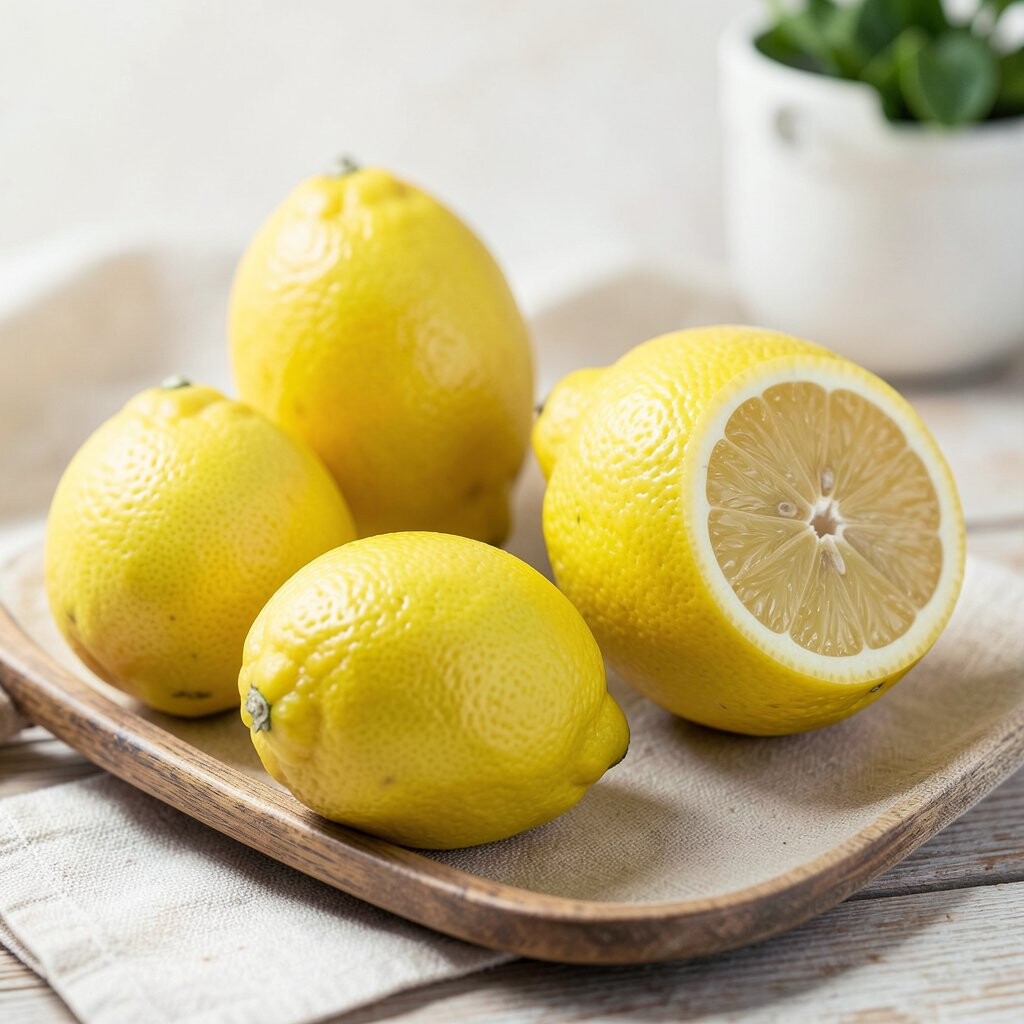
Meyer lemon has a soft yellow skin and a sunny look that feels cheerful on the counter. Its taste is milder than a regular lemon, so it works well in dressings, fish, baked treats, and even warm water in the morning.
This fruit brings a fresh lift without shouting too loudly, which makes it easy to use in many dishes. It is often a smart buy when it is in season, and a few lemons can go a long way because the juice and zest each add something useful. Try it with olive oil, honey, herbs, or yogurt, and make the flavor fit your own style.
2. Shishito Peppers

Shishito peppers look slim and shiny, with a bright green color that stands out in a pan. Most are mild, but now and then one has a little heat, which keeps each bite fun and lively.
They are quick to cook and need very little fuss, so they fit busy nights well. These peppers are often affordable at farmers markets and grocery stores, and a small basket can make a side dish for several people. You can blister them in a hot pan, toss them with salt, or pair them with dipping sauces to match your own heat level.
Because they are so simple, they fit many meal styles and feel fresh in a way that never gets boring. People who like trending snack plates often serve them with creamy dips, but they also work in rice bowls and grain salads when you want something green and crisp.
3. Radicchio
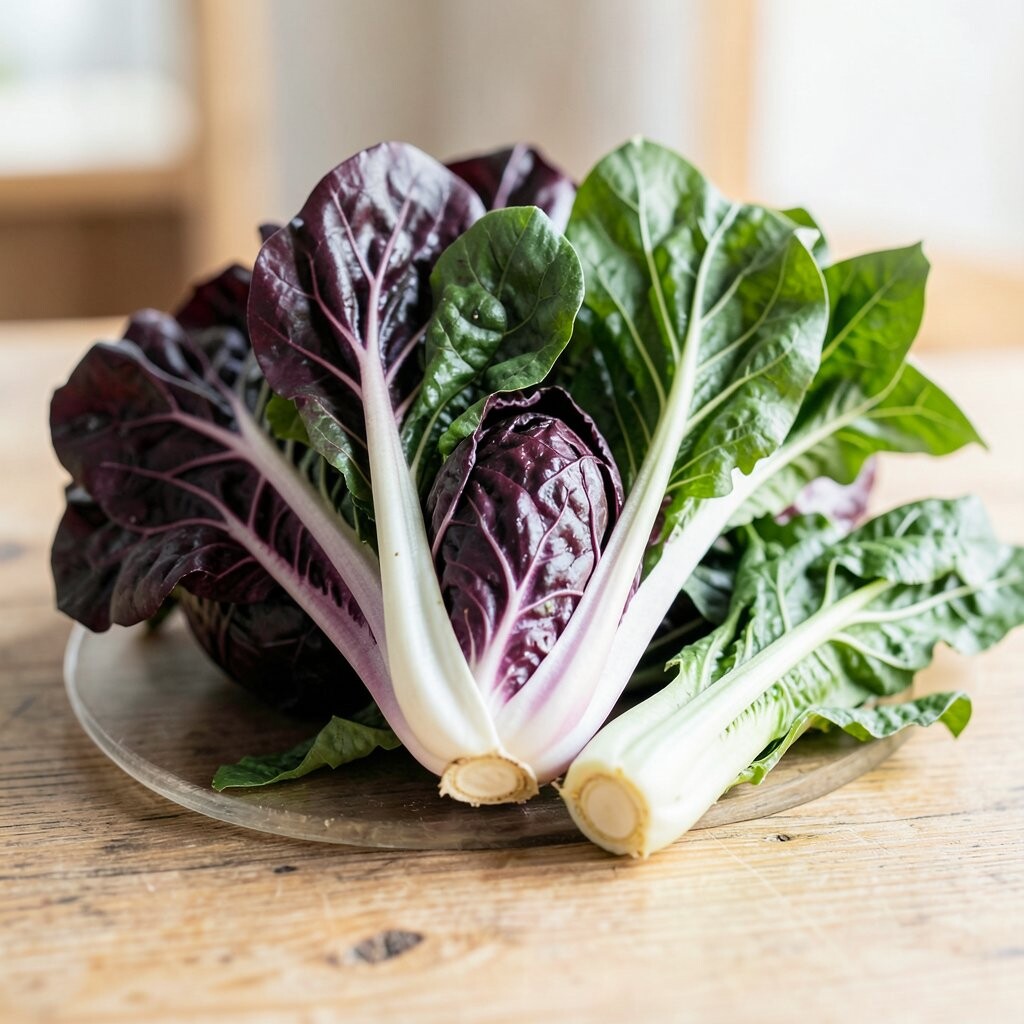
Radicchio brings deep red leaves with white veins, and that color alone can make a plate look special. The flavor is crisp and slightly bitter, which gives salads, slaws, and grilled dishes a nice edge.
It can be a good choice when you want something bold without spending much. A small head goes far, and the leaves hold up well in the fridge, so there is less waste and more value. Try mixing it with sweet fruit, soft cheese, or roasted nuts to soften the bite and make it feel more balanced.
Many cooks like it right now because bitter greens are showing up in more home kitchens and cafe menus. If the taste feels strong at first, a quick soak in ice water can mellow it a bit, and that small step makes it easier to enjoy.
You can also shave it thin for a crunchy topping on tacos or sandwiches, which adds color and a clean snap. If you want a personal twist, pair it with your favorite salad dressing and let the flavor lean sweet, tangy, or creamy.
4. Black Garlic
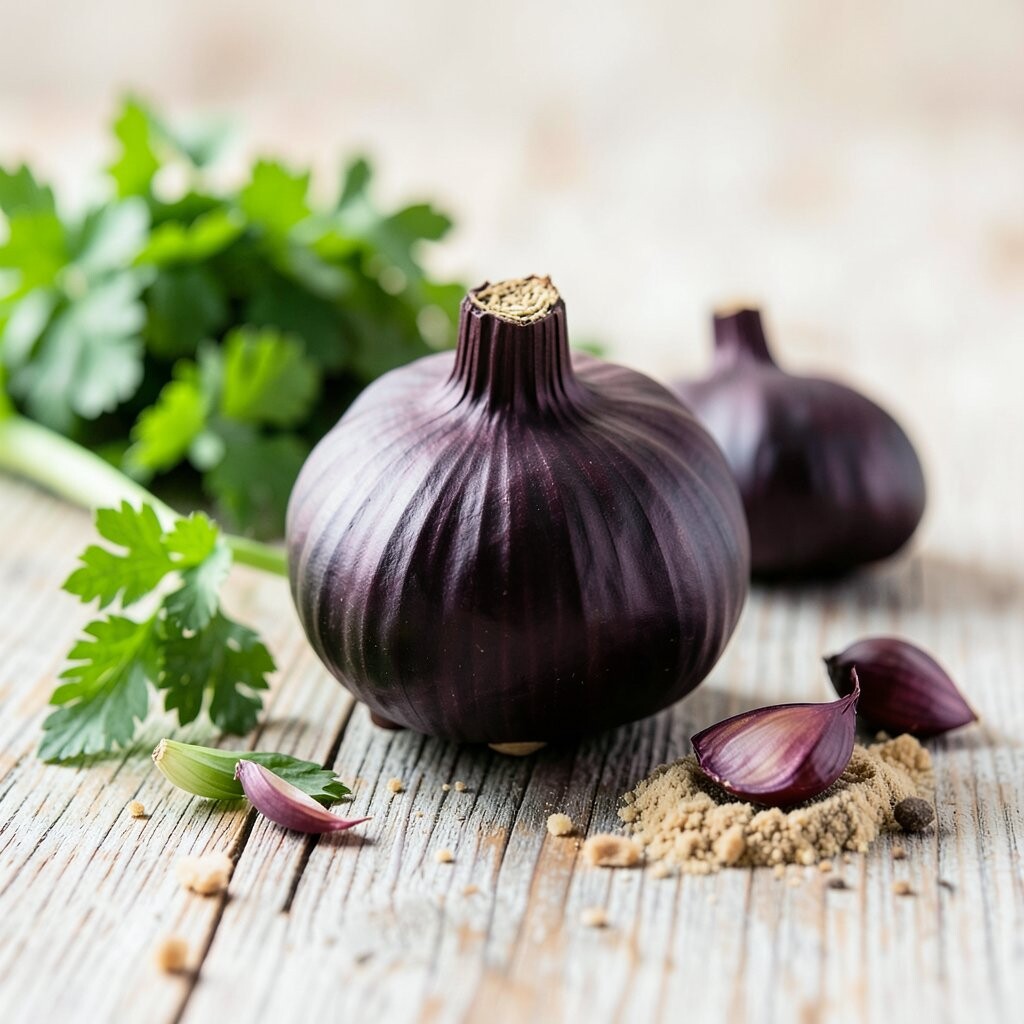
Black garlic looks dark and glossy, almost like a soft little jewel. Its flavor is sweet, rich, and a bit like caramel with a gentle garlic note, so it feels special in sauces, spreads, and mashed potatoes.
It may cost more than regular garlic, yet a small amount can flavor a whole dish, which helps stretch the value. The soft cloves are easy to mash into butter or mayo, and that makes them a simple upgrade for sandwiches or roasted vegetables. Try them in a pasta sauce or on toast if you want something unusual but still easy to use.
Home cooks like it because it feels fancy without needing much skill, and that is a big reason it keeps showing up in modern recipes. You can keep the flavor mild with cream or make it bolder with soy sauce and lemon, depending on your taste.
Its dark color also makes any plate look dramatic in a nice way, especially beside bright greens or roasted orange squash. For a personal touch, blend it with your favorite herbs and see which mix feels right for your kitchen.
5. Romanesco
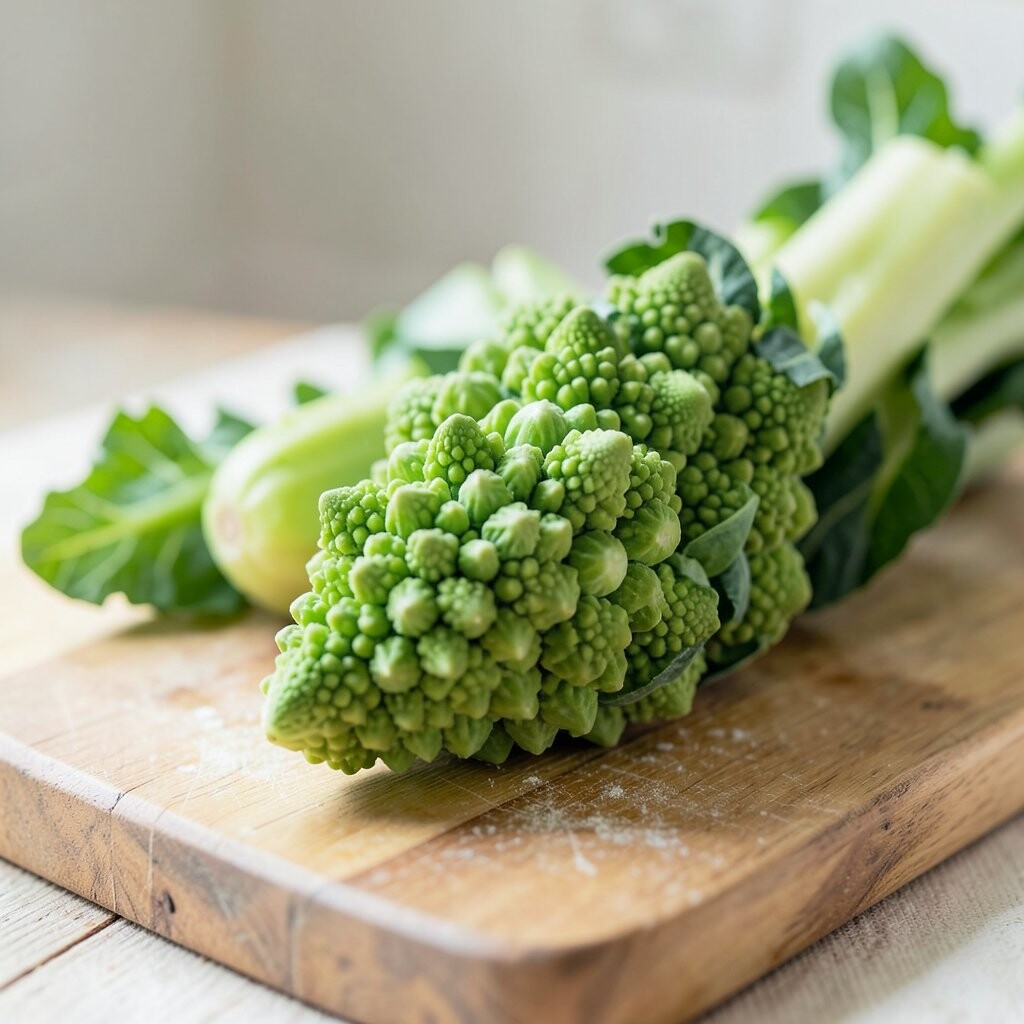
Romanesco has a wild, spiral shape that looks almost like a green sculpture. Its taste sits between broccoli and cauliflower, with a clean crunch that feels nice raw or cooked.
This vegetable is a great way to bring more color and texture to dinner without a big effort. It can be affordable when in season, and one head can serve a whole family once it is broken into small florets. Roast it with oil and salt, steam it for a simple side, or cut it into a salad for a striking look.
Many people love it because the shape feels fresh and modern, which fits the current love for pretty vegetable platters. If you want to make it your own, pair it with spicy sauce, lemon, or toasted seeds for a richer finish.
It also keeps its shape well after cooking, so it works nicely for meal prep. If the green color matters to you, cook it just until tender so it stays bright and lively on the plate.
6. Fresh Turmeric
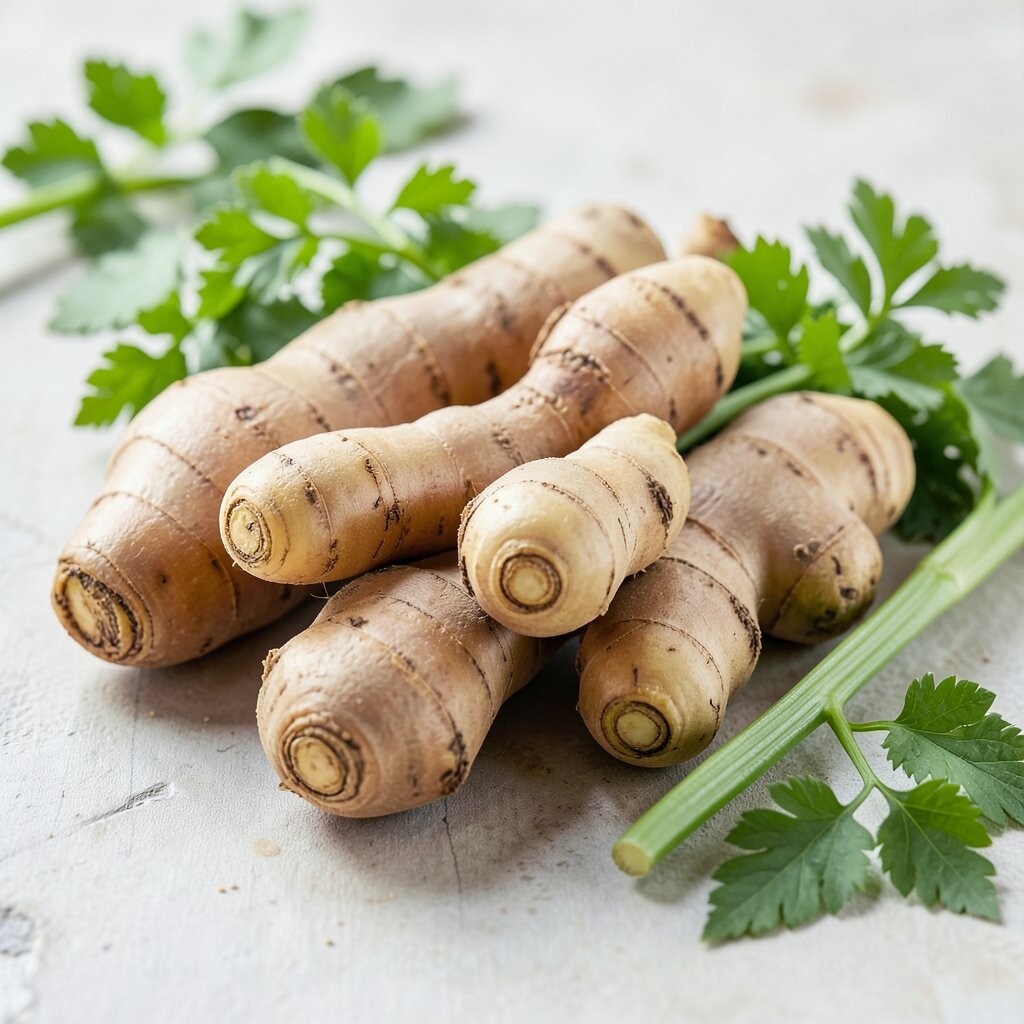
Fresh turmeric looks like a small root with golden orange skin and a warm earthy scent. When sliced or grated, it adds a sunny color to soups, rice, smoothies, and tea.
The flavor is cleaner and brighter than dried turmeric, so it can wake up a dish in a gentle way. It is usually best to buy a small amount at a time because a little goes far, and the root can be frozen to help it last longer. Wear gloves or wash your hands soon after handling it, since the bright color can stain fingers and cutting boards.
Many wellness fans use it in drinks and broths because it feels soothing and fresh. You can mix it with ginger, citrus, or coconut milk to create a flavor that matches your own routine.
Its vivid color also makes food look more alive, which is part of why it is so popular in bright smoothie bowls and golden lattes. If you want a lower-cost way to try it, add a tiny piece to soup instead of making it the main event.
7. English Peas
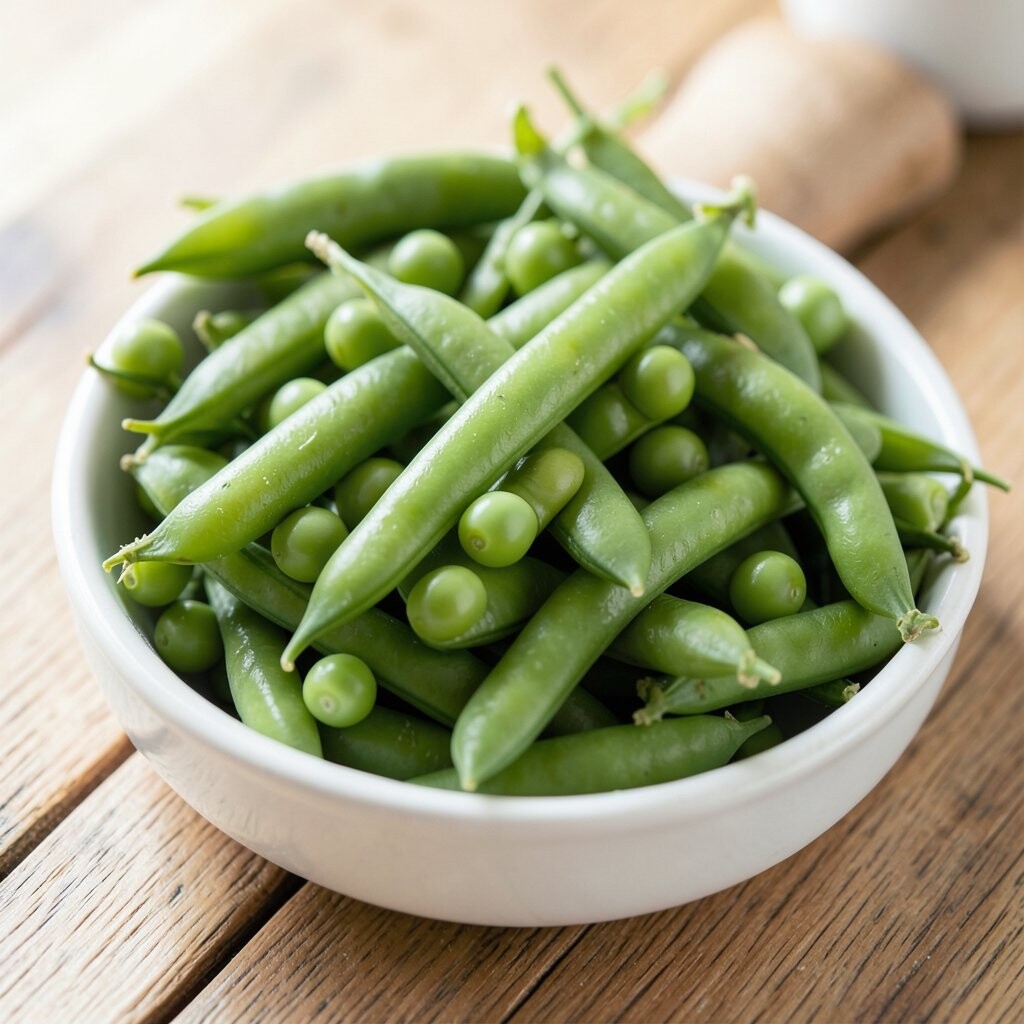
English peas come in soft green pods that open to reveal round, sweet peas inside. They look simple, yet their taste is tender and fresh in a way that frozen peas can only partly match.
They are a lovely spring ingredient, and the short season makes them feel a bit special. Fresh peas can take a little shelling time, but many people enjoy that calm kitchen task, and the result is worth it. Use them in pasta, risotto, soups, or a quick salad with mint and cheese.
Their mild sweetness works well with lemon, butter, and herbs, so they fit many meals without much effort. If you want to save money, buy them when they are in peak season and cook them soon so they stay bright and tender.
They also add a cheerful pop of green that makes a dish look alive. For a personal spin, mash them lightly on toast or mix them into grain bowls with whatever fresh herbs you already have.
8. Finger Limes

Finger limes look like small green or brown pods, but inside they hold tiny pearls of juice. Those little beads pop in the mouth and make food feel playful and fresh.
They can be pricier than common citrus, yet a small amount adds a lot of impact, so they are best used as a finishing touch. Spoon them over seafood, avocado toast, yogurt, or fruit for a bright lift and a clean burst of flavor. Because they are so eye-catching, they have become popular in modern plating and restaurant-style home cooking.
The texture is what makes them truly different, and that gives them a fun place in meals that need a bit of sparkle. If you want to keep costs in check, use them on one special dish rather than every part of the meal.
You can also mix the pearls with herbs or chilies to make a topping that feels more like your own. Their fresh look and lively pop can turn a plain plate into something memorable without much work.
9. Purple Sweet Potatoes
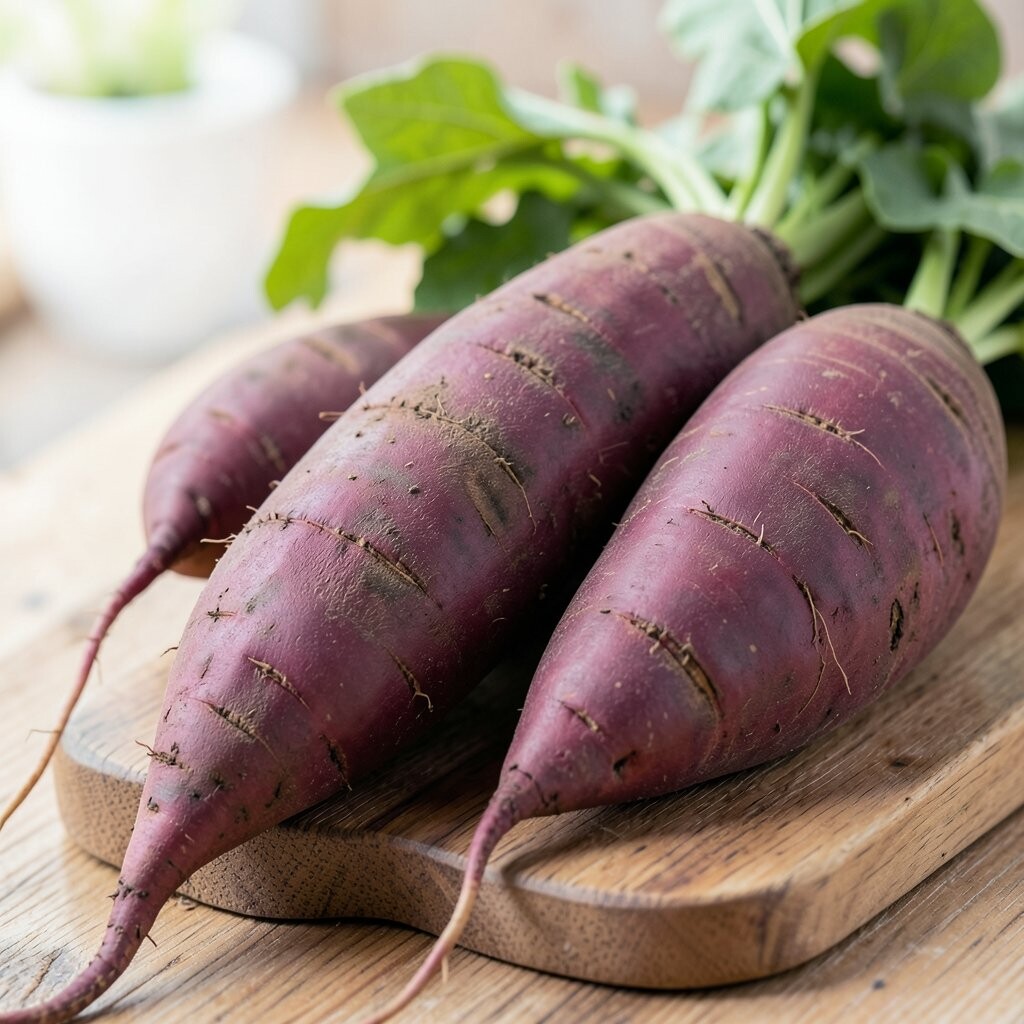
Purple sweet potatoes have deep violet skin and flesh that stays bold even after cooking. The color is rich and striking, and the flavor is sweet, nutty, and comforting.
They work well roasted, mashed, baked, or cut into fries, and they bring a natural beauty that needs very little extra garnish. In many places, they are a smart choice when bought in bulk, and their sturdy shape means they store well and waste less. Try them with cinnamon, sesame, tahini, or yogurt to build a dish that feels both cozy and fresh.
They also fit right into current food trends that lean toward colorful bowls and vegetable-forward plates. If you want to make them feel special, keep some pieces chunky for texture and mash others for a creamy base.
The bright inside can make even a simple dinner feel cheerful, especially when served beside greens or white rice. You can adjust the flavor to suit sweet or savory meals, which makes them easy to use again and again.
10. Fresh Figs
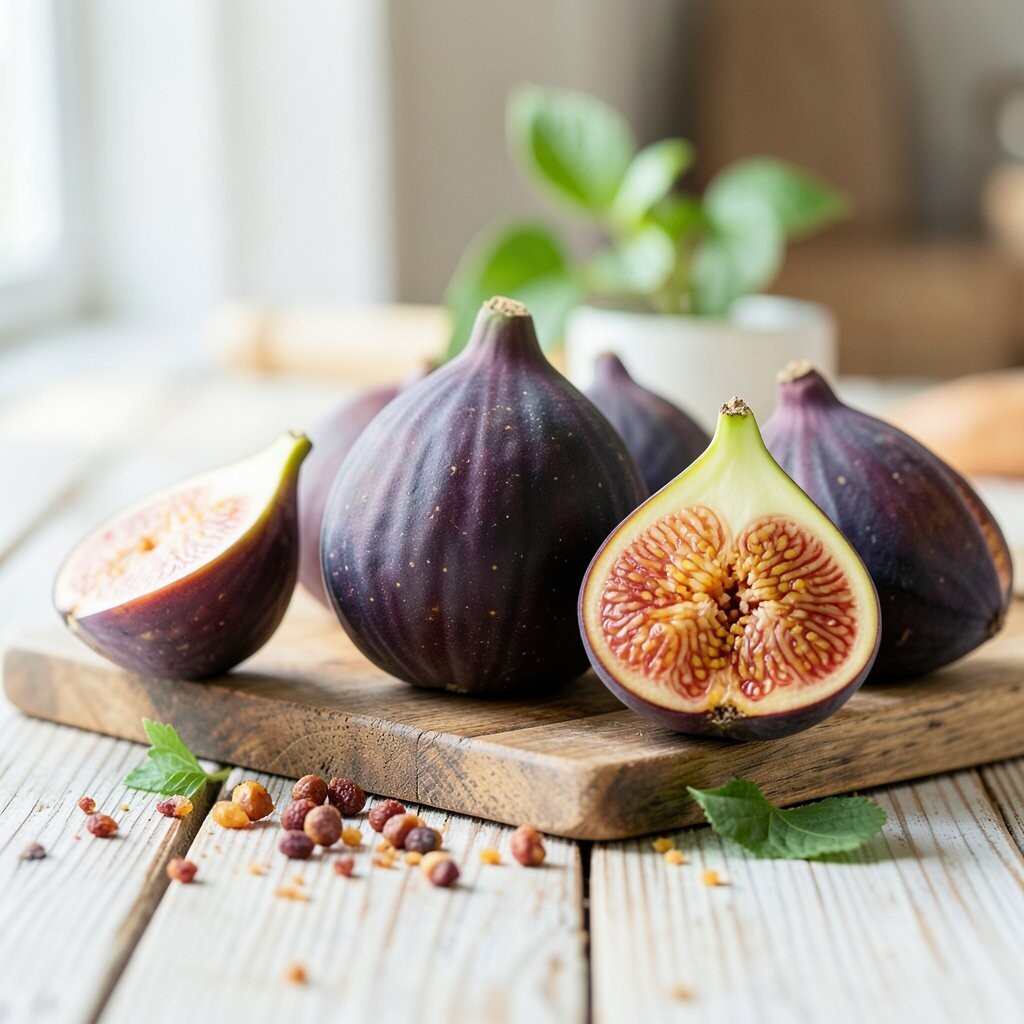
Fresh figs have soft skin, tiny seeds, and a jewel-like shape that looks elegant on a plate. Their taste is sweet, mellow, and a little jammy, which makes them lovely with cheese, nuts, salads, and toast.
They are best when eaten soon after purchase, so they feel like a treat and reward careful planning. While they may cost more than everyday fruit, even a few figs can make a snack or starter feel rich and complete. Try them with ricotta, prosciutto, honey, or a drizzle of balsamic if you want a mix of sweet and savory.
Because they have such a soft look, they fit the current trend of simple platters that feel pretty without a lot of effort. If you prefer a more personal touch, pair them with your favorite nut butter or a crumbly local cheese.
They can be sliced open to show the bright center, which gives a lovely visual surprise for guests or family. When they are ripe, use them quickly and keep the handling gentle so they stay beautiful.
11. Kabocha Squash
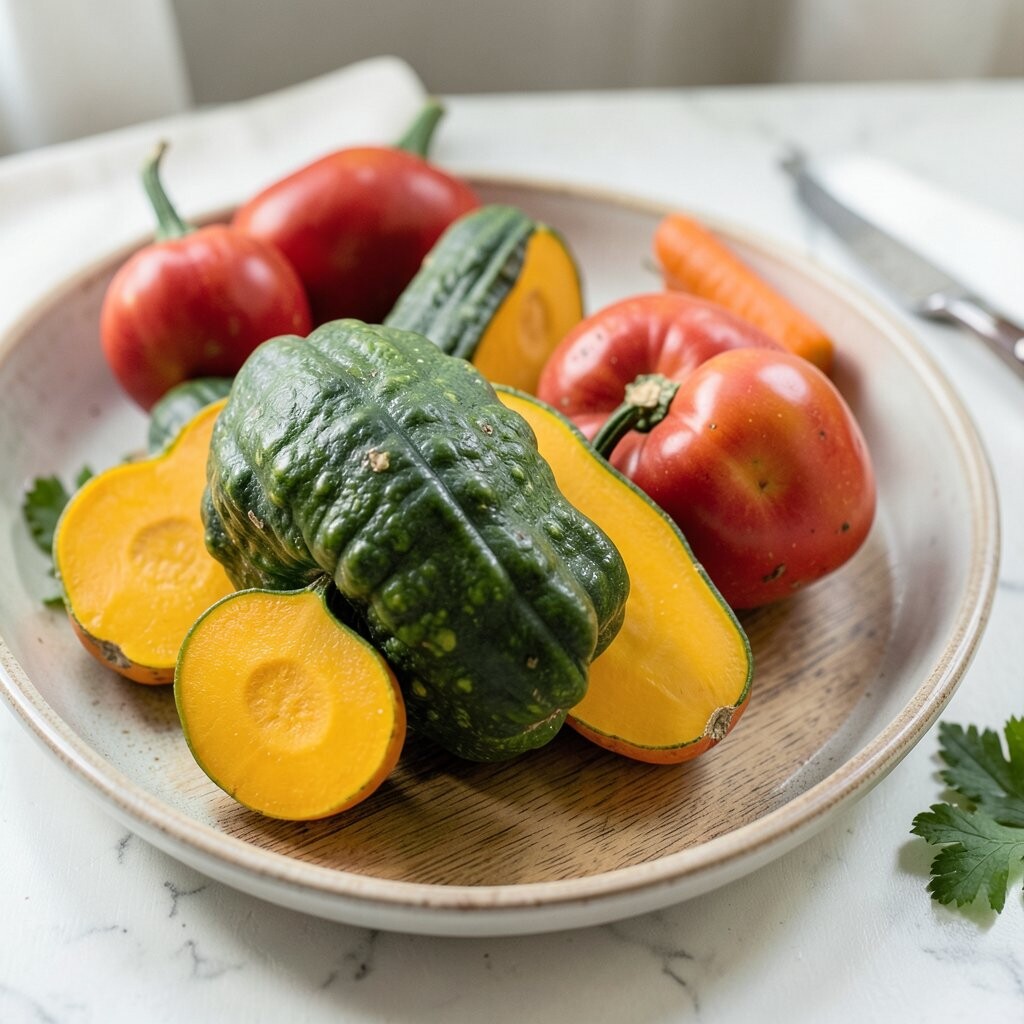
Kabocha squash has a dark green shell and deep orange flesh that turns soft and sweet when cooked. It looks rustic and cozy, and the flavor is richer than many other squash types.
This ingredient is a good value because one squash can be used in soup, curry, roast trays, or even dessert. It keeps well on the counter for a while, so you can buy it before you need it and cut down on extra grocery trips. Roast it with a little oil and salt, then mash it or cube it for bowls and stews.
The texture is smooth and creamy, which makes it a nice comfort food that still feels fresh and seasonal. If you like to change things up, season it with chili, maple, miso, or warm spices to fit your taste.
Its deep color looks great next to greens, grains, and bright sauces, so a plate feels fuller right away. This squash also matches the current love for plant-based meals that are hearty but simple.
12. Microgreens
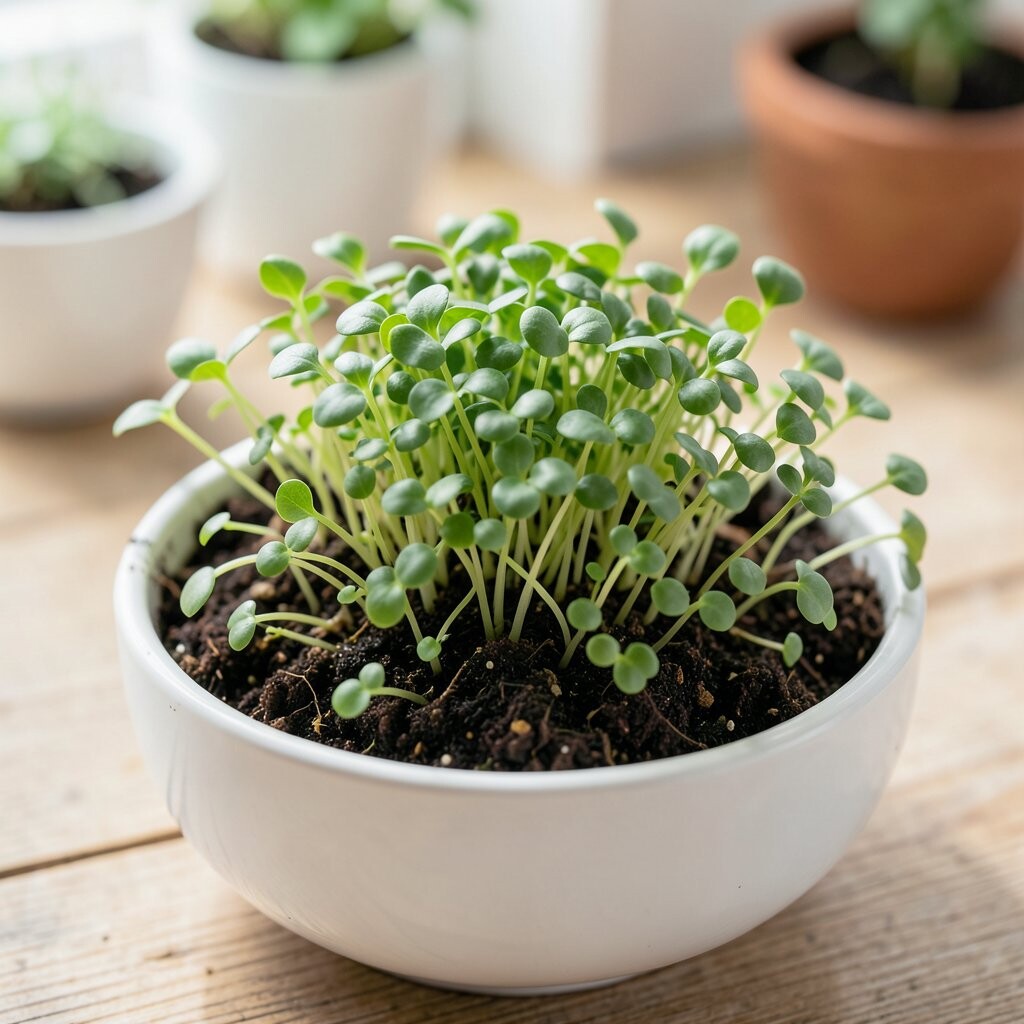
Microgreens are tiny seedlings with vivid leaves, thin stems, and a very fresh look. They can taste peppery, sweet, grassy, or mild, depending on the kind you buy.
Even a small box can make meals look polished, and that is why they are common in trendy bowls and cafe plates. They can be expensive, but a little goes far because they are used as a topping rather than a main ingredient. Sprinkle them over eggs, soups, sandwiches, or roasted vegetables to add color and a fresh bite.
They are an easy way to make simple food feel special without adding much cooking time. If you want more value, buy the type you like most and use it where the flavor stands out instead of mixing in several kinds at once.
Personalizing them is simple because they pair with almost anything, from creamy dishes to sharp vinaigrettes. Their tiny size and bright color can make a plain meal look like a cafe treat at home.
13. Calamansi

Calamansi looks like a small round citrus fruit with a green or orange skin. Its flavor is sharp, fragrant, and a little sweet, which makes it exciting in drinks, marinades, sauces, and desserts.
It brings a clean citrus note that feels different from lemon or lime, so it is a nice choice when you want a fresh twist. The fruit is often used in Southeast Asian cooking, and that global flavor influence is part of its current appeal in home kitchens. It can be budget friendly when bought in season or in larger packs, and the juice goes far in a recipe.
Use it in a simple glaze for chicken, stir it into iced tea, or whisk it with soy sauce for a fast dip. If the taste feels too sharp, add a little honey or sugar and make it fit your own balance.
The small size also makes it easy to keep in the fridge and pull out whenever a dish needs brightness. Its lively scent and bold citrus punch can wake up food in a way that feels fresh, easy, and fun to use.