Vintage aprons hold stories in their folds. With gentle care, they can stay lovely for many more years.
1. Start With a Gentle Inspection
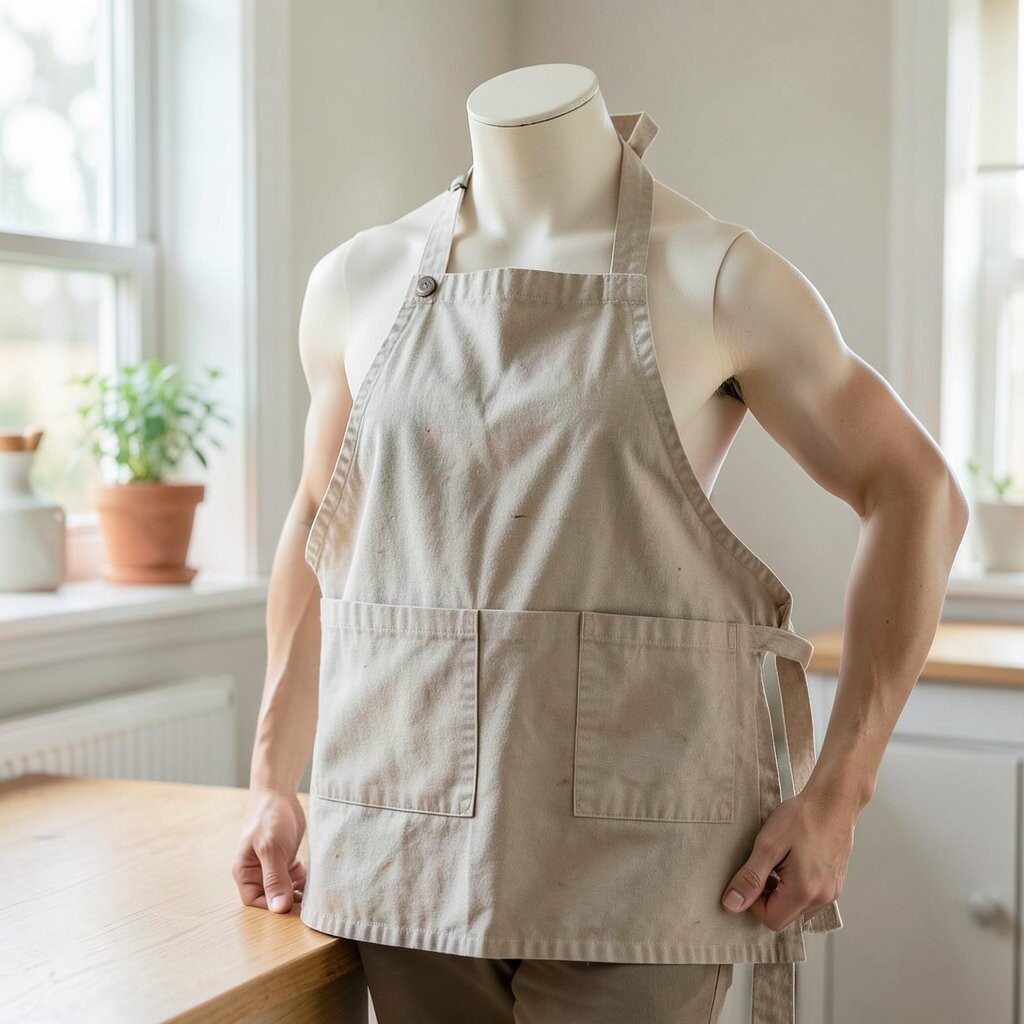
Lay the apron flat on a clean table and look at every seam, tie, and hem. Soft cotton prints, faded florals, and sweet lace edges often show tiny weak spots that are easy to miss at first glance.
This first look helps you protect the apron before a tear gets bigger, and that can save money on repairs later. If you see a loose stitch or a small stain, you can mark it and decide if the piece needs extra help or just careful handling.
2. Wash by Hand in Cool Water
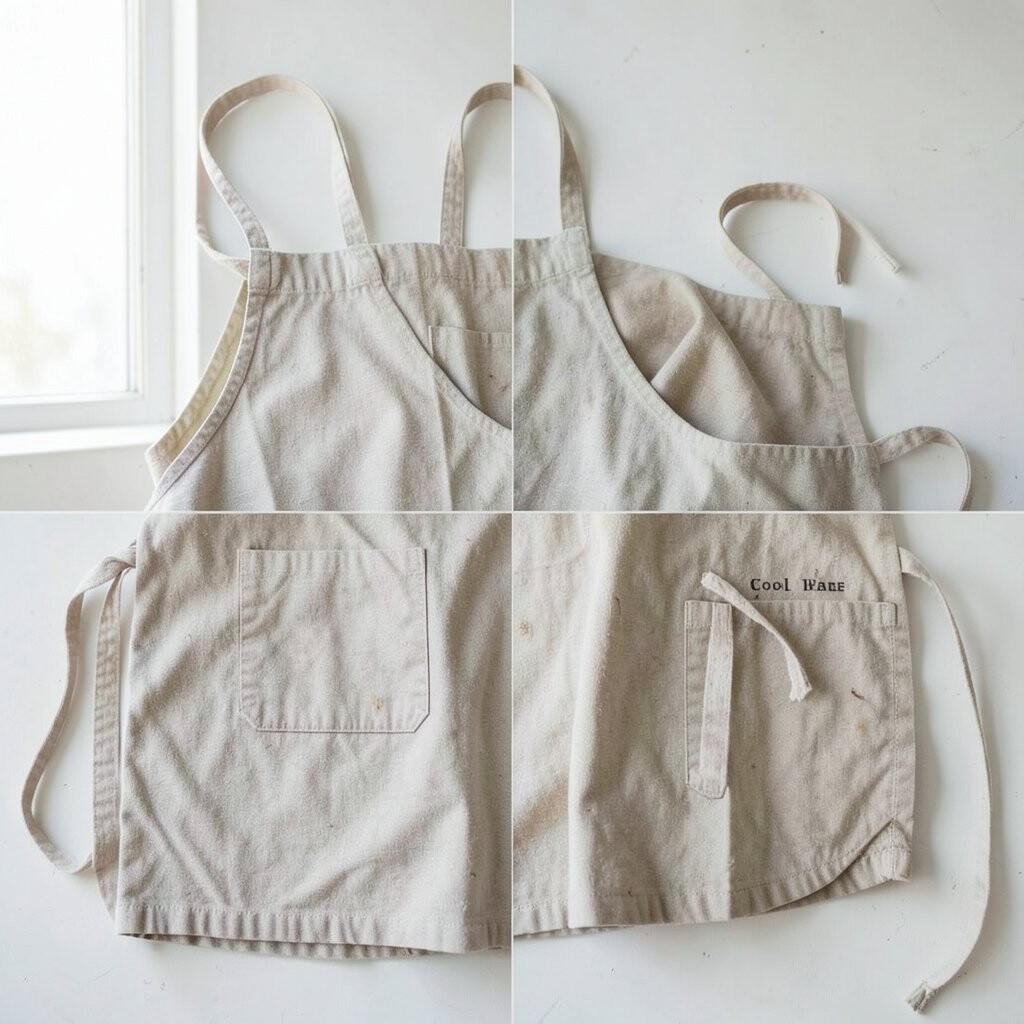
Hand washing is often the kindest way to clean a vintage apron, especially when the fabric feels thin or delicate. Cool water keeps colors calmer and helps old fibers stay strong, which is a big plus for aprons with bright ruffles or cheerful prints.
Use a mild soap and move the fabric softly through the water instead of rubbing it hard. Many collectors like this old-fashioned method because it is low-cost, simple, and gentle enough for heirloom pieces that have already lived a long life.
After washing, press the apron between clean towels rather than twisting it. That small habit can help keep the shape neat and the trim pretty.
3. Dry It Flat in the Shade

Fresh air can be kind to a vintage apron, but direct sun can fade the colors and weaken old cloth. A flat drying surface in a shaded room or breezy porch keeps the fabric looking soft, smooth, and well-loved.
Resisting the dryer also protects lace, buttons, and stitched motifs that can snag or shrink. This method costs almost nothing, and it fits the growing love for slow, gentle textile care that many vintage fans enjoy today.
If the apron has ties, lay them straight so they do not wrinkle into hard bends. A tidy dry finish makes the whole piece look ready for display or wear.
4. Store Them with Acid-Free Tissue
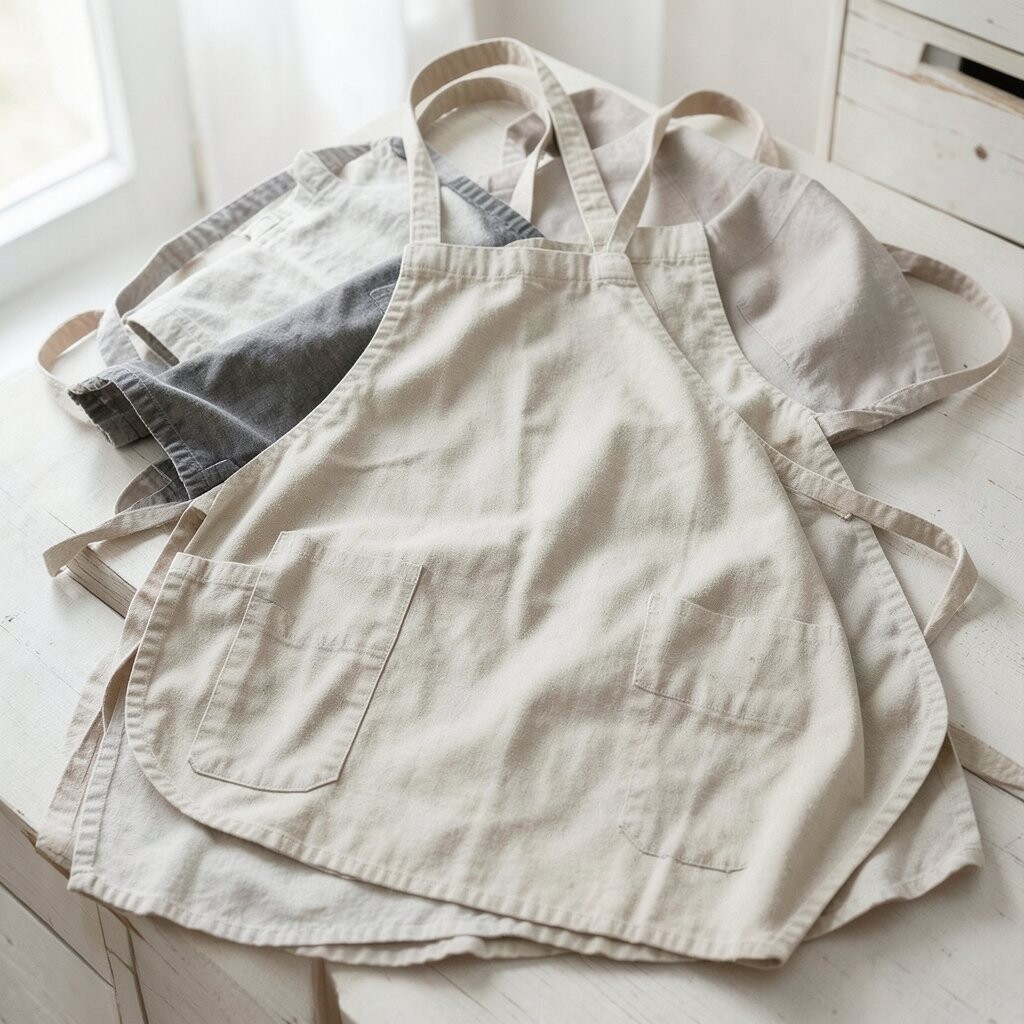
Storage matters just as much as washing when you want a keepsake to last. Fold the apron loosely with acid-free tissue so the fabric does not crease too sharply or pick up odd paper marks.
Choose a cool, dry drawer or box away from bright light and damp corners. This gives the apron a safer home, and it can be an affordable way to care for a whole collection without fancy supplies.
Many people also like to tuck in a note about where the apron came from or who wore it. That personal touch makes the item feel even more special when you open the box years later.
5. Keep Strong Cleaners Far Away

Vintage cloth can be fragile, so harsh bleach and strong stain removers are usually a poor match. These products can leave weak patches, dull colors, and a stiff feel that takes away the apron’s soft charm.
Instead, try a mild soap, a gentle soak, or a tiny test spot before using any cleaner on the full piece. This careful approach is smart for budget-minded care because it helps you avoid costly damage from a quick fix.
It also fits the current interest in safer home care and less chemical use. A softer routine often gives better results on delicate gingham, linen, and cotton aprons anyway.
6. Mend Small Holes Before They Spread

A little hole can look tiny now and much worse later, so early mending is worth the effort. Use fine thread that matches the fabric, and keep the stitches small so the repair blends into the apron’s old charm.
Visible mends can be lovely too, especially if you enjoy the handmade look that is popular in today’s slow fashion style. A neat patch or tiny sashiko stitch can turn damage into a sweet design detail that feels honest and unique.
Repairing sooner can also save money because you are not waiting for a larger tear that needs more time and skill. When done gently, the apron keeps its character while staying useful for display or light wear.
7. Press with Low Heat

A vintage apron often looks best when the fabric lies smooth and crisp, but heat must stay low. Use a pressing cloth and a warm iron setting so delicate prints, lace, and old embroidery do not scorch or shine.
Press from the back when you can, and lift the iron instead of sliding it hard across the cloth. That careful motion helps preserve the apron’s shape and can make an old piece look fresh without losing its age-worn beauty.
If the apron has puffed ruffles or gathered trim, shape them gently with your hands after pressing. Those soft details are part of what makes each apron feel charming and one of a kind.
8. Handle Stains with Patience
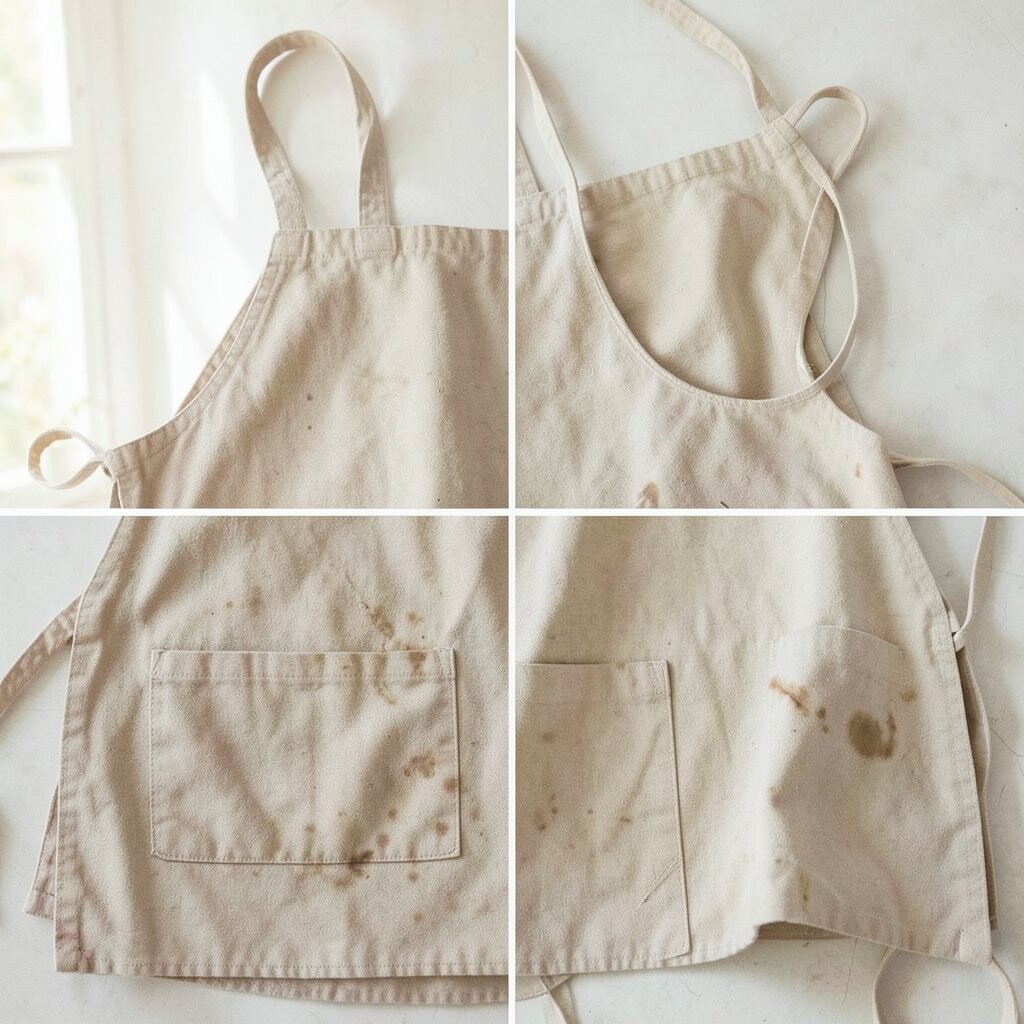
Old stains can be stubborn, but patience often works better than force. Try a mild soak, a soft cloth, and time, because repeated gentle care is less likely to harm the fibers than one harsh scrub.
Some collectors leave a few tiny marks in place if the apron is rare or very old, since those spots can be part of its history. That choice can be practical, too, because full stain removal may cost more than the apron is worth on the market.
For aprons worn in the kitchen, this balance between cleanliness and preservation is very useful. A well-loved stain can fade into the background while the pretty print and lace keep shining.
9. Display Them Like Little Textiles Works

Vintage aprons can be beautiful on a wall, over a chair, or inside a glass-front cabinet. The soft folds, bright patterns, and tiny trims create a cozy look that feels both homey and special.
Displaying them also keeps them from getting crushed in a drawer, which helps preserve the cloth. This is a low-cost way to enjoy their beauty every day, and many people now love using old textiles as room decor.
You can personalize the display by pairing one apron with a matching cup, an old cookbook, or a family photo. That small scene gives the piece more story and helps it feel like a real keepsake.
10. Avoid Crowded Storage Spaces

When aprons are packed too tightly, they can pick up wrinkles, stress marks, and odd folds that are hard to smooth out. Give each piece a little breathing room so the fabric stays relaxed and easier to care for.
Open space also helps keep the cloth from snagging on buttons, zippers, or rough seams from nearby items. That simple habit is free, practical, and useful if you collect several aprons in different shapes and fabrics.
People who love vintage storage often use soft boxes, drawer dividers, or hanging organizers to keep things neat. These options make it easier to enjoy the aprons while cutting down on wear from daily handling.
11. Wash Only When Needed
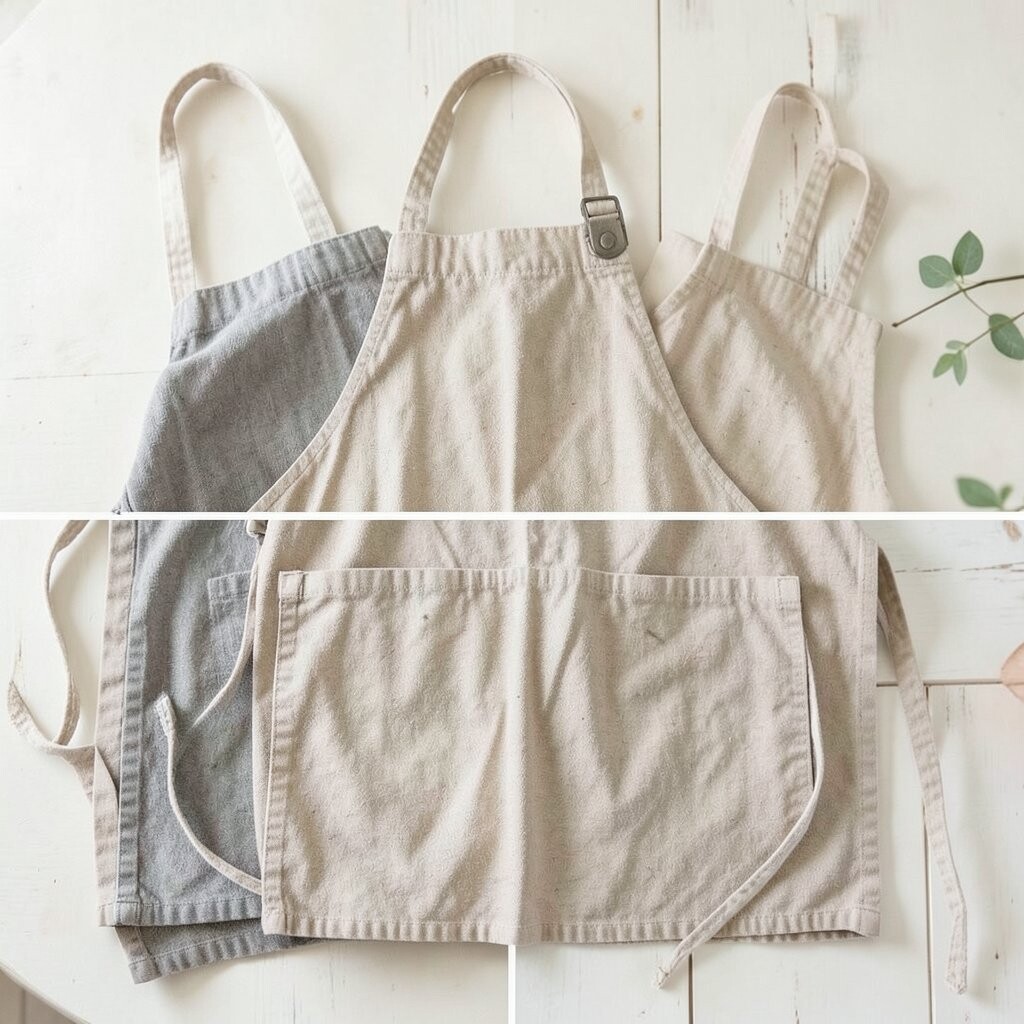
Not every apron needs frequent washing, especially if it is displayed more than it is worn. Cleaning too often can fade old dyes and wear down the cloth faster, so less can be more with cherished pieces.
Spot cleaning a tiny mark may be enough after a short use or a dusty day on the shelf. This careful habit keeps upkeep costs low and helps a favorite apron hold onto its sweet, old-time look.
Many people now prefer to preserve age marks that do not bother the eye, because a little softness can add to the story. A light touch often keeps the apron feeling authentic instead of overworked.
12. Protect Embroidery and Lace

Decorative stitches and lace edges are often the first parts to suffer from rough washing or hard storage. These delicate details deserve extra care, since they give the apron much of its charm and handmade feel.
Place embroidered aprons in a mesh bag for washing or rest them on top of softer items in storage. This easy step can help prevent snags, and it is a smart way to avoid repair costs on fragile trim.
If the embroidery has bright thread, keep it out of strong sun so the colors stay lively. A well-kept floral stitch or scalloped edge can make an apron look like a tiny piece of wearable art.
13. Use Gentle Freshening Between Wears

Sometimes a vintage apron only needs a little fresh air instead of a full wash. Hang it in a clean indoor space for a short time, and the cloth may lose stale smells while keeping its shape and softness.
This simple care step is useful for aprons with delicate prints or older fabric that should not be washed too often. It costs nothing, saves time, and works well for people who like a light, easy routine.
A lavender sachet nearby can add a soft, pleasant scent without touching the fabric itself. That small detail feels personal and cozy, which matches the warm spirit of vintage collecting.
14. Label Each Piece with Its Story

A vintage apron becomes even more meaningful when you know where it came from, who wore it, or what event it belonged to. A simple paper tag or note in the storage box can preserve those memories for years.
This kind of labeling does not cost much, yet it adds great value because the apron is no longer just cloth. It becomes a family keepsake, a market find, or a sewing-room treasure with a name and past.
Today, many collectors enjoy adding the maker, era, or fabric type to their notes as well. That extra bit of detail helps with future care and can make the apron more interesting to share with others.
15. Rotate Wear if You Have Several

If you own more than one vintage apron, sharing the wear can help all of them last longer. Rotating them keeps one favorite piece from getting all the stress while the others stay safely rested.
This is a simple way to reduce fading, stretching, and seam strain, especially for aprons used during holidays or family baking days. It also costs nothing and gives you a fresh look each time you cook, craft, or host.
Many collectors enjoy choosing an apron to match the season, such as a red print for winter or a floral one for spring. That playful habit adds personality and makes a small collection feel lively and useful.
16. Keep Them Away from Moisture and Pests

Moisture can cause mildew, and tiny pests can damage old cloth before you even notice. A dry, clean storage place helps keep the apron safe, bright, and free from musty smells.
Check drawers and boxes from time to time, especially if they sit in basements, attics, or other damp rooms. This kind of routine care is a wise, low-cost way to protect pieces that may be hard to replace.
Cedar blocks or lavender sachets can help deter pests while giving the storage area a pleasant scent. Those small extras are popular because they feel natural, look neat, and work well with heirloom textiles.
17. Frame a Favorite as Art

Some aprons are so lovely that they deserve a place beyond the kitchen. Framing one under glass can turn faded gingham, sweet ruffles, or old patchwork into a cozy wall feature that feels deeply personal.
This display style protects the fabric from dust and touch while letting you enjoy every stitch each day. The cost can be higher than simple storage, yet it may be worth it for a rare or sentimental piece that means a lot.
Framed apron art fits the current love for vintage home decor and handmade stories. It lets a practical old item become a beautiful keepsake that still feels warm, useful, and full of life.