Holiday decor feels magical the moment you plan it right.
Small choices can make your home look cozy, organized, and totally you.
-
1. Pick a “home base” theme before you buy anything
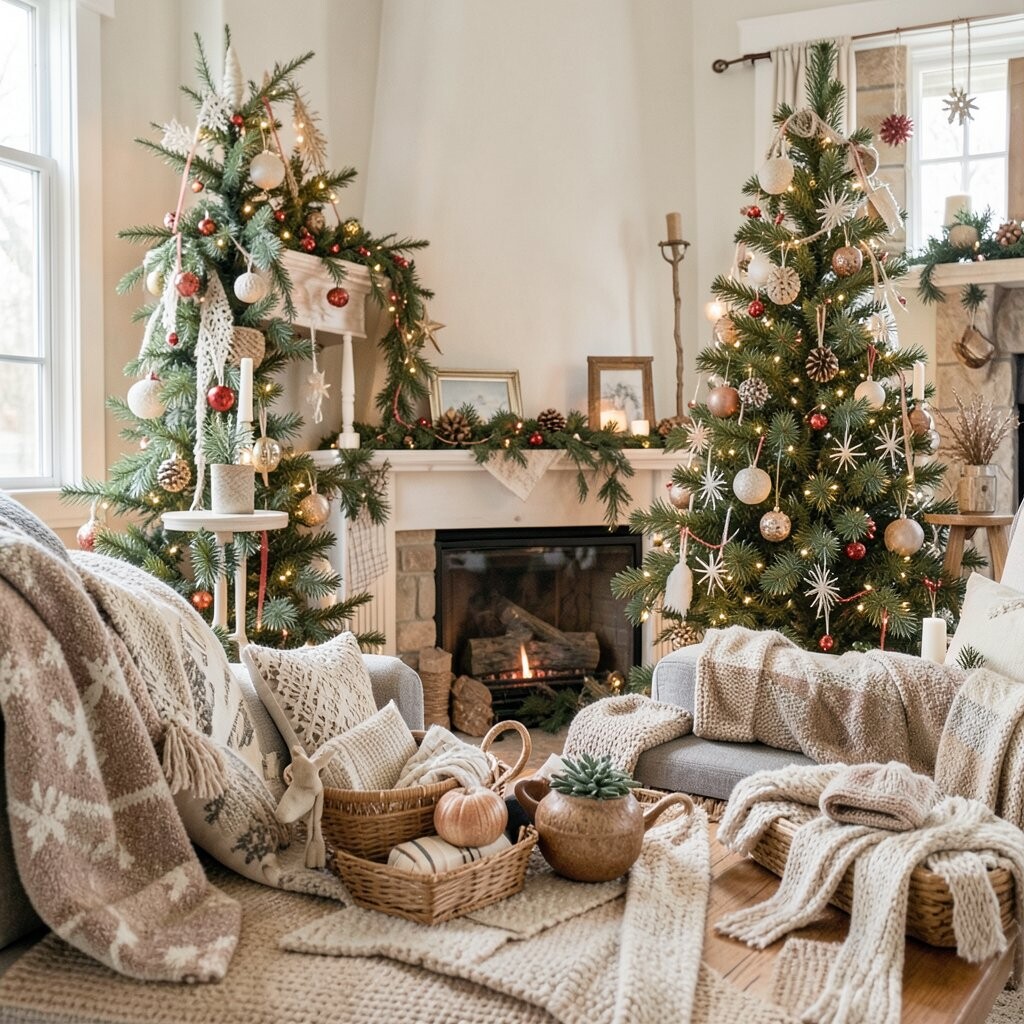
Pick a “home base” theme before you buy anything Choose one main style you want to see in every room, like evergreen calm, warm farmhouse, or shiny winter.
When the theme stays steady, decorations look like they belong together. You will waste less money because you can reuse colors, shapes, and materials. A simple color rule also makes it easier to shop fast during busy weeks.
-
2. Walk through your rooms and mark “wow zones”

Walk through your rooms and mark “wow zones” Look for places people naturally notice, like the front entry, the living room wall, or the dining table.
Then decide what should steal the show there. A “wow zone” helps you focus your effort instead of decorating every corner at once.
Try adding height first, like a tall garland or a statement wreath. After that, fill in with smaller pieces so the space feels balanced. If you plan ahead, your home will feel festive without looking cluttered.
-
3. Create a color map that includes lights, not just ornaments

Create a color map that includes lights, not just ornaments Start by deciding the light color you want, such as warm white, soft amber, or cool white.
Those lights will change how every ornament looks. Next, pick two main colors for decor and one accent color for sparkle. This keeps your holiday palette from turning into a random mix of tones.
For a cozy look, try green plus cream with a touch of gold. For a fresh modern look, use silver with deep blue and a pop of icy white. If you love color, keep the intensity steady across your pieces.
Budget tip: choose your lights early, then build around them. If your lighting is consistent, you can use fewer ornaments and still get a full look.
-
4. Measure key spaces so your decor fits perfectly

Measure key spaces so your decor fits perfectly Grab a tape measure and check the height of doorways, the width of shelves, and the space above your mantel.
When you know the size, you avoid buying a wreath that looks tiny or a tree topper that feels cramped.
Also measure where cords will go, so outlets and extension cords do not ruin the look.
Many decorations can be adjusted, but planning helps you choose pieces with the right scale. This simple step saves time and money.
-
5. Choose storage-friendly decorations for long-term sanity

Choose storage-friendly decorations for long-term sanity Look for lightweight items, flat ornaments, and storage boxes that protect delicate pieces.
When decorations are easy to pack up, you will actually put them away the same day you take them down.
Try color-coded bins or labels like “entry,” “table,” and “tree.” That way next year feels smoother, not stressful.
-
6. Make a quick “shopping list by room”

Make a quick “shopping list by room” Write down what each space needs so you do not buy duplicates you do not want.
For example, the entry may need a wreath, a runner, and a lantern. The dining area might need a centerpiece and place-card holders. Planning your list keeps you calm and helps you stick to a budget you can enjoy.
-
7. Test your style mix with one centerpiece first

Test your style mix with one centerpiece first Before decorating everything, choose one table or shelf and build a small display.
Add a tray, a candle, a bowl of ornaments, and one main plant or greenery piece. Step back and see if the colors and textures feel right together.
This “trial display” shows you what to repeat in other rooms. It also helps you spot what looks missing, like more height, more shine, or more cozy fabric. When you get it right once, the rest gets easier.
-
8. Decide your lighting plan: ambient first, accents second

Decide your lighting plan: ambient first, accents second Think of lighting like music: it sets the mood, then it adds extra sparkle.
Start with ambient lights, like warm string lights around a mirror or a soft lamp on a side table. Then add accent lights, such as a candle-style bulb in a lantern or small lights inside a garland. This order keeps everything from feeling too bright or too dark.
If you prefer a calm look, use fewer light strands but place them where they show. For a lively look, add small clusters near windows and picture frames.
Trend note: many homes now mix traditional bulbs with battery candles for safer, easier placement. Budget tip: choose LED options to save energy and make bulbs last longer.
-
9. Plan texture so your decor looks rich, not flat
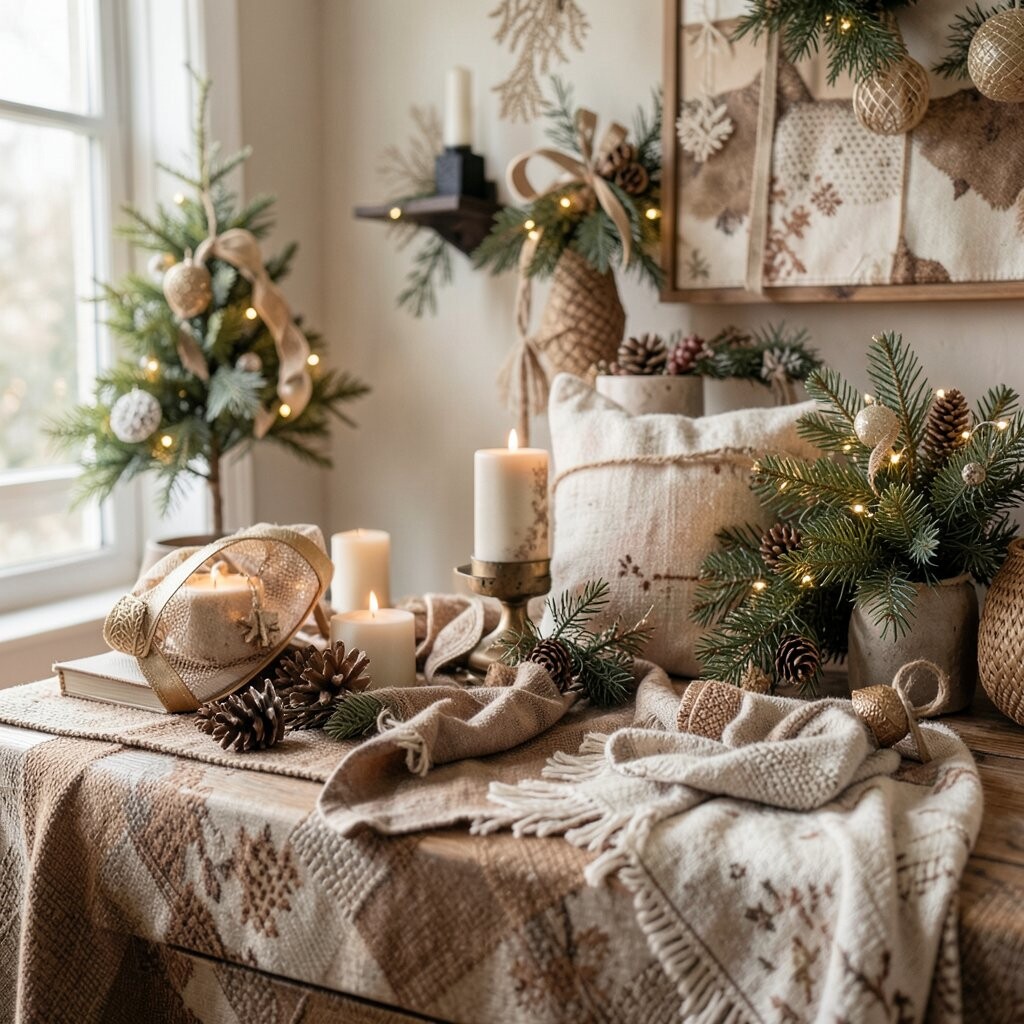
Plan texture so your decor looks rich, not flat Choose textures you can almost feel: fuzzy throws, knitted stockings, matte ornaments, and shiny ribbon.
When you mix textures, your home looks layered even if you use simple colors.
Try pairing wood, glass, and fabric for a balanced vibe. A touch of natural elements like pinecones or dried orange slices adds warmth fast.
Personalization idea: pick one “signature texture,” like velvet ribbon or burlap ties, and repeat it in a few places. This makes your decor feel like a matching set.
-
10. Choose a scent plan to match your visual vibe

Choose a scent plan to match your visual vibe Even though it is not on the mantel, scent matters because it completes the holiday feeling.
Use options like cinnamon simmer pots, pine-scent candles, or vanilla room sprays. Pick one main scent so your home smells consistent, not mixed.
Try coordinating scent with your decor colors, like warm spices with gold accents or fresh pine with cool white lights. If you want budget-friendly choices, dried citrus peels and spice sachets work well. For safety, remember to place candles where they cannot be knocked over.
-
11. Create a “DIY or buy” ratio for your budget

Create a “DIY or buy” ratio for your budget Decide which parts you will make and which parts you will purchase to avoid overspending.
For many people, DIY works great for simple items like ribbon bows or paper ornaments. Store-bought pieces are great for things that need sturdiness, like tree stands and heavy wreath bases. This blend helps your decor look both special and realistic.
-
12. Use a “repeat pattern” so everything feels connected

Use a “repeat pattern” so everything feels connected Pick one repeating detail, like ribbon stripes, star shapes, or small lanterns.
Then use that detail in at least a few rooms. Repetition creates a calm, planned look even when you have lots of items.
For example, if you love stars, add them to a pillow cover, a garland, and a few ornaments. If your detail is a certain color, repeat it across candles, vases, and wrapping accents. This also makes your decor look more expensive than it is.
-
13. Plan for safety and comfort while decorating

Plan for safety and comfort while decorating Keep walkways clear and make sure cords do not sit where people trip.
If you have pets or small children, choose sturdy hooks and use cord covers when needed. For candles, use flameless lights for extra peace of mind. Safety helps your home feel cozy instead of stressful.
Also think about comfort: choose soft seating throws and place decor so it does not block furniture or doors.
Personalization idea: add a “quiet corner” with warm lighting and a basket of blankets. It becomes a holiday retreat you will enjoy all season.
-
14. Choose a tree approach that matches your space

Choose a tree approach that matches your space A tree can be full and tall, slim and neat, or even a table-top look for smaller areas.
Pick the size that fits your room so the tree feels like a centerpiece, not an obstacle.
When you decide early, you can match the tree skirt, lights, and topper style to the scale.
Trend note: many homes now mix live greenery looks with faux branches for an easy setup and lower mess. Budget tip: if you go faux, store it carefully so it stays fluffy year after year.
-
15. Draft a timeline so setup feels fun, not rushed

Draft a timeline so setup feels fun, not rushed Plan a few short decorating sessions instead of one huge day.
For example, start with big items like garlands and wreaths, then move to shelves, then finish with smaller details. This flow helps you see what you still need as the look comes together.
Personalization idea: invite family members to help with one easy task like hanging ornaments by color or tying ribbon bows. It makes memories while you decorate.
-
16. Plan wrapping and gift display so it looks tidy

Plan wrapping and gift display so it looks tidy If you put gifts out early, choose a consistent wrapping style that matches your decor palette.
Use matching ribbon colors, similar paper finishes, and gift tags that feel like part of your design. A small display basket for bows and tags prevents clutter. This keeps the “holiday look” clean and neat even with lots of gifts.
-
17. Add a personal story element for instant meaning

Add a personal story element for instant meaning Include one item that reminds you of someone or something special, like a handmade ornament or a framed holiday photo.
That personal touch makes your home feel warm and lived-in, not copied from a catalog. It is also the part people remember most when they visit.
Uniqueness tip: build a small “memory shelf” with a few meaningful pieces instead of decorating every surface. Cost consideration: you can create a special look with a few affordable items if they matter to you. Choose just one or two story pieces and give them good lighting so they stand out.