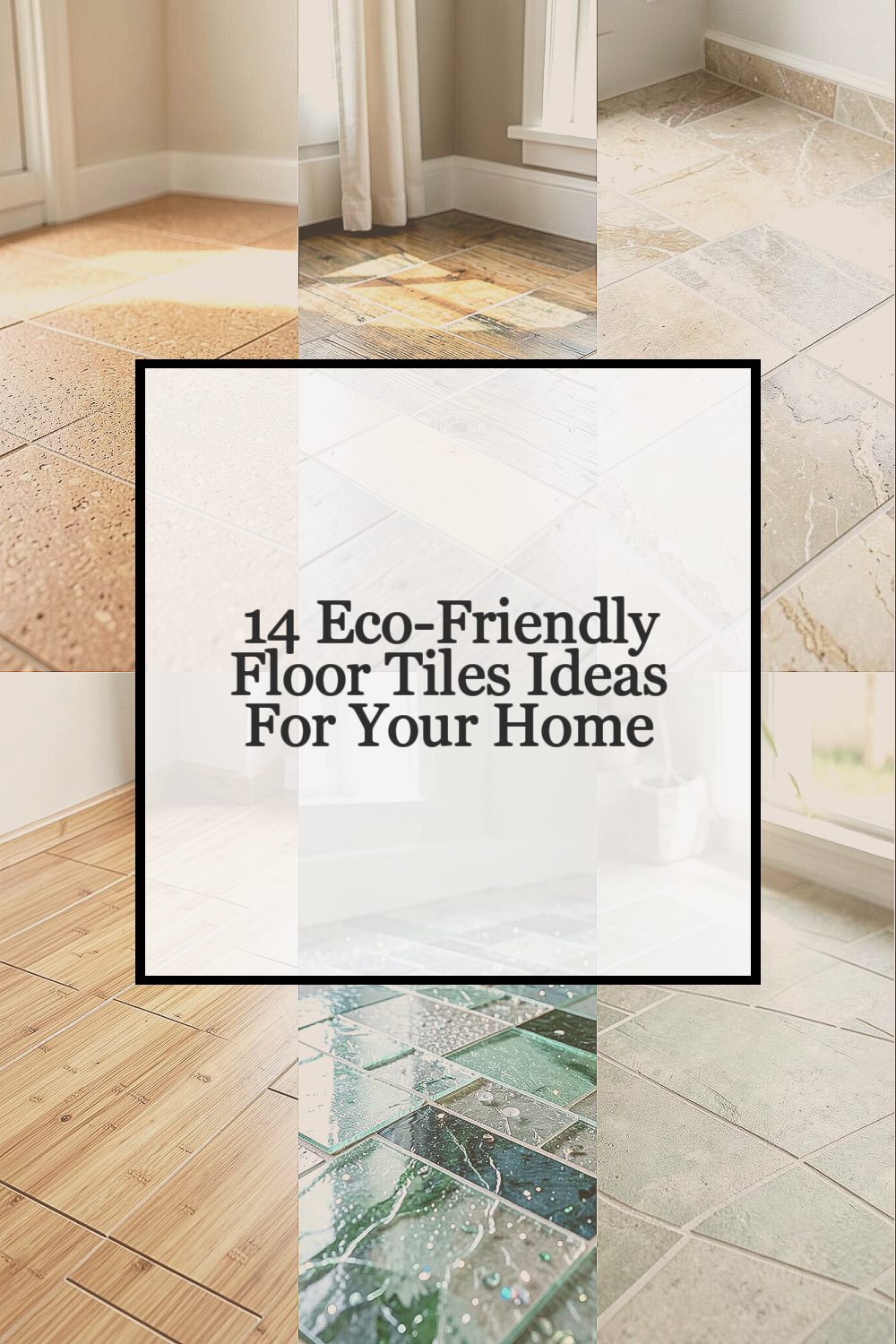
Beautiful floors can be gentle on the planet. Small material choices can make a big everyday difference.
From warm natural textures to clever recycled mixes, eco-friendly tiles help your home look great and feel better. Below are irresistible ideas you can picture right now, along with practical tips for your next step.
-
1. Cork Tiles With a Soft, Warm Feel

Cork Tiles With a Soft, Warm Feel Cork tiles look like tiny honeycomb swirls, with light and medium browns that warm up any room. When you walk on them, the floor feels springy and quiet underfoot.
Cork comes from the bark of cork oak trees, which is harvested without cutting the tree down. This means you get a natural surface that can help reduce noise and make footsteps gentler. For a cozy living room or bedroom, cork can be a real mood booster because it looks calm and earthy.
Choose cork tiles with a strong finish if you want them to handle daily life. Pair them with low-VOC sealers, and use felt pads under furniture to prevent scuffs. Cost can vary because thicker, well-finished tiles last longer, so it’s worth comparing price per square foot plus durability.
-
2. Reclaimed Wood-Look Tiles for a Cozy “Second Life” Floor

Reclaimed Wood-Look Tiles for a Cozy “Second Life” Floor These tiles often mimic reclaimed planks, with knots, grain lines, and worn-looking textures that feel full of stories. You can create a rustic look that still feels clean and organized.
Many wood-look tiles are made from recycled materials or use lower-impact production methods than solid wood. They can also help you keep the look of wood without worrying as much about scratches from everyday use. That mix of charm and practicality makes them popular right now.
For personalization, pick a plank direction that guides the eye—lengthwise can make a room feel longer. If you love variety, choose an “assorted” pattern so the floor looks naturally uneven like real salvaged boards. While upfront cost might be higher than basic vinyl, tile often lasts longer, which can lower total spending over time.
-
3. Porcelain With Natural Stone Colors and Low Waste Options
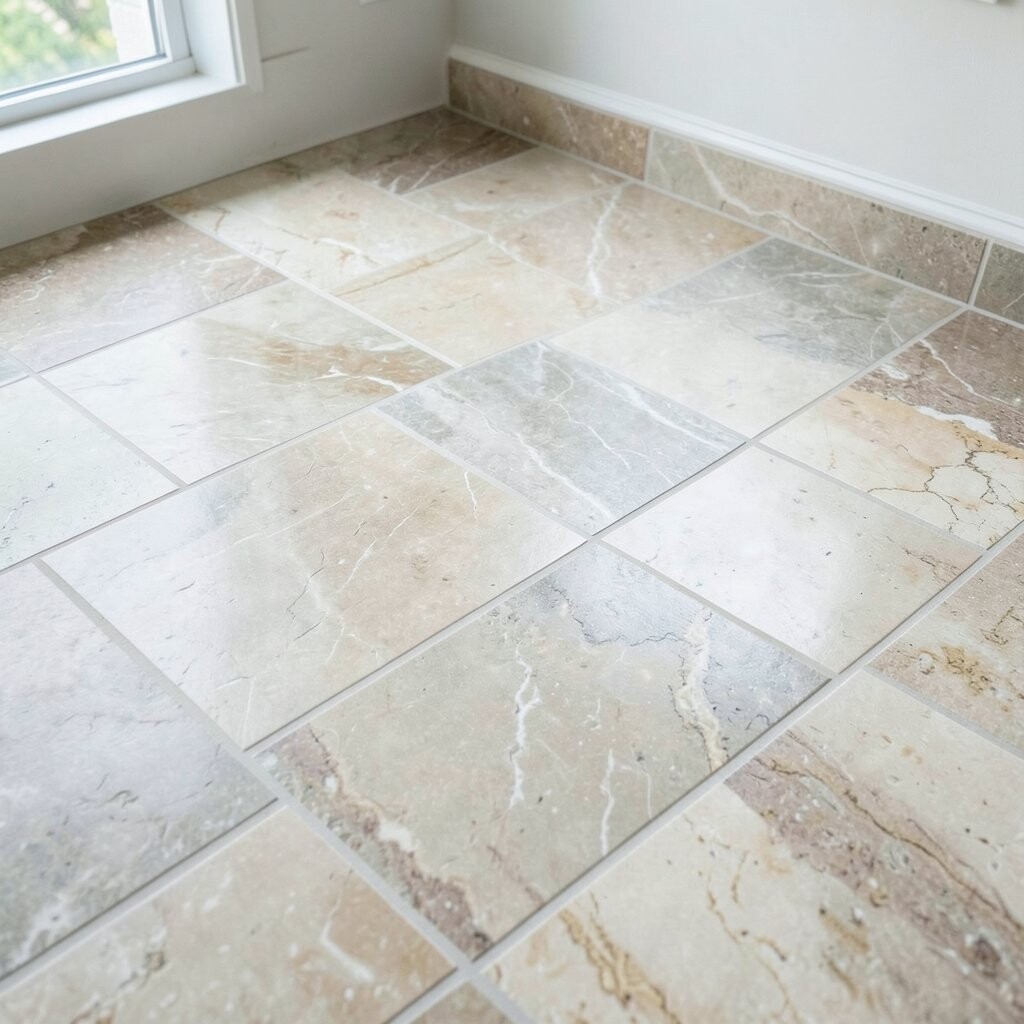
Porcelain With Natural Stone Colors and Low Waste Options Porcelain tiles can look like smooth stone, with speckles and gentle veining that feel elegant. The surfaces can be matte, satin, or slightly glossy, so you can match your style easily.
When you choose greener lines, look for brands that focus on efficient kilns and responsible sourcing. Porcelain is also known for strong performance, including resistance to stains and moisture. That makes it a great choice for kitchens, entryways, and bathrooms.
To make the look feel personal, choose tile sizes that fit the room—larger tiles can make a space feel open. Use grout that is low in chemicals and avoid harsh cleaning products. On cost, porcelain can be a mid-to-higher option, but its durability often means fewer replacements.
If you want current trends, consider warm “greige” tones or soft travertine looks. They pair well with natural light and can make a modern space feel inviting.
-
4. Bamboo Tiles With a Sleek, Modern Grain
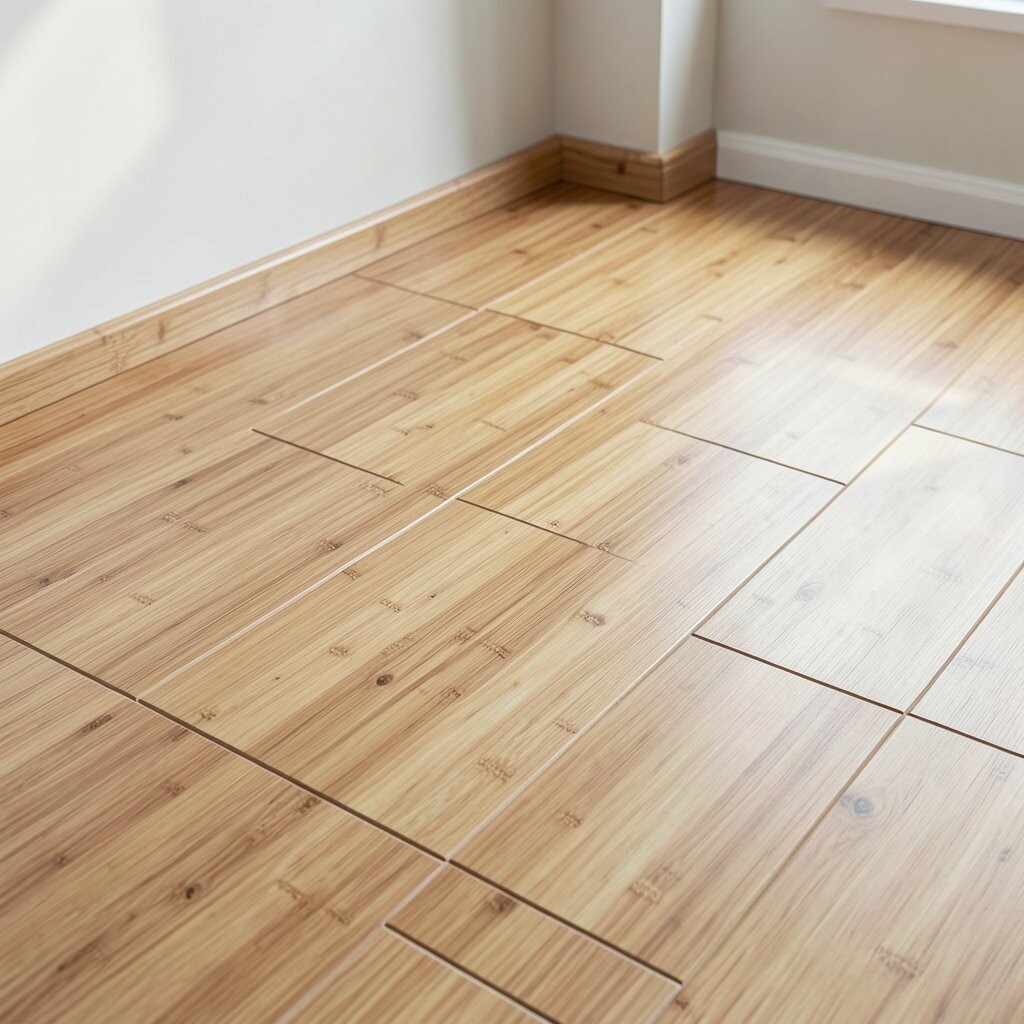
Bamboo Tiles With a Sleek, Modern Grain Bamboo tiles can show a straight, tidy grain that looks crisp and modern. You may see light tan shades with subtle stripes, which can make a room feel bright.
Bamboo is fast-growing, and that helps it fit well into eco-friendly conversations. It also gives you a smooth surface that works with many decor styles, from minimalist to coastal. For best results, choose bamboo tiles that are sealed properly so they resist moisture and everyday spills.
Try pairing bamboo with neutral walls and light wood furniture for a calm, airy vibe. Keep an eye on cost since high-quality, well-sealed bamboo tiles can run higher than common budget flooring. A smart move is to ask about certifications and finishes, because they affect both longevity and air quality.
-
5. Recycled Glass Tiles for a Sparkly, Artistic Floor
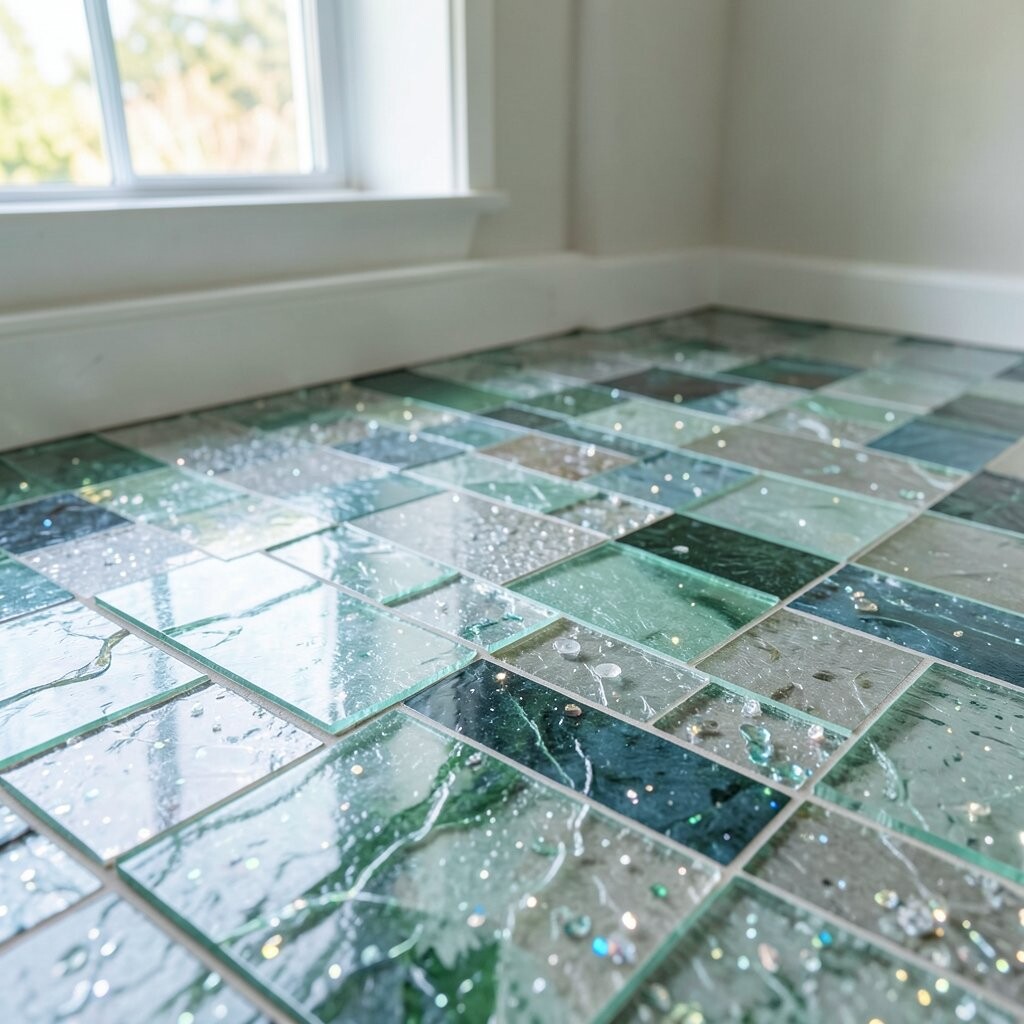
Recycled Glass Tiles for a Sparkly, Artistic Floor Recycled glass tiles look like small pieces of color and light, from clear sparkle to deep blues and greens. Even a simple pattern can turn a floor into a tiny gallery.
Because the glass often comes from post-consumer or post-industrial sources, it can reduce the need for brand-new raw materials. Glass tiles are also non-porous, which helps keep spills from soaking in. That makes them a strong pick for kitchens and bathrooms where cleaning matters.
For personalization, mix tile sizes or add a border strip around the room like a frame. If budget is tight, you can use glass tiles as a focal area, such as around a sink or in an entry landing. Cost may be higher than standard ceramic, but you can save money by using them in accents instead of covering every inch.
-
6. Linoleum Tiles for a Classic Eco Choice

Linoleum Tiles for a Classic Eco Choice Linoleum tiles have a cozy, speckled look with lots of color options, from muted greens to warm creams. The surface can feel slightly textured, which adds comfort and reduces glare.
Linoleum is usually made from natural materials like linseed oil, wood flour, and cork dust. Many versions are also designed to last long and resist wear. Because it’s built from renewable ingredients, it’s a favorite among eco-minded homeowners.
To keep the floor beautiful, use gentle cleaners and avoid soaking the surface. If you want a trendy twist, try bold color blocks or a herringbone layout. On cost, linoleum can be mid-range, but longevity can help it feel worth it.
-
7. Terra Cotta Tiles With an Earthy, Handmade Look

Terra Cotta Tiles With an Earthy, Handmade Look Terra cotta tiles look like warm clay, with reddish-orange tones and natural variations. Each tile can feel slightly different, so the floor looks handcrafted.
When you choose eco-friendly options, focus on low-emission manufacturing and responsible kiln practices. Terra cotta also creates a breathable floor that can be comfortable underfoot. It’s a lovely fit for spaces that want warmth and charm, like dining areas and sunrooms.
For personalization, pair terra cotta with woven rugs and light curtains to make the colors pop. You can also seal the tiles with breathable, low-VOC sealers so they stay stain-friendly. Cost often depends on thickness and finish, and handcrafted grades may cost more, but they also deliver that “one-of-a-kind” look.
-
8. Saltillo-Style Clay Tiles for a Warm Southwestern Mood
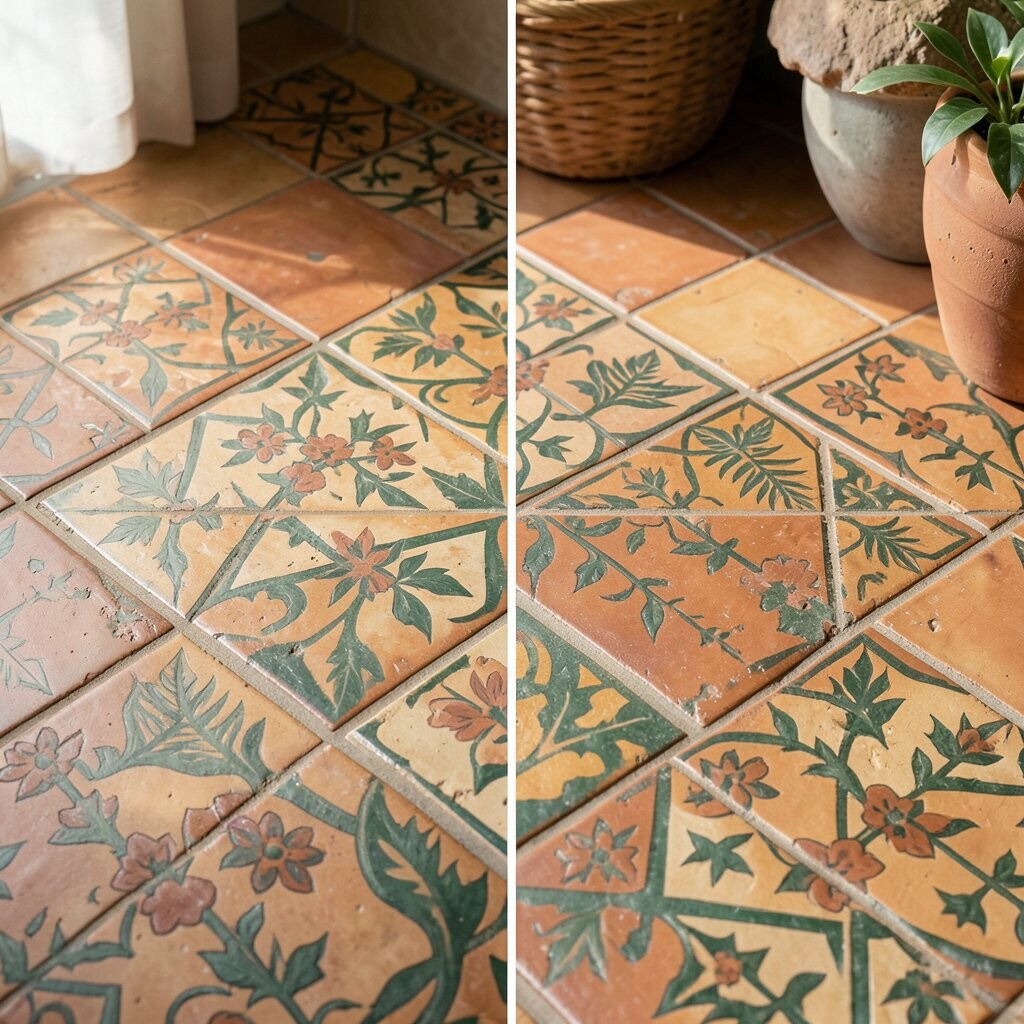
Saltillo-Style Clay Tiles for a Warm Southwestern Mood Saltillo-style tiles bring a dusty, warm palette with soft edges and a slightly rustic surface. You get a grounded look that makes rooms feel lived-in and welcoming.
Clay tiles can offer natural style without needing heavy layers of synthetic material. They can also be durable if you seal them correctly and maintain them gently. This style is still popular because it feels timeless and matches many design themes.
Try using them with matte paint colors and natural decor like rattan baskets or terracotta planters. Make sure your installation plan includes proper sealing so moisture doesn’t cause damage. Costs can be mid-range, but premium tiles and careful sealing materials can raise the total.
-
9. Porcelain Tile With Recycled Content and Stain-Resistant Finishes
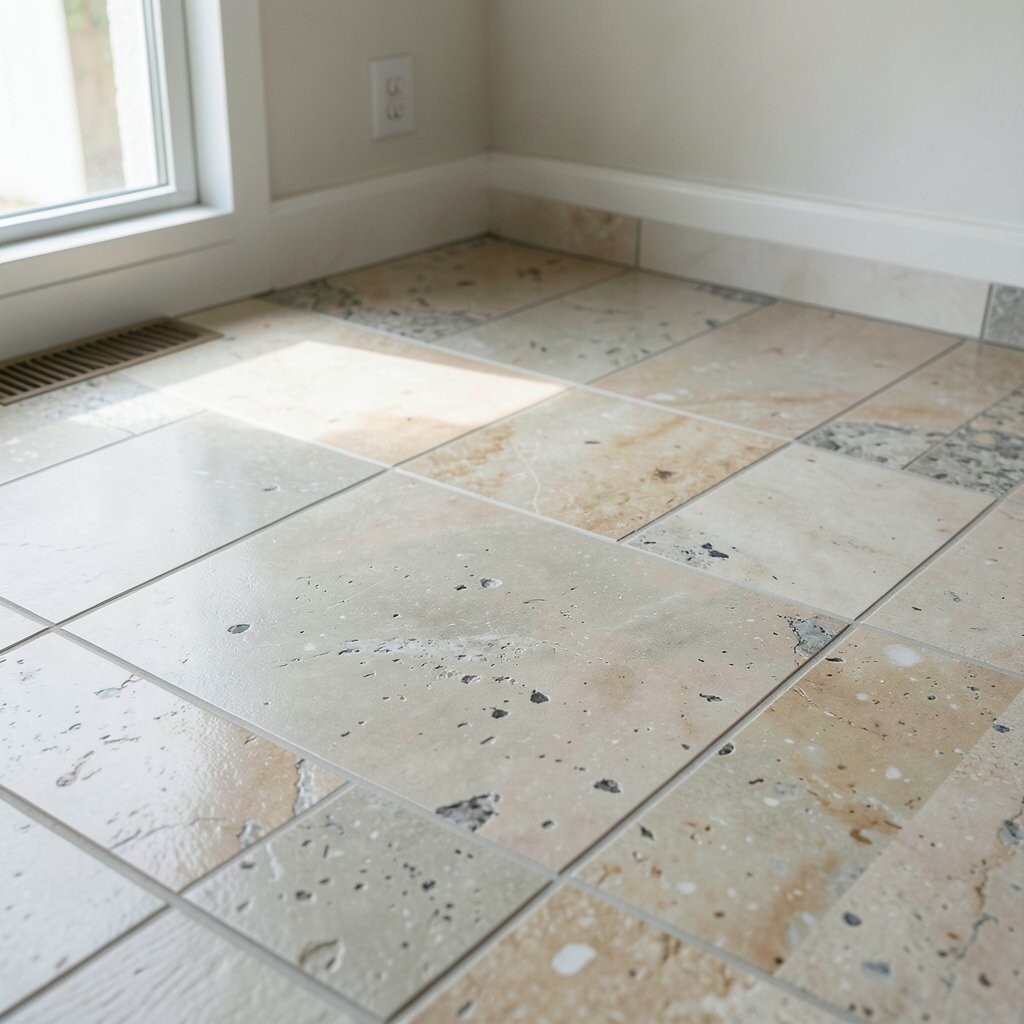
Porcelain Tile With Recycled Content and Stain-Resistant Finishes Some porcelain tiles include recycled materials, and the result can look just as refined as standard choices. You can find modern patterns that look crisp, not dull.
These tiles can help cut down on waste while still giving you the benefits of a strong, easy-to-clean surface. Porcelain is great for busy homes because it can resist chips and daily spills. If you want a practical upgrade that still feels eco-friendly, this is a smart direction.
For personalization, pick a subtle pattern like small geometric shapes or a gentle marble effect. Keep your grout selection in mind too—low-VOC options can support healthier indoor air. Cost can range widely, so compare tile prices plus installation factors like flatness requirements.
To stay current, consider large-format tiles that create fewer grout lines, which can look modern and feel easier to maintain.
-
10. Sustainable Ceramic Tiles With Responsible Sourcing

Sustainable Ceramic Tiles With Responsible Sourcing Ceramic tiles can look playful or elegant, depending on the glaze and pattern you choose. You might love hand-painted looks, simple solids, or small mosaic designs with lots of color.
Eco-focused ceramic options often come from brands that manage energy use and sourcing more responsibly. Ceramic can also be long-lasting, which matters when you want fewer replacements. For many homes, it’s a practical balance between style and sustainability.
Try mixing two complementary colors to create a custom vibe without paying for a complicated layout. Choose a slip-resistant finish for safety in entryways and bathrooms. Cost can be friendly compared with some stone, but premium glazes and artisan patterns may cost more.
-
11. Mixed-Media Recycled Composite Tiles for Bold Patterns
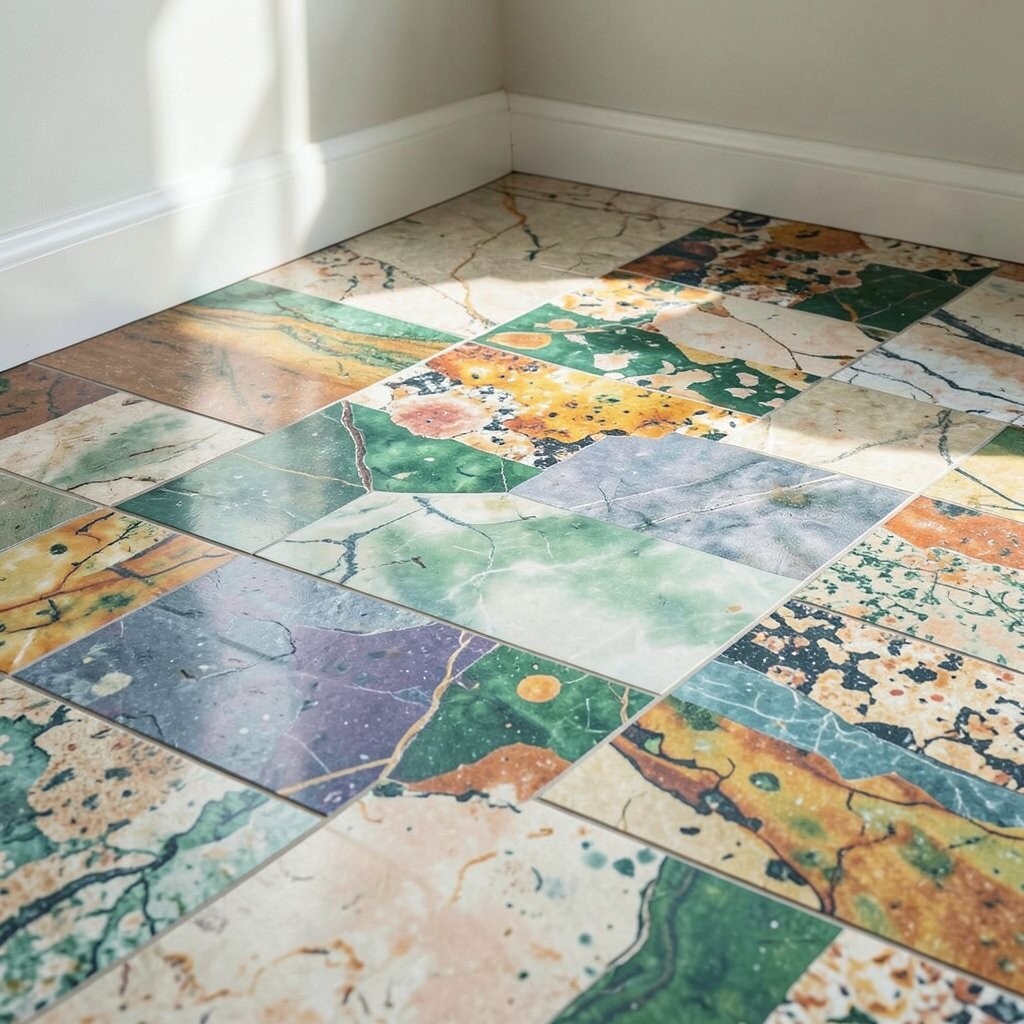
Mixed-Media Recycled Composite Tiles for Bold Patterns These tiles can look like a confident patchwork, with specks, swirls, and layered colors. Because the material mix is often unique, your floor can look one-of-a-kind.
Recycled composite tiles are often made using collected waste and blended under controlled processes. That means you get a creative look while helping keep materials out of landfills. Many styles also fit the trend of colorful, expressive interiors.
For personalization, pick a pattern that matches your home’s personality—calm neutrals for a softer vibe, or strong colors if you love a statement. Ask about maintenance needs before choosing, since some finishes need special cleaners. Cost can be mid-range, and design-heavy styles might cost more, but you may save by using fewer accents.
To make it actionable, map out a simple layout first, like a grid with one border strip. You’ll get a stylish result without turning your project into a puzzle.
-
12. Natural Rubber Tiles for Comfort and Easy Care
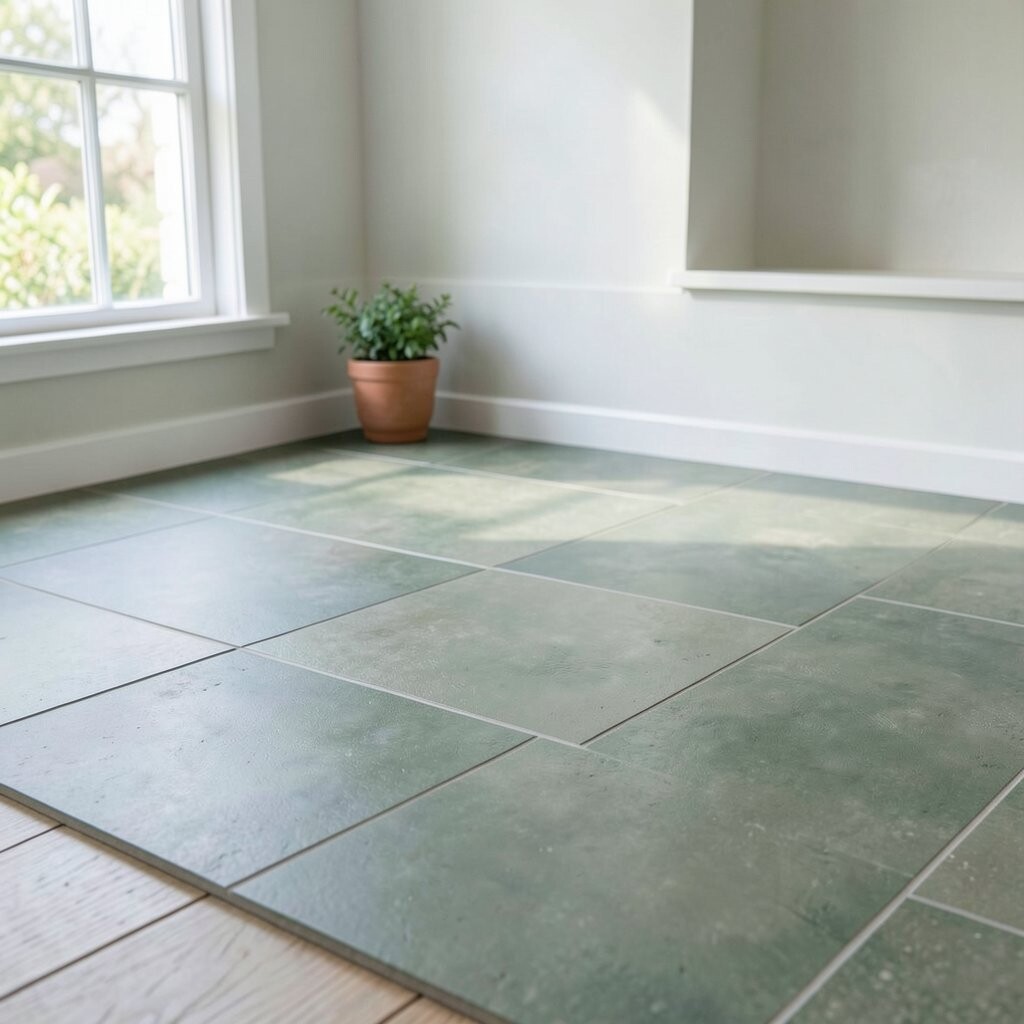
Natural Rubber Tiles for Comfort and Easy Care Natural rubber tiles often have a rich, clean look with warm tones like charcoal, sand, or muted green. The surface feels slightly cushioned, and that can make standing for cooking more comfortable.
Using natural rubber can support greener materials compared with some synthetic options. It can also help with sound reduction, so your home feels calmer. Many people enjoy rubber flooring because it handles daily traffic and stays comfortable.
Try pairing rubber tiles with bright cabinetry or simple light walls to keep the space fresh. Choose tiles with good slip resistance and ensure proper installation for a smooth feel. Cost may be moderate to higher depending on thickness, but the comfort factor can be a major value.
-
13. Low-Emission Tile Products With Health-Focused Finishes
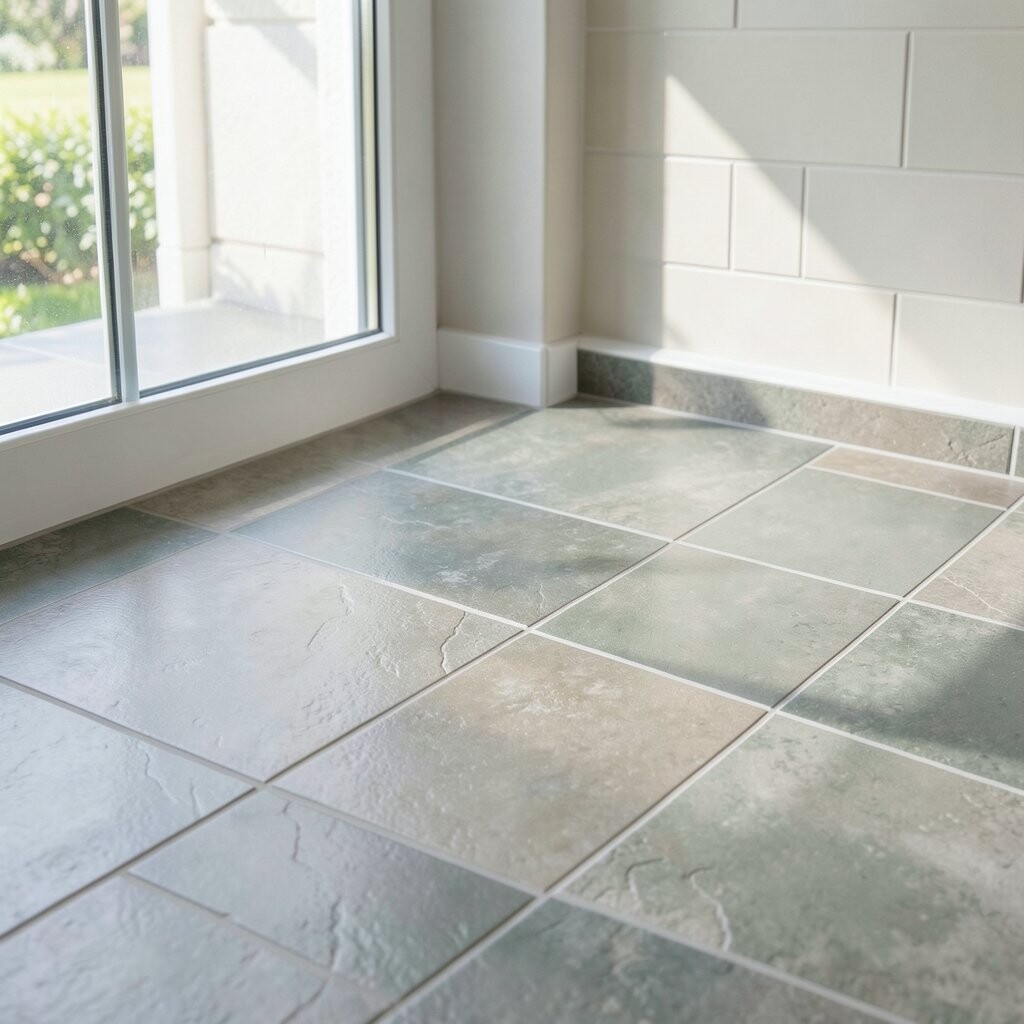
Low-Emission Tile Products With Health-Focused Finishes Some tiles are chosen not only for looks but also for the air quality they support. You may see minimalist patterns, soft matte glazes, and clean colors that feel modern and easy.
The biggest eco-friendly advantage here is choosing low-emission products and low-VOC adhesives and grouts. That can help reduce strong smells during and after installation. It’s a big deal for homes with kids, pets, or anyone sensitive to odors.
For personalization, keep the design simple and add warmth with rugs, plants, and natural lighting. You can also pick tile colors that match your furniture—cool grays for modern spaces or warm creams for classic rooms. Cost can be slightly higher when you choose healthier products, but it can help your home feel better from day one.
To follow current trends, look for soft monochrome palettes and matte finishes that hide minor scuffs and look smooth in photos.
-
14. Outdoor-Safe Eco Tiles for Indoor-Outdoor Flow
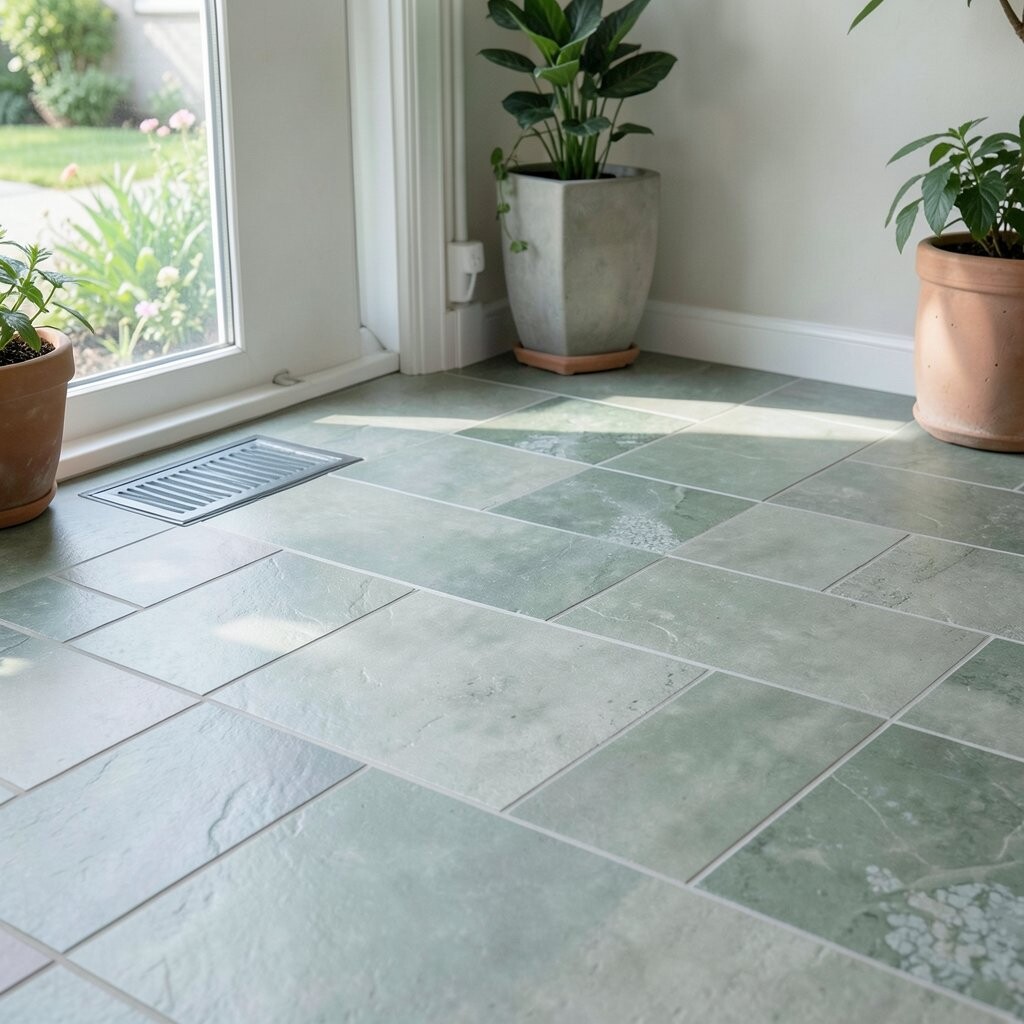
Outdoor-Safe Eco Tiles for Indoor-Outdoor Flow If you love the idea of stepping outside without changing your style, indoor-outdoor eco tiles are a great match. They can look like stone, terracotta, or textured patterns made for real weather.
These tiles often prioritize durability, which helps them handle sun, moisture, and cleaning. When you bring that sturdiness indoors, you also get a floor that can stay looking good in busy areas. This is a current trend because it makes spaces feel connected and bigger.
For personalization, repeat the same tile in a hallway leading to a patio door, then add a coordinating rug outside. Use an installation plan that includes proper drainage and sealing so the floor performs well over time. Cost can be higher because outdoor-rated tiles are built for harsh conditions, but the long lifespan can make the total spending feel reasonable.
As a tip, pick slip-resistant textures for safety and choose grout that can handle moisture. This keeps your beautiful design practical in everyday life.