Tidy cookware makes cooking feel calmer. Affordable storage ideas can still look great and work hard.
1. Over-the-Door Pot Organizer

Using the inside of a cabinet door, you can hang pots and lids where you can actually reach them. It keeps your kitchen floor clear and saves cabinet space.
This works best for lightweight pots, colanders, and stacked lids that you don’t mind pulling down often. Choose an organizer with multiple hooks so different shapes don’t rub together. For extra safety, add felt pads to prevent scratches and squeaks while opening and closing the door.
2. Pegboard Pot and Lid Wall
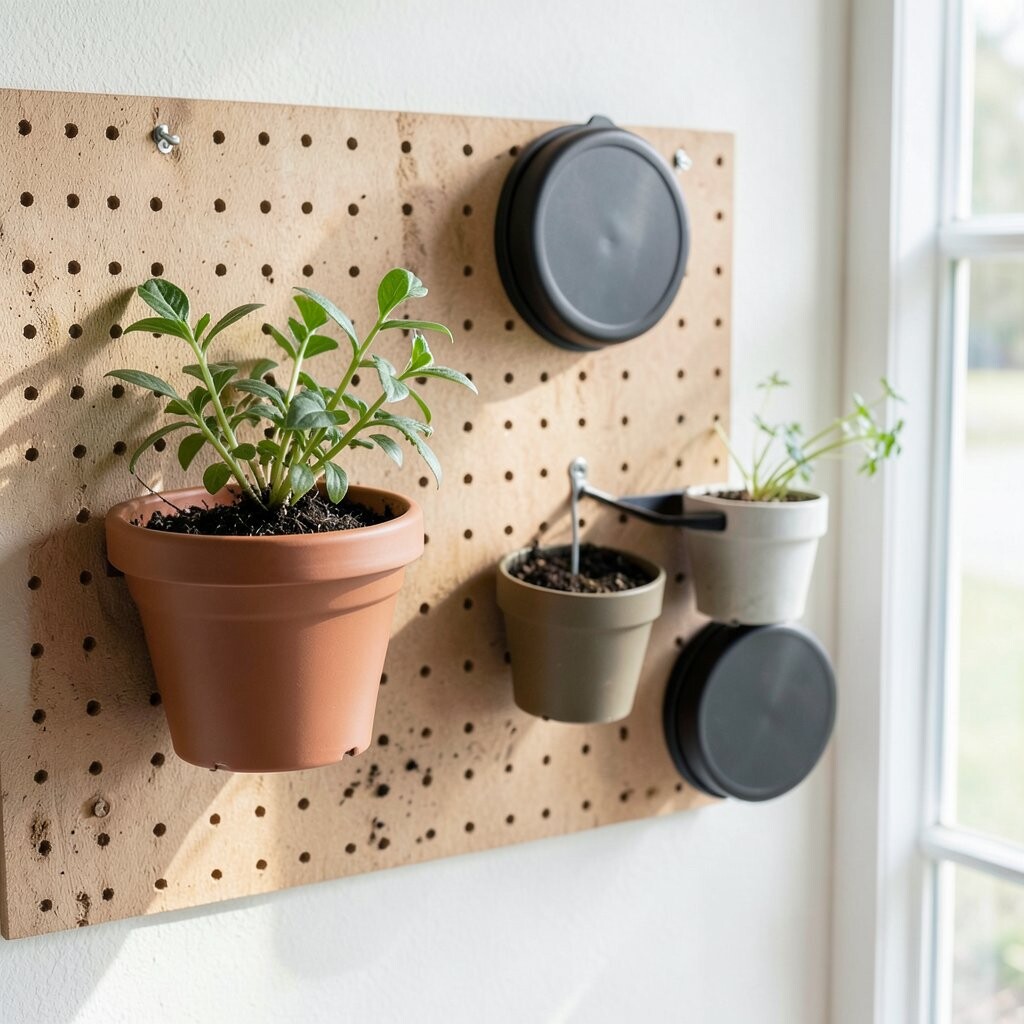
Pegboard turns an empty wall into a flexible cooking tool station. You can move hooks whenever your pot collection changes.
It’s unique because every pot gets its own home, like a little display that still functions as storage. Use sturdy metal or coated hooks so heavier cookware stays stable. If your wall is short on space, stagger items so lids hang beside pots instead of in front of them.
For cost control, buy pegboard sheets from a home store and paint them a matching color. Add a small shelf for small tools like spatulas or a mini magnet strip for lids. A current trend is mixing pegboard with color-pop accessories, like bright knobs or matching label tags, for a warm, modern look.
3. Vertical Pot Rails in a Narrow Space

If you have a skinny wall spot or the side of a cabinet, vertical rails can make it useful. Hanging cookware vertically helps you see sizes at a glance.
This approach is practical because it reduces “pot pile” mess and keeps lids from becoming a stubborn jumble. Install rail brackets with anchors into studs whenever possible for strong support. Add a removable hook row for utensils so your system grows with you.
To personalize, match the rail finish to your faucet or cabinet hardware so the whole kitchen feels coordinated. For budget, use inexpensive rails with a durable coating rather than custom metalwork. Keep heavier pots on the lowest rail and lighter pans higher so everything stays balanced.
Many people are also using vertical rails to create a “slow-cook zone,” where the same pots used for soups and stews stay near the stove. That small workflow upgrade can make daily cooking smoother.
4. Stackable Shelf Risers with Labels

Stackable risers give you tidy layers without buying a whole new cabinet. Labeling each level makes it easy to put pots back exactly where they belong.
This idea is unique because it combines visual order with quick cleanup habits. Start by measuring your widest pot and then choose risers that fit that footprint. Add labels for sizes like “8-inch,” “10-inch,” and “small lids,” using simple sticky tags or paper labels protected by clear tape.
5. Repurposed Wine Rack for Lids

A wine rack can be a surprisingly good home for flat lids. It’s a smart way to store lids upright so you can grab the right one fast.
This works best when your rack has spacing that fits lid rings and handles. Place felt or rubber strips on the rack so metal doesn’t slide and scratch. If your lids vary a lot, you can rotate them to find the snugger slot without forcing anything.
For personalization, paint the rack a matte color like sage, navy, or black for a stylish kitchen accent. It’s also budget-friendly because many people already have an old rack or can find one secondhand. A helpful trend is using “open storage” items for lids only, since lids benefit from visibility while keeping pots stored more discreetly.
6. Under-Sink Sliding Bins for Small Pots
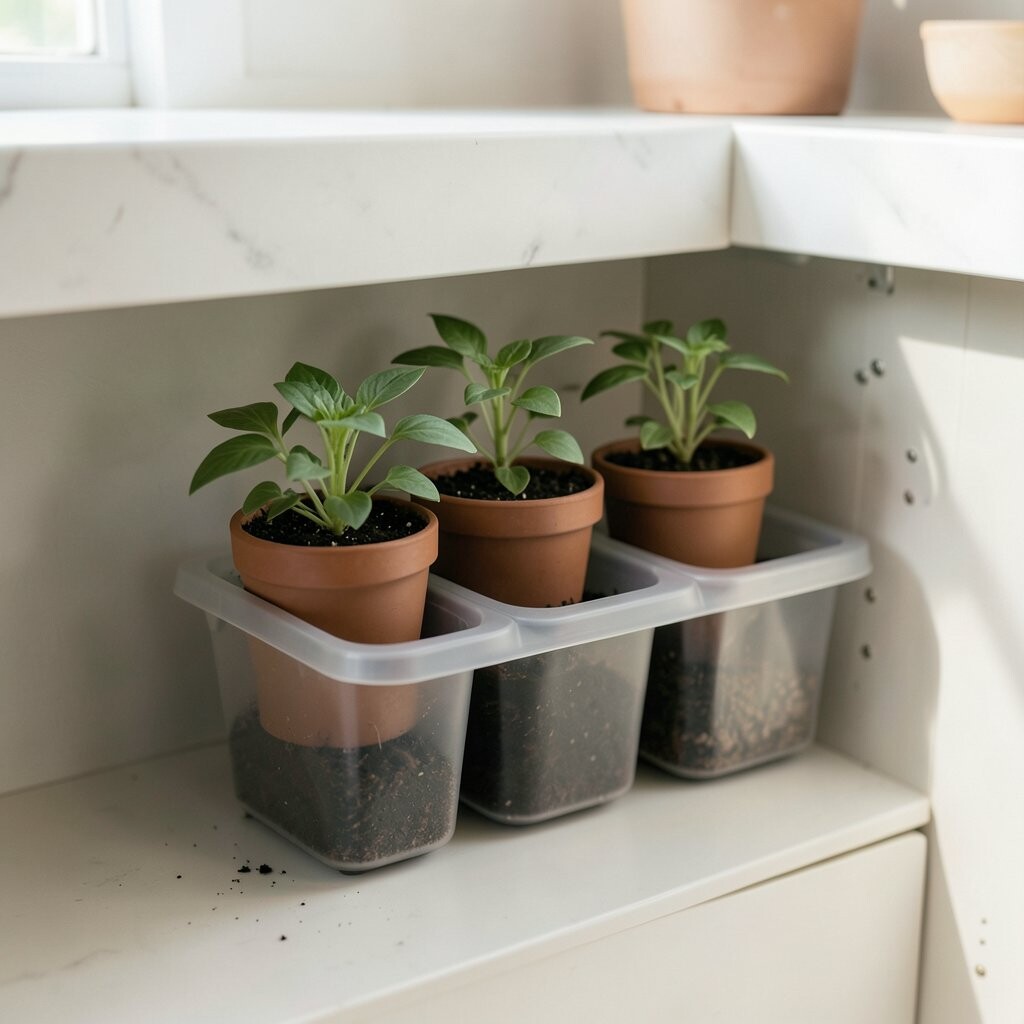
Under-sink space is often wasted, but sliding bins can turn it into useful storage. Small pots, mini pans, and measuring cups can live there safely.
Use bins with lids or clear fronts to reduce clutter and keep items from tipping. This setup is unique because it keeps cookware away from the stovetop mess while still within easy reach. Add a pull-out mat or liner so bottles and cookware don’t scrape each other.
To make it work for you, group items by how often you use them and keep daily tools closest to the front. For cost considerations, start with two or three bins instead of an entire rack system. Over time, expand based on what you reach for during cooking.
People are increasingly using under-sink organization to reduce “random storage” in the kitchen. When your cabinet areas feel calmer, the whole kitchen feels more intentional.
7. Hanging Rail + S Hooks for Cast Iron
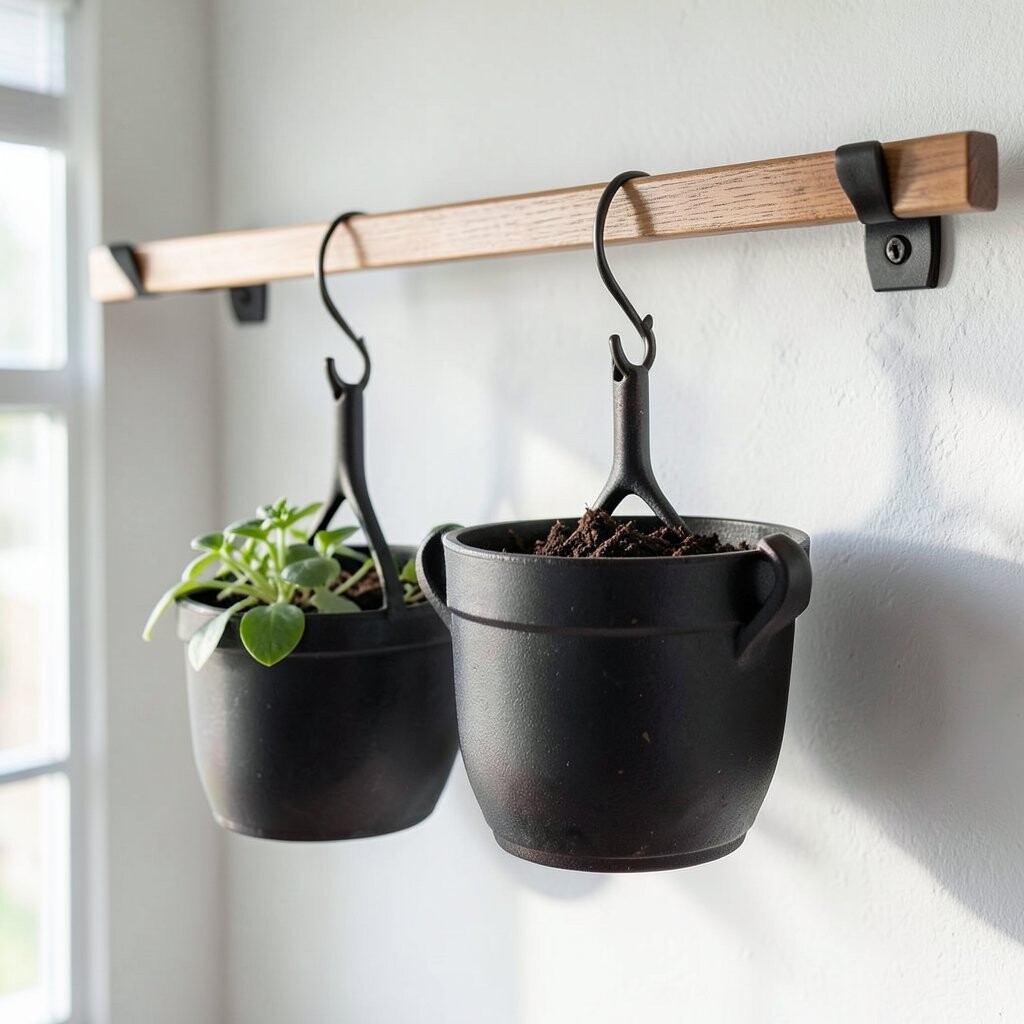
Cast iron is heavy, so it deserves sturdy storage. A strong hanging rail with S hooks can hold it securely.
This is practical because it keeps weight supported instead of stacked, which prevents chipping and warping. Look for rails designed for cookware or heavy-use mounting. If your pots are very heavy, install multiple hooks per pot to distribute the load.
For personalization, arrange cast iron by type, like skillet on one side and Dutch oven on the other. Add thick protective sleeves on the hooks for a cleaner grip and less noise. Budget tips include using high-quality anchors and screws instead of cheaper hooks that bend over time.
8. Tension Rod Dividers Inside a Cabinet

Tension rods are a clever trick for creating “zones” inside cabinet shelves. You can separate lids and small pots so they don’t slide into each other.
This idea is unique because it requires almost no drilling and can be adjusted seasonally. Put tension rods along shelf edges and rest pots between them. For safer storage, keep rods tight and avoid overloading that section of the shelf.
To personalize, paint shelf liners in a color that matches your kitchen so the cabinet looks neat even when open. Cost-wise, tension rods are usually inexpensive and easy to replace. A helpful tip is to place flat lids on top and narrow pots below so shapes stay consistent.
Many kitchens are trending toward “modular organization,” and tension rods fit that style perfectly. You can reconfigure without starting from scratch whenever you reorganize.
9. PVC Pipe Holders for Pan Lids

DIY PVC holders can organize lids and keep them from getting bent. You can cut and stack pipe sections into compartments.
This works because PVC is lightweight, inexpensive, and easy to customize to different lid diameters. Sand edges smooth after cutting, then add end caps so lids don’t catch. For added grip, line the inside with foam or rubber strips.
To make it unique, mount the PVC holder on a board and paint it to match your kitchen. A practical tip is to measure the lid handle clearance first so lids slide in smoothly. If you want a more finished look, wrap the board with contact paper or veneer-style peel-and-stick.
Cost considerations are usually low, especially if you shop for scrap or leftover pipe. This is a fun weekend project for people who enjoy hands-on organization.
10. Magnetic Rail for Metal Lids and Utensils
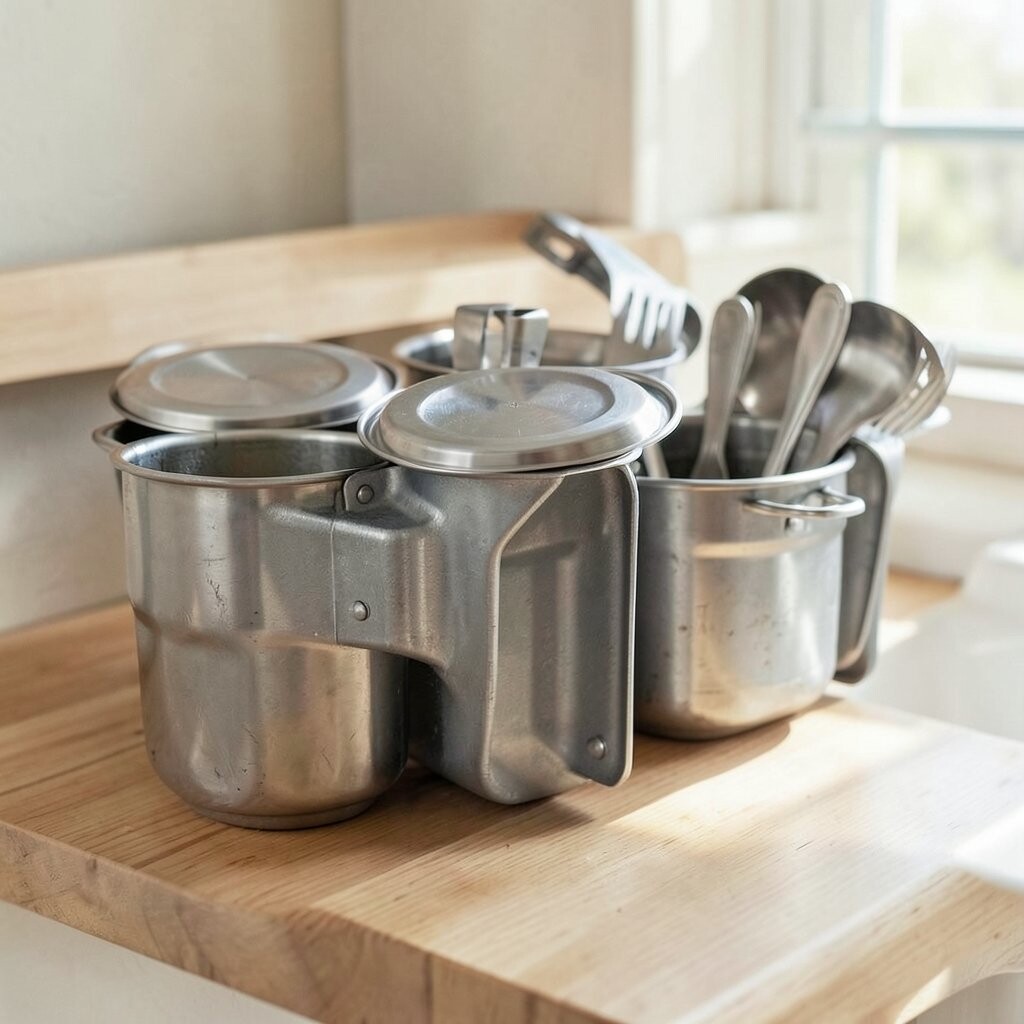
A magnetic rail is a clean, low-clutter way to store metal lids and utensils. It keeps items in one visible strip instead of scattered across shelves.
This is unique because magnets help you keep frequently used lids and tools instantly reachable. Choose a strong rail and test it with one lid first before committing to heavy pieces. Add a small buffer strip so the lid edge doesn’t slap the rail each time you remove it.
11. Clear Bin System for Stacking Pots by Size
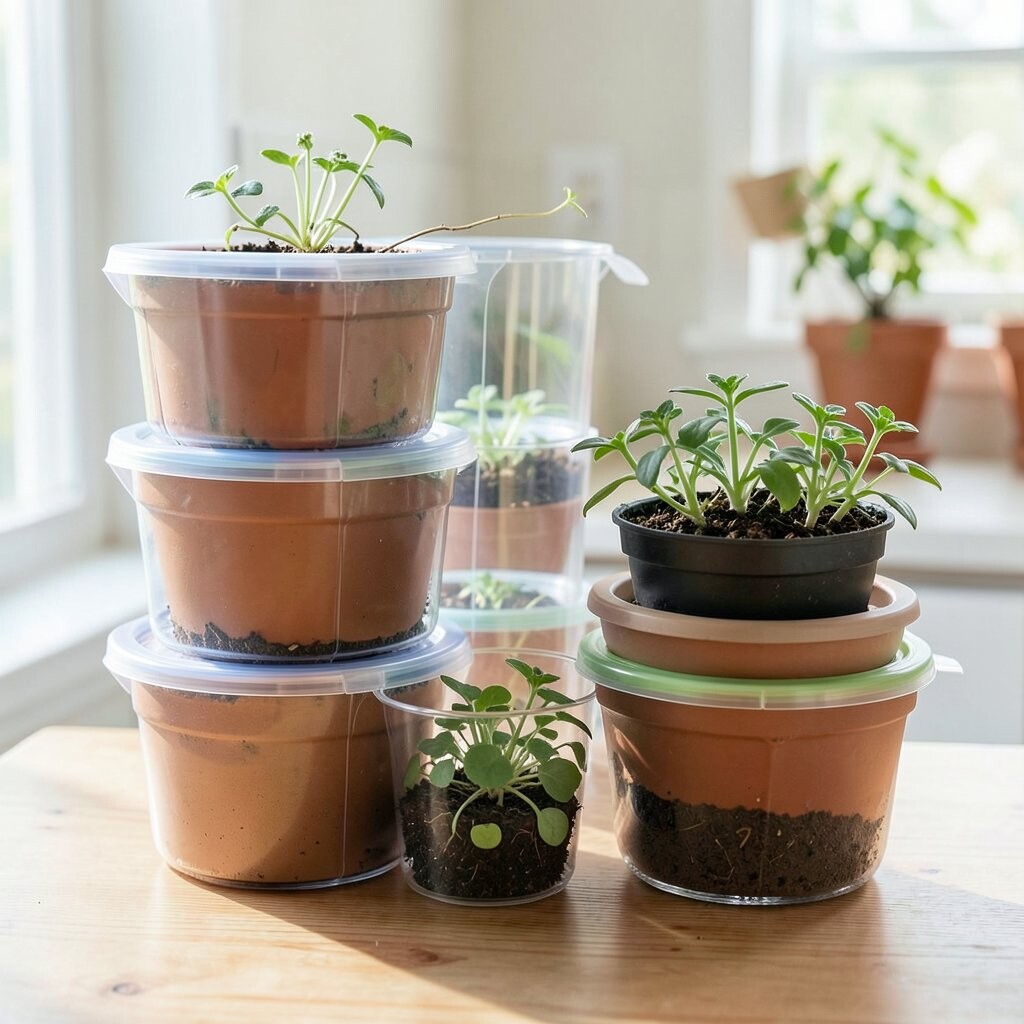
Clear bins make it easier to see what you own, especially when pots are stored in deeper cabinets. You can stack bins like drawers for a neat grid.
This approach is practical because it organizes by size and reduces digging. Use separate bins for “pots,” “lids,” and “misc pans,” and label each bin with big text. For personalization, choose bin colors like black, white, or bamboo-style so the system looks intentional.
Cost-wise, start with a few bins that fit your biggest pot lids first. Over time, add more bins as you find gaps. A current trend is using clear storage for cookware, not just pantry items, because it reduces decision fatigue in the kitchen.
To keep everything stable, place a non-slip mat under the bottom bin and avoid overstuffing any single bin. When your bins glide smoothly, you’ll actually maintain the organization.
12. Corner Pot Stand with Adjustable Levels
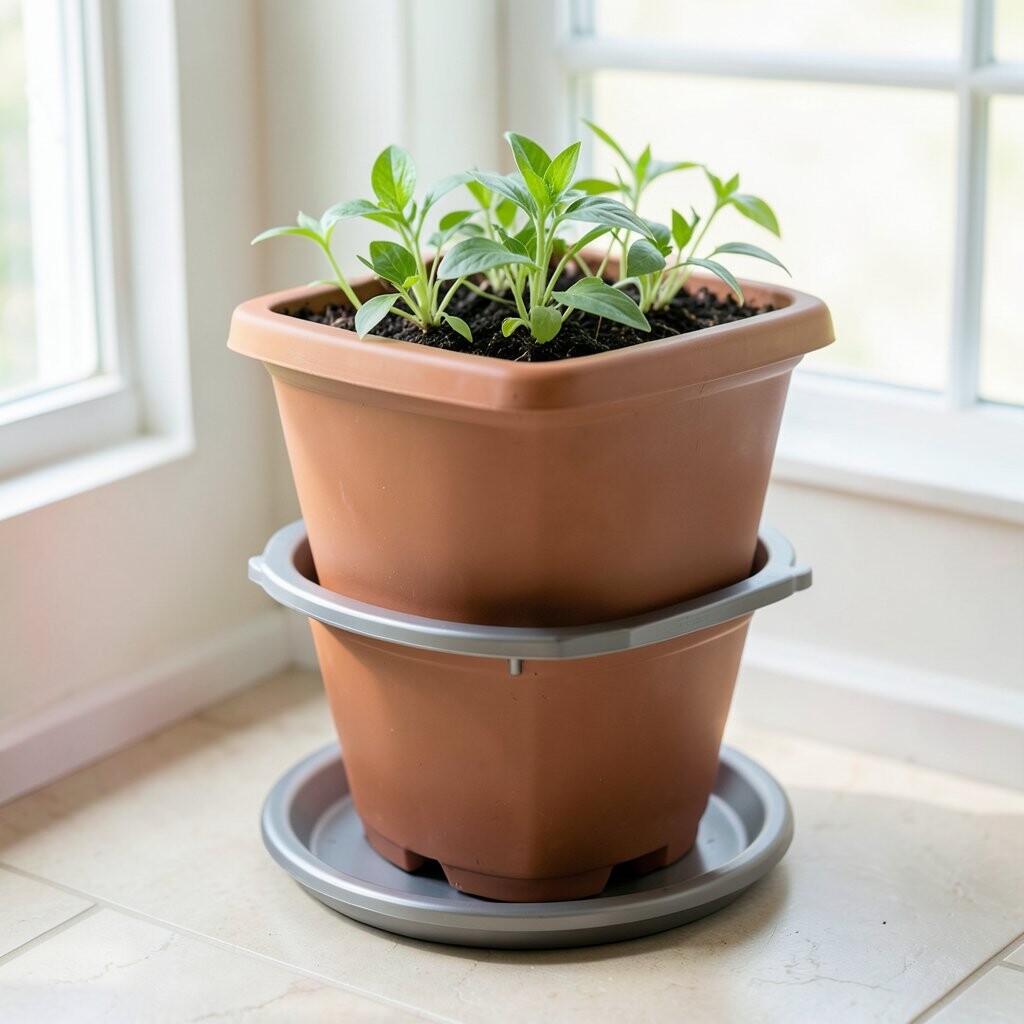
A corner stand uses awkward space that many kitchens ignore. With adjustable levels, you can fit different pot heights without forcing them.
This is unique because corners can become a functional “cookware hub,” near the stove and food prep area. Look for a stand with strong feet and a frame that won’t wobble. If you have heavy cookware, place the heaviest items on the bottom shelf and the lightest on top.
To personalize, add a small basket on the side for lid rings, measuring spoons, or cooking thermometers. Budget tip: search for metal stands on sale and check for missing parts before buying. Keep the stand clean and dry so it doesn’t develop rust spots over time.
13. Fold-Flat Rack Organizer for Camping Pots and Extra Lids
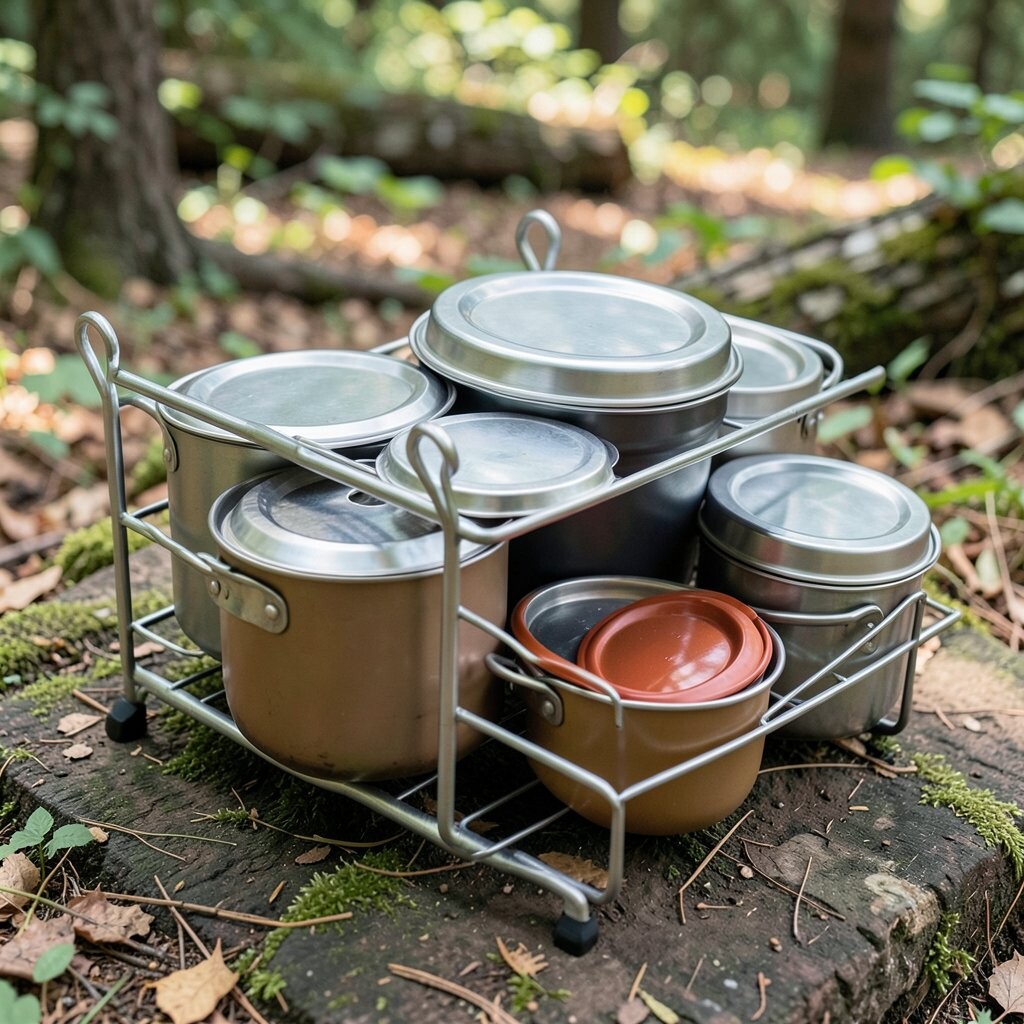
If you store seasonal or extra cookware, a fold-flat rack keeps it tidy until you need it. It’s especially helpful for camping-style pots that take space.
This idea is practical because it protects items from dust and prevents the “grab and dump” routine. Choose a rack with sections so lids don’t fall out when you move the stack. Store the rack in a closet or high cabinet and move it to your kitchen only when required.
For personalization, use a fabric storage sleeve with your favorite pattern for the outside. Cost considerations are usually lower because fold-flat organizers are often compact and easy to ship. A trend that keeps growing is multi-purpose storage for “right now” cooking and “someday” extras, so homes can stay flexible.
To make access easier, label the sleeve with what’s inside, like “pasta set” or “holiday pots.” That small step saves time when you’re busy.
14. Barbecue Tool Holder for Hanging Pan Accessories
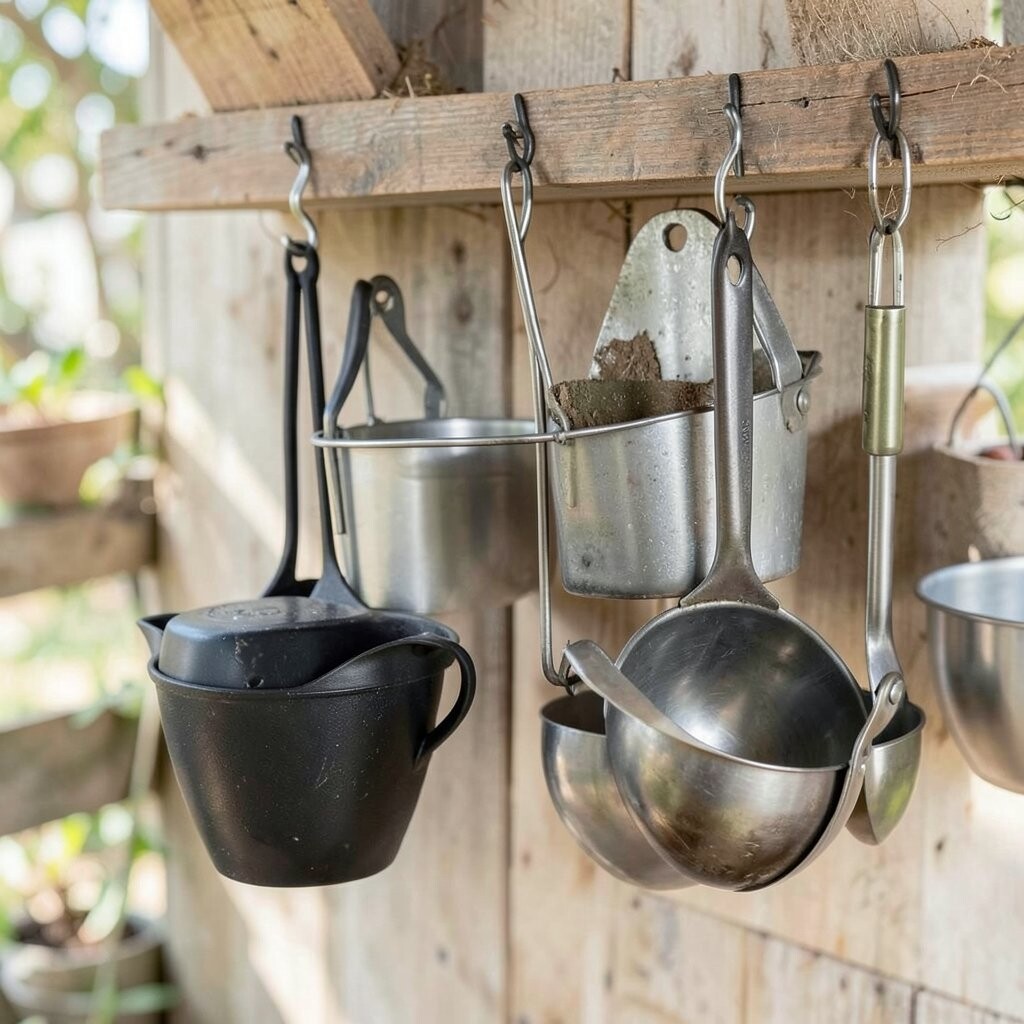
A barbecue tool holder can organize accessories that usually end up mixed in drawers. Think: ladles, spatulas, whisks, and the small extras that go with pots.
This is unique because it turns a single vertical holder into a dedicated “pot sidekick” zone. Use hooks or clips attached to the holder to hang lightweight lids or parchment cutters. Keep the most-used tools at eye level so you don’t dig each time you cook.
15. Custom Shelf Insert from Cutting Boards and Shelf Liners

For a smooth, personalized look, create shelf inserts using cutting boards and fitted shelf liners. This makes pots feel more anchored and less likely to tip.
This idea stands out because it’s gentle on cookware and reduces scratching while keeping items in place. Cut boards to match shelf width, then place them as dividers under pots and lids. Add a grippy liner on top so handles stay aligned and don’t slide.
Cost considerations are friendly because cutting boards can be inexpensive or repurposed from old sets. If you want a trend-forward vibe, use matching colors for liners that coordinate with your countertop or backsplash tones. Personalize further by marking dividers with subtle labels or writing sizes directly on liner corners for quick recognition.