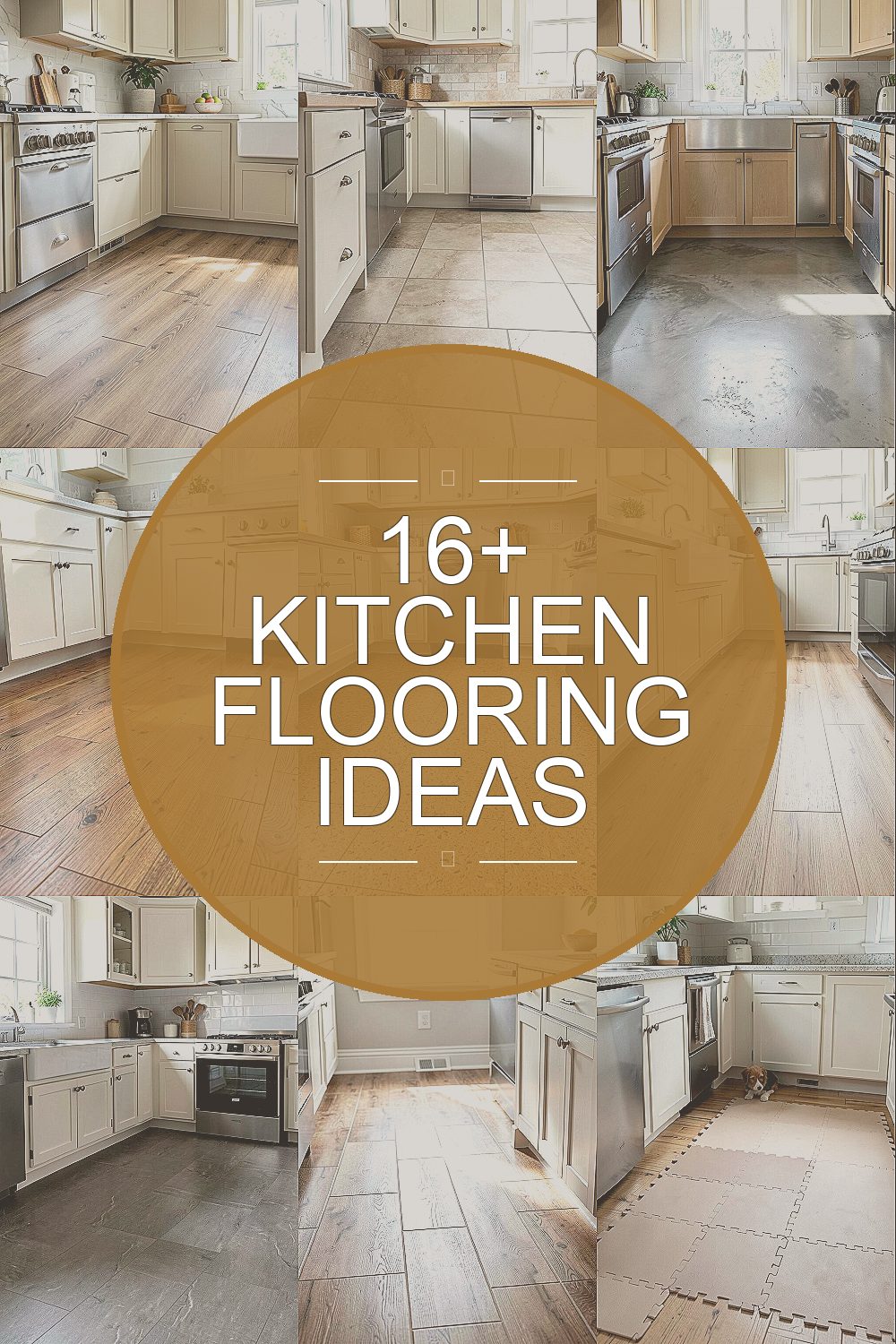
Your kitchen floors take a daily workout from pets, shoes, and spills. The right material can look great and still handle the chaos.
1. Waterproof Luxury Vinyl Plank (LVP)

Water and accidents bounce off it like magic. You get the look of wood without the worry.
Many LVP floors have strong wear layers, so claws and daily traffic cause less damage. Choose a thicker plank and a cushioned underlayment for comfort underfoot. For pet owners, this is a top pick because it’s quick to clean and handles puddles near food or water bowls well.
2. Tile-Style Porcelain Flooring
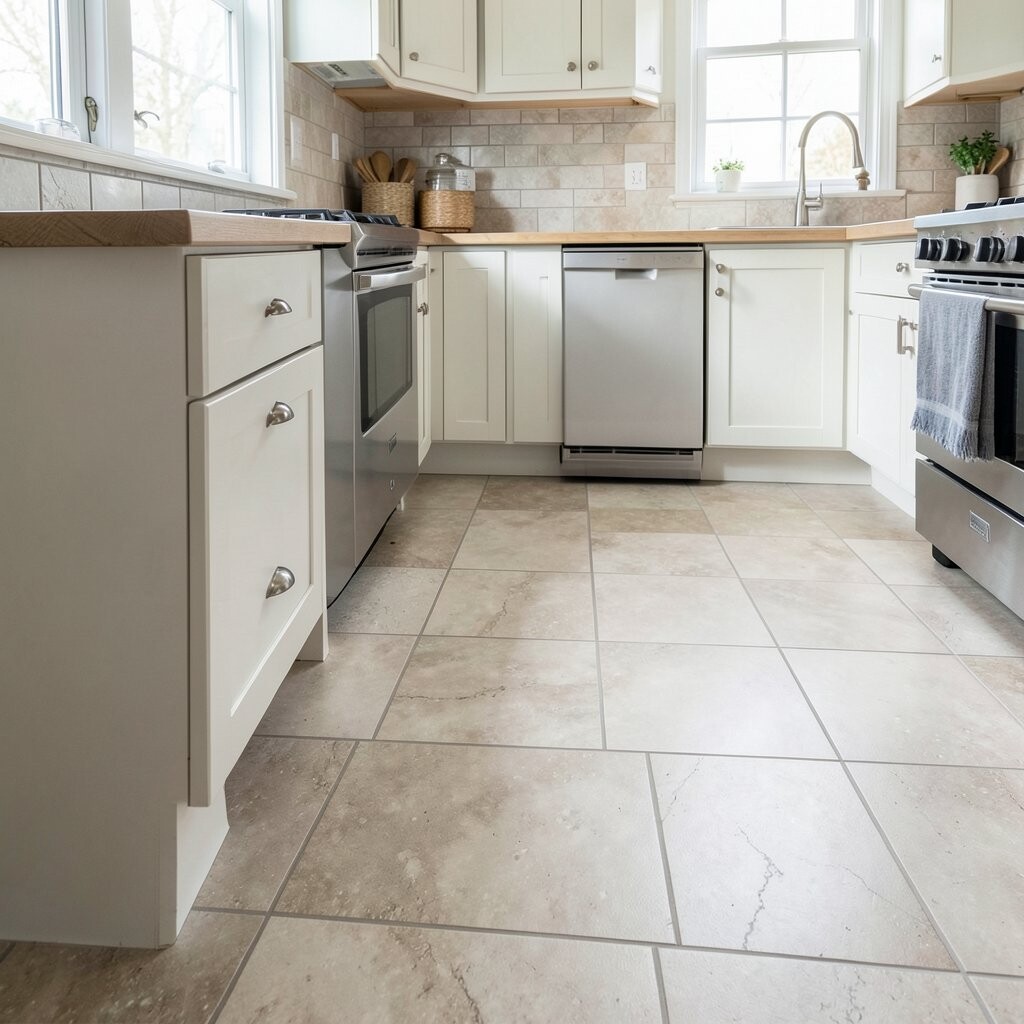
Porcelain tile feels sturdy the moment you step on it. It also stays cooler in summer, which many pets seem to like.
Look for textured or matte finishes to help prevent slips, especially when paws come in wet. A grout color that hides spots—like warm greys or sand tones—can make everyday messes less noticeable. For practical care, use a gentle cleaner and a soft mop head to avoid dulling the surface.
As a personalization idea, mix large-format tiles with a narrow border strip for a subtle “designer” look. Cost depends on tile size and installation, but porcelain is durable enough to stretch your budget over years rather than months.
3. Sealed Concrete With a Pet-Friendly Finish

Concrete floors give a clean, modern vibe that looks amazing in bright kitchens. With the right seal, they can handle spills and heavy paw traffic.
Opt for a high-quality penetrating sealer and a finish that resists stains, especially from pet urine and oily foods. You’ll also want to choose a texture that helps grip, since smooth finishes can get slick when wet. Consider adding area rugs near the feeding station for extra comfort.
This option is unique because it can be styled with stains, subtle speckles, or even a polished-but-not-too-slick top layer. Costs can be lower if you already have concrete, but sealing and finishing quality matter a lot. A current trend is “soft industrial,” where concrete tones are warmed with sand and taupe hues.
To keep it looking great, wipe up messes fast and use pH-neutral cleaners that won’t break down the seal.
4. Engineered Hardwood With a Waterproof Top Layer

Engineered hardwood brings real warmth to the kitchen. It can also be more stable than solid wood when humidity changes.
Choose products labeled as water-resistant and pair them with a quality underlayment. Use felt pads on furniture and keep nail trimming routine to reduce scratches. For practical tips, wipe spills quickly and avoid soaking mops.
5. Cork Flooring in Pet-Approved Thickness

Cork feels springy and forgiving, which is great if your dog’s favorite activity is sprinting. It also helps reduce echo noise in busy kitchens.
Look for cork tiles or planks with a protective finish like polyurethane or a sealed surface. This makes a big difference because unsealed cork can stain. For personalization, cork’s natural speckled look blends well with rustic styles, while darker stains create a cozy modern feel.
Cost varies based on thickness and finish, but it’s often mid-range compared with premium engineered wood. Stay on top of cleaning using a damp microfiber mop, and use area mats at entrances and near food bowls to catch grit.
6. Laminated Flooring With a Spill-Resistant Core

Laminated flooring can mimic wood or stone while staying easier on your wallet. It’s a good option when you want a polished look without overspending.
To make it pet-friendly, choose a laminate with a moisture-resistant core and a tight locking system. It’s especially important to avoid gaps around baseboards and transitions. Use a protective floor pad in high-wear areas and keep a towel nearby for quick cleanup.
7. Resilient Sheet Vinyl for Seamless Coverage
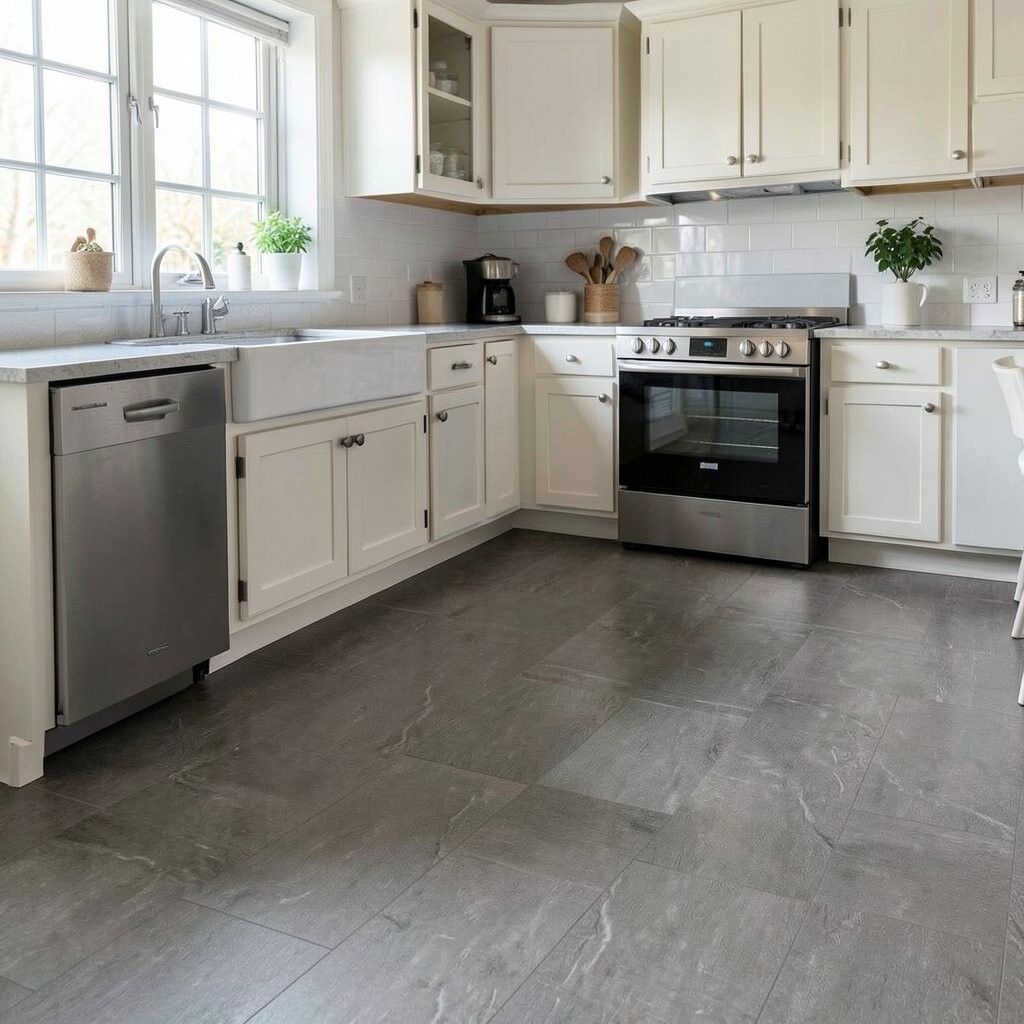
Sheet vinyl can create a smooth, continuous surface with fewer seams. That means less place for messes to seep and cause odors.
Pick a thicker vinyl with an attached cushion so it feels comfortable for both you and pets. Many modern patterns look surprisingly realistic, from stone to classic wood planks. For practical tips, use a seam-free installation strategy and choose a top layer that resists scratches.
This flooring feels unique because it’s straightforward to maintain and often faster to install than many plank systems. In cost terms, sheet vinyl is usually budget-friendly, and it’s great for renters who want an upgrade without a huge project. A current trend is textured vinyl that looks more natural under light.
8. Hardwood-Look Ceramic With a Slip-Resistant Surface

Pet owners often love how tile stays solid under claws and heavy bowls. With the right glaze, it can also capture the look of hardwood in a durable way.
Choose ceramic or porcelain tiles made for wet-area traction, such as a textured or slightly matte finish. That helps prevent slips when water shakes off wet paws. Use larger tiles if you want fewer grout lines, which can reduce scrubbing time.
To personalize the space, match tile color to cabinet hardware and add a contrasting rug runner along the main walkway. Costs can rise with premium finishes and complex layouts, but the long lifespan makes it a smart investment. Trends currently include warm “wood tones” translated into tile, so the kitchen feels inviting but stays practical.
When cleaning, stick to recommended products and avoid harsh abrasives that can dull the surface.
9. Interlocking Foam Tiles for Temporary or Kid-and-Pet Zones

Foam tiles are soft under paws and can be a lifesaver during training phases. They also make the floor feel safer if your pet is still learning boundaries.
Opt for dense, waterproof foam with a textured top that grips well. Interlocking designs help with quick replacement if one section gets worn or stained. For a kitchen, use foam only in specific zones like near a crate or play area, not as the whole-room floor.
This option is unique because it’s flexible and easy to refresh, especially for renters. Cost is usually low compared to permanent materials, and installation is often DIY. A personalization idea is to mix colors to create a neat “landing pad” pattern that still looks intentional.
To keep it clean, sweep debris often and spot-clean with mild soap and water, then dry thoroughly.
10. Natural Stone Flooring (Slate or Travertine) With Good Sealing

Natural stone brings a dramatic, high-end look that many people dream about. It’s also tough enough to handle daily kitchen life.
Use a stone sealer designed for your specific type, like slate or travertine, because porosity varies. For pet owners, stain resistance is crucial, so treat spills quickly and re-seal on schedule. Choose honed or lightly textured stone to improve grip when floors get wet.
11. Microcement or Cementitious Coatings
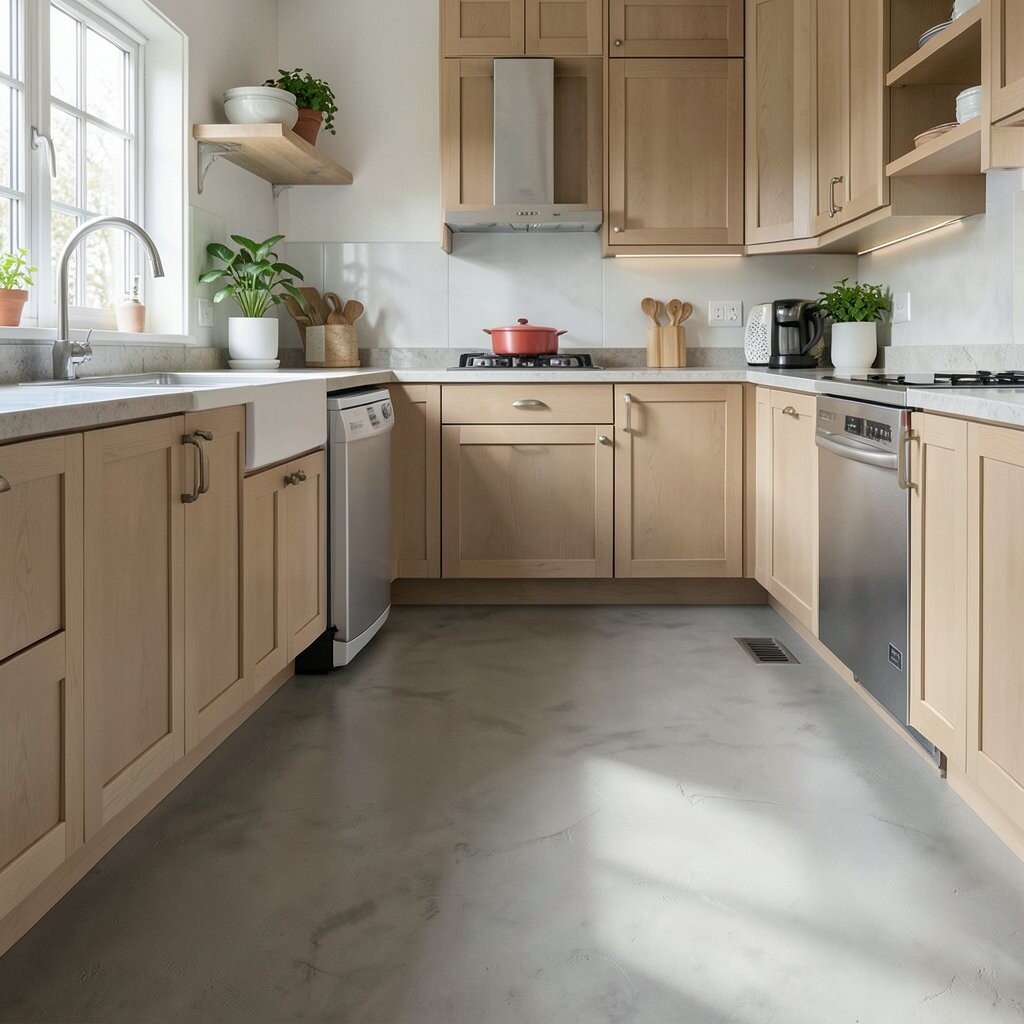
Microcement creates a smooth, seamless surface with a modern industrial feel. It can make a kitchen look like a gallery, even in a home with pets.
The key is installing a pet-safe, water-resistant coating system that can handle occasional puddles. Pair it with a slip-resistant additive or a finish that offers traction. For personalization, microcement can come in many warm greys, sand tones, and even earthy colors.
Costs depend heavily on prep work and the installer’s expertise, since surface leveling and coating layers matter. This option is unique because you get a monolithic look with very few seams, which can reduce places for dirt to hide. A current trend is “concrete-inspired warmth,” where cement tones are softened with lighter cabinetry and matte fixtures.
12. Rug-First Strategy With Built-In Protection
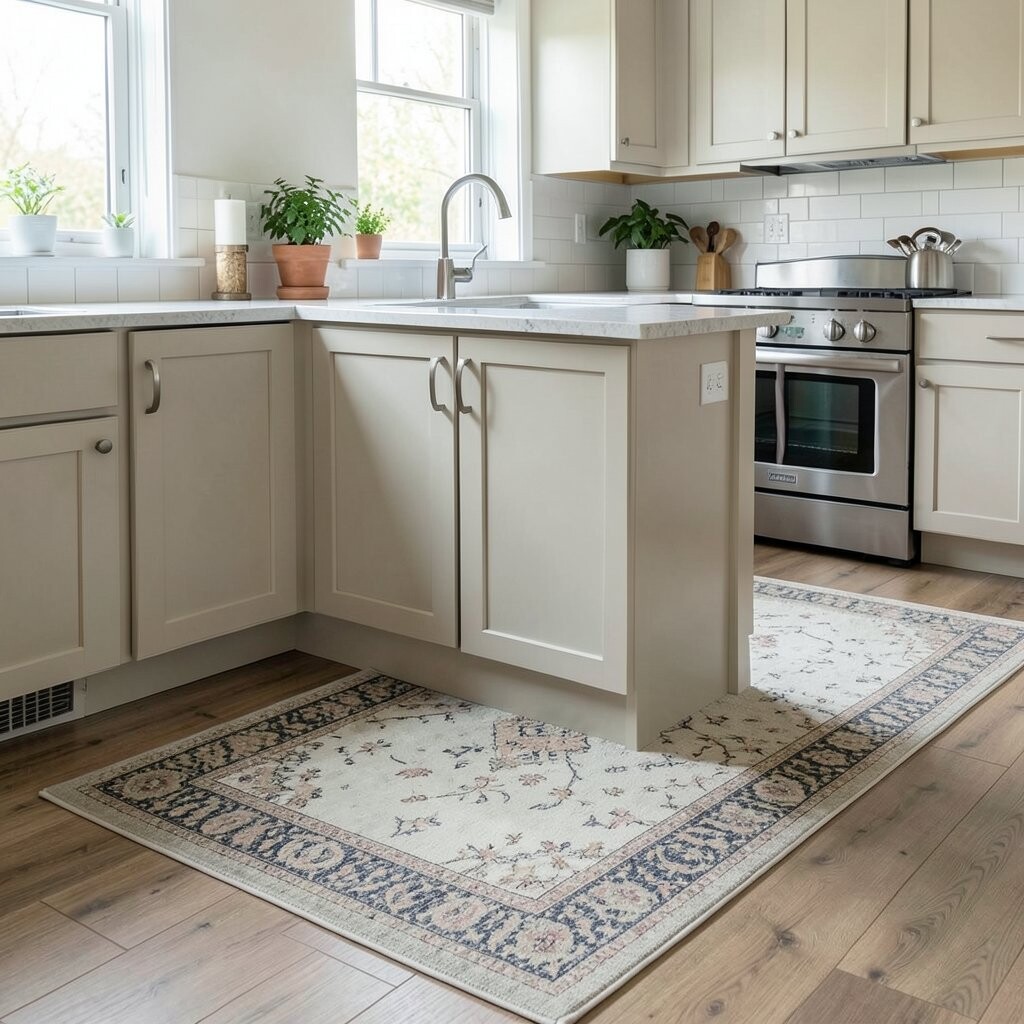
Sometimes the best pet-friendly flooring idea is planning for rugs, not fighting pet messes alone. You can use durable flooring underneath and focus on comfortable layers on top.
Choose an easy-to-clean base material like vinyl or tile, then add a top rug with a non-slip backing. Place it near feeding bowls and high-traffic paths, because that’s where paw prints and spills show up most. For practical tips, rotate rugs occasionally and use a carpet cleaner formula that’s safe for pets.
This approach is unique because it’s flexible: you can change style without tearing out the whole floor. Cost can be lower than a full remodel, especially if you already plan to update other kitchen features. Trends include layered looks, like mixing a low-pile rug with a textured runner for a cozy yet tidy vibe.
Pick rugs with tight weaves so dirt doesn’t sink in, and keep stain remover nearby for fast response.
13. Painted or Stained Plywood Floors for a Big-Splash Budget Boost

Painted plywood can be a creative, budget-friendly upgrade that still looks stylish. It’s also surprisingly practical if you seal it properly.
Use a marine-grade sealant or a tough floor coating designed for heavy wear. This helps protect against scratches, moisture, and common pet accidents. For personalization, consider stenciled patterns, faux tile designs, or a simple solid color that matches your kitchen cabinets.
This idea feels unique because it’s flexible and quick to update, which is helpful if your pet’s needs change. Costs are often low, and installation can be simpler than many traditional floors. A current trend is playful, bold patterns on kitchen floors, especially in homes that want personality without complexity.
To keep it looking fresh, sweep regularly, use gentle cleaners, and avoid dragging heavy items across the surface.
14. Hardwood-Look Hybrid Flooring (Water-Resistant Floating Core)

Hybrid flooring combines a realistic look with easy installation. It often locks together like laminate but is designed to handle more moisture.
Choose a version with a water-resistant core and a durable top wear layer for pet claws. Use careful trimming around doorways and baseboards so moisture won’t creep into seams. For practical tips, maintain good ventilation and clean spills promptly, especially near the pet bowl area.
This option is unique because it’s a “best of both worlds” feeling—hard surface durability with a more comfortable underfoot feel. Cost considerations are mid-range, depending on brand and the thickness of the attached underlayment. Trends include modern greige tones and wider planks that look upscale.
15. Parquet Flooring With Pet-Friendly Finish and Grid Layout
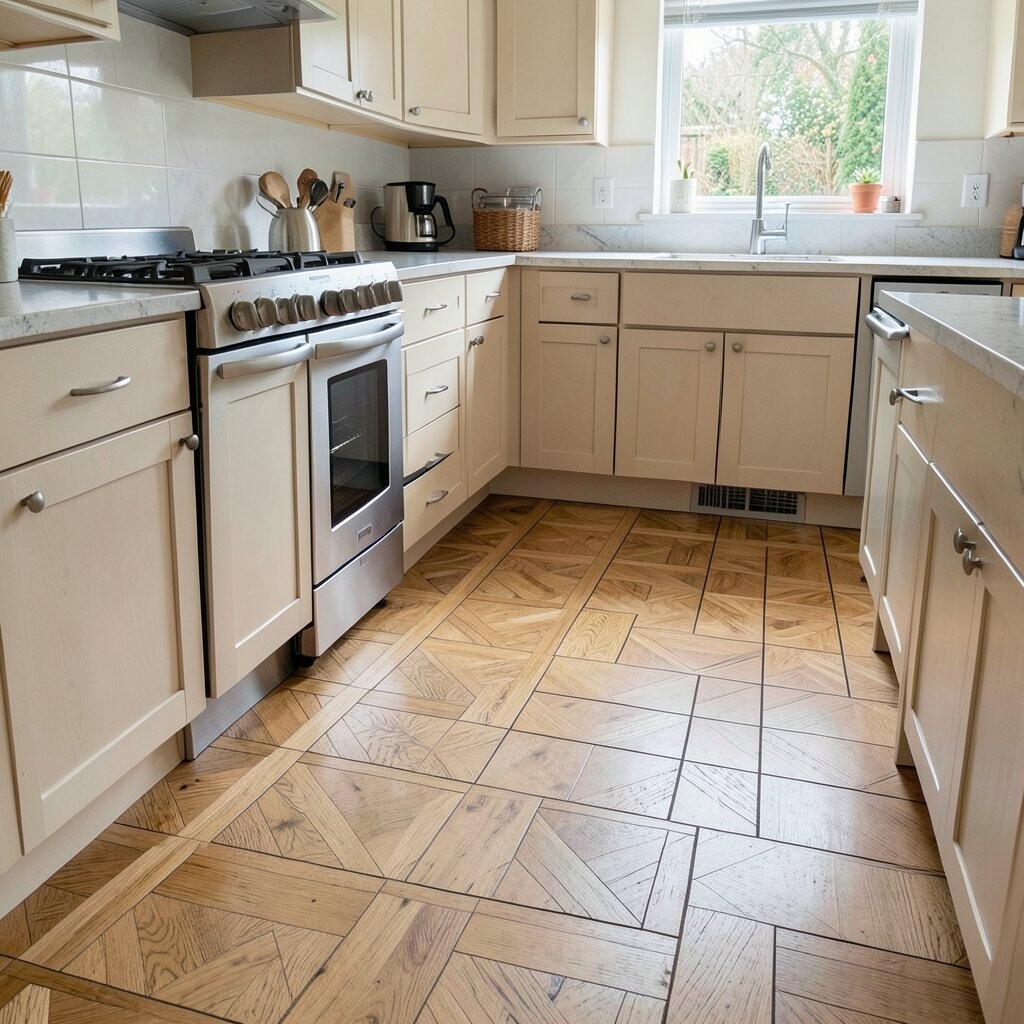
Parquet patterns add a charming, old-world look to a kitchen. When chosen carefully, they can also handle the daily movement of pets.
Pick engineered parquet with a protective, pet-safe finish and consider a top coat that resists stains. For practical tips, choose a layout that’s easier to maintain, like a consistent grid, so you have fewer tricky edges. If your pet tends to race through, use a washable runner to protect the most worn path.
This flooring is unique because the pattern itself hides small scuffs, which many pet owners appreciate. Cost can be higher due to design and installation time, but it can look stunning for years. Personalization ideas include color-matching the pattern to your cabinetry or adding a subtle border with a contrasting wood tone.
Keep cleaning gentle and avoid soaking, since concentrated water can dull finishes over time.
16. Sturdy Sealed Laminate Cork Hybrid (Comfort + Grip)

If you want comfort without losing durability, a cork-hybrid style can fit the bill. It often reduces noise and feels warmer than hard tile.
Look for sealed, water-resistant construction with a protective top layer that’s made for high-traffic areas. Choose textured planks so paws get traction, especially after messy kitchen spills. For practical tips, use felt pads and avoid abrasive scrubbers that can wear down the finish.
This option is unique because it blends the cushy feel of cork with a more stable, built-up structure. Cost is usually mid-range, and it’s worth it for homes where pets are active throughout the day. A current trend is “quiet floors,” where homeowners prioritize sound control and comfort as much as style.
17. Ceramic or Porcelain Mosaic Near the Entry and Feeding Area
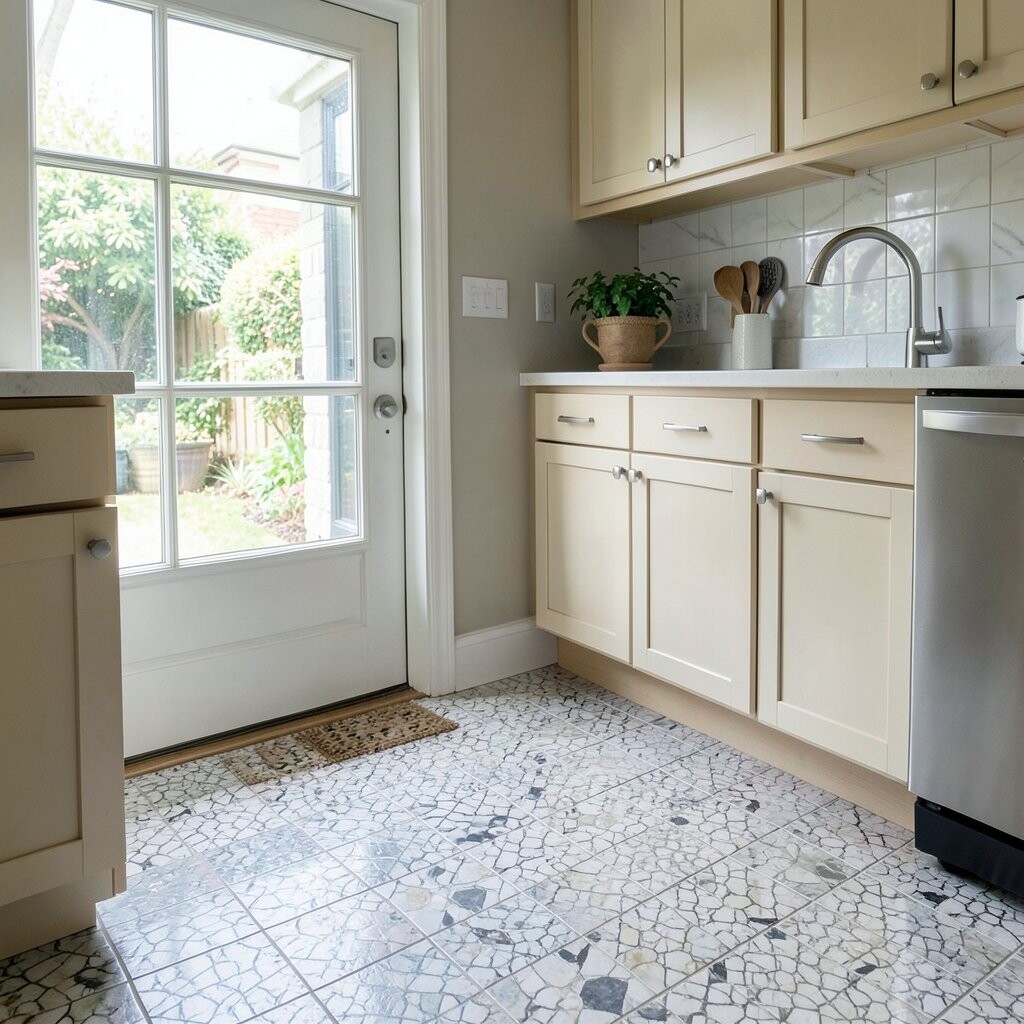
Mosaic accents can make a kitchen feel special while protecting the spots pets use most. It’s like adding a stylish shield where the mess happens.
Use mosaic tile only in high-risk zones, such as near the side door, feeding corner, or the path from crate to bowl. A slip-resistant finish is important, and smaller tiles can create a lot of texture that helps grip. Pair the mosaic with a calmer main floor so the kitchen stays cohesive.