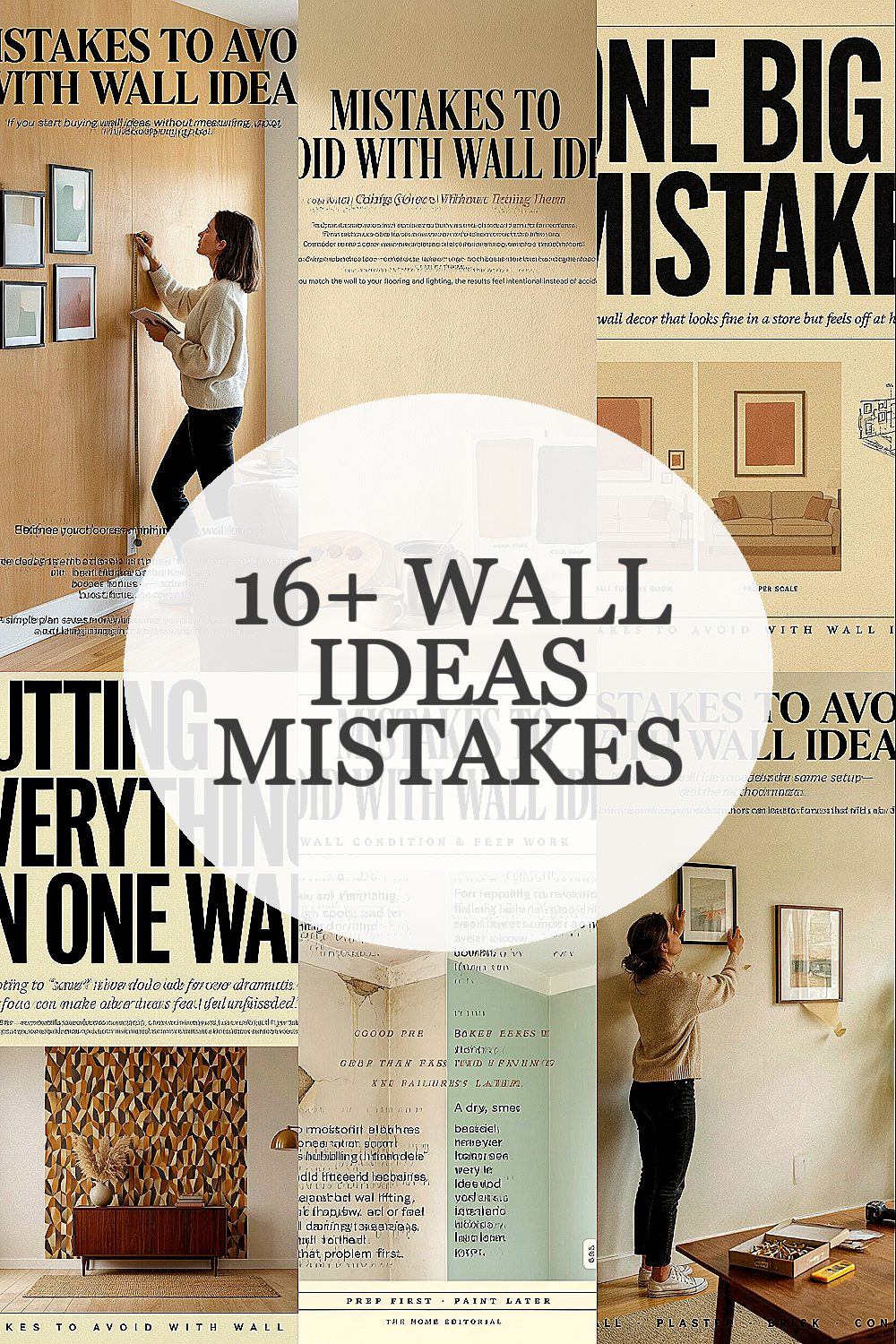
Your walls can look amazing when they match your space and habits. But small missteps can turn a great idea into a costly, frustrating mess.
1. Skipping a Real Plan for the Space

If you start buying wall ideas without measuring, the room will keep pushing back. You might end up with art that feels too small or panels that look crowded.
Before you choose anything, note wall length, ceiling height, and where doors and outlets are. Then decide what you want the wall to do, like add warmth, boost focus, or cover flaws. A simple plan saves money because you buy fewer wrong items and you hang things in the right spots the first time.
2. Choosing Colors Without Testing Them
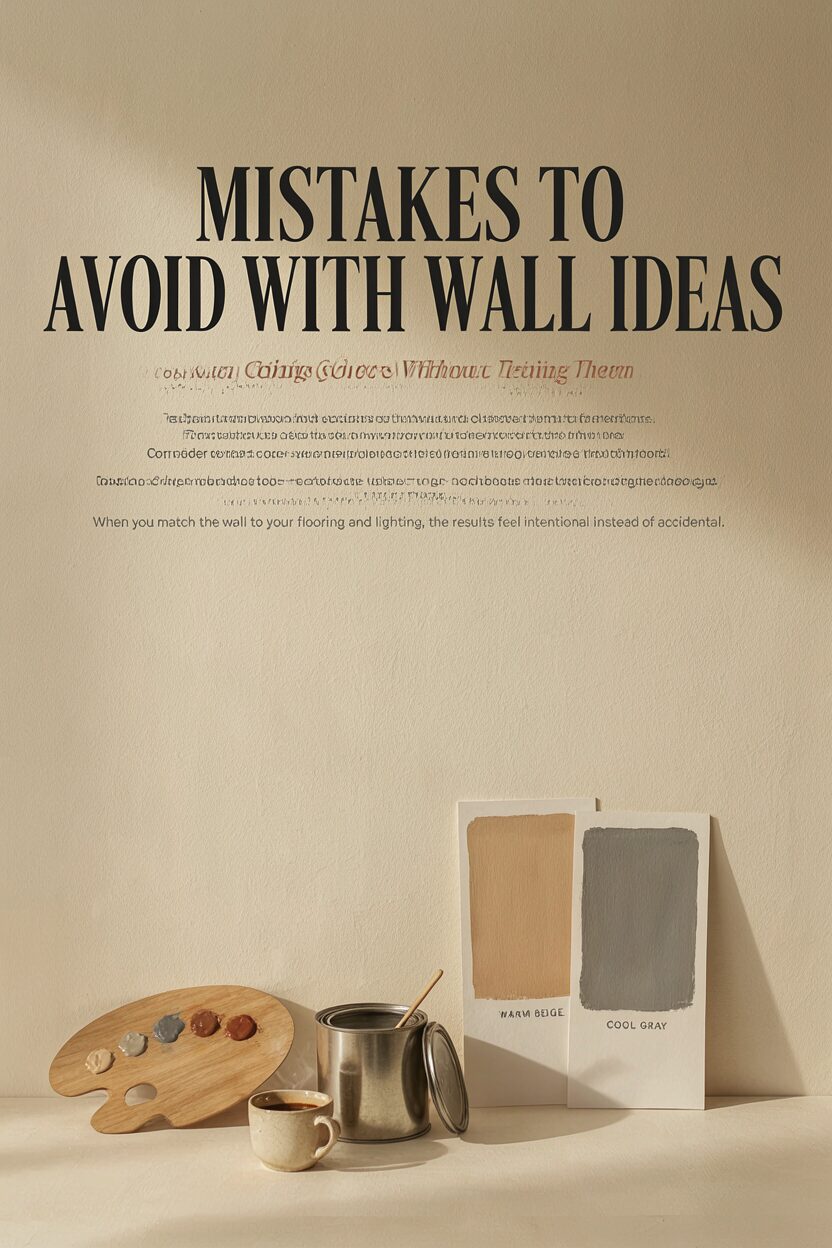
Wall color can look different at night, in daylight, and under lamps. If you trust only a screen or a swatch, the final look may surprise you.
Test paint samples on two sections of the wall and observe them at different times. For accent walls, also check how your furniture colors react with the new shade. This small step is often the cheapest way to avoid repainting.
If you are using wallpaper or peel-and-stick, grab extra samples and place them where your eye lands most. Consider undertones too, like warm beige versus cool gray, because that choice changes the whole mood. When you match the wall to your flooring and lighting, the results feel intentional instead of accidental.
3. Ignoring Scale and Proportion

One big mistake is using wall decor that looks fine in a store but feels off at home. Scale affects how people feel in a room, especially when walls take up most of the view.
Large rooms often need larger artwork, bolder patterns, or wider paneling to avoid a “lost” feeling. In smaller rooms, tiny frames can create visual clutter that makes the space seem smaller. A good trick is to measure the wall and aim for a clear coverage ratio with your main piece.
Textured wall ideas also need proportion, like using substantial 3D tiles on a wall with enough breathing space. If you use heavy texture in a tight hallway without balance, the wall can feel too loud. Keep the rest of the room simple so the feature stays the star.
For gallery walls, plan the layout on the floor first. Move pieces around until the spacing feels right, then transfer measurements to the wall. When proportions are correct, even simple decor looks high-end.
4. Putting Everything On One Wall
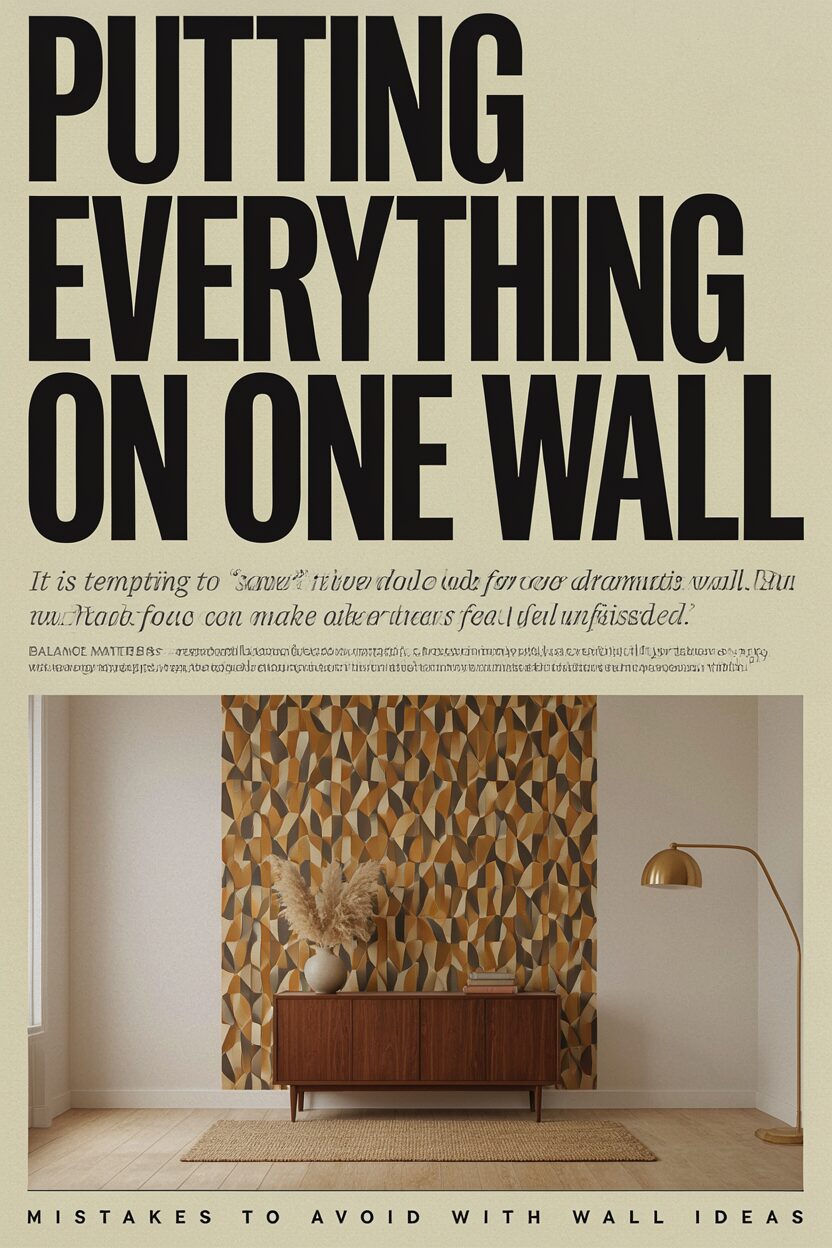
It is tempting to “save” the whole look for one dramatic wall. But too much focus can make other areas feel unfinished.
Balance matters, so repeat small echoes like color, material, or texture in nearby walls or ceilings. If your feature wall has a strong pattern, keep the adjacent walls quieter. This creates harmony and makes the feature feel more special.
5. Overlooking Wall Condition and Prep Work
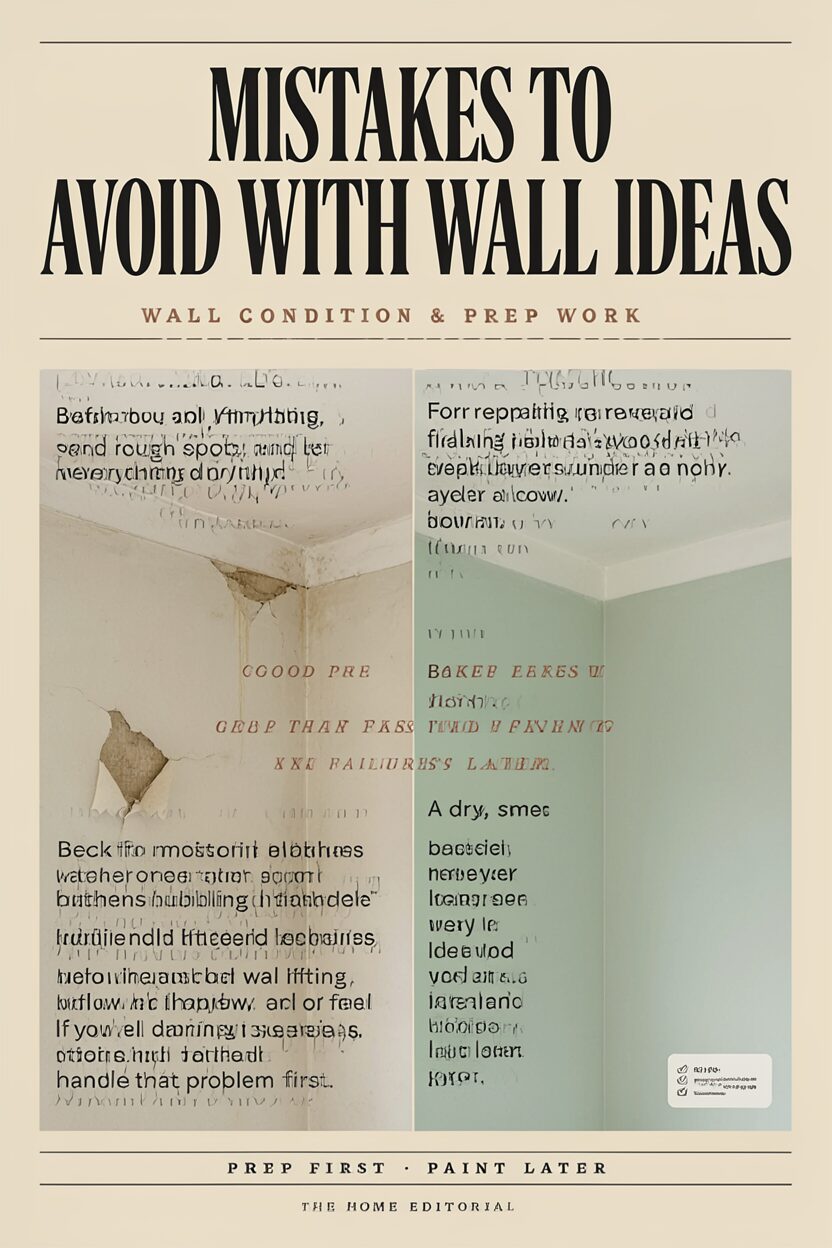
Wallpaper, paint, and adhesives do not like uneven walls. If you skip cleaning and patching, the finished surface can show bumps and peeling edges.
Before you apply anything, wash the wall, fill holes, sand rough spots, and let everything dry fully. For repainting, remove old flaking paint so you do not trap weak layers under a new coat. Good prep usually takes less time than fixing failures later.
Check for moisture in bathrooms or kitchens because bubbling paint and lifting wallpaper can follow. If you feel dampness or see stains, handle that problem first. A dry, smooth base makes every wall idea look cleaner and last longer.
6. Choosing the Wrong Installation Method

Not every wall idea needs the same setup, and the method matters. Using tape when you need anchors can lead to frames that slide or fall.
For heavy art, use proper wall anchors and confirm what your wall is made of. Drywall, plaster, brick, and concrete require different hardware and different drilling care. When you match the installation to the wall type, you prevent damage and keep the look steady.
7. Ignoring Lighting and Viewing Angles
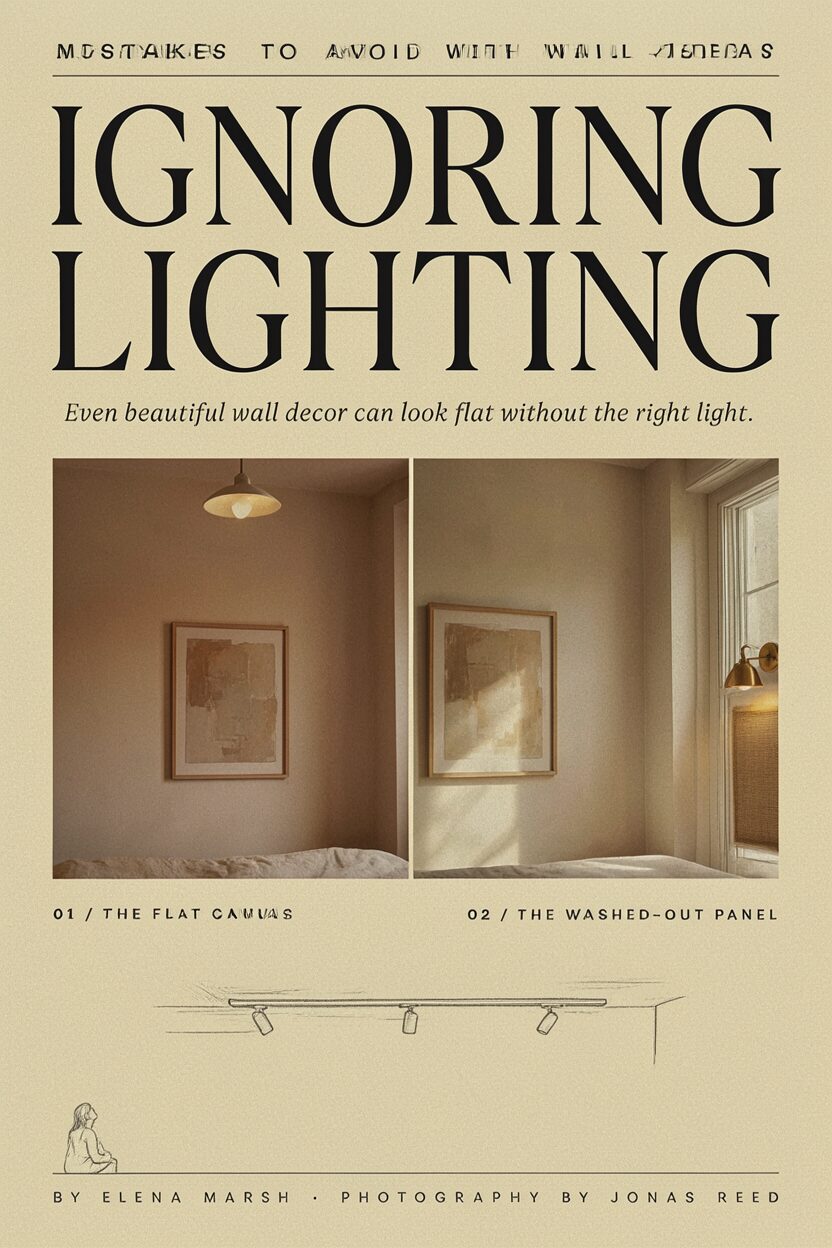
Even beautiful wall decor can look flat without the right light. Overhead bulbs and shadows can hide texture or wash out colors.
Try to place art or panels where light can touch them, like near a window or under a wall sconce. If you use track lighting, aim it slightly so it creates gentle highlights instead of harsh glare. Viewing angles matter too, so check how it looks from where you sit and stand most.
Warm lighting often makes wood, beige, and earth tones feel cozy. Cooler lighting can make whites and grays crisp, but it may also highlight imperfections. Adjusting lighting is sometimes cheaper than changing materials, and it can instantly upgrade the final look.
8. Forgetting Function and Everyday Use

A wall can be stylish and still serve daily needs, but you must plan for real life. If you block a doorway view or place hooks in awkward spots, you will feel annoyed every day.
Think about how you move through the space, where bags land, and where kids or pets play. A feature wall near a walkway needs safe spacing and sturdy materials. When wall ideas support your routine, the beauty also feels practical.
Consider storage too, like a small ledge for keys or a cork board for notes. Even a decorative wall can hide utility, like using framed baskets or a tidy set of shelves. The best wall designs look good and make life easier.
If you add acoustic panels, place them where echoes actually form, not just where they look good in a picture. Test sound by clapping or listening from different corners before committing. Function and style together create a wall you will love long after the install day.
9. Using Materials That Don’t Match Your Lifestyle
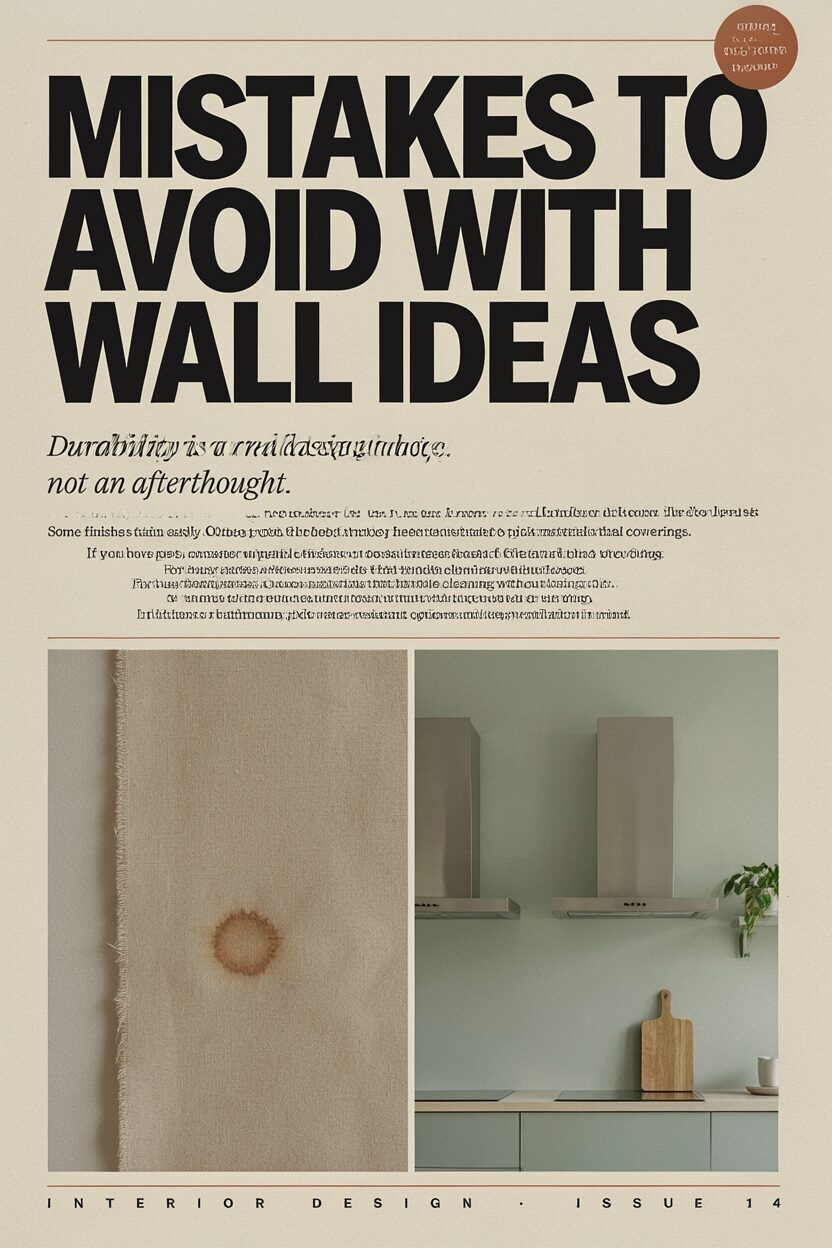
Durability is a real design choice, not an afterthought. Some wall finishes stain easily, scratch quickly, or peel under humidity.
If you have pets, consider wipeable finishes or closed surfaces instead of delicate fabric wall coverings. For busy family areas, choose materials that handle cleaning without losing color. In kitchens or bathrooms, pick water-resistant options and keep ventilation in mind.
10. Choosing Trends Without a Long-Term Plan

Trends can be fun, but only if they fit your style and timeline. A trend that looks perfect today might feel dated in two years.
Pick one trend element as the “accent,” then keep the foundation more timeless, like neutral paint, classic frames, or simple trim. This lets you update later without tearing everything out. You can refresh the look with a new print, rug, or small decor swap.
When you choose modern textures, balance them with calmer surfaces. For example, if you use bold 3D tiles, keep nearby walls smooth and let your furniture bring warmth. This approach keeps the wall current while still feeling livable.
11. Overloading the Wall With Too Many Patterns
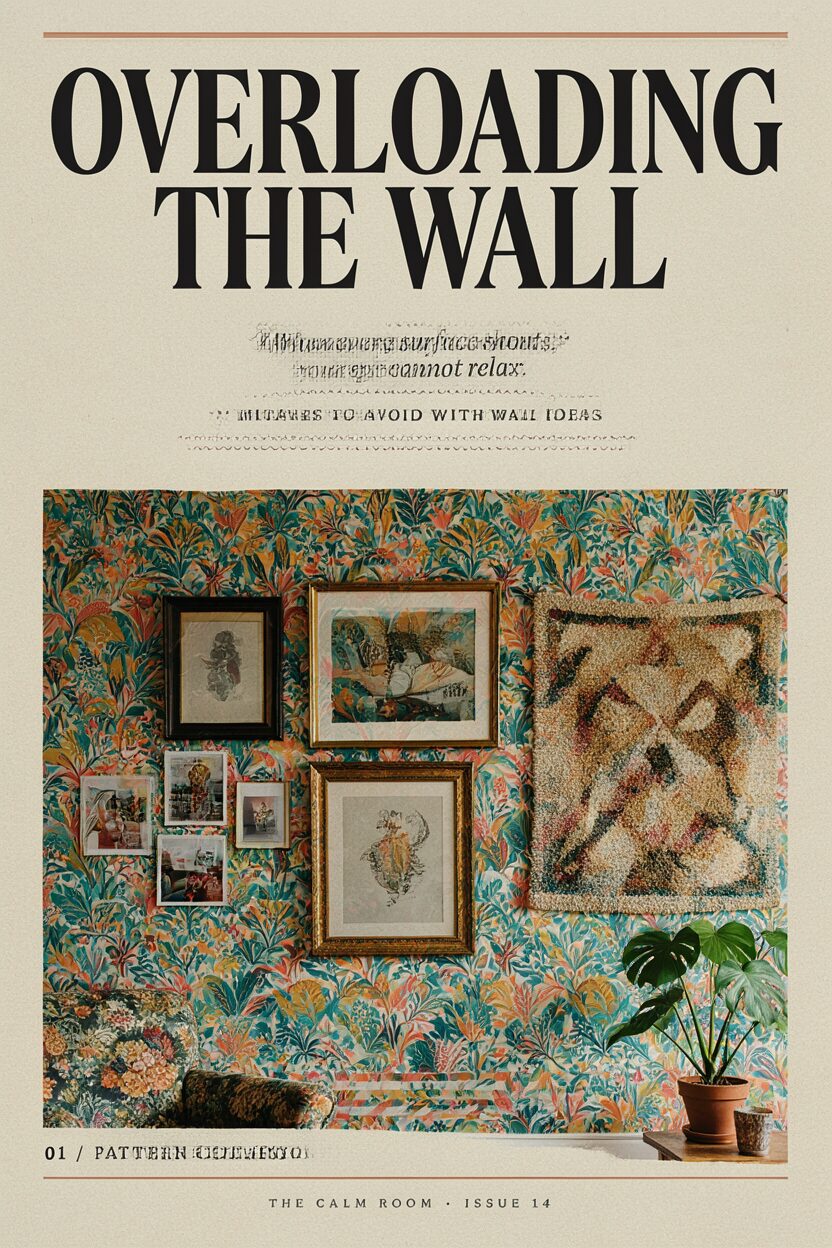
Pattern collisions are a common reason wall ideas look messy. When every surface shouts, your eye cannot relax.
Choose one main pattern for the wall and let other elements be simpler. If wallpaper is busy, use solid frames and reduce other textures in the same area. If your furniture is patterned, lean toward simpler wall art or a softer texture.
You can also use pattern scale to solve the issue, like pairing a large motif with smaller accents. Stick to two or three colors that already show up in your room. That way the wall becomes a stylish backdrop, not a visual burden.
Try spacing and breathing room, too. Even if you love multiple styles, leaving some empty wall space helps everything look intentional. A calm wall can make the bold parts feel even better.
12. Buying Without Considering Budget and Total Costs

Wall ideas can grow in price fast once you add tools, supplies, and replacement parts. If you do not plan a full budget, you might stop halfway through a project.
Factor in paint, primer, adhesive, trim, mounting hardware, and even extra sample sheets or test kits. If you hire help, include labor costs for measuring, cutting, or installing. For many people, the smartest money move is to start with one “must-have” upgrade and add smaller items later.
13. Misjudging Maintenance and Cleaning Needs

A wall idea should still look great after you live with it. If it is hard to clean, you will dread upkeep and that can ruin the joy.
Check whether your materials are wipeable, stain-resistant, or safe for gentle cleaners. Textured finishes might hide dirt for a while, but they can also trap dust in grooves. If you choose wallpaper, confirm you can spot-clean it without damaging the surface.
For painted walls, learn if the finish is matte, eggshell, or satin because that affects how marks show. Kitchens and hallways often benefit from more scrubbable finishes. Maintenance planning keeps your wall looking fresh with normal home routines.
14. Making the Same Mistake With Frames and Hanging Height
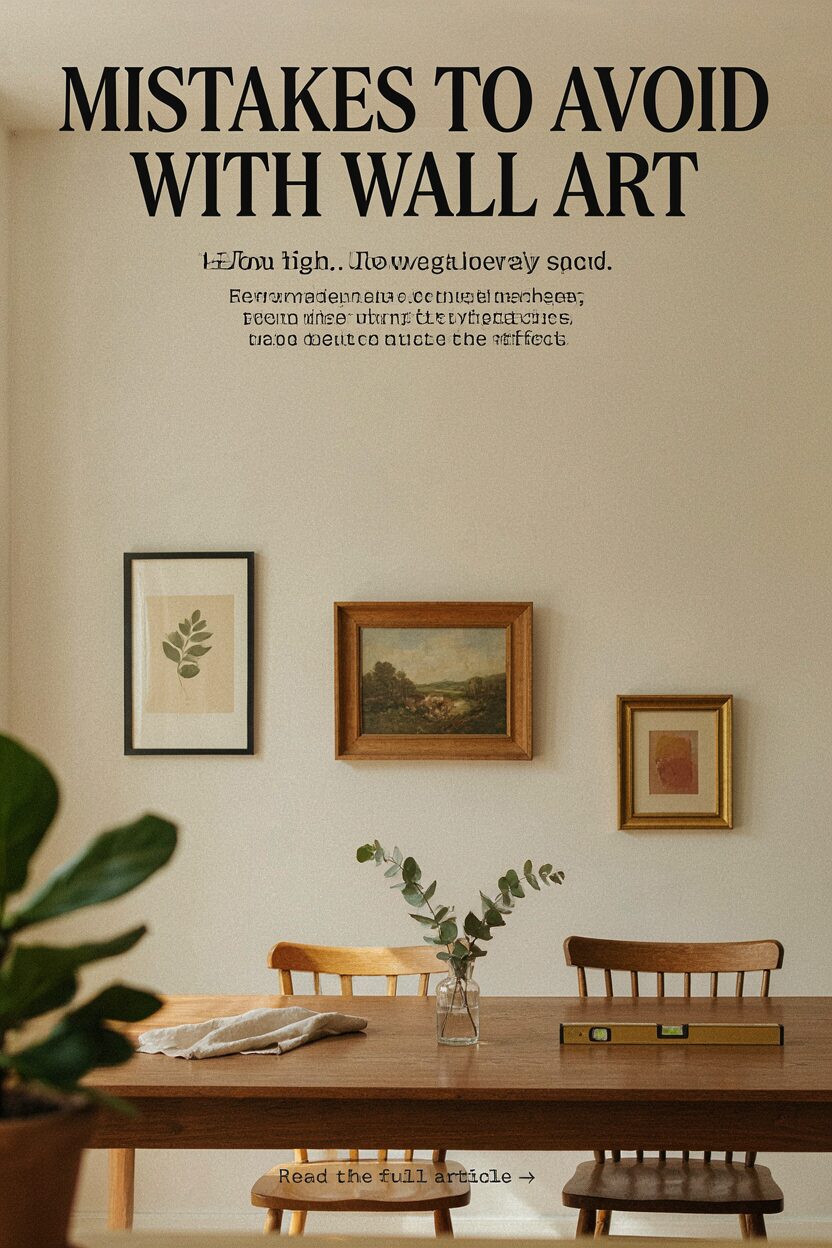
Many people hang art too high, too low, or unevenly, which makes the whole wall feel off. Even when everything matches, wrong height can ruin the effect.
For eye-level viewing, center the artwork around about the typical line of sight when you stand. In dining rooms, adjust height to avoid blocking sightlines across tables. Use a level and measure from a consistent reference point so the spacing looks clean.
15. Forgetting Color Balance With Furniture and Flooring

Your wall does not live alone; it works with your floors, curtains, and furniture. If the tones clash, the room can feel tense instead of calm.
Look at the undertones in your flooring and large furniture pieces, then pick wall ideas that complement them. If your wood is warm, warmer paint and frame stains will blend better. If your palette is cool, choose cooler whites or grays and avoid strong yellow undertones.
You can also match “small” details, like repeating a metal finish or a shade found in pillows. That small connection makes everything feel gathered, not random. When you plan for balance, the wall becomes part of the whole room story.
16. Not Accounting for Expansion, Humidity, and Surface Changes

Some wall ideas respond to weather and temperature, which can cause gaps or warping. Ignoring that reality can lead to frustrating mid-season changes.
If you install peel-and-stick materials, follow the temperature range on the package and allow walls to acclimate. In humid climates, use moisture-aware materials and improve ventilation. For larger projects like paneling, leave appropriate spacing if the product recommends it.
17. Choosing an Unclear Style and Stopping Too Early
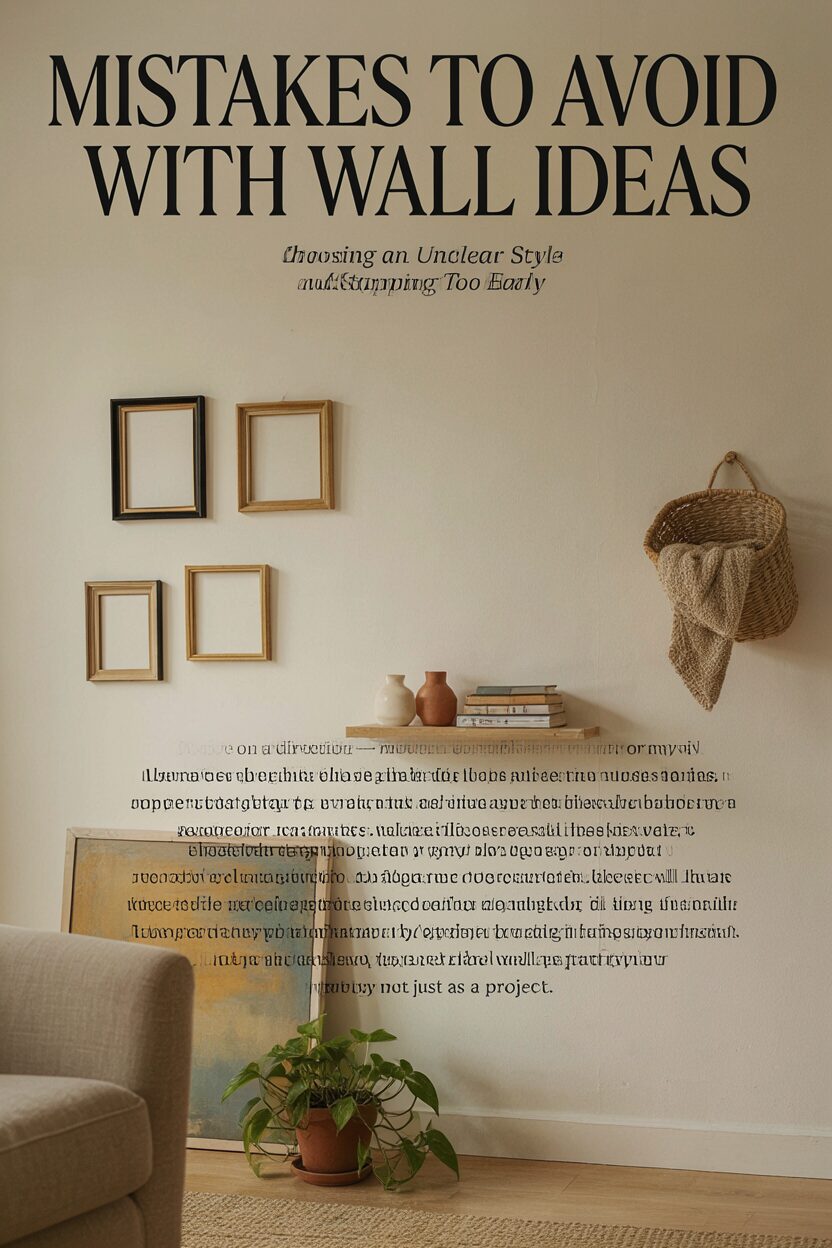
Wall decor can look unfinished when the style is unclear or when you stop before the final details. A few missing touches often make the difference between “nice” and “wow.”
Decide on a direction, like modern cozy, classic warm, or playful color, and then keep adding pieces that support it. Use layers, such as a textured base, then art, then small accents like wall baskets or a narrow shelf. If you feel unsure, step back and ask what your eye keeps returning to.
Also allow time for adjustment because wall ideas settle in once everything is placed and the lighting is on. If possible, live with the layout for a day before making final spacing changes. That pause helps you see the wall as part of your everyday life, not just as a project.