Your morning can feel calmer with the right visuals. Small images, signs, and cues can guide the day before stress even shows up.
1. Sunrise-Glow “Start Here” Card
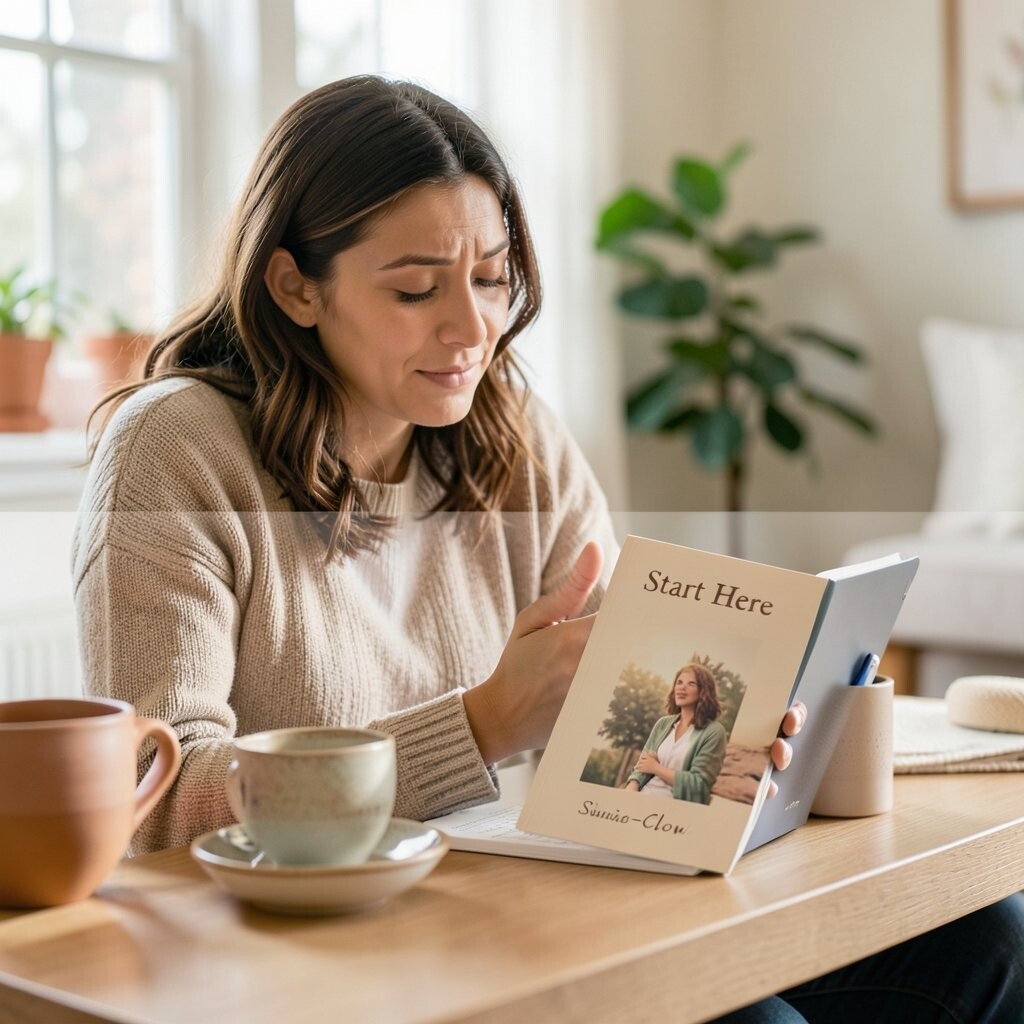
Put a small card where you first look after waking. Use a warm sunrise image with the words “Breathe, then begin.”
Pair it with a simple 3-breath reminder printed underneath, like inhale for 3, hold for 1, exhale for 4. When you see it, you signal your nervous system that you’re safe enough to start. Keep the card in the same spot every day, so your brain learns the cue fast.
2. Family “Today’s Weather” Mood Board
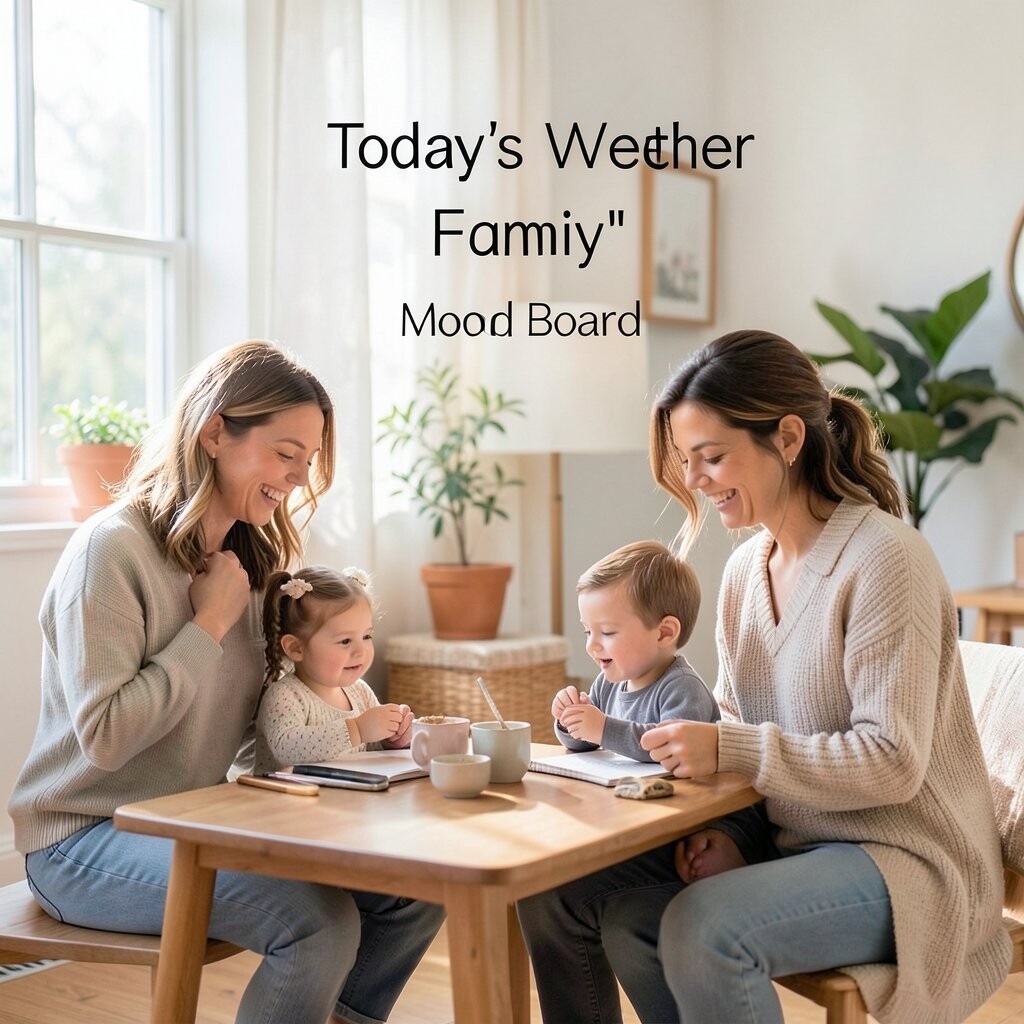
Create a mini board that matches your home’s morning mood. Think soft clouds for calm, a sun with smile lines for “easy,” and a storm icon for “hard day.”
Benefits show up quickly because you give feelings a place to go instead of turning them into arguments. Choose one icon as a family agreement and point to it when tempers rise. Add a tiny color key so older kids can choose the mood too.
To personalize it, let your child pick the icons they recognize from favorite shows or school posters. Keep it low-cost by using cardstock, washi tape, and a laminating sheet if you like. A current trend is using magnetic mood icons on the fridge so changes happen in seconds.
3. “Brush Teeth, Then” Picture Steps
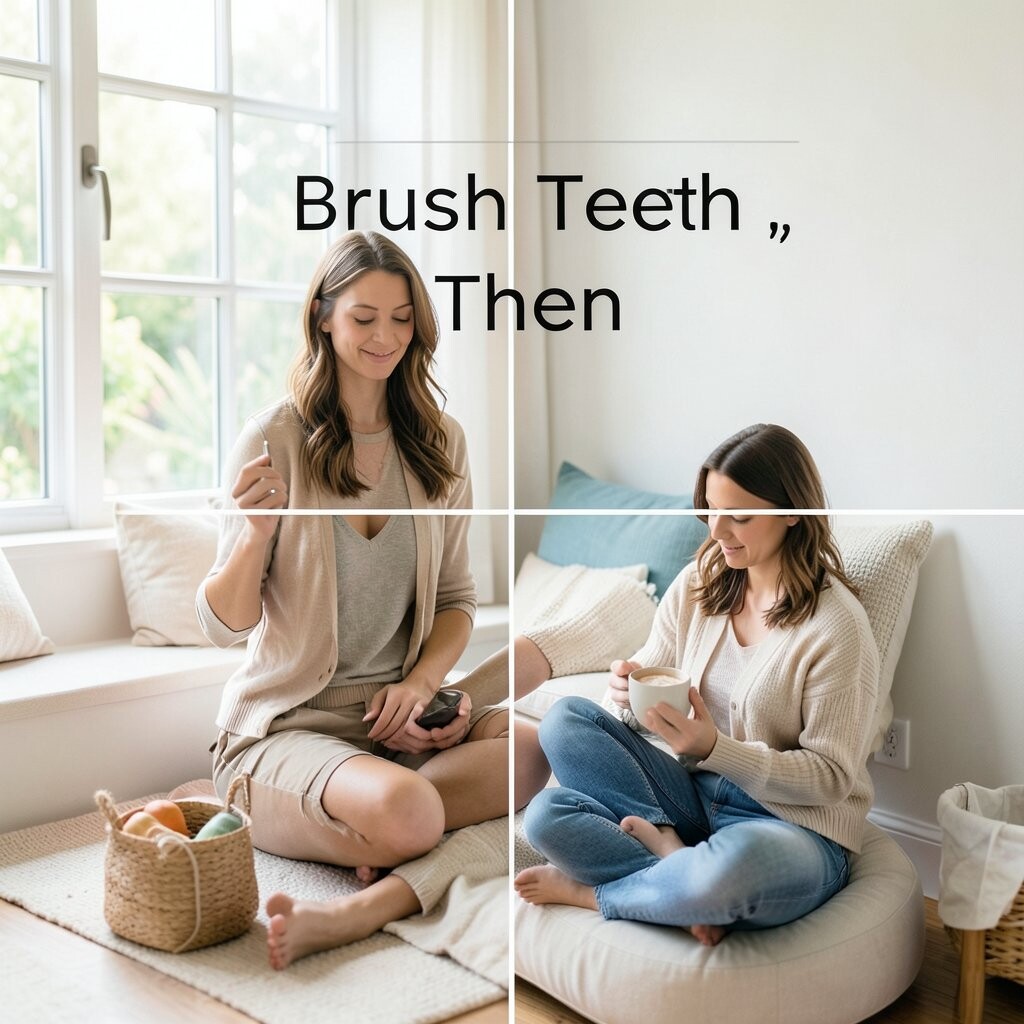
Use a clear strip of pictures showing the exact order for mornings. For example: toothbrush, toothpaste, rinse cup, and then floss or mouthwash.
Visual order reduces confusion and helps kids move without constant reminders. It also supports mindfulness because the steps turn chaotic energy into one focused action at a time. Try making the images feel cheerful with consistent backgrounds like a pale blue sink.
For practical tips, take a few quick phone photos of your real supplies and arrange them in a simple grid. Put the strip at eye level inside the bathroom cabinet or on the mirror with a removable adhesive hook. Cost is minimal because most moms already have a printer, paper, and tape.
To keep it unique, add a “pause” picture between steps, like a small timer or a tiny hand signal. That pause becomes your gentle mindfulness moment without adding another routine to remember.
4. Gratitude “One Sentence” Sticky Notes Wall
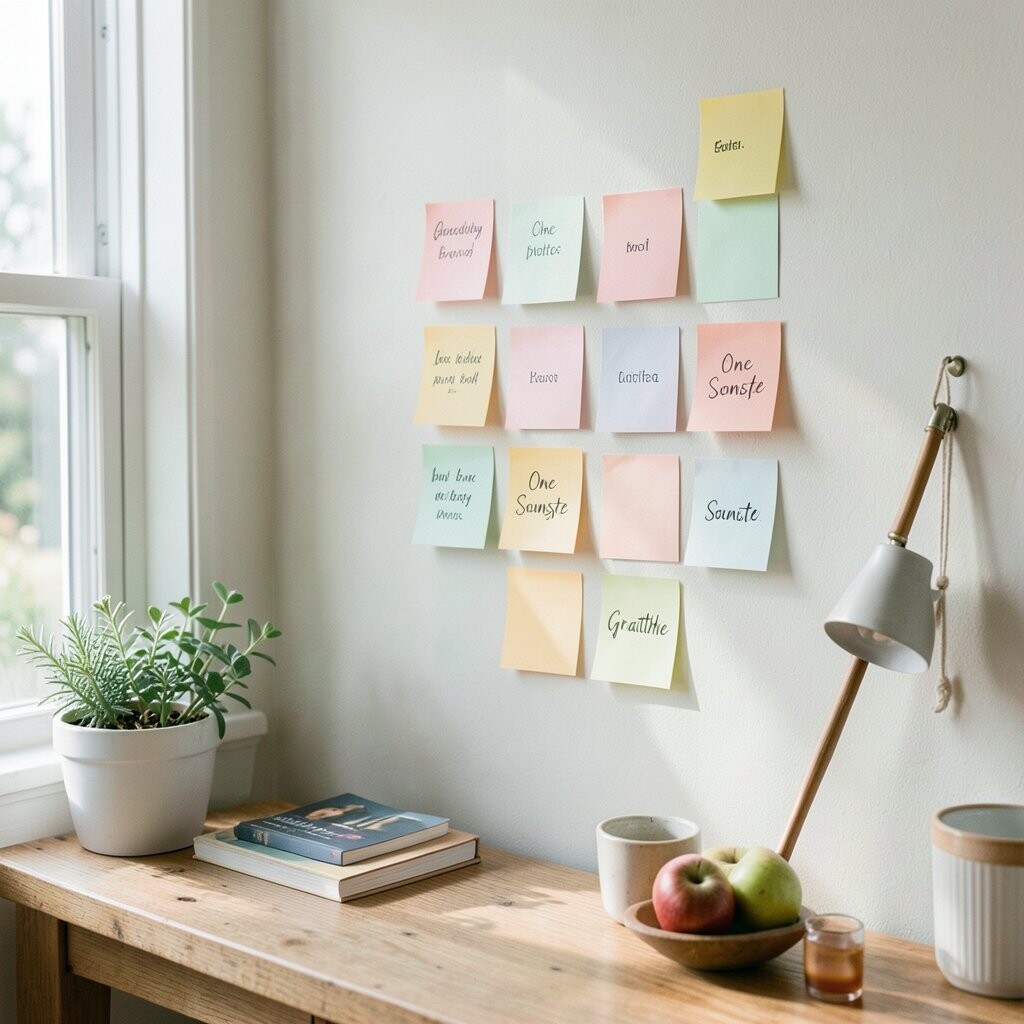
Place a sticky-note pad near the coffee maker or breakfast table. Each person adds one sentence about something they appreciate right then.
This turns morning time into a calm habit instead of a hurry race. Try using themed colors, like yellow for kindness, green for health, and blue for family. Keep it affordable by reusing note pads and using plain sticky notes with marker writing.
5. Microwave Timer for “Quiet First” Moments
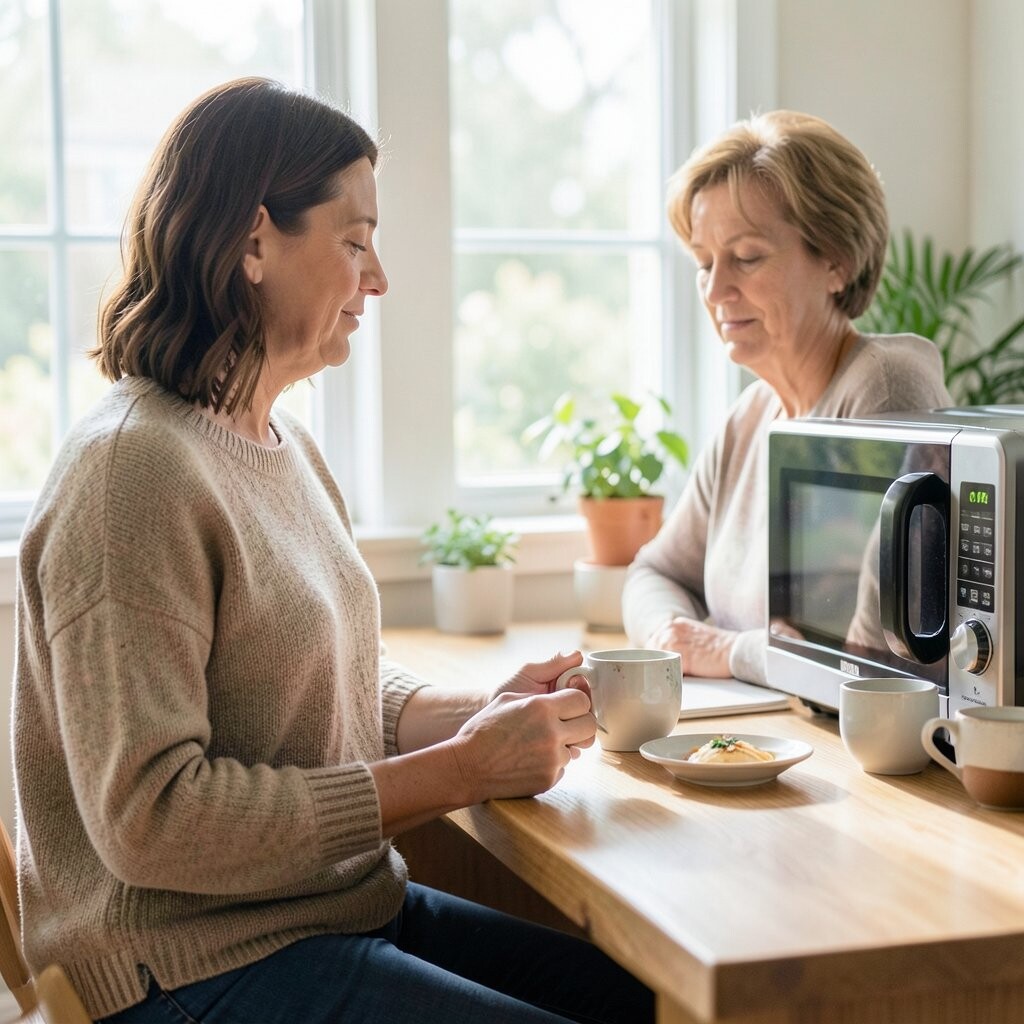
Choose a specific minute range and pair it with a visual countdown on your microwave or phone. The number should be visible from where you stand, so you’re not searching while talking.
This creates a predictable pause, which helps everyone reset without lectures. It’s mindful because you’re practicing attention to time and breath. When the timer goes off, you switch to the next step like lunches or getting shoes on.
To personalize, match the time to your season, like 2 minutes for school weeks and 5 minutes on weekends. A current trend is using smart plugs or devices that play a soft chime when the countdown ends. Keep costs low by using the timer you already have.
6. “Shoes by the Door” Color-Coded Silhouettes
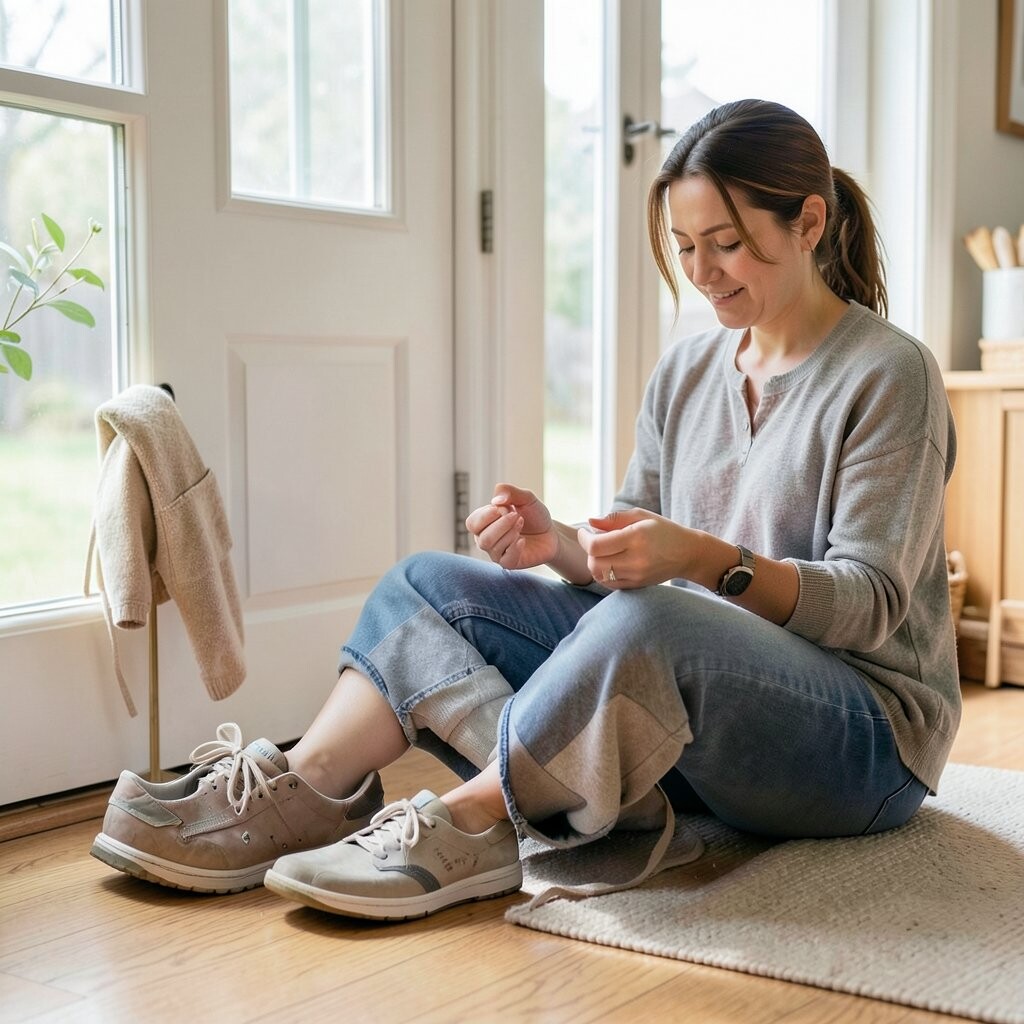
Set up a simple visual map using silhouettes for each family member’s shoes. Use different colors or shapes so kids can see what belongs where instantly.
This one helps mornings run smoother because misplaced shoes cause a domino effect of delays. It also supports mindfulness because you reduce nagging and let everyone practice self-management. Use a removable vinyl label set or printed sticker shapes so you can update as sizes change.
7. Mirror Notes With a Breathing Icon
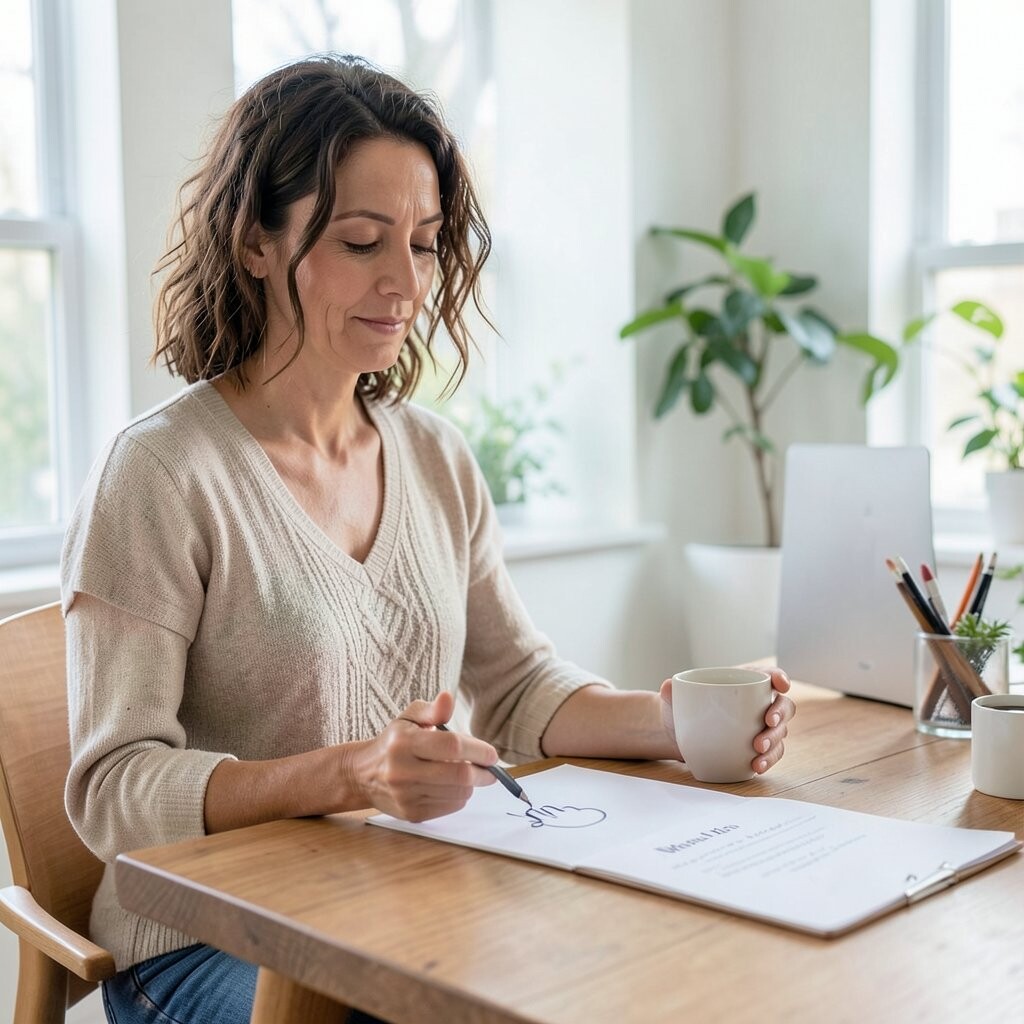
Write a short message on a sticky note and place it at eye level on the bathroom mirror. Add a small breathing icon, like a simple circle expanding and shrinking.
When you apply makeup or help a child, your eyes hit the cue naturally. That tiny moment supports emotional regulation because you’re reminded to slow your breath before you speak. Personalize it by choosing words that match your parenting style, such as “soft voice” or “slow down.”
Cost is basically zero if you reuse sticky notes and a marker. A trend many families enjoy is using dry-erase stickers that you can wipe and rewrite. If you like structure, keep the message the same for a week, then refresh it for variety.
8. Breakfast Tray “Choose Your Bowl” Icons
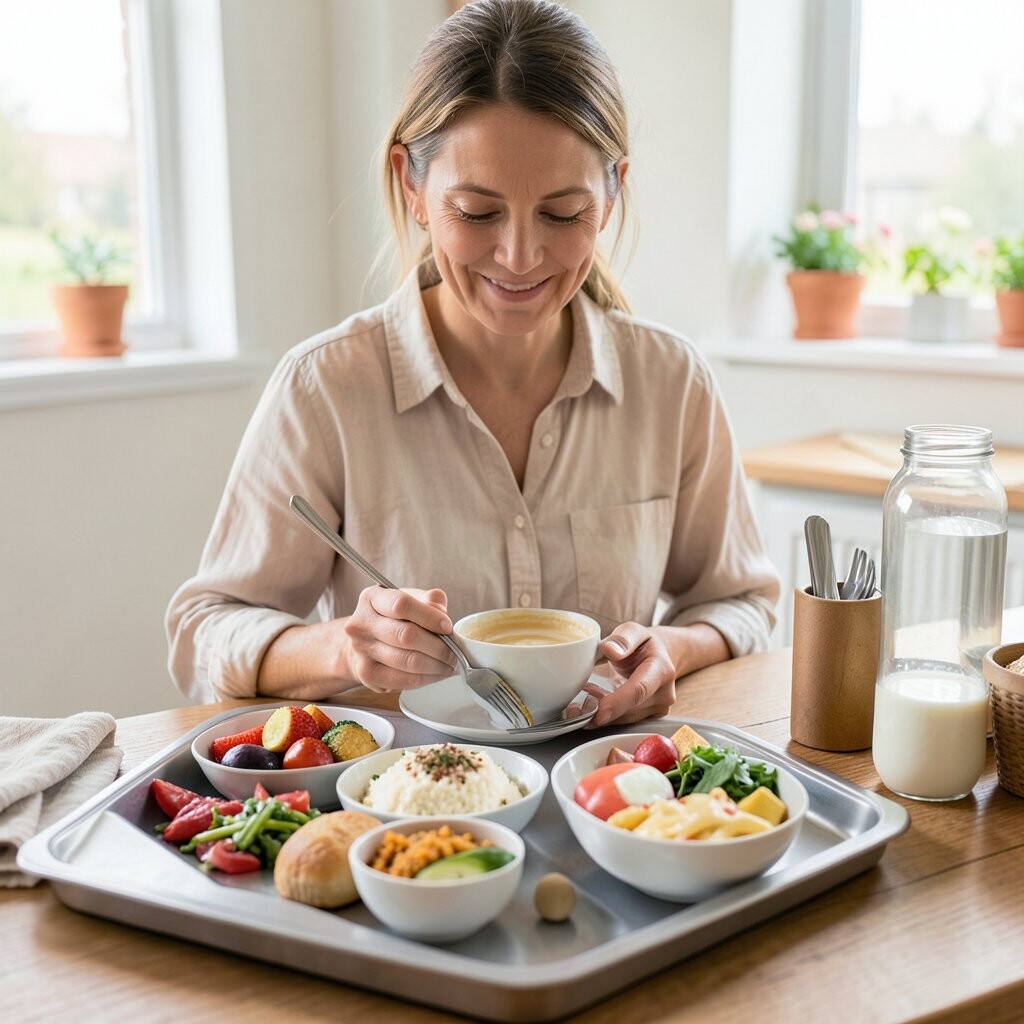
Design a visual menu that sits on the counter beside the breakfast supplies. Use icons for oatmeal, yogurt, fruit, and eggs, so kids can point instead of asking.
This makes decision-making easier and reduces morning friction. It supports mindfulness by encouraging thoughtful choices instead of rushed grabbing. Keep it unique by giving each icon a small caption like “warm and cozy” or “protein power.”
For practical tips, store ingredients in matching containers so the icons match what’s actually available. You can keep cost low by using freezer labels, printed icons, and a clear organizer. If your kids are visual learners, this is a high-impact change because it turns breakfast into a guided routine.
A current trend is “no-prep menus” for busy parents, using simple visuals that cut down on daily questions. Start with two or three options only, so the board feels calm, not overwhelming.
9. Family “Morning Win” Calendar Strip
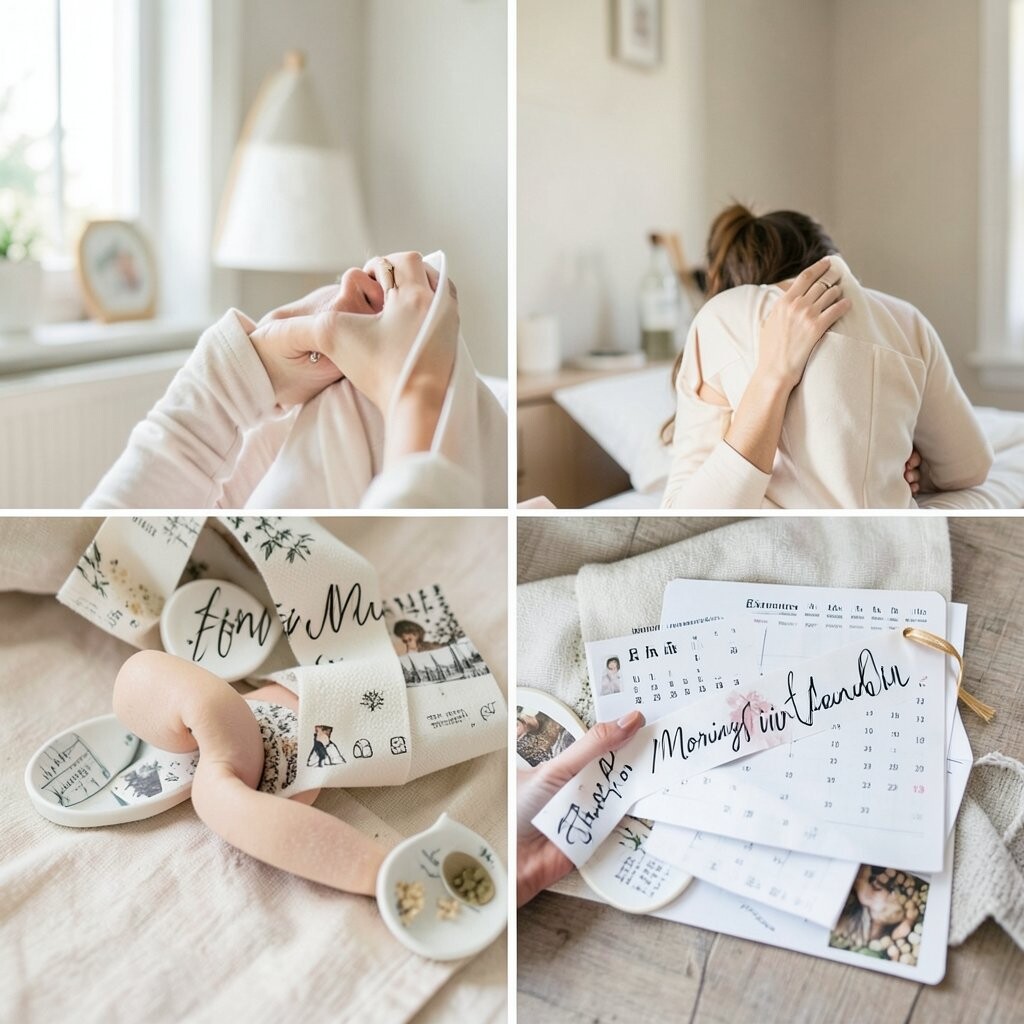
Create a small calendar strip that shows one win per day. Use a checkmark graphic and a blank space for “Warm hug,” “Shoes on time,” or “Kind words.”
This builds momentum because kids can celebrate progress you might otherwise miss. It also supports mindfulness by pulling attention toward effort, not only outcomes. Keep it practical by choosing wins that are observable and realistic for your household.
10. The “Stop–Breathe–Go” Hand Sign Poster
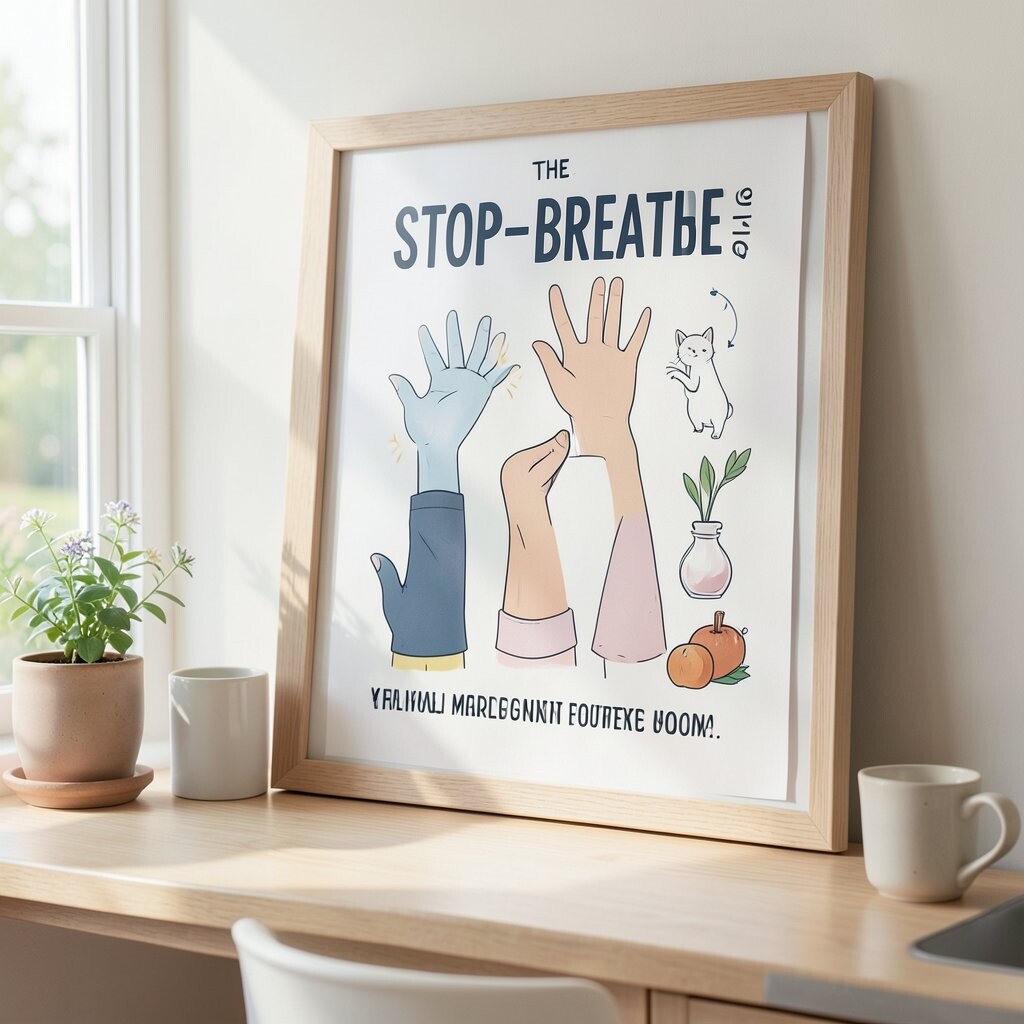
Make a poster with three hand icons showing stop, breathe, and go. Put it where you gather, like near the entryway or hallway.
Benefits come from reducing impulsive reactions, especially during rushed moments. When you point to the poster, you remind everyone to pause and take one calm breath. It’s unique because it works as both a reminder for you and a nonverbal cue for the kids.
To personalize, use your family’s actual hand shapes if you want, or draw simple ones on paper. Cost is low since markers and paper are enough. A trend in many classrooms is using calm-down visuals, and you can bring that same idea home.
11. Light Switch “Mood Color” Guide

Choose two or three lighting moods for different parts of the morning. Use a small guide by the light switch with color dots like “bright for get-ready” and “soft for calm.”
This visual helps you match energy to tasks, which can lower stress when transitions hit. It supports mindfulness because the room cues you to change pace without a speech. Keep the guide simple so it doesn’t become clutter.
For practical tips, use warm bulbs for calmer moments and cooler bulbs when you need focus. You can write it on cardstock and tuck it behind the switch plate cover if you’re careful. Personalize it by linking colors to your routines, like “blue = quiet time” and “orange = breakfast.”
If you want a budget-friendly option, use colored tape on the switch and add a printed label with instructions. The goal is consistency, not perfection.
12. “Pack It, Snap It, Save It” Photo Corner
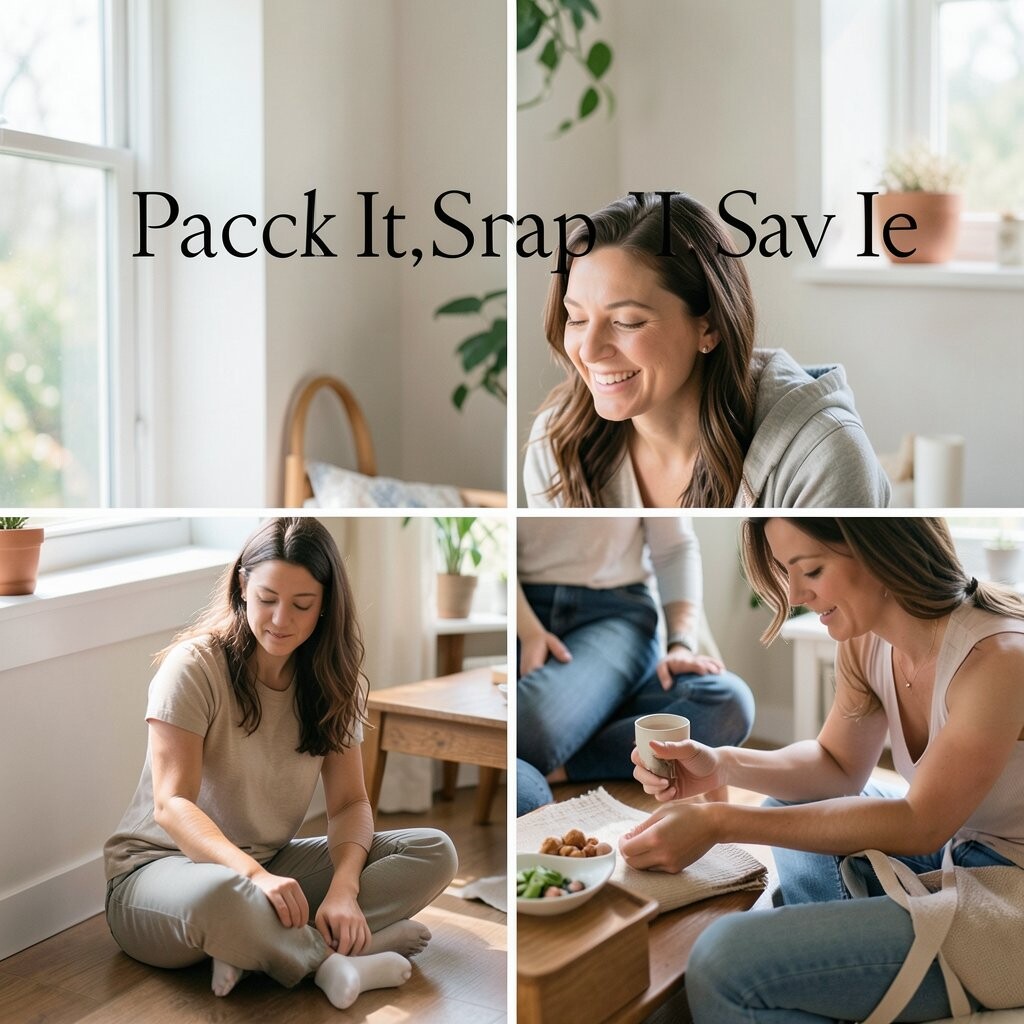
Create a corner with a phone stand and a small frame sign that says “Snap the pack.” Add a picture of a backpack with pockets clearly visible.
This helps busy moms because kids can learn what “packed” looks like. The practice also supports mindfulness because you slow down long enough to check what matters. Make it unique by featuring real photos from your home, like the exact lunch box brand or water bottle.
Practical tips: take one photo per item at the start of the school season and keep it in a single folder. Print a small version and tape it to the photo corner. Cost is low because you’re using photos you already take and simple printing.
13. Tea or Water “Intent Pour” Stop Sign
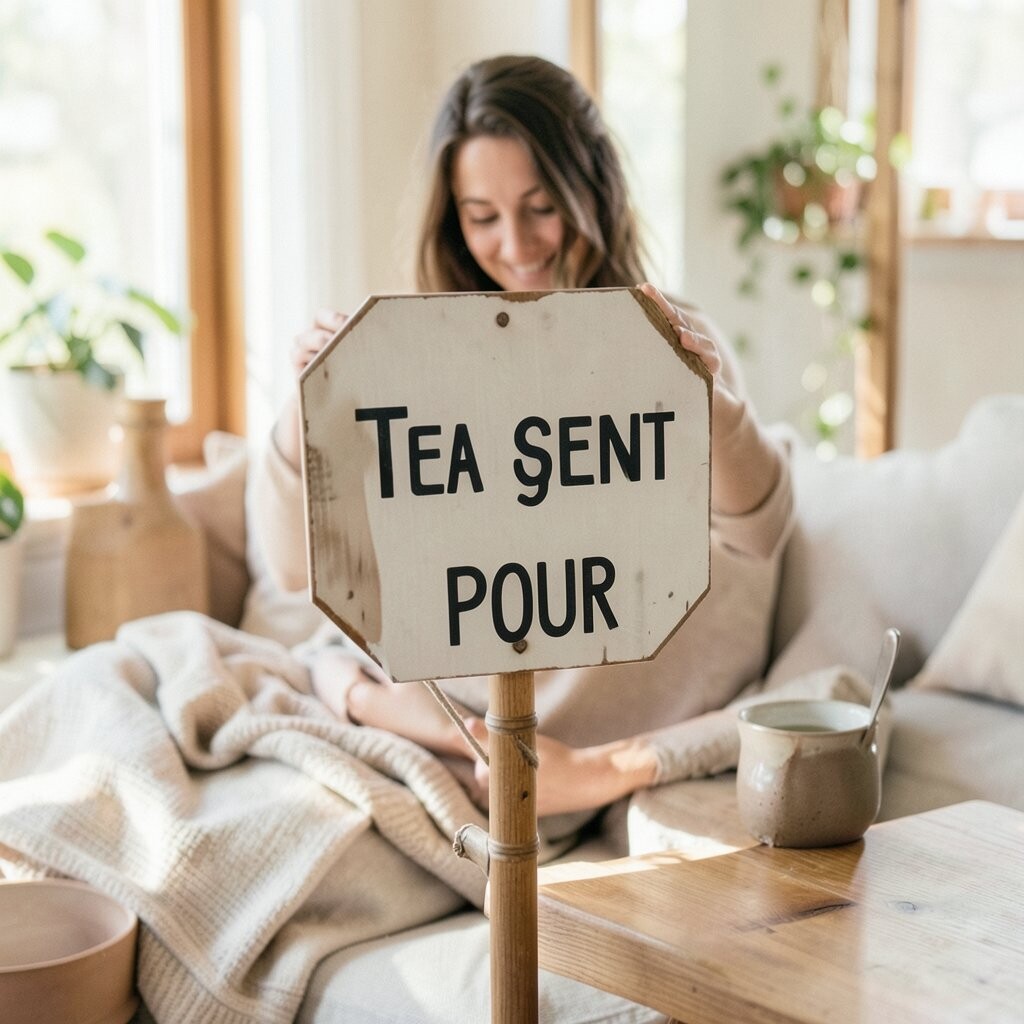
Before you pour tea or water, place a small stop sign graphic with the words “Pour with intention.” Put it near the kettle or sink.
This tiny delay helps you shift from autopilot to presence. It’s mindful because you’re noticing warmth, scent, and the simple act of caring for your body. The benefit is that you start your day feeling grounded instead of tense.
Personalize the sign with your favorite mug picture or a color that matches your kitchen. Keep it affordable by drawing the sign on cardstock and laminating it with clear film. A current trend is “micro-rituals,” and this one is an easy version you can repeat daily.
14. Kids’ Choice “Outfit Sort” with Photo Piles
Set up a visual system for outfits using photo piles. Use three labeled zones: “Ready Now,” “Weather Maybe,” and “Too Big/Too Small.”
This reduces morning battles because choices feel guided, not random. It supports mindfulness by giving kids a structured way to practice responsibility. Personalize it by using pictures that match your home lighting and the actual clothes you own.
For practical tips, snap photos of complete outfits and attach them to the bins with velcro dots. Cost is moderate only if you buy bins, but you can start with shoe boxes. A trend in organized homes is capsule-style sorting, and you can adapt it to real schedules.
When weather changes, move one photo pile at a time so the system stays calm and predictable.
15. “Before You Speak” Pause Card for Parents
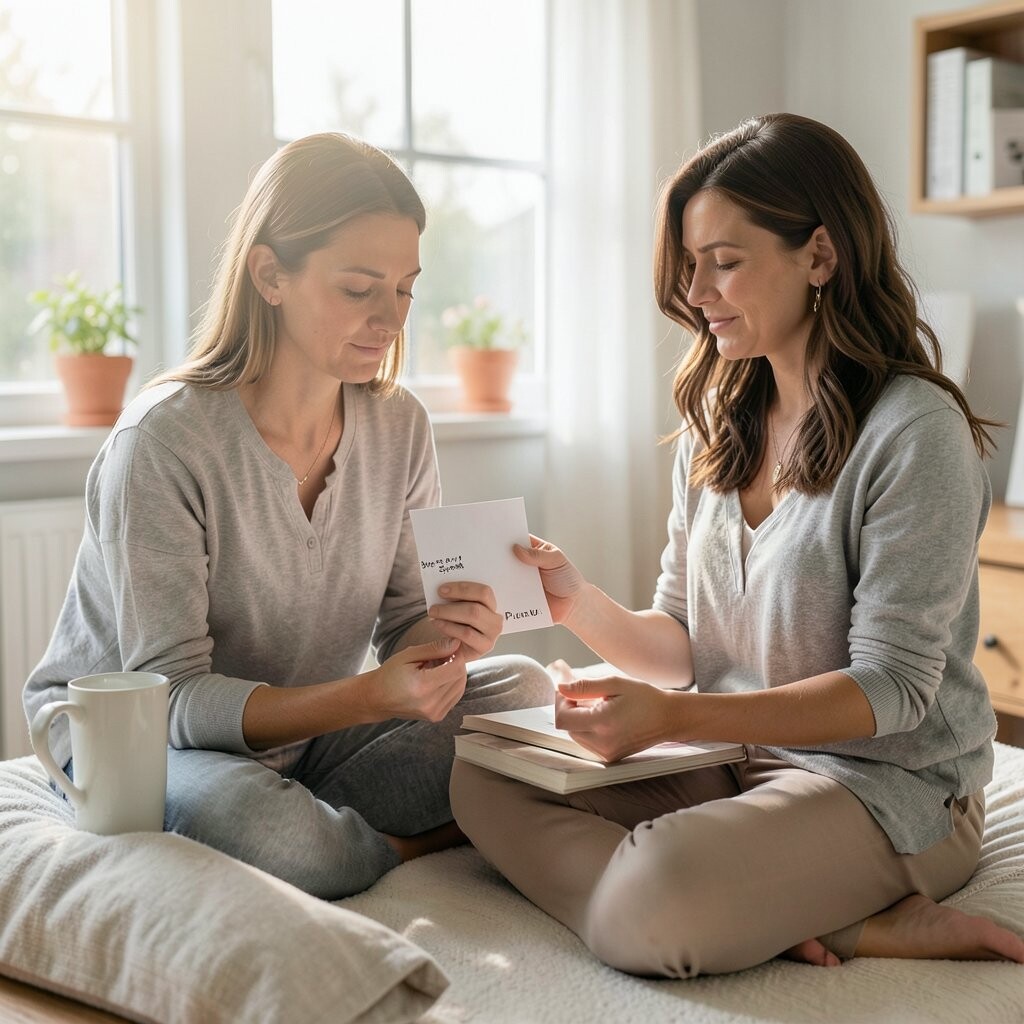
Keep a small card in your pocket or clipped to your car keys that reads “Pause before you speak.” Include a simple icon of a breath or closed eyes.
This is unique because it’s for you first, not only for the kids. It helps you respond with patience when the morning turns noisy. The benefit is fewer harsh words and faster recovery when you do get frustrated.
Practical tip: when you feel yourself speeding up, look at the card and take one slow exhale before speaking. Personalize it with a phrase that fits your values, like “kind first.” Cost is free, and the card can be made from scrap paper.
16. “Lunch Bag Ready” Checklist With Icons
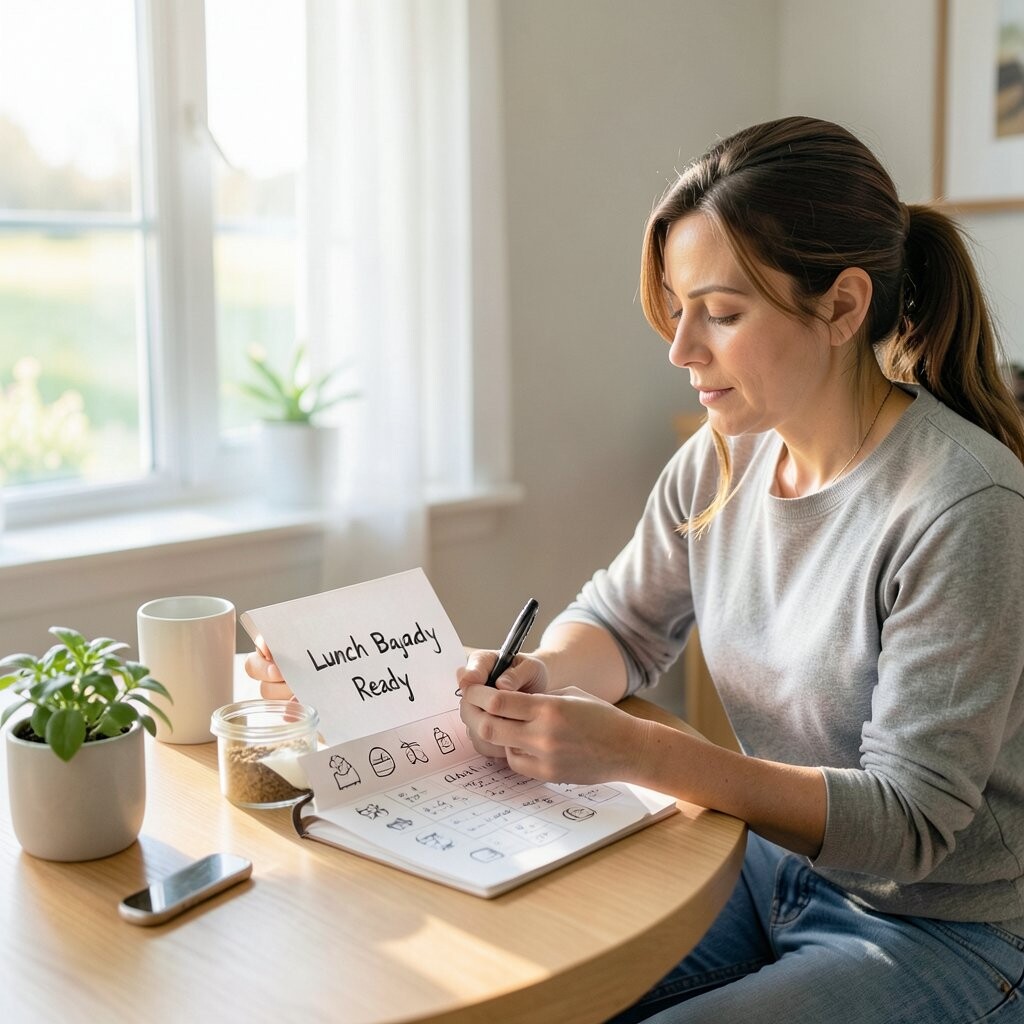
Make a checklist that uses icons instead of long writing. Use pictures for bread, fruit, snack, water, and a name tag.
This visual prevents last-minute searching and helps kids contribute without knowing every detail. It supports mindfulness because you’re reviewing what matters, not chasing chaos. Choose icons that match your exact supplies so it feels true.
For practical tips, laminate the list and use a dry-erase marker to cross off items. Personalize it by adding “allergy-safe” or “no heat” icons if needed. Cost stays low because a simple printout and a marker do most of the work.
17. “Quiet Corner” Door Sign With One Activity
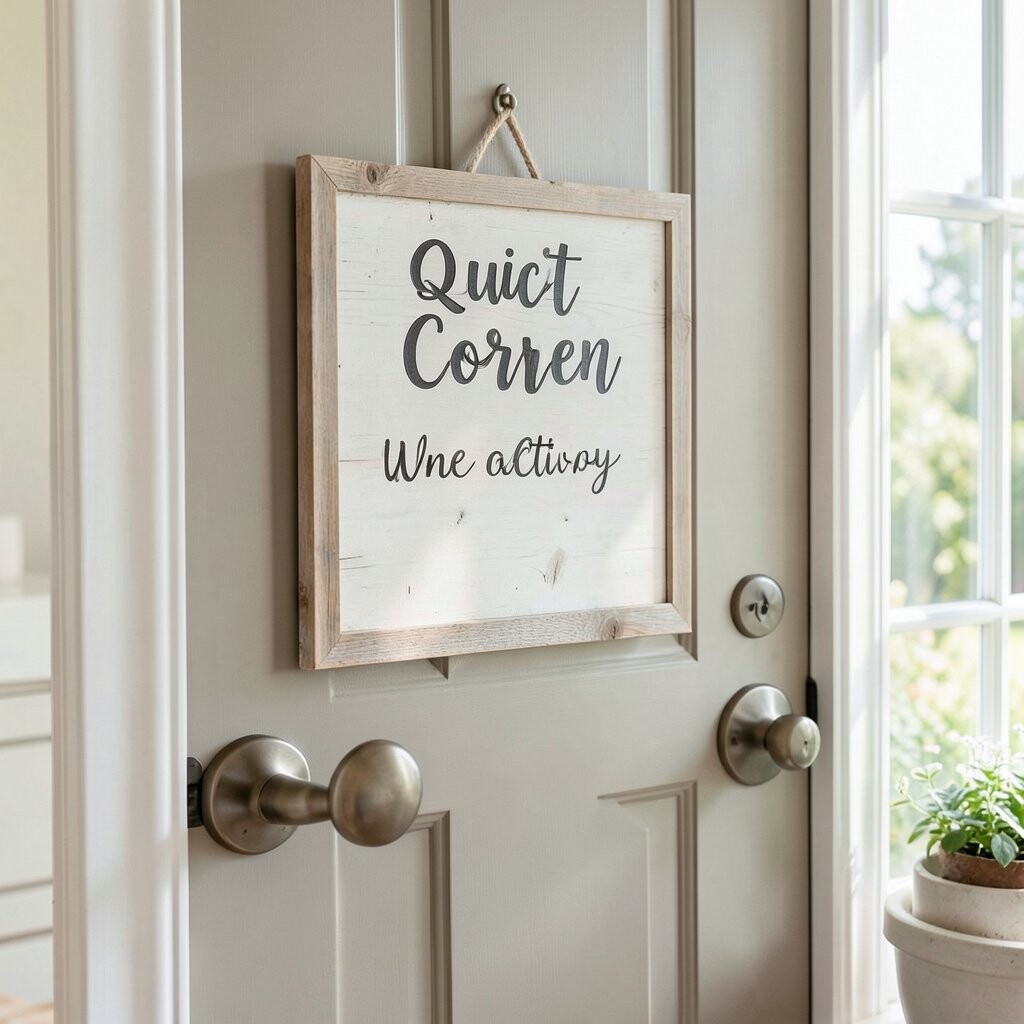
Create a door sign that invites a short reset when emotions run high. Show one activity icon, like coloring, sensory bin, or a calm book.
The benefits are big because it prevents spirals from taking over the whole morning. It supports mindfulness by giving kids a safe transition tool instead of shouting or silence punishment. Make it unique by designing the sign with your home’s style, like cozy doodles or your favorite pastel palette.
Practical tips: keep the “one activity” ready in a basket so kids can grab it quickly. Consider cost carefully by using items you already own and rotating them weekly. A trend many families enjoy is “reset stations,” and this is a smaller, more doable version.
Personalize the activity icon to match what your child responds to best. Some kids need movement, while others need sensory quiet.
18. Phone Wallpaper “One Calm Intention” Reminder
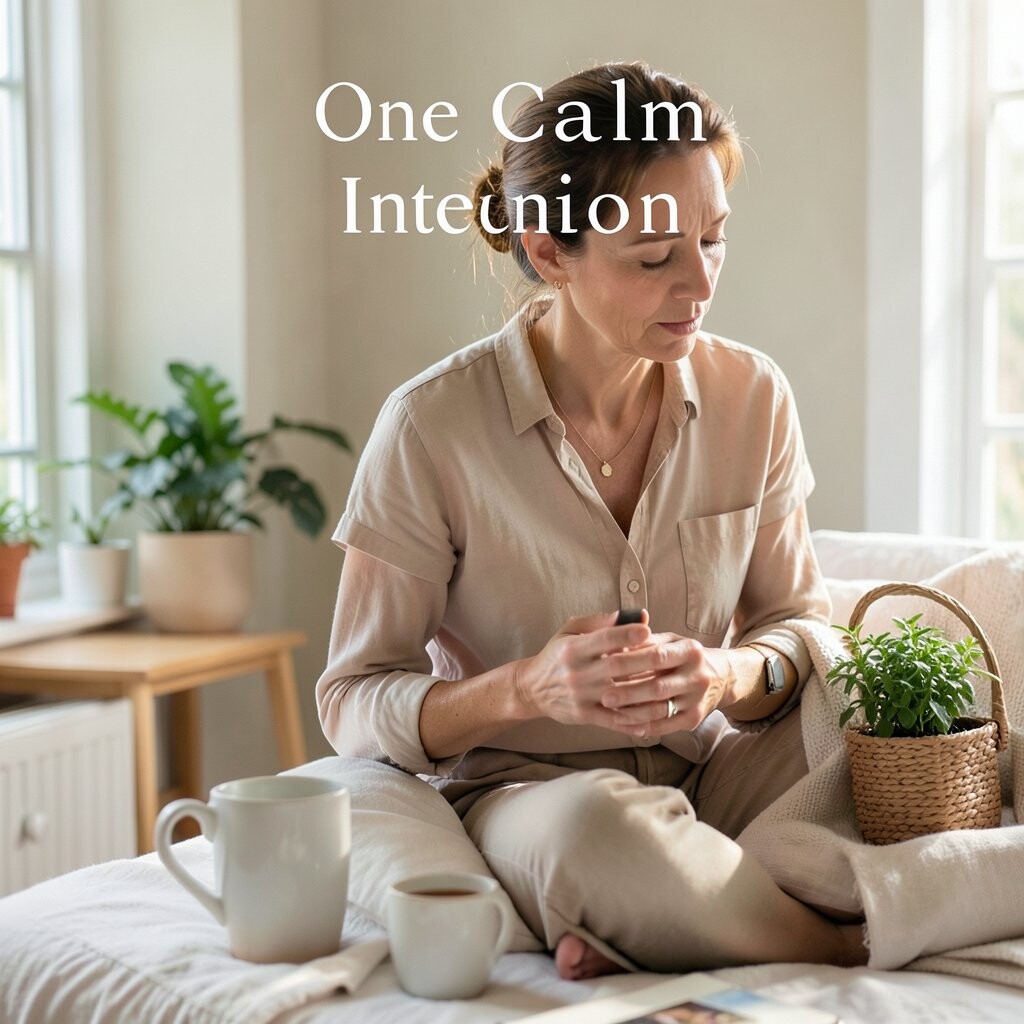
Set your lock screen or home screen wallpaper to a single calming intention. Choose a short phrase like “Gentle hands, soft voice” and pair it with a simple icon.
This works because your phone is the last thing you check and the first thing you see. The benefit is immediate grounding when the day starts loud. It’s unique because the reminder follows you, even if you’re walking between tasks.
For practical tips, use a photo editing app to add text to an image you love, like a morning window or a plant. Cost can be zero if you use built-in templates. Current trends include “affirmation screens” and minimalist lock screens that feel soothing rather than cheesy.
19. “Water + Move” Visual Steps by the Fridge
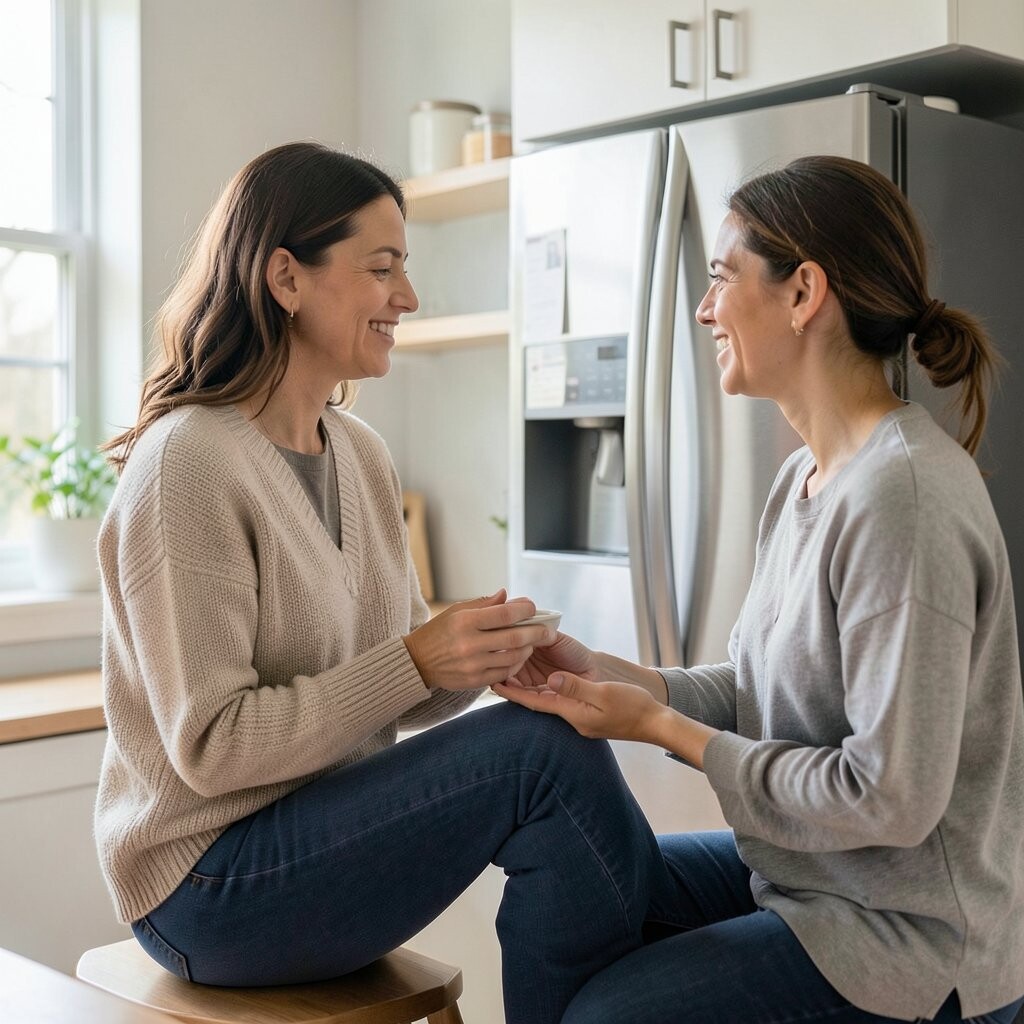
Place a fridge magnet set with a two-step routine: drink water, then stretch. Use small icons like a glass and a simple yoga pose.
This improves mornings because it nudges movement and hydration without a speech. It supports mindfulness by focusing attention on body signals, like thirst and tightness. Make it unique by selecting stretch poses that fit your home reality, such as shoulder rolls or gentle toe touches.
Practical tips: keep the magnet set where everyone passes, and connect it to a time like after breakfast. Use low-cost materials, like printable icons cut out and covered with clear tape. If you’re busy, keep the routine short so it stays realistic.
A trend is “micro-movement breaks,” and this visual makes it feel normal rather than extra.
20. Storytime Morning Preview Cards
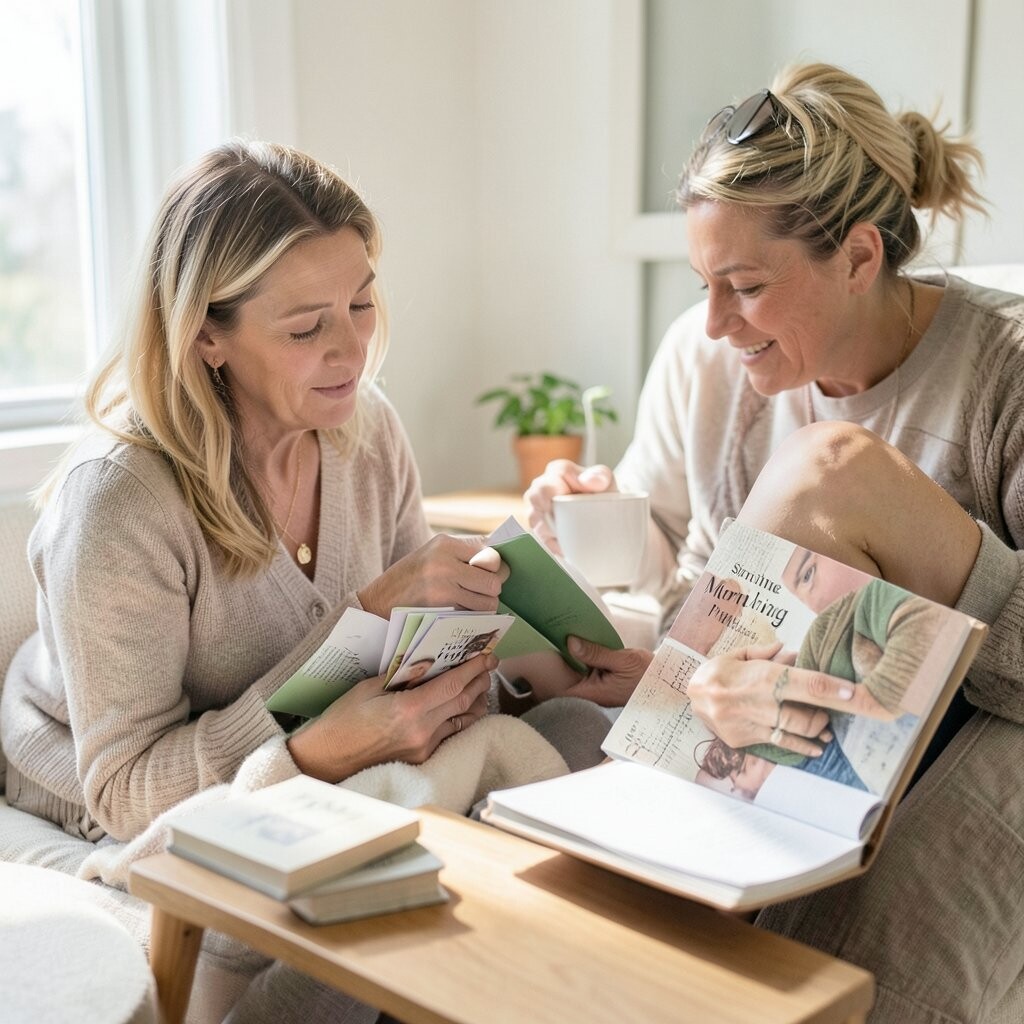
Before school-age kids run out the door, show them a card with the day’s story choice or topic. Use a picture of the book cover or a themed icon.
This visual helps mornings feel smoother because it gives them something to look forward to. It supports mindfulness by shifting focus from immediate stress to a calmer mental picture. Personalize it by choosing books that match the mood board you made earlier.
Practical tips: keep a small stack of preview cards in a tray by the door so choosing is quick. Cost can be low if you print simple labels and swap them weekly. A current trend is “read-aloud moments on the go,” and a preview card makes the idea stick.
Even toddlers can benefit when the card acts as a consistent signal that “we slow down soon.”
21. Family “Soft Start” Sign for Guests and Partners
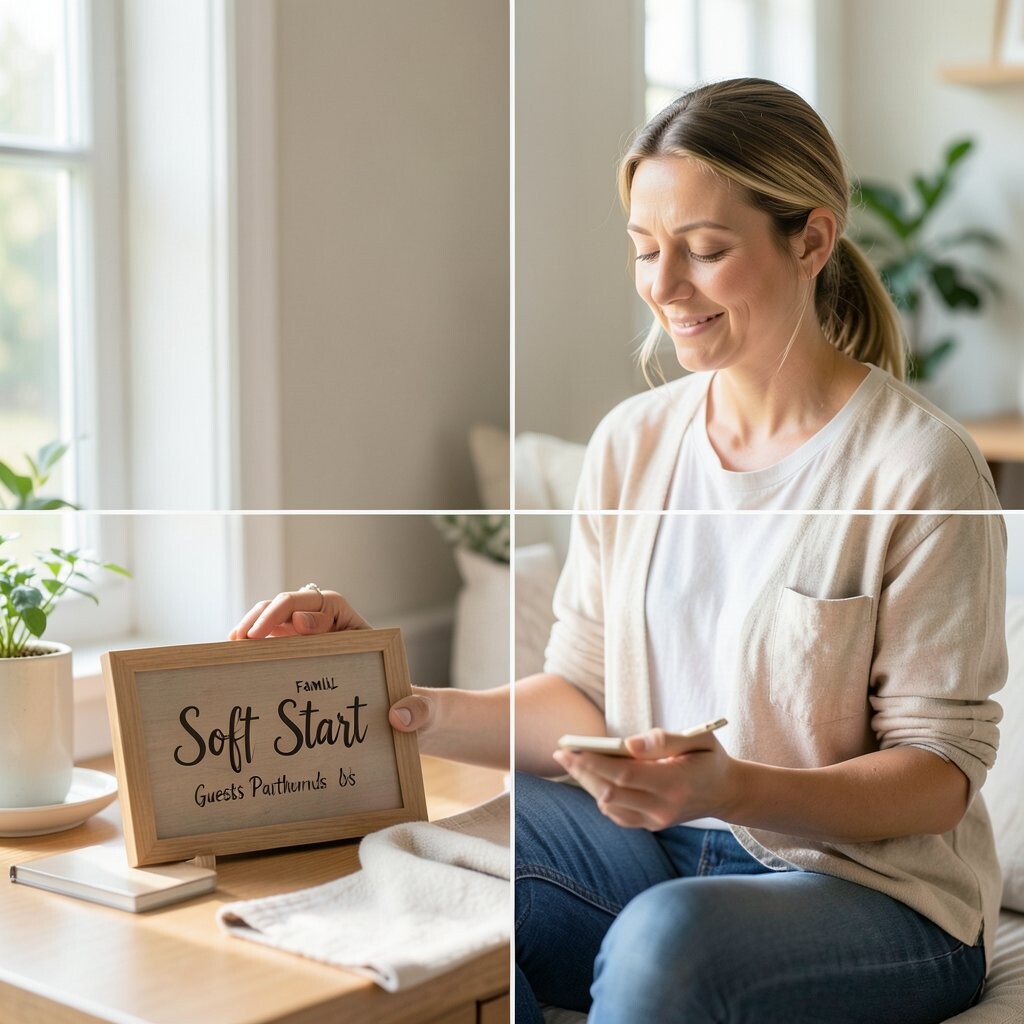
Place a sign where visitors or partners will notice, like near the coffee station. It can say “Soft start: we speak kindly and move step by step.” Add a small heart icon.
This is unique because it invites the whole household into the same calm strategy. It helps you avoid feeling alone in your mindfulness practice when someone new walks in. The benefit is fewer interruptions and more teamwork during the busiest hours.
Practical tips: keep the sign short and friendly, not strict. Personalize the words to your family voice, like “easy voices, one task at a time.” Cost is minimal since paper and a frame or clip are enough.
22. Monthly “Visual Update” Photo Log
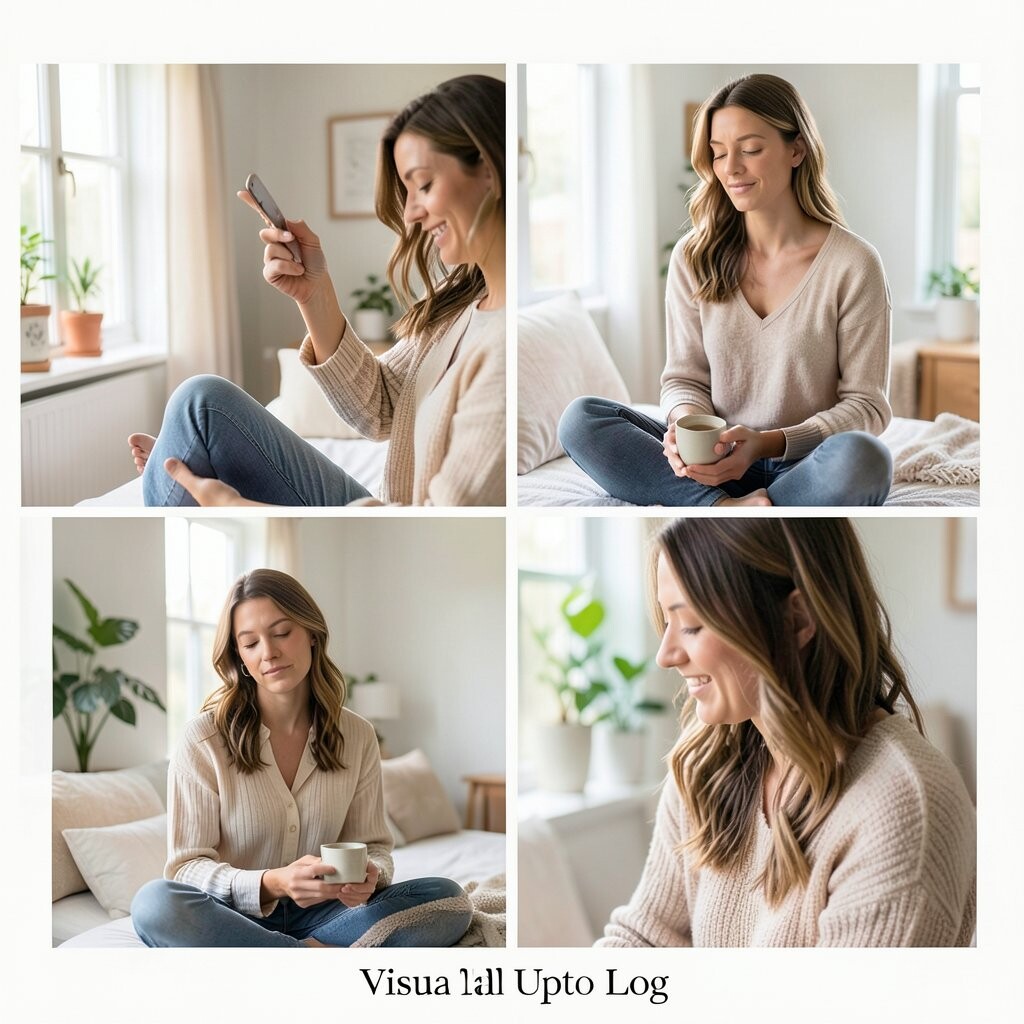
Create a small binder or folder labeled “Morning Visual Updates.” Add printed photos of what worked best, like the shoe silhouettes, mood icons, or the lunch checklist.
This helps you improve the system without starting over every time. It supports mindfulness by honoring progress and noticing what reduces stress. Make it unique by including one tiny note per visual about why it helped, using your own words.
Practical tips: check it once a month and remove visuals that no longer match your routine. Keep cost low by using a basic binder and printing only a few pages. A trend many organizing enthusiasts follow is “iterative systems,” meaning you adjust as your family changes.
When you personalize the log with your real photos and dates, the routine becomes yours, not a borrowed template.