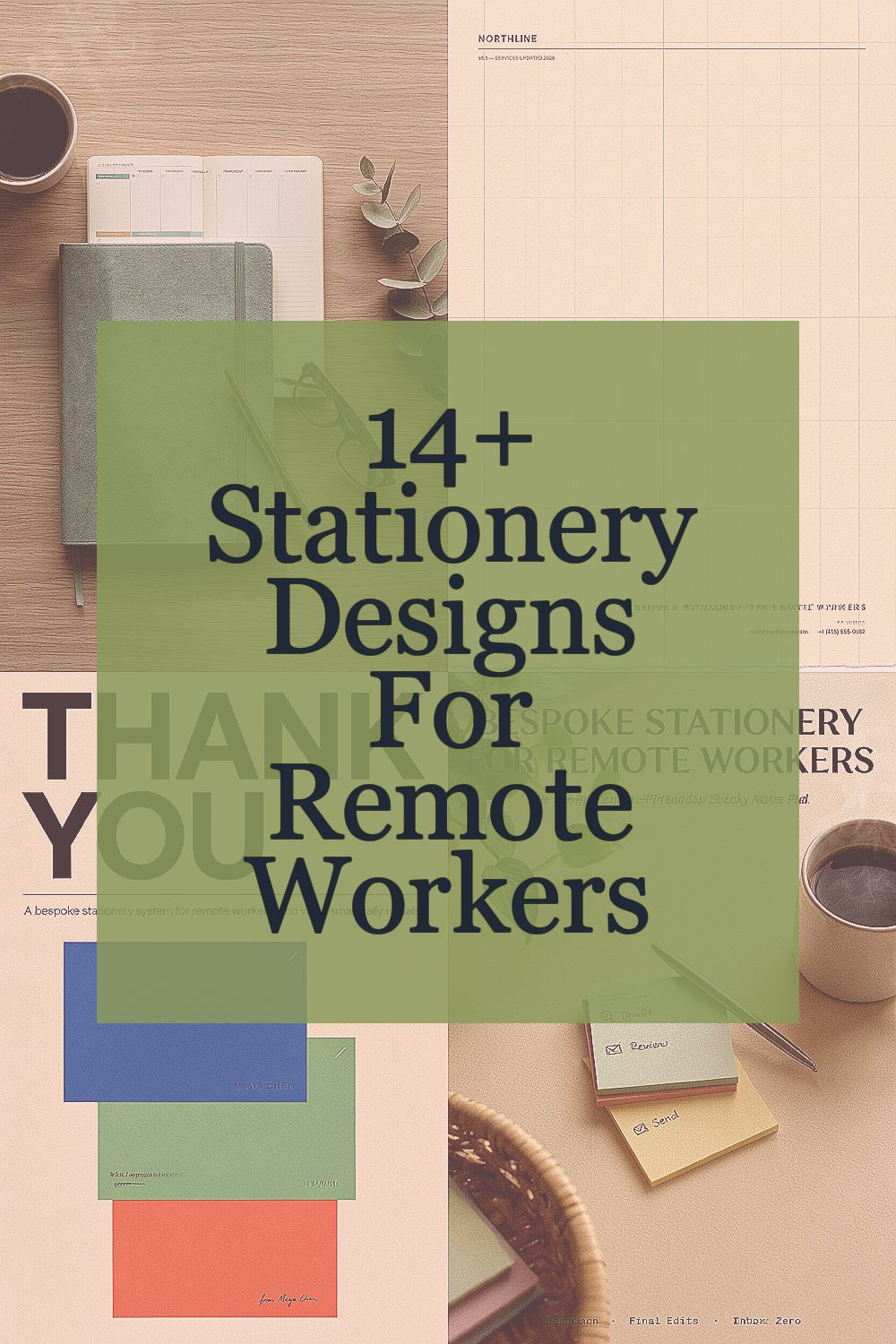
A quiet desk can still feel exciting. The right stationery makes work feel more personal.
1. The Soft-Touch Morning Planner Set

This stationery is designed for calm starts and tidy thinking. The cover feels like velvet and the pages stay bright even under warm desk lamps.
Choose a planner layout that matches your rhythm, such as weekly blocks for focus days and smaller checkboxes for quick wins. Add a subtle color band for each role you juggle, like client work in teal and personal learning in sand. For personalization, stamp your initials in the corner and include a tiny “today’s intention” strip on the first page.
2. Minimal Desk Letterhead With Your Brand Voice

Your letterhead should look sharp without stealing attention. Crisp lines, a gentle logo placement, and consistent margins can make every email-ready message feel official.
Use it for proposals, onboarding notes, and printed follow-ups so your remote presence feels steady even when you’re not on-site. Consider a two-tone palette and a faint background pattern that only shows in bright light. If you ever update your services, keep a versioned subtitle area so old stationery won’t feel outdated.
When budgeting, request a small initial print run and reorder once you see which pages you actually use. If you prefer practicality, pair letterhead with matching envelopes and a simple return-address label.
3. A Color-Blocked Thank-You Note System

Thank-you notes can be quick, but they should still feel special. This design uses bold color blocks that guide the eye and make writing faster.
Pick three colors that represent your usual client moods, like confident blue, friendly green, and warm coral. Each note can include a one-line prompt in the corner, such as “What I appreciated most was…” to help you write without overthinking. To make it feel bespoke, emboss your name lightly and add a short “from” line that matches your signature style.
For practical use, keep a small stack by your keyboard and schedule a reminder after meetings. This turns gratitude into a habit, not a last-minute scramble. If you want to stay on budget, choose a limited set of note sizes that fit most occasions.
Recent stationery trends favor playful geometry and clean whitespace, so this approach stays modern while still personal.
4. The Fingerprint-Friendly Sticky Notes Pad

Some sticky notes look cute, but they smear fast and feel frustrating. This one is made with a surface that grips your pen and wipes clean when you need a fresh start.
Print your habit cues directly on the note, such as “Draft,” “Review,” or “Send,” so you can move tasks around without rewriting. Use a color code for priority, then keep a small “catch-all” color for anything you can’t place yet. For personalization, add a tiny icon set based on your workflow, like a magnifying glass for research or a checkmark for final edits.
5. Vintage Map-Themed Route Cards For Travel Days

If your remote job includes occasional trips, your stationery can guide those transitions. These cards borrow from old atlas designs and feel instantly nostalgic while staying useful.
Use them as travel check-in reminders, meeting agendas, or “arrival notes” for places you visit for work. Add a custom map outline of your most common city routes, such as your home-to-airport track, and include blank weather notes so you remember what to pack next time. For tips, write a two-part schedule on the cards: one for commitments and one for recovery time after flights.
In terms of cost, start with a small set of thicker cards that hold up in bags. If you want to go further, add a QR code to a shared packing list so the cards become a gateway, not just paper. This style fits the current trend of “quiet artifacts” that look like keepsakes but still serve daily tasks.
6. Monogrammed Envelopes With a Hidden Label Guide

Opening an envelope can feel like a small celebration. These envelopes use a monogram system that keeps your writing neat and consistent.
Include a printed label guide inside the flap so you know exactly where to place names, addresses, or return labels. If you send contracts or welcome packs, this reduces mistakes and saves time. For personalization, match the monogram typeface to your email signature so everything feels like one coherent brand.
Cost-wise, you can keep it affordable by ordering a sample pack and testing sizes that fit your usual documents. A practical tip is to keep two envelope types in your drawer: one for standard sheets and one for thicker inserts.
7. Seasonal “Focus Windows” Writing Cards
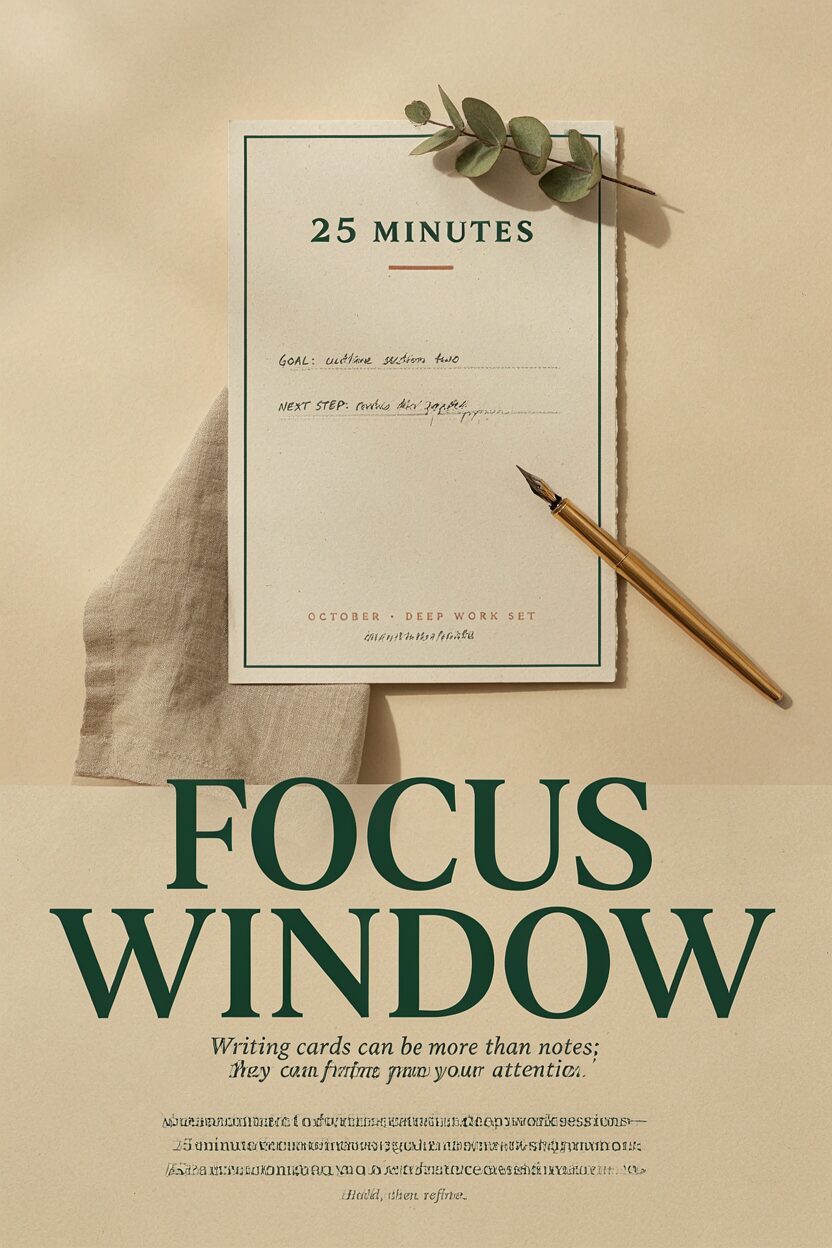
Writing cards can be more than notes; they can frame your attention. This set uses seasonal colors and date-friendly layouts to support deep work sessions.
Each card can hold a single focus window, like 25 or 50 minutes, along with a place for your goal and your next step. The benefit is simple: you see what you’re doing now and what comes next, which makes remote work less scattered. Personalization can be as easy as swapping the seasonal header for your own motto, such as “Build, then refine.”
When ordering, consider a mixed set so you can rotate cards by month and keep your desk feeling fresh. It’s also a good idea to pair the cards with one pen you love, because consistent tools reduce decision fatigue. This design fits current interest in “ritual planning,” where work is structured like a calm routine.
For practical tips, write one tiny deliverable per card, like “outline section two” or “review three proposals.” You’ll finish faster because your brain can’t argue with a clear next action.
8. Minimal Receipt-Style Budget Slips
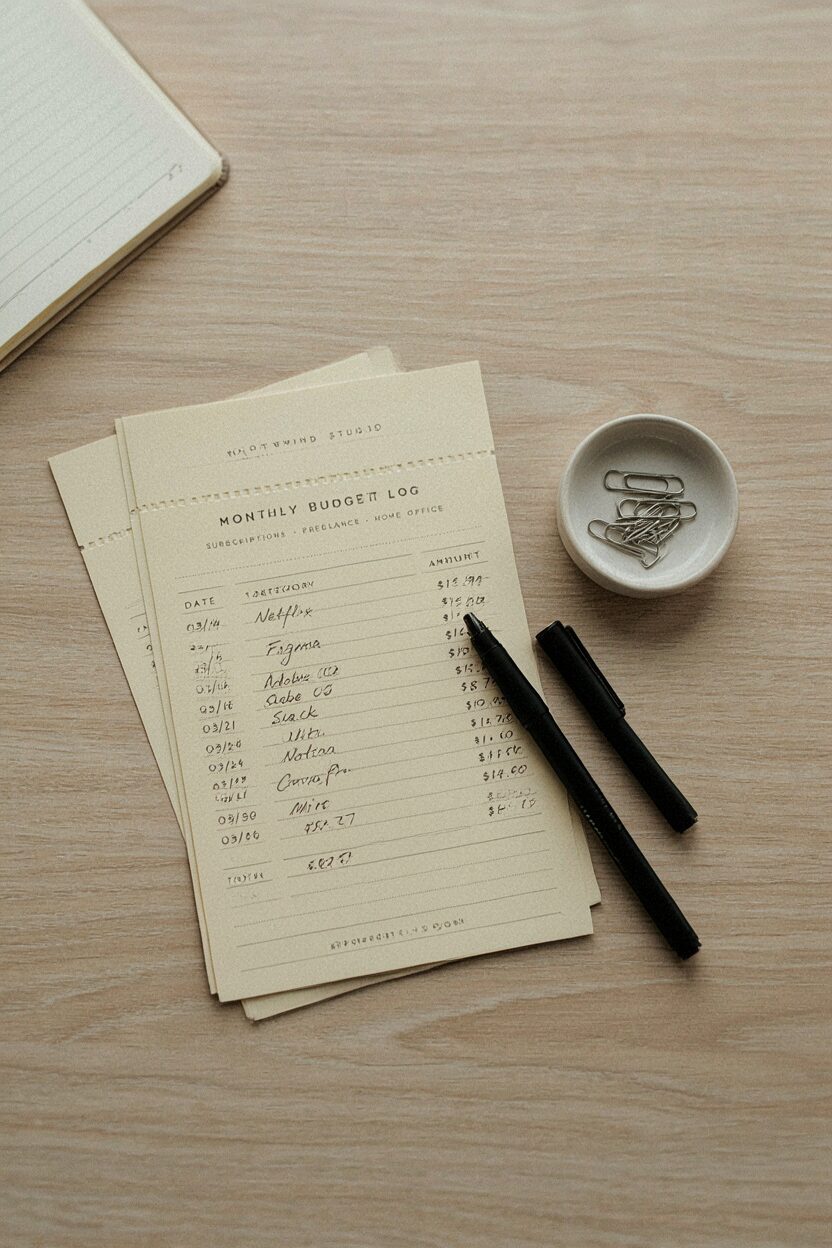
Tracking money can feel heavy, but your stationery can make it lighter. These receipt-style slips bring a satisfying order to monthly expenses.
Use them to jot down app subscriptions, freelance costs, and quick home office purchases. The look is clean, with rows for dates, categories, and totals, so you can review spending without hunting through emails. Personalization ideas include printing your business name on the top strip and adding a tiny icon for each category you use often.
For practical use, keep a slip pad in the same spot as your checking log, and fill it in right after you buy something. When cost matters, choose a simple black-and-white design and spend extra only on paper weight. This approach aligns with current stationery trends that value “accountability aesthetics” and legible structure.
9. The Signature-Worthy Cover Letter Template Pad

When you apply for roles or pitch clients, first impressions matter. This template pad is built like a mini document studio, so your writing looks consistent.
The pages use structured lines and a tasteful header space for the recipient name, project title, and date. The benefit is that you can start writing immediately without redesigning the page every time. For uniqueness, add a bespoke style strip that matches your portfolio colors and includes a short prompt like “In one sentence, my value is…”
Practical tips include keeping a “before you print” checklist on the back of the pad, such as “Check name, check scope, check timeline.” If you want to control costs, use a print-on-demand style for reorders so you’re never stuck with outdated info. This design also works well if you like to handwrite quick drafts before you type.
To make it feel more personal, include a subtle watermark of your logo or a small stamp of your location.
10. Soft Grid Notebook For Creative Sprints
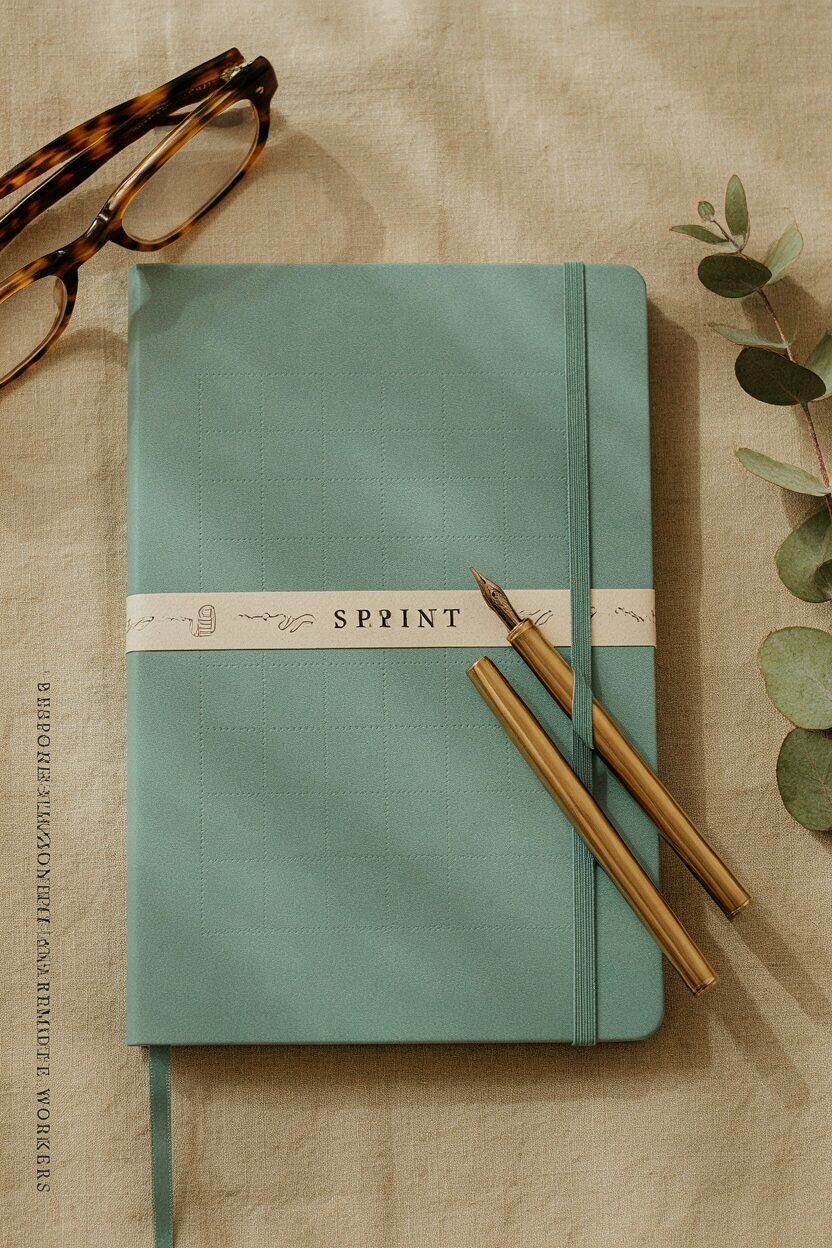
Graph paper can be too rigid, but blank pages can feel too open. This notebook uses a soft grid that supports sketches and writing without looking overly technical.
The dot-and-grid pattern helps you align ideas for layouts, storyboards, and workflow diagrams. It’s great for remote workers who do design, planning, or strategy because you can capture thoughts quickly and make them easier to edit later. For personalization, choose a grid color that matches your mood, like muted teal or warm gray, and add a custom spine label.
11. Desk Bookmark Set With Task-To-Do Codes

Bookmarks are usually for books, but they can organize work too. This set turns pages into small status markers with clear visual codes.
Use one bookmark for each ongoing project and label them with color and short icons, such as a camera for content or a wrench for troubleshooting. The benefit is that you always know where you left off, especially when you bounce between docs, notes, and reading material. For personalization, add your name and a “current priority” line so the bookmarks become a living dashboard.
For practical tips, store the bookmarks in a small tray next to your keyboard and update them at the start of each day. Budget-friendly options include choosing a limited color palette and ordering a set that covers your usual number of active projects. This kind of visual system matches a broader trend toward “micro tools” that reduce mental overhead.
12. Custom “After-Call” Reflection Cards
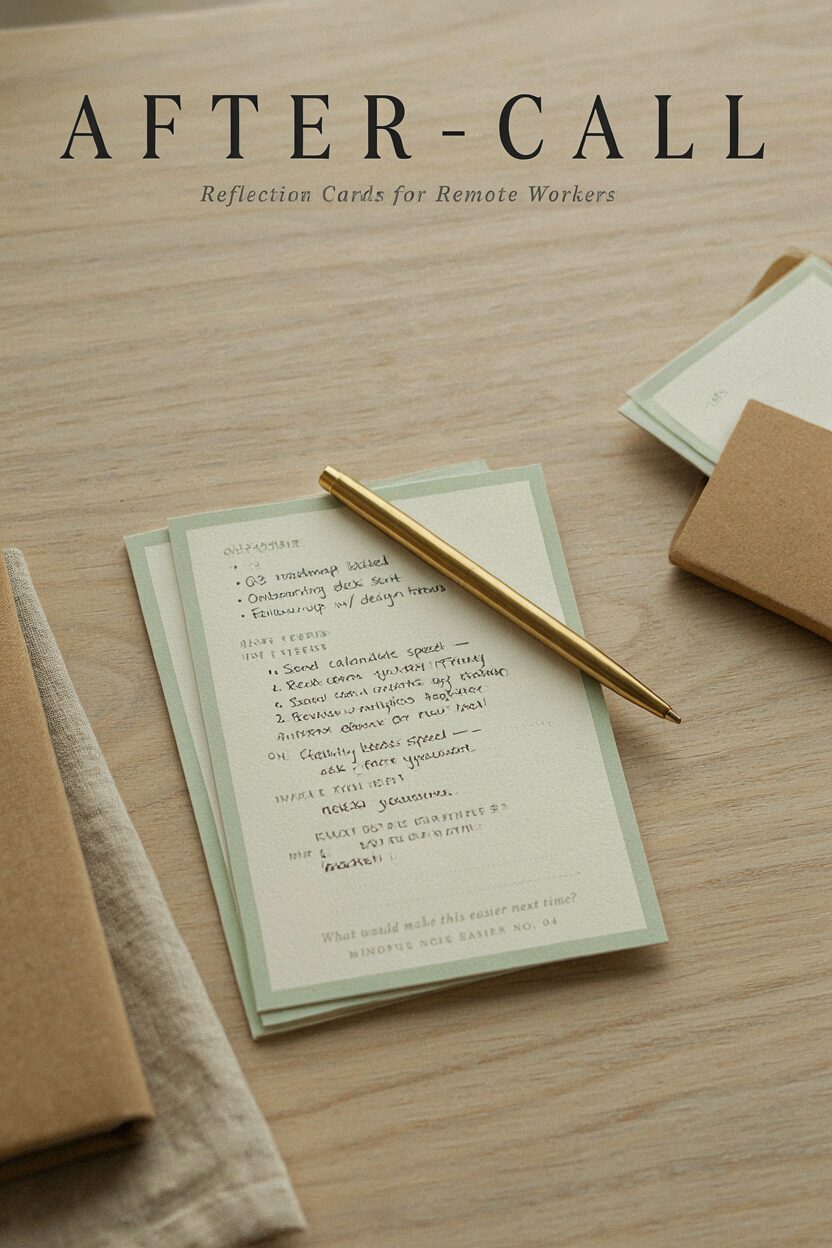
After a call, your thoughts can scatter across your mind. These reflection cards capture the key points while they’re still fresh.
Each card can include spaces for outcomes, next steps, and one lesson you learned. The benefit is that you turn verbal discussions into clear actions, which is especially helpful for remote work where everyone’s time is scheduled tightly. Personalization ideas include your call style, like a small tagline that signals your approach, and a matching color border that feels like your brand.
To make them practical, keep a mini card holder in your bag and write within five minutes after each meeting. When it comes to cost, start with a set sized to your weekly call volume so you don’t end up with unused cards. This design also reflects a current trend toward gentle structure for knowledge work, where paper nudges clarity.
For suggestions, include one question that’s always the same, such as “What would make this easier next time?” It helps you improve without rewriting your notes from scratch.
13. Marble-Pattern Screen Cleaner Cloth Labels

Remote work can blur the lines between productivity and comfort. A screen cleaner cloth that matches your stationery can make your desk feel cared for.
Pair the cloth with printed labels that tell you when to clean, what product to use, and where to store it. The benefit is simple: you avoid smudges that tire your eyes and distract you from focused tasks. For uniqueness, use a marble-like pattern in soft tones, plus a custom label with your name or studio title.
Practical tips include labeling the storage pouch so you never confuse it with other cleaners. Consider cost by choosing durable fabric and printing only on the label area rather than the whole cloth. This fits current trends that blend “aesthetic utility,” where everyday supplies look intentional.
If you want personalization, add an optional monthly check line, like “Clean on the first Friday,” so maintenance becomes routine.
14. Faux-Washi “Hydration & Break” Note Pad

Short breaks can help you stay sharp, but it’s easy to forget to take them. This note pad uses a faux-washi look to make hydration and break reminders feel gentle.
The design can include lines for water goals, quick stretch notes, and a mini checklist for your reset routine. The benefits include fewer energy dips and a calmer pace when you’re working alone. For personalization, choose a color wash that matches your desk setup and add a small printed stamp such as “Reset time.”
15. Archive-Ready Project Folders With Spine Stories
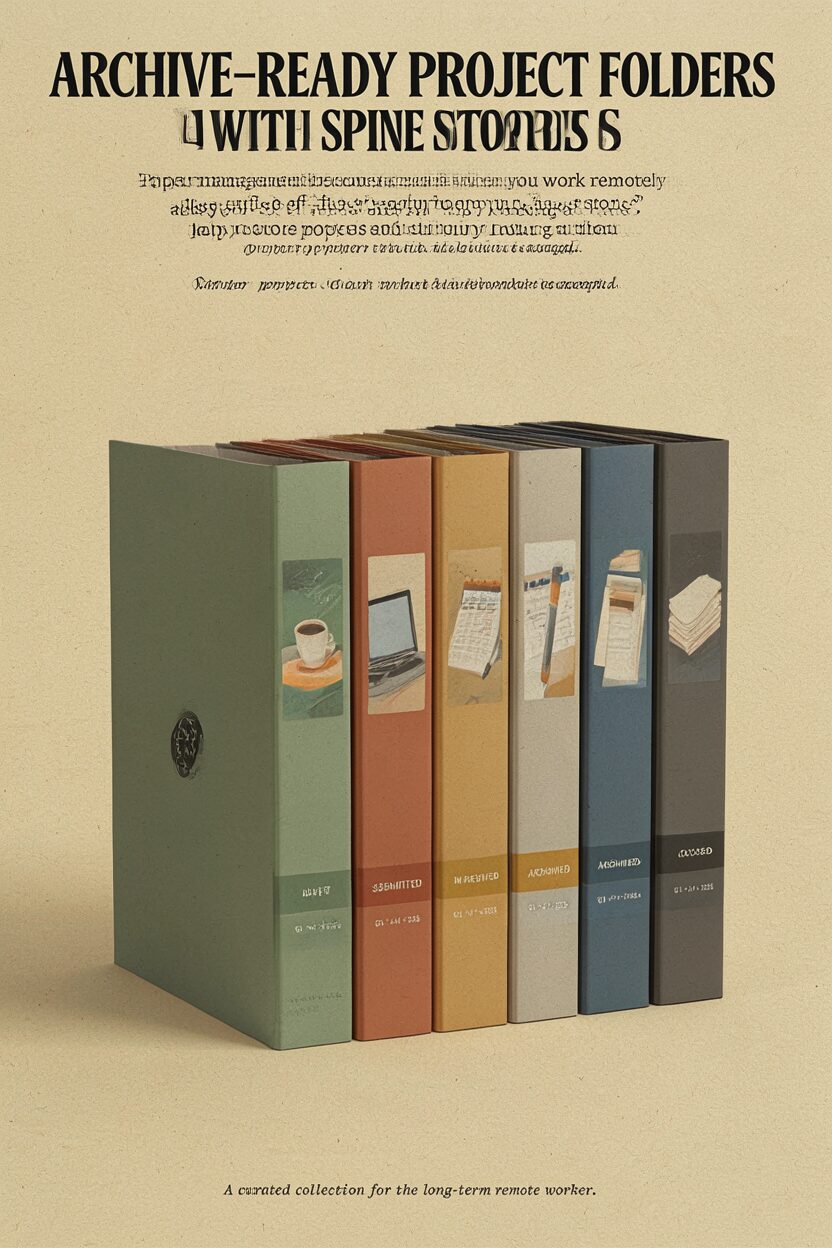
Paper management becomes crucial when you work remotely and keep files off-site. Archive-ready folders with “spine stories” help you store projects and still enjoy looking at them.
The folders can be custom sized for common documents, with a spine strip for project name, date range, and a one-word status like “Draft” or “Submitted.” The unique part is the artwork band that repeats across the set, so your storage system looks like a curated collection. Personalization ideas include your business logo on the front and a color-coded status system that matches your planner.
For practical tips, set up a simple rule: one folder per project, and clear it when the deliverable is accepted. When cost matters, buy a starter pack in the most-used sizes first, then expand once you know your workflow. This style also reflects a current trend toward long-term organization that’s both functional and visually satisfying.