
Soft sound can steady your thoughts. The right background music makes work feel lighter.
1. Lo-Fi Beats With Rainy Atmosphere

Picture warm lo-fi chords floating under a gentle rain sound. Your mind gets a steady “everything is okay” signal without words pulling attention away.
Lo-fi beats are great for studying, writing, or organizing because they keep a relaxed rhythm going. The rain layer adds calm texture and can mask distracting noise. Try keeping the volume low enough that you notice it only when you pause the music.
2. Ocean Waves With Soft Ambient Pads

Imagine sitting near the sea, hearing waves roll in slowly. The sound feels wide and spacious, like a mental exhale.
Ocean waves work well for focus because their pattern is consistent but not demanding. Soft ambient pads on top add comfort and prevent the sound from becoming too repetitive. For practicality, use a continuous mix and start a timer for 25 minutes to see how it supports your attention.
If you get bored, switch between two different wave lengths or add light wind at a low level. If you’re working late, keep the volume gentle so it doesn’t energize you too much. Many people find this pairing helps them transition from “thinking” to “doing” without stress.
3. Piano Minimalism in the Middle Register

Think of a simple piano melody played softly, with no fast jumps. It feels like a calm hand on your shoulder, guiding your focus.
Minimalist piano tracks can be perfect for reading and problem-solving because they don’t crowd your working memory. When notes are spaced out, your brain can stay organized instead of chasing sound details. Keep the tempo moderate and avoid pieces with sudden dramatic crescendos.
This idea is unique because the “empty space” in the music becomes part of the relaxation. If you like to personalize, choose compositions that stay in the middle register and avoid overly bright high notes. For cost, you can often find free versions on music apps or YouTube channels labeled “soft piano study.”
As a trend, many people now pair minimal piano with focus timers and journaling sessions, especially for morning work. If your attention wanders, try one track for your whole session so your brain doesn’t need to “re-learn” the sound each time.
4. Warm Analog Synth With Slow Beats
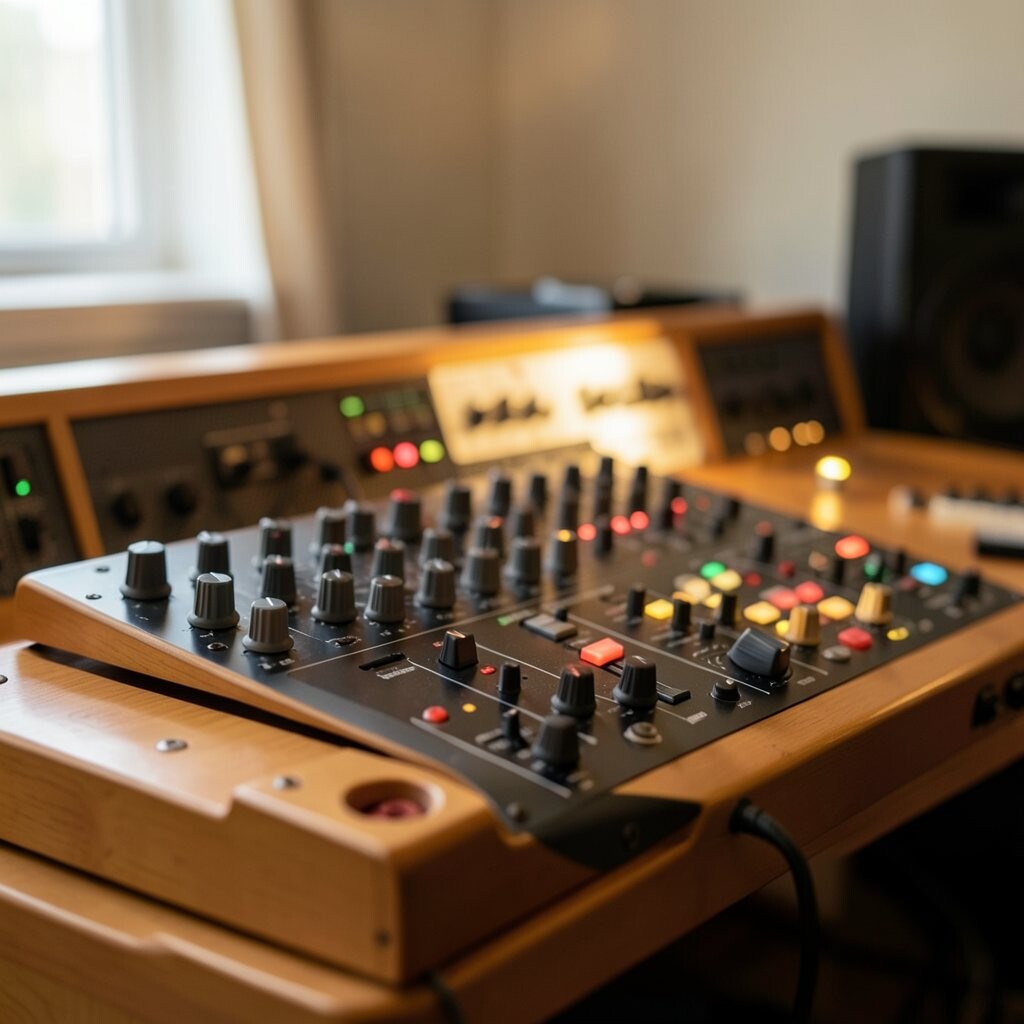
Picture soft analog synth tones glowing in the background. The low, warm sound can help you feel steady while you work.
This style is useful for tasks that need a light drive, like coding, designing, or cleaning your desk. Slow beats give your actions a gentle pace without becoming distracting. To make it practical, choose tracks around the same volume as a quiet conversation and keep headphones off if you start feeling tense.
5. Acoustic Guitar Textures With No Vocals

Imagine faint, fingerpicked guitar patterns played quietly. There’s a human warmth to it, but it stays calm enough for deep work.
Instrumental acoustic guitar is great for brainstorming because it can feel creative without pulling you into lyrics. The uniqueness comes from the natural “breathing” of strings, which makes the music feel alive but not demanding. Try selecting versions labeled instrumental, instrumental study, or “no vocals,” so your focus stays protected.
For personalization, match the guitar’s mood to your task: softer fingerpicking for calm work, slightly brighter strums for lighter tasks. Cost-wise, you can use free radio modes in most streaming apps, then save the few tracks that feel right. A current trend is using acoustic loops for creative flows, especially in short “work blocks” on weekends.
6. Soft Choir Pads in a Gentle Reverb Space

Picture a distant choir pad that sounds like it’s floating in a large room. It can feel comforting and smooth, like a blanket of sound.
Choir-like ambient pads are beneficial for relaxation and focus because there’s no sharp rhythm to chase. The reverb tail can keep the audio flowing continuously, which reduces the “startle” effect you might get from sudden changes. Set it so you feel immersed, not overwhelmed.
This idea stands out because it creates a calm emotional tone, even for people who don’t listen to choir music. If you personalize, try shorter reverb mixes if long tails make you feel cloudy. Most streaming libraries include relaxing “ambient choir” playlists, and they’re usually low-cost or even free with ads.
7. Baroque-Style Strings With a Steady Pulse
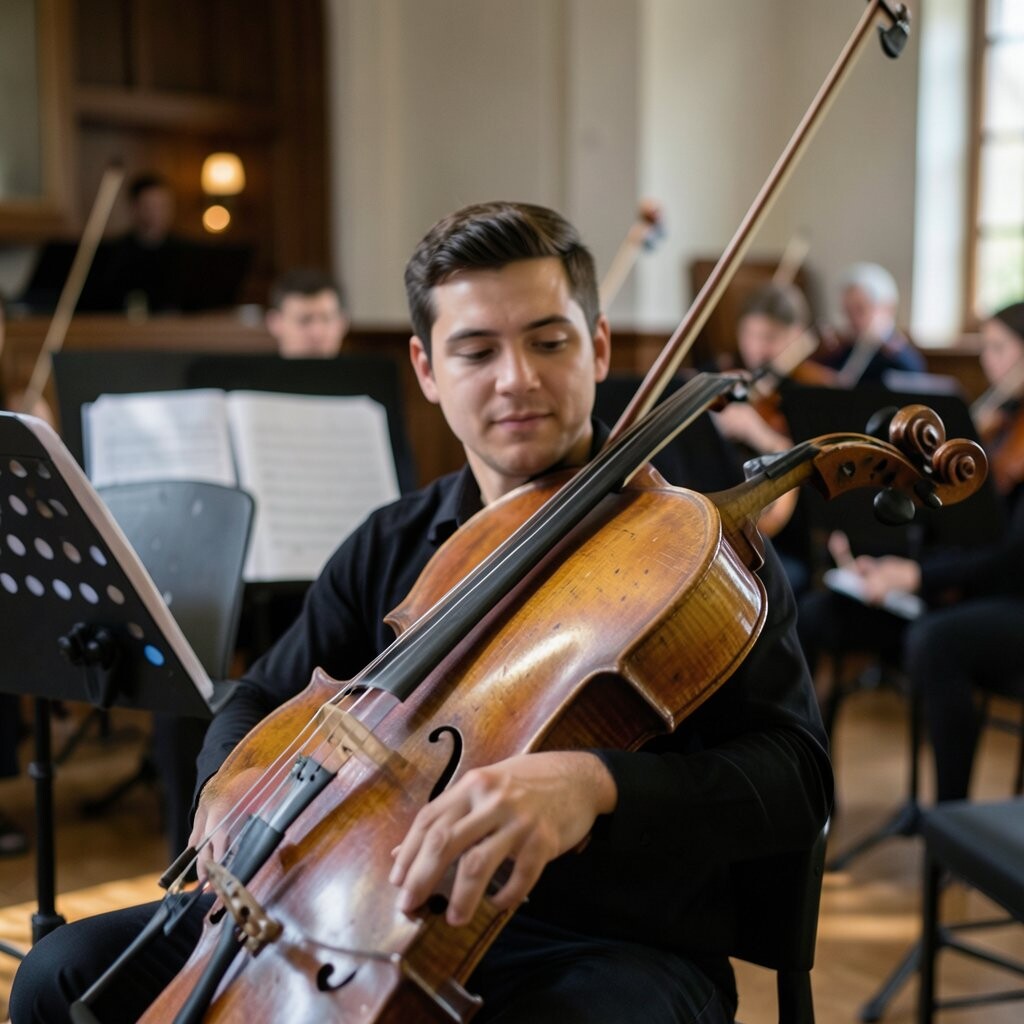
Imagine soft string music that moves in a measured, graceful way. It feels structured, which can help your mind stay on track.
Baroque-inspired instrumentals can support focus because their patterns are organized without being loud. A steady pulse can help you keep a consistent pace for tasks like outlining or data entry. Choose versions that are slower and not overly busy, especially if you’re doing reading.
To make this practical, try one composer or one playlist and avoid switching too often. The unique part is that strings can sound both elegant and soothing, giving your brain a reliable framework. If you want personalization, look for “study” edits that remove sudden crescendos.
For cost considerations, you can find many classical public-domain recordings for free, which makes this an easy option. A current trend is “classical for focus” playlists that mix baroque pieces with ambient noise for an extra-smooth background.
8. Slow Electronic Drones With Subtle Motion

Picture a calm electronic drone that shifts like clouds. It’s relaxing because it stays gentle and rarely surprises you.
Drone music is helpful for deep focus since there’s little rhythm to compete with your thinking. The subtle motion keeps it from feeling static, so you don’t get the urge to change tracks. A practical tip is to keep it at a consistent volume and use it for tasks that benefit from uninterrupted attention.
This stands out because the “almost nothing” quality can reduce mental friction. Personalize by choosing warmer drones if you want comfort, or cooler tones if you want clarity. Many platforms have built-in ambient radio modes, which usually cost nothing beyond your subscription.
9. Soft Binaural Beats for Calm Concentration

Imagine gentle tones that create a feeling of steadiness in your head. When done softly, it can support relaxation and focus routines.
Binaural beats can be useful for some people because they combine tone layers that aim to influence perceived brain rhythms. What makes it unique is that the music isn’t just background—it’s also a sound pattern designed for listening. Try it during low-stakes tasks first, since comfort varies person to person.
Practical tips include starting at low volume, limiting sessions to a reasonable time, and stopping if it feels uncomfortable. Personalize by choosing tracks labeled for calm or focus rather than anything that sounds intense. Cost-wise, many binaural tracks are free, but a premium app can offer curated mixes and fewer interruptions.
As a trend, more focus creators now blend binaural tones with soft ambient pads or nature sound to make the experience feel less “techy.” If you want that smoother feel, pick mixes that include a warm, non-intrusive pad under the tones.
10. Gentle Lo-Fi Jazz With Soft Brush Drums
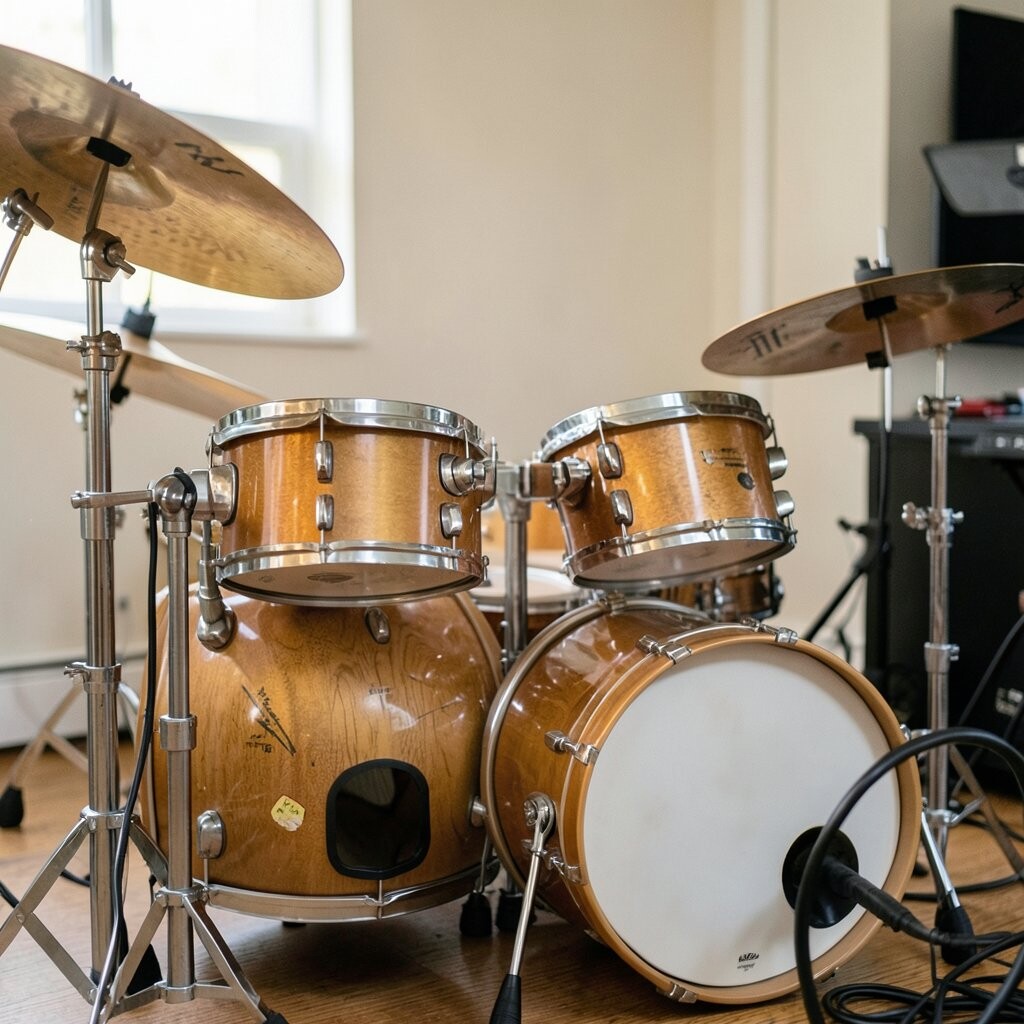
Picture a mellow jazz scene happening quietly in the next room. The brush drums sound light, like someone turning pages instead of playing loudly.
Lo-fi jazz is helpful for both focus and calm creativity, especially for writing and editing. It’s unique because jazz harmony can add pleasant variety without turning into a distracting solo performance. Keep the music instrumental and select tracks that stay in a moderate tempo range.
Try pairing it with a consistent work ritual: same playlist, same desk setup, same start time. Personalization is easy too—choose tracks with a warmer sax tone if you like comfort, or more piano-forward mixes if you want a cleaner feel. Many platforms have free “study jazz” streams, and you can save a few favorites to avoid endless searching.
11. Woodland Night Ambience With Distant Crickets

Imagine the peaceful rhythm of nighttime outdoors. Even indoors, it can feel like your mind has more room to breathe.
Forest ambience is great for focus because it masks uneven noises and provides steady background texture. The crickets and soft air sounds reduce the contrast between quiet moments and sudden distractions. For practical use, choose a loop that sounds continuous and avoid sharp, repeating transitions.
This idea stands out because the sound is natural and emotionally calming, especially for people who feel tense in silence. Personalize by picking “late evening rain” mixes if you prefer a smoother layer than crickets alone. Cost considerations are usually low, since many ambience tracks are free or included in streaming apps.
12. Soft Harp Notes With a Slow Arpeggio Flow

Picture delicate harp notes drifting like tiny raindrops. The sound feels elegant and relaxing without being heavy.
Harp music can support concentration because it’s light, spaced, and rarely jarring. What makes it unique is the arpeggio motion, which gives your brain a gentle pattern to follow while still leaving space for your thoughts. Choose slow pieces for reading and slower drafting tasks, and keep volume around the level of a quiet conversation.
13. Quiet Drum & Bass With Subdued Kick
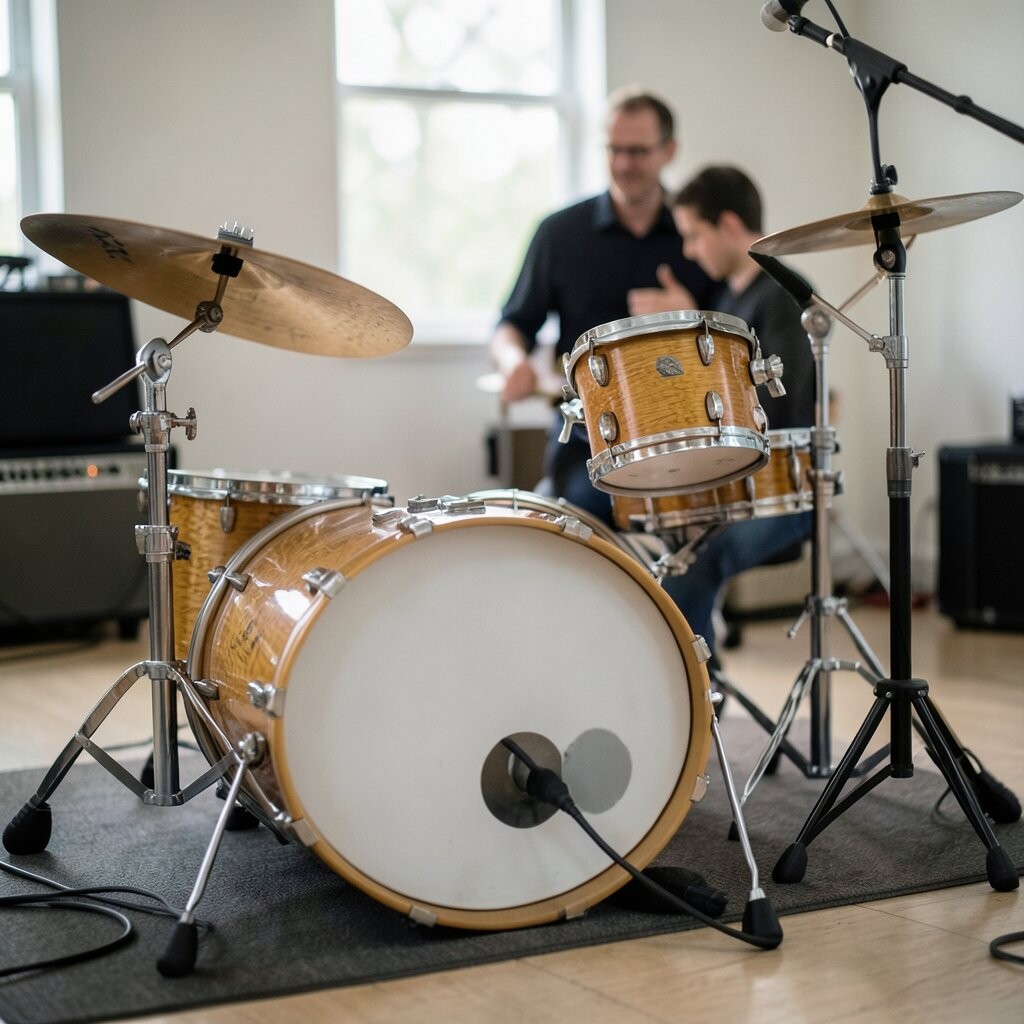
Imagine drum & bass that stays soft, with a muted kick and smooth synth pads. It can give you energy without turning your workspace into a club.
This style is beneficial for tasks that need momentum, like cleaning, sorting files, or repetitive practice. It stands out because you get forward motion from rhythm while the track remains calm enough for focus. Practical tips include filtering for “chill” or “liquid” versions and avoiding tracks with aggressive drops.
For personalization, try it in shorter sessions and see if it helps your speed. If you feel overstimulated, reduce volume and choose tracks with fewer sudden drum changes. Many modern playlists include “chill D&B for studying,” which are often easy to find and usually low effort to use.
14. Soft Soundtrack Strings From Film Scores
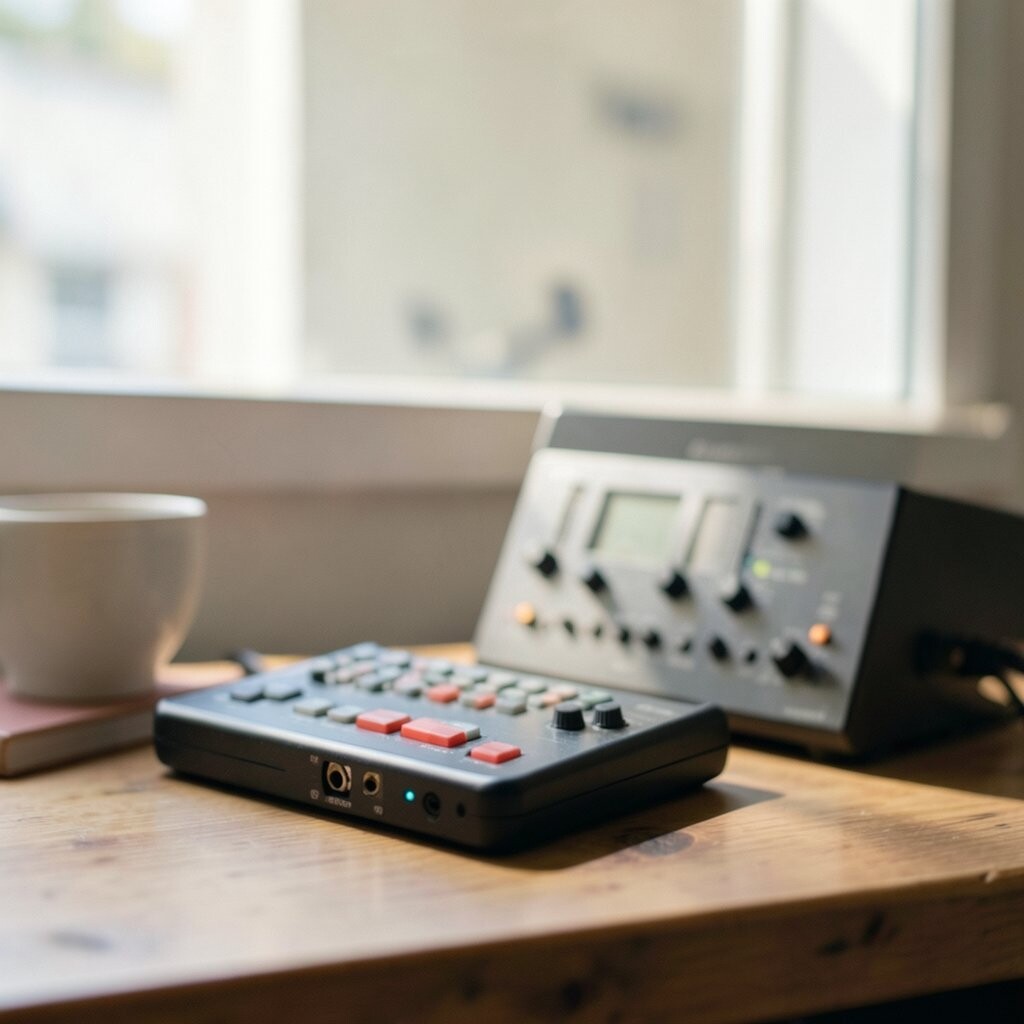
Think of a gentle film-score string theme played quietly in the background. It can feel emotional but not distracting when chosen carefully.
Instrumental soundtrack music can help focus because it often has strong structure and smooth transitions. The unique advantage is that orchestral layers can “hold” your attention without needing lyrics. A practical tip is to choose tracks labeled “slow,” “ambient,” or “study” and avoid ones with clear story-like peaks that pull you emotionally.
If you want personalization, try selecting music that matches your work type: hopefulness for brainstorming, steadiness for planning, and softness for editing. Cost considerations are simple if you already have streaming access, since many soundtrack albums are widely available. As a trend, more listeners use cinematic ambience for deep work, especially when they want a bigger, richer background.
15. Cozy Music Box Melodies With Slow Tempo
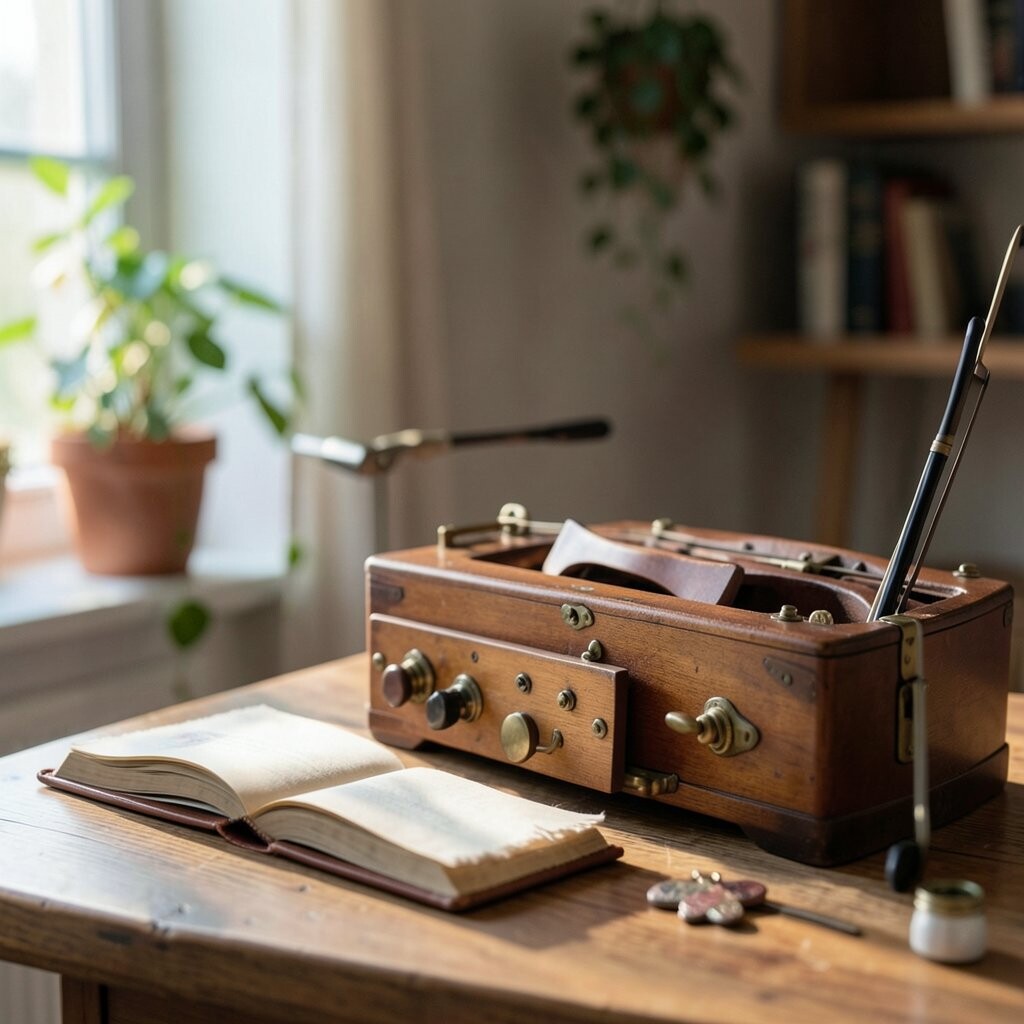
Picture a tiny music box playing slow, round notes. It feels playful and comforting, like being cared for.
Music box melodies can be useful for relaxation and gentle focus, especially for tasks that don’t require heavy logic, like light admin or organizing. What makes it unique is the high, soft tone, which can create a calming “sparkle” without strong rhythm. Use it at low volume, because too-loud music boxes can become sharp.
To personalize, choose melodies with consistent spacing rather than complicated fast sequences. Cost is usually low because you can find free recordings and playlists, but a simple timer and a “single track” approach can make it even better. If you notice fatigue, rotate to a warmer instrument like piano or padded synth to keep your ears fresh.
16. Soft Ambient With Vintage Tape Hiss

Imagine background music with a warm tape hiss and a slow, smooth bed of sound. It feels nostalgic, like an old radio turned gentle.
Vintage tape ambience can be beneficial for focus because it masks tiny room noises and creates a continuous listening surface. The unique feel comes from the subtle hiss and compression, which can make the music seem softer and more human. Practical tips include keeping it low and choosing mixes with slow changes so you don’t notice abrupt edits.
For personalization, you can combine tape ambience with a single instrument, like a mellow synth pad or piano notes. Cost-wise, many ambient mixes are free, and premium options are often just higher quality and longer uninterrupted tracks. A current trend is “analog warmth” ambience, which shows up in many study playlists under names like lo-fi tape or analog focus.
17. Warm Ambient Piano With Long Sustain
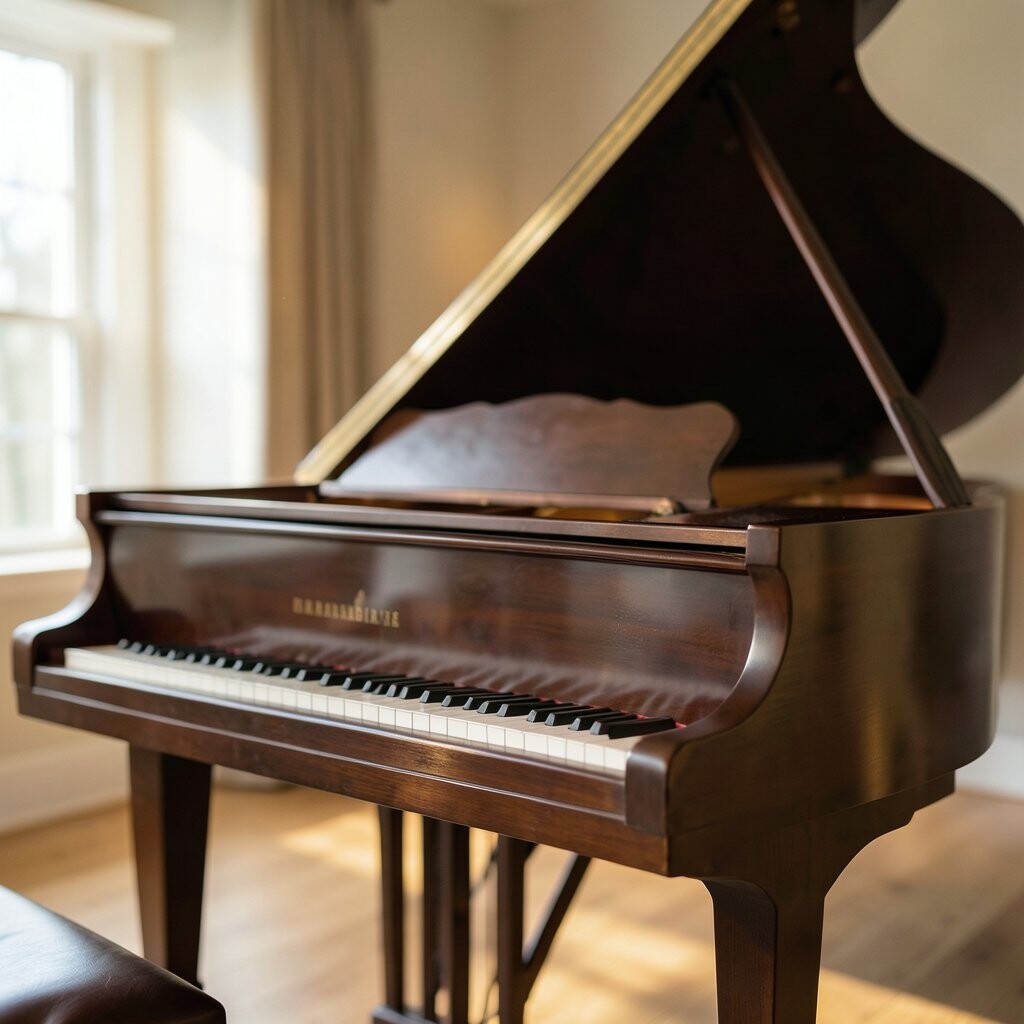
Picture piano chords held for a long time, fading slowly into silence. It feels like floating on a calm lake.
This music is helpful for deep thinking because the long sustain reduces quick note changes that might pull your attention. The uniqueness is how the chords overlap gently, creating a soft emotional space that supports concentration. A practical tip is to choose tracks that avoid harsh middle highs and to use headphones or speakers that don’t distort at lower volume.
If you personalize, match the harmony mood to your workflow: softer and darker tones for stressful tasks, brighter chords for planning and ideation. Cost considerations are easy if you use streaming apps, but you can also find free “study piano ambience” tracks. As a trend, many listeners are moving toward long-form ambience mixes that run for hours, which makes starting a session simpler.
18. Breath-Sync Ambient: Soft Pulses at a Calm Rate

Imagine a soft pulse that feels like it matches slow breathing. Even if you’re not counting, the rhythm can make your body settle.
This idea can be beneficial for both relaxation and focus because the consistent pulse offers a quiet internal cue. What makes it unique is that the timing is designed to feel body-friendly, often slower than typical beats. For practical use, choose tracks that stay steady and avoid sudden speed changes, especially if you’re working under pressure.
Personalize by adjusting volume and pairing it with a breathing pattern you like, such as slow inhaling and gentle exhaling. Cost is usually low since many ambient breathing mixes are available on free platforms, but ad-free versions can feel smoother for long sessions. If you notice the pulse becomes too noticeable, switch to a less rhythmic ambient track for the rest of the day.