
Tea can be simple, warm, and budget-friendly. With the right cup, even first-time brewers feel confident.
1. Lemon Ginger Tea Bags
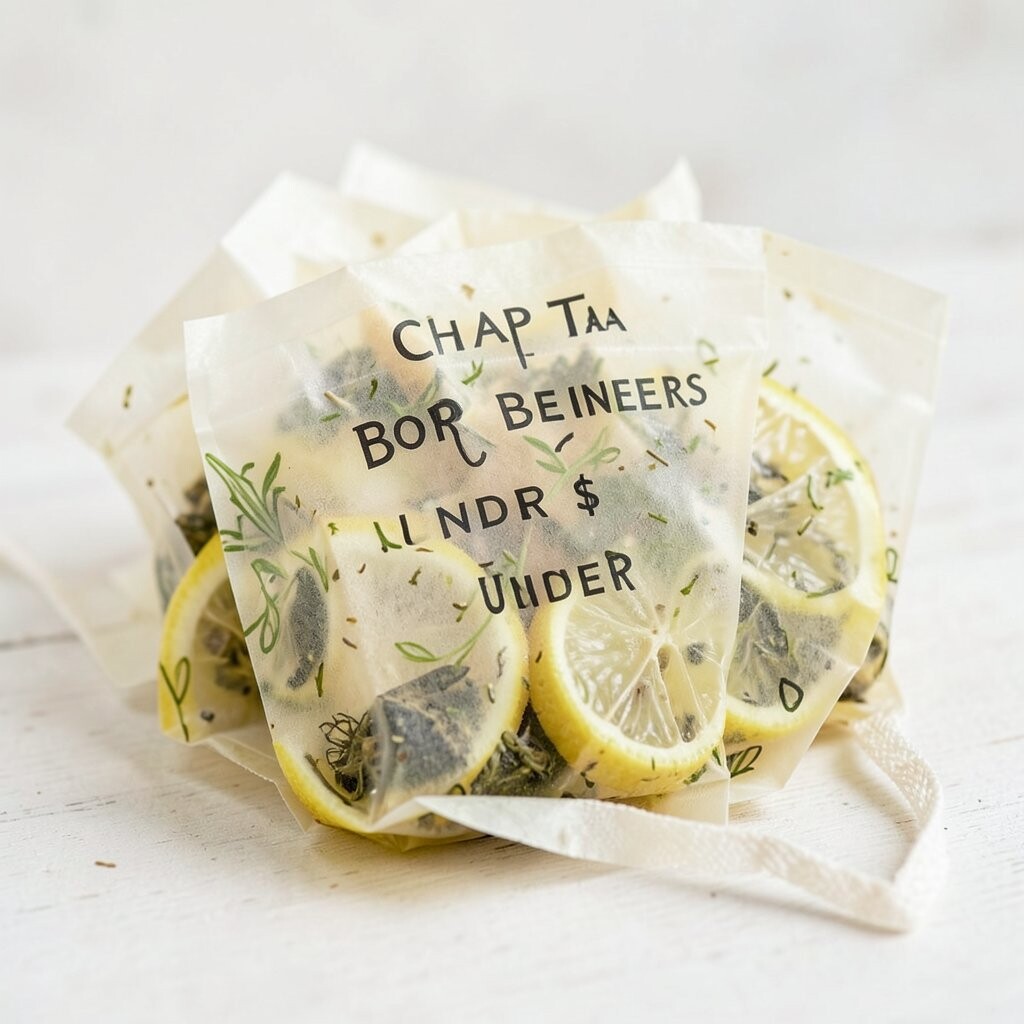
Bright lemon scent meets gentle ginger warmth. It feels like a quick hug when mornings start slow.
Look for small, individually wrapped tea bags so you can keep things tidy and fresh. Ginger adds a cozy spice that many beginners enjoy without needing special gear. For a smoother first cup, steep 3 to 4 minutes and add honey only after tasting.
2. Chamomile Honey Tea

Soft, floral chamomile tastes calm and comforting. Many people drink it in the evening because it feels relaxing.
This tea is unique because it’s often blended with honey flavor, so it tastes sweet even without added sugar. It’s also very forgiving if you over-steep slightly, which helps beginners. For a cozy routine, brew before bed and keep a mug by your favorite blanket.
To personalize it, squeeze in a tiny bit of lemon or sprinkle cinnamon on top. Cost stays low because tea bags usually go a long way. If you want trendier flavor, try cold-steeping it for a light, chilled sipper.
3. Peppermint Tea Bags

Peppermint tea tastes clean, minty, and refreshing. It can feel like a palate reset after a meal.
What makes it beginner-friendly is that it’s hard to mess up: peppermint is bold and fragrant. Use 1 tea bag per mug and steep about 4 minutes for a steady flavor. If you get a strong cup, shorten the steep time next round.
For practical use, keep a few bags in your desk or backpack for quick breaks. It can also be a gentle “after-lunch” drink when you want something light. Many current tea trends lean toward refreshing herbal flavors, and peppermint fits right in.
Try adding a splash of milk or oat milk if you like creamy herbal drinks. That small change can make a simple bag feel fancy.
4. Rooibos Vanilla Tea
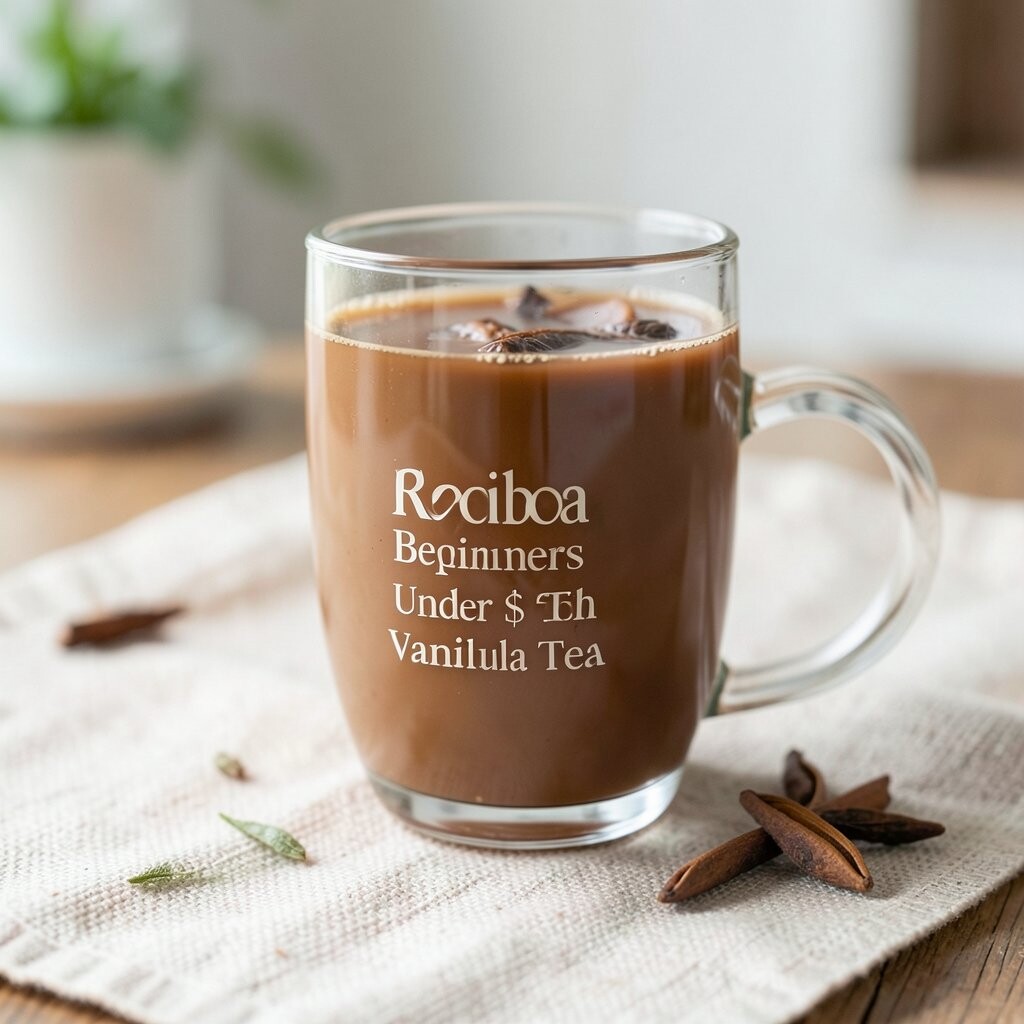
Rooibos is naturally caffeine-free, which makes it a great starter tea. Vanilla rounds out the flavor so it feels dessert-like without being heavy.
This tea stands out because it doesn’t come with the jitters that some new tea drinkers worry about. It’s also forgiving with steeping, so you can experiment safely. Brew 5 to 7 minutes to get a warm vanilla aroma, then add a teaspoon of sugar or skip it entirely.
5. Green Tea (Jasmine)
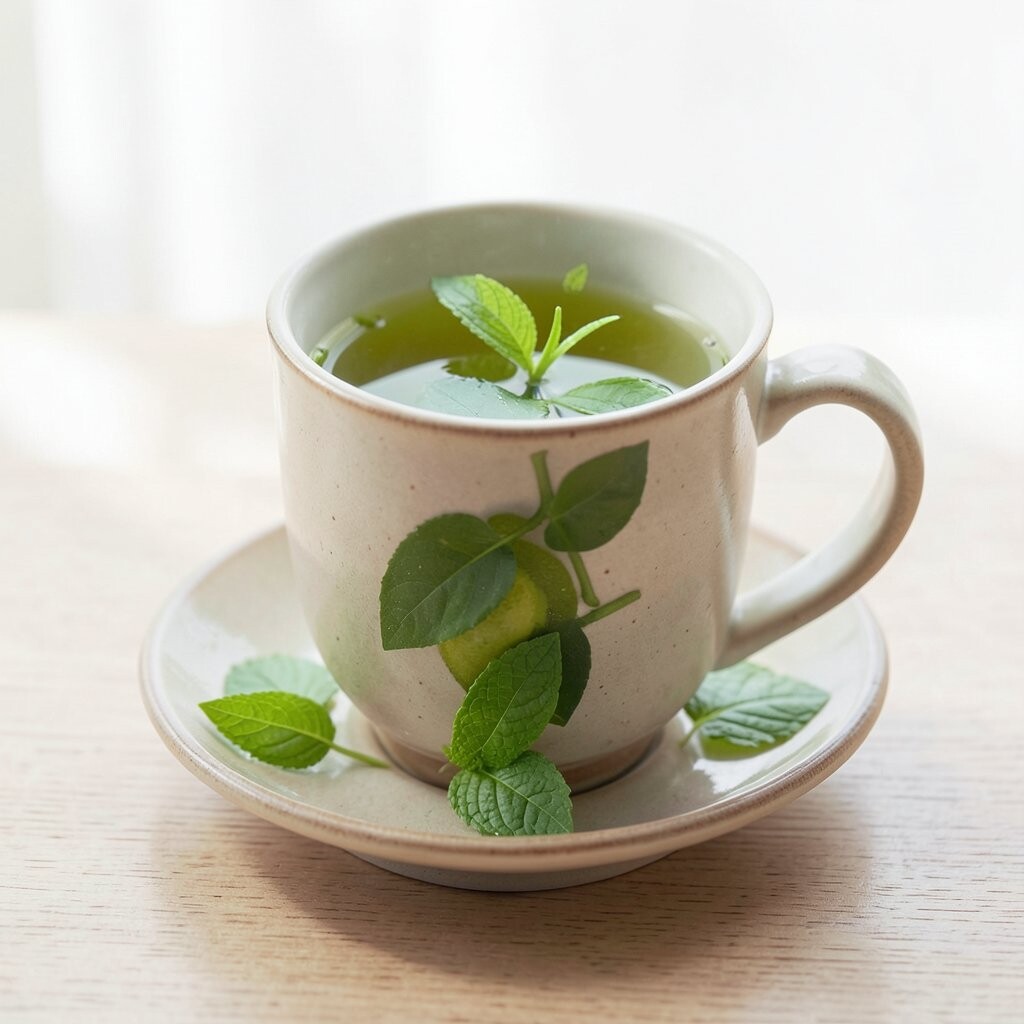
Jasmine green tea smells like spring and tastes gently grassy. It’s a popular choice for people who want a light energy lift.
It’s unique because the floral jasmine fragrance blends smoothly with green tea’s crisp character. Beginners often like it because the flavor is clear and not overly bitter. Steep around 2 to 3 minutes using water that’s not boiling hot to keep it mellow.
For personalization, try brewing it slightly weaker first, then adjust strength on your second cup. Cost considerations are easy here since many jasmine green teas come in affordable tea bags. If you enjoy trendy iced drinks, brew it, chill it, and pour over fresh ice with a squeeze of lime.
6. Oolong Milk Tea Style

Oolong has a richer, more rounded taste than basic green tea. It can feel like a step up without costing much.
What makes it unique is the in-between flavor: it’s partly floral, partly toasty. For beginners, choose tea bags labeled “oolong” or “milk oolong” so it already has a smooth profile. Steep about 3 to 5 minutes, then add milk and a little sweetener if you like a café-style cup.
If you want practical tips, start with warm, not very hot water, and keep a close eye on steep time. Some oolong blends oxidize in a way that tastes better when not overdone. Current trends also like “milk tea” at home, and this is a budget-friendly way to join in.
7. English Breakfast Tea Bags

English Breakfast is bold, malty, and made for hearty sips. It’s a classic that fits easily into any morning.
This tea is unique because it’s usually a blend designed to taste strong even with milk. Beginners often succeed right away because it’s forgiving and widely consistent. Steep 4 to 5 minutes, then taste and adjust next time.
For cost and convenience, it’s commonly available in large boxes that last. Personalization ideas are simple: try it with just a splash of milk, or go plain for a stronger flavor. If you’re building a tea routine, this is the “main character” cup you can return to again and again.
8. Chai Spice Tea (Masala-Style)

Chai tastes warm with spice notes like cinnamon and clove. It feels cozy even when the day is busy.
What makes it stand out is the layered flavor, usually created with ginger, spices, and sometimes black tea. It’s beginner-friendly because many chai bags already include sweet and creamy hints. Brew for about 4 to 6 minutes, and add milk to soften the spice if you prefer a smoother cup.
To make it practical, keep a “chai jar” setup at home with sugar, honey, or vanilla creamer ready. Cost stays under control when you buy a multi-pack since spice tea goes fast during colder weeks. For trends, try a chai latte style by warming milk and whisking it lightly before pouring.
Personalize by adding a pinch of black pepper for extra warmth or a tiny bit of orange zest for a bright twist.
9. Hibiscus Iced Tea
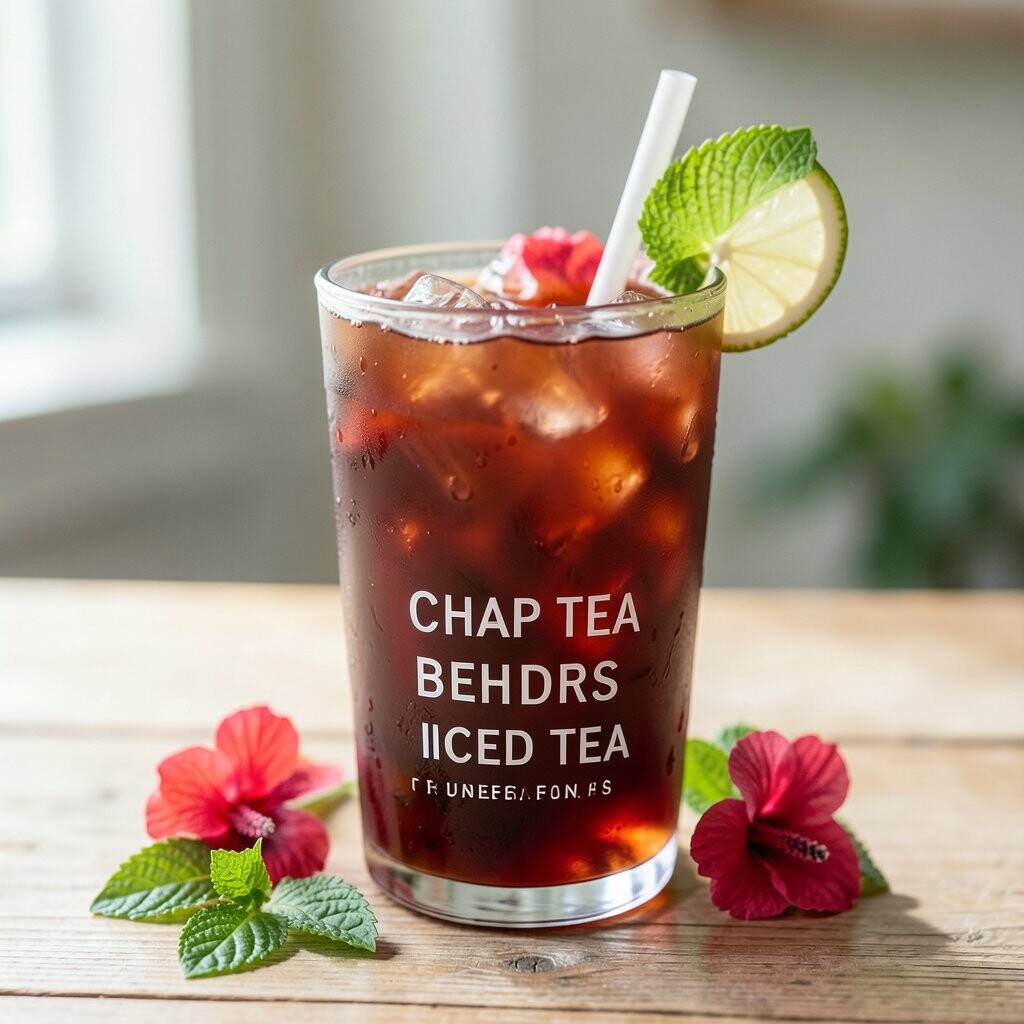
Hibiscus is bright, tart, and ruby-red in the mug. It tastes like a refreshing drink even when brewed hot.
This tea is unique because it shines in iced form. Many beginners like it because it doesn’t taste heavy, and it’s also usually caffeine-free. Steep 5 to 8 minutes depending on how strong you want the tart flavor, then chill and pour over ice.
For practical tips, use a clear glass so you can see the color change as it cools. If your tartness feels too sharp, add a little honey or fruit juice. Current trends favor colorful, thirst-quenching drinks, and hibiscus fits perfectly.
Try mixing it with sliced strawberries or a sprig of mint for a “drink bar” vibe at home.
10. Earl Grey Tea Bags
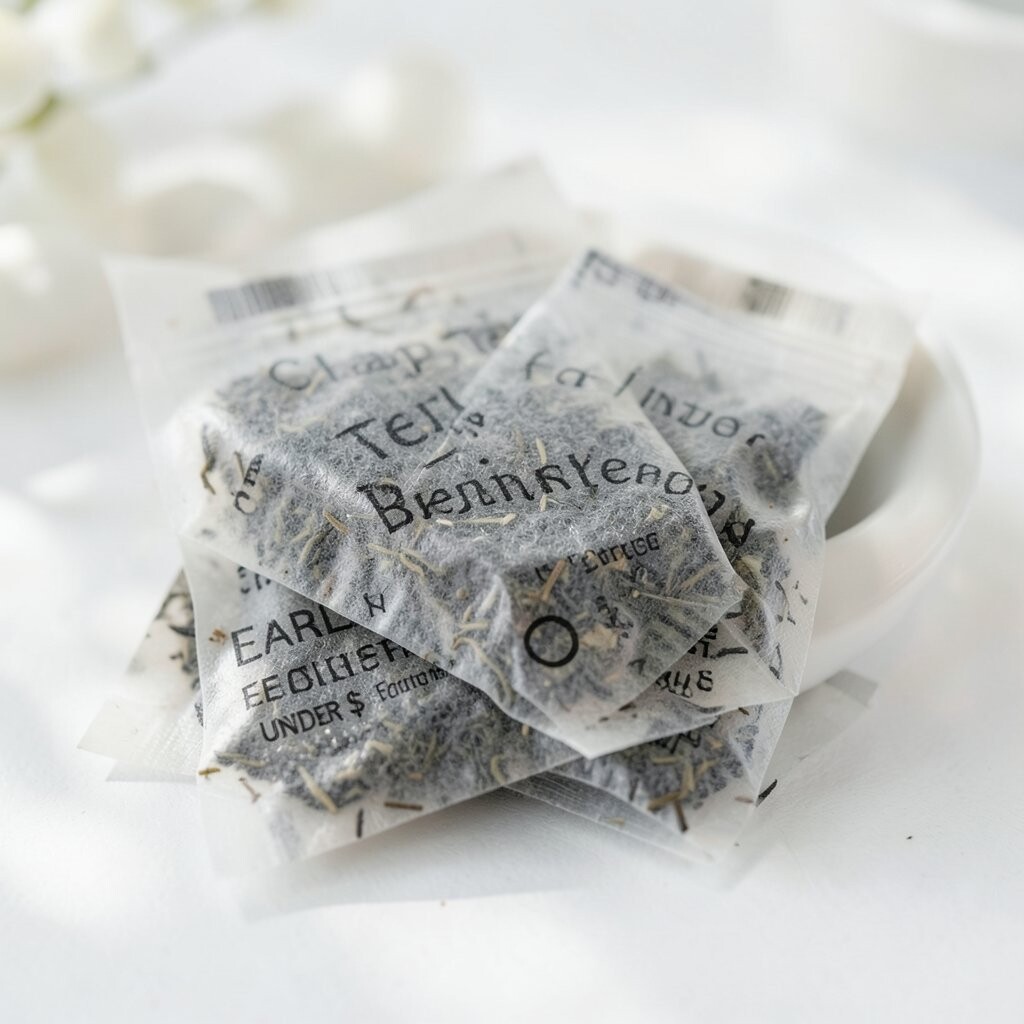
Earl Grey is a fragrant black tea flavored with bergamot. It tastes familiar and slightly citrusy.
What makes it unique is the bergamot aroma, which feels elegant without being complicated. Beginners usually find it easy because black tea provides body while citrus keeps it fresh. Steep about 3 to 5 minutes to balance strength and flavor.
11. Lemon Balm Tea
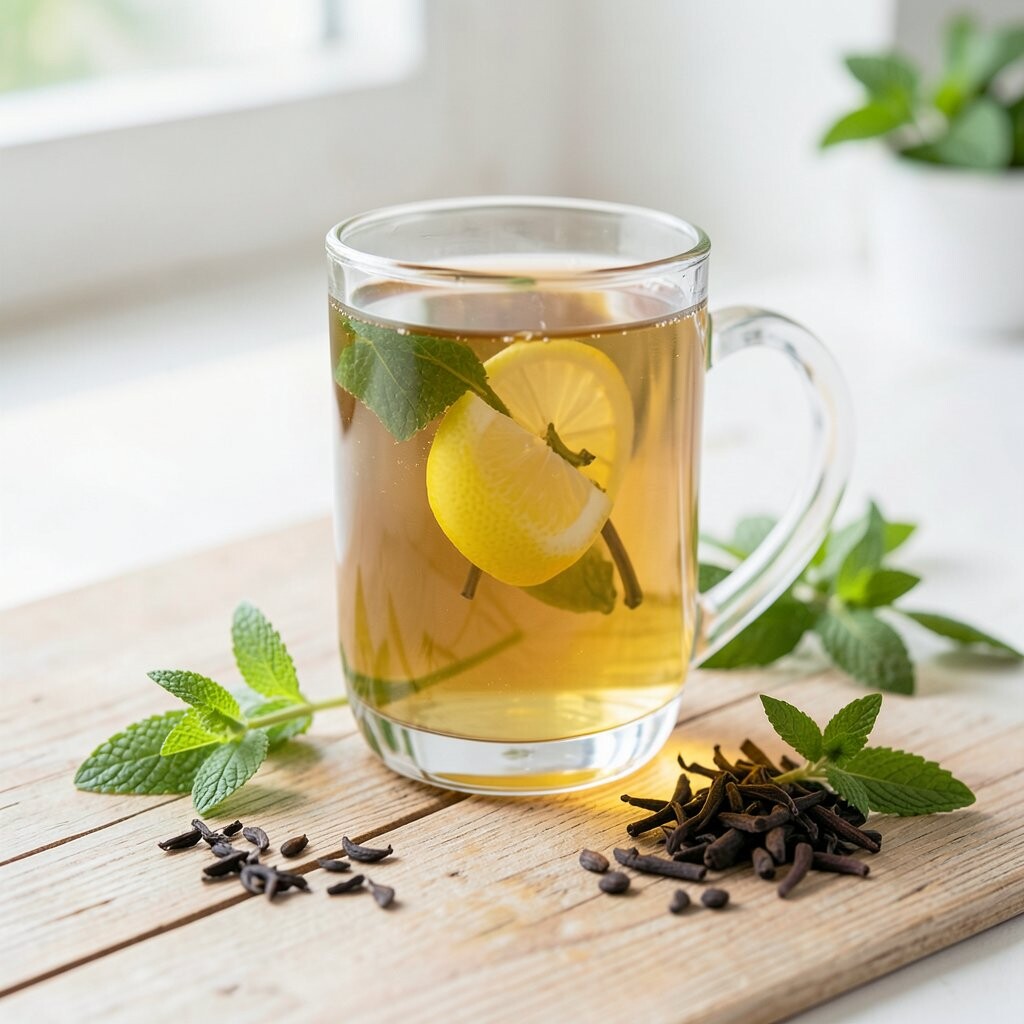
Lemon balm tastes like gentle lemon with a softer herbal feel. It’s soothing when you want something light.
This tea stands out because it’s often calming and easy on the stomach for many people. It’s a good choice if you’re sensitive to strong caffeine flavors. Brew for about 5 to 7 minutes so the lemony character fully shows up.
For personalization, add honey or a few drops of vanilla extract to make it more dessert-like. Cost considerations are usually friendly because lemon balm tea bags can be affordable in bulk packs. If you like modern sips, try it as a hot tea in winter and a chilled tea during warm days.
12. White Tea (Light and Floral)
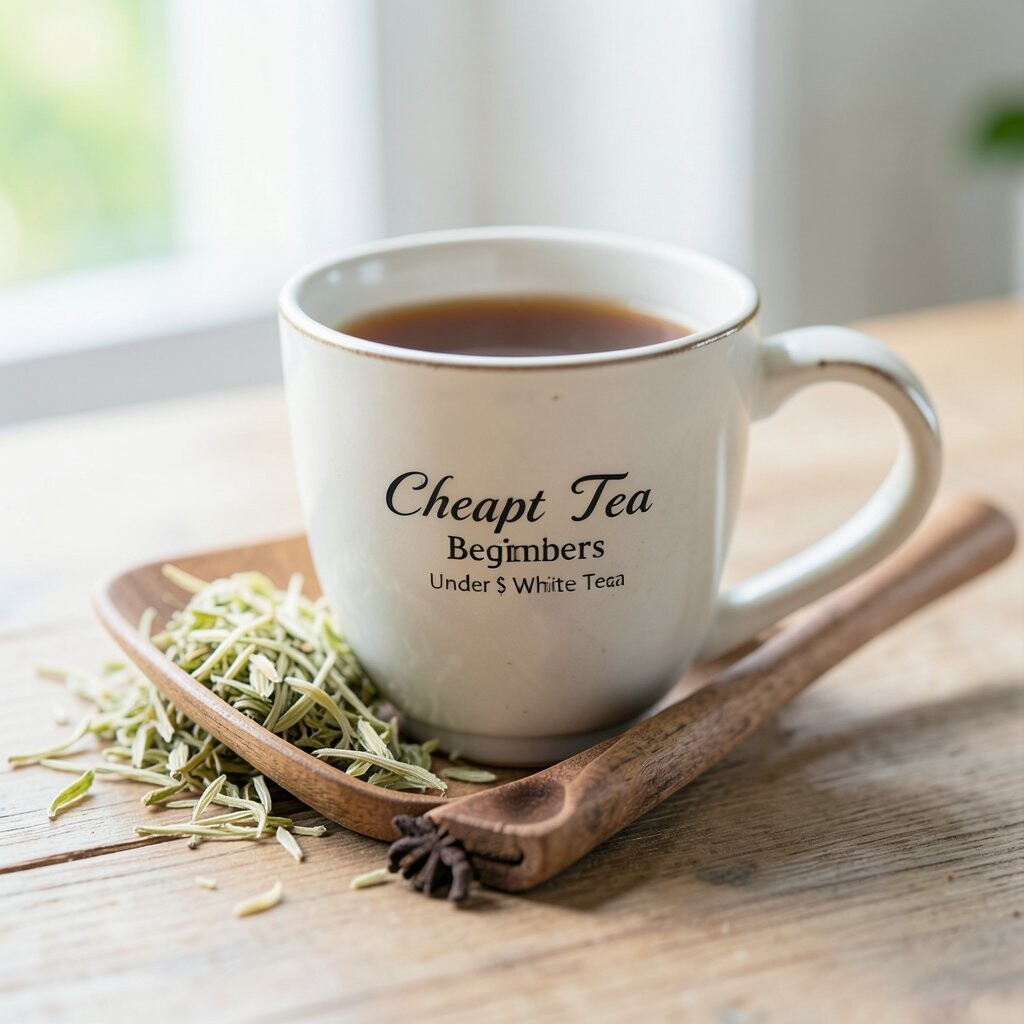
White tea is delicate, with a light sweetness and a gentle aroma. It’s a softer option when bold teas feel too strong.
What makes it unique is the subtle flavor, which can feel airy and clean. Beginners enjoy it when they want tea that doesn’t taste harsh or bitter. Steep for a shorter time, around 3 to 4 minutes, and use slightly cooler water to protect the delicate taste.
For practical tips, smell the tea after steeping so you can learn your preferred strength. Cost can vary, but many budget versions come in small starter boxes under common store limits. Personalize it by pairing with fruit like peach slices or a splash of juice for a light mock “tea spritzer.”
This is also a nice current-trend pick because people often seek “lighter-than-air” drinks for daily sipping.
13. Black Tea (Assam Style)
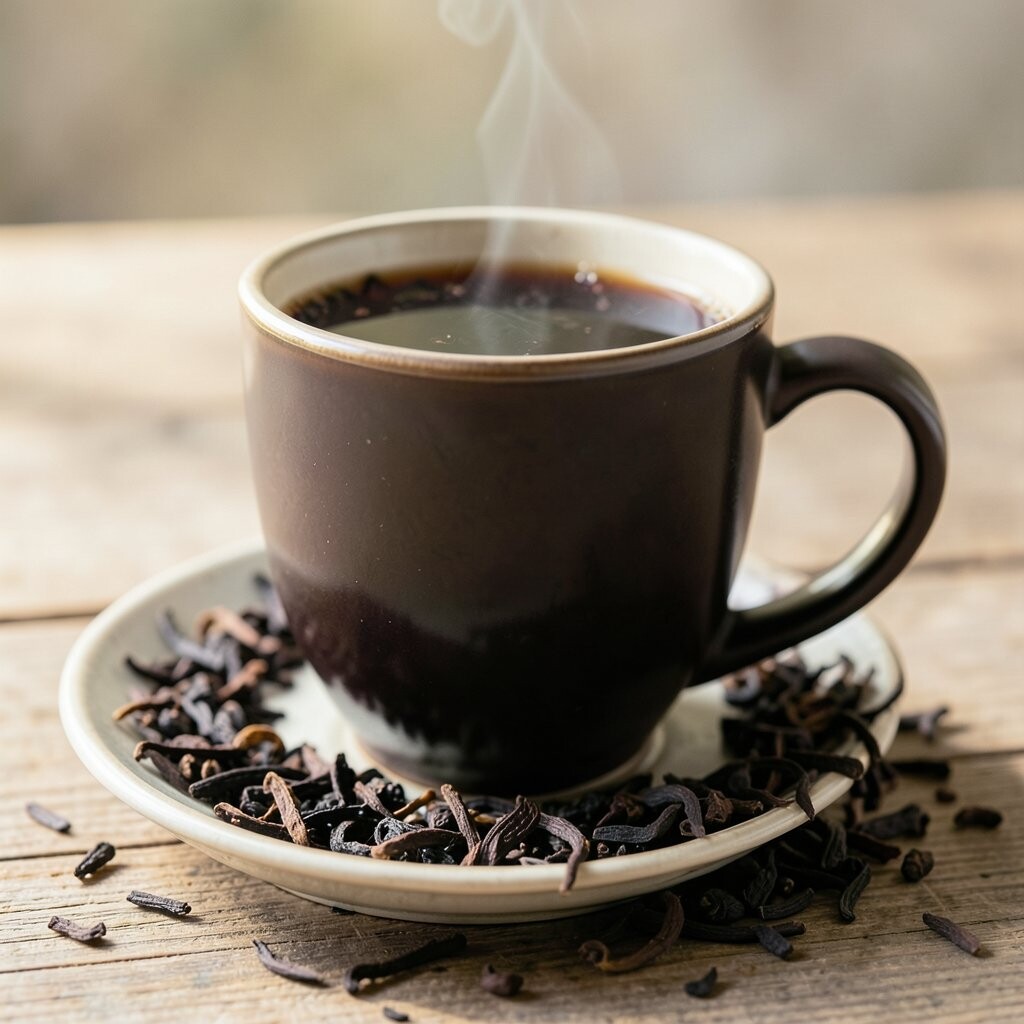
Assam-style black tea tastes strong, malty, and full-bodied. It’s a comfort-cup that feels like it means business.
It’s unique because Assam often brings a deeper caramel-like note compared to some lighter black teas. Beginners usually like it for breakfast since it holds up well with milk. Steep about 4 to 5 minutes, then adjust if you want less intensity.
For practical use, keep it as your “fallback” when you’re not sure what to choose. Cost considerations are great because black tea is widely sold in affordable packs. If you want a fun twist, try making it iced with a little simple syrup and lemon.
Personalization idea: add cinnamon to the mug for a warm, bakery-style aroma.
14. Ginger Turmeric Tea

Ginger turmeric tea has a warm, earthy kick with a bright spiced finish. It feels like a wellness cup without needing complicated steps.
This tea is unique because turmeric adds a distinct golden warmth that tastes deeper than plain ginger. Beginners can start mild by steeping shorter, then build up. Aim for 4 to 6 minutes, and add honey if you want a softer, sweeter profile.
15. Forest Fruit Herbal Tea

Forest fruit tea often smells like berries and tastes pleasantly sweet-tart. It’s a fun option for when you want something that feels like candy but is still tea.
This tea stands out because it’s usually caffeine-free and flavored with fruit notes, so it’s friendly for evening sipping. Many blends look beautiful in the mug with natural-looking colors. Steep around 5 to 7 minutes, then taste and adjust for sweetness by adding a little honey.
For personalization, try pairing it with sparkling water to make a quick “tea soda.” Cost is typically manageable because fruit herbal blends are often available in multi-pack bags. Current trends also favor fruity, cozy drinks, especially for gatherings and workday desk sips.
16. Sencha Green Tea
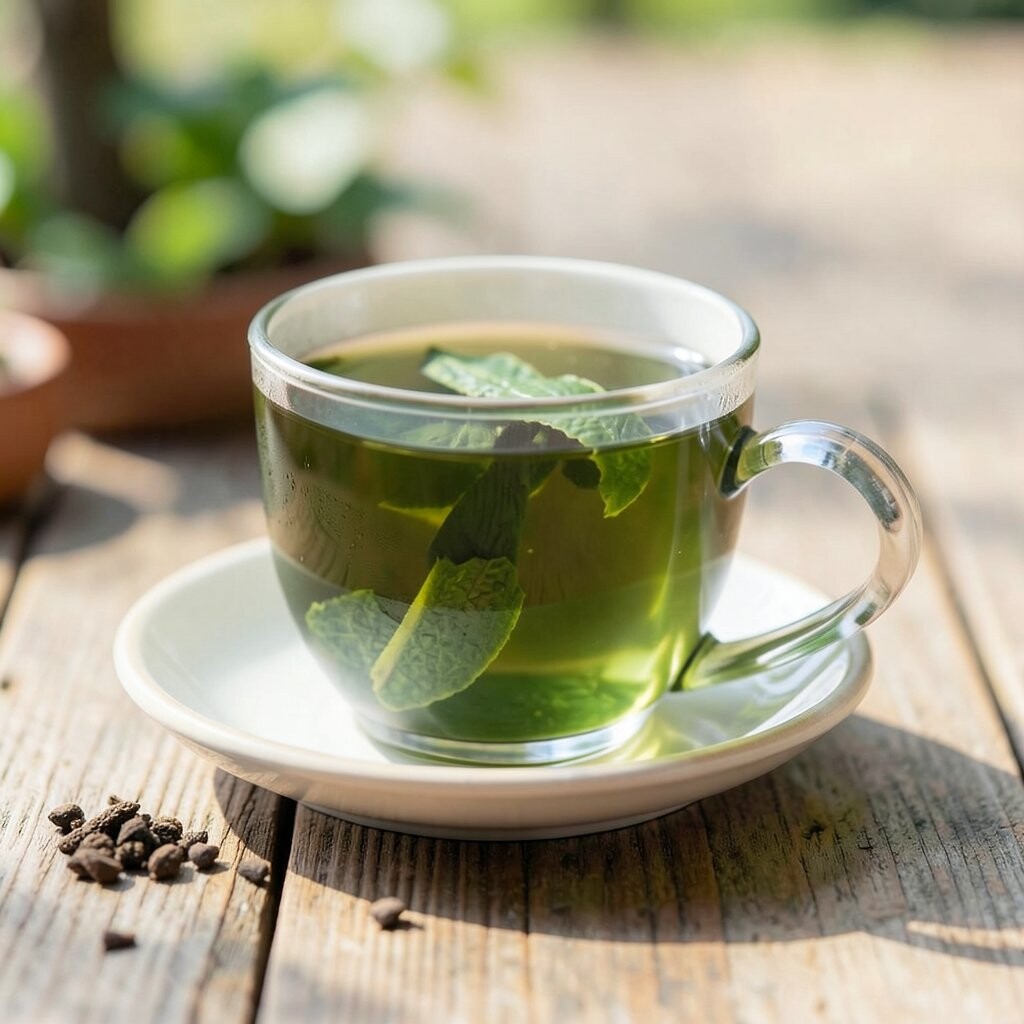
Sencha is grassy, clean, and refreshing when brewed right. It’s a popular Japanese-style green tea for everyday drinking.
This tea is unique because it can taste crisp and vibrant rather than heavy. Beginners can keep it smooth by using slightly cooler water and a short steep time. Try steeping 2 to 3 minutes, then adjust as you learn your taste.
For practical tips, keep a small jar of temperature ideas on hand, like “not boiling” for green tea. Cost considerations are often good since sencha bags can be found in everyday brands. Personalize by adding a tiny slice of ginger or squeezing a bit of lemon if you want extra brightness.
If you like trends, sencha also works well for iced tea when you want a lighter alternative to sugary drinks.
17. Cocoa Tea (Choco Herbal Tea)

Cocoa tea smells like warm chocolate, but it’s still a real tea experience. It feels cozy for dessert lovers who want something lighter.
This tea is unique because it can be naturally caffeine-free depending on the blend, often using cacao-like flavors in an herbal base. Beginners like it because it tastes familiar and doesn’t require learning steeping techniques beyond the basics. Brew around 4 to 6 minutes, then add milk, cinnamon, or a small spoon of sweetener.
For practical ideas, drink it in the afternoon when you want comfort without a heavy snack. Cost stays reasonable since flavored cocoa teas are often sold in affordable boxes. To personalize, try a pinch of sea salt on top for a “hot cocoa” café vibe.