Your reflection tells you more than you think. Use the mirror on purpose, and you’ll start noticing the details that matter.
1. Clean It Like You Mean It
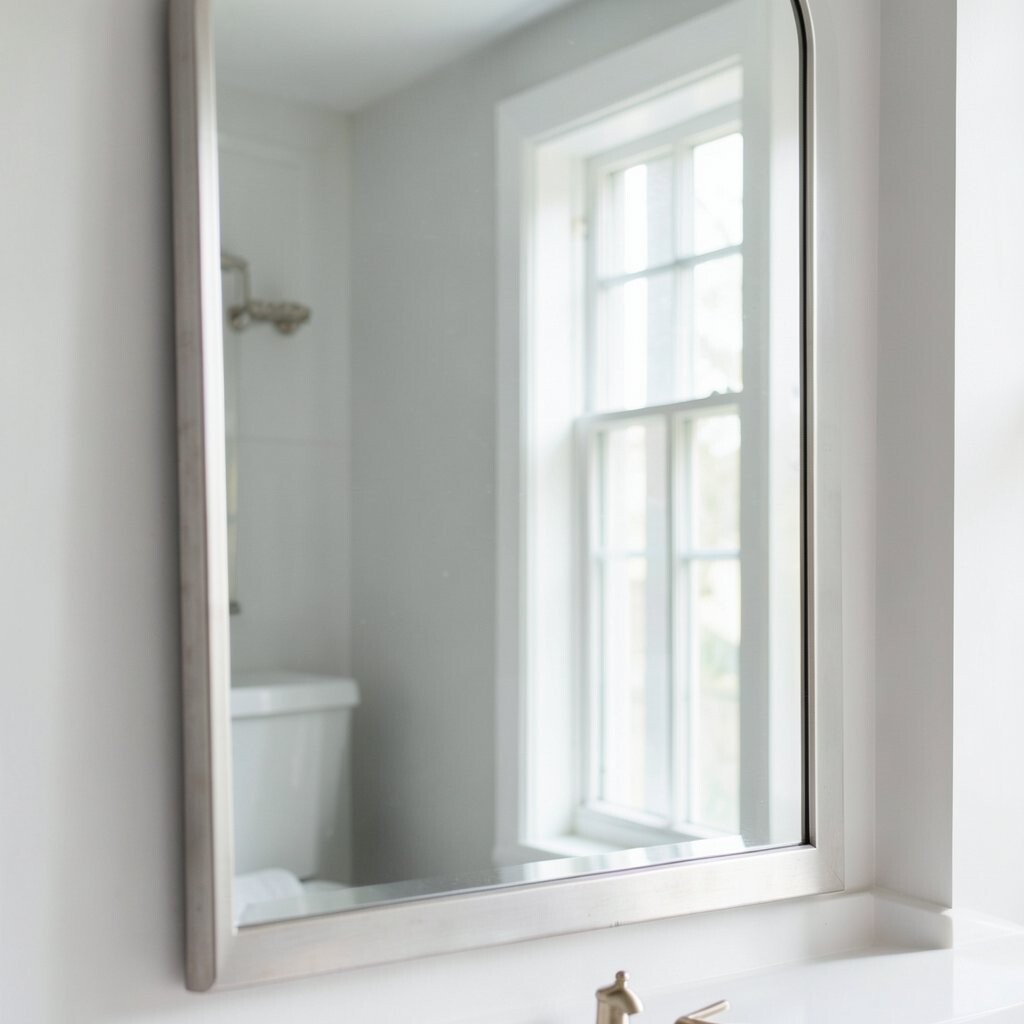
A smudged mirror can blur your features and trick your eye. A clean one helps you see true lines, tones, and expression.
Start with warm water and a gentle glass cleaner, then wipe with a microfiber cloth. For streak-free results, buff in small circles and finish with a dry pass. Keep a small bottle nearby so you actually use it, not just admire it.
2. Use Adjustable Lighting So Your Face Can’t Lie
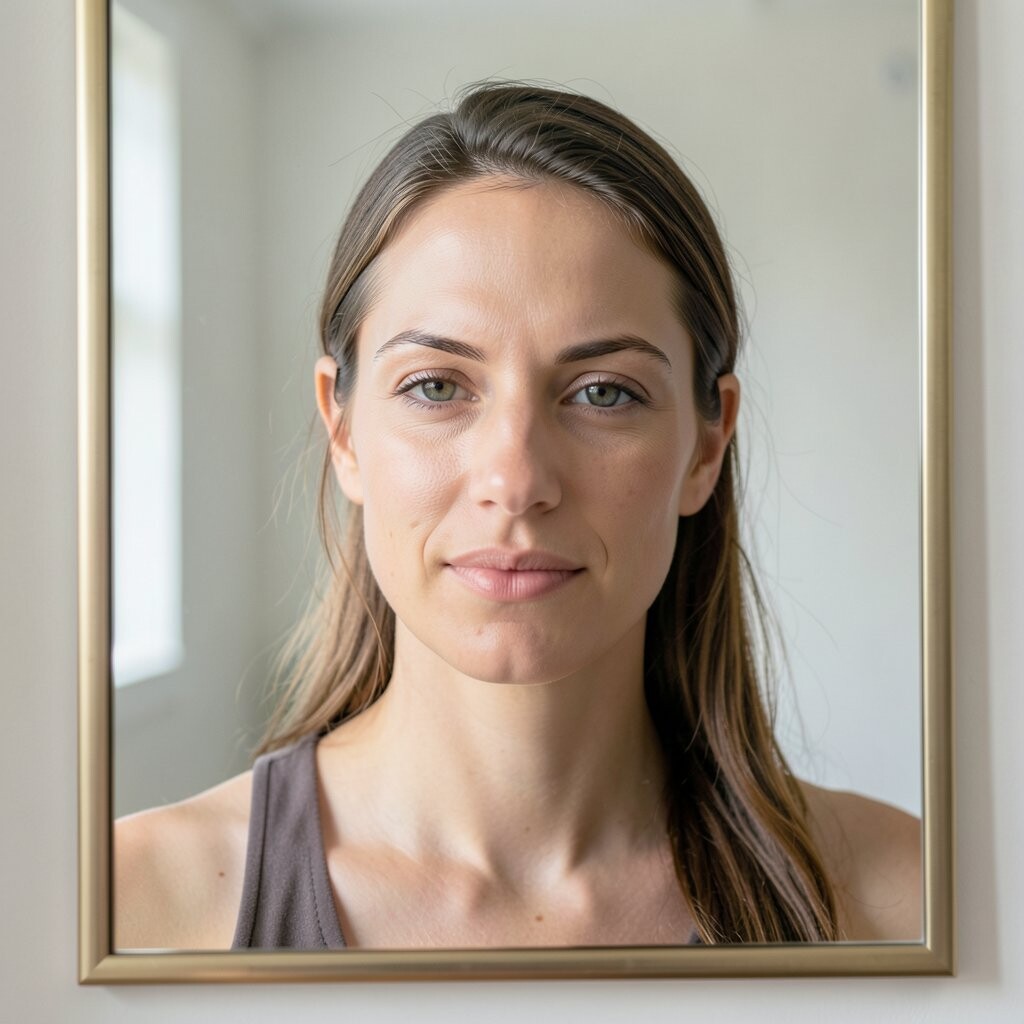
Mirrors under harsh bulbs can make skin look dull or uneven. Softer light helps you judge your real coloring and makeup balance.
Try switching between daylight bulbs and warm bulbs to compare how your face changes. Place a lamp to the side, not directly above your head, so shadows don’t hide your features.
Many people also benefit from turning down overhead lights and adding a second source near eye level. If you wear makeup, test it in the lighting you’ll use most often. This makes your choices feel calmer and more accurate.
3. Stand at Three Distances to Check Real Proportions
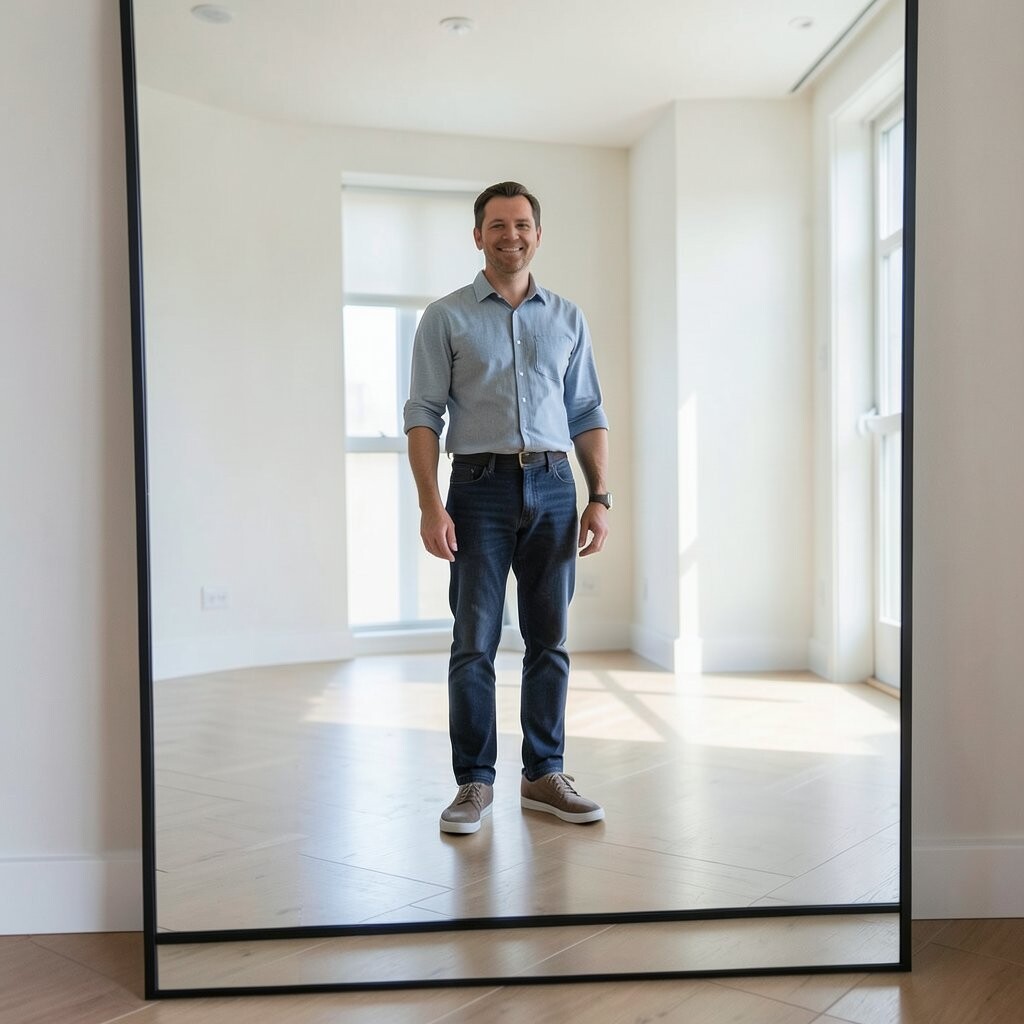
One distance can trick you because the mirror “reads” your face differently at every range. When you check up close and farther away, your proportions become easier to understand.
Try a close look for details like eyebrow shape and skin texture. Then step back about an arm’s length to check balance across your cheeks and jaw. Finally, step farther back to see your full look, including hair volume and neck placement.
This simple routine is unique because it treats reflection like a measurement, not a guess. It can also help you plan hairstyles, accessories, or even posture changes. Keep a mental note of what looks best at each distance.
If you want a practical upgrade, mark the floor with painter’s tape for repeatable spots. That way you can compare “before and after” without relying on memory. Small consistency makes a big difference.
4. Try a “No-Phone” Moment for Pure Observation
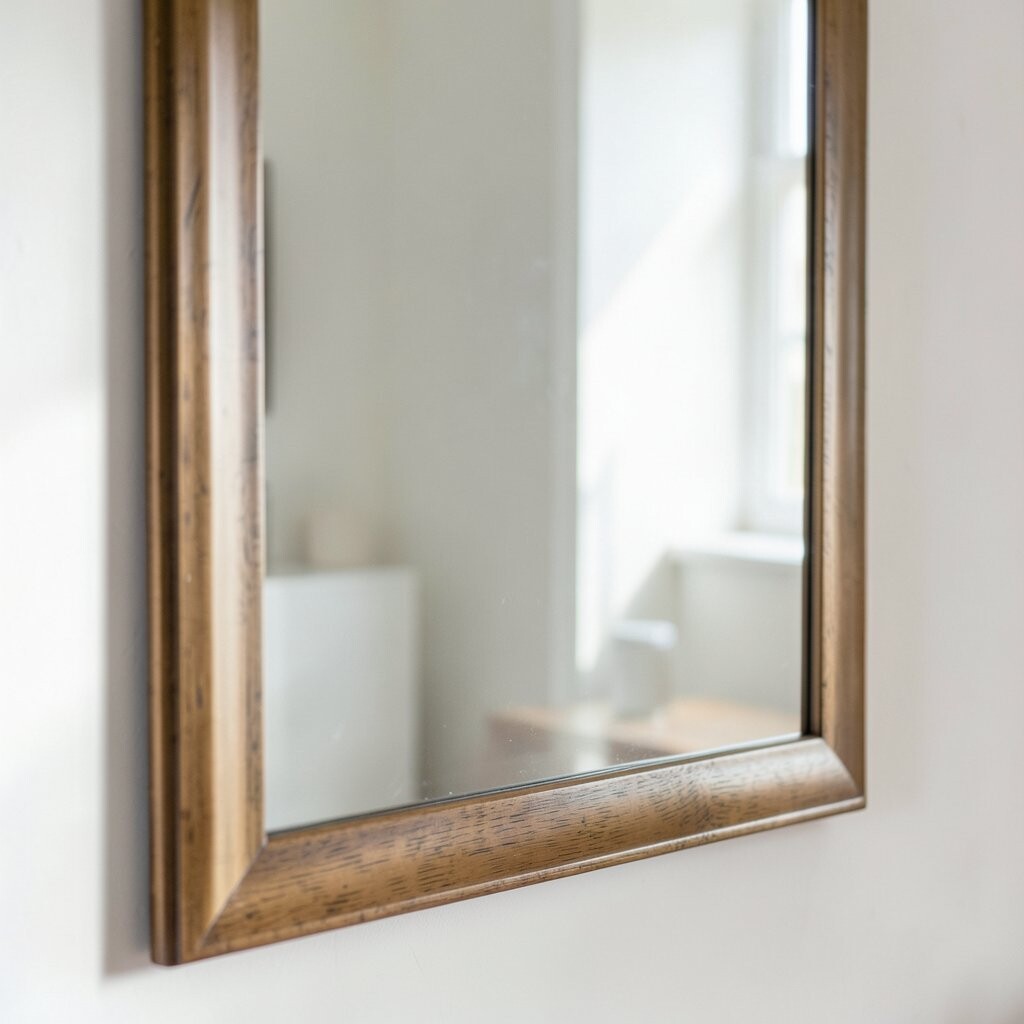
It’s easy to compare yourself to camera angles and filters. A mirror, used without screens, can bring you back to what’s right in front of you.
Set a timer for one minute and focus on your face only, not your outfit. Breathe slowly, relax your forehead, and watch how your expression changes. You’ll often notice that your look shifts more than you realized, especially when you stop “performing.”
5. Do the Two-Angle Hair Check
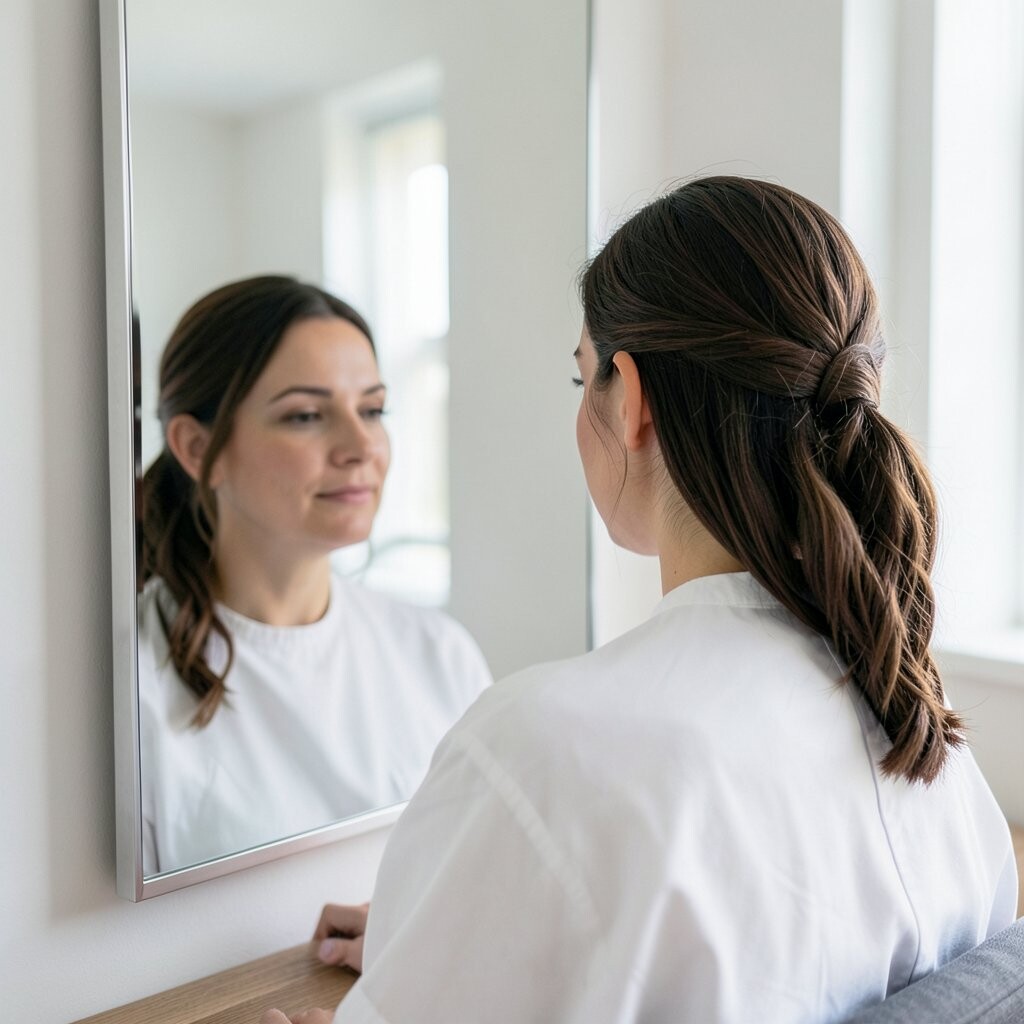
Your hair can look great from one angle and totally different from the next. Checking both sides helps you spot problems like uneven layers or hidden flyaways.
Look straight on first, then turn your head slightly to catch the profile view. Watch the top volume, the sides near the ears, and how the ends fall. If one side seems heavier, adjust with a brush or a light styling product.
Make it personal by matching the angles to your everyday routine. If you often see yourself in car mirrors, practice with that closer, side view too. This turns “hair chaos” into a quick, repeatable fix.
6. Map Your Facial Expression with a Calm “Before” and “After”
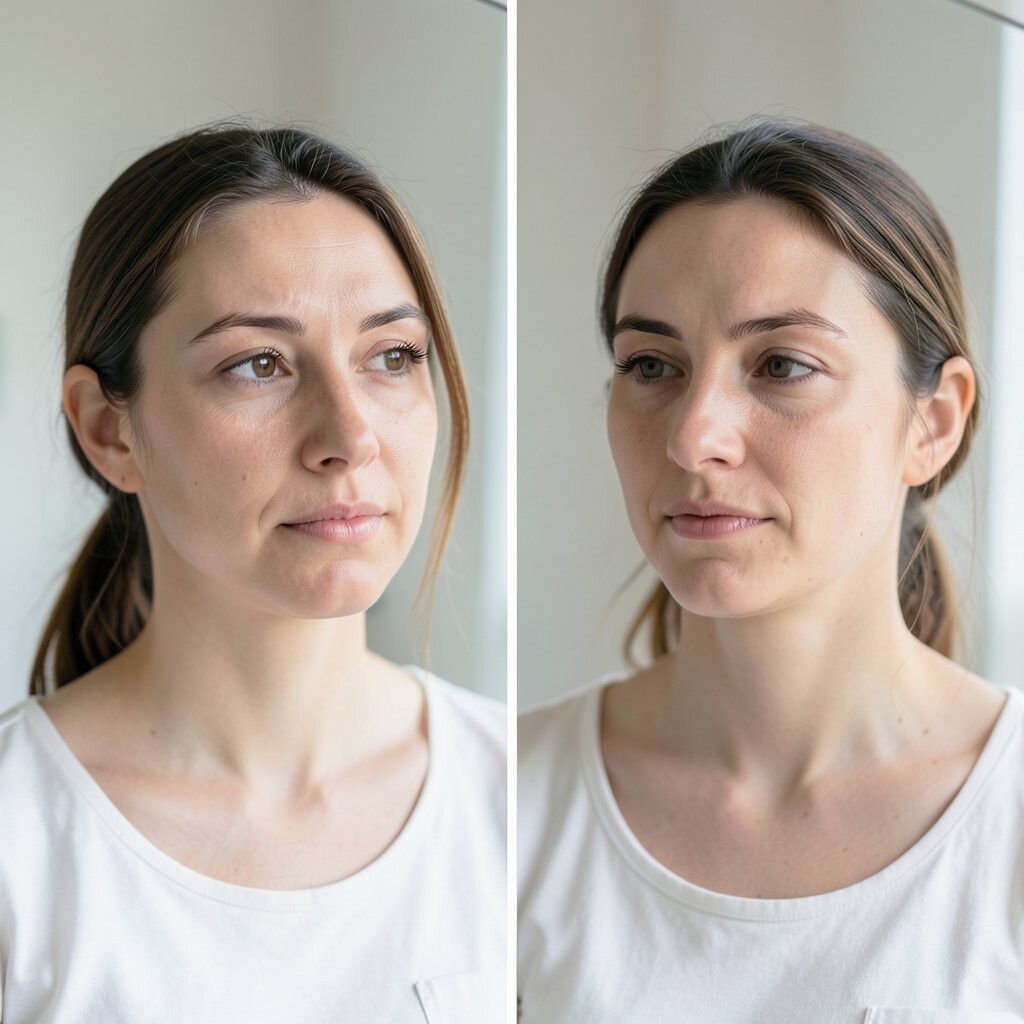
Your expression can change the entire story your reflection tells. When you compare a neutral face to a relaxed one, you learn what you actually communicate.
Start with a neutral expression for five seconds, then soften your eyes and jaw and look again. Notice how your smile line, cheek area, and brow position shift. This is unique because you’re training your mirror to show communication, not just appearance.
Try it before interviews, dates, or presentations. If the results feel surprising, experiment with one small change at a time, like relaxing your shoulders. Over a week, you may feel more confident because your face starts acting like you intend.
No extra cost is needed, but consistency matters. For a practical twist, place the mirror where you already get ready. That way, the practice happens naturally.
7. Use a Hand Mirror for Under-Eye and Jawline Details
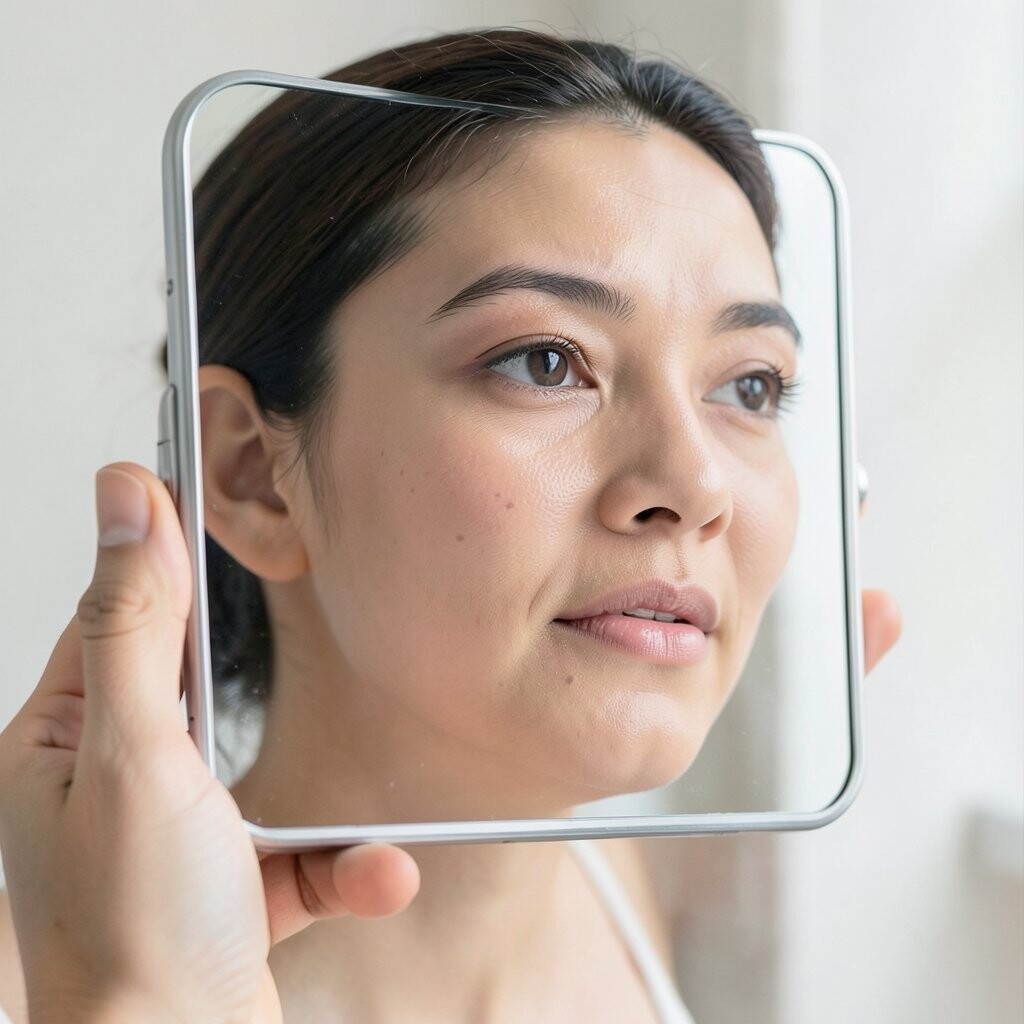
The main mirror is great for the whole face, but a hand mirror zooms into the places you often miss. You can spot dryness, shadowing, or uneven shaving lines more easily.
Hold the hand mirror at an angle to reduce glare and check under-eye area, chin, and the sides of your jaw. Move slowly so you don’t miss tiny changes. You’ll feel more precise because the focus stays where you aim it.
This idea is practical for makeup touch-ups and grooming. If you use skincare, you can also check whether a product is settling well. Keep the lighting consistent so the comparison stays fair.
8. Create a “One-Minute Outfit Reality Test”
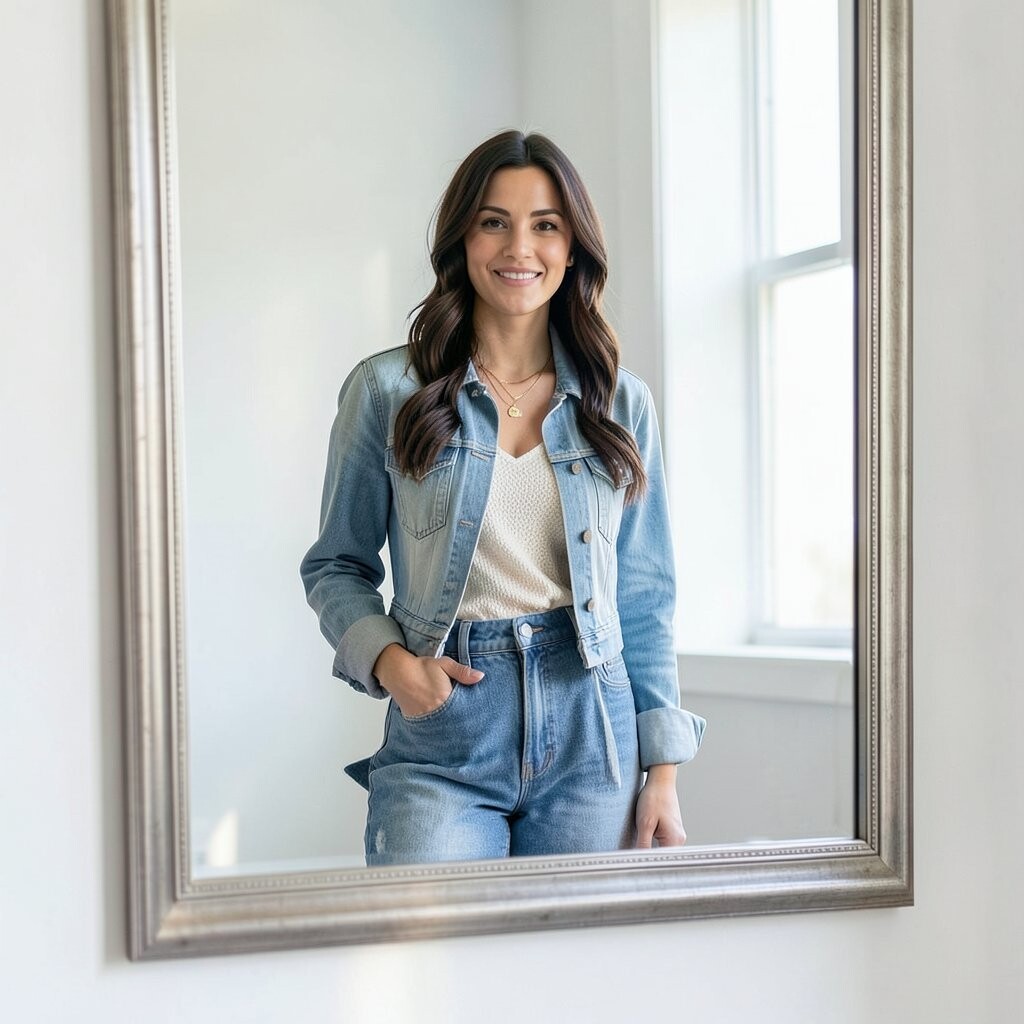
Your mirror can help you avoid outfits that look good online but off in real life. A quick check trains your eye for color, fit, and balance.
Put on the outfit, then stand in front of the mirror and check your shoulders, collar area, and how sleeves sit. Look at the full silhouette from head to toe, not just your face. If something feels off, adjust one thing at a time, like tucking a shirt or changing a belt position.
Make it unique by using one simple rule: “Fix what’s closest first.” Start with fit at the neck or waist, then move to the overall shape. You’ll spend less time overthinking and more time improving.
Cost is usually low, since you’re using the mirror you already have. If you want a trend-friendly upgrade, try pairing this test with a mirror check in natural window light. That’s how many people now judge color accuracy for clothing and makeup.
9. Practice Makeup Alignment Without Overdoing It
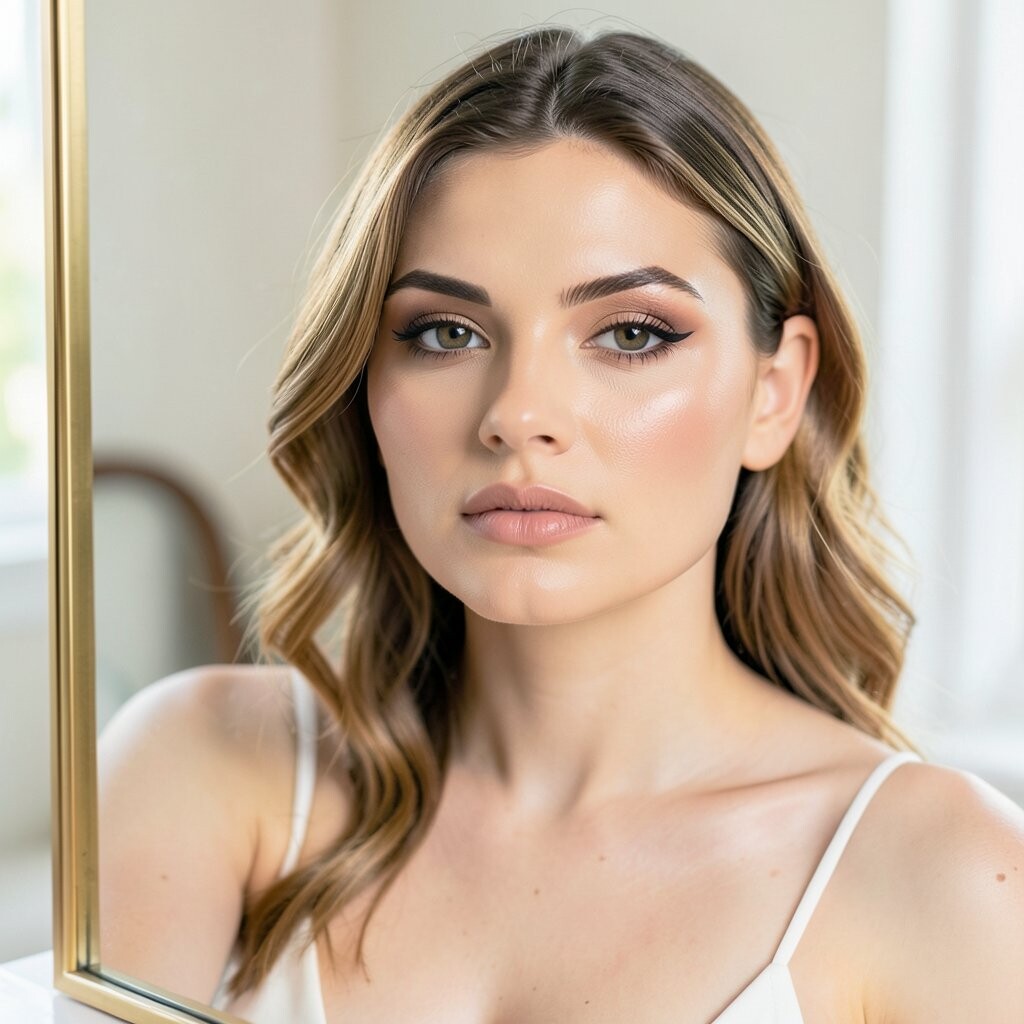
A mirror is a tool, not a judge, and it can help you place makeup where it actually works. The goal is alignment, not perfection that you can’t repeat.
Use your mirror to find your natural eyebrow start and arch, then adjust slowly. Check eyeliner thickness by comparing both eyes in the same lighting. If your makeup looks “too much” in the mirror, step back to see it in context.
This approach is unique because it focuses on symmetry and repeatability. When you can re-create the look, you’ll feel more confident. Also, you’ll waste less product because you stop correcting too late.
For personalization, match your checks to the occasion you’re dressing for. Daytime usually needs softer placement, while evening can handle bolder contrast. Keep a small makeup kit next to the mirror for quick corrections.
10. Try the “Posture Reset” in Front of the Mirror
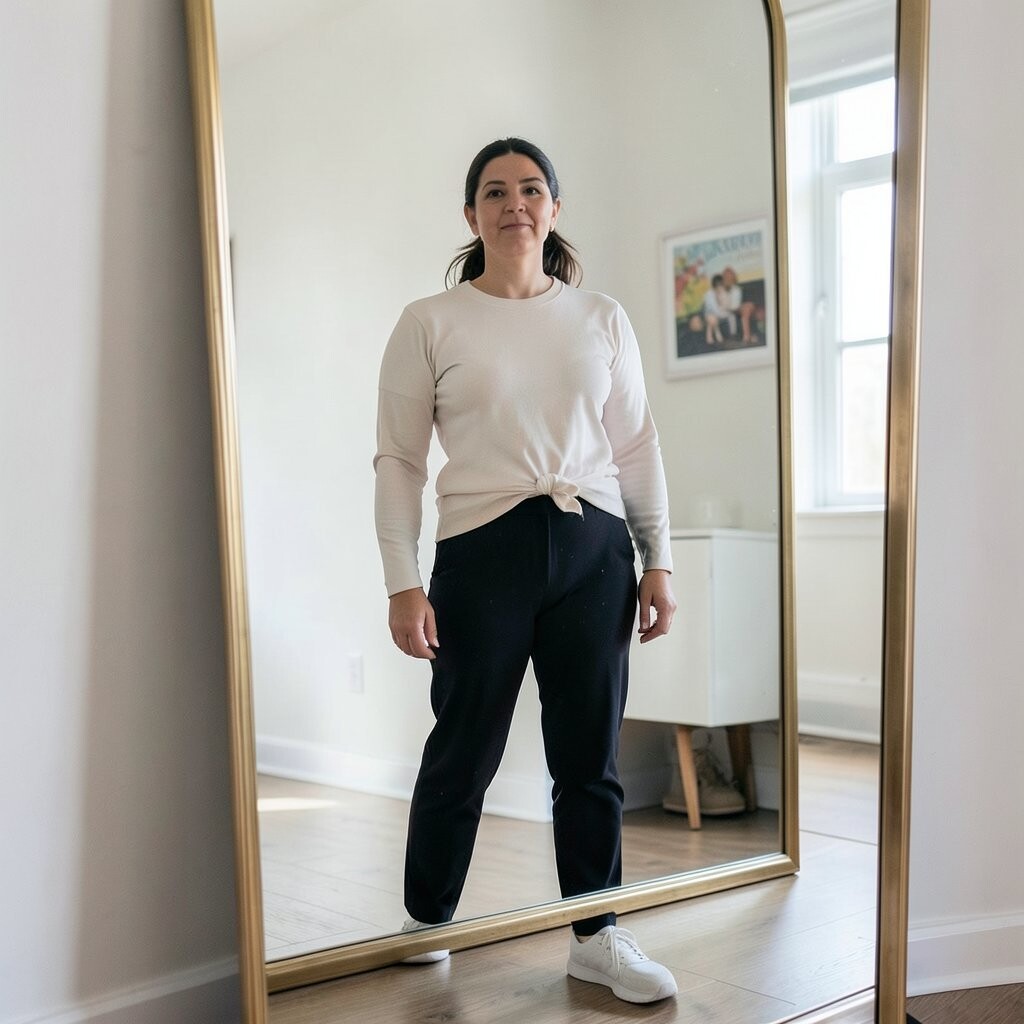
Posture affects how your face and neck appear in reflection. When you sit or stand differently, the whole look can sharpen.
Look at your shoulders and chin, then gently pull your chin slightly back, like making a “double chin” on purpose. Roll shoulders back and down, then relax your breath. Watch how your jawline and eyes change as you hold a more open position.
This is a powerful mirror reflection idea because it connects movement with appearance in real time. It can also help you feel calmer before meetings or photos. If you do this daily, tiny adjustments often add up quickly.
11. Examine Color in the Mirror Using a White Cloth
Mirror lighting can fool you about whether a color matches your skin. A white cloth helps you compare warmth and brightness more clearly.
Hold a clean white cloth near your face and look at the contrast between your skin and the fabric. If your skin looks gray or tired, the color might be fighting your natural tone. If your skin looks clearer, that’s a sign the shade is working with you.
This technique is unique because it uses a simple “reference object” instead of guesswork. It’s helpful for choosing foundation shades, lip colors, and even clothing. The best part is that it costs almost nothing.
12. Set Up a “Texture Check” for Skin and Clothing

Texture tells the truth, and your reflection can show it faster than you expect. You’ll notice flakiness, dryness, pilling, or wrinkles in seconds.
Use a light that shows texture, like a lamp that casts gentle shadows, then look at cheek area, forehead, and the collar region. If you wear fabric like knits or denim, check for fuzz or pilling along seams. When you catch it early, you can fix it before it becomes a bigger problem.
Personalize this by checking different areas at different times, like after lotion or after laundry. That helps you see what your skin and clothes do with daily routines. It can also make skincare choices feel more logical.
13. Use the Mirror to Train Confidence, Not Judgment

Your brain often reads mirrors as “scores” instead of “information.” Changing that mindset can make reflection feel safer and kinder.
Pick one feature you like, then notice it with detail, such as the way your smile lifts your cheeks or how your hair frames your face. Next, choose one gentle improvement that would make you feel more comfortable. Keep it small enough that you can actually do it.
This idea is unique because it turns observation into supportive coaching. You’re still seeing clearly, but you’re not punishing yourself for being human. Over time, that balance can improve both how you look and how you feel.
14. Follow a Trend: Mirror “Checkpoints” for Daily Routines
People are using mirrors like mini checkpoints, not one-time final stops. This trend makes daily prep more efficient and less stressful.
Choose two or three moments, like after skincare, after hair styling, and before leaving the house. In each checkpoint, check only one thing, such as even moisturizer coverage or hair part placement. That focus reduces the urge to keep correcting.
If you like organization, set a small schedule and stick to it for a week. You’ll notice patterns, like what goes wrong on rushed mornings. The cost is basically zero, but the payoff is more control over your look.
15. Track Changes with Photos, But Keep It Honest
Even though mirrors show you in real time, photos can reveal patterns you miss. When used responsibly, they help you compare routines and improvements fairly.
Take a photo in the same lighting as your mirror check, then compare over several days instead of obsessing over one image. Look for consistent improvements, like steadier brow shape, smoother skin texture, or better outfit fit. The uniqueness here is the time window, which helps you see trends rather than temporary mood.
Cost is minimal if you already have a phone, but it helps to use a simple routine. Try labeling photos with the day and what you changed, like a new moisturizer or hairstyle. Keep the goal practical: clearer choices, not perfect appearance.