
Your patio can feel like a whole new room with the right plants. A few green choices can make mornings calmer and evenings cozier.
1. Lavender

Lavender forms neat gray-green mounds and sends up purple spikes that look both simple and elegant. Its soft fragrance can make your outdoor space feel instantly welcoming.
Plant it in a sunny spot where the soil drains well, because lavender hates soggy roots. Space plants about 12 to 18 inches apart so air can move freely. For a casual look, mix it with low herbs like thyme in the same raised bed or planter.
2. Rosemary

Rosemary is a hardy evergreen with needle-like leaves and woody stems that stay attractive year-round. When it flowers, you’ll get small pale blue blooms that bring extra charm.
Choose a large pot or well-prepped garden bed with fast drainage, then water deeply but not often. As a practical benefit, its scent can make the whole patio feel fresher. For unique styling, let a tall rosemary plant act like a living “centerpiece” in a wide ceramic container.
If you’re budgeting, start with one mature plant and prune lightly to keep it bushy. In colder regions, protect containers by wrapping the pot or moving it under cover during hard freezes. A trend right now is using edible landscaping, so rosemary pairs beautifully with patio herbs used for cooking.
3. Hydrangea

Hydrangeas bring big, showy blooms that can turn a plain patio corner into a colorful show. You can enjoy round clusters that look stunning from across the yard.
They do best with morning sun and afternoon shade, plus consistent moisture without waterlogging. This plant’s main perk is its long bloom season, which helps your patio stay lively. For personalization, you can aim for different flower colors by adjusting soil acidity when planted in the ground.
Use a large container if you want flexibility, and pick a pot with drainage holes. Add mulch to help the roots stay cool in summer and to reduce how often you water. If you live where winters are mild, pruning can be light, but in colder areas you may want to protect buds for next year.
A current favorite look is pairing hydrangeas with grasses or flowering annuals, so they feel lush rather than crowded. Cost can vary, but starting with one well-sized plant is often better than buying many small ones.
4. Sweet Potato Vine

Sweet potato vine grows fast and spills over the edges with trailing stems and glossy leaves. Some varieties even have purple tones that look bold against patio stones.
It loves full sun and warm weather, so it’s great for brightening spring and summer patios. Use it in hanging baskets or tall planters to create a natural “waterfall” effect. To keep it tidy, pinch back long shoots and fill in gaps by replanting cuttings.
5. Boxwood

Boxwood offers dense, evergreen foliage that stays neat and polished through the seasons. Its classic look makes patios feel designed rather than accidental.
You’ll get the best shape with bright light and regular watering, especially for new plants. For uniqueness, choose a topiary form or prune your own round shape for a tailored vibe. Plant boxwood where you can see it often, because its texture stands out most up close.
When thinking about cost, buying one medium plant is usually easier than maintaining many small ones. Plan on occasional pruning to keep it from getting too wide. A trendy approach is using boxwood in modern patio containers with clean lines and minimal décor.
6. Colorful Marigolds

Marigolds are sunny and cheerful, with ruffled blooms that seem to glow even on cloudy days. Their warm gold and orange shades make outdoor seating areas feel energetic.
They’re easy to grow and often handle hot weather well, which is a big practical win for patios. Plant them in groups for the strongest visual impact and consider mixing heights for a layered look. For personalization, pick a mix of varieties that range from compact mounds to taller blooms.
To keep costs low, start with seedlings and refresh beds every season if needed. Marigolds also attract helpful activity in the garden, and many gardeners like them near vegetable planters. A current trend is using marigolds as “edible décor” by pairing them with herbs and letting the flowers and kitchen garden look like one space.
7. Geraniums

Geraniums bring bright flowers and tidy foliage, which makes them perfect for container gardening. You can find them in reds, pinks, and soft whites that look great next to outdoor furniture.
They enjoy full sun for the best blooms, and a regular watering routine helps them stay strong. The benefit is reliable flowering that can last for months when you care for them well. For a unique touch, try trailing types in window-style planters and upright types in matching pots.
Keep deadheading in mind if you want a continuous display, and check soil moisture before watering. On a budget, buying a few established pots in spring can give you an instant patio upgrade. Many people today are going for “symmetry” on patios, placing matching geranium containers on both sides of a door or walkway.
8. Ornamental Grass

Ornamental grasses move gently in the breeze and add a relaxing, natural texture. Their feathery plumes and tall blades look modern and airy.
Choose a grass that fits your light conditions, then plant in soil that drains well. A key benefit is that many grasses need less frequent watering once established. To make it feel special, pair one tall grass with a shorter flowering plant in the same pot or grouping.
In containers, make sure the pot is large enough so roots have room to spread. For personalization, select colors like blue-green, gold, or deep green to match your patio design. In colder climates, you can leave some grass up through winter for structure, then cut it back in spring.
Grasses are also great for trend-forward design because they look intentional in minimalist planters. Cost is usually reasonable, and a single clump can fill a space faster than many small annuals.
9. Fuchsia
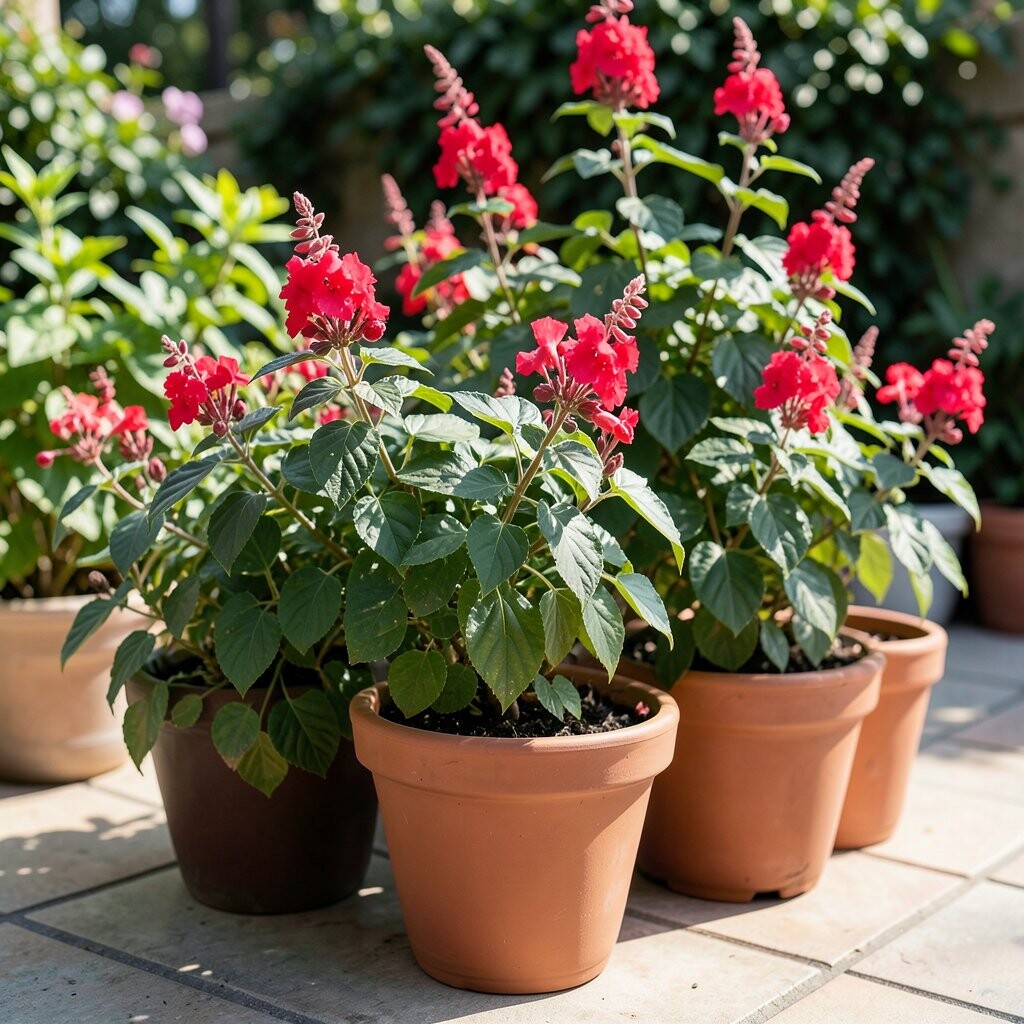
Fuchsia has dramatic, dangling blooms that look like little lanterns hanging in the air. The colors—often pink, purple, and red—create a striking focal point.
It thrives in bright shade or partial sun with steady moisture, which makes it ideal for patios that don’t get intense afternoon heat. This plant’s unique appeal is its hanging flower shape, which adds motion and softness. For practical tips, use a rich potting mix and keep an eye on watering during hot spells.
If you want a cost-friendly option, grow fuchsia from cuttings if you have a friend who already has one. A beautiful personalization idea is to place it on a porch step where the blooms are at eye level. Many gardeners love fuchsia because it brings a “secret garden” feel without requiring complicated care.
In terms of current style, fuchsia is often used in vertical layering with stands, hanging baskets, and tiered planters. This lets one plant brighten a whole wall or corner without taking up floor space.
10. Baby’s Breath (Gypsophila)
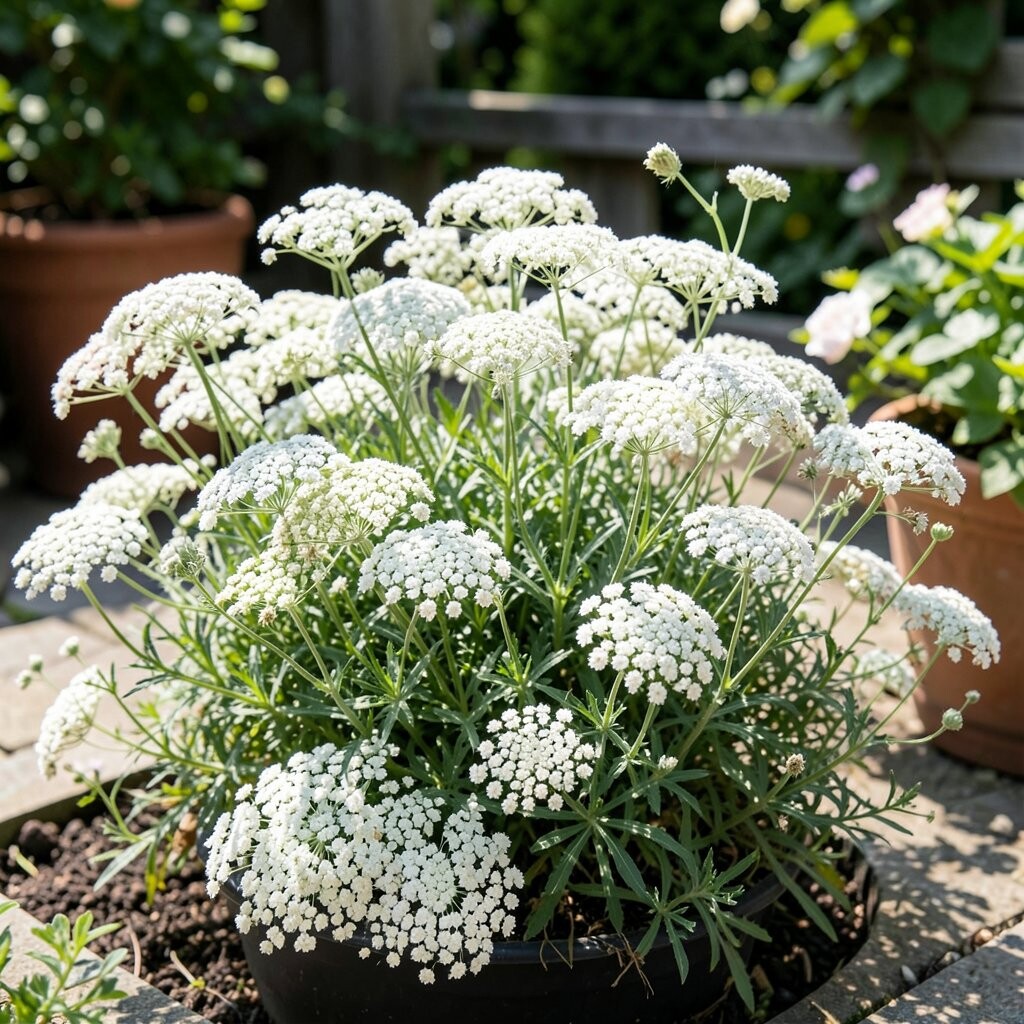
Baby’s breath creates airy, cloud-like sprays of tiny white or pale pink flowers. It makes even simple planters look romantic and light.
It prefers full sun and well-drained soil, so it’s a great match for bright patios. The benefit is that it looks abundant without needing heavy foliage, which helps small spaces feel less crowded. For uniqueness, use it as the “spiller” next to taller plants or combine it with darker flowers for contrast.
To keep care easy, water at the base and avoid overwatering, since soggy soil can harm roots. If you’re budget-conscious, you can start with several smaller plants for fuller coverage over time. A trend you may notice is using airy flowers like this to soften modern planters and make patios look styled.
11. Peace Lily (for Patio Shade)

A peace lily has glossy leaves and elegant white blooms that look calm and graceful. It can be a smart choice for covered patios where light is bright but not direct.
This plant’s practical benefit is forgiving care, especially if you tend to forget watering now and then. Keep soil lightly moist and remove any yellow leaves to keep it looking fresh. For personalization, pair it with other shade plants like ferns to create a layered, lush corner.
When choosing a container, go for one with drainage and a saucer, so you can manage water easily. Over time, you may want to repot if the roots crowd the pot, which also helps refresh nutrients. It’s common to see peace lilies used in contemporary indoor-outdoor styling, especially on patios with covered ceilings.
Costs are often moderate, but you can stretch your budget by dividing an established plant if you have space for a larger container. Just be mindful that peace lilies prefer stable conditions, so avoid constant moving in harsh weather.
12. Aloe Vera

Aloe vera brings bold, sculptural leaves that look great in modern pots. Even without flowers, its thick texture feels graphic and clean.
It’s a sun-loving succulent, so it works well for warm, bright patios with good drainage. The benefit is low maintenance, since established plants need less frequent watering. For a unique look, plant it with small gravel top dressing and let the container style set the mood.
To keep it healthy, water deeply only when the soil is dry, and use a cactus or succulent mix. If you’re starting small, one aloe plant can live for years, making the long-term cost feel worthwhile. A trend in outdoor planters is “desert chic,” where aloe and other succulents create a minimal, calming theme.
13. Trumpet Vine (for a Statement Climber)

Trumpet vine grows quickly and produces vivid orange-red trumpet-shaped flowers. It creates a dramatic vertical effect over trellises, railings, or tall posts.
It thrives in full sun to partial sun and can handle heat better than many flowering vines. The main benefit is a long-lasting display that draws attention and can bring in pollinators. For practical tips, plant it near a strong support and give it room to expand responsibly.
Because it can be vigorous, plan for containment by pruning regularly and training new shoots. To personalize, pair it with a darker backdrop like a painted fence or choose a trellis design that matches your patio style. Costs can be higher for established plants, but the speed of growth helps you get results quickly.
A current trend is using vertical gardening, and trumpet vine fits that idea perfectly. If you want lower maintenance, consider starting with a smaller vine and building structure before going all-in.
14. Dwarf Citrus Tree (Lemon or Calamondin)

A dwarf citrus tree gives you glossy leaves and seasonal blossoms that smell amazing. When fruits appear, the patio looks both fresh and productive.
It needs a lot of sun and consistent watering, especially while it’s flowering and fruiting. The unique perk is that it’s both ornamental and edible, so you get beauty plus a reward. For practical tips, use a large pot, rotate it every couple of weeks, and protect it from harsh frost.
15. Cape Marigold (Osteospermum)

Cape marigold has daisy-like flowers with cheerful centers, often in bright purples, pinks, and whites. It’s a great choice when you want color that looks crisp and fresh.
This plant likes full sun and well-drained soil, and it often blooms from spring through fall. A practical benefit is that it generally stays compact and tidy in containers. For uniqueness, try a mix of colors in one planter to create a “patchwork” look that feels playful.
To keep costs reasonable, you can start with a few plants and fill the planter, then top up with fresh growth in later seasons. Deadheading can extend bloom time, but even without it, many plants keep flowering. A trend right now is using colorful, daisy-style blooms as stand-ins for more traditional annuals, especially in patio containers.
16. Begonia (Shade-Friendly)

Begonias can brighten shaded patios with blooms and leaves that look almost painted. Wax begonias have shiny foliage, while tuberous types can be dramatic with larger flowers.
They grow best in bright shade or gentle morning sun, with watering that keeps the soil lightly moist. The benefit is that you can still get color even when the sun is limited. For personalization, choose varieties with patterned leaves and plant them as a “thick carpet” in wide planters.
Use a potting mix that drains well and avoid letting begonias sit in water. If you’re budgeting, begonia starts are often more affordable than large perennials, and they can be replaced seasonally if needed. Today’s style often favors lush, textured foliage, so begonias fit nicely with modern planters and simple patio décor.
17. California Poppy
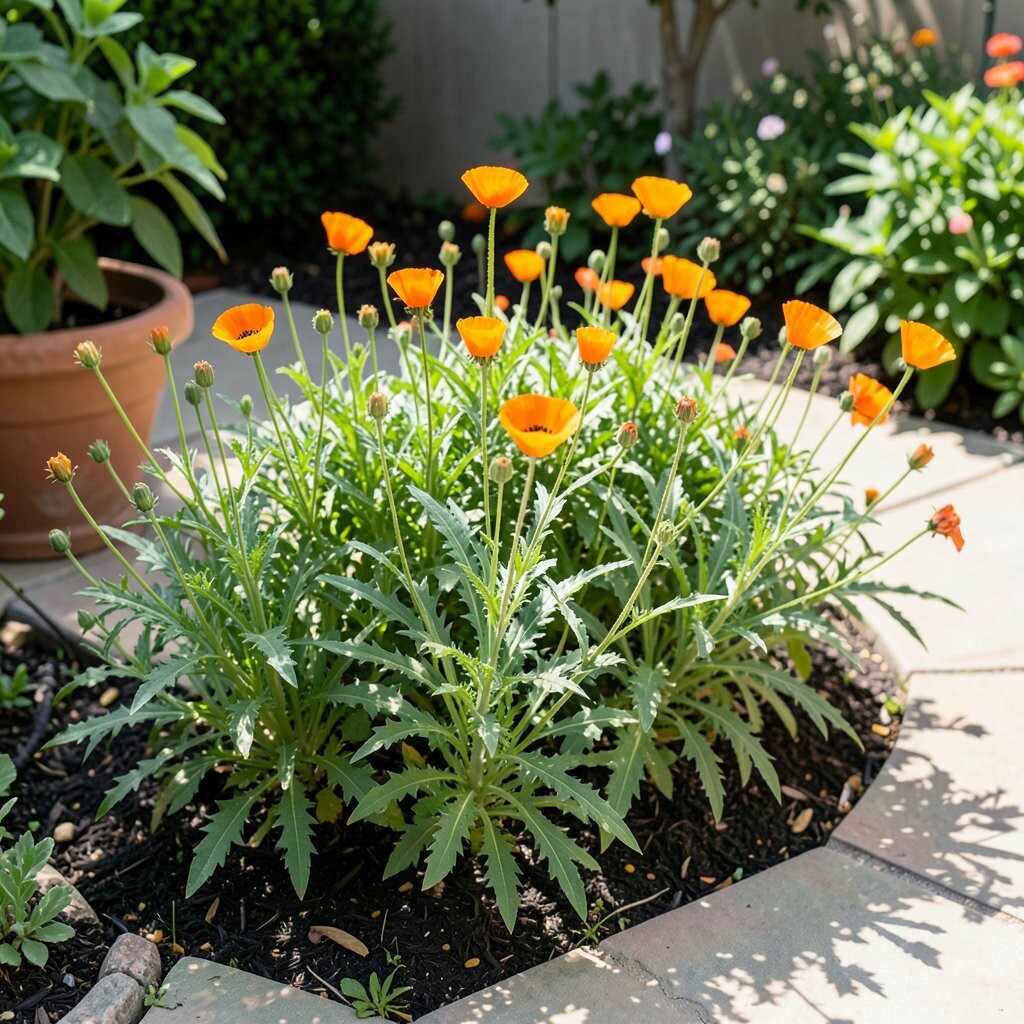
California poppies bring delicate, papery blooms in shades of orange, yellow, and soft white. Their light, summery look makes patios feel open and airy.
They prefer full sun and dry-friendly conditions, which is great if your patio gets hot and you want less watering. The unique benefit is that they can create a meadow-like effect in a container or small bed. For practical tips, sow seeds thinly and avoid disturbing the roots after they start growing.
Cost-wise, seeds are usually cheaper than buying full plants, and you can fill larger areas without breaking the budget. If you want a more tailored look, plant them with a structured filler like ornamental grass or compact herbs. A current trend is “native-inspired” patio planting, and California poppies are a classic option for that style.
Keep an eye on watering while seeds are establishing, then gradually reduce as the plants mature. With good sunlight, they can become one of the easiest patio bloomers you’ll grow.
18. Zinnia

Zinnias produce bright, bold flowers that stand up tall and bring instant color to patio planters. They come in many shapes, from simple daisies to fuller, layered blooms.
They love full sun and regular watering at the base, and they tend to reward you with nonstop color. The practical benefit is that zinnias attract pollinators, which makes your patio feel more alive. For personalization, pick a color theme—like warm oranges and reds—or mix them for a lively “festival” vibe.
If you want to manage cost, start with a small number of seedlings and stagger planting dates for longer-lasting color. Deadheading can extend bloom time, but even without it, many plants keep producing. Today’s trend is toward high-impact flowers in modern containers, and zinnias look great in everything from terracotta to sleek matte pots.