
Kitchen greenery can make everyday cooking feel calmer and brighter. With a few easy habits, your plants can look great and grow happily for months.
1. Start With Light You Can Actually Measure
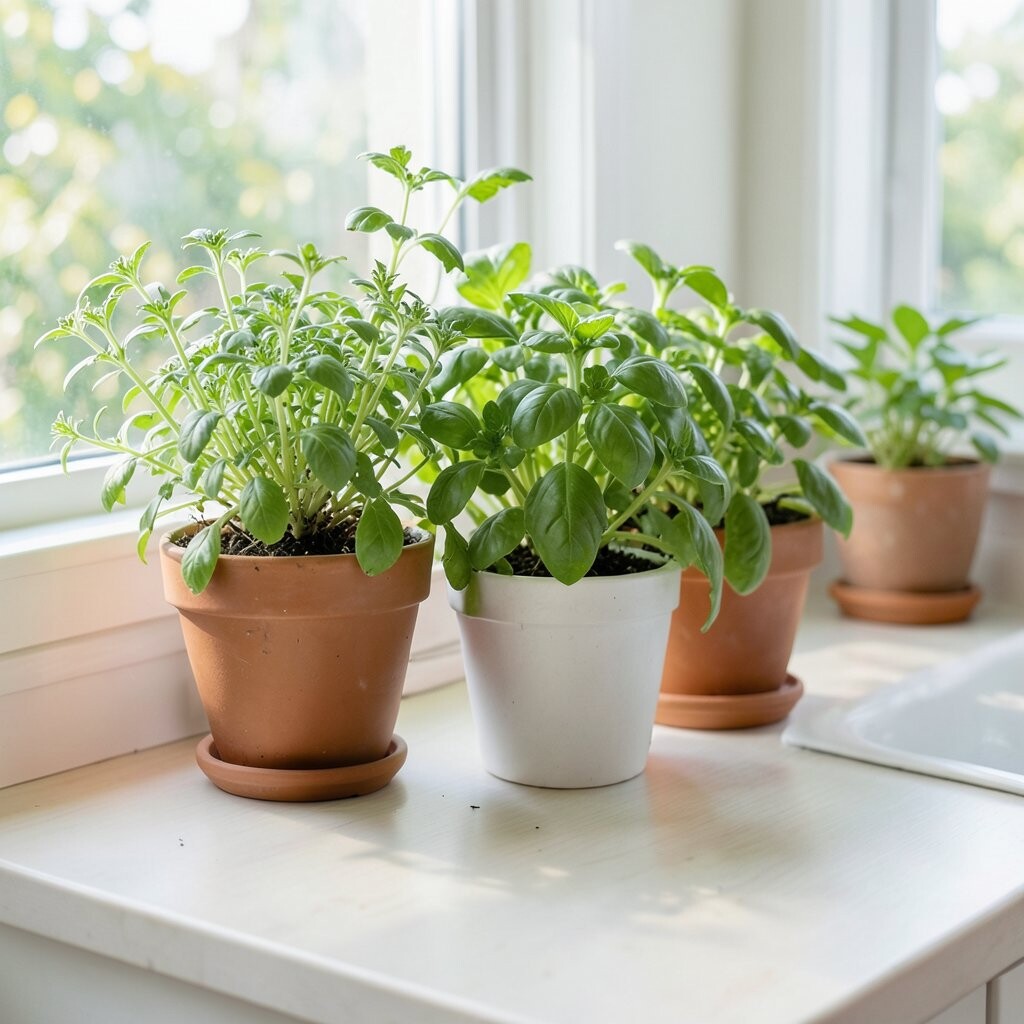
Most kitchen plants live or struggle based on light, even when they look fine at first. Take a moment to notice where sun hits your counters, shelves, or windows.
Choose spots near a window for strongest growth, but avoid harsh afternoon rays that scorch tender leaves. If you keep your plants on a shelf, rotate them every week so they grow evenly. A clear sign you need more light is slow growth plus stretched stems that lean toward the light.
2. Use a Simple Potting Mix That Drains Well

Pretty pots are fun, but drainage is what keeps roots healthy. Many kitchen plants fail because they sit in water after a quick watering.
Pick a mix made for indoor plants that includes materials like perlite or bark to help air reach the roots. Use pots with drainage holes and never let water pool in the saucer for long. If you want to personalize, match the pot color to your kitchen style while keeping the same drainage rules.
For cost control, start with one quality bag of potting mix and reuse it for similar plants. A trend right now is “airy” mixes that feel light and fluffy, which helps beginner gardeners see results faster. When in doubt, repot only when roots outgrow the container, not just because you want a new look.
3. Water Using a Feel Test, Not a Strict Schedule

Instead of watering on a timer, check the soil first. Your kitchen plants can need different amounts depending on heat, humidity, and season.
Stick a finger about an inch into the potting mix; if it feels dry at that depth, it’s time to water. When you water, soak thoroughly until a little drains out, then empty any extra in the saucer. This method prevents the common problem of dry surface with soggy roots underneath.
Some plants like herbs may need more frequent small drinks, while others prefer to dry slightly between waterings. Add a small tray under the pot if you have a delicate countertop so accidental drips don’t cause stains. If you travel or forget days, the feel test still works when your routine gets busy.
To keep spending low, reuse the same watering can and focus on consistent soil checks rather than buying gadgets. Many indoor plant growers now use simple moisture meters, but you can skip them and still succeed. The best plan is the one you’ll actually repeat.
4. Wipe Leaves to Keep Them Looking Fresh

Kitchen greenery collects dust, splashes, and tiny grease particles from cooking. That buildup can dull leaves and make it harder for plants to breathe.
Use a soft damp cloth to gently wipe larger leaves, and for small plants, use a clean misting spray when the air is dry. Avoid soaking the plant, especially on dark days when water takes longer to dry. You’ll notice benefits fast because leaves look brighter and plants often perk up after a gentle clean.
5. Feed Lightly With a Beginner-Friendly Fertilizer

Plants need nutrients, but kitchen plants don’t need heavy feeding all year. Think of fertilizer like a gentle vitamin boost rather than a full meal.
During active growth in spring and summer, use a balanced, indoor plant fertilizer at half strength. Follow the label, but don’t feed on a strict calendar if the soil stays consistently moist. If your plant has slowed down due to lower winter light, pause feeding and focus on proper watering instead.
This is unique to kitchen spaces because temperatures can swing near ovens, stovetops, and vents. Keep fertilizer off leaf tips to reduce residue, and water after fertilizing if the soil feels dry. Many gardeners choose liquid fertilizer because it’s easy to mix and quick to apply without repotting.
6. Choose Plants That Match Your Kitchen Vibe
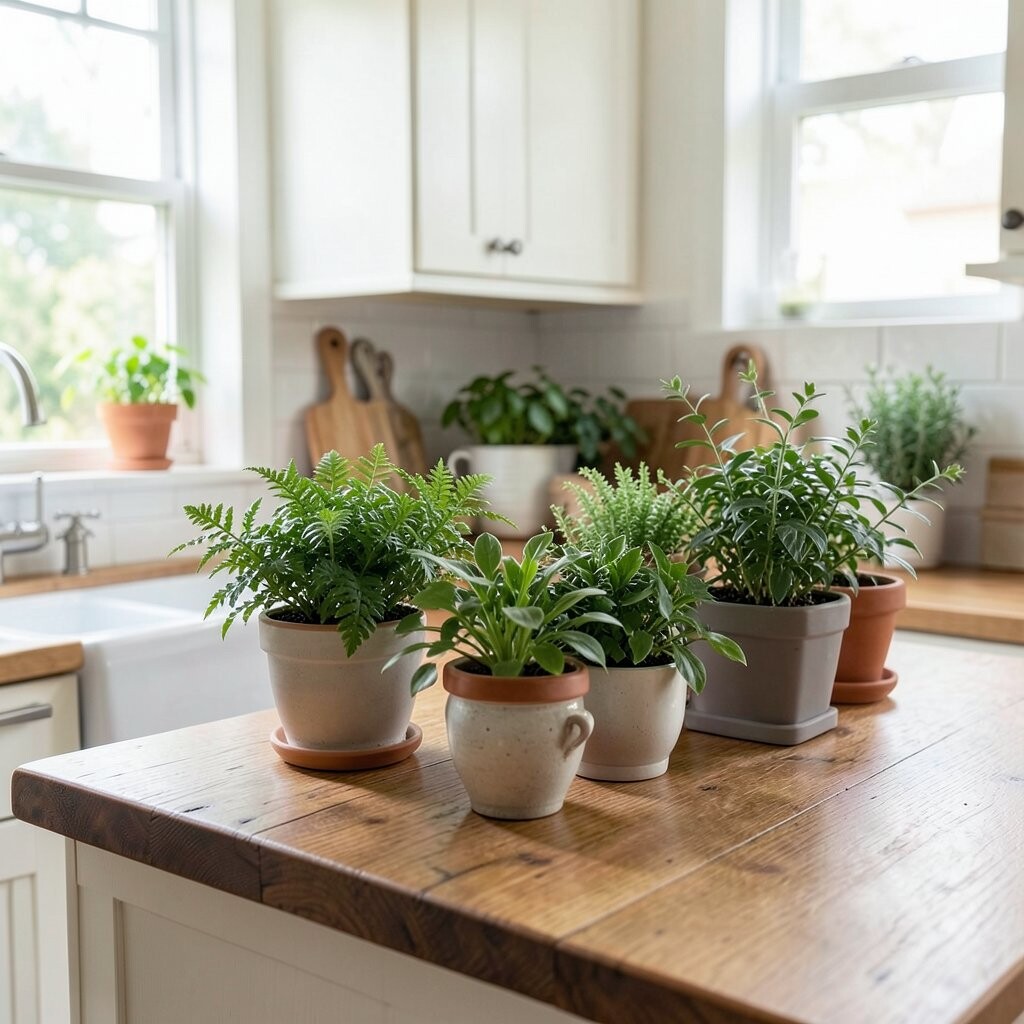
Some greenery thrives on windowsills, while other types handle average indoor light better. Start by matching plant needs to your everyday life.
Herbs like basil, mint, and chives are practical and smell amazing when you cook, which makes them feel special in the kitchen. If you want low-maintenance beauty, consider pothos, philodendron, or a hardy ZZ plant that tolerates occasional forgetting. For a cozy trend, many people are adding compact trailing plants that look great on hanging shelves and can soften hard lines.
When personalizing, think about what you actually use. If you cook pasta often, keep a small basil or parsley pot close to the stove area, not too far from a window. If you’re more into visual greenery, choose plants with interesting leaf shapes so your kitchen always feels alive.
7. Keep Humidity Comfortable Without Overdoing It
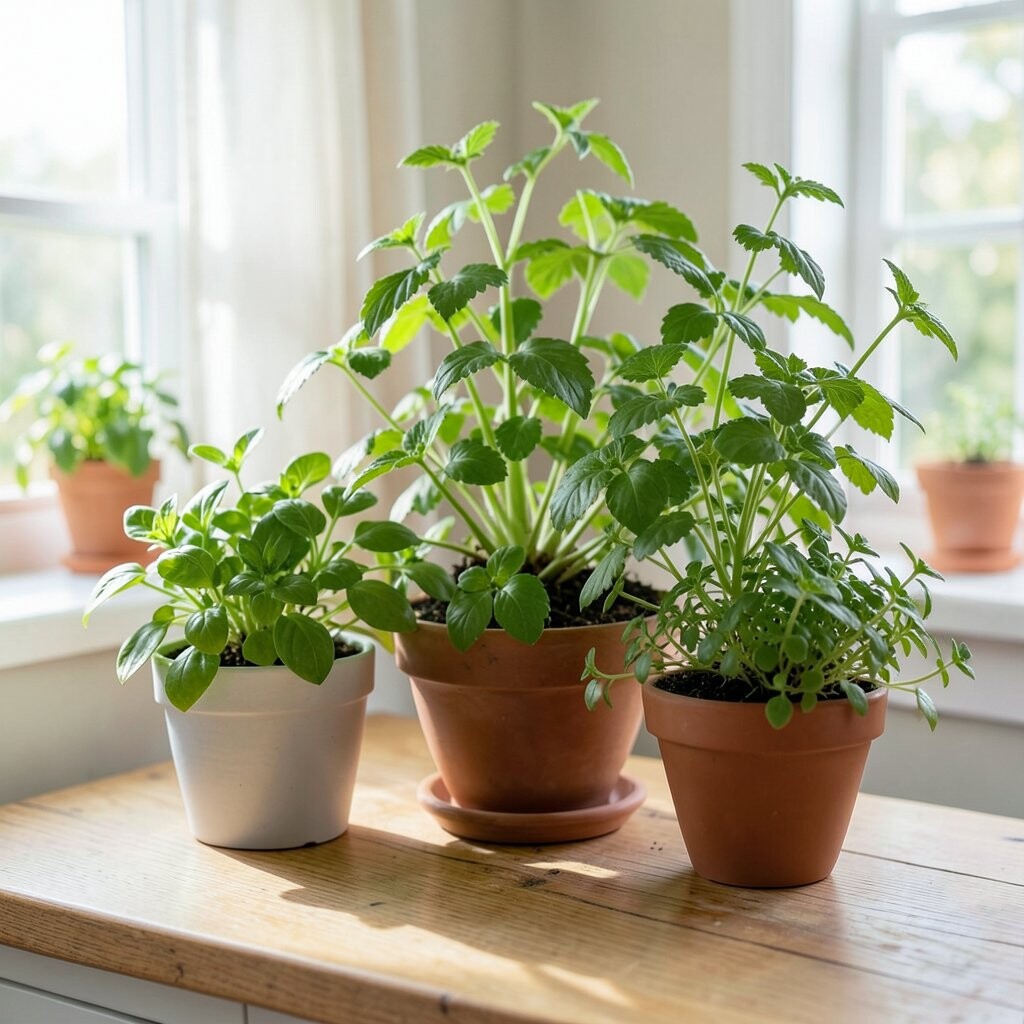
Kitchens can be humid during cooking, then dry afterward when the air runs. Many common houseplants like steady, comfortable humidity rather than big swings.
Set plants near bathrooms or away from direct drafts, but you can still keep them in the kitchen if you monitor dryness. If your home is dry, use a small humidifier nearby or place plants on a pebble tray with water that doesn’t touch the pot bottom. This helps leaves stay flexible and reduces crispy edges.
Be careful around fans and strong heating vents because airflow can dry leaf tips fast. A simple personalization idea is grouping plants together, since they create a more humid microclimate when they’re close. For cost considerations, a pebble tray is usually cheaper than a humidifier and can be a great first step.
Watch for signs: yellowing leaves can mean too much water, while brown tips often suggest low humidity. If you adjust one factor at a time, you’ll learn what your space needs. That makes caring feel easier and less guessy.
8. Rotate and Reposition for Balanced Growth

Plants often lean toward the light, especially when they stay still for weeks. Small changes in position help them grow fuller and look more balanced.
Turn your plant about a quarter turn every week, or every two weeks if growth is slow. If you notice a plant reaching toward a window, move it slightly closer rather than trying to “fix” stretching by watering more. This keeps leaves arranged naturally and can reduce uneven growth patterns that look messy.
9. Prune and Pinch to Encourage Full, Bushy Leaves
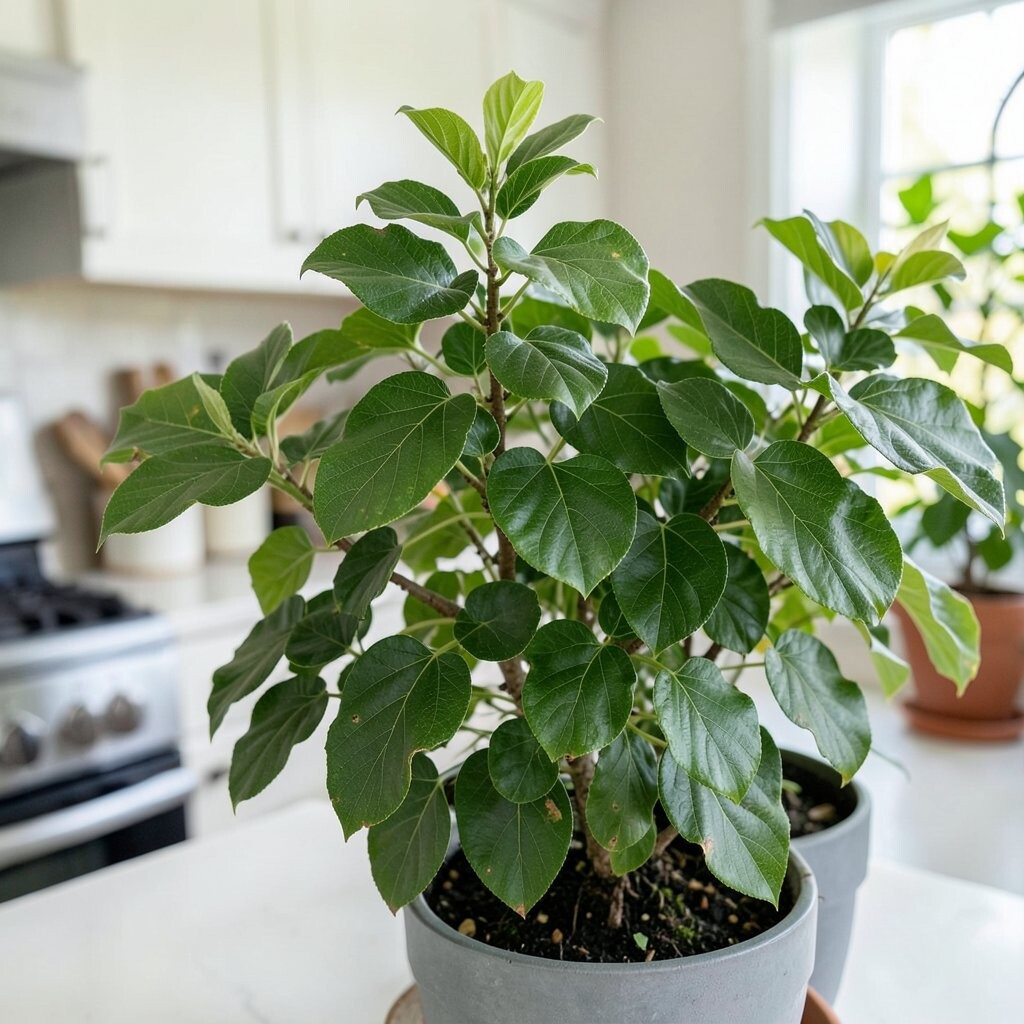
Pruning sounds fancy, but it’s one of the easiest ways to keep kitchen plants attractive. Trimming helps plants send energy to new shoots instead of long, straggly stems.
For herbs, pinch off the top growth so they branch and stay compact. With trailing plants, cut back leggy sections and keep the healthiest pieces for propagation later. You’ll get a visual benefit too, since fuller plants look more lush on shelves and countertops.
Make cuts just above a leaf node for best regrowth. Keep a small pair of scissors or clean snips near your gardening supplies so it’s easy to act quickly. Personalize your shape by deciding how tall you want the plant to be, then prune to maintain that height.
This tip is unique because kitchen greenery is often within reach, so you can harvest and prune more regularly than outdoor plants. It’s also cost-friendly, since harvesting basil or snipping a few leaves means you spend less on store-bought herbs. If you’re on a budget, start with one thriving plant and prune it into a neat “garden look.”
10. Try Propagation for Free Plants

Propagation lets you make new plants from cuttings, which feels like a small win every time it works. It’s also a fun way to expand your kitchen greenery without buying more.
For many herbs and trailing houseplants, snip a healthy stem and place it in water or directly in moist soil. Change water every few days if you use water, and keep the cutting in bright, indirect light. When you see roots, pot it up and care for it like the parent plant.
If you want a personalization twist, create a “kitchen plant corner” by propagating cuttings from the same style of plant so everything matches. Cost-wise, this approach can turn one plant into several over time, lowering your overall spending. A current trend is gifting rooted cuttings, and it’s a great way to share greenery with friends.
11. Watch for Common Kitchen Pests Early
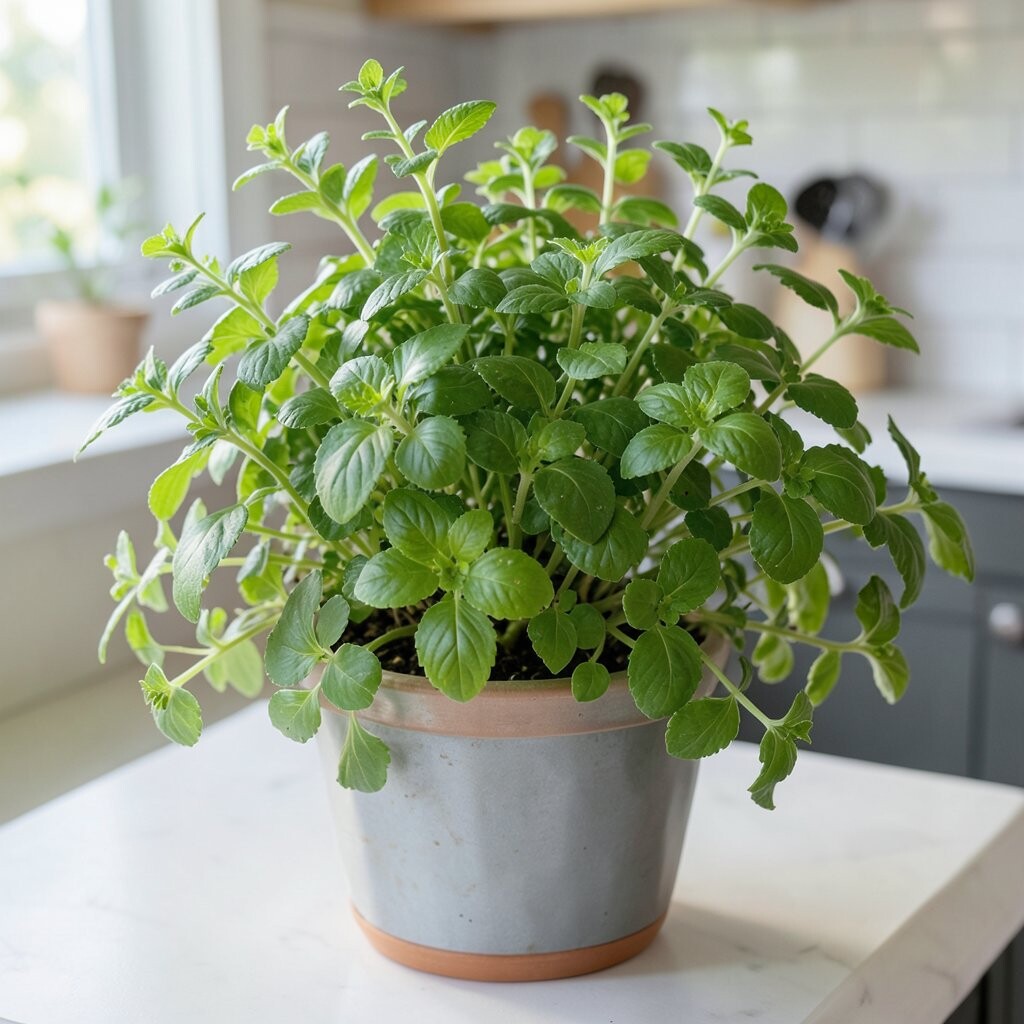
Even indoor plants can attract tiny pests, especially near windows. Catching problems early is much easier than trying to fix a bigger infestation later.
Look for signs like sticky residue, tiny webs, or leaves that look dusty and speckled. If you see issues, rinse the plant gently in the sink, then wipe leaves clean. For prevention, inspect plants weekly, since many pest problems start slowly.
Kitchen greenery can be unique because you might already be using natural cleaning habits in the area. Try using mild, plant-safe soap solutions only if needed and follow label directions carefully. If your household has pets, be extra cautious with treatments and choose safer options.
12. Use the Right Water Temperature
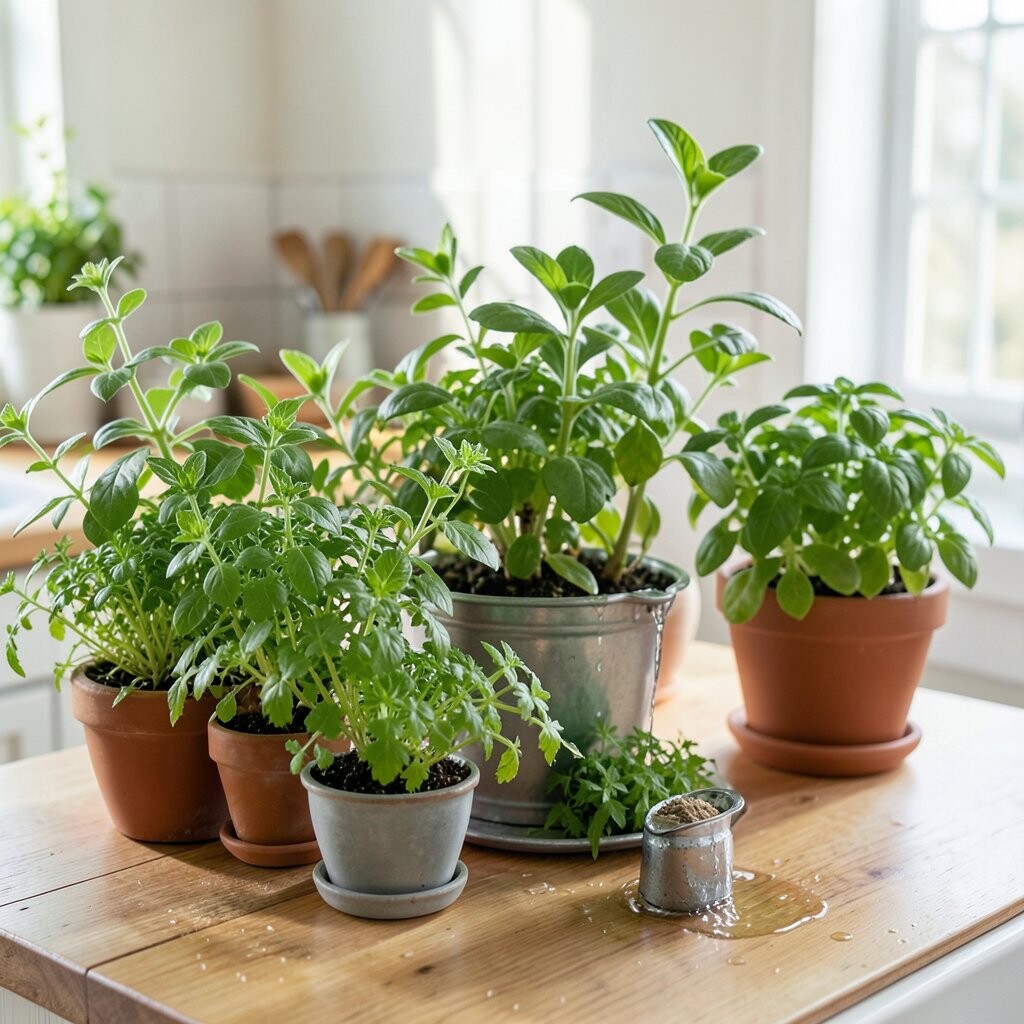
Cold water straight from the tap can shock some plants, especially in cooler months. Warming it slightly can make watering feel smoother and gentler.
Let water sit for a little while so it’s closer to room temperature before you pour. This small adjustment can help leaves stay healthier and reduces sudden stress after watering. It’s a simple habit that doesn’t cost anything and can improve results if your plants seem cranky.
13. Keep Plants Away From Heat and Smoke

Stovetops, toaster ovens, and grills create warm air that can dry leaves quickly. Smoke and cooking oils can also settle on greenery and affect leaf health.
Place plants far enough from heat sources that steam and splatters won’t hit them often. If you notice leaf edges getting crispy near the stove, move the plant toward a safer spot. This is especially important for herbs you want to keep vigorous and fresh for cooking.
For personalization, use attractive trays or plant stands so you can create a “safe cooking zone” separation. Cost-wise, rearranging a shelf is cheaper than replacing damaged plants. You can also choose plants with thicker leaves closer to bright areas, since they tend to handle indoor conditions better.
Recent home styling trends favor “green counter accents,” but they still work best when plants are kept away from direct cooking heat. A well-placed plant looks intentional instead of accidental.
14. Repot Only When Roots Need More Room
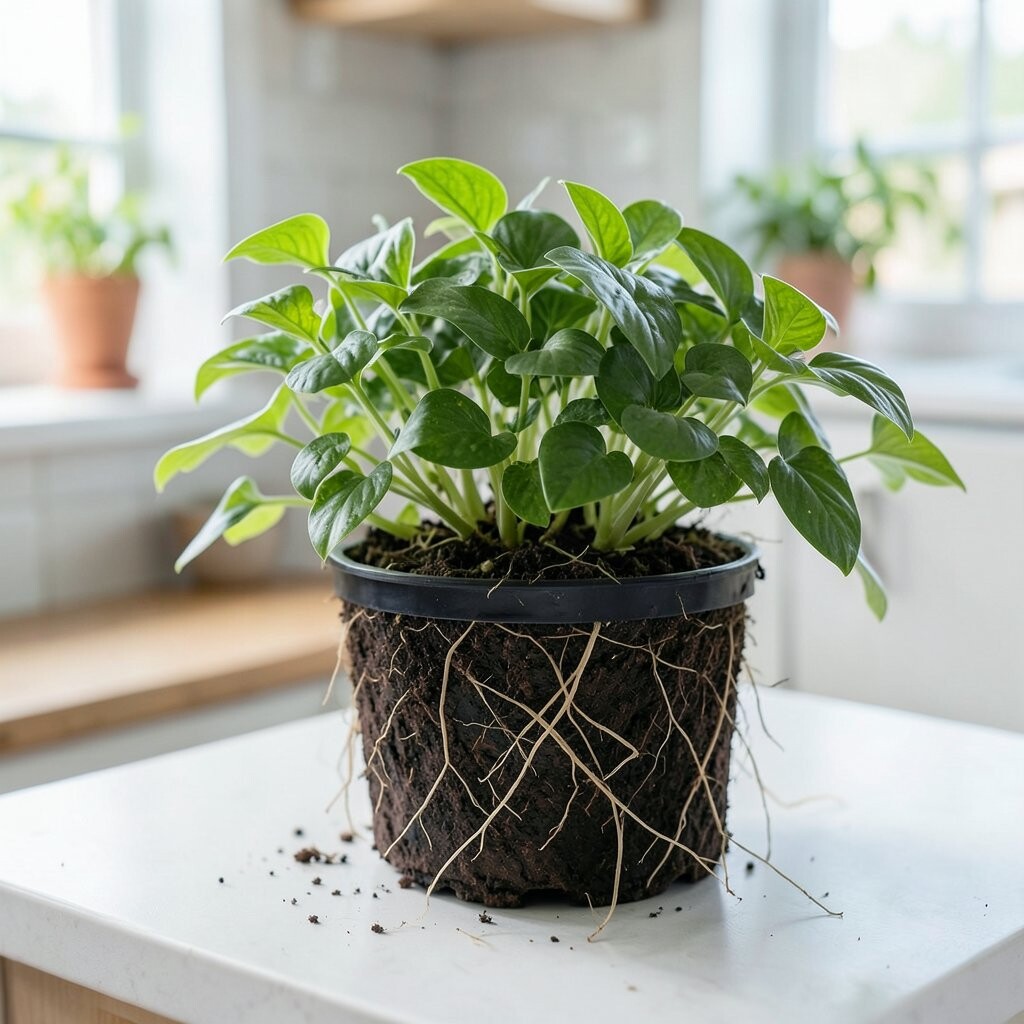
Repotting can help a plant grow, but doing it too often can stress it. A good rule is to repot when roots are tightly packed or draining slows down.
Choose a pot one size larger, because extra space can hold too much moisture. Refreshing the top inch of soil can be a gentle alternative if you don’t want to fully repot. This unique approach is helpful for kitchen plants because shelves and windowsills often have limited space.
If your plant stays in the same pot for a long time, it may also benefit from replacing nutrients in the soil. Consider adding compost in small amounts if your plants respond well, but keep it light so drainage stays strong. Budget-wise, careful repot timing saves money on pots and new soil.
15. Create a Simple “Plant Routine” That Fits Your Day
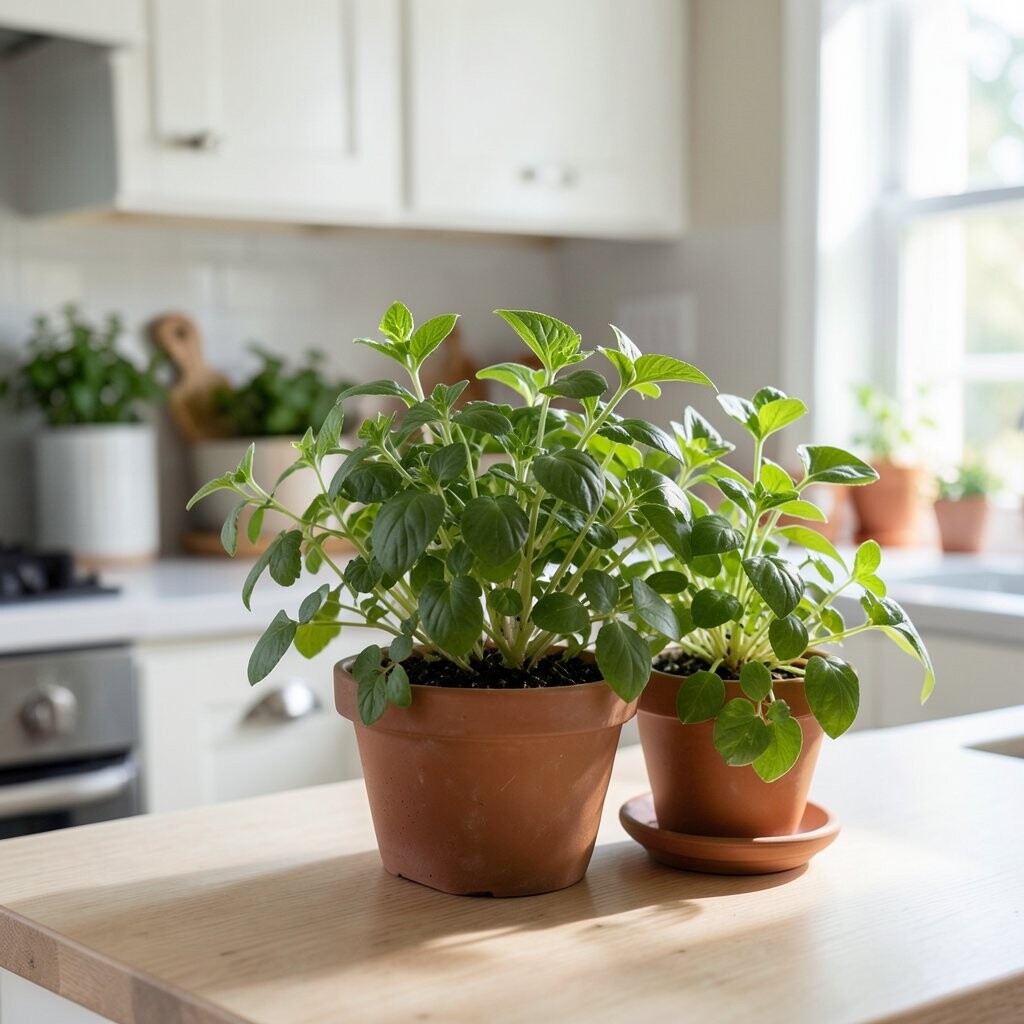
Consistency beats complexity when you’re caring for kitchen greenery. A short routine helps you notice changes before they become problems.
Pick one time during your day, like after breakfast, to check soil dryness and inspect leaves. Wipe leaves, rotate the pot, or remove dead bits when needed, and keep it to ten minutes or less. This practical habit turns plant care into something you enjoy instead of something you dread.
16. Collect Data With Visual Clues and Tiny Notes
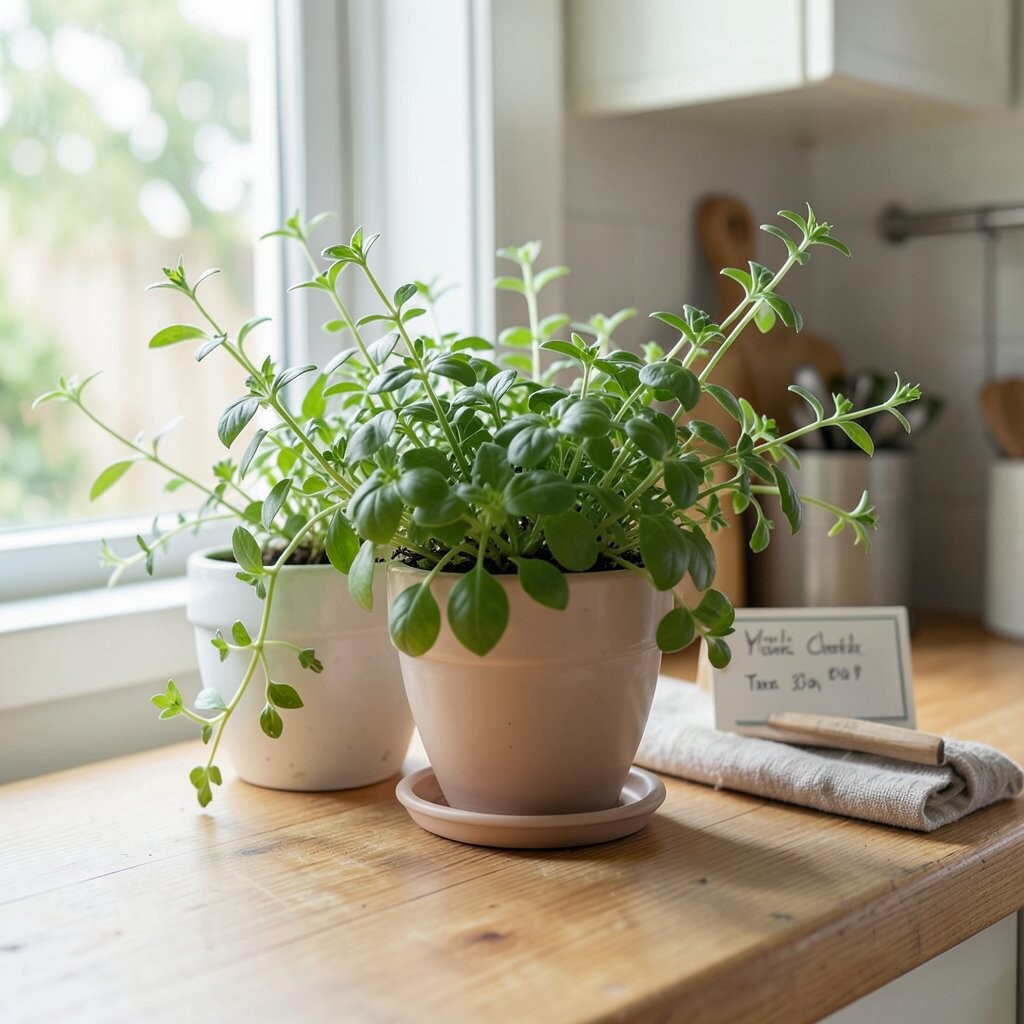
Plants often tell you what they need through color, texture, and growth speed. Noticing patterns is easier when you track a few details.
Use a small notebook or notes app to record when you water, when leaves look best, and when you prune. If one plant starts dropping leaves, you’ll know whether it happened after a heat spike or a missed watering. This is a modern approach that many indoor gardeners use because it makes care feel like a guided process.
To personalize, include your own observations like “smells stronger after pruning” for herbs or “looks brighter after rotating.” Cost considerations are simple here since you don’t need fancy tools. Over time, you’ll build confidence and stop guessing.
17. Match Fertilizer to Plant Type and Season

Not all greenery should be fed the same way, and kitchens add extra variation. Herbs, leafy houseplants, and flowering types may need different nutrient support.
Use a gentle fertilizer for leafy plants, and for herbs that you plan to harvest, choose a formula that’s appropriate for edible use. During winter or low-light months, feed less or pause, because plants usually grow slower then. Adjusting this prevents salt buildup in soil and helps avoid leaf tip burn.
For personalization, try small experiments with one plant at a time, like switching to a mild fertilizer for a month. This trend of “small experiments” can reduce waste because you only change what you test. If you’re trying to keep costs down, buy one versatile fertilizer that covers most plants and dilute it well.
18. Refresh Soil Tops and Remove Debris

Sometimes the soil surface looks fine, but it can become crusty or hold old debris. Cleaning the top layer can improve water movement and keep your plant area tidy.
Gently scrape away dry crust or leftover mulch, then replace it with a thin layer of fresh potting mix. This helps watering soak in evenly rather than running down the sides. It also makes the plant look neater, which matters a lot for kitchen decor.
19. Build a Consistent Spot for Your “Kitchen Garden”
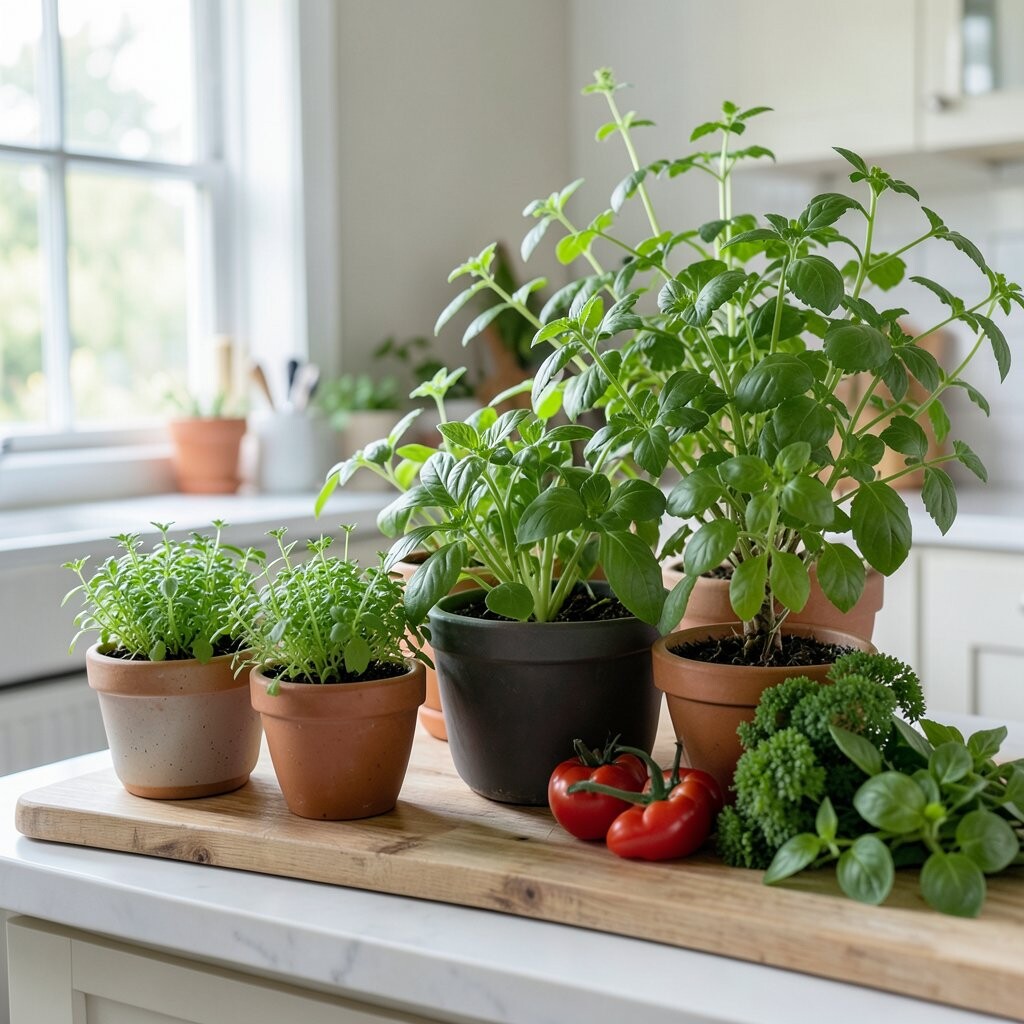
A well-organized plant area makes care easier and makes your kitchen feel intentional. When plants share a consistent home, you can manage light and water more accurately.
Use a small shelf, windowsill tray, or set of stands so each plant has enough space and airflow. Group plants with similar light needs together, and keep herbs where you’ll remember to water and harvest. This unique setup is great for personalization because you can style your greenery like decor, choosing matching planters and textures that fit your kitchen.
For cost considerations, start with one tidy station rather than buying multiple stands. A growing trend is mixing functional items like herb planters with everyday tools, such as keeping seed packets in the same area for quick access. With a stable “garden zone,” you’ll spend less time adjusting and more time enjoying fresh leaves in your cooking.