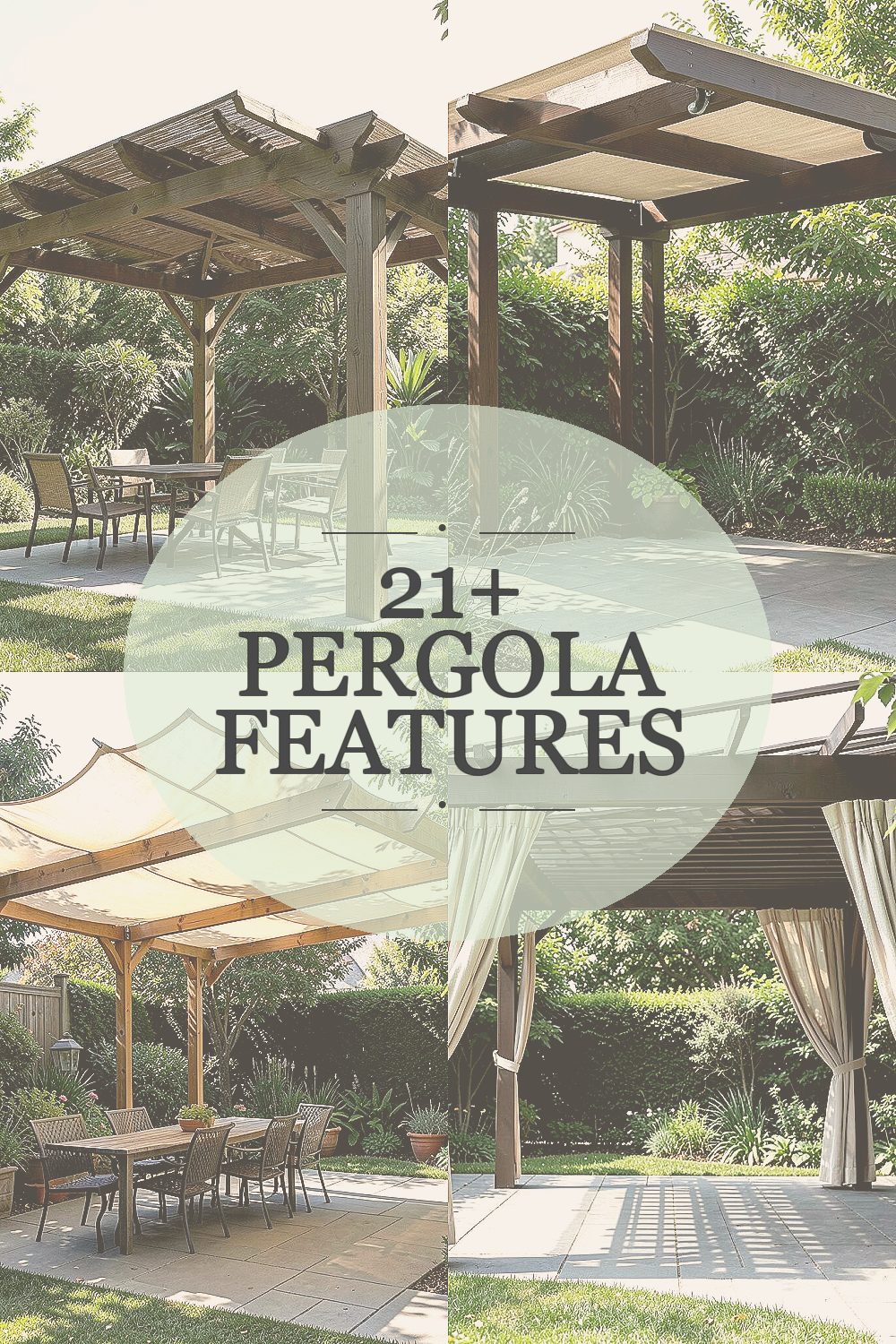
A shaded pergola can make your yard feel like a second living room. With the right features, it stays comfortable, stylish, and easy to use.
1. Double-Layer Shade Roof
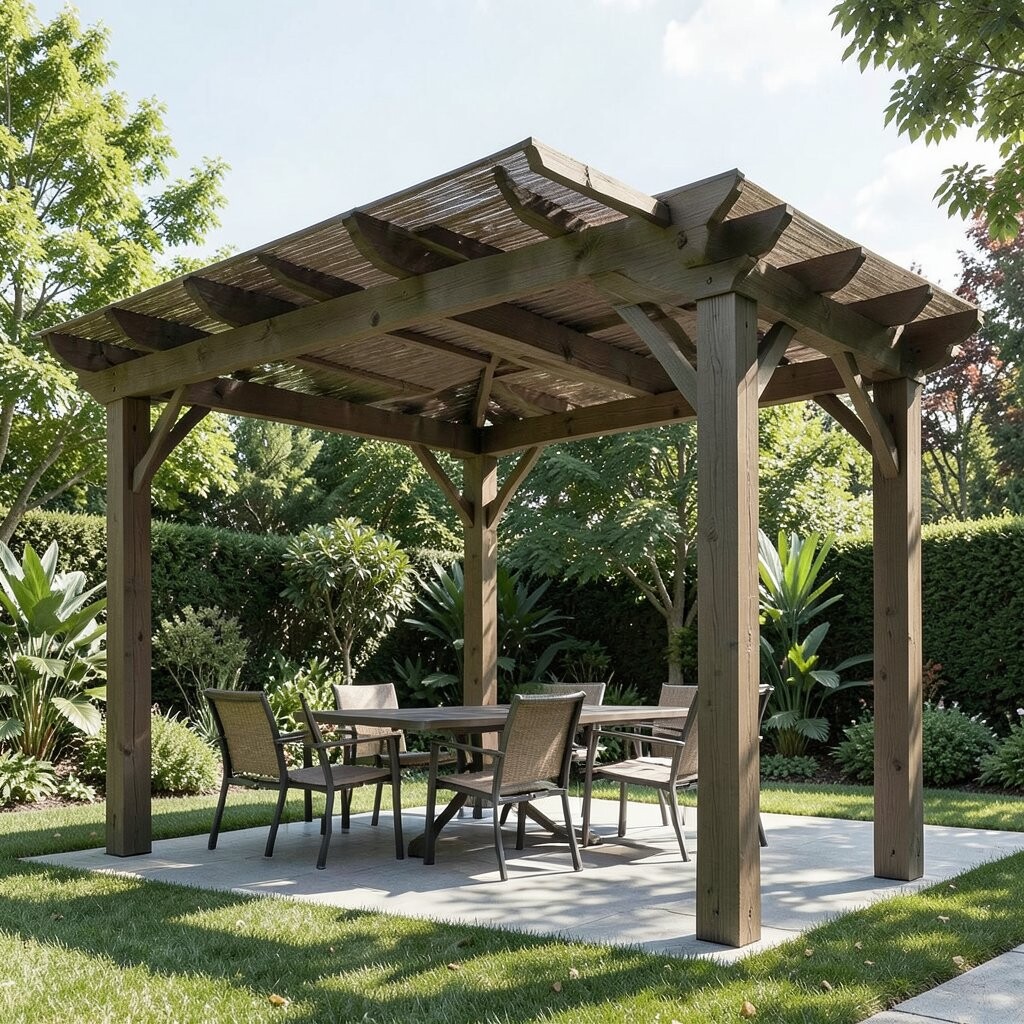
A double-layer shade roof gives you softer light and steadier temperature control. It’s especially nice during strong sun hours when glare can make outdoor seating feel harsh.
Use overlapping slats or fabric panels so some breeze can move while the glare drops. If you live in a warm climate, choose a lighter top layer and a darker under layer for better contrast and comfort. To keep it looking neat, make sure both layers align visually from the street view.
2. Retractable Shade Panels

Retractable panels help you choose how much cover you want, day by day. When clouds roll in or the evening turns cooler, you can adjust quickly.
Look for smooth tracks or a simple crank system that won’t bind when the material heats up. For practical use, measure your pergola opening twice so the panels fully overlap. If you want a cleaner look, choose panels in the same color family as your cushions and outdoor rugs.
Budget-friendly options can still work well if you select durable fabric and weather-resistant hardware. Consider adding a simple guide line so you can close the panels evenly every time. With this feature, you’re not stuck with one fixed shade level.
3. UV-Blocking Fabric Canopy
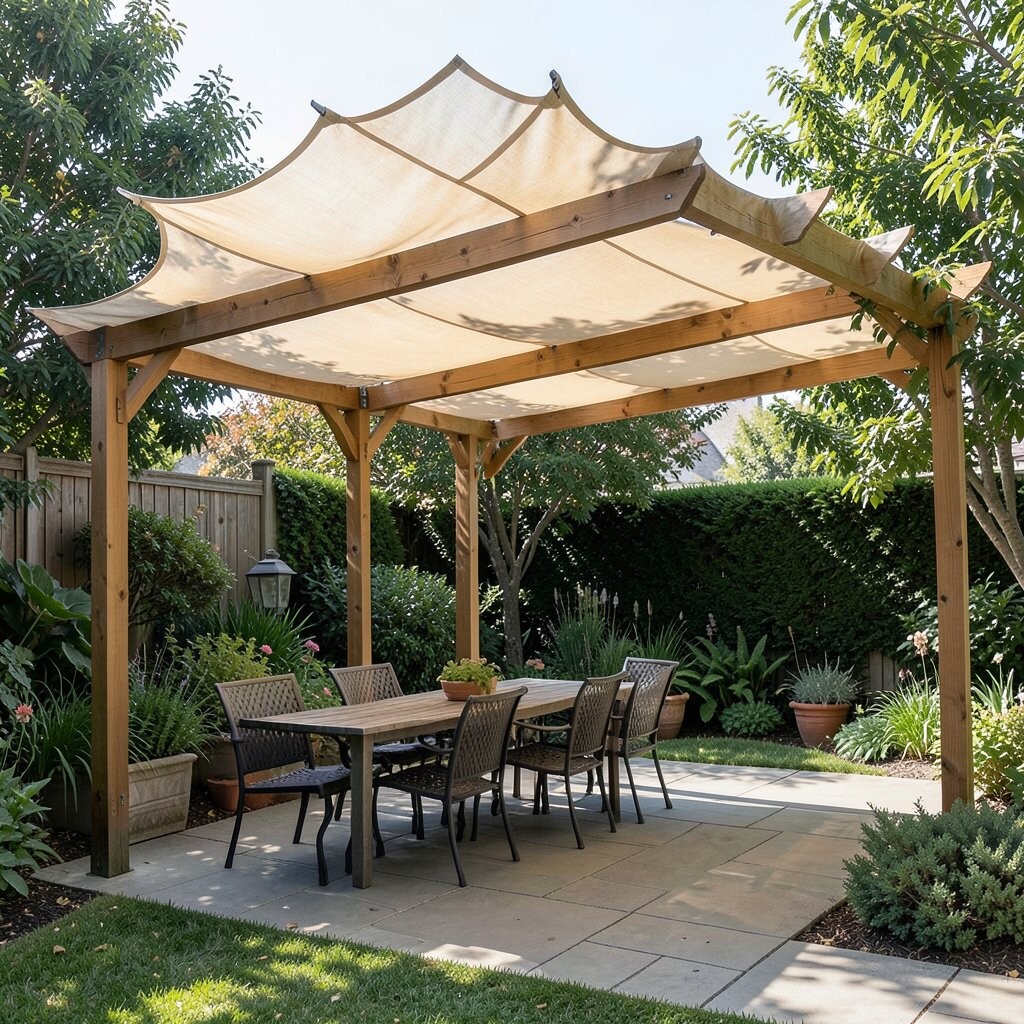
A UV-blocking canopy turns bright outdoor hours into comfortable hangout time. You’ll notice the difference the moment the sun hits full strength.
Many outdoor canopies are designed to resist fading, so your shade stays attractive season after season. To maximize performance, choose fabric labeled for high UV protection. Pair the canopy with breathable seating materials so heat doesn’t build up underneath.
If you host guests often, keep a spare replacement panel in mind. It can be a simple swap instead of a full rebuild later. For personalization, pick a subtle pattern that hides dust and makes the space feel inviting.
This feature is unique because it offers shade without making the pergola feel heavy. It also helps protect furniture finishes from sun damage over time. That means fewer replacements and more enjoyment.
4. Ventilated Side Curtains

Ventilated side curtains add privacy without trapping all the air. They create a cozy, tucked-in feel for dining, reading, or relaxing after work.
Choose mesh or semi-sheer curtains that allow airflow while blocking direct wind. Tie-back straps make it easy to open the sides when you want more movement. For a polished look, keep the curtain lengths consistent from corner to corner.
5. Hinged Louvers for Adjustable Sun Angles
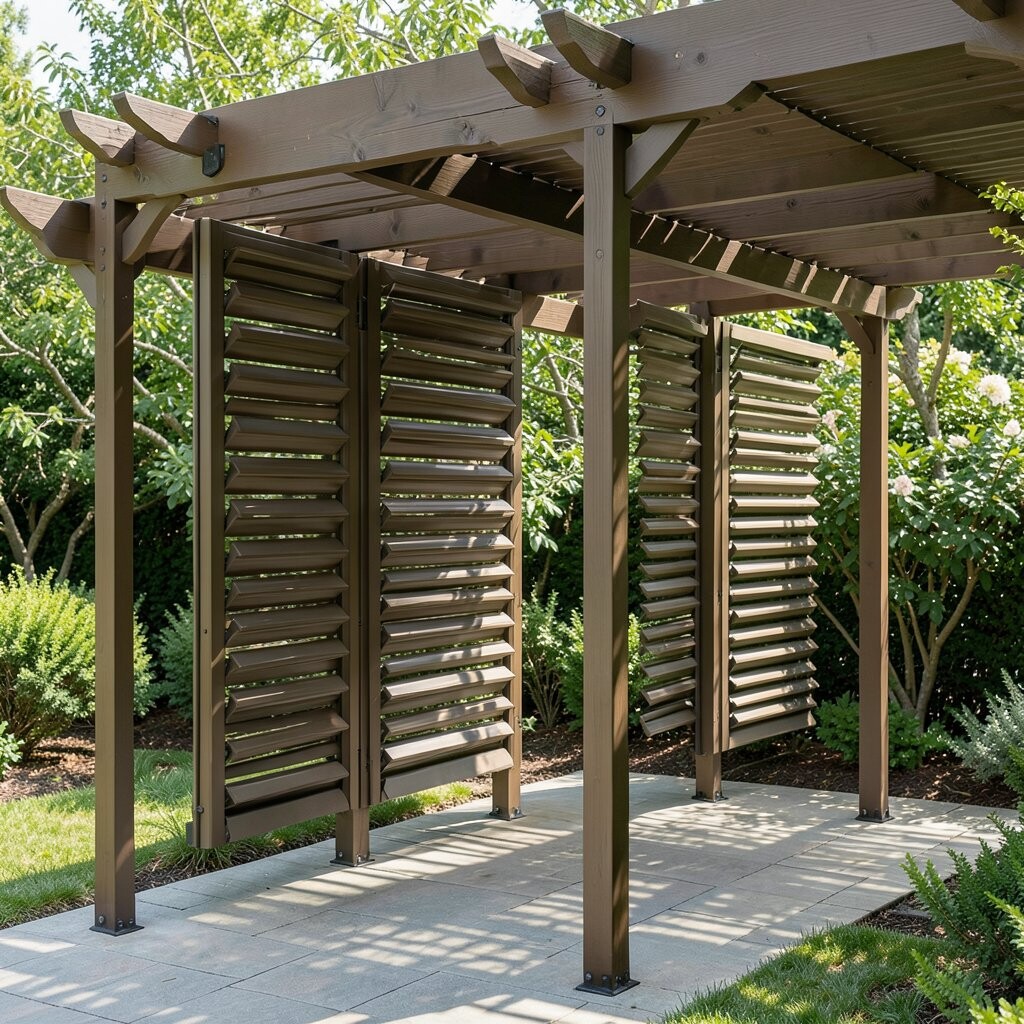
Hinged louvers let you steer sunlight like a dial. You can aim shade over the chairs while still letting a bit of light brighten the walkway.
Look for louvers that lock at multiple angles so they stay put when breezes pick up. Maintenance is easier when the louvers have smooth edges and a finish designed for outdoor use. A practical tip is to orient the louvers toward the direction of the hottest afternoon sun.
If you want a modern vibe, choose clean-lined metal louvers and a matching frame color. For cost planning, remember that motorized louvers cost more but can save time daily. Even manual louvers are a big upgrade compared to fixed shade.
6. Stain-Resistant Pergola Finish
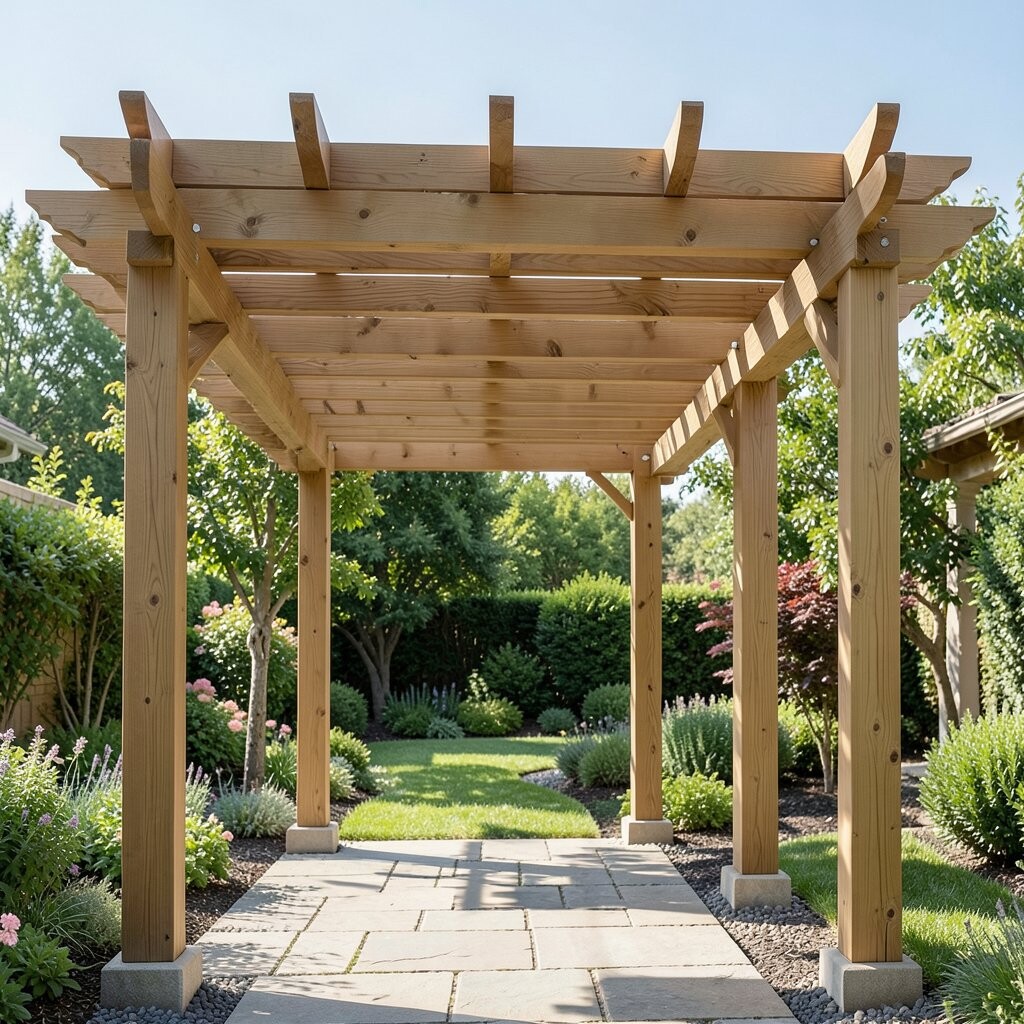
A stain-resistant finish helps the pergola look tidy even in messy weather. Rain, pollen, and dust are less likely to leave stubborn marks.
When you’re comparing materials, look for sealed wood or coated metal options that are made for outdoor exposure. For practical care, wash with mild soap and water and avoid harsh cleaners that break down coatings. If your pergola sits near a grill, consider a finish that’s rated to handle heat and smoke residue.
7. Outdoor Curtains With Weather-Ready Hardware
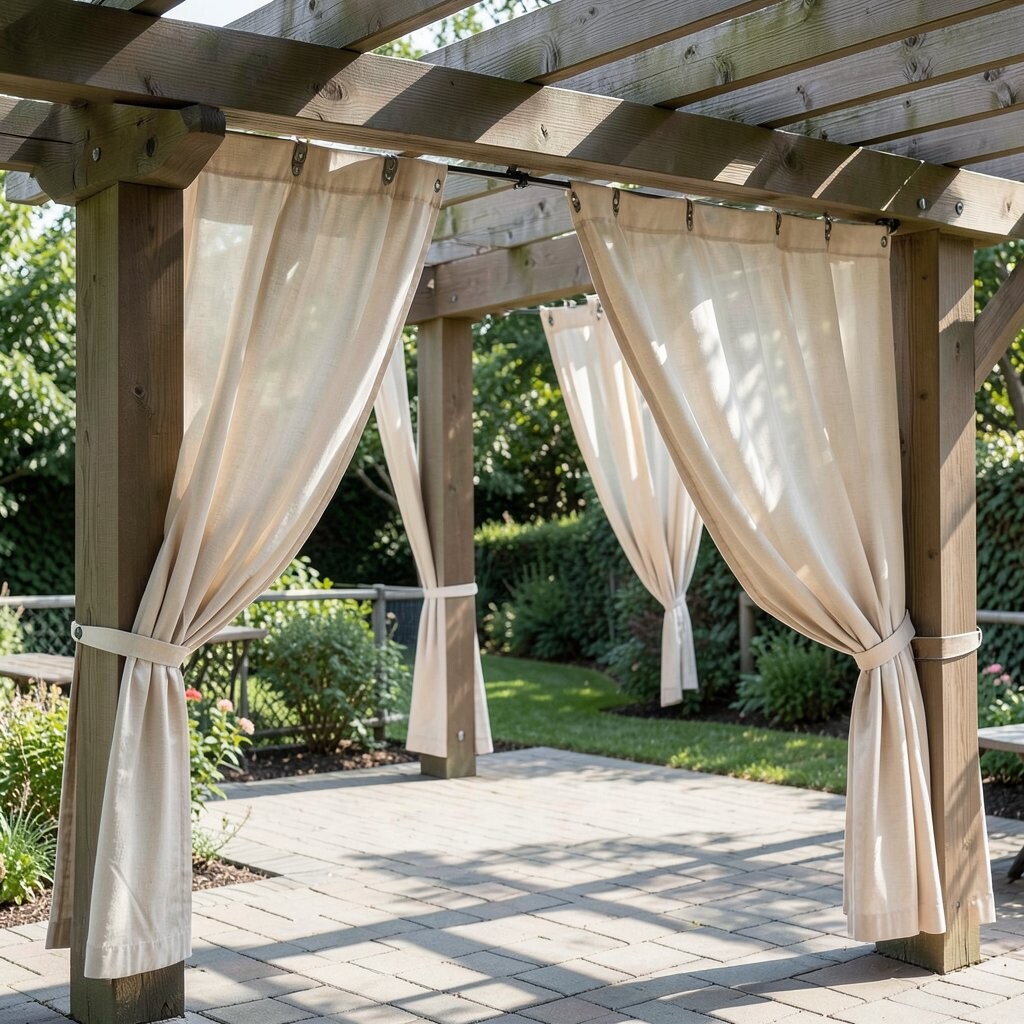
Using weather-ready curtain hardware keeps fabric functioning smoothly through rain and sun. You get the look of drapery without the constant fuss.
Choose rust-resistant rings, rods, or track systems so the hardware doesn’t seize over time. Make sure curtain fabric is rated for outdoor use, or it can sag and fade quickly. For a more tailored appearance, hang curtains with consistent pleats or measured spacing.
This feature feels unique because it blends softness with structure. It also makes it easy to refresh the style by swapping curtain colors seasonally. Budget-wise, start with one color that matches existing cushions, then upgrade later if you want variety.
8. Built-In Planters for Living Green Shade
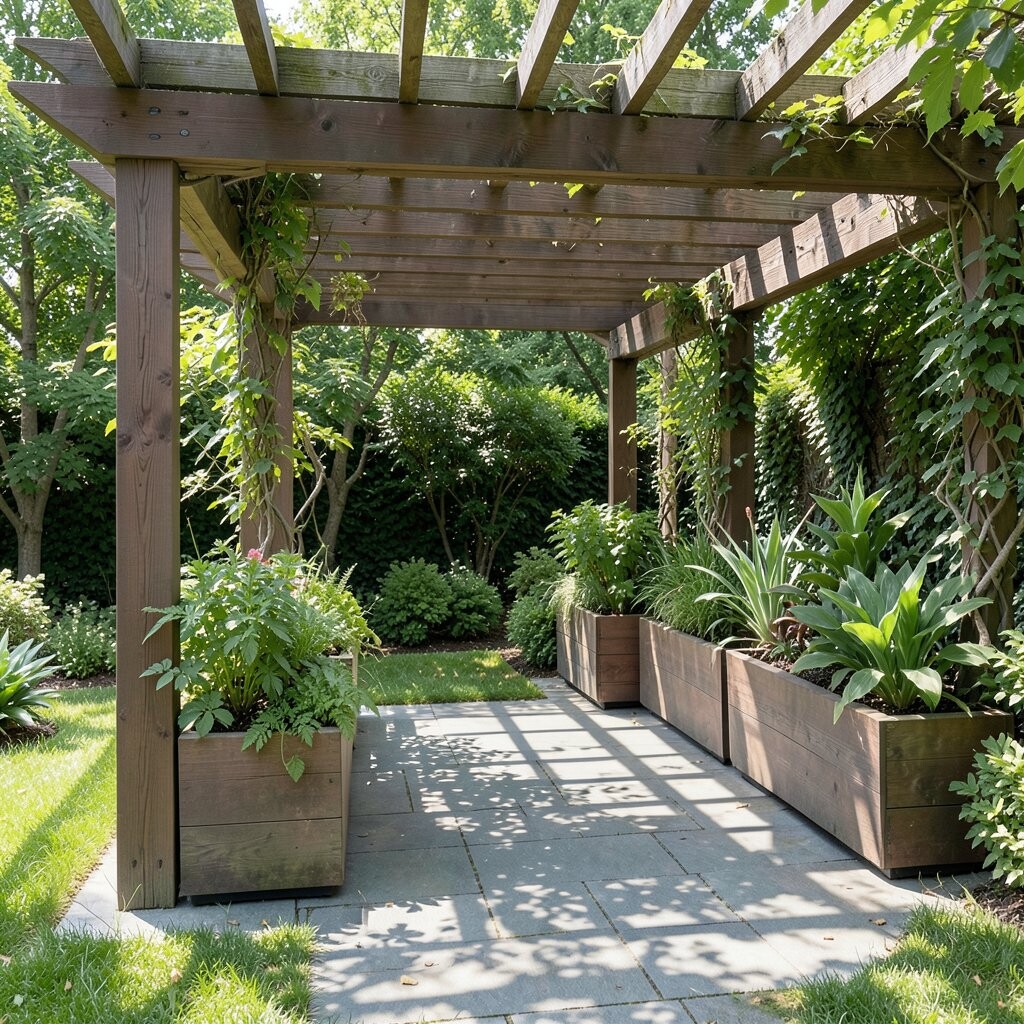
Built-in planters add a natural layer of shade and make the whole pergola feel alive. Green climbing vines soften the lines and create a relaxing atmosphere.
To plan this feature well, choose planters sized for the plants you want to grow. Use proper drainage so roots don’t sit in water and cause damage. A practical tip is to line planter boxes with a landscape fabric barrier and add a quality potting mix.
If you’re aiming for fast coverage, pick vine varieties known for steady growth in your climate. For personalization, match planter colors with your outdoor decor, like ceramic pots or matching planters around the patio. Keep an eye on how much weight your pergola structure can handle if planters are large.
Cost considerations depend on planter size and soil volume, but you can start with smaller boxes and expand later. This approach is trending because it combines shade with greenery that supports a calmer backyard mood. You’ll also enjoy the added benefit of privacy from different angles.
9. Retractable Privacy Screens
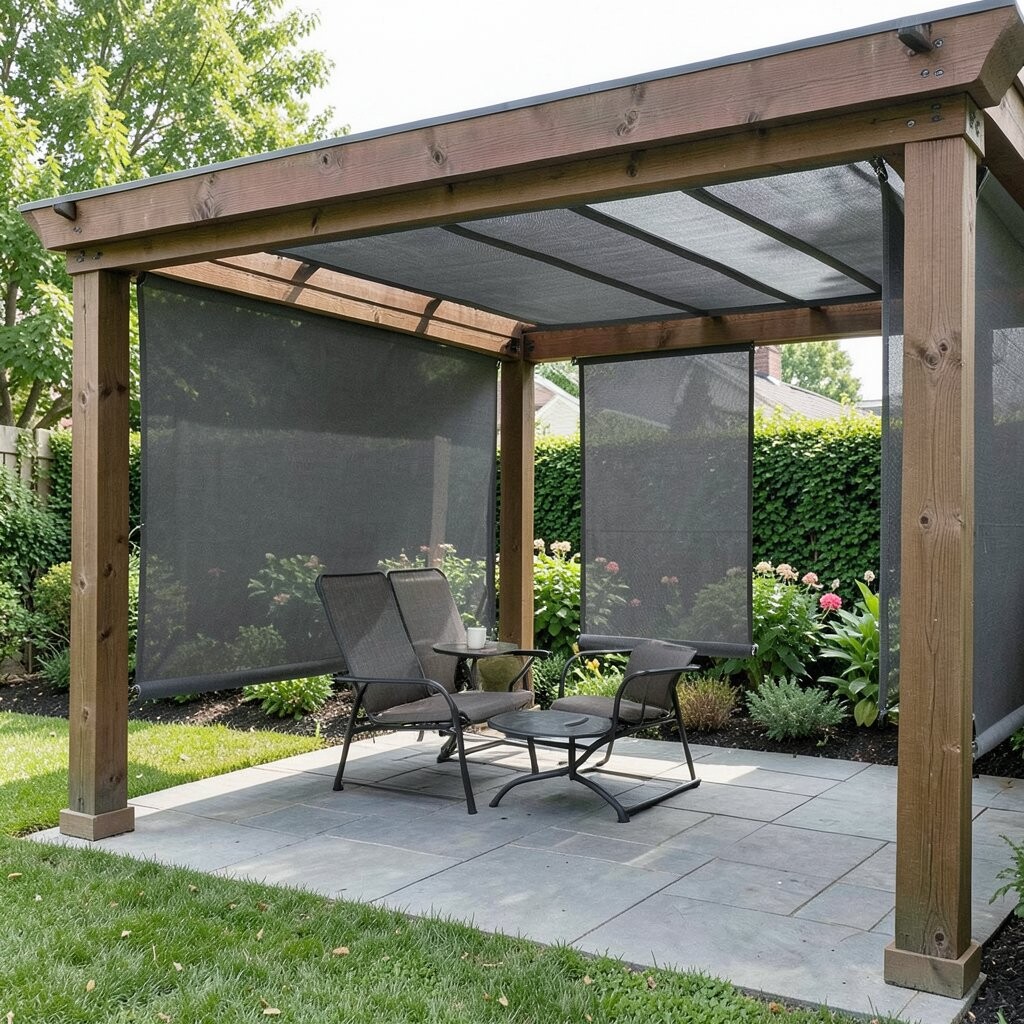
Retractable privacy screens give you flexibility when you need extra coverage. They roll out when neighbors are visible and roll back when you want open views.
Consider screens with fabric that blocks sightlines but still allows some light. This helps keep the space from feeling dark. For practicality, mount the tracks at a height that clears furniture and makes daily movement easy.
A unique benefit is that you can match the screen color to your outdoor palette. Many homeowners choose neutral grays, warm taupes, or deep greens. If cost is a concern, measure your most-used seating zone first and screen only the areas that matter most.
10. Replaceable Shade Fabric Panels

Replaceable panels make long-term upkeep simple. When a fabric piece fades, you can swap it instead of redoing the entire pergola.
This is a smart choice if you love changing colors over time. Look for panels that connect with tension, snaps, or clips so replacement is straightforward. Make sure the new panel matches the mounting points and stays taut without sagging.
To keep budgets under control, buy a quality base system and plan for fabric replacements every few seasons as needed. A practical tip is to store off-season panels flat so they don’t develop creases. This feature also aligns with current trends for modular outdoor upgrades.
11. Outdoor Lighting Under the Pergola
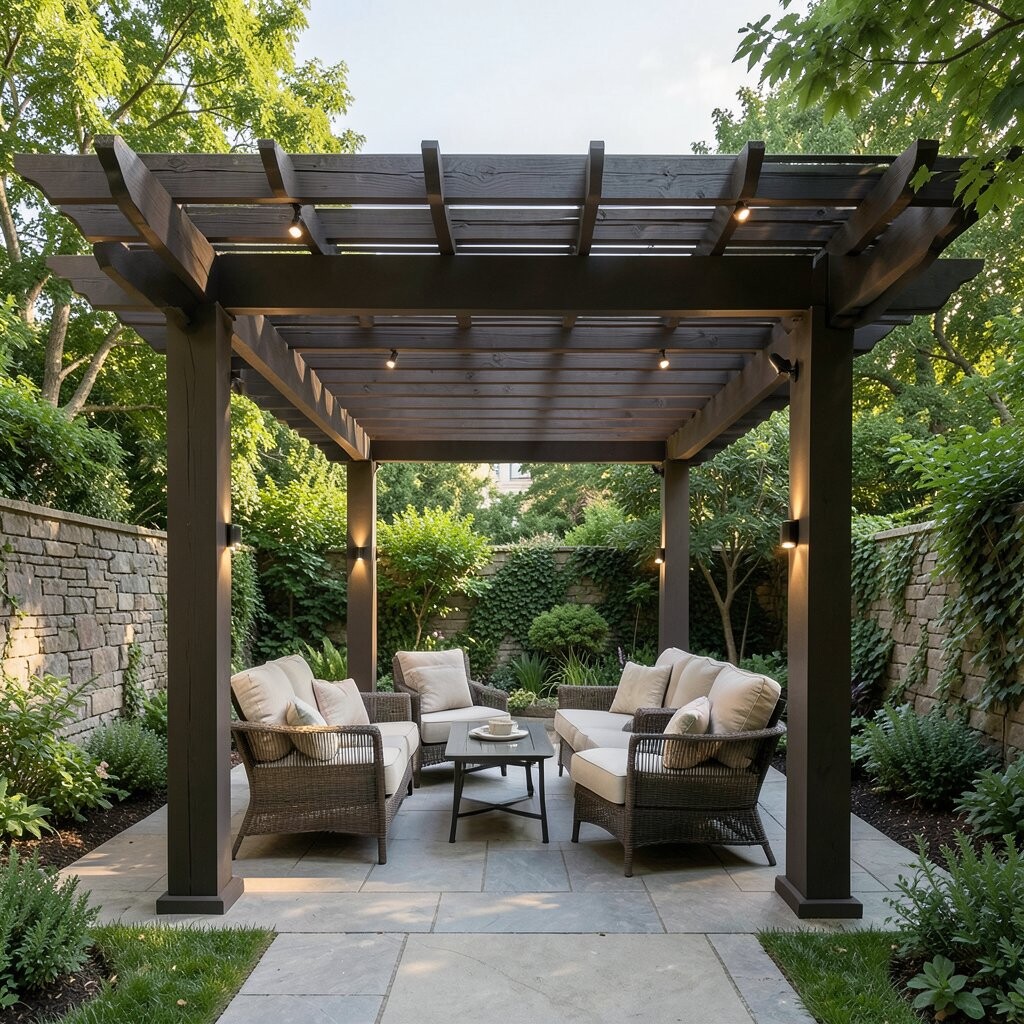
Lighting under the pergola makes evenings feel welcoming and safer. A gentle glow turns the space into an outdoor living area you’ll actually use.
Try warm white string lights, recessed fixtures, or slim LED strips that hide the wiring. For practical installation, run cables through protected channels and use outdoor-rated components. Consider a dimmer so you can shift from dinner lighting to relaxed nighttime ambiance.
Many homeowners like lighting that reflects off the underside of the shade. Light-colored canopy interiors can bounce the glow and reduce harsh shadows. Cost will vary based on whether you need electrical work, but planning early can save money later.
12. Weather-Resistant Ceiling Tiles or Panels

Using ceiling tiles or panels gives your pergola a more finished, architectural look. The shade becomes more structured, almost like a small roof.
Choose materials designed for outdoor durability, such as composite or UV-stable poly panels. If you want better rain handling, install a slight slope so water moves away cleanly. For practical tips, ensure panels allow airflow so heat doesn’t build up underneath.
This feature feels unique because it changes the vibe from “open shade” to “covered room.” It can also protect furniture from light rain and heavy mist. When budgeting, consider that panel systems cost more upfront but can reduce maintenance compared to fabric-only shade.
For personalization, pick a panel texture that matches your home style. Smooth panels create a modern look, while patterned tiles add character. This trend is popular for homeowners who want their pergola to feel permanent and polished.
13. Color-Matched Fabric and Cushion Palette
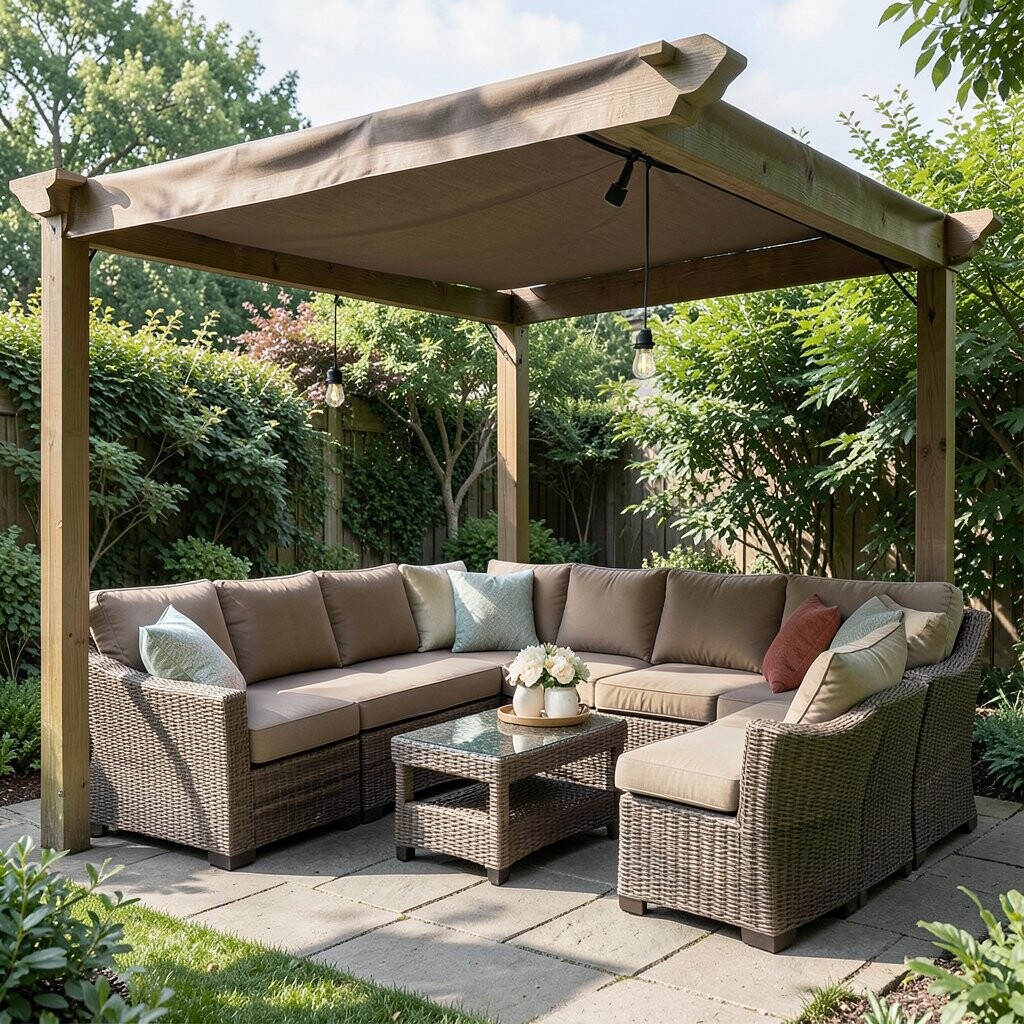
Matching your pergola shade with your cushion colors makes the whole patio look coordinated. It’s an easy way to make the outdoor space feel thoughtfully designed.
Pick one main color for the canopy and one accent color for cushions or throw pillows. Keep undertones consistent, like warm beige with caramel tones, or cool gray with navy accents. For practical results, test fabric swatches in sunlight because colors shift when the sun hits.
14. Pergola Fans for Airflow Comfort
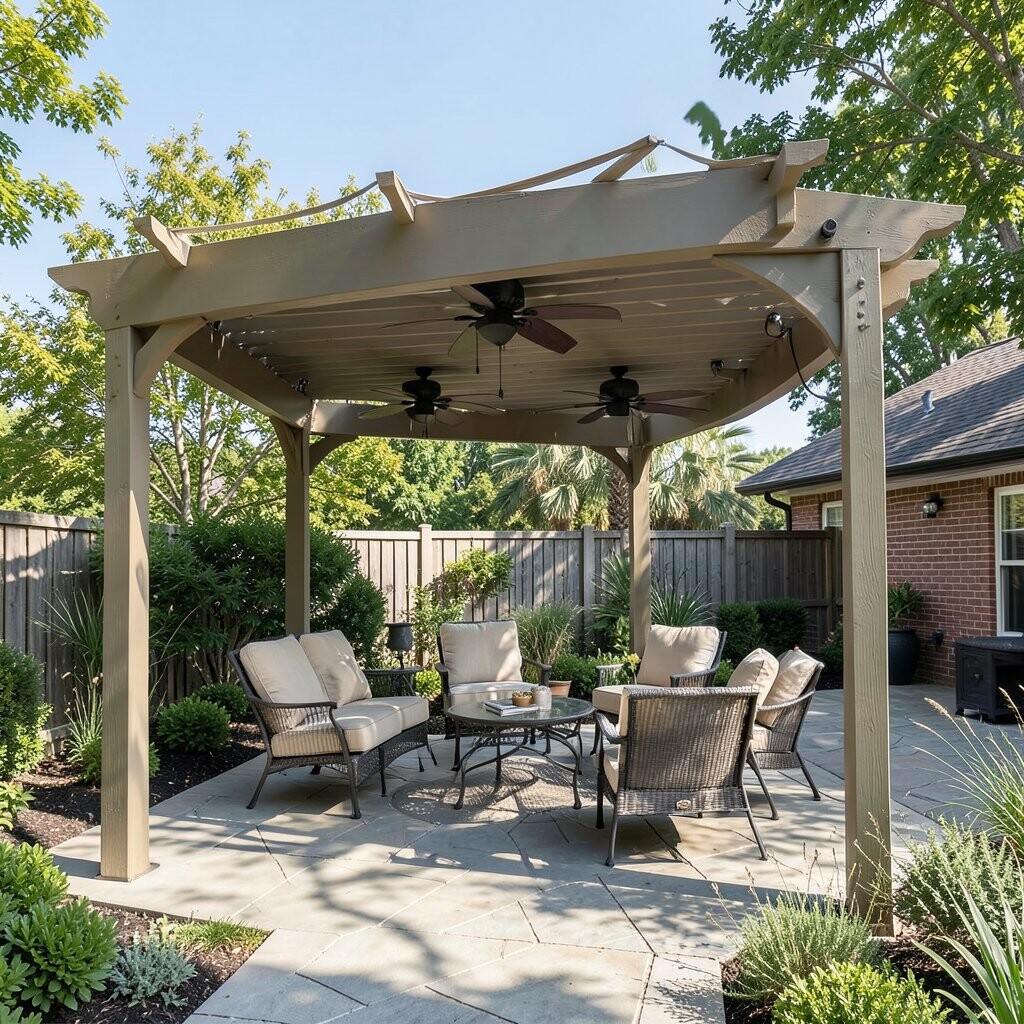
Outdoor fans under a shaded pergola help you stay comfortable even when it’s humid. Moving air makes the shade feel cooler and more relaxing.
Choose fans rated for outdoor use and damp or wet conditions, depending on your climate. Consider mounting height so blades clear hanging curtains and furniture. A practical tip is to aim airflow toward seating rather than toward the walls.
This feature is unique because it changes comfort more than shade alone. Many people notice relief at temperatures where they would normally avoid sitting outside. Cost varies, but choosing a good-rated fan often reduces the need for frequent replacements.
15. Wind-Adjustable Lattice Sections
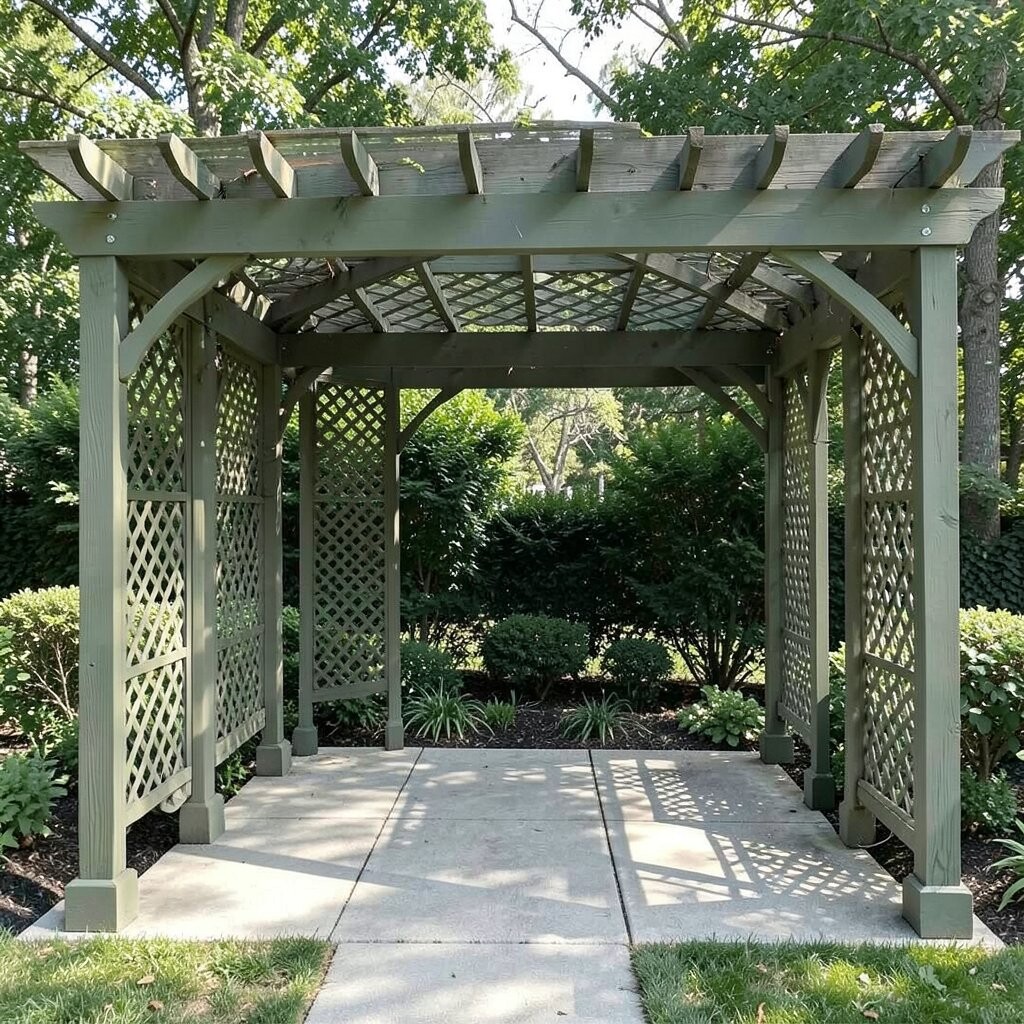
Wind-adjustable lattice sections help balance airflow with privacy. You can reduce gusts without blocking everything completely.
Use slatted panels that can shift positions, or install sections with removable inserts. For practical tips, measure airflow patterns where wind hits the patio most often. If you get cross-breezes, position lattice to redirect airflow toward the center seating area.
This feature feels special because it’s responsive to real weather, not just a fixed design choice. You’ll also get a nice visual rhythm in the shadows, which adds charm during the day. Budget-wise, modular lattice can cost less than full automated louvers, while still improving comfort.
16. Shade for Specific Zones Using Offset Design
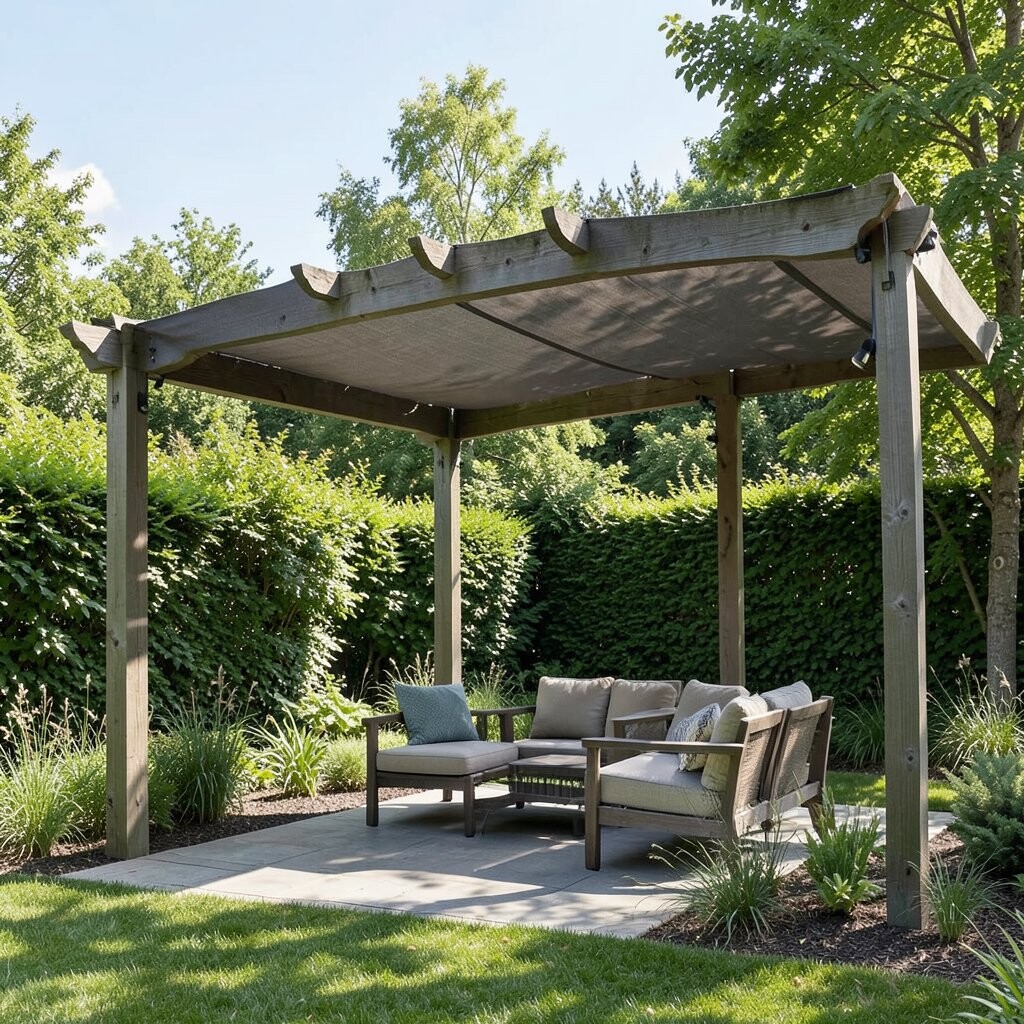
An offset pergola placement shades the places you use most, not the whole yard at once. This is useful when your seating area sits at an angle or near a walkway.
To get it right, map your daily routine and note where the sun hits at morning, noon, and afternoon. Then position the pergola so shade covers chairs, a dining table, or a grill zone. A practical tip is to include a small buffer so guests aren’t sitting in a bright patch as the sun moves.
17. Skylight-Style Clear Inserts for Brightness
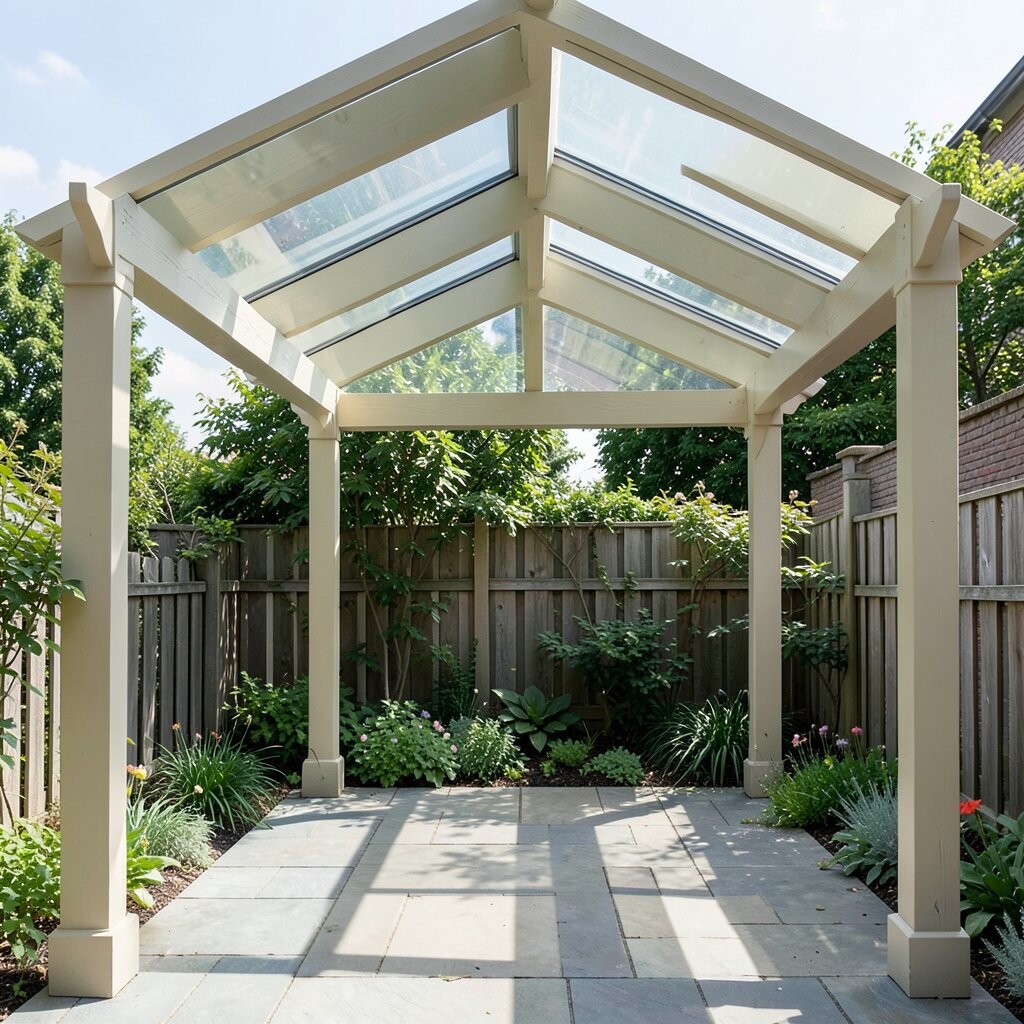
Clear inserts give you shade while keeping part of the space bright. It’s a clever way to avoid a gloomy feel under the pergola.
Choose UV-stable clear panels so they block harmful rays while still letting you enjoy daylight. If you worry about glare, combine clear inserts with tinted sections. This creates a balanced look where you get light without the burn.
For personalization, choose a pattern that matches your exterior design, like subtle frosted grids. Cost can be higher due to panel materials, but the tradeoff is a more flexible, comfortable space. Many homeowners like this feature because it makes the pergola feel open yet protected.
18. Fire Pit or Heat-Safe Shading Integration
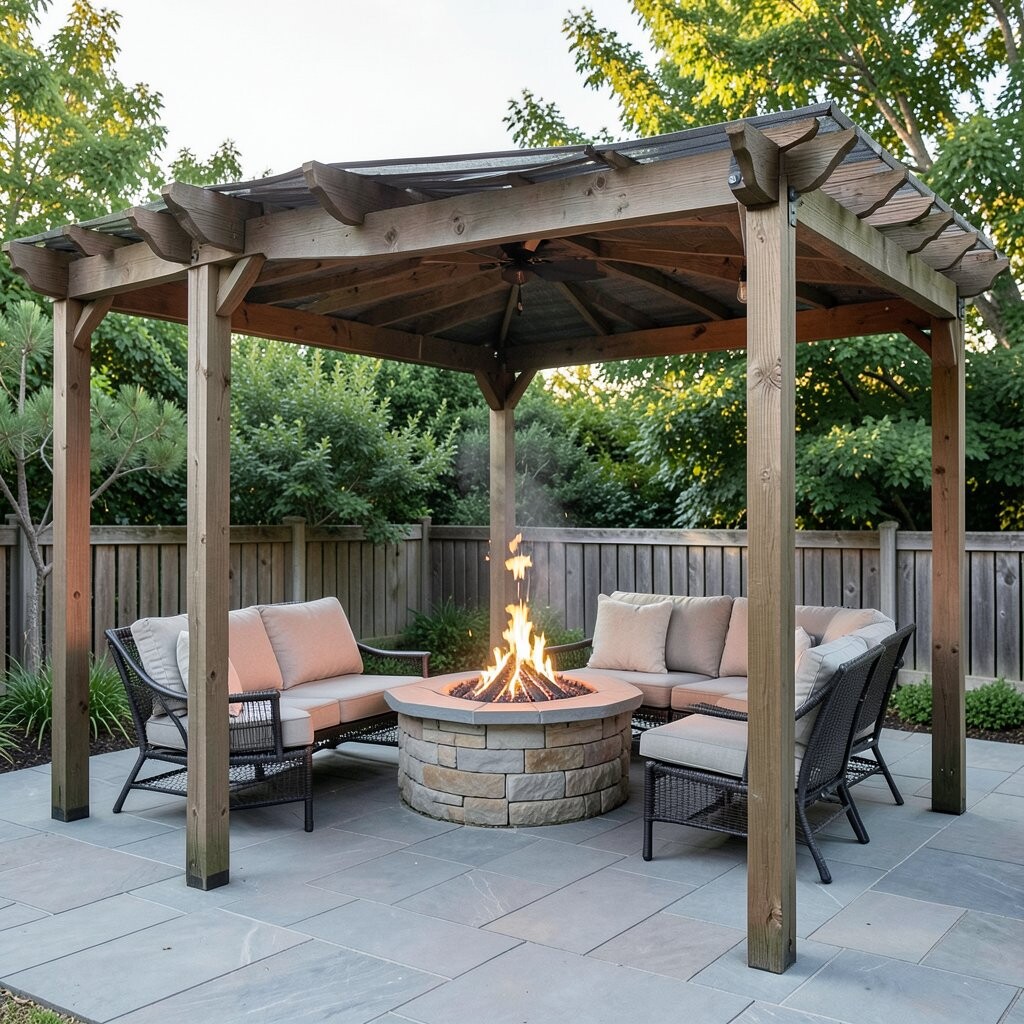
Integrating shade planning near a fire pit makes the area more usable at night. With heat-safe materials, you can enjoy warmth without damaging nearby surfaces.
Keep flame zones separated from fabric and ensure you use heat-resistant hardware where heat is possible. A practical tip is to position seating so smoke travels upward and away from curtains. If you love late evenings, consider adding a dedicated lighting layer above the fire seating.
This feature feels unique because it combines comfort and safety in one layout. Budget-wise, you might spend more on heat-rated components, but the benefit is long-lasting function. Current backyard trends favor outdoor “evening rooms,” and this is a strong way to build one.
19. Easy-Clean Drainage Channels
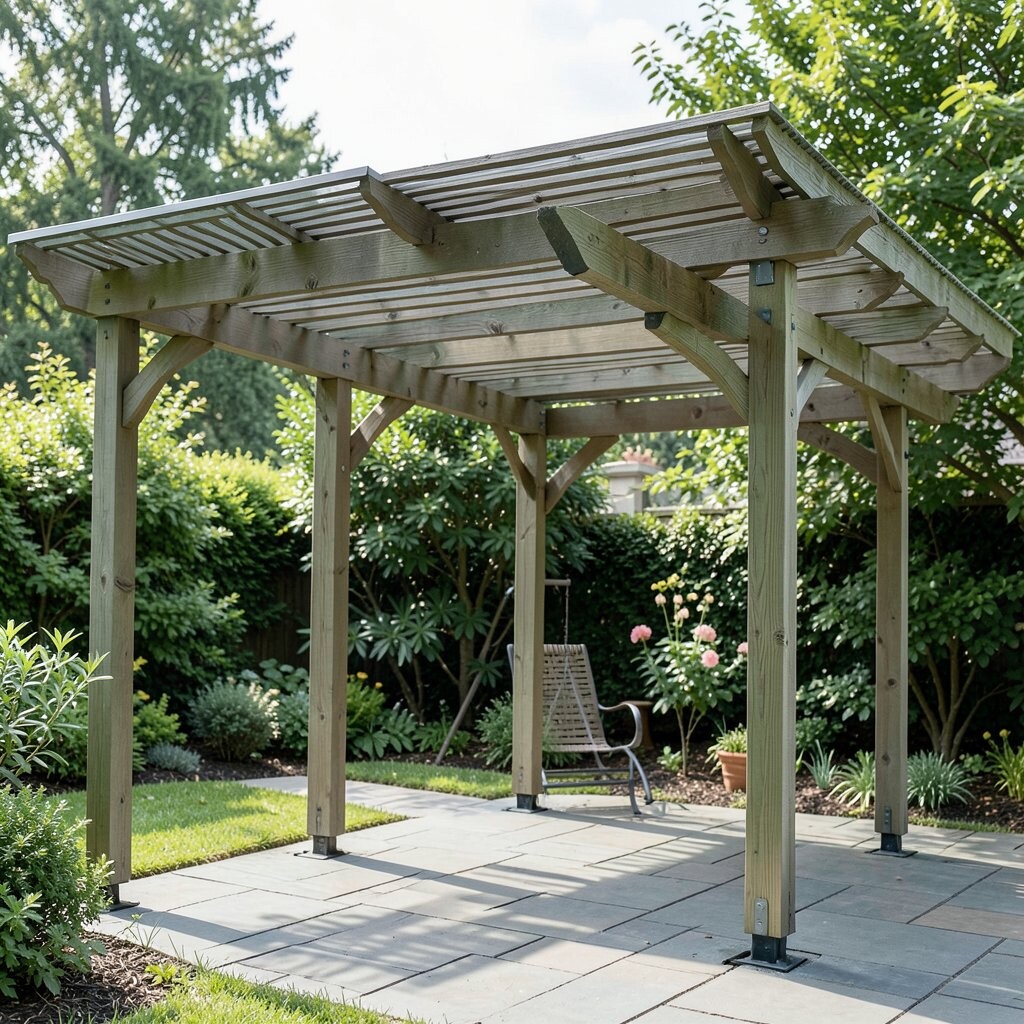
Drainage channels prevent water pooling and protect the underside materials. When rain comes, you’ll avoid messy drips onto chairs and tables.
Look for channels integrated into the pergola beams so water routes cleanly away from the patio. A practical tip is to extend downspouts or splash guards so runoff doesn’t stain nearby walls. Regularly check for debris because leaves can block channels over time.
This feature is unique because it’s mostly unseen, yet it improves everyday comfort. It also helps maintain furniture and reduces water damage. Cost considerations depend on whether you add gutters at install time, but adding them early is usually less expensive than retrofitting later.
20. Sound-Softening Fabric Liners
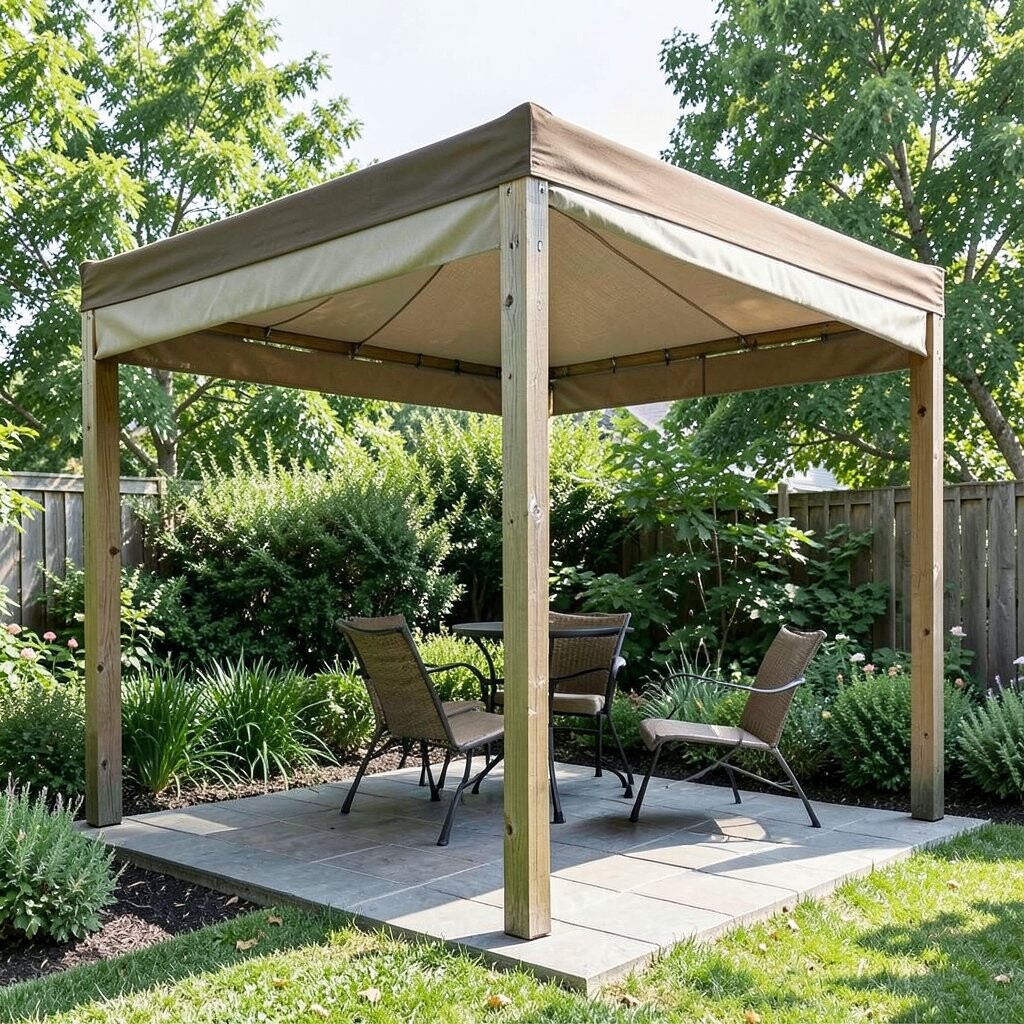
Sound-softening liners make conversations more comfortable in breezy outdoor spaces. They reduce harsh echo, especially in large open patios.
Choose outdoor-rated acoustic fabric that resists moisture and fading. For practical setup, place the liners where noise reflects most, like along wide sides. You’ll feel the difference during family dinners when kids move around and the space would otherwise sound louder.
This is unique because it treats your pergola like a functional room, not just shade. It also pairs well with outdoor music setups since sound feels more even. Budget-wise, acoustic materials cost more, but the comfort gain can be worth it for frequent gatherings.
21. Climbing Plant Trellis With Seasonal Options

A climbing trellis turns your pergola into a living screen that changes with the seasons. Spring growth looks fresh, and later blooms can add color.
Plan the trellis spacing so leaves don’t tangle and so vines have a clear path. Choose varieties suited to your area, including those that can handle heat or cold. A practical tip is to guide young vines gently at first so they climb in the direction you want.
This feature feels unique because it adds moving texture and natural scent. For personalization, pair flowering vines with evergreen options so some coverage remains year-round. Cost can start low if you grow from plants and train them yourself, then increase if you buy larger, established plants.
22. Smart Lighting and Shade Control

Smart shade and lighting control makes your pergola feel high-end and effortless. With simple timers or remotes, you can set comfort before guests arrive.
Consider motorized louvers or retractable panels paired with outdoor-rated smart switches. For practical tips, ensure the system is compatible with your home setup and has weather protection. It’s also smart to include controls at the patio door so you can adjust without walking back inside.
This feature is trending because it blends convenience with energy-saving habits. For example, you can close panels during peak sun and open them when you want natural light. Cost will be the highest among the features, but it can pay off in daily comfort and easier adjustments over time.