
Subway tile looks classic, yet it can feel totally fresh. The right style can make any room look brighter and more put-together.
1. Classic White Brushed Subway Tile With Warm Grout
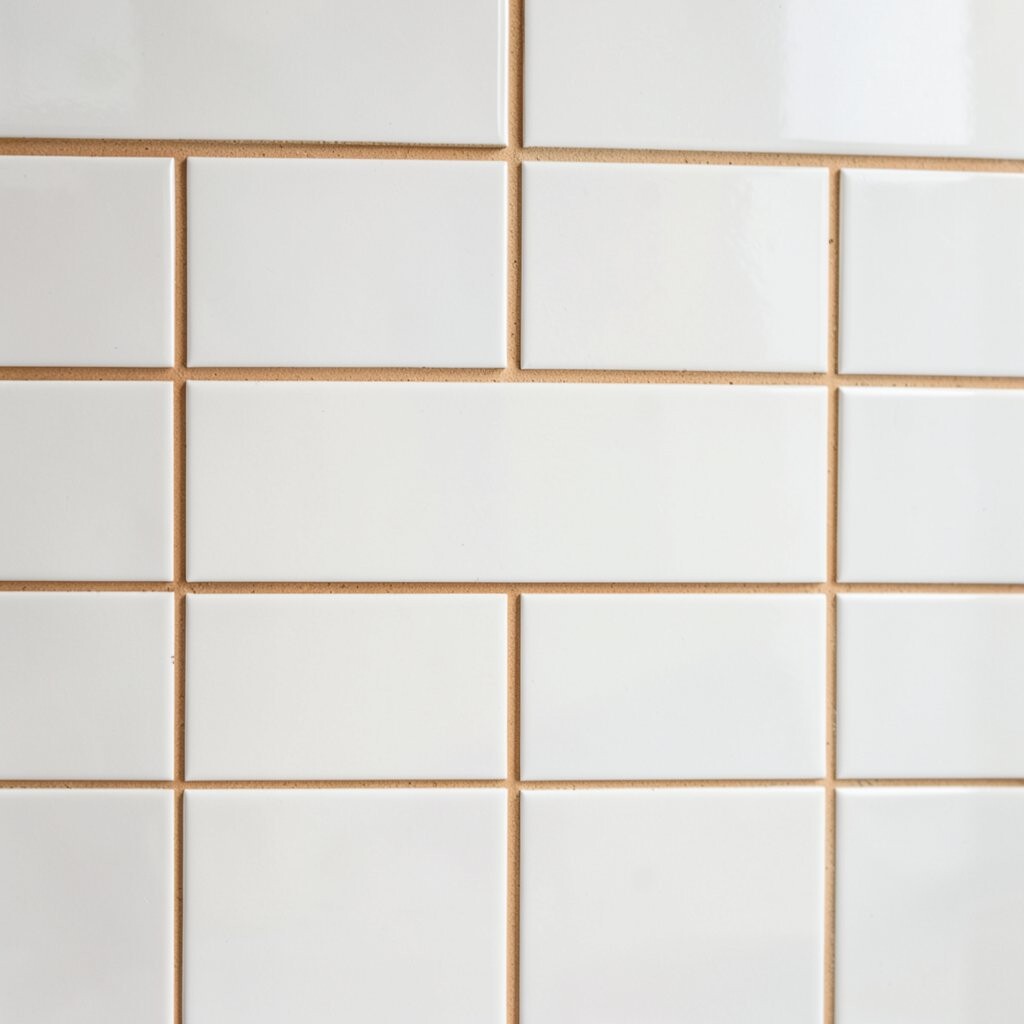
This look feels clean, bright, and timeless. It shows light beautifully and makes even small rooms feel bigger.
Choose a brushed finish for a softer, more lived-in shine. Pair it with warm white or light beige grout to avoid the harsh, icy look. Keep your layout simple with straight joints so the texture stays the star.
2. Small-Format Subway Tile for a Cozy, Detailed Look

Smaller subway tiles create a gentle rhythm on walls. They add visual interest without overpowering your space.
Use a narrower grout line to keep the surface looking crisp and modern. This size works great behind vanities, around mirrors, or in compact kitchens where you want detail. For a practical win, smaller tiles can be easier to fit around edges and trim.
If you’re working with a tight budget, compare tile prices per square foot and factor in waste from cutting. Consider buying a few extra boxes so you can match batches. Style it with simple hardware and let the tile pattern do the talking.
3. Bold Black Subway Tile for a High-Contrast Kitchen

Black subway tile instantly adds drama and sophistication. It makes countertops look sharper and cabinetry feel more grounded.
Go for a glossy finish if you love that sleek, “new” look. Matte black looks calmer and hides smudges better, which is great for busy cooking zones. Use light grout only if you want a strong grid effect.
To personalize, blend black tiles with brass or warm wood accents. Add under-cabinet lighting to prevent the wall from feeling too heavy. If you’re cost-conscious, limit black tile to a backsplash band rather than every wall.
Plan for maintenance by choosing a grout that resists stains. Sealing grout is often worth it for darker finishes. With the right lighting, the look stays stylish, not gloomy.
4. Herringbone Subway Tile for Movement and Depth
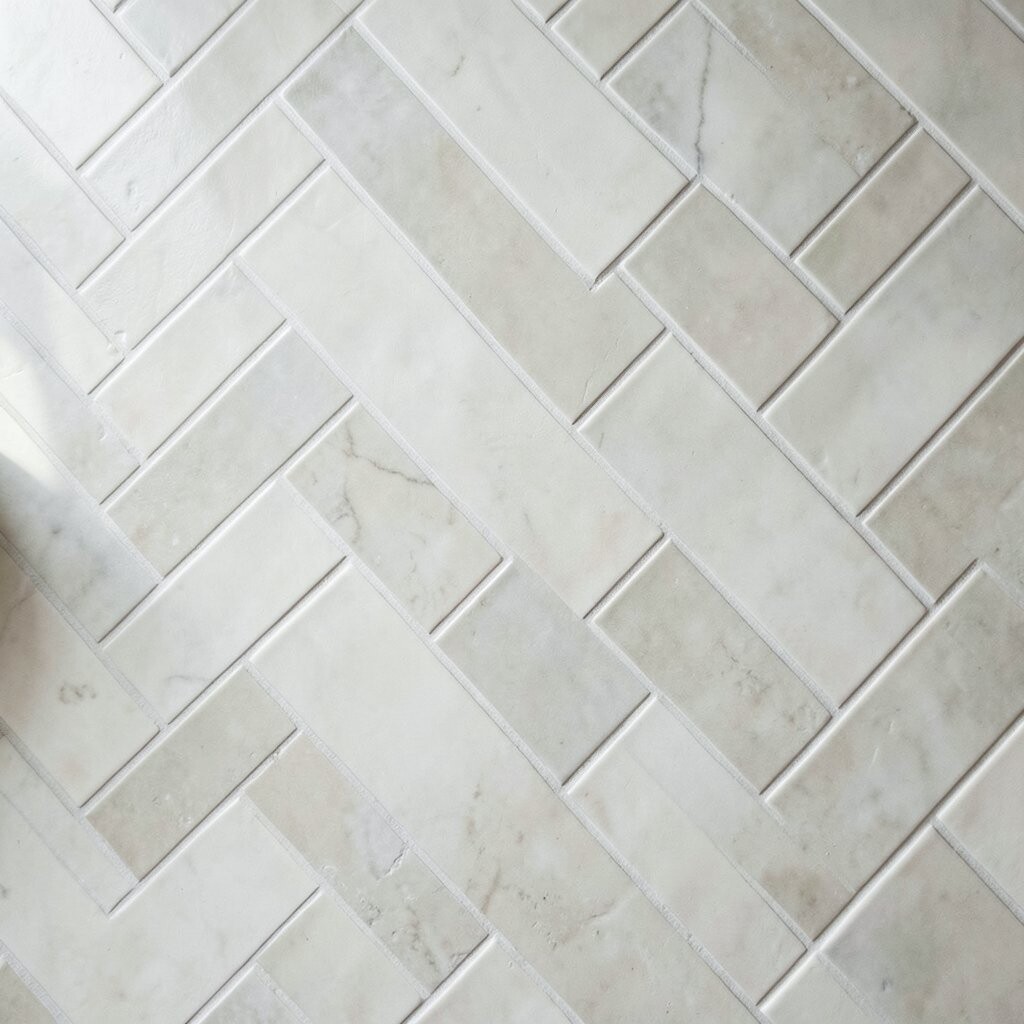
Herringbone turns a simple subway tile into a pattern with energy. The zigzag lines make walls feel dynamic without adding clutter.
Lay the tiles with careful alignment so the “V” shapes stay consistent. This style looks amazing in entryways and powder rooms where you want a quick wow. For best results, use spacers and dry-fit a few rows before you commit.
5. Extra-Long Subway Tile for a Modern, Streamlined Wall
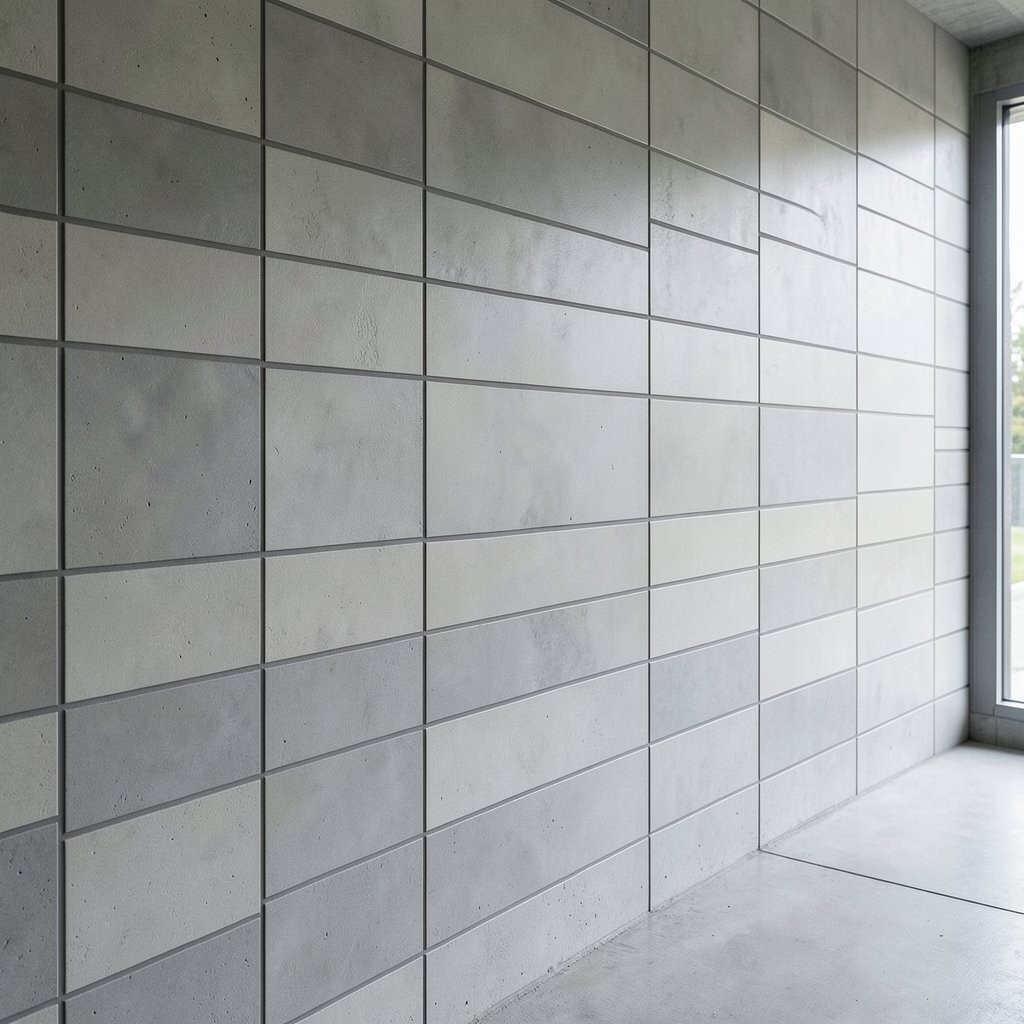
Long subway tiles create a sleek, horizontal vibe. They visually stretch the wall and can make ceilings feel taller.
Keep the grout lines tidy and narrow to enhance the elongated look. This tile works beautifully for feature walls behind a range, sink, or bathroom vanity. If you want a softer effect, choose a satin finish instead of high gloss.
When planning your project, measure carefully because longer tiles may require fewer cuts. Still, order extra for breakage and matching. Pair the look with simple, flat-front cabinets or clean-lined fixtures.
6. Subway Tile in Soft Blue for a Fresh, Coastal Mood
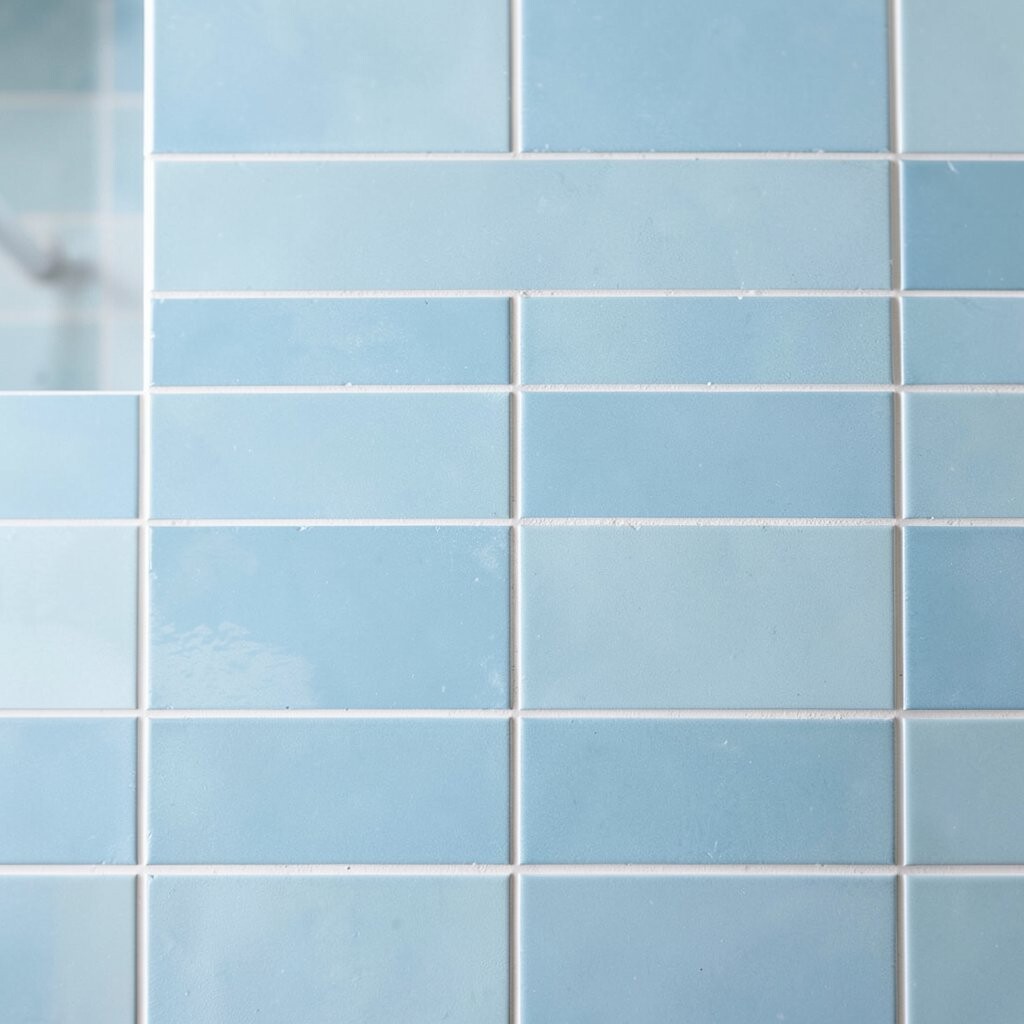
Soft blue subway tile feels airy and welcoming. It brings a hint of seaside calm without looking childish.
Try pastel blues with warm grout to keep the palette balanced. This combo looks especially lovely in bathrooms and breakfast nooks. Add touches of white towels, light wood, or brushed nickel fixtures for an easy match.
7. Earth-Tone Subway Tile With Textured Surfaces

Earthy colors make spaces feel grounded and cozy. Think warm clay, sandy beige, or muted olive tones.
Pick tiles with subtle texture like micro-embossing or gentle variation in color. Texture adds depth even in soft lighting and hides small imperfections. For practicality, textured finishes can hide water spots better than very glossy tiles.
Personalize by mixing two close shades in a controlled, intentional way. Keep accessories natural too, like stone trays or linen window treatments. If you’re pricing it out, remember that textured tile can cost more, so focus on key areas first.
8. Glossy Subway Tile With a Reflective, High-End Feel
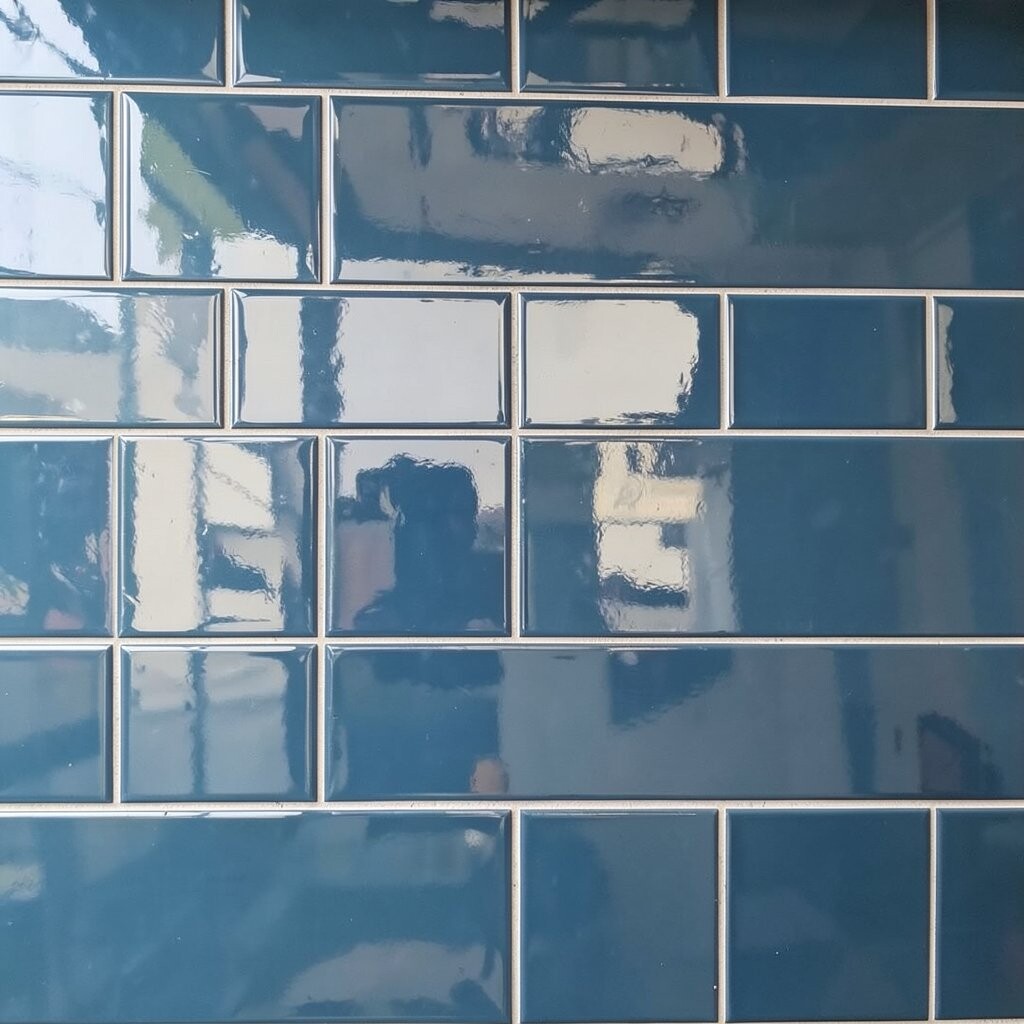
Glossy subway tile bounces light and makes walls look polished. It’s a fast way to upgrade a kitchen or bath.
Use bright white grout to emphasize the shine and create a crisp grid. In a wet area, reflective surfaces can look stunning but may show water spots, so plan for regular quick wipes. This is also where good ventilation matters.
If you want the look without the glare, choose a “high gloss satin” product. Pair with simple cabinet doors and minimal hardware so the tile stays the main feature. Consider adding a dimmable light so you can adjust the sparkle.
When you grout, clean as you go because glossy tiles can show haze. A quality grout float helps keep lines even. Sealing grout can also make upkeep easier over time.
9. Subway Tile Ceiling for an Unexpected Design Moment
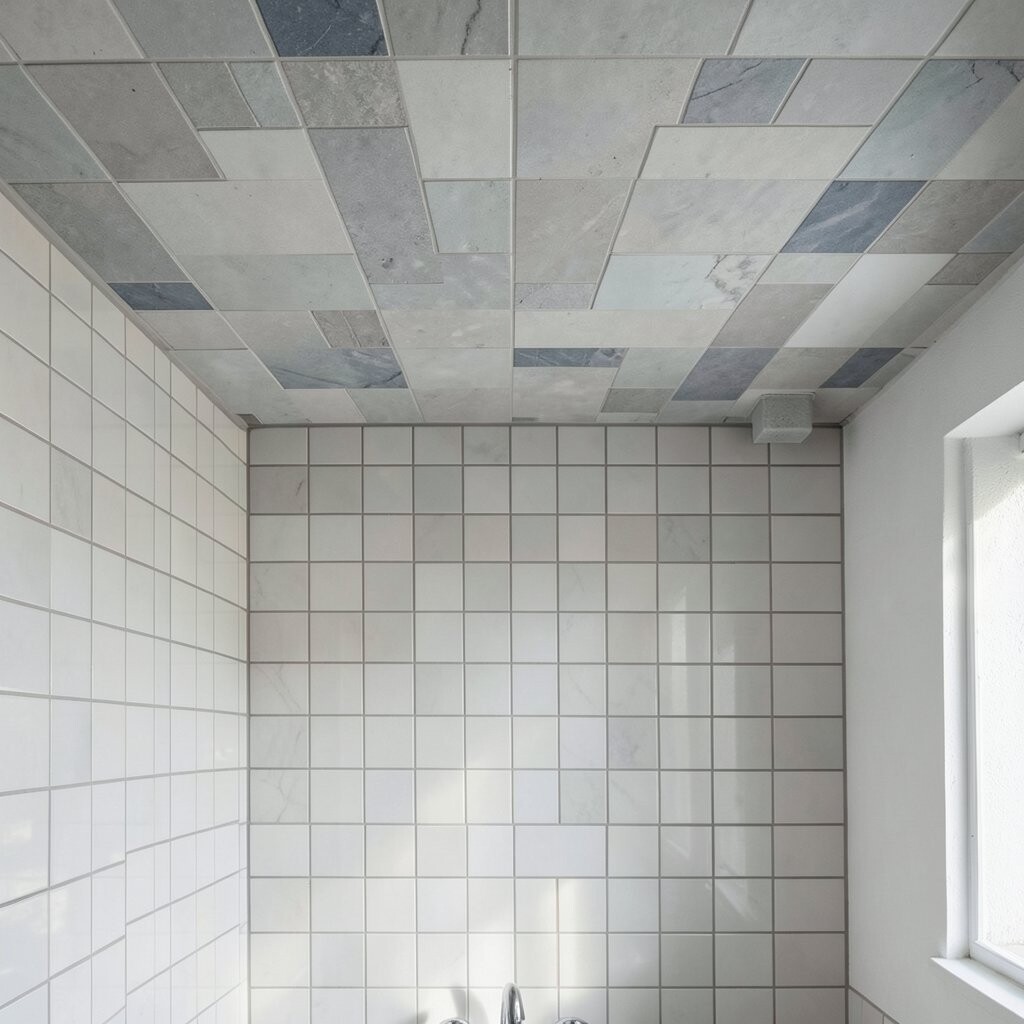
Applying subway tile to a ceiling turns the room into a showpiece. It sounds unusual, but it can look striking and cohesive.
Choose a lighter color and a lighter grout to keep the ceiling from feeling too heavy. This works especially well in covered patios, bathrooms, or entry halls with good lighting. Use proper mounting methods and consult instructions since ceilings need secure installation.
10. Corner Shower Accent With Classic Subway Lines
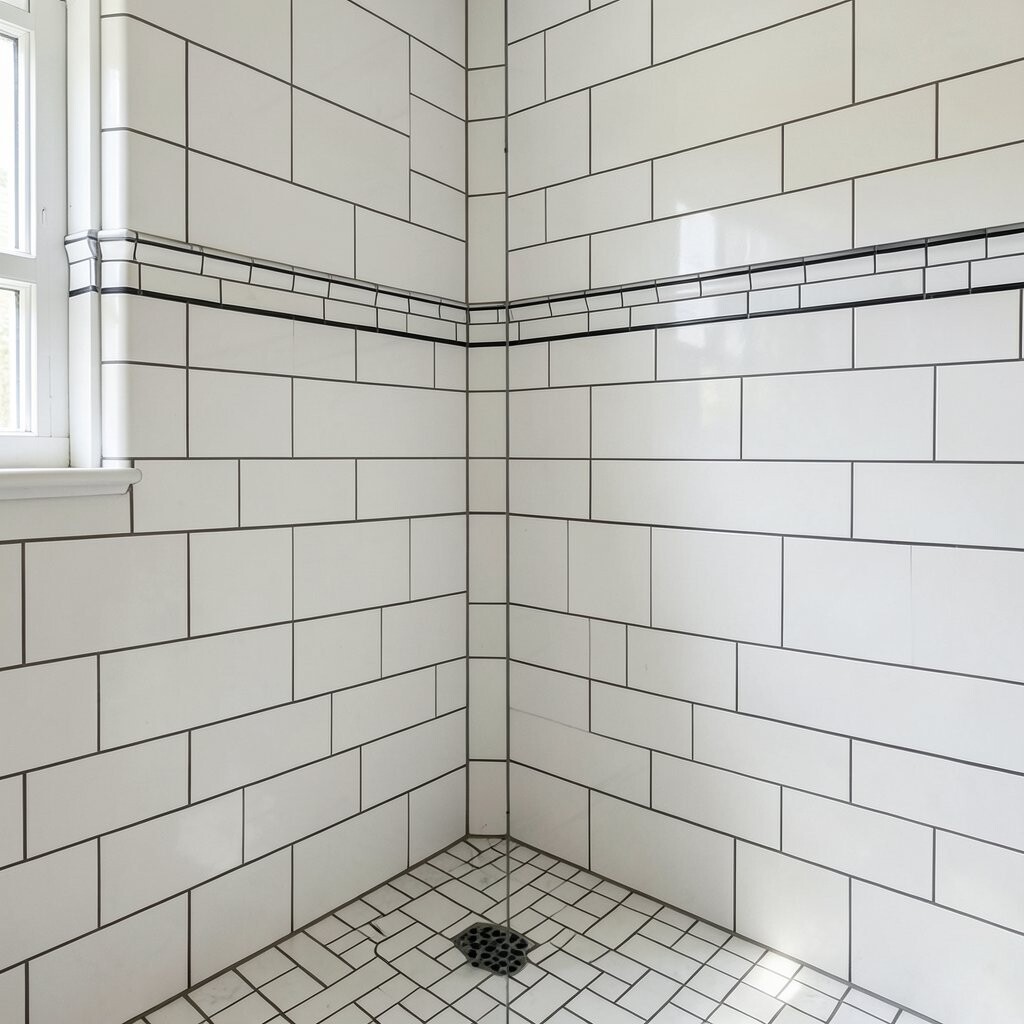
A small shower accent can deliver big style impact. Even a simple half-wall or niche can look designer with the right tile.
Keep the surrounding tile clean and neutral, then add subway tile in a contrasting color or finish. Glossy white subway tile over a darker shower base feels fresh and luxurious. For practical tips, choose tiles rated for wet areas and use waterproofing systems properly.
Personalize with a built-in niche lined in a complementary shade. It’s a functional place for shampoo and looks great in photos too. For cost control, limit the accent to high-visibility surfaces rather than the entire shower.
11. Subway Tile Backplash With a Two-Tone Grout Plan
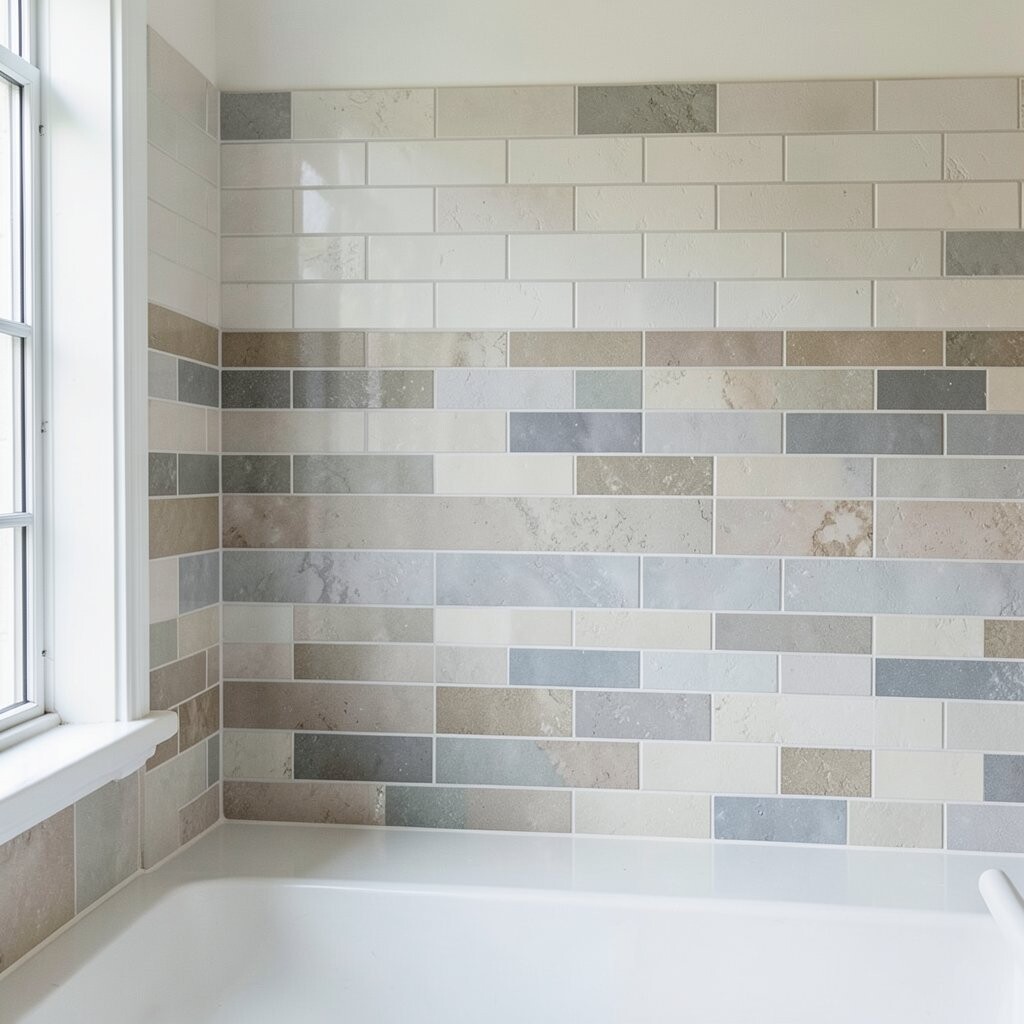
Two-tone grouting can make subway tile look custom. You can highlight edges while keeping the center calm.
Try a light grout for the field and a slightly deeper shade for the perimeter lines or around outlets. This creates a soft frame effect that feels intentional. It’s a great way to add personalization if you love classic tile but want a twist.
12. Matte Smoke-Gray Subway Tile for a Calm, Modern Vibe
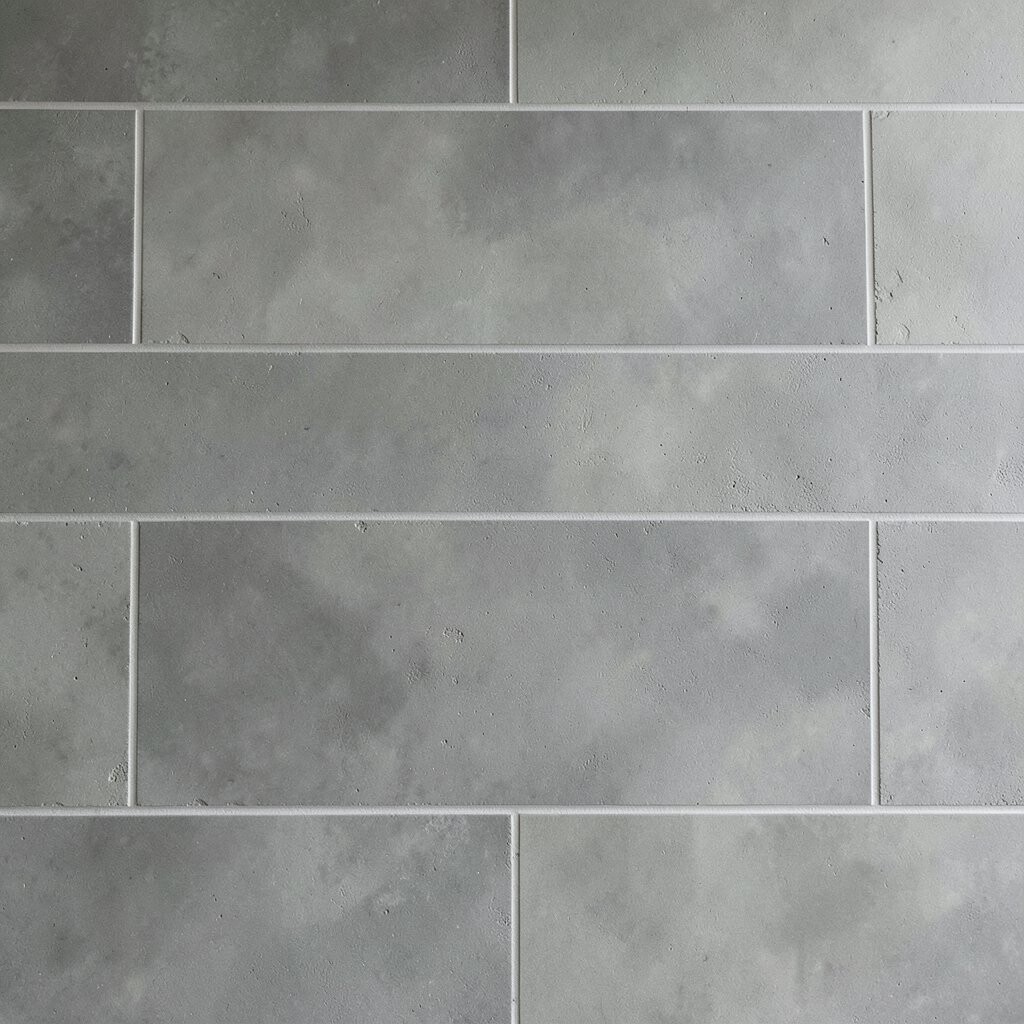
Matte gray subway tile gives a modern, gentle look. It feels current while staying easy to pair with many colors.
Choose a grout color close to the tile if you want a seamless effect. If you prefer definition, use a lighter grout for a clearer grid. Matte surfaces often look forgiving and hide small scuffs better than glossy tile.
To keep the space bright, balance gray with warm lighting and light countertops. Wood accents also help the color feel inviting. Budget-wise, consider buying the gray tile for the backsplash only and save full-room tile for later upgrades.
13. Colorful Micro-Accent Band in the Middle Row
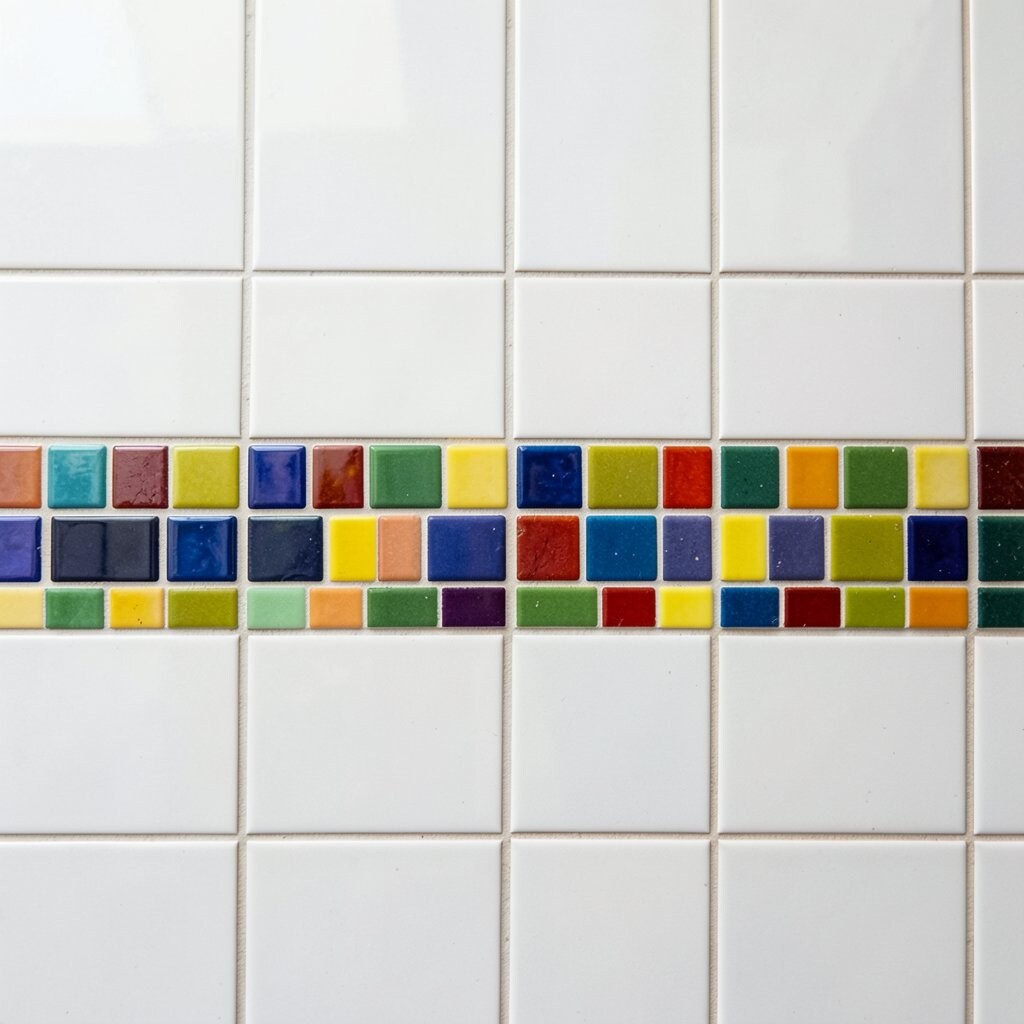
Add a pop of personality by placing a colored band through the backsplash. It feels playful but still design-forward.
Keep the main subway tile neutral, then choose a single bold color like teal, coral, or mustard for a narrow strip. This creates a focal point without covering the entire wall in intense color. It also makes it easy to personalize your space as trends change.
Use a consistent spacing so the band looks straight and crisp. If you’re worried about straight lines, mark your start level before installing any tile. For cost considerations, the accent band uses fewer tiles, which can help you stay within budget.
Finish the look with coordinating accessories like dish towels or small countertop decor. Your backsplash can feel like a designed “moment” instead of a background.
14. Subway Tile With Beveled Edges for Classic Dimension
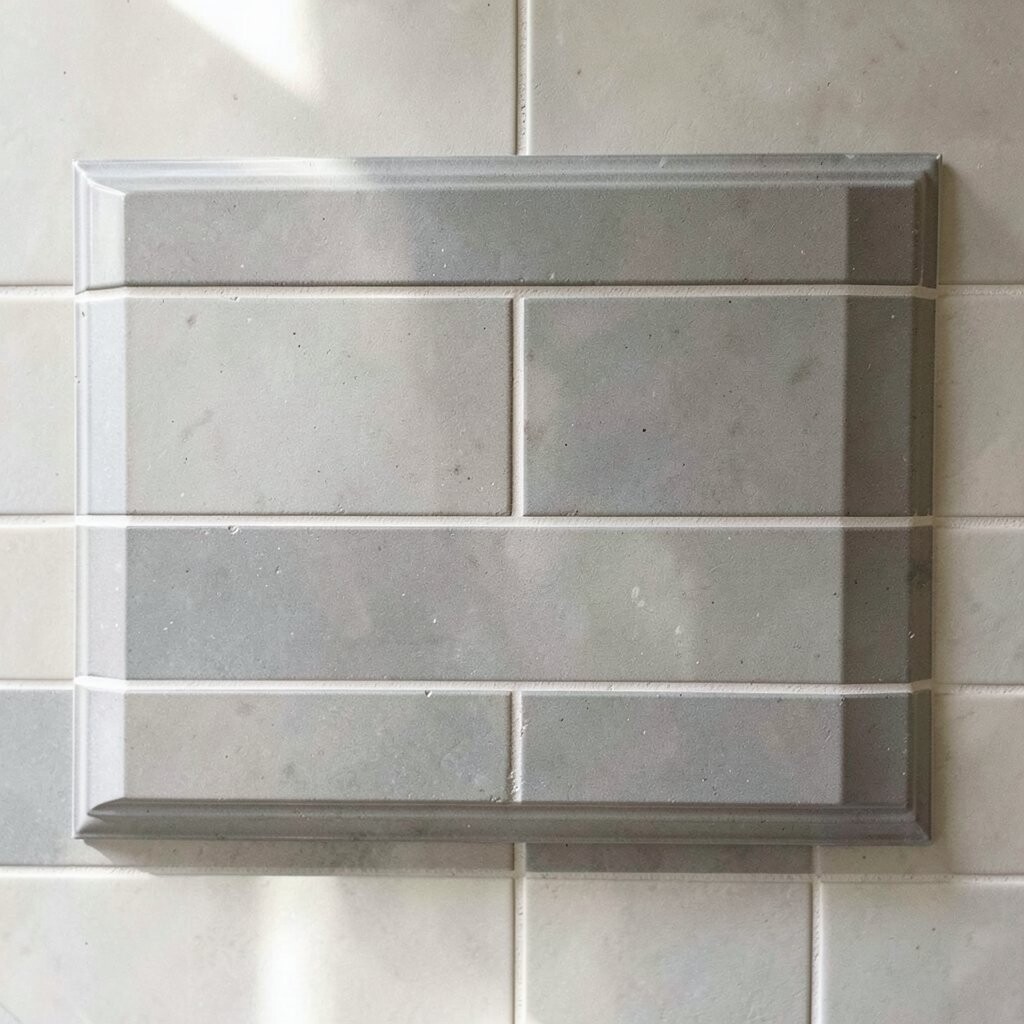
Beveled edges add subtle shadow lines that make tile look dimensional. Even a plain color can feel rich and layered.
This option is perfect if you want a timeless look that doesn’t feel flat. Pair it with either bright white grout for contrast or a matching grout for a smoother surface. When installing, keep the tiles aligned so the bevel reflections look consistent across the wall.
15. Subway Tile in Warm Ivory for a Soft Neutral Home
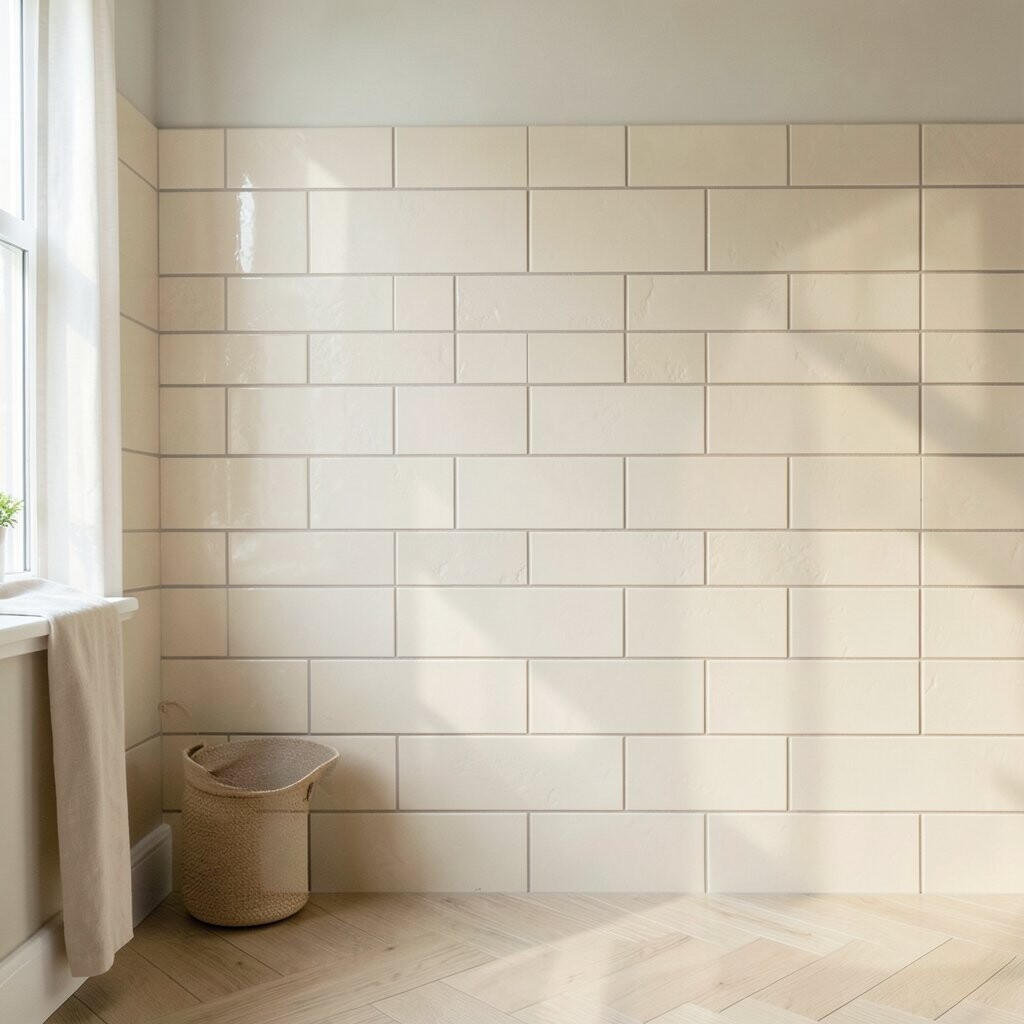
Warm ivory tile brings comfort and elegance without looking stark. It pairs well with almost any cabinet finish.
Choose ivory with a satin or low-sheen finish for a creamy glow. Match grout to the tile for a calm, tailored look. This style is especially flattering in older homes where you want updates that still feel authentic.
Personalize with brushed brass faucets and warm-toned wood shelves. If you’re budgeting, ivory tile can sometimes cost less than trendy bright whites, depending on brand. Still, compare quality and look at thickness so the wall feels solid and professional.
16. Metallic Subway Tile for a Glam Kitchen Moment
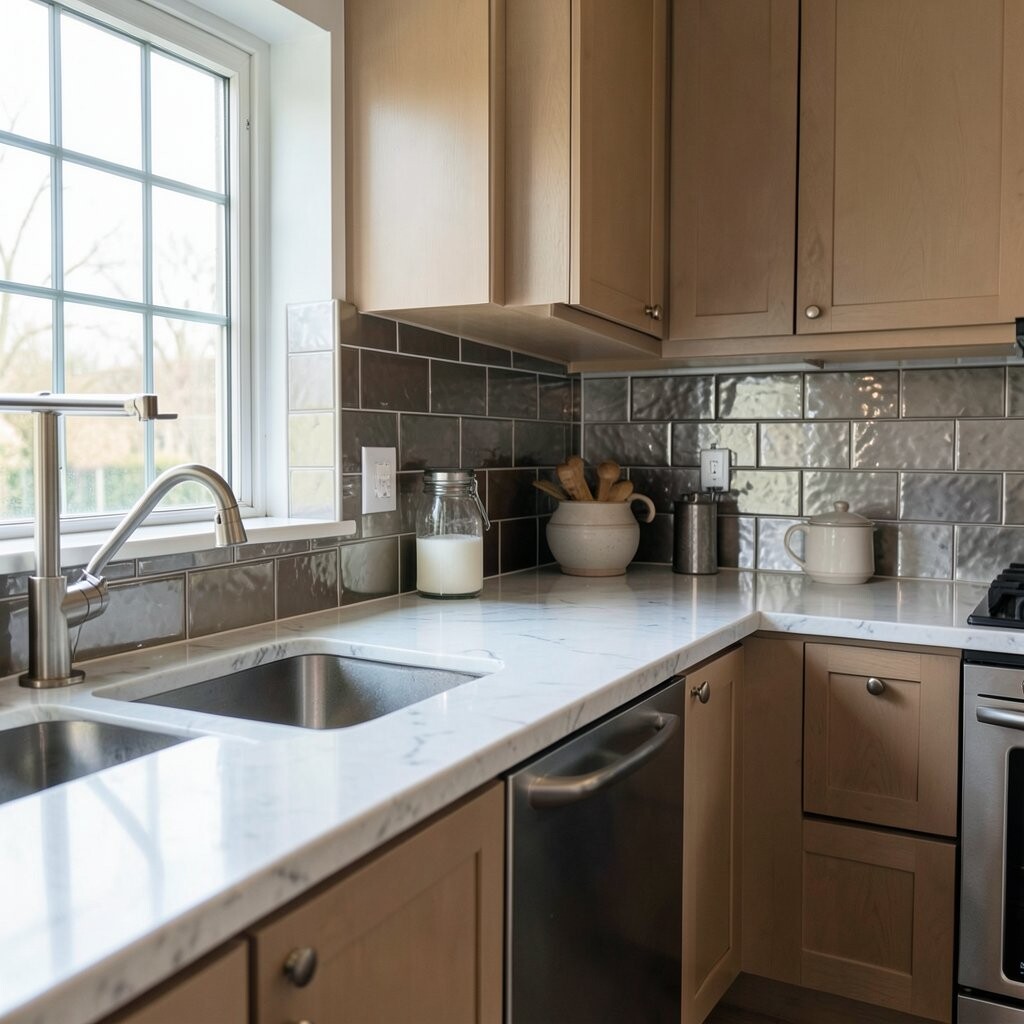
Metallic subway tile makes a kitchen feel instantly elevated. It catches light in a way that plain tile can’t match.
Use metallics like copper, gold, or bronze in small sections for a balanced look. Full coverage can be expensive and might feel too bold. Pair metallic tile with simple cabinetry and avoid competing hardware finishes.
17. Patterned or Glazed Subway Tile With Unique Color Variation

Glazed patterned subway tile feels artful and one-of-a-kind. Variations in color make the wall look alive and textured.
Look for tiles that repeat the pattern subtly so your installation feels cohesive. This type of tile often hides imperfections and makes each row visually interesting. For practical planning, mix tiles from different boxes to balance color variation.
Cost can be higher for handcrafted looks, but you can offset the price by using it as an accent backsplash. Add simple lighting and keep countertops uncluttered so the tile stands out. If you love change, choose colors that pair well with multiple future décor styles.
18. Subway Tile Stair-Step Layout for a Modern Twist

A stair-step layout breaks away from the standard straight pattern. It adds a geometric feel without needing complex shapes.
Use consistent offsets so the steps line up cleanly across the wall. This design looks great behind bars, in laundry rooms, or on a dining area feature wall. For tips, measure and mark your offset points with painter’s tape before setting tiles.
Personalize by choosing a color that complements your room’s dominant tones. A soft sage or dusty rose works beautifully with warm wood, while crisp white keeps it bright. Budget-wise, this layout may require more cuts, so factor in labor or extra tiles for waste.
19. Subway Tile Laundry Room Wall With Easy Cleanability
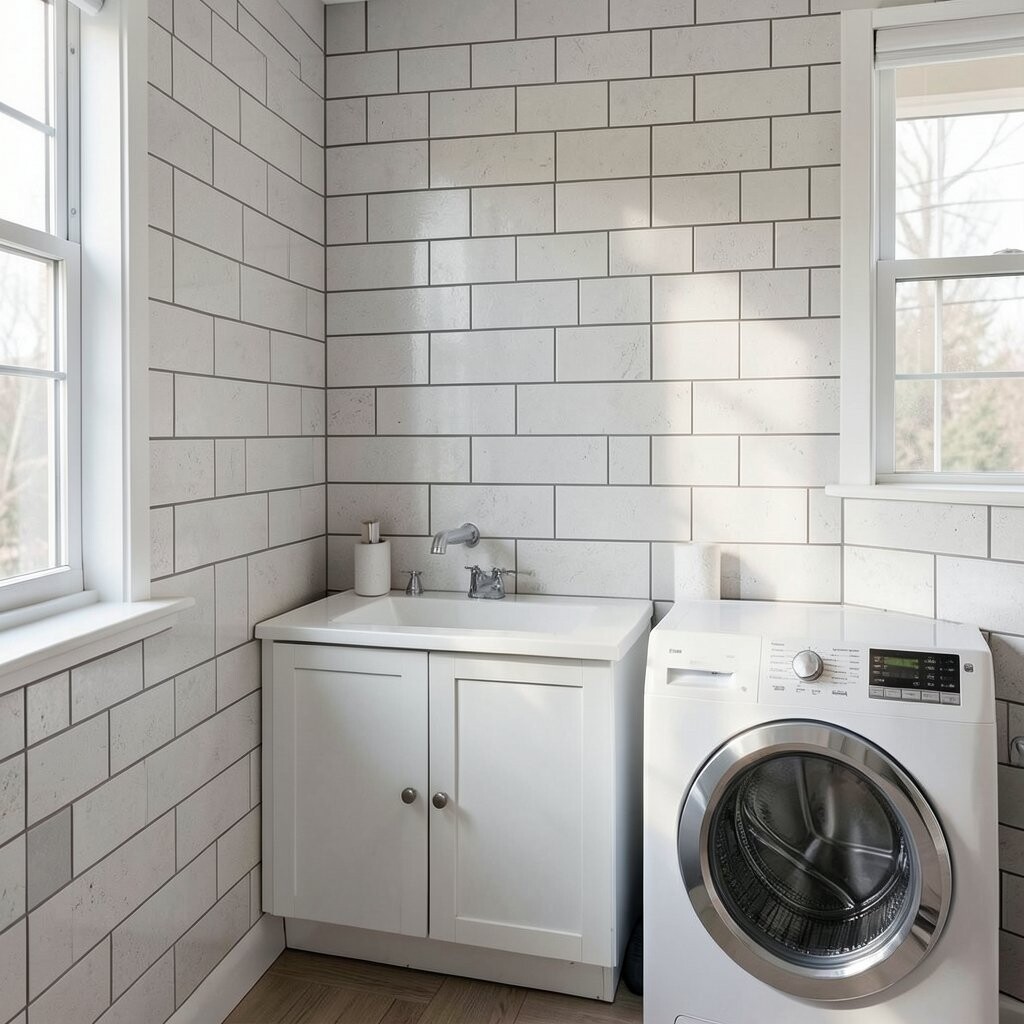
A laundry room deserves style that also handles mess. Subway tile is durable, and it’s easier to wipe down than paint.
Choose a stain-resistant glaze and a grout that’s made for high-traffic areas. Matte finishes can look cleaner longer by hiding tiny marks. Add a splash of color in a small section around a utility sink or fold-down counter to make chores feel less tedious.
20. Subway Tile With a Tile Shelf and Decorative Trim

A built-in shelf makes subway tile feel custom and functional. It gives you a place for soap, small plants, or candles.
Pair your shelf with coordinating trim like a contrasting end cap or a matching bullnose edge. This detail frames the wall and makes the whole area look finished. For personalization, keep the shelf style consistent with your faucet and cabinet hardware.
21. Subway Tile Style Pairing: Horizontal Rows and Vertical Panels

Mixing horizontal rows with vertical accents adds architectural flair. It’s a clever way to create structure without building a new wall.
Start with standard subway tile laid horizontally, then add a vertical panel section at a corner, niche, or around an outlet zone. Keep grout color consistent so the design feels cohesive. For practical tips, map your layout on paper first and dry-fit tiles to confirm the balance.
Cost considerations are manageable because you’re using the same base tile in different orientations. Personalize the vertical panel with a slightly contrasting color or a different finish like matte next to satin. This trend-forward approach gives your space a custom look while still using a classic tile form.