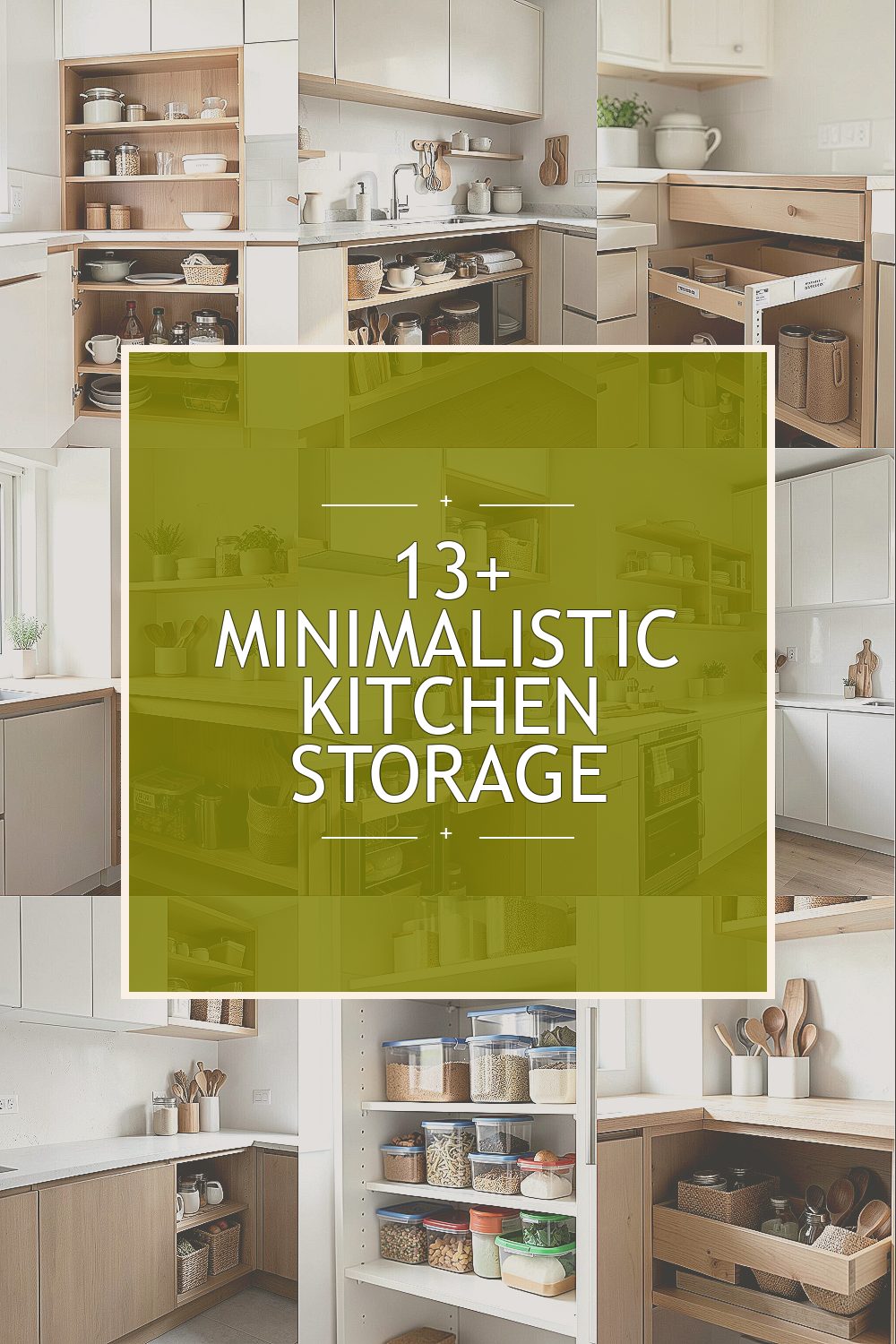
Minimalism sounds simple, but kitchen storage has its own rules. Once you understand those rules, everything feels easier and calmer.
1. Start With the “Hand-Test,” Not the “Cabinet-Test”

When you can reach a thing without climbing or digging, you keep it where it works. Minimalistic storage is really about reducing friction during real life.
Pick your most-used items and hold each one in your hand, then notice how you naturally reach for it. If you have to twist, stretch, or open three things first, that spot will create “mini messes” even if the cabinet looks neat. A good minimal setup means the path from your hand to the tool feels smooth, fast, and obvious.
2. Use “Zones,” Even If You Own Few Things

Your kitchen becomes easier when every item has a zone that matches how you cook. Even a small collection can feel cluttered if everything lives in random places.
Try pairing zones with tasks: prep near the cutting area, cooking tools near the stove, and cleaning items near the sink. This keeps movement shorter and reduces the temptation to set items down “for a second.” When zones are clear, minimal storage stops looking like a punishment and starts feeling like a helpful system.
To personalize, think about your own habits, not what a magazine shows. If you mostly bake, keep measuring cups and baking sheets together. If you cook on the stovetop every night, put your oils, spices, and favorite pans within one step of the burner.
3. Labeling Is a Minimalist’s Secret Weapon

Labels feel extra until you realize they prevent chaos from coming back. In a minimal kitchen, one unlabeled “maybe” bin can undo weeks of organizing.
Use simple labels for shelves, drawers, and containers that hold similar items. Choose clear categories like “snack bowl,” “toppings,” or “spice refills” so you don’t have to guess later. Labels also help guests and family put things back the first time.
Go low-effort with removable labels, especially if you like to rearrange seasonally. You can also label by function instead of by brand, which keeps the system stable even when you replace products. If you worry about looks, match the label color to your cabinet hardware for a tidy, uniform feel.
Another hidden benefit is mental relief: you spend less time deciding where things belong. Minimal storage is not only fewer items, it’s fewer decisions.
4. Keep One Place for “Wants,” Not Five Places for “Maybe”
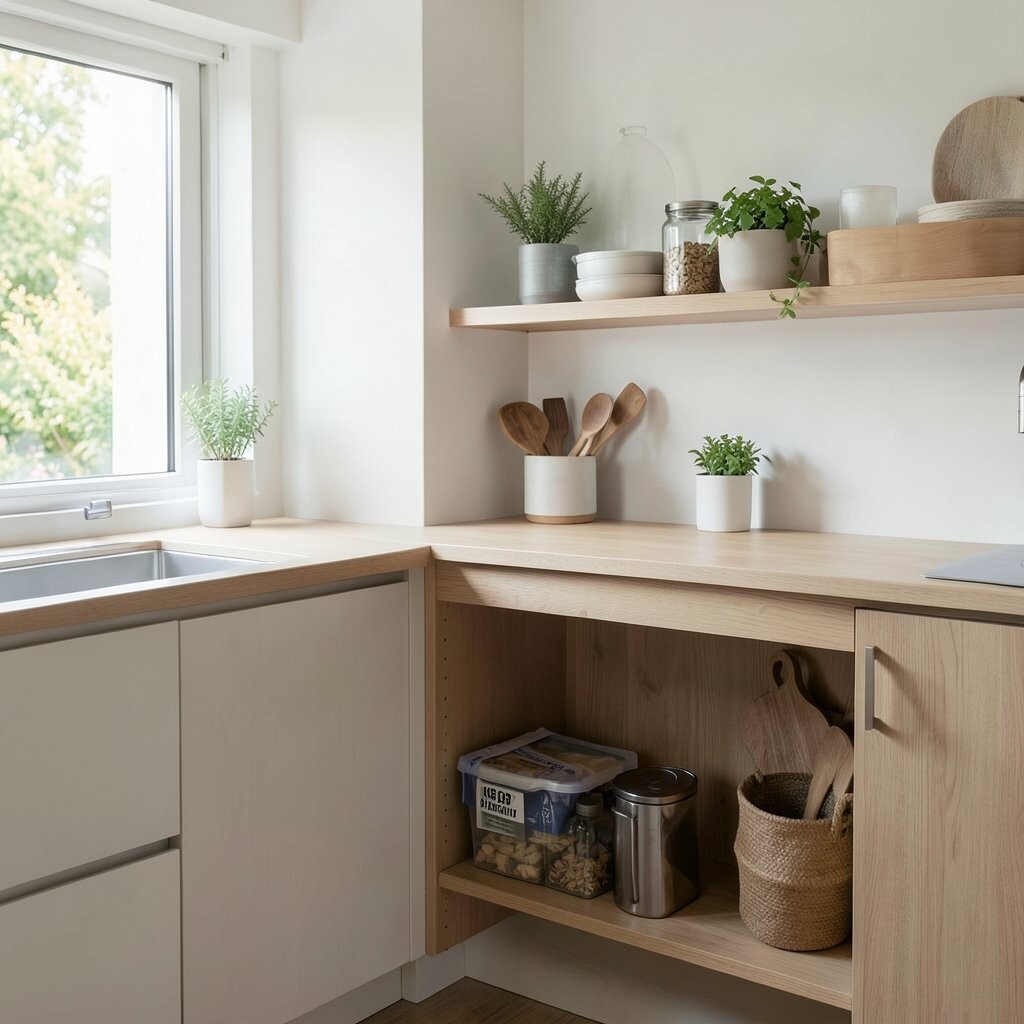
Minimalism fails when “maybe” items scatter across cabinets. You need one controlled spot for things you’re keeping temporarily, repairing, or still deciding about.
Choose a single bin or drawer called something like “Soon” or “For Later,” and make the rule strict. When you add something new, you must remove something else, even if the removal is donating, returning, or storing it somewhere out of rotation. This prevents the kitchen from slowly growing into a storage dump.
5. Measure Before You Buy Storage That “Looks Right”
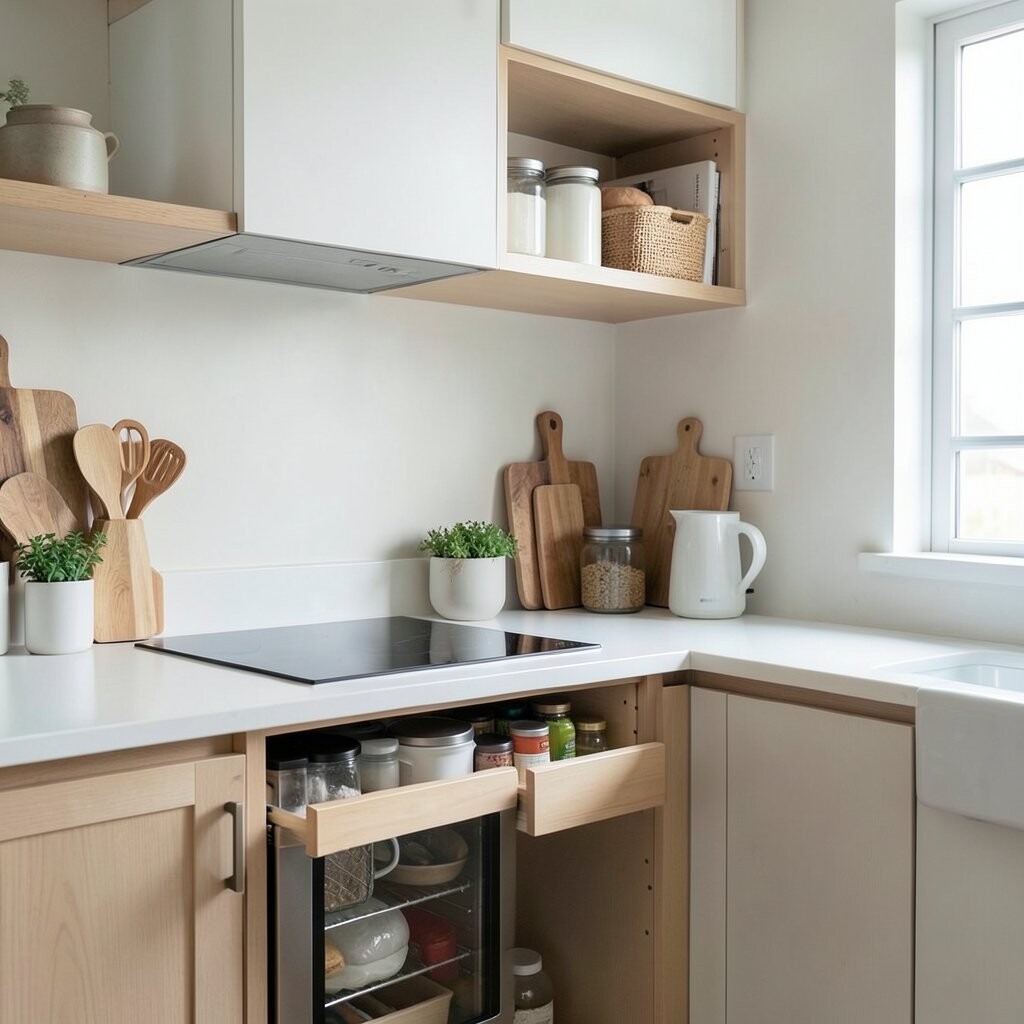
It’s easy to buy organizers that appear perfect online but don’t fit your drawers. Minimal kitchen storage works only when measurements match your real space.
Use a tape measure and note the width, depth, and height of every drawer and cabinet opening. Remember to account for doors, dividers, and handles, because they reduce usable space. When you plan around real dimensions, you avoid duplicate purchases and wasted money.
If you can, test with paper cutouts first, placing “mock organizers” in the drawer. That quick visual check shows whether items will slide smoothly or get stuck. Minimalism means the system should work on day one, not after you reorder.
6. Design for the Worst Busy-Day, Not the Calm Sunday
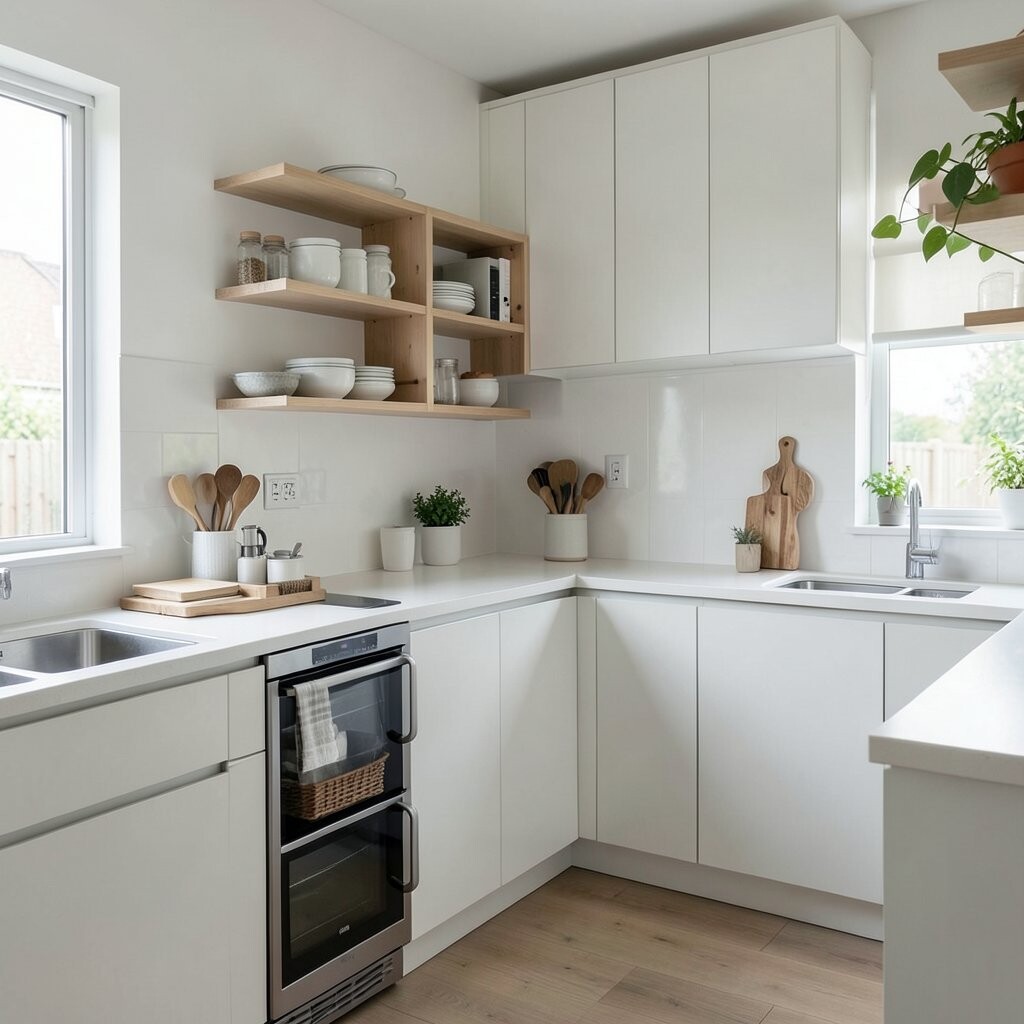
When you’re rushing, you don’t think about aesthetics—you think about speed. Minimalistic storage shines when it prevents slow searching during stressful moments.
Place daily tools where your hands can find them even when your mind is elsewhere. That means lids in one place, potholders in one place, and frequently used utensils in reachable trays. If you set up for your busy-day workflow, the kitchen stays calm instead of turning into a scavenger hunt.
Try a “time test” with a common task like making tea. Move through the steps and see how long it takes to find the kettle, mug, filter, and stirrer. Then adjust storage so the hardest parts become easy.
7. Remember That Counter Space Is Part of Storage
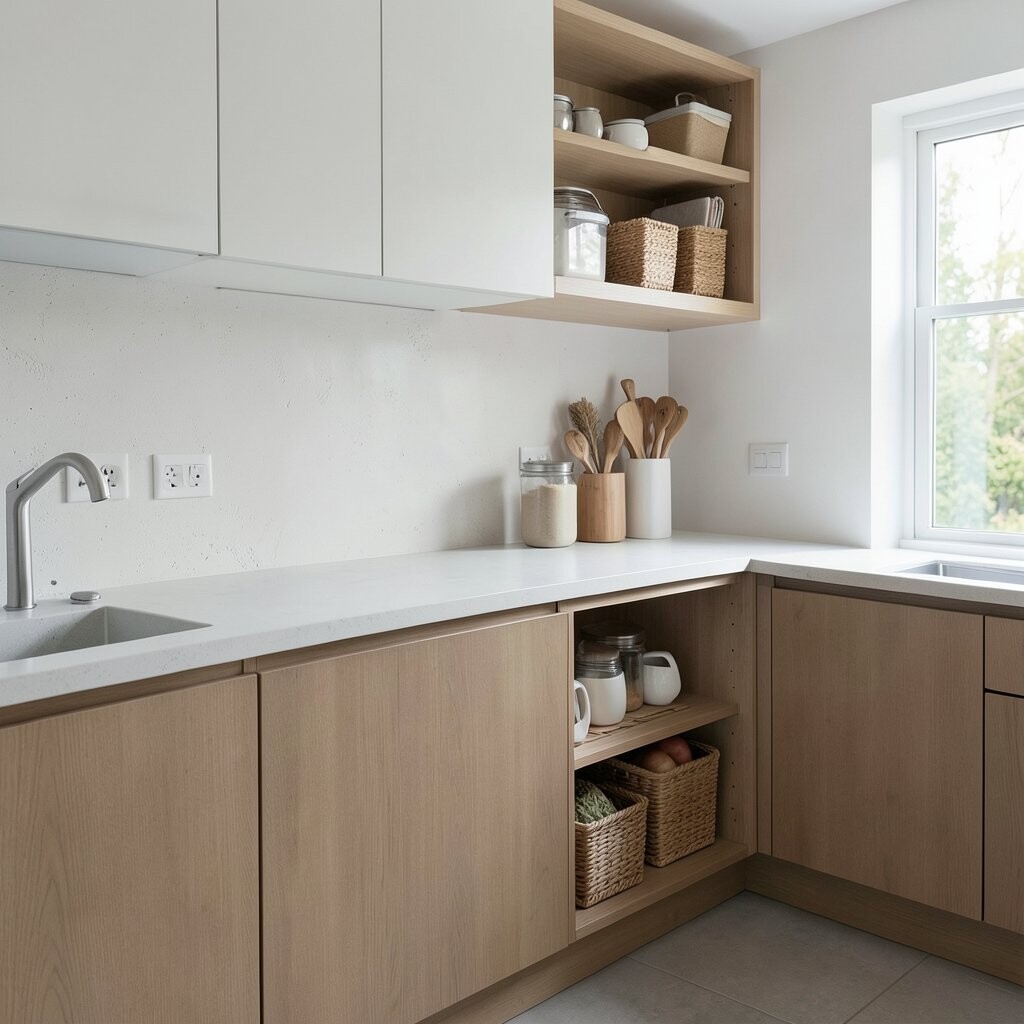
A minimal kitchen isn’t only what’s behind doors. Counter organization is storage, and it affects how cluttered the room feels.
Choose one “daily station” for what you use constantly, like a mug rack, a utensil crock, or a fruit bowl. Keep everything else stored to prevent visual noise. When you limit the counter to a few intentional items, your cabinets feel calmer too.
For personalization, align your daily station with your routines, like a coffee spot or a smoothie prep area. This also helps you avoid buying extra gadgets “just because you have space.” If a new item doesn’t earn its counter spot, it goes into a drawer system with a clear role.
8. Use Clear Containers, But Not for Everything

Clear containers can reduce rummaging because you can spot what’s inside at a glance. That visual clarity can save time and reduce wasted food.
Keep transparent storage for dry goods you reorder often, like cereal, rice, and pasta. For items that you rarely need, opaque bins can hide clutter and keep your kitchen looking sleek. This balances minimalism and beauty without sacrificing function.
If you hate label clutter, choose containers with built-in labels or simple windows. You can also store one “refill” bag inside the bin so you keep everything tidy and ready. The best setup is the one you can maintain without constant effort.
A smart cost note: start with a few containers for your most-used staples rather than swapping everything at once. Minimalism grows over time, and you’ll learn what types work best for your habits.
9. Let Your Cooking Tools Guide Your Organization

Different kitchens use tools differently, and that should shape your storage. A minimal setup works best when it mirrors how you actually cook.
If you use woks or sheet pans often, give them vertical or near-stove storage so you don’t stack them in a deep cabinet. If you love baking, keep mixing tools together and store baking sheets upright if your cabinet allows it. When your tools feel “paired” with your cooking style, you stop creating overflow piles.
10. Use the “One-In, One-Out” Rule for Storage Upgrades Too
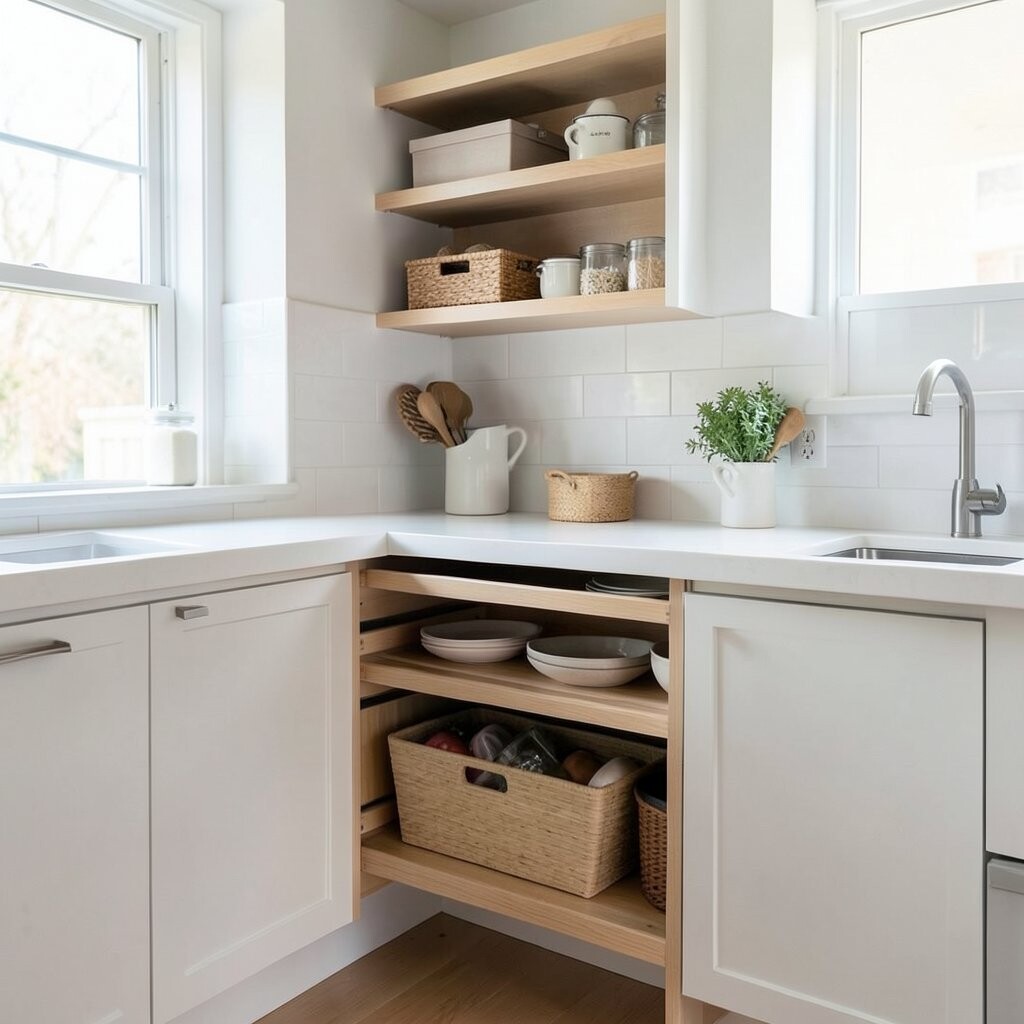
Minimalism isn’t only about items; it’s also about the number of containers and organizers. Every added bin can become new clutter if you don’t control it.
When you bring home a new organizer, remove or repurpose something similar first. That might mean combining two utensil trays into one or moving extra gadgets into a single controlled drawer. This keeps your kitchen from turning into a collection of storage solutions instead of a system for using food.
To keep it realistic, focus on categories rather than perfect fairness. If you get a drawer divider, you might remove an extra jar rack. The goal is a calm kitchen where storage supports life, not the other way around.
11. Store Lids With a Simple “Matching Method”

Lids are small, but they create big chaos. A minimal kitchen treats lids as a system, not as loose accessories you shove wherever they fit.
Try storing lids upright with a lid rack, or use a method that keeps each lid with its matching pot and pan. If you stack them, choose a setup where you can see sizes quickly. This prevents “mystery lid” piles that steal drawer space and cause wasted time while cooking.
For personalization, match your method to your pan style and storage space. Deep drawers might prefer vertical dividers, while cabinets might work with shelf organizers. When lids are easy to pair, you stop doing the awkward balancing act that leads to clutter.
A cost consideration: you can start with a basic lid rack and upgrade later if your collection changes. Minimal doesn’t mean buying everything at once; it means buying what you need to keep order.
12. Use Vertical Space Before You Use More Shelves
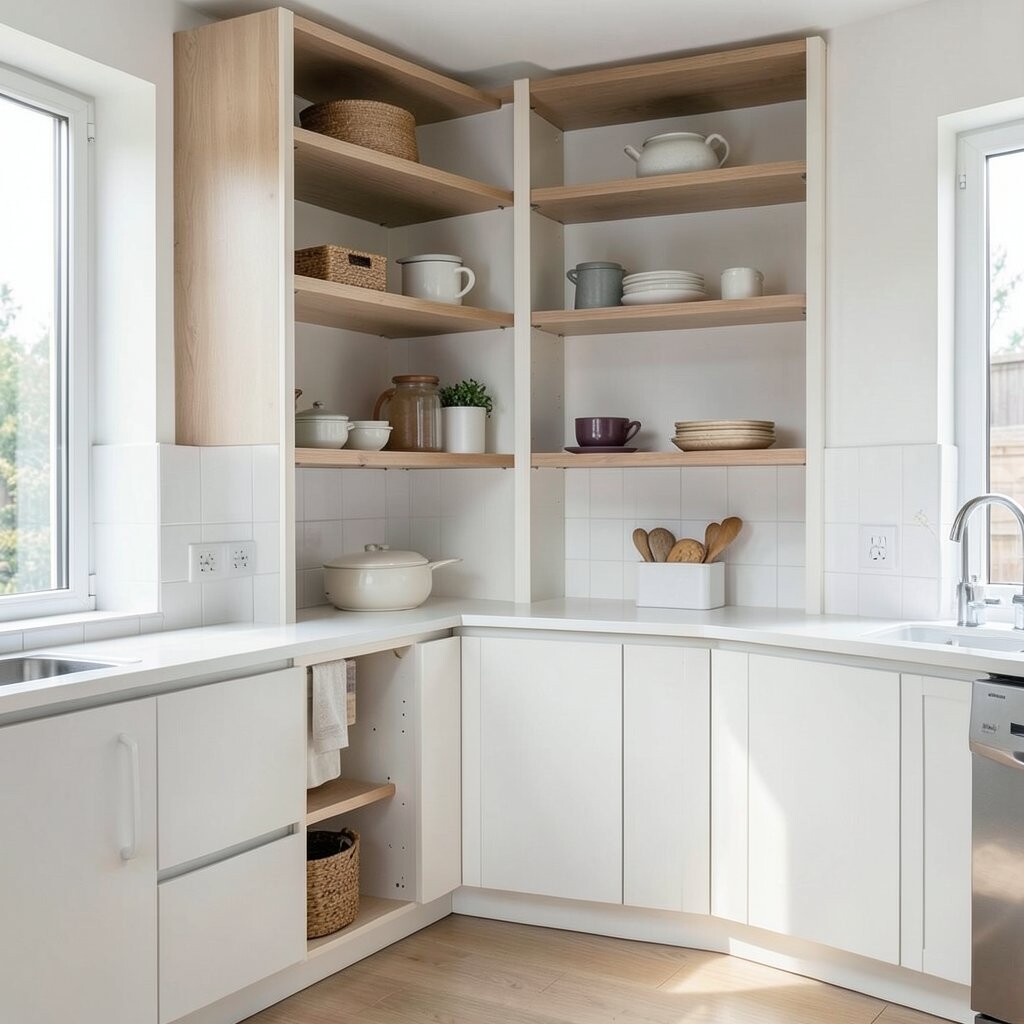
People often think minimal storage means fewer shelves, but vertical space can help you keep things contained. Walls and cabinet height can be your best friends.
Consider hooks for mugs, a peg strip for frequently used utensils, or bins that stack neatly in tall cabinets. This reduces the need for extra furniture-like storage units. When you keep items aligned vertically, the kitchen stays visually tidy even if you own practical tools.
Trends right now include slim rail systems, modular wall storage, and “zone walls” that show a few daily items and hide the rest. You can keep the trend minimal by limiting what you display and storing everything else behind cabinet doors.
13. Create a “Maintenance Rhythm” So Minimalism Stays Minimal

A minimal kitchen doesn’t stay minimal by accident. It needs a small routine that matches your pace of life.
Set a short schedule, like a quick reset after grocery shopping and a small check once a week. During the reset, return items to their zones, wipe sticky spots, and remove any broken or unused tools. This prevents the slow drift from neat to messy.
Personalize your rhythm based on your household. If you cook daily, a two-minute daily reset can be enough. If you cook less often, a longer weekly check might work better. The “right” rhythm is the one you’ll actually do.
This is also where minimal storage becomes emotionally helpful. When the kitchen follows the same pattern, you spend less mental energy noticing mess.
14. Plan for Seasonal Swaps Without Full Rearrangements

Minimal storage should handle seasons without turning your kitchen into a constant construction zone. You can keep the system simple by planning swap moments ahead of time.
Store seasonal items in labeled bins and place them in harder-to-reach spots or a single dedicated area. When the season changes, you swap bins instead of reorganizing everything from scratch. This reduces stress and keeps the core storage map steady.