
Fresh pizza smells in the evening feel like a small celebration. A pizza oven tradition turns ordinary nights into something you’ll look forward to.
1. Warm-Up With a “First Flame” Toast

As the oven starts to heat, everyone gathers for one quick moment. That first flame feels like the start of a cozy story.
Keep a simple ritual: say what you’re grateful for, then start the preheating right after. This tradition builds anticipation and makes timing easier because you’re watching the oven together. For a practical tip, use a timer for the hottest phase so the crust doesn’t rush or wait too long.
2. Hang a Dough Checklist on the Fridge

Before the oven is ready, you can set up a visible plan for dough and toppings. It turns cooking into a calm, shared activity.
Write down steps like “proofing,” “stretch,” “sauce,” and “prep toppings,” so no one wonders what comes next. When guests can see progress, the evening feels organized and welcoming. If you want to personalize it, add family favorites or seasonal notes, like “autumn squash” or “spring herbs.”
Cost-wise, a checklist is almost free, but it saves wasted ingredients when someone forgets a step. A neat trend right now is “mise en place” cooking for home ovens, and this tradition fits perfectly.
3. The Neighborhood-Style Topping Bar
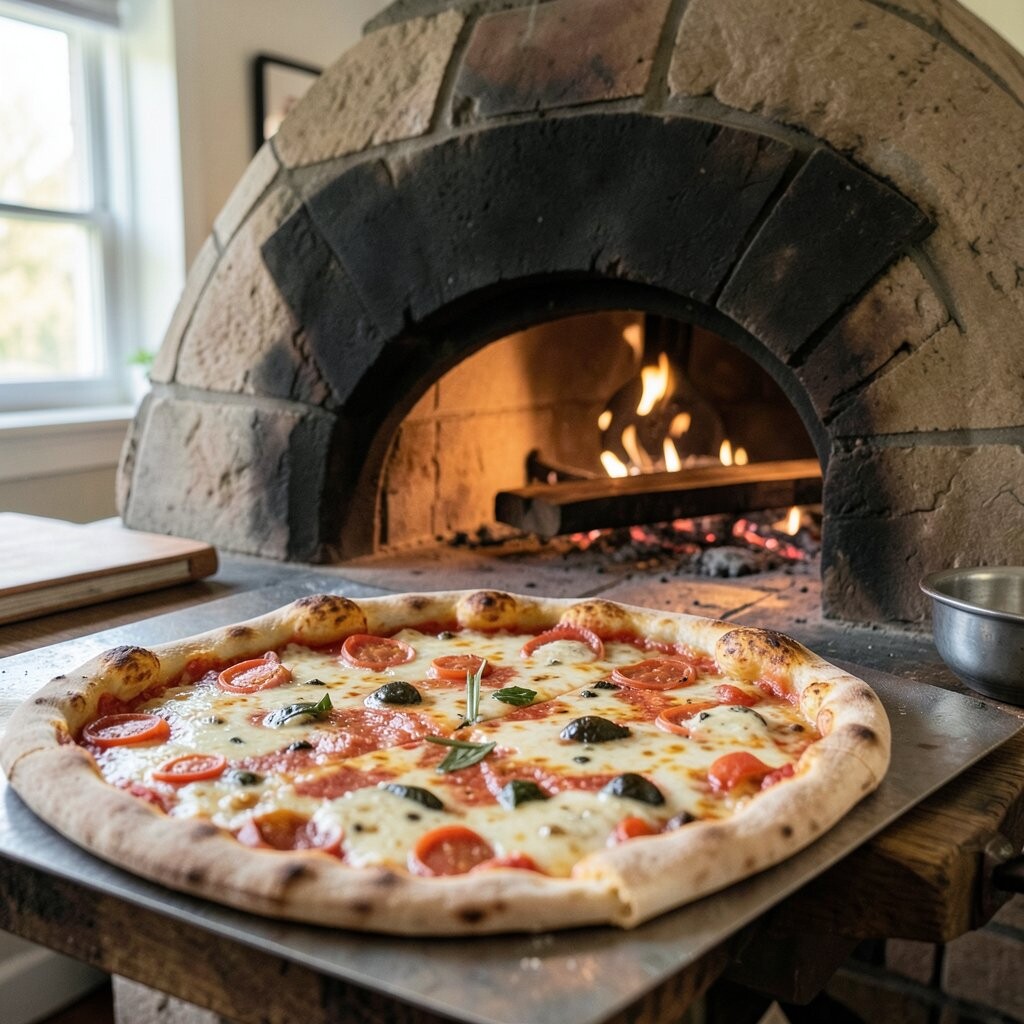
Set out toppings like a tiny market instead of only choosing one pizza at a time. People get excited when they can build their own slice.
Choose a mix of classic and fun items, such as basil, roasted peppers, mushrooms, olives, and a couple of cheeses. This tradition is unique because every pizza ends up slightly different, yet you stay in control of quality. For practical tips, keep wet toppings (like fresh tomatoes) in small portions so the crust stays crisp.
Personalization ideas are easy: label a mild “family-friendly” section and a spicy section with chili oil. If you’re budgeting, buy one premium topping like prosciutto and balance it with affordable add-ons like onions and peppers. A current trend is offering “two-cheese” or “choose-your-sauce” options, and your topping bar can include both.
To make it feel extra cozy, add a small bowl of flaky salt and a squeeze bottle of lemon for finishing.
4. The “Stretch Together” Hand-Off

Instead of one person doing everything, pass the dough like a warm invitation. The moment you stretch together becomes the best part of the prep.
Let one person stretch the edge while another gently rotates the dough, then swap roles so everyone gets a turn. This makes the tradition feel personal and reduces stress because mistakes are easier to fix in a group. For practicality, keep flour nearby and handle the dough lightly to avoid tearing.
5. Bake With a Crust-Color Promise
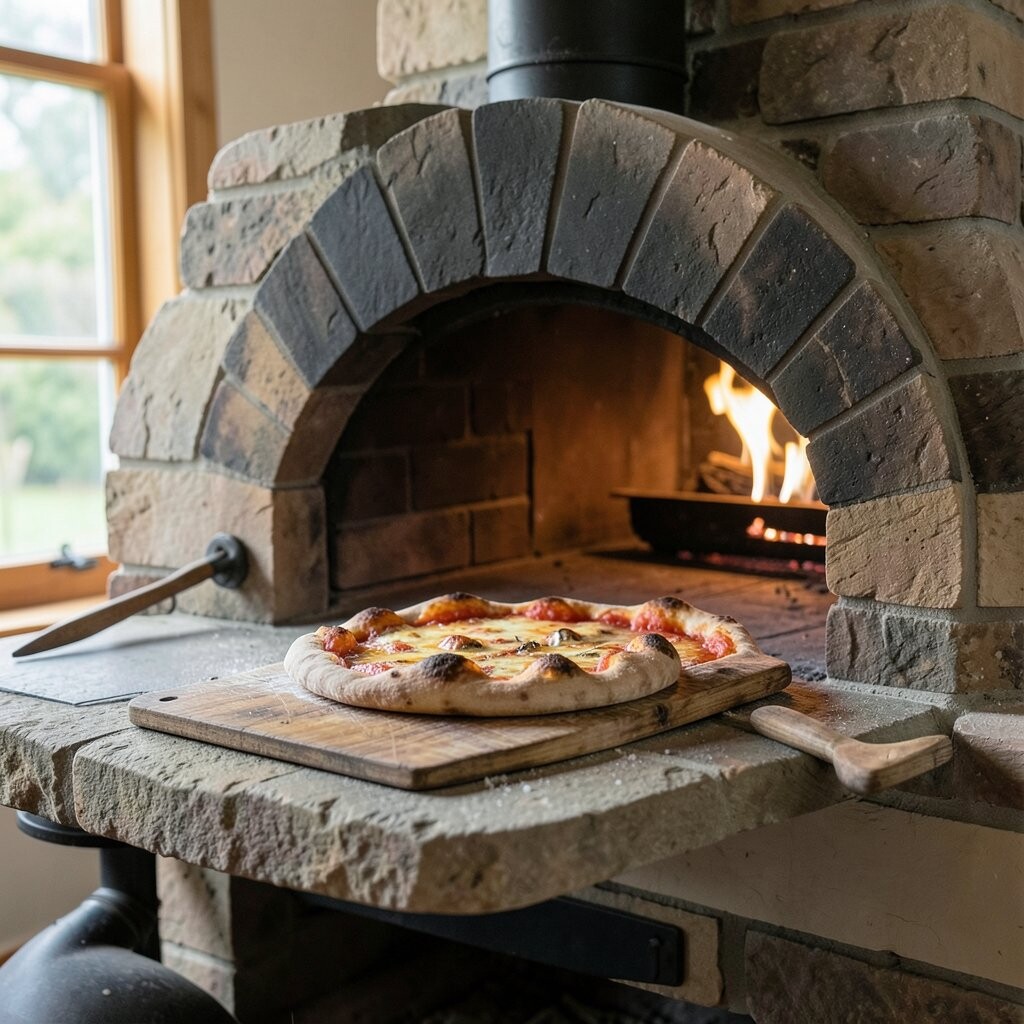
You can make crust goals as part of the fun, like “golden with a few freckles.” It turns pizza into a visible win you can aim for.
Pick a simple target: a light blistered rim and a browned bottom that sounds slightly crisp when tapped. This tradition is unique because you’re teaching everyone to read doneness without guessing. Use a pizza peel and rotate if needed, so even ovens bake evenly.
If you want cost considerations, focus on method rather than expensive gadgets; learning your oven saves money on trial runs. A trend you might notice in newer pizza communities is paying attention to “leopard spotting,” and this tradition keeps that spirit at home.
6. Serve the First Slice With Herb Butter
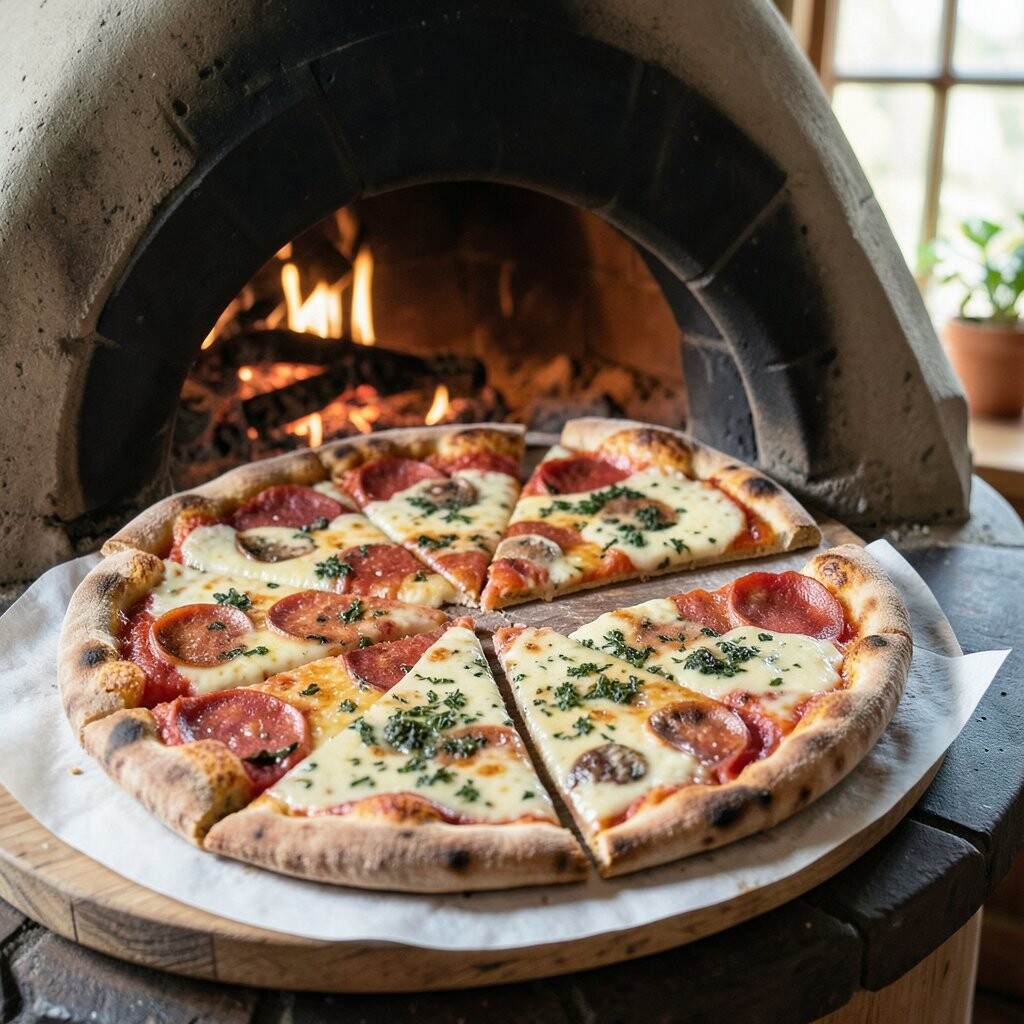
When the first pizza comes out, drizzle or spread quick herb butter over the crust. The smell is instantly comforting and makes everyone slow down.
Mix softened butter with minced garlic, chopped parsley, and a pinch of salt, then add a small spoonful to each slice right after baking. This tradition stands out because it adds a warm, restaurant-style finish without complicated steps. For practical tips, keep the butter ready before the pizzas start so you’re not rushing near the oven door.
7. The Candle-and-Check Timing Tradition

Light a couple of candles near the kitchen counter as the oven reaches heat. It makes the space feel like a cozy dining nook even while you cook.
Pair the candles with a timing check: one glance to confirm the oven is ready, one glance to watch bake time. This tradition helps you avoid burnt spots while keeping everyone engaged. Personalize it with scents like rosemary or citrus candles, but choose ones safe for cooking areas.
Cost-wise, candles are affordable, and you can reuse glass containers over time. Right now, many people are leaning into “small ambiance” nights, and a few lights go a long way for the vibe.
8. The “Family Recipe Rotation” Every Week

Pick one family recipe each week, then make it the star of the oven. It keeps your tradition fresh while still feeling like yours.
Rotate favorites like a classic margherita, a white garlic pie, a veggie-loaded version, or a meatier slice. What makes it unique is that the oven becomes a weekly timeline of memories, not a one-off treat. For practical tips, keep a small note card with your best bake time and topping amounts for each recipe.
Personalization ideas are endless: swap herbs, add a local cheese, or adjust spice levels for guests. Budget-wise, you can set a “main ingredient” spending limit, like one expensive cheese, and keep the rest simple. A current trend is using region-inspired ingredients, so you can try a “Mediterranean weekend” or “Italian-inspired” night.
When everyone knows the rotation, guests look forward to what’s next.
9. Dust the Peel With Cornmeal “Like a Snowfall”
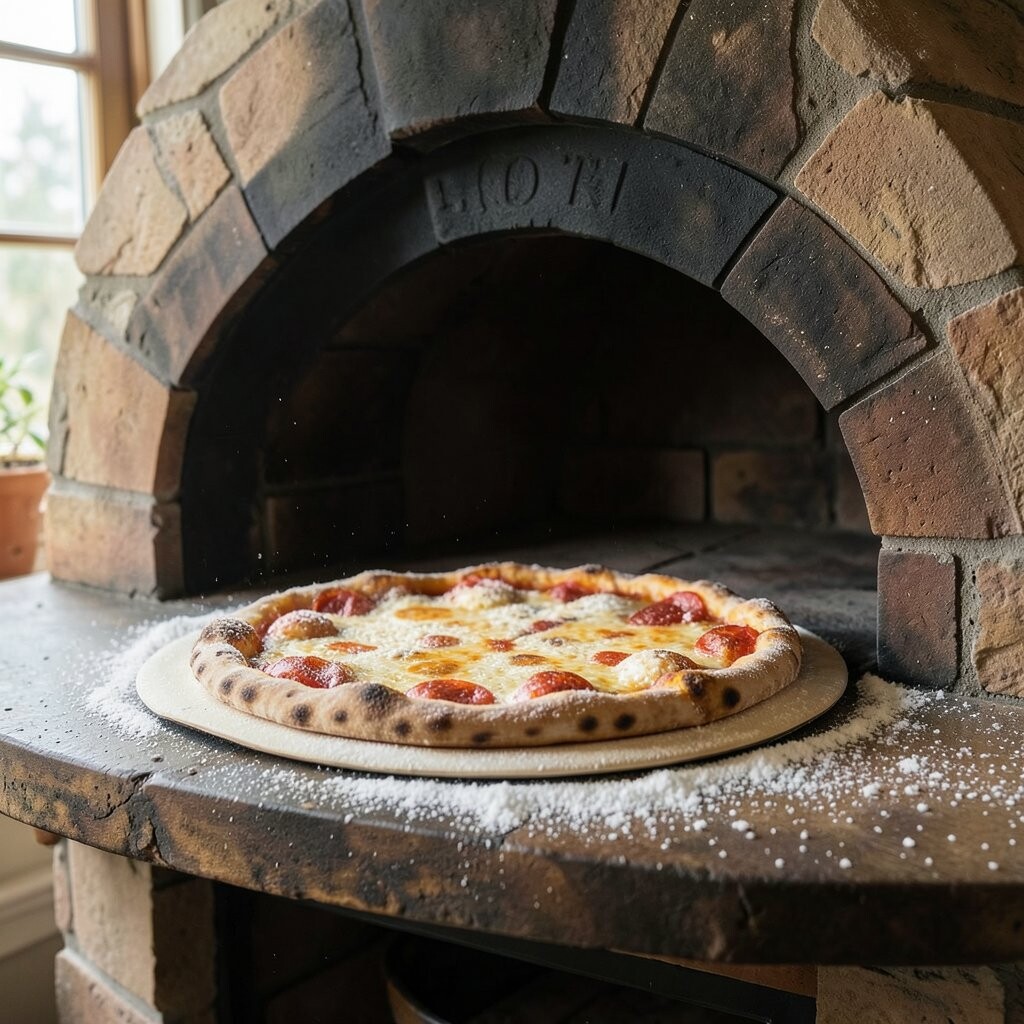
Before loading a pizza, dust the peel with cornmeal and pretend you’re making a gentle snowfall. That tiny step helps the pizza slide smoothly.
This tradition is unique because it’s both practical and playful, and it teaches good oven habits without lectures. Cornmeal can help prevent sticking and add a slight crunch to the crust edge. For tips, shake off excess so it doesn’t burn in a few dark spots.
10. Pair Each Pizza With a “One-Bite” Side Ritual
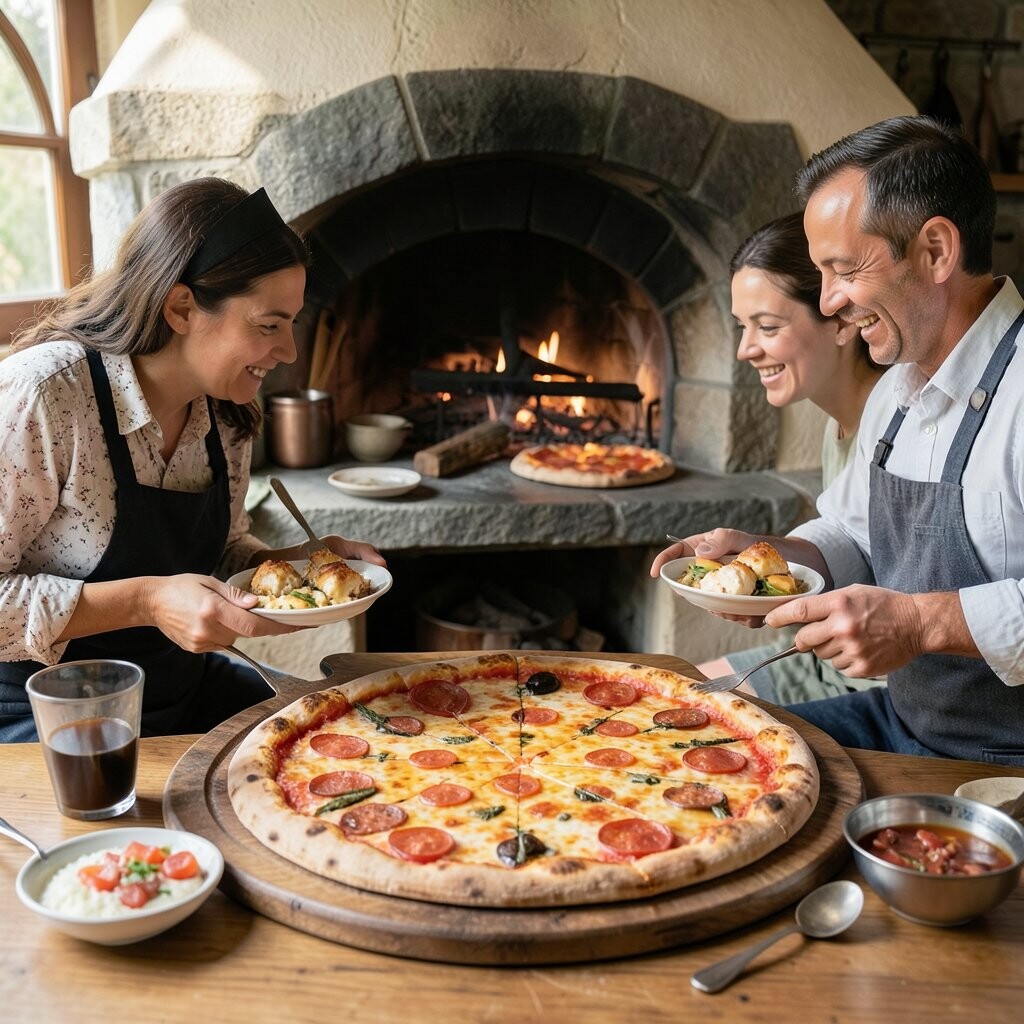
Pick one simple side that takes almost no time, like roasted garlic knots or crunchy cucumber salad. Everyone learns that pizza nights include a perfect bite-sized partner.
Make the side a ritual by serving it immediately after the first pie slices, so people feel taken care of. This is unique because it reduces decision fatigue; you’re not scrambling for “what else” every time. For practical ideas, choose sides that won’t compete with toppings, like a lemony salad or a melty cheesy bread.
Cost-wise, sides can be budget-friendly if you use pantry items, like olives, bread, or jarred roasted peppers. A trend right now is “small plates at home,” and this tradition matches that vibe while staying easy.
11. The “Oven Check” Song Between Bakes

Between pizzas, make a short “oven check” song you sing together. It turns downtime into a fun moment instead of waiting quietly.
Use it as a cue to check the door, rotate if needed, and prepare the next pizza for loading. This tradition is unique because it blends sound and timing into one reliable habit. Personalize it with your family’s silly lyrics, and keep it short so you’re still focused.
12. Freeze Extra Dough Balls for “Surprise Nights”

Keep a few dough balls in the freezer so you can bake when the mood hits. Surprise pizza nights become a real tradition, not a special occasion only.
This makes the oven feel ready for cozy moments, like movie night or rainy weather. It’s unique because it’s about preparedness, and that reduces stress when planning falls apart. For practical tips, label bags with dates and use a consistent proofing plan after thawing so results stay steady.
Cost considerations are great here: buying flour when it’s on sale and using batch dough can reduce waste. A current trend is “batch cooking for the week,” and freezing dough extends that idea into future nights.
13. Finish With a Signature Dip for Everyone

Set a small dip on the table, like garlic aioli, smoky marinara, or lemony olive oil. People get to add a little extra comfort with each slice.
This tradition is unique because it turns one bake into a customized experience without adding extra cooking. For practical tips, offer a mild dip and a spicier option so different tastes are happy. Keep dips in small bowls so the table looks inviting and clean.
14. The “Oven-Safe” Toppings Rule

Before you cook, agree on toppings that handle high heat well. That rule makes your pizzas more consistent and keeps flavors bright.
Use toppings like peppers, onions, mushrooms, and cured meats that don’t melt into a puddle. This tradition is unique because it’s a simple safety and quality guideline that protects the crust. For practicality, add delicate ingredients like fresh basil after baking so they don’t wilt too much.
15. Dust the Table With Warm Background Music
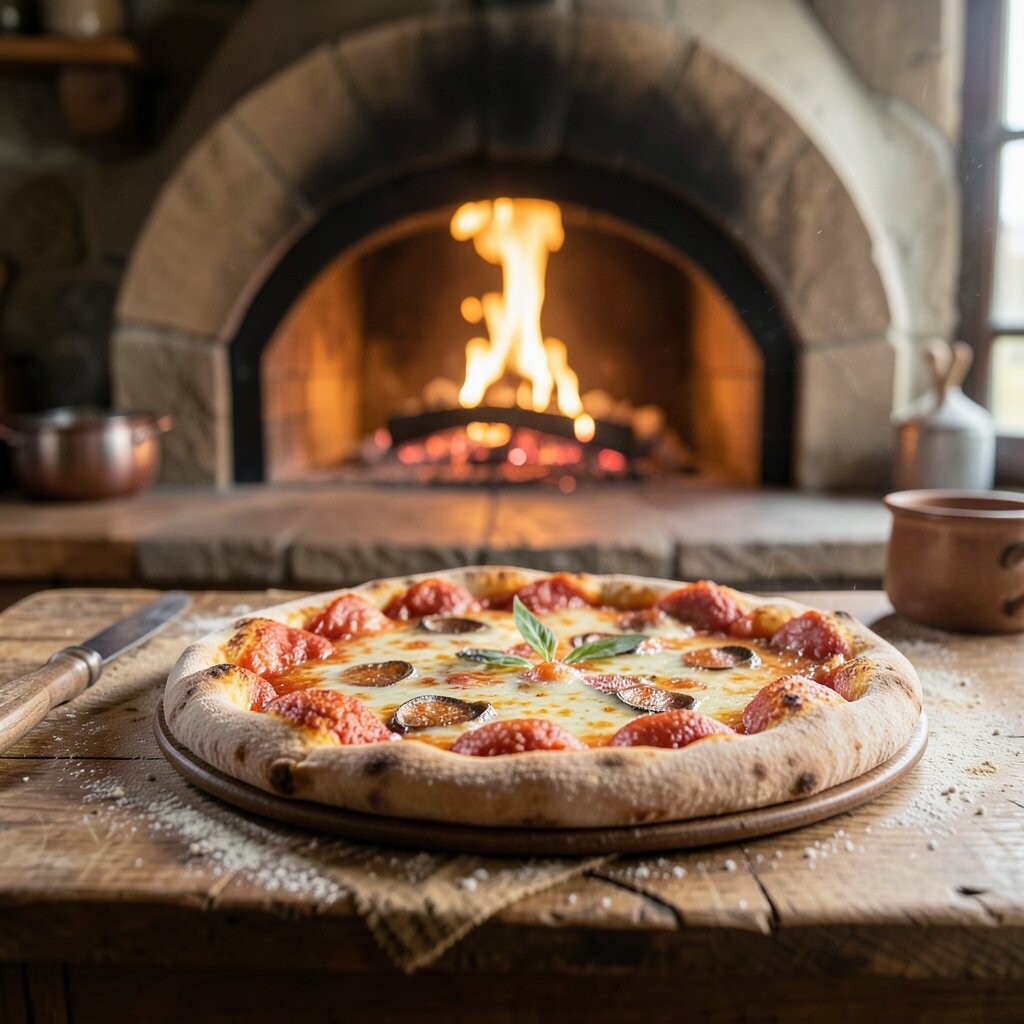
Play a playlist you associate with cozy food, like soft jazz, acoustic covers, or mellow Italian vibes. Music sets the mood while the oven works its magic.
This tradition feels unique because it’s sensory; even the sizzle seems part of the soundtrack. Choose music that stays steady so conversations are easy to hear. If you want a practical twist, set a timer for the song length and use it as a loose reminder to check pizza timing.
16. Let Kids (or New Helpers) Do the Final Sprinkle
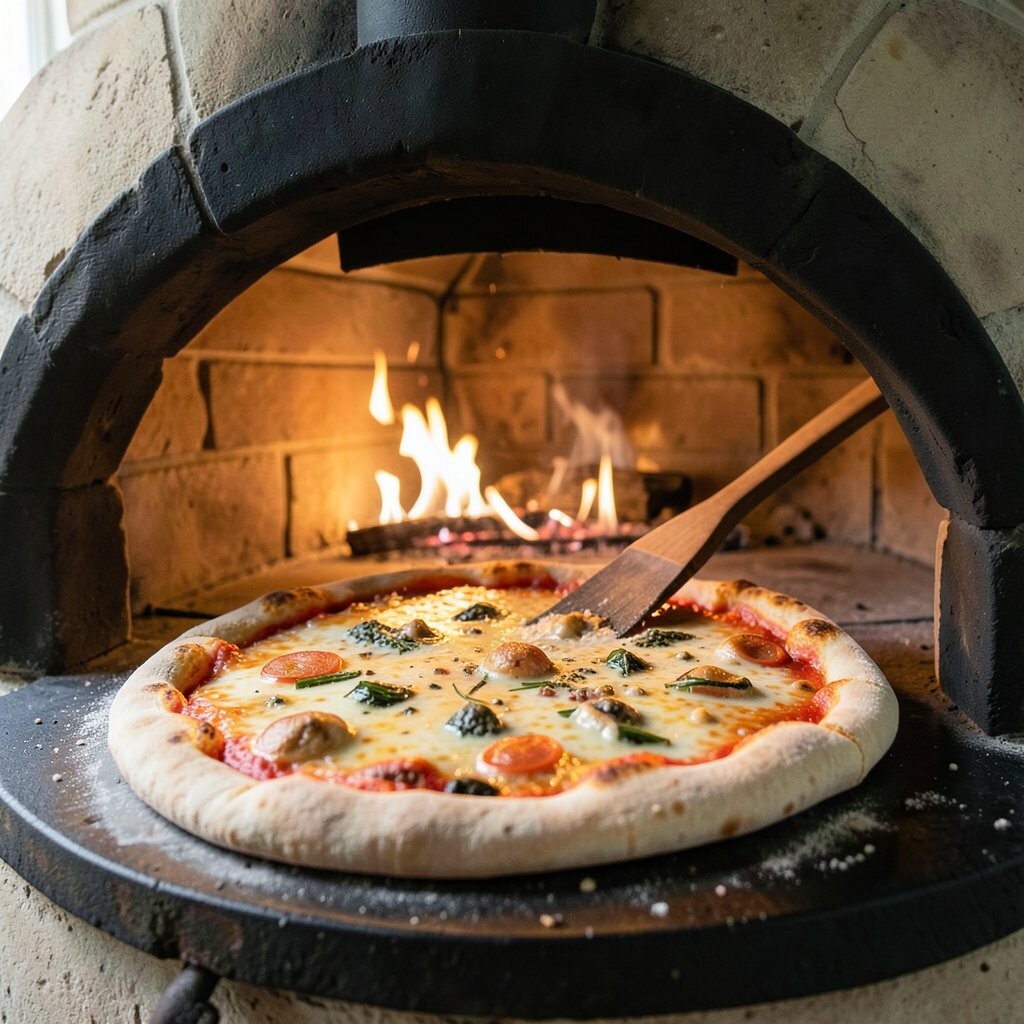
Give the youngest helper the job of finishing each pizza with a light sprinkle. It makes them feel proud and makes the evening more playful.
Try flour-free finishing ideas like grated cheese, chopped herbs, or a tiny drizzle of olive oil. This tradition is unique because it shares responsibility, not just fun. For tips, measure the sprinkle amounts ahead of time so it stays balanced and doesn’t overwhelm the crust.
Budget-wise, herbs and finishing salts are inexpensive compared to adding extra toppings. Many families are embracing “kitchen empowerment,” and this is a safe, simple version that works for oven nights.
When the pizza comes out, have everyone take one photo before the first bite.
17. Use a “Heat Map” for Your Oven Layout
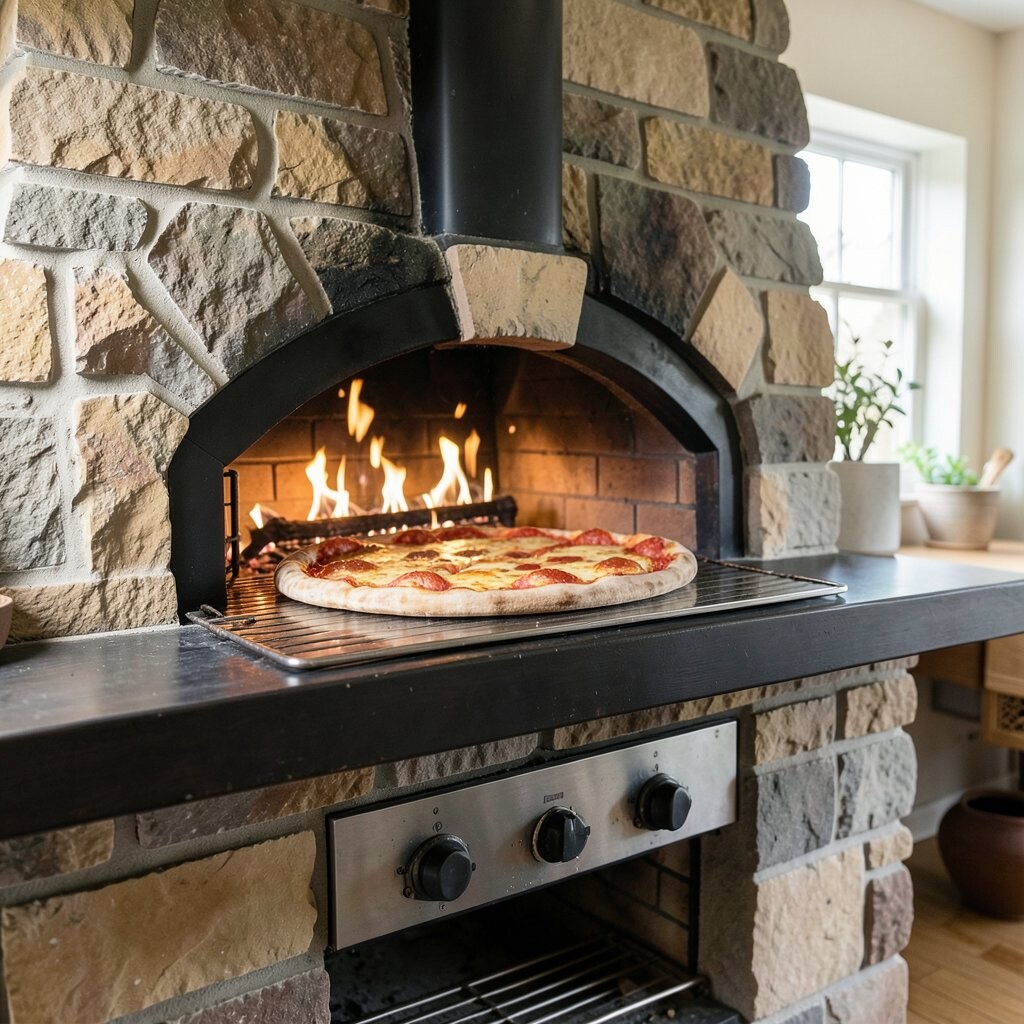
Pay attention to hot spots inside your oven and create a mental heat map. Soon you’ll know which zone browns faster.
This tradition is unique because it turns learning into something visual and repeatable, especially for wood-fired or uneven home ovens. Keep practical notes like “left side browns sooner” or “center gets best blistering.” You can even mark a simple diagram on paper and store it near your baking tools.
18. End With a Cooling-Crack Check and Cocoa Toast

After the last pizza, let it cool for a few minutes, then do a “crack check” by listening to the crust. It’s a tiny moment that confirms the bake without cutting too early.
This tradition is unique because it celebrates the final texture, not just the first slice. When the crust is properly crisp, follow with cozy drinks like hot cocoa, spiced tea, or warm cider. For practical tips, keep drinks ready while the pizza rests so you’re not rushing at the end.