
Dark wood countertops bring instant warmth and drama to a kitchen. They also handle everyday life with surprising grace.
1. Ebony-Black Walnut Slab with a Silky Finish
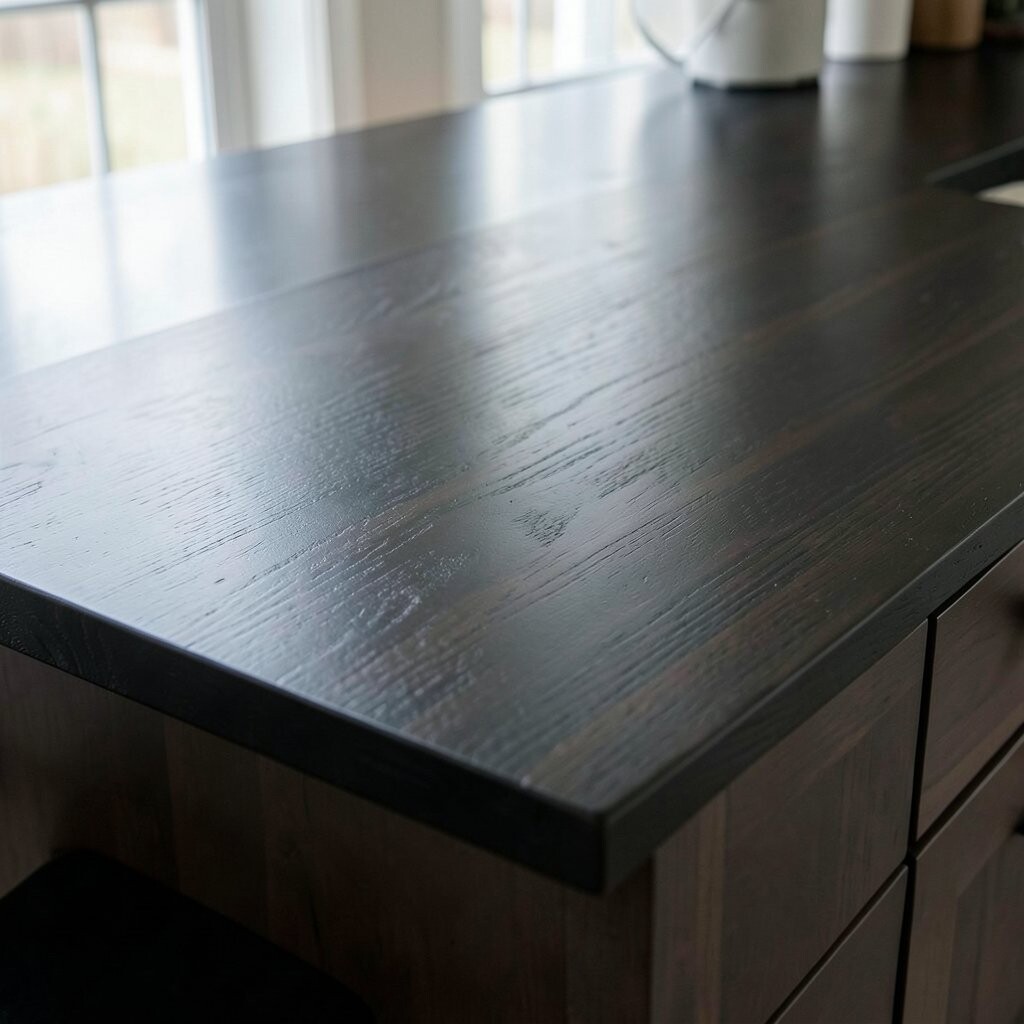
Choose an ebony-black walnut slab and your kitchen instantly looks more tailored. The deep color feels modern, yet the wood grain keeps it inviting.
Walnut’s natural oils help it resist everyday wear, so it stays looking good longer. To keep the sheen smooth, wipe up spills quickly and use a gentle cleaner made for wood. For personalization, consider a satin topcoat instead of gloss to soften fingerprints and highlight the grain.
2. Smoked Oak Countertops with Hand-Rubbed Depth

Smoked oak counters look like they were carved from a cozy old-world workshop. The rich brown-black tones add depth without feeling too heavy.
This style hides minor scratches better than lighter woods, which is great for busy kitchens. A practical tip is to match the wood tone with cabinet hardware, like matte black pulls or aged brass hinges.
Pair the smoked look with warm lighting to make the surface glow rather than look flat. If you love a lived-in vibe, ask for a hand-rubbed finish that shows subtle variation. Budget-wise, oak is often more affordable than premium walnut, but the finish quality can still make it feel high-end.
3. Dark Stained Maple with Clean, Modern Lines

Dark stained maple gives you a smooth, even surface with a sleek vibe. Because maple is consistent, it works beautifully for minimalist layouts.
The benefit here is predictability: the color stays uniform and the countertop reads as crisp. For practical care, avoid soaking the surface and use a damp cloth followed by a dry wipe. When you order, request a protective topcoat rated for kitchen use so the stain holds up over time.
Uniqueness comes from details like thin edge profiles and precise corner radii. To personalize, choose a deep espresso stain with a cool undertone for a contemporary feel. Trend-wise, this “clean dark wood” look pairs well with matte black faucets and light neutral walls.
If cost is a concern, maple can be a smart pick while still delivering a premium look. Ask about thickness options and choose what fits your budget and cabinet support.
4. Charcoal Walnut with Waterfall Edge Drama

Charcoal walnut is a showstopper, especially when it runs down in a waterfall edge. It turns plain counter space into a focal point for the whole room.
For everyday benefits, the tight grain of walnut can feel strong under daily use. To make the waterfall look intentional, keep the grain direction consistent from top to side. Seal it properly and reapply a food-safe finish on schedule to protect against heat and moisture.
5. Dark Teak with Natural Golden Highlights

Teak counters bring a darker base with gentle golden highlights from the grain. The mix feels luxurious and relaxed at the same time.
Teak is naturally resilient, which is a big plus if you cook often and move fast. Use trivets and cutting boards, even though teak tolerates everyday contact better than many woods. For maintenance, a periodic oil refresh helps keep color rich.
To personalize, choose whether you want a deeper charcoal tone or a warmer brown-dark mood. This option is trending in kitchens that lean “resort” or spa-like, especially with stone backsplashes. Cost can be higher depending on sourcing and thickness, but the durability can justify the price over time.
6. Espresso Bamboo with a Low-Sheen Surface
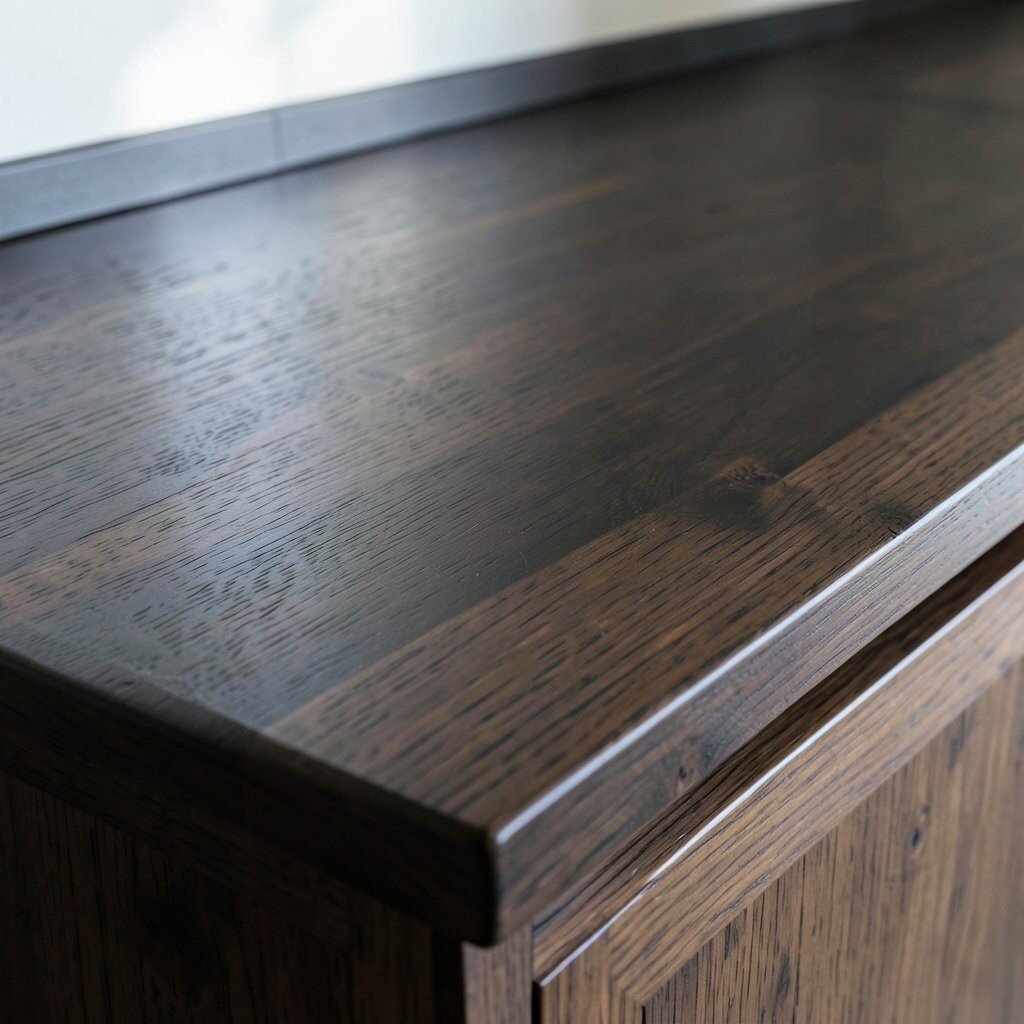
Espresso bamboo counters look bold, but the material keeps the surface feeling clean and calm. They’re a stylish choice when you want dark wood without a heavy look.
Bamboo is known for strength, so it can handle daily prep fairly well. For practical tips, use a cutting board and dry the surface after washing to prevent buildup. If you want a modern vibe, choose a low-sheen finish to reduce glare and fingerprints.
Uniqueness comes from the subtle linear pattern that peeks through the stain. Pair espresso bamboo with light gray cabinets for a crisp contrast that still feels warm. When planning cost, remember that installation and fabrication details can matter as much as the material price.
7. Soot-Rubbed Birch with Visible Texture

Soot-rubbed birch offers a rugged, tactile surface that looks full of character. The dark look feels artistic, not just painted on.
This countertop style can hide minor scuffs because the texture catches light in a friendly way. For day-to-day care, avoid harsh scrubbing pads and clean with a mild wood-safe product. If you love texture, ask how the finish is applied so it doesn’t flatten the grain.
To personalize, blend the birch with warm metals like bronze or copper for balance. This design fits current trends that favor matte surfaces and natural textures over ultra-gloss shine. Pricing often sits in a mid-range zone, making it a good match for people who want drama without premium wood costs.
Choose edges that look sturdy, like a thick eased profile, so the countertop feels crafted and grounded.
8. Dark Wenge Wood with a Luxurious, Almost-Marble Feel

Wenge is famous for dramatic contrast and a darker palette that looks incredibly upscale. It can resemble stone from a distance, while staying distinctly wood up close.
This is a great option when you want a “wow” factor without needing fancy patterns in the cabinets. Wenge can be dense, so it tends to resist dents better than softer woods. Seal it well and follow the finish directions closely so moisture stays out.
Uniqueness comes from the way wenge’s grain carries movement, even when the color is deep and dark. For personalization, pair it with white or cream cabinetry to make the countertop pop. Cost considerations are important here, because wenge can be pricier due to sourcing and availability.
To keep it from feeling too intense, soften the room with a lighter backsplash and warm under-cabinet lighting. Trend-wise, this is perfect for kitchens leaning toward high-contrast luxury.
9. Burnished Walnut with Rounded, Soft Edges

Burnished walnut feels smooth to the eye and warm to the touch. The rounded edges make it friendly and visually soft, even in a dark finish.
One benefit is comfort: rounded edges are easier to clean around and less likely to chip compared with sharper profiles. Use a gentle cleanser and avoid standing water after sink tasks. If you love a calm kitchen, combine the burnished walnut with matte cabinet fronts and light wall paint.
Personalization can be as simple as choosing a slightly warmer brown stain rather than a true black. This style pairs well with modern farmhouse elements like apron-front sinks. In terms of cost, walnut sits above budget woods, but the long-lasting look can reduce the urge for frequent replacements.
10. Midnight Chestnut with a Satin Protector

Midnight chestnut gives you a deep, wine-brown darkness that reads elegant. It’s a strong choice if you want dark wood that still feels lively and warm.
The satin protector helps the surface stay easy to maintain and less reflective. For practical tips, wipe spills quickly and avoid abrasive cleaners that can dull the finish. To personalize, match your countertop’s undertone with grout color in the backsplash so the room feels cohesive.
Chestnut grain can look lively, so you may want a backsplash with simpler patterns to balance the look. This countertop trend works especially well with layered lighting, like a pendant over the island and warm recessed lights. Pricing varies by availability, but chestnut can offer a premium look without the highest-peak wood costs.
11. Dark Driftwood Look in Engineered Wood Composite

Engineered wood composites can mimic dark driftwood while keeping the surface stable. The result is a stylish, coastal-inspired darkness that still feels clean and modern.
Stability is a real benefit, especially in homes with changing humidity. For practical care, treat it similarly to premium wood: use cutting boards, wipe after cleaning, and protect from prolonged heat. Ask your fabricator about the topcoat type, since it affects stain resistance and how easily it cleans.
Uniqueness comes from the grain “movement” that resembles weathered wood. To personalize, choose lighter speckled accents in your backsplash so the countertop’s character feels intentional. Cost-wise, engineered options often fall in a middle range, and that can help you stay within budget while still getting a bold look.
Trend-wise, driftwood-inspired surfaces are popular when kitchens blend natural textures with sleek hardware.
12. Blackened Maple with a Thin, Sleek Edge

Blackened maple is perfect for kitchens that want drama without extra visual bulk. The tone feels confident, and the wood grain stays subtle.
This option is practical because maple is easy to fabricate into precise shapes. For tips, choose a protective finish that resists stains, since dark colors can show light spills if they sit. Personalization is simple: pick a thin edge and pair it with crisp, straight cabinet lines for a tailored look.
13. Dark Walnut with an Inlaid Accent Band

Inlays take dark wood countertops from “beautiful” to “designed.” A thin accent band can add contrast without turning your kitchen into a busy collage.
Inlays also help define the countertop visually, which is great for islands where you want a clean focal line. For practical planning, decide where the band should land relative to the sink and cooktop so the layout feels balanced. Keep the rest of your design calm—think simple cabinet hardware and a restrained backsplash.
Personalization ideas include pairing walnut with a light wood sliver or a metallic-look inlay. Cost considerations vary because inlays add fabrication time, but they can be worth it for a custom feel. Current trends lean toward subtle “jewelry details,” and a small accent band fits right in.
For maintenance, stick to wood-safe cleaners and avoid products that can gum up the finish around the inlay seams.
14. Smoked Alder with Bold Grain and Warm Undertones

Smoked alder creates a dark kitchen look with warm undertones that feel welcoming. The grain looks expressive, almost like brushstrokes across the surface.
Because alder tends to be workable and smooth, it can produce a beautiful finish with good visual depth. A practical tip is to keep a consistent cleaning routine so the color stays even rather than patchy. If you have a lot of natural light, consider a satin finish so the grain catches light without glare.
Uniqueness comes from that warm grain presence, which looks great with earthy materials like terracotta or travertine. Personalize by selecting undertones that match your floors, especially if you have warm oak or maple nearby. In cost terms, alder is often more budget-friendly than premium walnut, while still giving a rich, dark look.
15. Jet-Black Charred Wood with a Matte Finish

Jet-black charred wood delivers a dramatic matte surface that feels architectural. When paired with bright cabinets, it can look like sleek furniture.
The matte finish hides minor marks better than glossy finishes, which is handy for daily cooking. For practical care, clean gently and protect the surface from standing water. Personalization can come through your edge choice: crisp edges look bold, while eased edges soften the charred effect.
This style is trending in high-contrast kitchens that use black accents in multiple places, like faucets, light fixtures, and pulls. Cost varies depending on the wood and the char process, so ask how the finish is sealed for long-term durability. If you’re sensitive to bold looks, add warmth with wood-toned cabinets or a lighter stone backsplash.
16. Dark Walnut with a Classic Bevel Edge for Timeless Charm
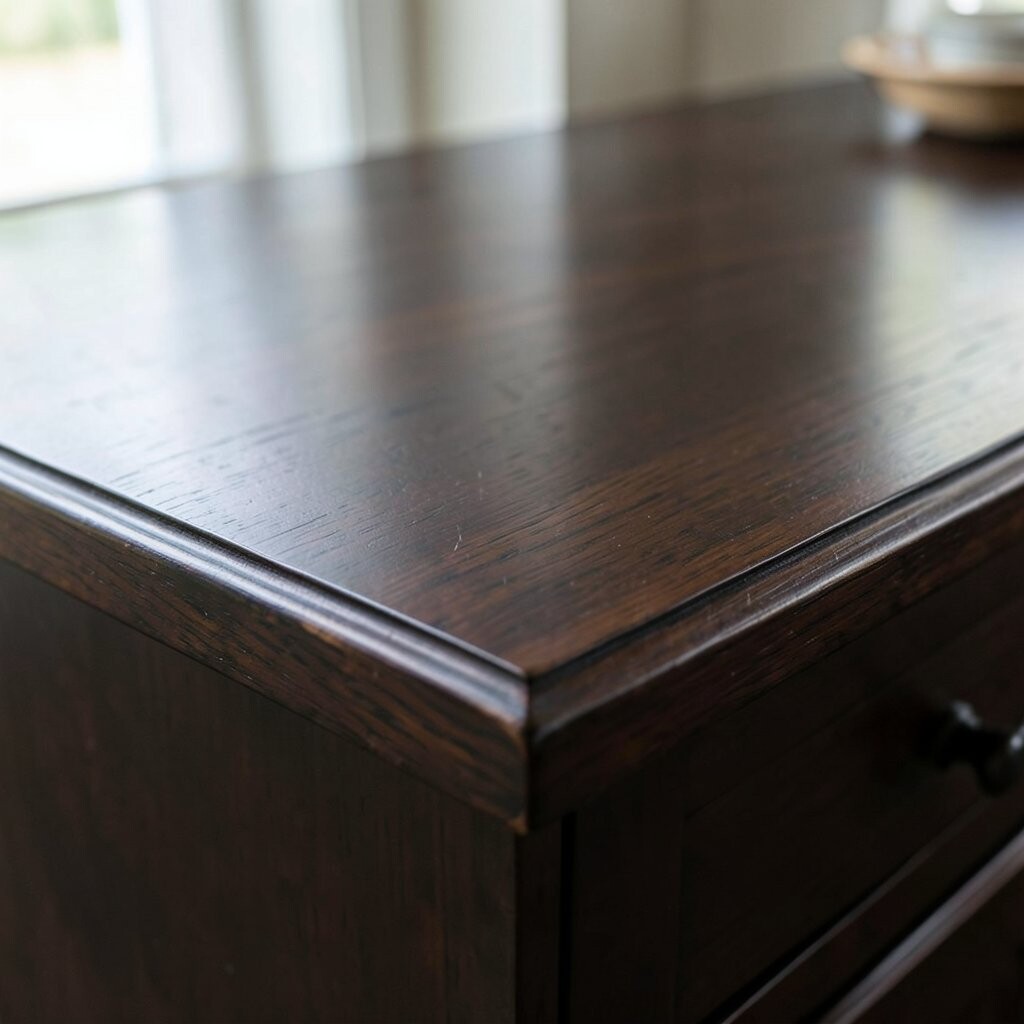
Walnut with a classic bevel edge looks timeless, even when the color is very dark. It adds a hint of tradition without making your kitchen feel old-fashioned.
The bevel helps light move across the surface, which can make dark countertops look less flat. For practical tips, choose a finish that matches your cooking habits—matte for lower glare, satin for easy cleaning. Personalize by coordinating the bevel with your cabinet trim so the whole kitchen feels like one cohesive style.
17. Dark Redwood with a Rich, Earthy Grain Pattern

Dark redwood brings an earthy depth that feels grounded and natural. The grain pattern is often more distinct, so each countertop looks one-of-a-kind.
One benefit is the character it adds without needing fancy extras, like heavy inlays or complex patterns. For care, use cutting boards and wipe up spills, because natural wood still needs protection from moisture. To personalize, choose a finish that emphasizes the reddish undertones for a cozy feel, or pick a deeper stain for a more black-brown look.
Cost considerations depend on supply and fabrication, but redwood can be a smart choice if you want warmth and uniqueness. This countertop style aligns with current trends toward nature-inspired materials and earthy color palettes. For styling, pair redwood darkness with cream walls and warm metallics for a balanced, lived-in vibe.
18. Deep Chocolate Teakwood Look with Easy-Polish Finish

A deep chocolate teakwood look gives you a dark, rich surface that still feels smooth and inviting. It’s a great option when you want a warm tone rather than a true charcoal.
The easy-polish finish helps the countertop look neat with less effort, which is perfect for busy households. Practical tips include using gentle cleaners and avoiding harsh chemicals that can break down the topcoat. Personalization can be as simple as matching the countertop warmth with your flooring or window frames.
19. Dark Stained Exotic Wood with a Decorative Router Pattern

If you love a custom, artistic kitchen, a dark stained exotic wood with a decorative router pattern can be stunning. The surface feels curated, like a piece of design rather than just a countertop.
This uniqueness comes from texture and detail, but it also offers practical design benefits by adding grip-like interest for meal prep zones. For practical care, clean thoroughly along the pattern grooves and avoid letting crumbs or liquids sit in the detail lines. Consider the cost carefully, because decorative routing increases fabrication time and requires skilled finishing.
Trend-wise, subtle architectural texture is in style, especially when paired with simple cabinetry and clean hardware. To personalize without overwhelming the room, choose one statement area, like the main island, and keep the surrounding surfaces calmer. With the right sealant, this countertop can keep its dark look and crisp pattern edges for years.