
Busy families need storage that works as hard as they do. The right cookbook shelf can keep meals moving without adding clutter.
1. Pull-Out Pantry-Style Cookbook Shelf

A pull-out shelf looks tidy and makes cookbooks easy to grab. Slide it out, find the recipe, and slide it back before dinner time gets chaotic.
This design is great for families because it hides clutter behind a clean cabinet face while still keeping books accessible. Use smooth slides so even kids can help pick out what’s for tonight. For personalization, label the shelf with month-by-month meal themes, like “Summer Grill” or “Back-to-School Weeknights.”
2. Vertical Cookbook Tower With Bookends

A tall tower shelf uses vertical space so your kitchen stays roomy. It also turns cookbooks into a neat “ingredient library” you can scan fast.
Choose adjustable shelves so oversized spiral cookbooks and smaller paperbacks both fit. Add sturdy bookends shaped like simple icons, such as utensils, to keep spines aligned. A bonus is that tall towers can look stylish even when the cabinet doors are open.
To make it practical, set the tower at eye level for adults and lower sections for kids who help with shopping lists. If you want a budget-friendly version, use a slim bookshelf with corner brackets for stability. Keep a small bin underneath for recipe cards you print weekly so nothing is lost.
3. The Recipe Tray Shelf Above the Stove

This design puts cookbooks close to where the action is, which saves steps. A tray shelf above the cooking zone keeps pages safe from spills and splatters when used thoughtfully.
For safety and function, use a tempered glass or metal tray lip and keep it slightly offset from direct heat. Add a stand that holds a cookbook upright at an angle, so you can read without balancing the book on bowls. Families love how it reduces “where is that recipe?” moments during busy dinners.
Make it unique with a weathered wood shelf and small magnet clips for printed recipe cards. If space is tight, mount a fold-down shelf that stays out of the way until you need it. Cost varies by materials, but even basic brackets and a sturdy book stand can do the job.
Current trend-wise, many kitchens now use open shelving with protective surfaces, like metal trim, because it looks modern and wipes clean. Pair the shelf with matching hooks for ladles so everything is one quick reach away.
4. Fabric-Pocket Shelf Organizer for Easy Weekly Picks

A fabric-pocket organizer feels soft and friendly, yet it can still keep cookbooks organized. It works especially well for families who prefer quick swaps over deep rearranging.
Mount pockets on a sturdy board near the kitchen so you can store cookbooks, magazines, and laminated recipe cards. Make it unique by choosing a pattern that matches your kitchen colors, like gingham or simple stripes. Personalize pocket labels with rotating weeks, such as “Monday to Thursday” or “Weekend Favorites.”
5. Corner L-Shaped Cookbook Shelf With Lazy-Angle Access
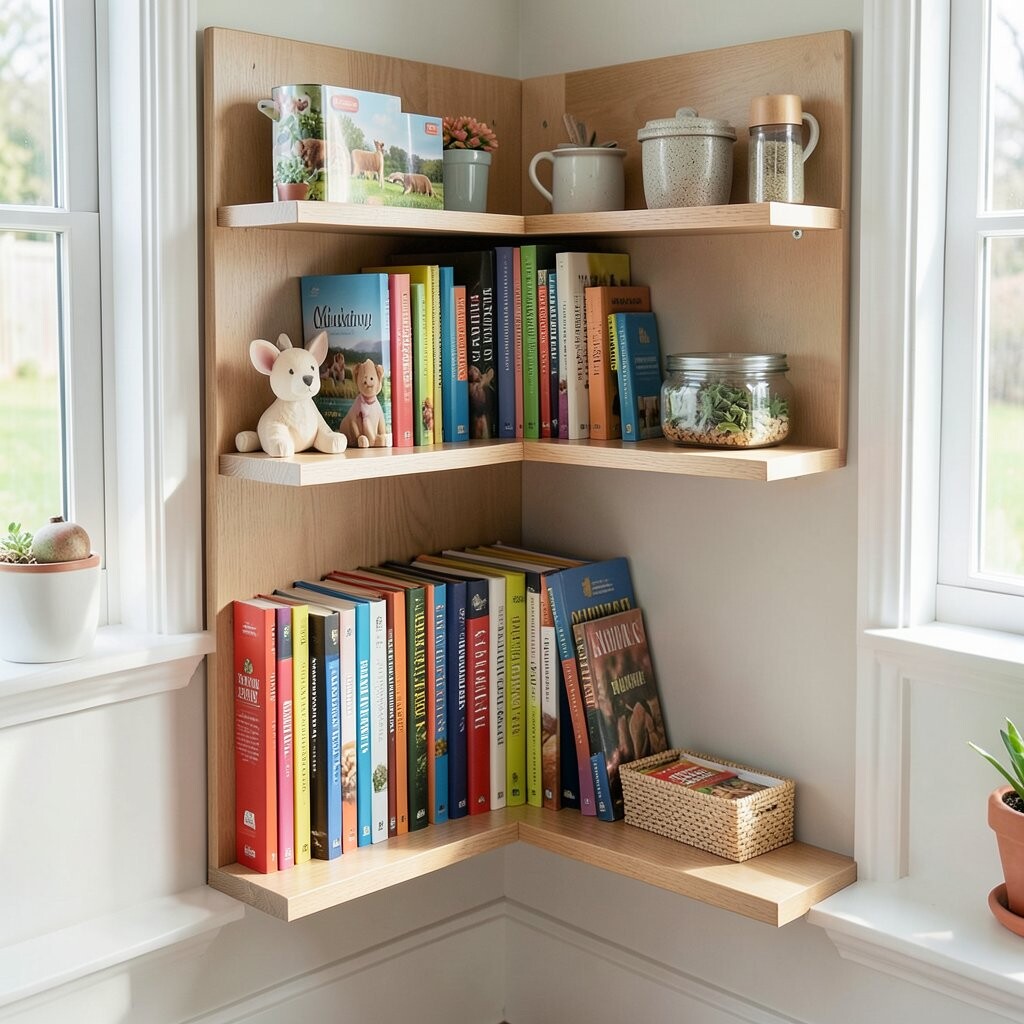
Corner shelves use space that often goes unused, and that’s a big win in small kitchens. An L-shaped layout also makes cookbooks visible without forcing you to reach awkwardly.
To keep it practical, install a light wood or metal divider inside the corner so books don’t slip into the back. Use a sliding shelf or angled back panel for easy visibility, especially for thick cookbooks. A helpful tip is to reserve one leg of the “L” for quick weekday meals and the other for special occasions.
This design feels unique because it turns a dead corner into a functional display. For cost considerations, you can build it with off-the-shelf corner shelves and add a custom backstop. Trend-wise, many kitchens now use modular corner components because they’re flexible and easier to upgrade later.
6. Rolling Cart Cookbook Shelf for Family Meal Planning

A rolling cart shelf brings cookbooks wherever your family needs them. It can live in the kitchen, then roll to the dining area for homework and dinner prep.
Look for carts with shelves sized for books and a top that can hold cookbooks open. Add small side rails so spines stay upright while the cart moves. This is especially useful for busy families because it keeps one “meal planning station” in motion without searching.
Personalize the cart with erasable labels for “This Week” and “Try Next,” then move books as your plan changes. For a budget option, choose a sturdy metal cart and top it with a removable cutting board. Current trend: multi-use carts and open storage look great in modern kitchens, especially when matched to existing finishes.
7. Hidden Door Shelf With Magnetic Clip Holding

When you want a clean look, a hidden door shelf is a smart choice. It keeps cookbooks out of sight, which helps the kitchen look calm even on messy days.
Install a slim inner shelf behind a door, then use magnetic clips to hold opened pages flat. That way, you’re not constantly turning pages with greasy hands. Families benefit because the shelf feels organized without becoming a visual clutter spot.
Make it unique by adding a small chalkboard label inside the door for today’s recipe. For cost considerations, hidden shelves can range from simple DIY cabinet inserts to more custom carpentry. If you’re renting, consider a magnetic clip setup with a removable shelf panel that doesn’t require permanent changes.
8. Laminate-Wrapped Adjustable Shelf With Spill-Liner Back
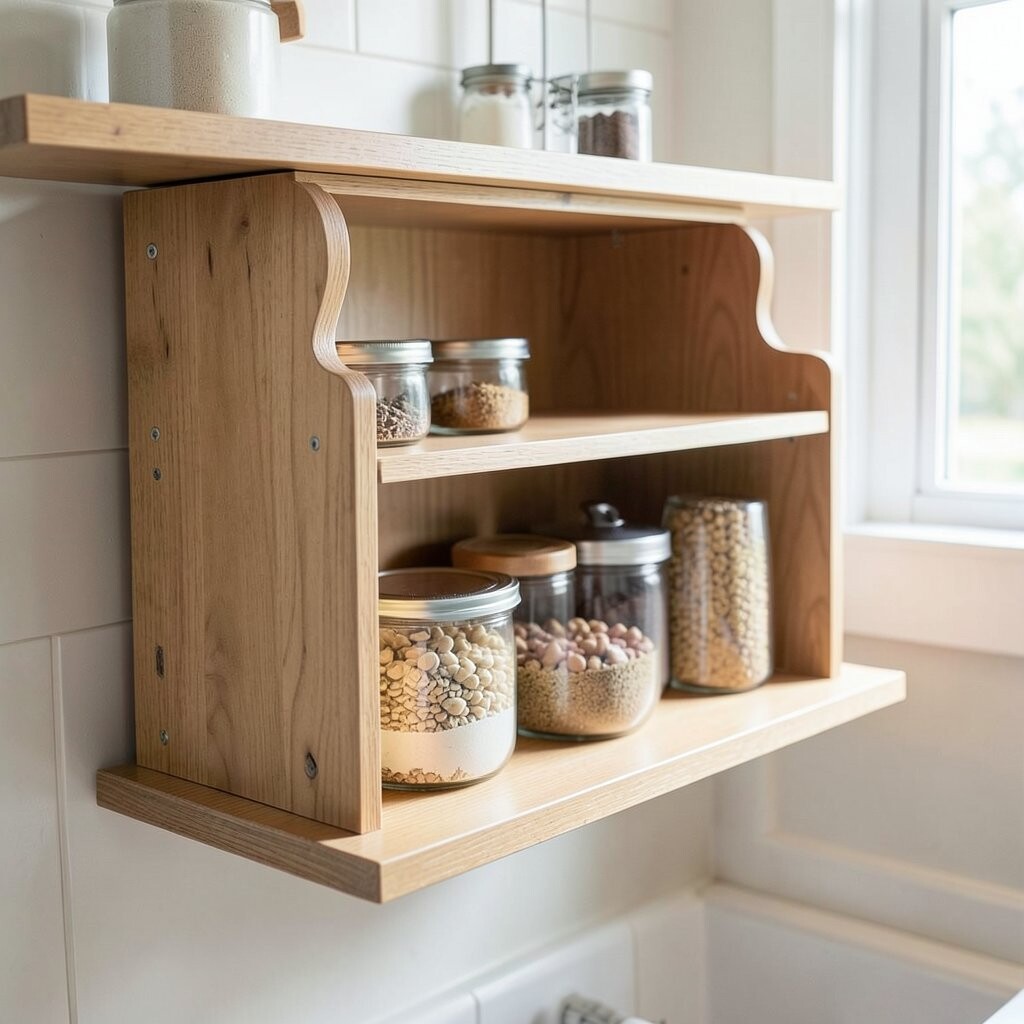
This shelf uses wipe-clean materials so daily mess doesn’t become daily stress. A laminate wrap and a spill-liner back make it easier to keep cookbooks looking fresh.
Adjustable shelves are the heart of this design because families’ cookbook collections grow over time. You can set spacing for kids’ cookbooks, family cookbooks, and tall specialty books. Add a soft shelf liner on each level to prevent sliding when kids pull books out quickly.
To personalize, create color zones using removable book bands or binder clips in different colors for each family member’s favorite meals. For budgeting, laminate and basic liners are usually affordable compared to custom solid wood builds. A current trend is using practical, durable finishes in “busy kitchen” zones, especially in homes with younger kids.
Simple tip: keep frequently used recipe books on the middle shelf so they’re reachable without stacking or climbing. This design helps you cook faster because the shelf itself doesn’t fight you.
9. Open Shelf With Sliding Acrylic Page Protectors

An open shelf with acrylic page protectors keeps books readable and safer from kitchen splashes. It’s a clear, modern twist that still feels easy for families.
The uniqueness comes from the way acrylic protectors let you hold a recipe card steady without bending pages. Slide a protector over the open spread, then slide it aside when you’re done. This is helpful when kids are learning, because they can follow the steps without messy handling.
For practical tips, keep protectors sized for your most-used books and store extras in a drawer near the shelf. Costs depend on thickness and quantity, but you can start with protectors for just a few cookbooks. Personalize by engraving small labels on the acrylic, like “Baking,” “Dinners,” or “Family Traditions.”
10. Built-In Shelf Bench With Cookbook Storage Under

A shelf bench turns downtime into a storage solution, which is perfect for active families. You get a comfortable spot to read recipes while also hiding books underneath.
Choose a bench with a lifting top or drawers that open smoothly, so you can grab cookbooks while keeping the room tidy. This design is unique because it adds seating value, not just vertical space. For personalization, decorate the bench back panel with family photo magnets or simple seasonal cards.
Cost considerations vary based on whether you build it into the room or buy a pre-made bench. If you’re working with a budget, repurpose a sturdy cabinet and add a comfortable cushion on top. Trend-wise, built-in seating and storage combos are popular because they maximize space in smaller homes.
11. Narrow Wall Shelf With Hanging Recipe Clip Line

A narrow wall shelf saves space and keeps cookbooks in plain view. Add a hanging clip line below or beside it so recipe cards don’t end up stuck to the fridge.
Use hooks or a small rail with clips so laminated cards stay neat and protected. This makes the shelf feel unique because the shelf is both for books and for real-time planning. Families benefit because everyone can see what’s cooking without rummaging.
To personalize, print cards in the family’s favorite theme colors and use clips that match your kitchen hardware. For budget, you can build the shelf from a single board and basic brackets, then buy clips separately. Current trend: “command-style” kitchens where planning tools are visible and easy to use.
A practical tip is to keep the newest cookbooks at eye level and store older favorites on a lower ledge so they’re still reachable. That balance helps busy households keep things organized without constant rearranging.
12. Magnetic Spice-and-Cookbook Combo Shelf

This shelf keeps cookbooks right next to the ingredients that make them work. By combining spice storage and cookbook space, you cut down on kitchen walking time.
Use magnetic holders for small spice jars and a main shelf for cookbooks above or beside them. It’s unique because it turns the cookbook shelf into a functional cooking station rather than just storage. Families love it when dinner prep becomes a one-area task.
Personalize by adding small “go-to” labels for each spice jar and reserving a section for allergy-friendly recipes. Cost considerations depend on how many magnetic jars you buy, but you can start small with the most used spices. Trend-wise, pairing organization with cooking tools is growing because it looks clean and supports faster routines.
13. Floating Shelf With Book-Ledge and Vertical Book Racks

Floating shelves give a sleek look while still keeping cookbooks accessible. Add a book-ledge lip and a vertical rack section to prevent books from tipping.
For practical tips, install the shelf at a comfortable reading height and use anchors rated for the wall type. A unique touch is combining horizontal floating space for open books with a vertical rack for spines. This keeps the system flexible when family members have different favorites.
Personalize by mixing materials, like pairing light wood with black metal racks for a modern feel. Cost considerations are usually lower than full cabinetry, but strong brackets and proper installation matter. Current trend: mixed-material open shelving because it looks custom and modern.
To keep it family-friendly, set a “kid book” spot on the lower rack for simple recipes they can read with help. That way, the shelf supports learning, not just adult cooking.
14. Cookbook Shelf With Rotating Lazy Susan Backing

A rotating lazy Susan style shelf makes it easy to see every cookbook at once. Instead of pulling books out one-by-one, you spin and choose.
This design is unique because it turns browsing into a quick motion rather than a rummage session. Families benefit when everyone is hungry and time is short. Use a shallow top layer for frequently used cookbooks, then deeper tiers for seasonal books.
For personalization, add small divider rings to group recipes, like “Quick,” “Baking,” and “Family Classics.” Budget-wise, lazy Susan inserts can be affordable, especially if you mount them into a simple cabinet. Current trend: rotating storage units because they look neat and improve accessibility.
Practical tip: keep only one section of the shelf updated each week so the system stays predictable. When storage is predictable, busy families spend less time sorting.
15. Kids’ Cookbook Bin Shelf With Learning Labels

A kids’ cookbook bin shelf keeps learning recipes within reach without cluttering the whole kitchen. It’s perfect for families who want kids involved in cooking routines.
Use labeled bins or cubbies for kid-friendly books, recipe magazines, and step-by-step cards. This design is unique because it makes the shelf interactive, not just decorative. Children can pick a “recipe of the day” and return it easily because the bins show exactly where things belong.
Personalize with simple icons, like a star for favorites and a clock for quick meals. Cost considerations are flexible since you can start with inexpensive organizers and upgrade later. Trend-wise, family kitchens are leaning toward kid-accessible zones that encourage participation.
16. Cookbook Shelf With Built-In Reading Light Strip

Good lighting makes recipes easier to follow, especially during evening cooking. A shelf with a built-in light strip adds a cozy vibe and practical visibility.
Mount a warm LED strip under the shelf to highlight cookbook pages and recipe cards. It’s unique because it makes the shelf feel like a mini “reading nook” in your kitchen. Families benefit because they can cook with less squinting and fewer page mistakes.
To personalize, choose a light color that matches your kitchen mood, like soft warm white for calm dinners. Cost can be moderate, but LED strips are often affordable and long-lasting. Current trend: under-shelf lighting that combines style with function.
Practical tip: use a switch or motion sensor so the light turns on quickly when you’re moving fast. That small convenience adds up during busy weekdays.
17. Tiered Cookbook Steps With Easy-Grip Handles

Tiered “steps” for cookbooks create a display that feels dynamic and easy to access. Each level acts like a mini shelf, so books don’t crowd each other.
Add easy-grip handles or cutout sides so people can pull the right book without tugging everything around. This design is unique because it blends storage and a visual system, almost like a set of shelves in motion. Families benefit because it reduces book pile collapses and helps everyone find what they need quickly.
Personalize by arranging cookbooks by family member or by meal type, like “Breakfast,” “Dinner,” and “Sweet Treats.” For cost, tiered shelves can be built with plywood and brackets, which often makes it budget-friendly. Current trend: sculptural shelves and display-like storage that looks intentional rather than purely practical.
18. Storage Cabinet With Recipe Drawer Inserts

A cabinet that includes recipe drawer inserts keeps both books and notes under one system. You can store cookbooks on upper shelving while recipe cards and printouts live in drawers.
This design is unique because it separates “books” from “works-in-progress,” so messy kitchen scraps don’t pile up. Families benefit when they can quickly grab a drawer labeled “Next Meals” or “School Lunch Ideas.” Add dividers in drawers so cards don’t become a tangled stack.
Personalize the drawer labels to match your family calendar, such as “Meal Plan Week 1” and “Busy Sports Nights.” Cost considerations depend on whether you buy a pre-made cabinet insert system or DIY with drawer organizers. Trend-wise, many homes are moving toward mixed storage styles that keep countertops clear.
19. Weathered Pegboard Cookbook Station With Clear Stands

Pegboard storage looks artsy and gives you tons of flexibility for your cookbook setup. It’s a strong fit for busy families because you can reconfigure it as needs change.
Mount a sturdy pegboard and add clear book stands so cookbooks stay visible without falling forward. Include hooks for spatulas, tongs, and ladles, turning the whole area into a practical cooking zone. This design is unique because the pegboard makes the shelf feel customizable, not fixed.
To personalize, paint the pegboard a color that matches your kitchen or leave it natural wood for a warm look. For cost, it’s usually affordable since pegboard panels and stands can be purchased separately. Current trend: maker-style organization with clear, functional accessories that keep daily routines easy.
A practical tip is to keep one “recipe card home” spot on the board so printouts and sticky notes always go in the same place. That consistency helps families keep moving even when mornings are rushed.