
Warm feet make every kitchen moment feel easier. These boot ideas mix comfort, grip, and insulation without turning your routine into a chore.
1. Sherpa-Lined Baking Boot Slippers

Imagine stepping onto a cold floor and feeling instant softness. A thick sherpa lining traps heat while still letting you move quickly.
Choose boots with a snug heel so heat stays near your skin instead of escaping. Look for non-slip soles so you can step away from the oven safely. If you bake early mornings, add an extra thin wool insole for more warmth without bulk.
2. Radiant Foil Boot Inserts

These inserts feel like a tiny warming shield under your feet. Reflective foil bounces heat back toward your body while reducing cold floor contact.
Cut foam-foil liners to fit your boot size, then secure them with a light spray adhesive or removable tape. Pair them with breathable uppers so sweat doesn’t get trapped. Many bakers love this option because it stays warm even when dough-making takes longer than expected.
For personalization, try a “zone mix” approach: place foil under the arch and add wool at the toes. If you plan to use them for long kneading sessions, consider adding a cushioned top layer for comfort. Cost stays mid-range since inserts are usually cheaper than buying fully insulated boots.
3. Thermal Toe Caps With Cookie-Prep Comfort

Cold toes can ruin your focus when you’re piping frosting or checking batches. Thermal toe caps concentrate insulation where it matters most.
Pick caps made for shoes that can still flex as you walk, not stiff covers that slow your steps. Make sure the toe area has a snug fit so heat doesn’t leak around the edges. You’ll notice the difference right when you step into the flour-dusted kitchen.
Unique tip: if your boots run roomy, use a gel toe pad under the cap to prevent shifting. For personalization, match cap thickness to your typical temperature and baking schedule. If you’re on a budget, toe caps give big warmth for a small price compared with full winter boots.
Keep an eye on wear points after heavy use, especially where the cap rubs during quick turns. Many versions are washable or wipe-clean, which helps with flour and sugar mess. This trend of targeted warmth is popular because it’s easy to customize.
4. Wool Boot Socks That Act Like Insulation
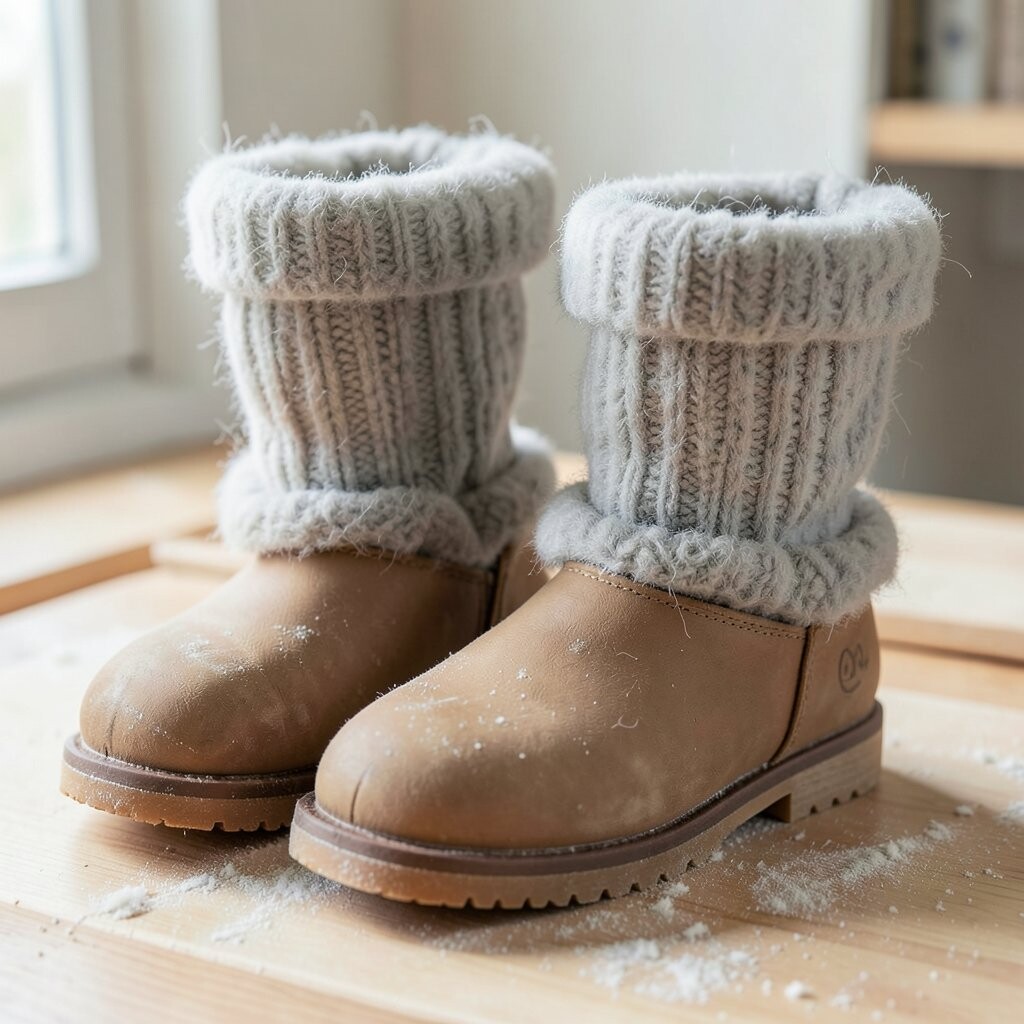
Sometimes the best insulation is the one that already fits your routine. Thick wool socks can make regular boots feel warmer without buying new gear.
Choose a pair with a wool blend that includes nylon for durability and elasticity. If your boots feel tight, go for midweight wool instead of extra bulky. To personalize, add a thin liner sock for “season switching” when the weather flips.
5. Waterproof Rubber Baking Boots With Warm Liners

Spills happen, and baking boots should handle them with confidence. Waterproof rubber boots keep wet messes out while liners trap warmth inside.
Look for boots that combine a sealed outer with removable insulation so you can dry them after spills. This uniqueness helps you keep warmth consistent even on rainy baking days. For practical tips, avoid thick socks that can make you slip inside the boot.
Cost considerations are usually higher than simple sock upgrades, but the long lifespan can be worth it. A popular current trend is “wash-and-dry” liners that are easy to pull out and clean. If you love outdoor-style boots, this version brings that rugged feel into your kitchen.
6. Foam + Reflective Boot Booties for Countertop Nights

For those late-night cookie sessions, you want warmth that doesn’t squeeze your feet. Foam booties with a reflective layer create a cozy barrier against chilly tiles.
Slide them under your usual boots or wear them inside slip-on styles. Keep the top edge smooth so you don’t feel bunching while you stand and stir. Add a breathable layer over the foam if your feet run warm.
Personalization idea: mark your favorite thickness on the packaging tape so you can grab the right pair quickly. Many people also like pairing these with anti-fatigue mats for maximum comfort. Prices vary, but they’re often cheaper than insulated boots with built-in liners.
7. Heated-Look “Microlight” Insulated Boot Panels
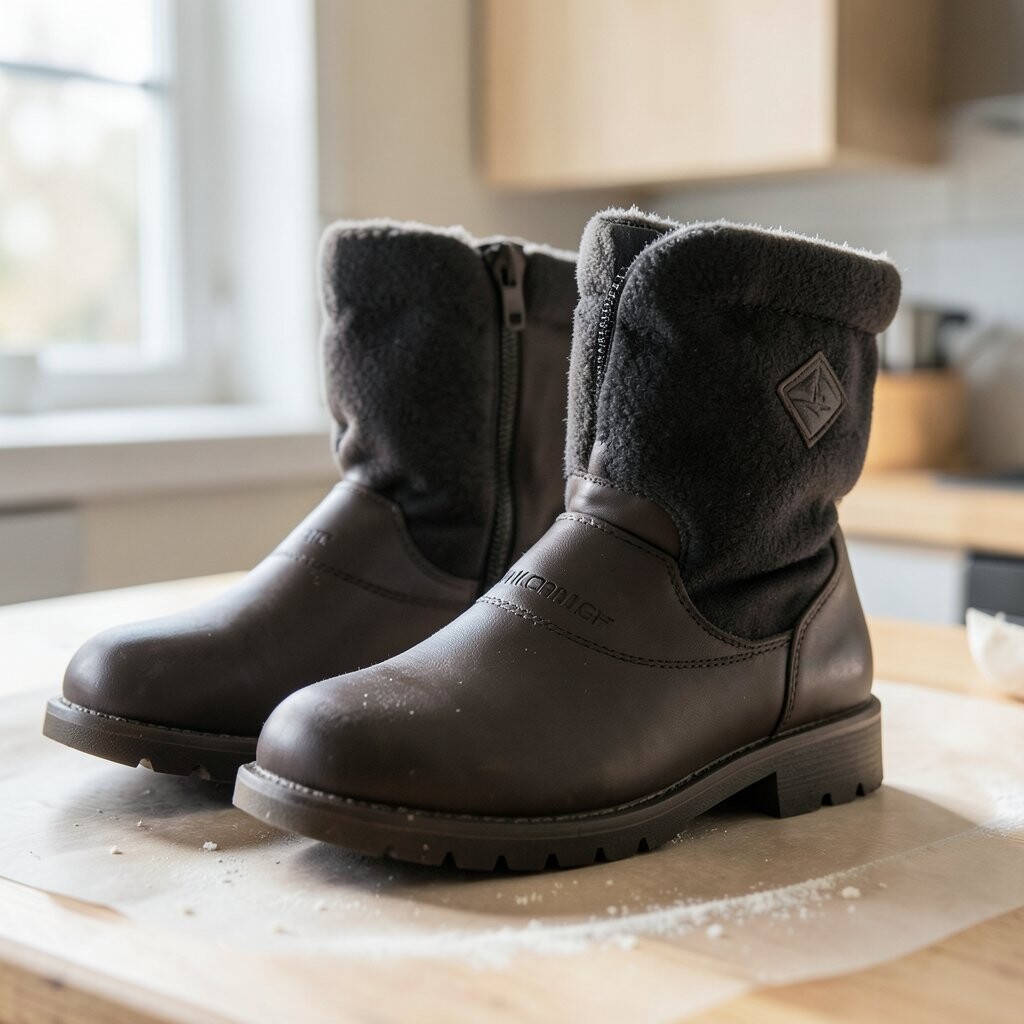
This idea mimics the feel of heated gear without needing batteries. Insulated panels placed on the sides and front reduce heat loss during standing time.
Choose boots with lightweight insulation channels so your feet feel warm yet agile. You’ll get a better walking stride than with bulky full lining. For uniqueness, look for panel designs that keep ankle movement comfortable for quick kitchen steps.
Try personalization by adding a thicker insole only for colder seasons. If you often bake in an unfinished basement kitchen, consider boots with stronger insulation at the heel where the cold hits first. Trends show more people choosing “light but warm” boots because they pack easily and feel less heavy indoors.
8. Fleece Boot Covers for Oven-Side Warmth

Fleece covers are like a warm scarf for your boots. They wrap over existing footwear to add quick insulation where you need it most.
Choose covers with a secure closure so they stay in place when you turn, bend, or wipe your hands on a towel. If you already own boots you like, this option saves money. The practical tip is to select fleece that can handle flour dust and occasional wipe-down cleaning.
For personalization, pick a color that matches your kitchen vibe or a pattern you’ll enjoy wearing while you frost cakes. Consider adding a thin waterproof layer on the bottom panel if your floor gets damp. Many bakers like this trend because it’s easy to remove between tasks.
Cost is usually budget-friendly, and you can layer covers with socks for temperature control. If you prefer minimal bulk, go for slimmer fleece covers rather than thick wraps.
9. Thermal Insole Swaps With Smell-Friendly Liners

Warmth can come from below your feet, not just from what covers them. Thermal insoles keep your energy feeling steady while you knead dough and clean up.
Select insoles with moisture-wicking fabric so they help reduce sweaty-foot discomfort. Unique twist: use a separate liner layer that’s easy to remove and wash, keeping odors under control. This matters in kitchens where your boots may sit near the oven for long stretches.
Practical advice: rotate your insoles so they fully dry between baking days. If you notice your feet getting cold fast, try a slightly thicker insole with a supportive arch. People following current trends love “swap and refresh” gear because it extends the life of their boots.
For cost considerations, insoles are a flexible investment since you can use them in multiple shoes. Personalize by choosing one pair for cold mornings and another for milder afternoons.
10. Insulated Leather Boots With a Heat-Seal Tongue

Leather boots can look classy while still working hard to keep you warm. A heat-seal tongue helps block drafts where warmth often escapes.
Pick boots with a snug tongue construction and a lining that doesn’t shift when you walk. You’ll feel steadier while moving from mixer to oven and back again. For uniqueness, focus on how the top opening is designed, since that affects heat retention.
Personalization idea: apply a boot-friendly conditioner before the cold season so leather stays flexible and warm. If you bake with lots of flour, choose a dark or wipe-clean finish. Cost is mid to high depending on leather quality, but the durability often makes it a smart buy.
11. Cashmere-Blend Boot Cushions for Stand-Long Baking
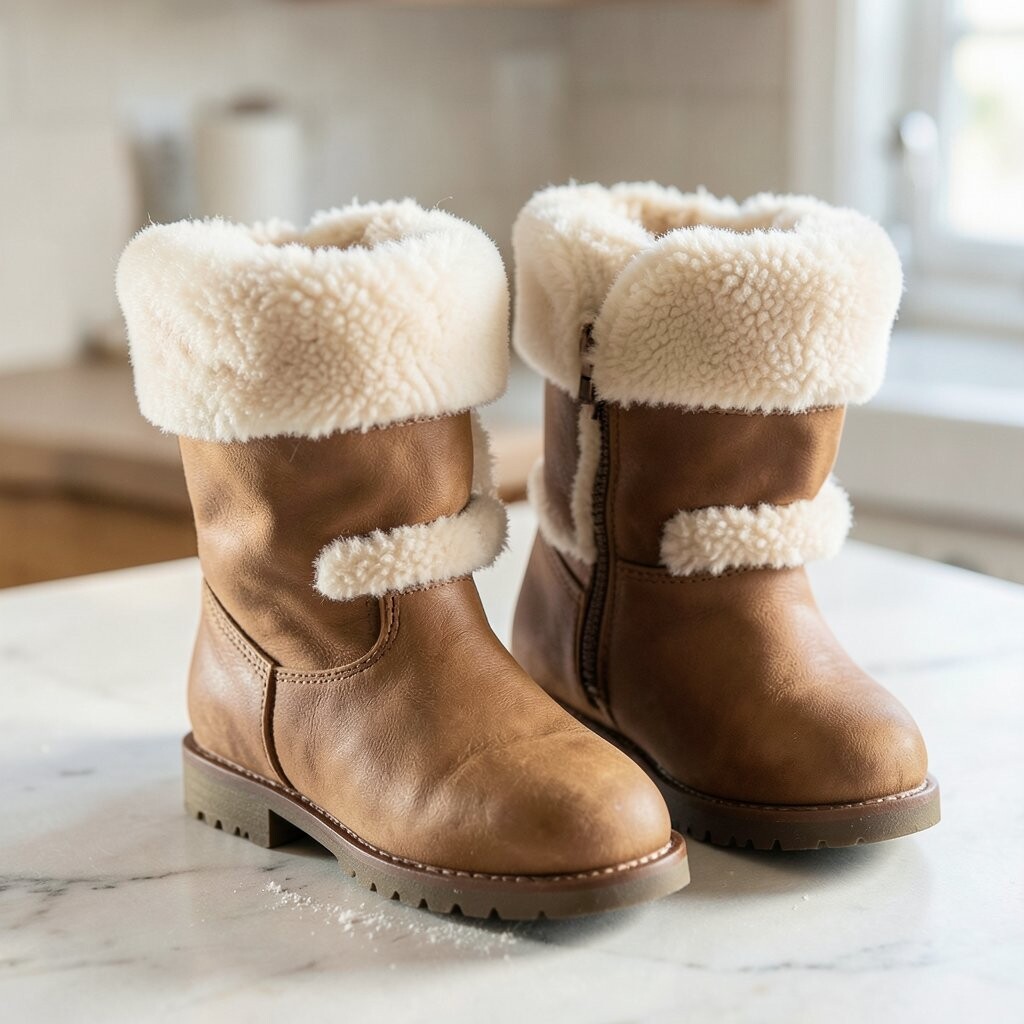
Cashmere blends sound fancy, but comfort is the real magic. These cushioned layers add insulation and softness while you stand at the counter.
Look for boot cushions designed to fit under existing insoles, not just for slippers. Many bakers choose them because they reduce fatigue, which helps your posture while you work. For practical tips, ensure the cushions don’t bunch at the heel.
Unique angle: choose different thicknesses—one for cold days and one for warmer kitchens. Personalize by pairing with thicker socks for extra warmth on winter baking marathons. Costs can be higher, yet the feel can justify the upgrade for people who bake often.
Keep them clean by vacuuming or spot-wiping, then letting them dry fully. Trends in home comfort often highlight softer materials that support longer standing. This is a cozy option that still feels practical in real kitchens.
12. Reflective Lining Boots for Drafty Floors

If your kitchen feels chilly even when the heater runs, drafts might be the culprit. Reflective lining boots help reduce that “cold air underfoot” feeling.
Choose boots with a continuous reflective layer rather than thin spots. The benefit is more even warmth and better heat retention across the whole foot. For practical suggestions, pair with boot gaiters if you get drafts near the ankle.
Personalization tip: add an extra padding layer only under the ball of the foot to prevent hotspots. This can be great for people who spend time pressing dough or rolling out pastry. Cost usually lands in the mid-range because reflective components add manufacturing complexity.
13. Insulated Ankle Boots With Traction Chevrons

Cold floors and slick spills both call for traction. Insulated ankle boots with textured chevrons help you stay steady while keeping warmth in.
Search for a sole pattern that grips even when flour dust is on the floor. Your feet will feel more secure when you carry baking trays or step backward from the oven. What makes this unique is the balance of ankle warmth and stable footing.
Practical tip: keep the outsole clean so the tread stays effective. If you bake often, consider a mild soap rinse after a messy day. Personalization options include choosing a boot height that matches your comfort, whether you prefer ankle coverage or slightly higher support.
Cost considerations vary based on brand and materials, but this style is often a good value because it can be worn beyond baking days. Current trend: people want “kitchen-ready” footwear that feels stylish enough for errands too.
14. Warm Boot Inserts for People Who Hate Bulk

Some bakers want warmth, but not the heavy feel of thick boots. Thin insulation inserts can solve that while keeping your stride natural.
Choose inserts that offer targeted insulation and cushioning without making your boots too tight. For practical suggestions, test fit with the socks you actually wear during baking. Personalize by selecting a slightly denser insert for colder months and a lighter one for fall.
15. Waterproof Boots With Replaceable Liner Socks

Waterproof boots are great for spills, but liners make the difference for everyday warmth. Replaceable liner socks let you refresh heat without buying new boots.
Pick a system where liners are designed to dry quickly and can be washed. This uniqueness helps you keep warmth consistent even after a wet incident in the kitchen. A practical tip is to keep a spare pair so you’re never stuck waiting for dry gear.
Cost can be higher upfront, yet you may save money long-term because the outer boot lasts. Many current trends focus on modular footwear because it’s more sustainable. Personalization is easy too—choose liners with different thicknesses for changing seasons.
16. Thermal Socks + Bootie Lacing Trick

Even with insulation, heat can escape if the boot gapes. A lacing trick can seal gaps and keep warmth where it belongs.
Use a thin thermal sock and then lace more snugly toward the top opening while keeping the toe comfortable. This method reduces drafts without squeezing your foot. For uniqueness, try a “skip and tighten” pattern that balances airflow and insulation.
Personalize by adjusting laces at two key points—ankle and midfoot—depending on how cold you feel. If you’re cost-conscious, this approach improves what you already own. The trend of “micro-fit adjustments” is growing because people want custom comfort without new purchases.
17. Insulated Boot Covers for Steam and Slushy Kitchens

Some kitchens run damp, especially near sinks or side doors. Insulated boot covers can protect your footwear and keep warmth in.
Choose covers with water-resistant fabric and a secure closure around the calf. This uniqueness matters because steam and splashes often soak the upper area where standard insulation fails. Practical tip: add a breathable inner layer so feet don’t feel clammy.
For personalization, select covers in colors that hide flour and minor scuffs. Consider a removable inner lining if you want easier cleaning. Costs are usually moderate, and the value comes from extending the life of boots you already like.
Current trend: people are building “layered boot systems” instead of relying on one pair to handle every weather mood.
18. Heated-Style Look Boots With Plug-In Pads

If you love the idea of heated comfort, you can get a similar feel with plug-in pads. These boots-style setups bring warmth right where you stand.
Pick boots or boot-compatible covers that allow the pad to sit flat without shifting. You’ll benefit from quick heat during long cooling rack shifts and slower cake decorating. A practical suggestion is to choose a system with safe temperature controls and an easy-to-remove pad.
Personalization idea: use warmth only for the first hour, then switch to lower settings for balancing. Cost considerations are higher than foam liners, but the comfort can be worth it if you bake daily. Trends show more people using smart-feel accessories at home without fully committing to expensive heated clothing.
Keep the pads dry and follow care instructions strictly to maintain safety and performance. This is an option for bakers who want maximum warmth on cold days.
19. Insulated Canvas Boots With Detachable Wool Lining

Canvas can feel cozy and flexible, especially with the right insulation. Detachable wool lining makes these boots practical for changing temperatures.
Look for canvas boots with a lining that can be removed and aired out. The benefit is better hygiene and long-lasting warmth. What makes this unique is the “season switch” feature, where you can use the outer for milder weather.
Personalization tip: keep the wool lining paired with thicker socks for extra cold mornings. If you bake often, choose a darker canvas color to reduce visible flour marks. Cost is often mid-range, and wool liners can add a premium feel without buying a fully insulated waterproof boot.
20. Gel-Cushioned Insulation Boots for Kneading Sessions

When kneading dough, your feet need both warmth and comfort. Gel cushioning plus insulation helps reduce fatigue while keeping heat inside.
Choose boots with supportive arch cushioning and a soft, warm lining near the sole. This combination stands out because it targets two problems at once: cold floors and sore feet. For practical tips, replace insoles when they compress and lose shape.
Personalization ideas include matching gel firmness to your comfort level and adding a moisture-wicking sock. Costs may be higher because gel cushioning adds materials, but the payoff is often felt during long baking days. A current trend is comfort-first footwear that supports home kitchens the way workout shoes do.
After messy days, wipe the exterior and let the liners dry fully so insulation stays effective.
21. Ski-Style Insulated Boots With Kitchen-Safe Comfort

Ski-style boots bring serious warmth, even when temperatures drop. You can still make them kitchen-safe with smart adjustments and good traction.
Prioritize boots with grippy outsoles designed for snow or ice, then use them indoors once your kitchen floor is dry. This unique approach makes sense for very cold homes where the floor stays chilly for hours. A practical tip is to add a breathable insole so your feet don’t overheat during active baking.
For personalization, trim or swap insoles to fit your boot perfectly and prevent heel lift. Cost considerations are usually the highest in this list, but winter durability can be excellent. Trends show some bakers repurposing winter gear at home because it delivers reliable insulation when other options fall short.