A smooth rolling pin can turn messy dough into neat layers. Stainless steel brings steady heat and easy cleanup to your baking routine.
1. Classic Heavy-Duty Stainless Steel Cylinder

It looks simple, with a mirror finish and a solid weight that feels reassuring in your hands. That sturdy cylinder shape rolls dough evenly from edge to edge.
You’ll notice how the metal glides without grabbing, which helps with pie crusts and cookies. Stainless steel also wipes clean quickly, so you spend less time scrubbing. If your kitchen runs warm, the cool surface can slow dough softening just enough to keep shapes crisp.
2. Chill-Ready Cold-Roll Style Pin
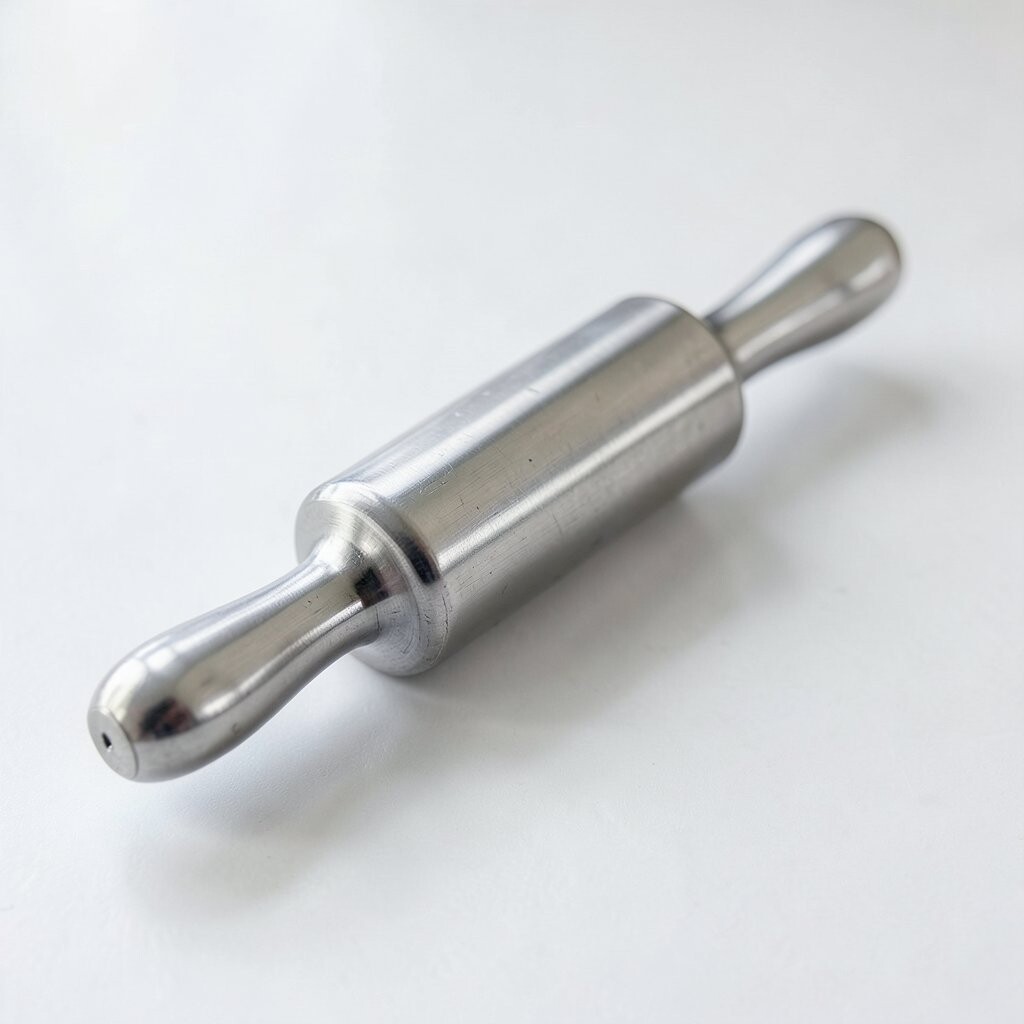
This one has a design that encourages a “ready when cold” workflow. The surface stays sleek and cool, which is great for buttery doughs.
When you chill the rolling pin, you can roll straight through thicker dough without constant re-rolling. For flaky pastries, this helps keep butter from melting too fast.
Try using short, firm strokes to press the dough down evenly, then widen your passes. If your dough sticks, dust lightly with flour and keep the pin moving. For personalization, match it with a stainless pastry mat and a set of metal cutters.
3. Dual-Handle Comfort Roll Pin
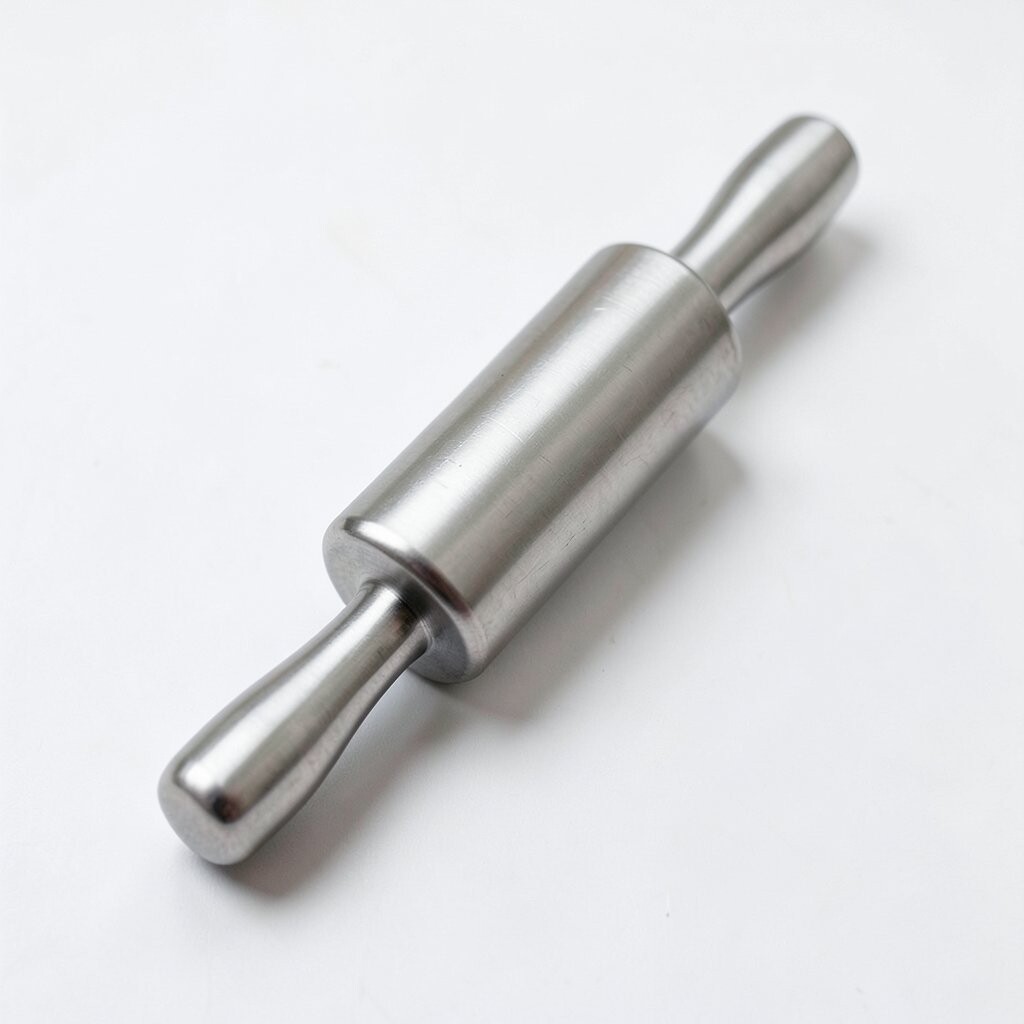
This pin often features comfortable grips or handles that give you better control while rolling. It still keeps the stainless steel look, but with a friendlier feel in the palms.
Extra control helps you keep thickness even, especially when rolling dough that’s not perfectly centered. It’s also easier on your wrists for longer batches of cookies.
To get a consistent crust, check thickness by comparing how your dough behaves at the edges versus the middle. If the edges are thicker, slow down there and apply gentle pressure. For cost planning, these can cost more than plain cylinders, but the comfort can be worth it for frequent bakers.
If you like customization, look for one with detachable grips or an easy-to-clean handle design. A matching stand for storage can also protect the finish and keep your kitchen tidy.
4. Tapered Edge Stainless Pin for Natural Thickness
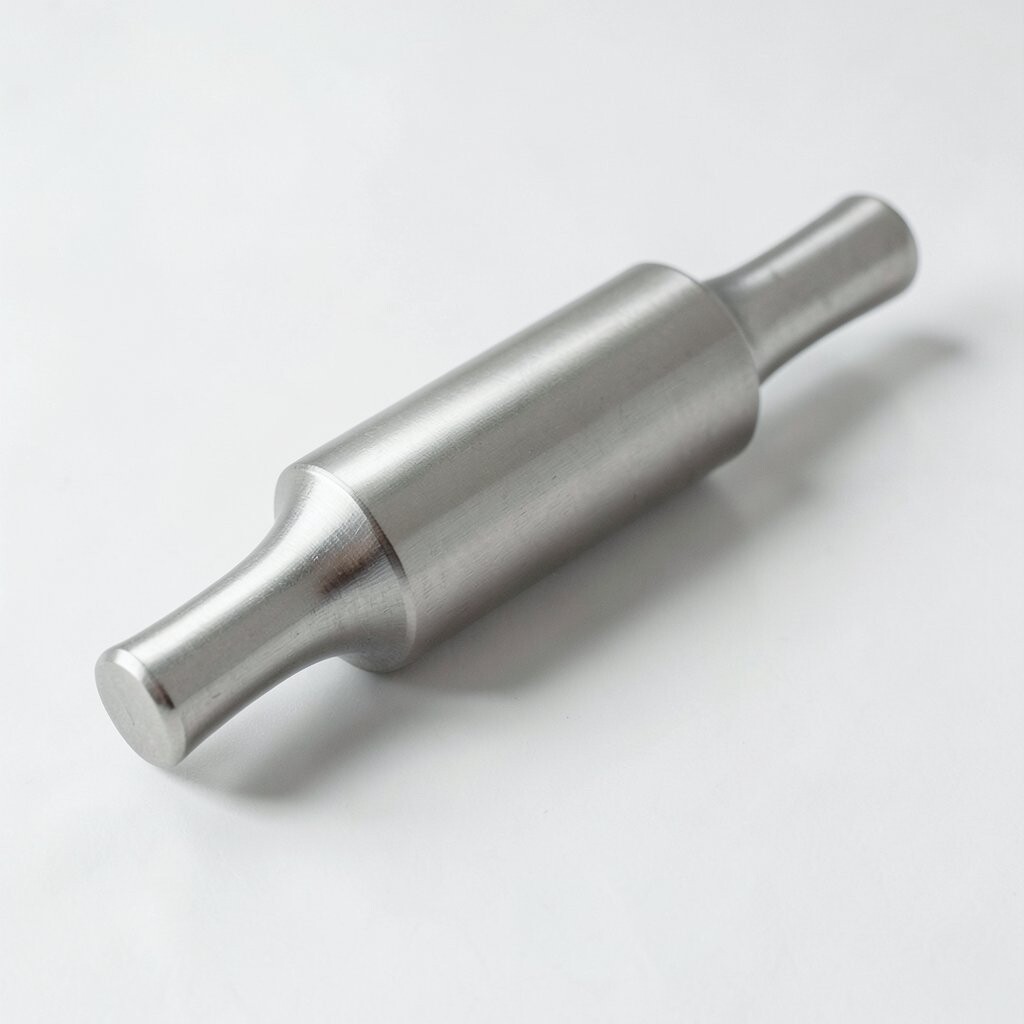
A tapered edge pin can make dough feel more “guided” as it spreads. You get a smooth stainless rolling surface and a shape that nudges your results toward uniform thickness.
This style is especially helpful for rolling pie dough and rustic tarts. Start from the center and roll outward in overlapping arcs, then rotate the dough a quarter turn for balance.
5. Smooth Polished Steel With Knurl-Free Grip

Some stainless pins are laser-polished so the surface looks almost glassy. Without extra texture, it can feel very predictable when you roll.
Because there’s little grip on the metal, your flour and dough contact matters more. That can actually help you learn the right dusting amount and avoid gummy patches.
Use a light touch, then increase pressure only if the dough refuses to flatten. If your dough tears, let it rest for a few minutes before rolling again. For budget-friendly choices, polished but basic models often sit in a middle price range while still giving fast cleanup.
6. Textured Ring Insert Stainless Roller

Even if the body is stainless, some designs include subtle ring inserts for visual structure. The rings can help you feel where your pressure is landing while you roll.
This can make rolling easier when you’re tired, because you get a gentle “feedback” effect. It’s useful for consistent dumpling wrappers and uniform cookie slabs.
Keep the dough lightly floured, then roll with steady speed instead of heavy force. If the rings leave marks you don’t want, reduce flour contact and use lighter pressure. Personalize by pairing it with a rolling guide thickness set so every batch matches.
7. Long Barrel Stainless Rolling Pin for Big Batches
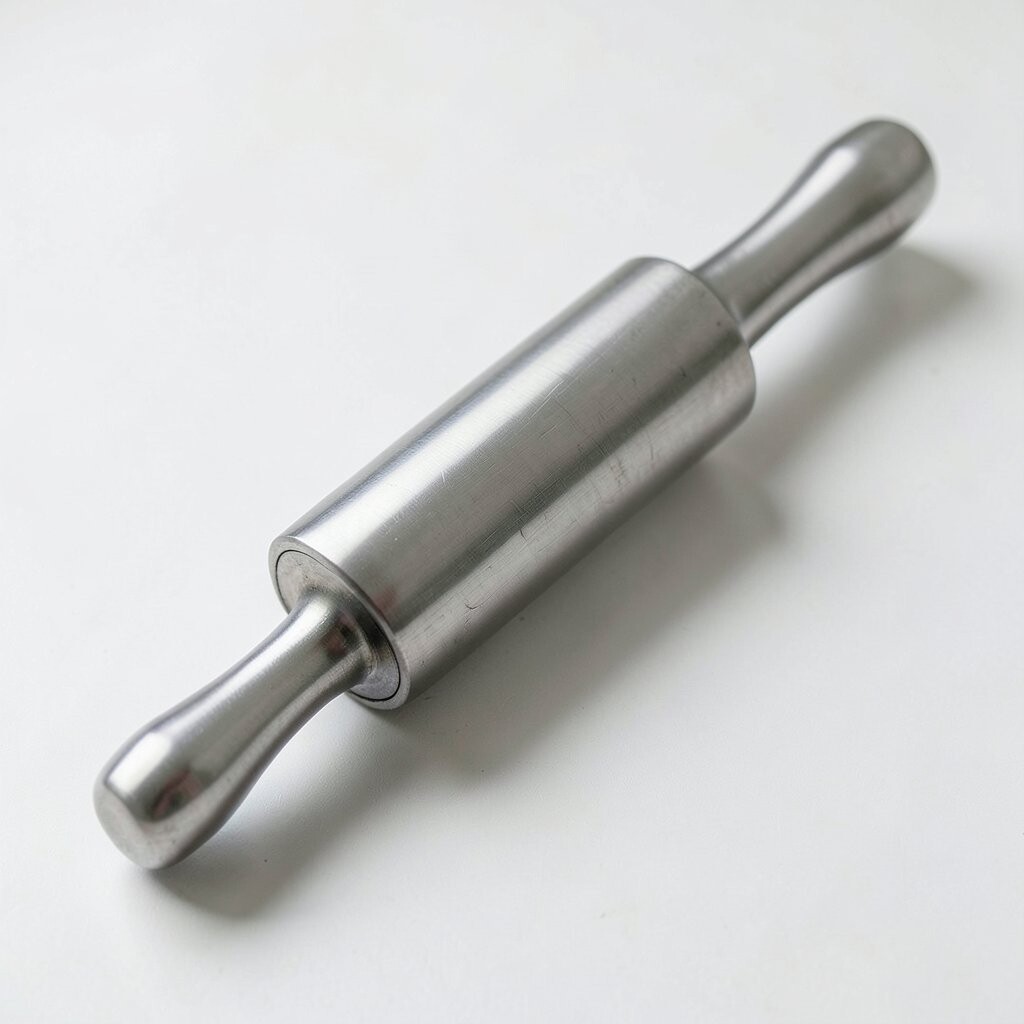
A longer barrel makes dough feel less crowded, and you can cover larger surfaces faster. Visually, it often looks elegant with a sleek, elongated stainless silhouette.
With more length, you can roll from one side of your countertop to the other without re-positioning as much. That reduces stretching and helps keep dough from developing uneven thin spots.
For best results, clear your workspace and use a stable mat so the pin glides smoothly. If your dough keeps sticking in the middle, lift and rotate more often. These can be a higher investment than shorter pins, but the time saved is real for holiday baking.
8. Stainless Pin With Silicone End Caps

Silicone end caps give this pin a softer look at the ends while the rolling surface stays stainless. The contrast can make it easier to grip, especially when your hands are a bit floury.
The caps can also protect your countertop and reduce annoying metal-on-stone clinks. That’s a small comfort that adds up when you bake often.
Use the end caps to guide your hand position, then roll in calm, even strokes. If your dough sticks, pause, dust, and continue rather than forcing it. For personalization, choose a pin with color-matched caps that fit your kitchen style.
When considering cost, compare how easily the caps come off for deep cleaning. A design that allows thorough rinsing can help the pin stay fresh for years.
9. Stainless Steel Adjustable Thickness Rolling Guides
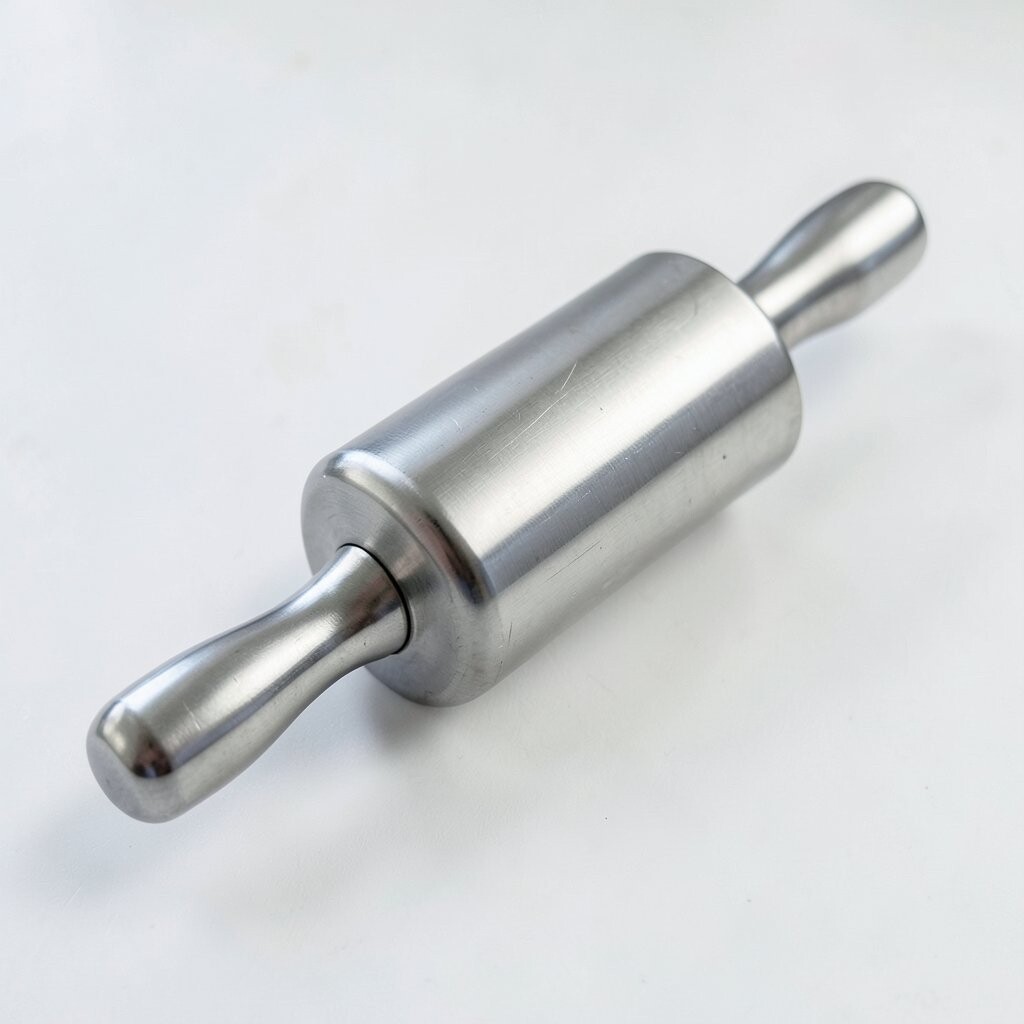
This type looks like a regular stainless pin, but it comes with built-in guides or attachable bands. The shiny barrel makes it feel professional, while the guides aim for consistent thickness.
You get more predictable results for cut-out cookies, crackers, and layered pastry sheets. Instead of guessing, you roll until the guides touch the dough and stop your thickness drift.
Set the guides slightly thicker for bread-like doughs, and go thinner for delicate cookies. Dust the guides lightly too, so they don’t drag. Because it’s a feature-heavy design, it often costs more, but the time saved on re-rolling can be worth it.
To personalize, pick a guide system that adjusts across several thickness levels. That way, one pin can handle both tender pie crusts and crisp snack crackers.
10. Narrow French-Style Stainless Rolling Pin
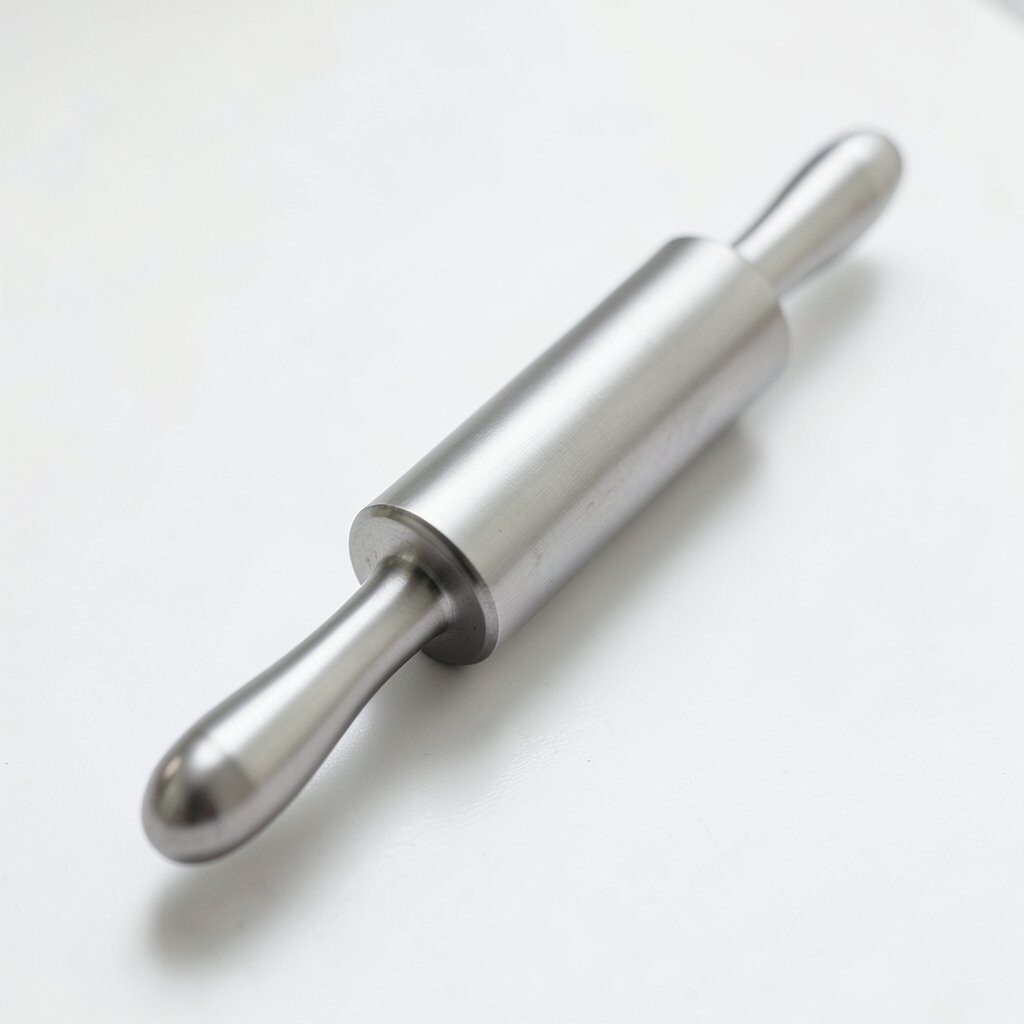
A narrow pin feels nimble and makes the motion of rolling dough feel quick and tidy. Visually, it’s slim and sleek, perfect for smaller kitchens and tight prep areas.
This style shines for pastry strips, small tart bases, and dough that doesn’t need to cover a huge area. When you roll, use quick, light passes to keep the dough from slipping or tearing.
11. Heavy Stainless Pin for Shortcrust and Firm Dough

Extra weight is the star here, and the steel body looks bold and grounded. It’s the kind of pin that feels like it means business the moment you pick it up.
A heavier rolling pin can press through stiffer dough, like certain shortcrusts, with less effort from your arms. That can lead to fewer hand cramps and more even layers.
If the dough warms fast, chill it and work in small sections. Press down gently at first, then smooth outward to keep the dough from bulging. When you’re comparing prices, note that heavier pins sometimes cost more because of the material thickness and machining.
For personalization, pair it with a bench scraper so you can lift dough cleanly and reduce stretching. You can also label storage space so the pin always returns to the same spot on your shelf.
12. Stainless Pin With Central Spacing Indicator Rings
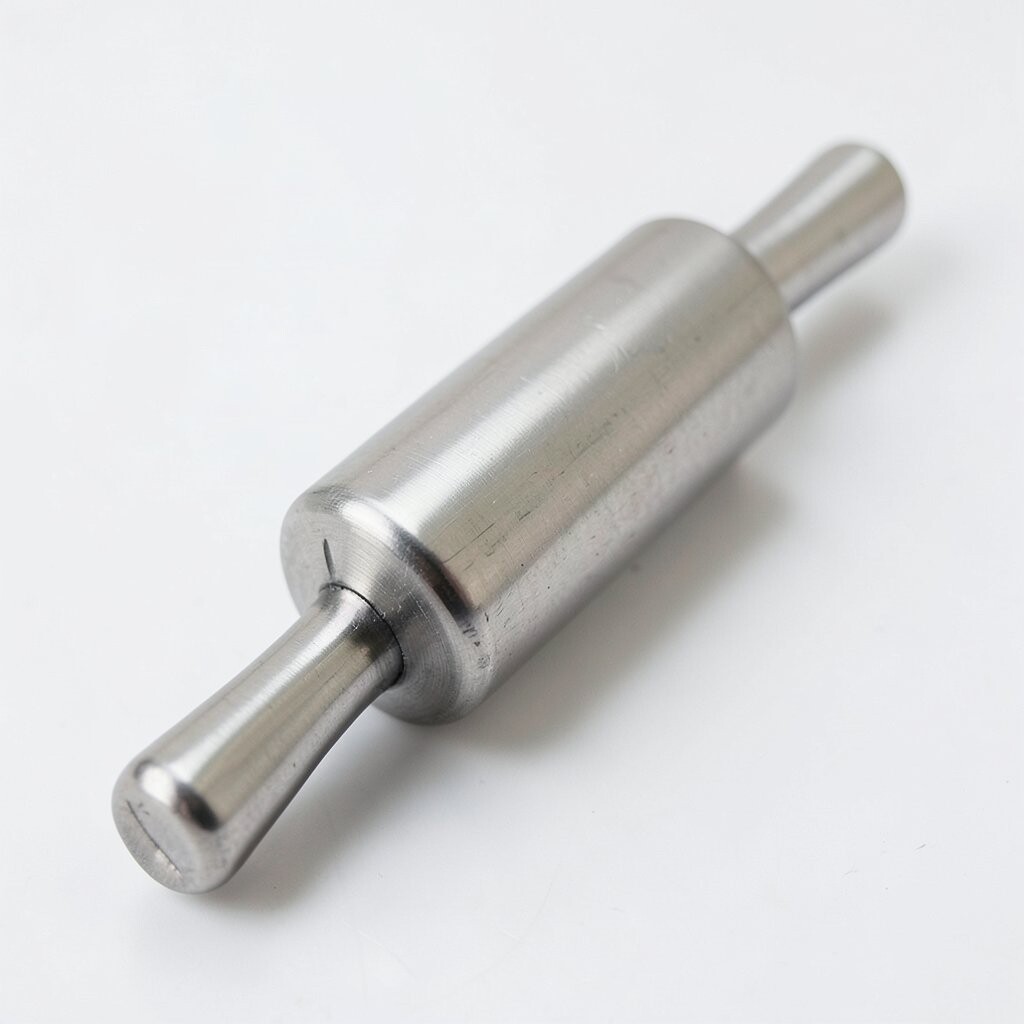
Some rolling pins include a center ring system that helps you track your roll progress. It looks like subtle markers wrapped around the stainless barrel.
Those markers help you roll symmetrically so your dough doesn’t end up thicker on one side. It’s useful when you’re rolling long sheets for lasagna-style dough or layered desserts.
Start at the center, then roll toward one side until you reach the marker line. Rotate the dough, then repeat on the other side to balance thickness. If you want a simple upgrade, choose a pin with markers that are shallow so they’re less likely to imprint.
13. Stainless Steel Rolling Pin With Non-Slip Grip Sleeve
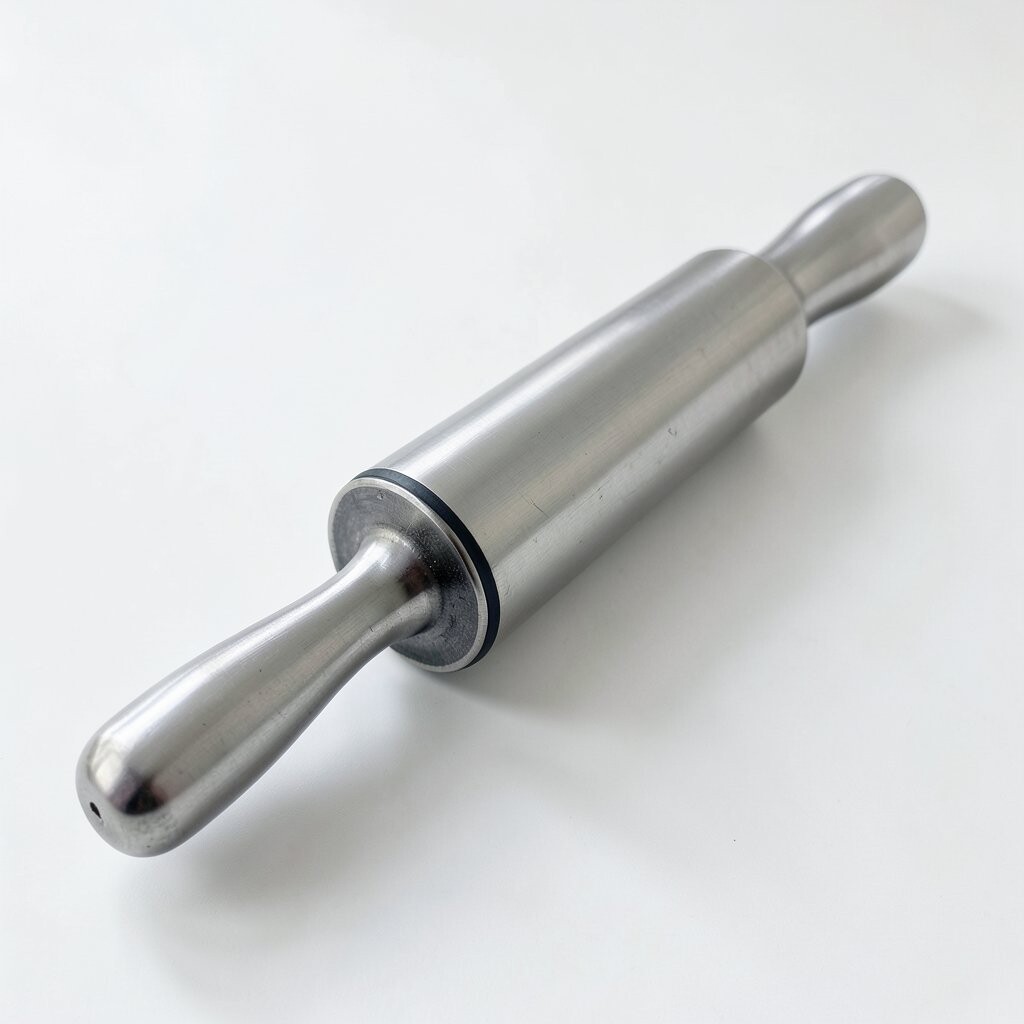
This pin keeps the stainless look but adds a non-slip sleeve where your hands rest. That design makes it feel secure even when your palms get a little doughy.
A stable grip helps you keep pressure consistent, which matters for delicate cookies and neat pie crusts. It also reduces the chance of the pin sliding when your countertop is smooth.
Use a light flour layer on the dough, then roll with controlled pressure rather than quick slaps. If the sleeve is removable, wash it according to the care instructions and dry fully before storage. The sleeve features can raise the price, but they can make everyday use much easier.
For personalization, match sleeve color to your apron or kitchen towels. A pin that feels good to hold makes you more likely to roll dough more often.
14. Classic Stainless Pin With Handle Holes for Easy Storage
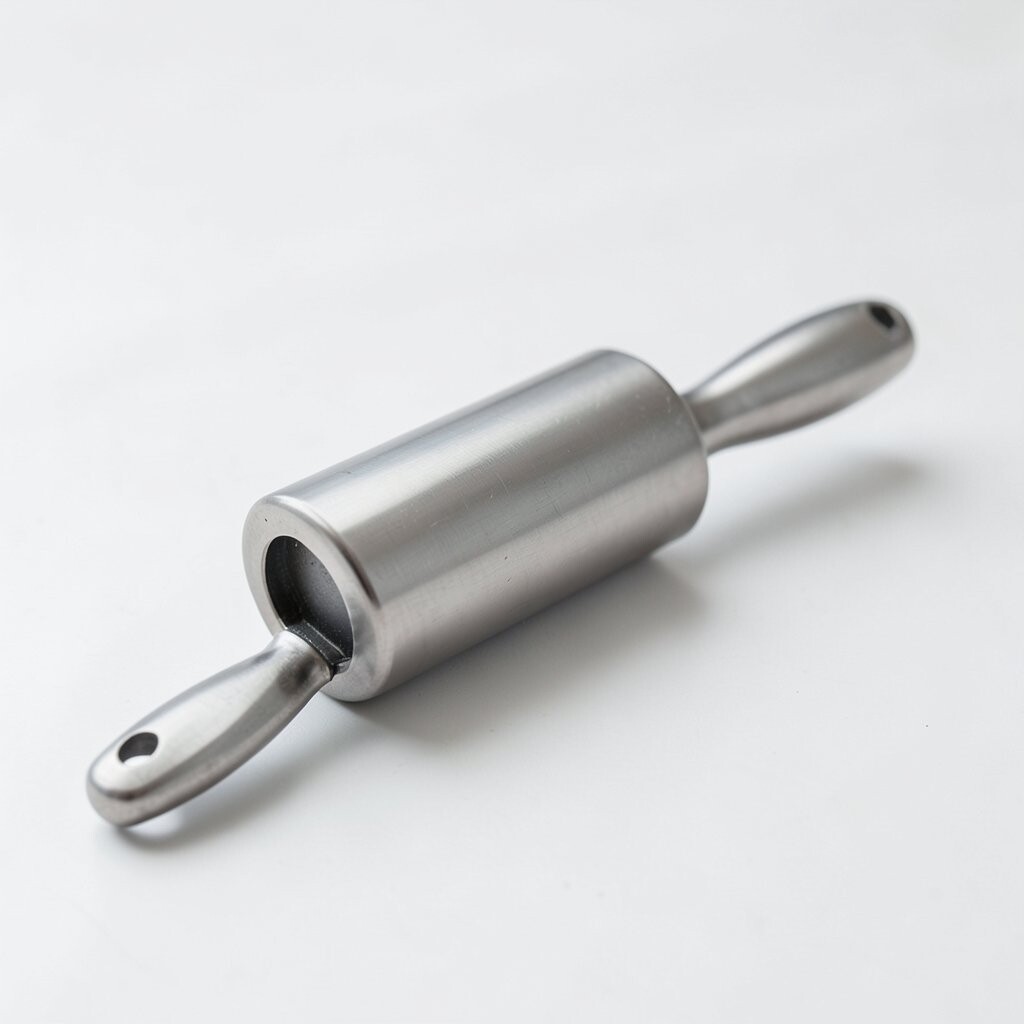
This design is straightforward: a smooth stainless barrel with handle holes or hanging loops. The look is clean and practical, like something you’d hang right by your baking station.
Easy storage matters because a rolling pin you can reach quickly gets used more. When you can hang it, it also stays protected from bumps that can dent cheaper metal.
Keep the pin dry after washing and store it off damp surfaces. If your kitchen gets humid, consider storing it in a cabinet with airflow. For cost considerations, simple storage features usually add little to the price, so you can get convenience without big spending.
15. Stainless Pin With Light Texture for Better Flour Control

Some stainless rolling pins have micro-texture that gently manages flour contact. It looks slightly different from a fully mirror finish, but it still looks modern and clean.
This can help reduce the slippery “flash” of flour that sometimes makes dough slide unevenly. With the right touch, you can roll smoother layers with fewer tears.
Use less flour than you think you need, then adjust gradually. If dough sticks, add a dusting to the mat first, not just the dough, so you keep control. When comparing costs, micro-textured pins can land in the mid-range, especially if they’re made with careful machining.
For personalization, choose a texture level that matches your style: smooth for finesse, textured for hands-on control. Try it on a small dough batch before making your final pastry.
16. Stainless Steel Rolling Pin With Heat-Transfer Core
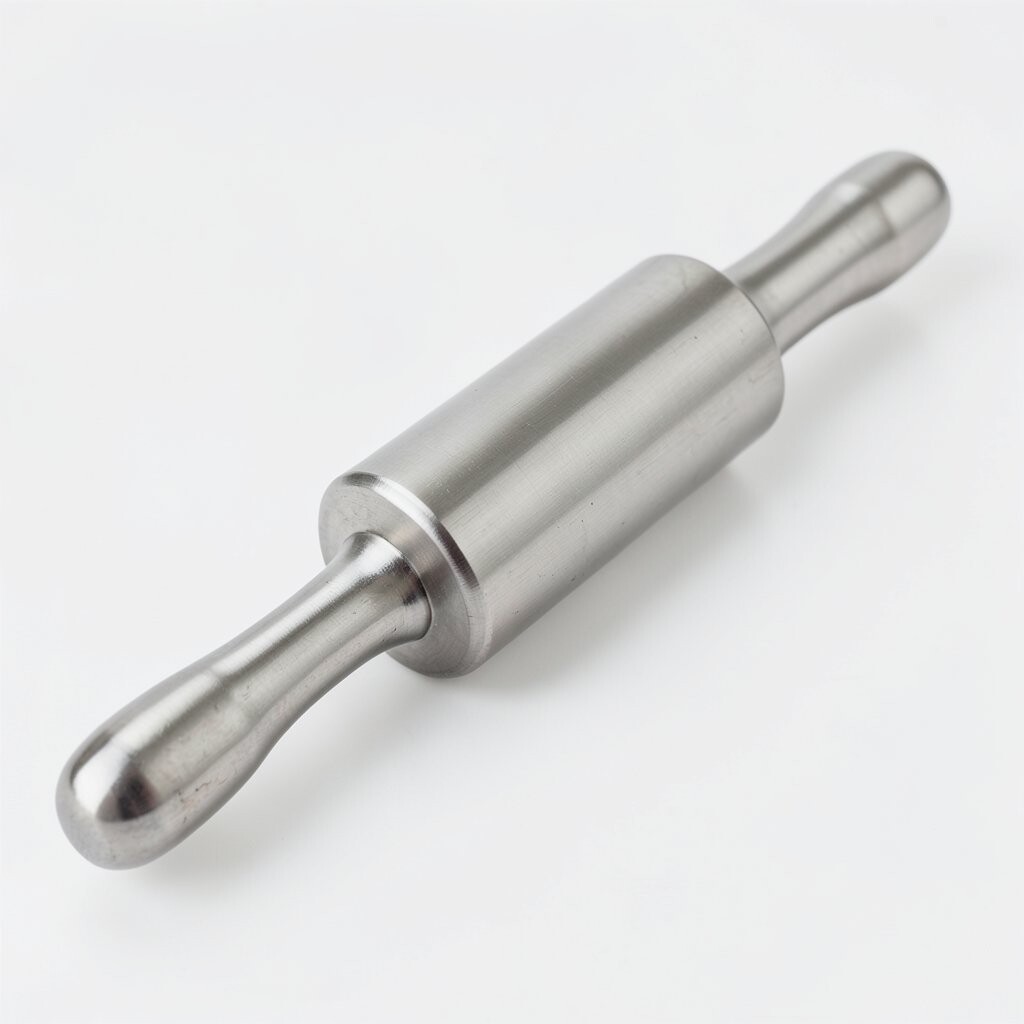
This pin is designed to move temperature more evenly, which can help your dough behave consistently. You might notice a slightly different internal structure, while the outer steel still looks sleek.
Better heat transfer can make rolling feel steadier, especially for dough that’s sensitive to warmth. That can help with butter-based pastries and certain layered breads.
Before baking, test your workflow by rolling a small scrap of dough and watching how it stretches. If it cracks, your dough may be too cold, so warm it briefly with your hands. Pricing can vary, but pins with special internal engineering tend to cost more than basic models.
For personalization, pair temperature control with a reliable dough resting schedule. Consistent rest times often make a “tech-feature” pin perform even better.
17. Stainless Rolling Pin for Precision Crust Edges

This pin focuses on producing clean edges, often thanks to its balanced weight and smooth end profile. It looks polished and tidy, with a build that aims for sharp, neat results.
When you roll with even pressure, your crust edges are less likely to slump or stretch. That helps pastries bake with a more professional look and a better bite.
Roll with a steady rhythm and pause to check the perimeter. If your dough shrinks at the edges, let it rest longer before baking. Consider cost as part of your baking goals: if you make pies often, paying for precision can pay back in fewer failed attempts.
18. Decorative Pattern Stainless Rolling Pin
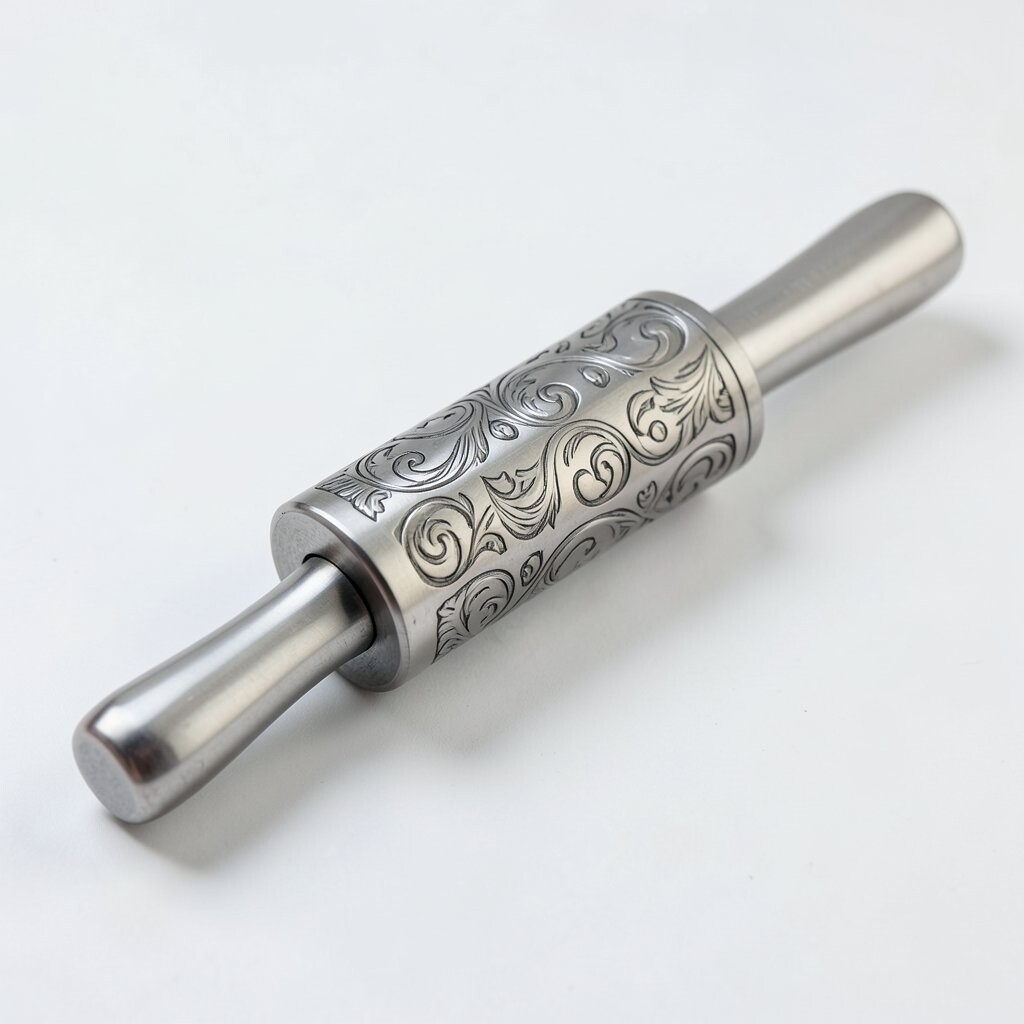
A patterned stainless rolling pin can leave beautiful designs while you roll. The stainless surface usually looks glossy, and the pattern stands out like fine engraving.
It’s perfect for holiday cookies, fondant sheets, and even simple pastry tops that need an upgrade. The benefit is visual wow without needing extra icing work.
Use gentle pressure so the pattern imprints without tearing dough. If you want crisp details, chill the dough slightly before rolling and dust lightly. Pattern pins can cost more because of the engraving process, but they often become a favorite for special occasions.
For personalization, choose a pattern that matches your theme, like scallops for a brunch vibe or simple lines for modern desserts. Store it carefully so the engraved areas stay clean.
19. Budget-Friendly Stainless Steel Everyday Pin

This one keeps the core stainless benefits without extra extras. You’ll see a clean, practical barrel that looks nice on the counter and feels solid enough for daily baking.
Even at a lower price, a stainless rolling pin can help you roll dough smoothly and wipe clean quickly. It’s a great option if you’re building your baking toolkit or switching from plastic.
To get the best results, use a well-floured mat and roll in consistent passes. If your dough sticks, don’t add lots of flour at once—add a thin dusting and adjust. Look for a model with comfortable balance in the center so you don’t fight the pin while rolling. For current trends, many bakers are choosing simpler tools that are easy to maintain, and stainless fits right in.