Shaded pergolas do more than block sun—they quietly shape how your outdoor space feels. Most people only think about shade, but there’s a lot more going on.
1. Sunlight Still Winks Through
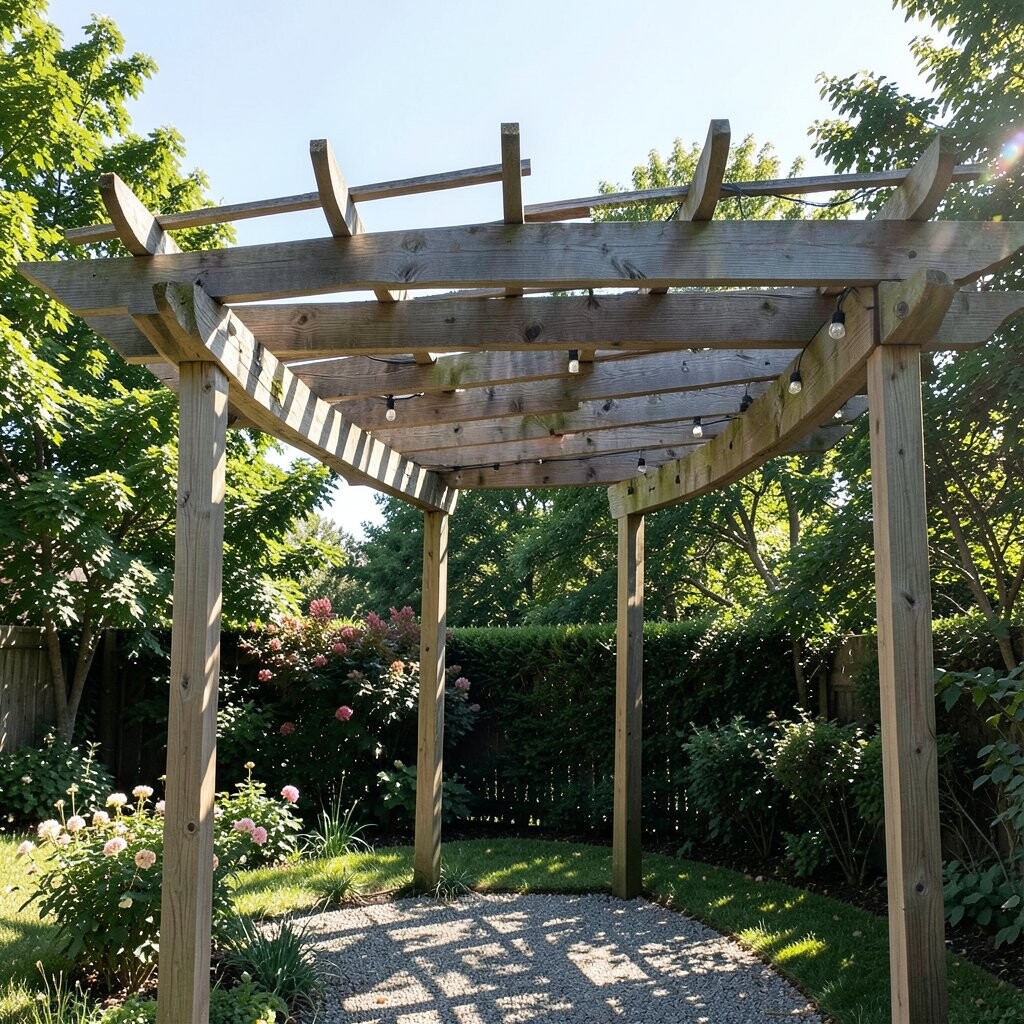
Shaded pergolas rarely create solid darkness. You’ll see gentle stripes of light across the floor and furniture.
This “soft shade” can look more welcoming than a heavy roof. It also keeps the space from feeling closed in on bright days. If you want more coverage, adjust the slat angle or add side screens for different times of day.
2. The Air Moves Differently

A pergola can make a patio feel cooler even when the temperature is the same. The slatted design lets breezes pass while still cutting harsh glare.
You can feel it during humid afternoons when heat usually clings to surfaces. For best comfort, keep openings near seating so air can flow through, not get trapped behind cushions.
Think about placement, too. A pergola beside a walkway may help circulation, while one tucked into a corner can limit airflow. Plan for cross-breeze from door to yard when possible.
3. Your Privacy Changes by Season

Many shaded pergolas give partial privacy, and that’s on purpose. In winter, leaves fall and the view opens up.
In summer, climbing plants and hanging fabrics can create a softer, more private feel. This is a big “surprise” because the look you see in spring won’t match mid-summer.
To manage privacy throughout the year, mix materials. Use removable shade panels, sliding screens, or planters that can be moved. You’ll get control without rebuilding anything.
Even without plants, you can add privacy by choosing darker frames or layered outdoor curtains. Just make sure wind can pass through so fabric doesn’t balloon.
4. They’re an Outdoor Style Bridge
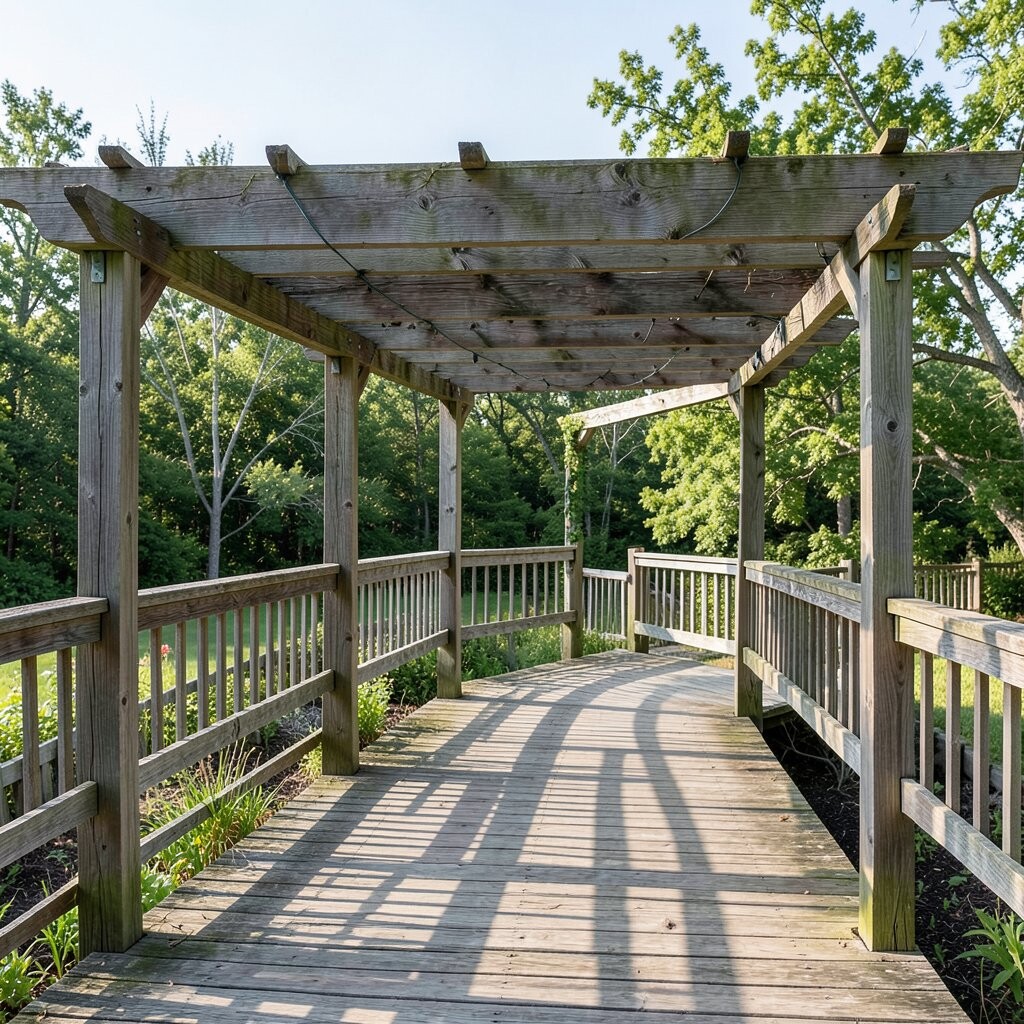
A pergola can connect your yard to your home in a way a plain fence never does. It frames views like a doorway, so the whole area feels planned.
If your house has strong lines, pick a matching style for beams and posts. For a softer look, consider curved corners and lighter colors. This design link is one reason pergolas look “built in” even when they’re added later.
5. Shading Helps Your Furniture Last Longer

Sun can fade fabrics and dry out outdoor cushions faster than people expect. Shade slows the damage and keeps colors looking more true.
Materials like teak, metal, and synthetic wicker also benefit because direct heat exposure drops. If your set includes light-colored cushions, you’ll notice the difference within a season.
For even better protection, choose UV-resistant covers and keep them within reach. A pergola also helps reduce glare, which means you’re less likely to drag chairs around all day. That small convenience adds up.
6. Rain Isn’t Always the Problem

A shaded pergola isn’t a full roof, so light rain can still reach the seating area. But you might not need to treat it like a shelter either.
Instead of thinking “waterproof” or “not,” think “comfortable strategy.” You can use it for morning coffee and shade-heavy afternoons, while still planning for occasional drizzles with storage covers.
7. The Best Shade Works with Your Sun Path
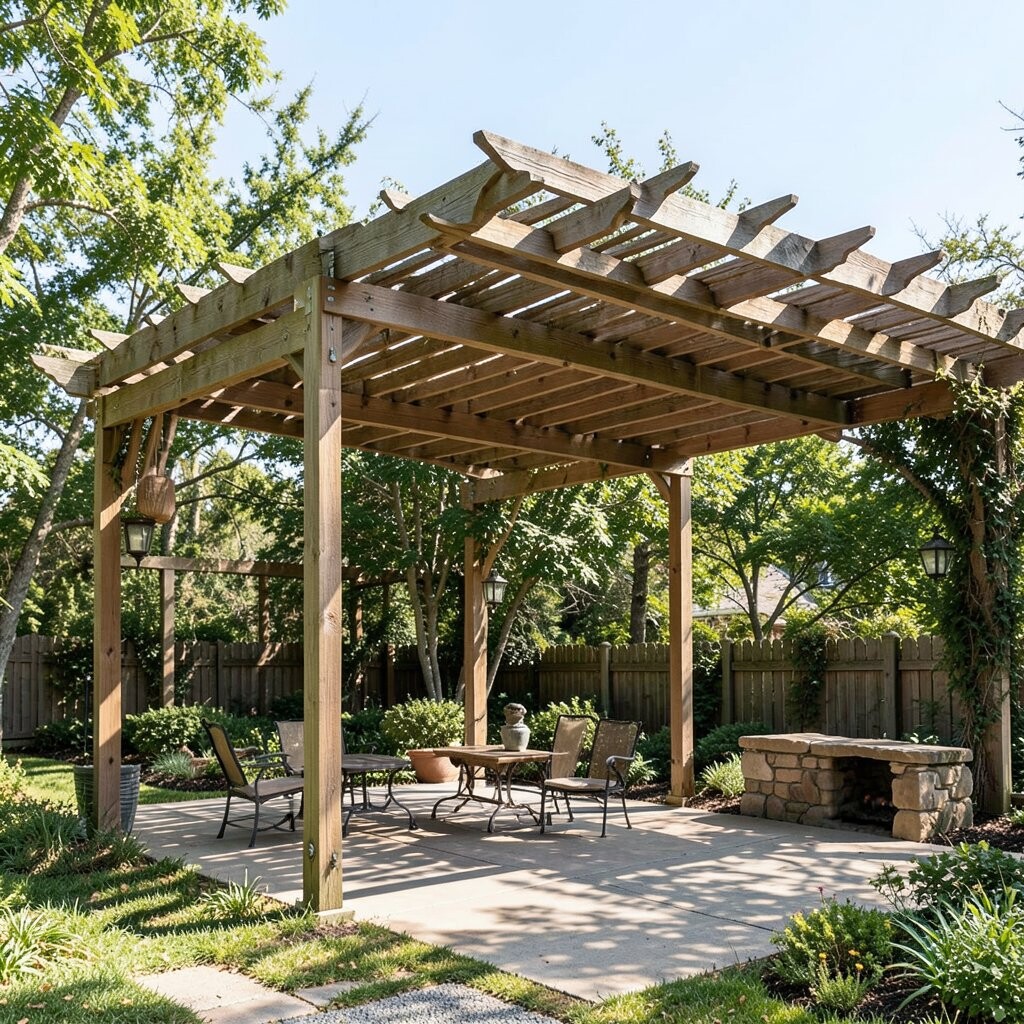
Many people install a pergola based on where it looks nice, not where the sun travels. That can leave you with shade at the wrong time of day.
Try to note the sun’s direction in the morning and afternoon. Then position the pergola so the strongest glare hits the slats, not your eyes. If you’re not sure, use a phone sun-tracker app or just watch for a couple of clear days.
You can also customize shade by choosing adjustable louvers. That way, you can steer where the light lands as the day changes. It’s a small upgrade that feels like a big win.
8. Different Materials Change the Mood
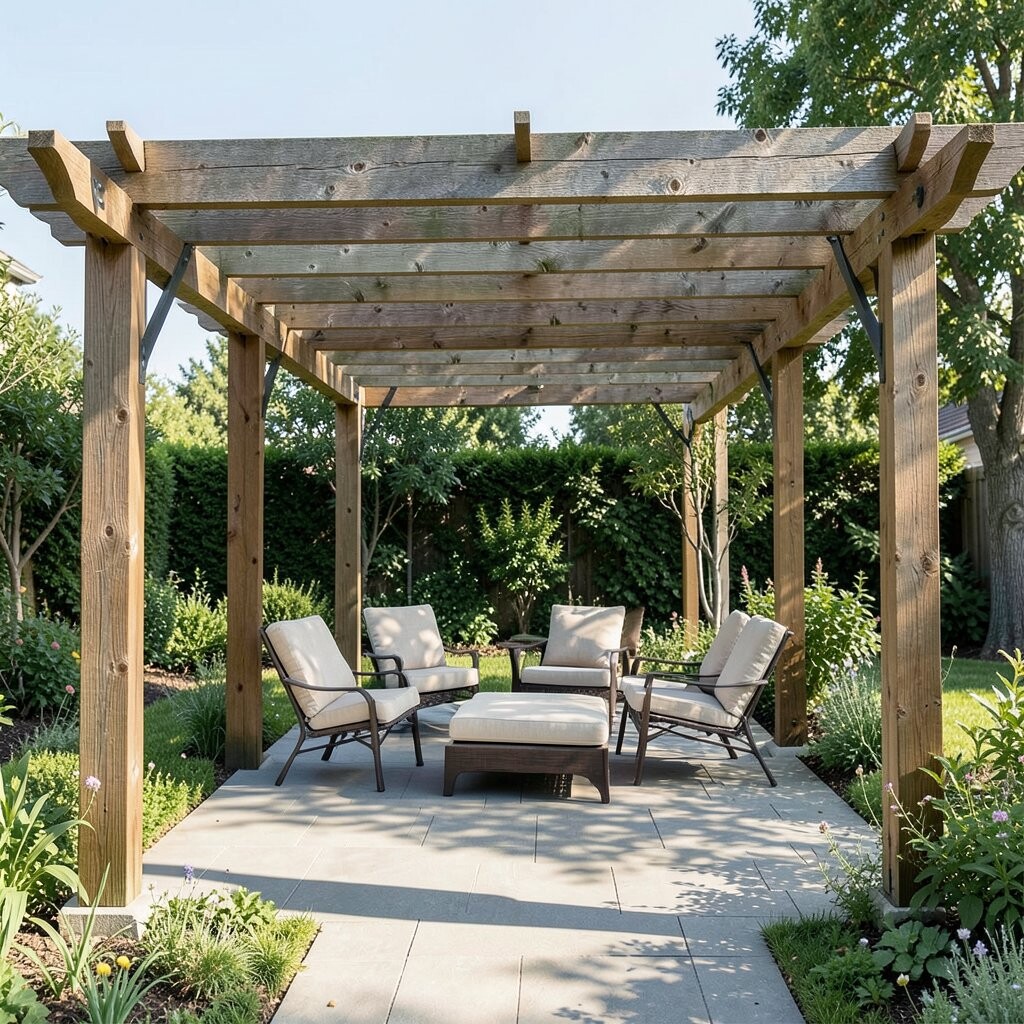
Wood pergolas give a warm, natural look that blends easily with gardens. Metal pergolas feel crisp and modern, especially with powder-coated finishes.
Vinyl and composite materials often bring low-maintenance benefits. When choosing, picture how the texture will look next to your flooring and plants.
Color matters more than people think. A dark frame absorbs heat, while lighter colors reflect it. Match the finish to your climate so the pergola stays comfortable to touch.
For a balanced look, pair warm wood with neutral cushions, or pair matte metal with soft outdoor lighting. The “feel” is often the detail that surprises first-time buyers.
9. It Can Help You Use Lighting Smarter

Shaded pergolas create a natural place to add string lights, lanterns, or wall sconces. The slats can act like a gentle diffuser for the glow.
You’ll get a cozy evening look without needing to light the whole yard. To avoid glare, hang lights slightly under the beams and keep cords secured. This is one of the easiest upgrades that changes the atmosphere fast.
10. You Can Pair Shade With Layers of Texture

Shade isn’t only about blocking sun, it’s also about adding depth. Fabrics, planters, and climbing vines can make the space feel styled.
Use breathable outdoor curtains, lattice accents, or woven screens for a layered effect. Mix one “solid” element, like posts, with one “soft” element, like fabric. That contrast looks expensive even when your budget is modest.
If you love a casual style, choose light colors and relaxed hanging plants. If you prefer a clean look, keep layers minimal and rely on sleek hardware. Either way, the pergola becomes a visual centerpiece, not just a shade structure.
11. Planning the Footing Is a Big Deal

Even small pergolas need solid anchoring. Loose footings can lead to wobble, sagging, or misaligned beams over time.
Talk to your builder about soil type and local frost depth. In colder areas, foundations often need to go deeper to prevent heaving.
It’s not the glamorous part, but it’s what keeps your pergola straight. You’ll also save money later by preventing repairs. A careful base is the difference between “nice build” and “long-term setup.”
12. Privacy Without Heavy Walls Is Possible
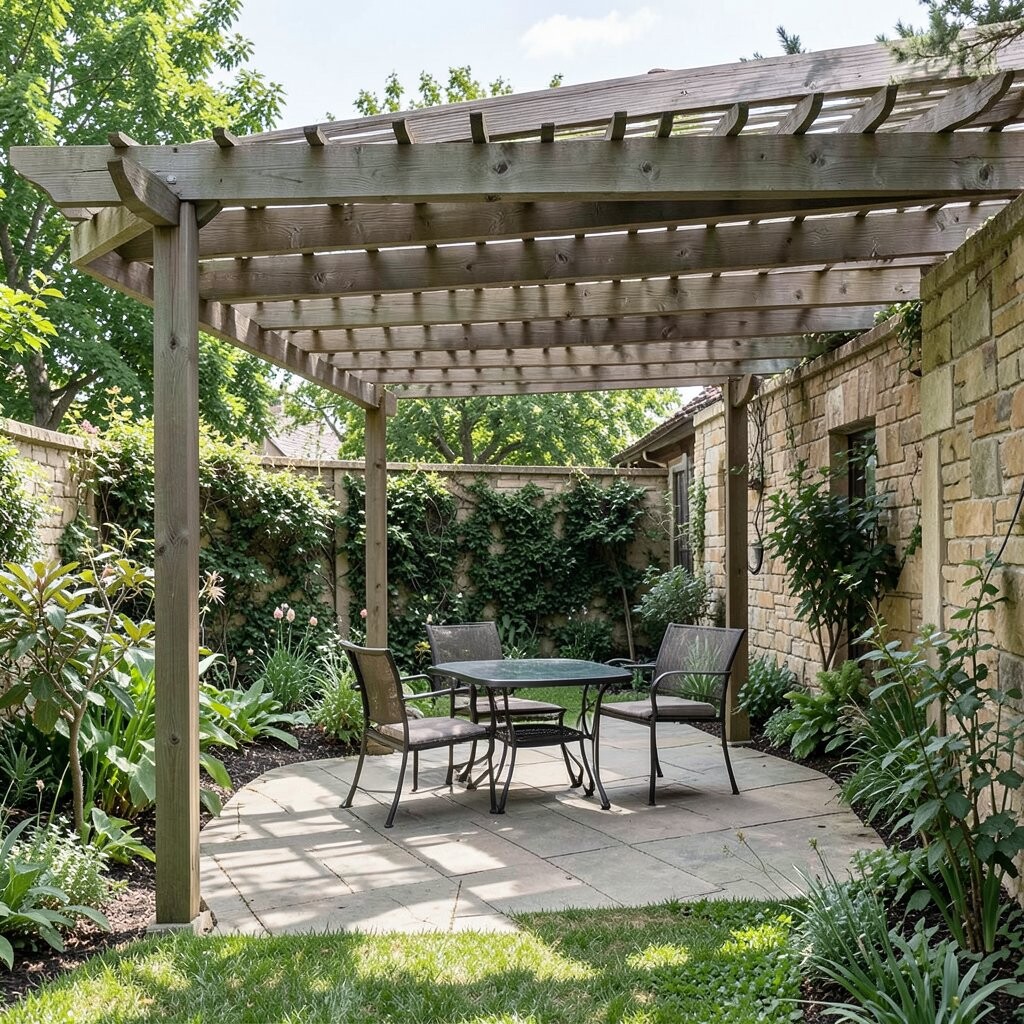
If you don’t want a full fence, shaded pergolas can still offer calm privacy. The slats naturally soften sightlines while leaving airflow open.
For more coverage, add side curtains, shade sails, or trellis panels. Choose materials that roll up or attach with hooks so you can adjust when guests come over. That flexibility keeps the space functional, not stuck in one mode.
13. A Pergola Can Create Zones in Your Yard
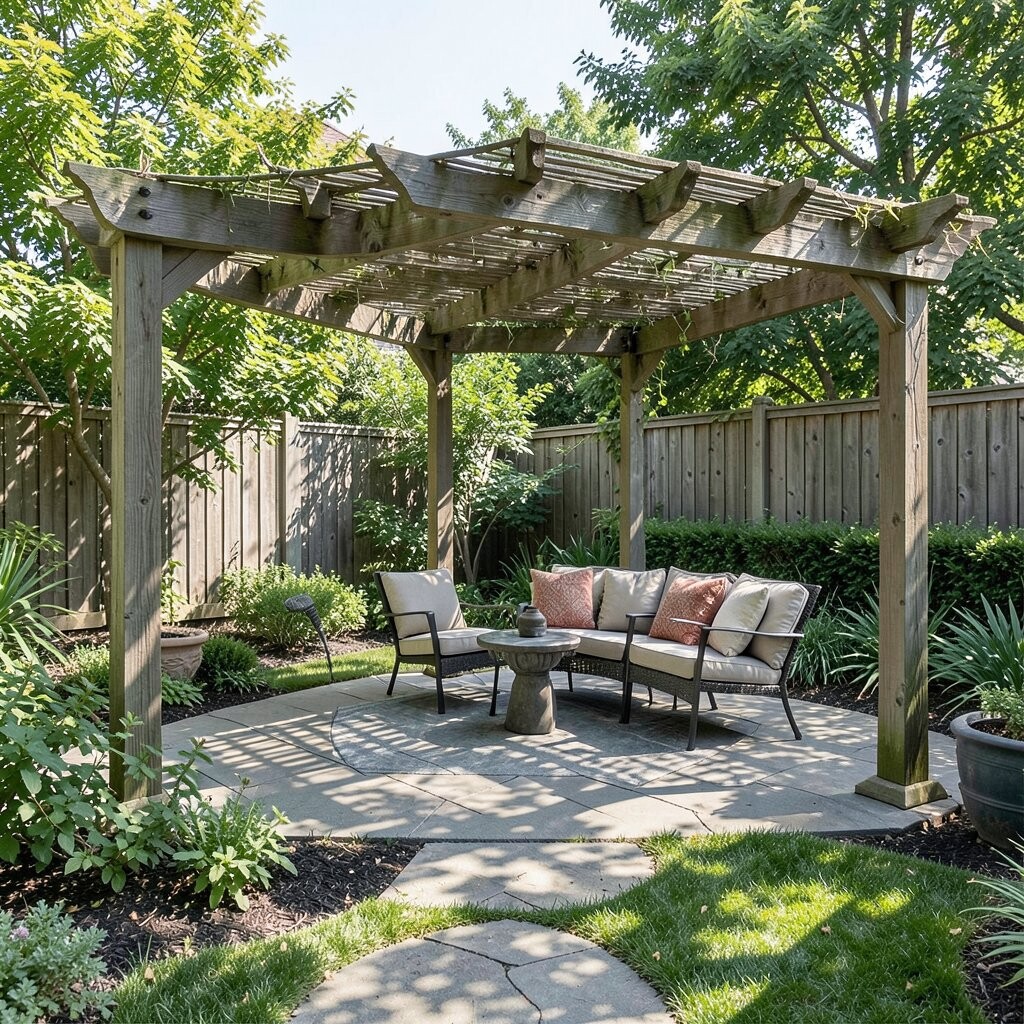
Even a modest pergola can define a “room” outdoors. When it sits above a dining set or lounge area, it visually separates that zone from the rest of the yard.
This helps the layout feel intentional, especially in open backyards. You can pair the pergola with a rug, path lighting, and planters to reinforce the room-like feel. People often underestimate how much structure improves usability.
14. Sliding and Retractable Options Change Everything

Fixed slats give steady shade, but adjustable systems let you control the mood. Retractable awnings, rolling screens, or louvers can shift with the sun.
This is especially useful if you entertain. Guests may want more shade in the afternoon, then more light later for photos. Look for designs that operate smoothly, so you’ll actually use them.
15. The “Best” Shade Might Be Partly Open
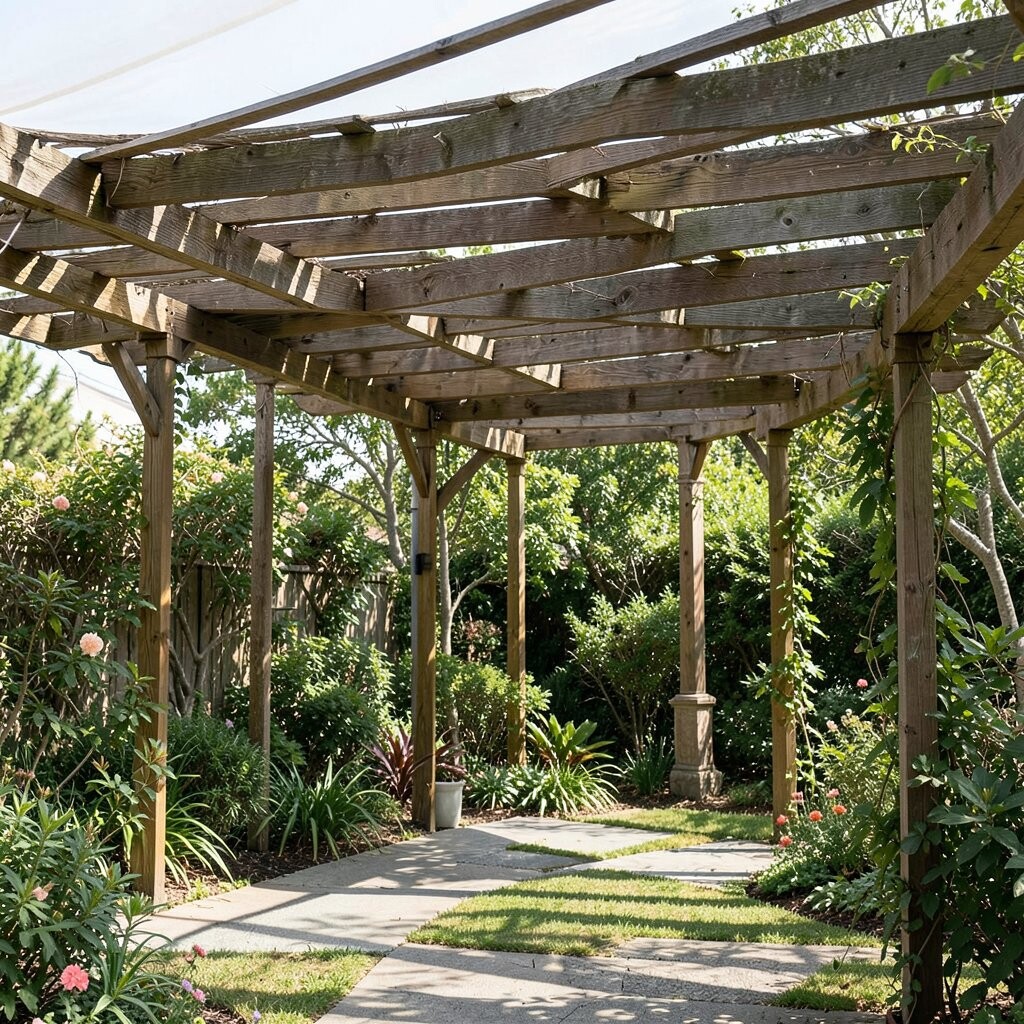
It’s tempting to go for maximum coverage right away. But too much shade can make the area feel dim and damp, especially in rainy climates.
A balanced pergola allows light to filter in, which keeps plants happier and the space more cheerful. You can also use placement to get the right mix. A half-covered area can be perfect for a seating nook while leaving room for sun-loving plants nearby.
Think of it like seasoning. Shade should be present, but not overpowering. When the space feels bright enough, people use it more often.
16. Color-Coordinated Linings Can Reduce Glare

Glare isn’t only about brightness, it’s also about reflection. If your pergola includes fabric or panels, their color affects how light bounces.
Choose lighter fabrics for a soft glow, or darker fabrics for sharper contrast. Outdoor whites, creams, and sand tones can make the area feel airy. Meanwhile, deep grays and charcoal tones can calm bright afternoons.
When you test colors, view them from where you’ll sit. That’s the angle your eyes will care about the most.
17. Built-In Storage Can Be Hidden Magic

Some pergola designs include shelving, benches, or cabinets nearby. That means you can store outdoor cushions, tools, or planters without clutter.
Keeping essentials under the structure or close to it makes shade setups easier. You won’t have to run back and forth when you’re adjusting for sun or getting ready for guests.
18. Plants Take Time, So Start With a Vision
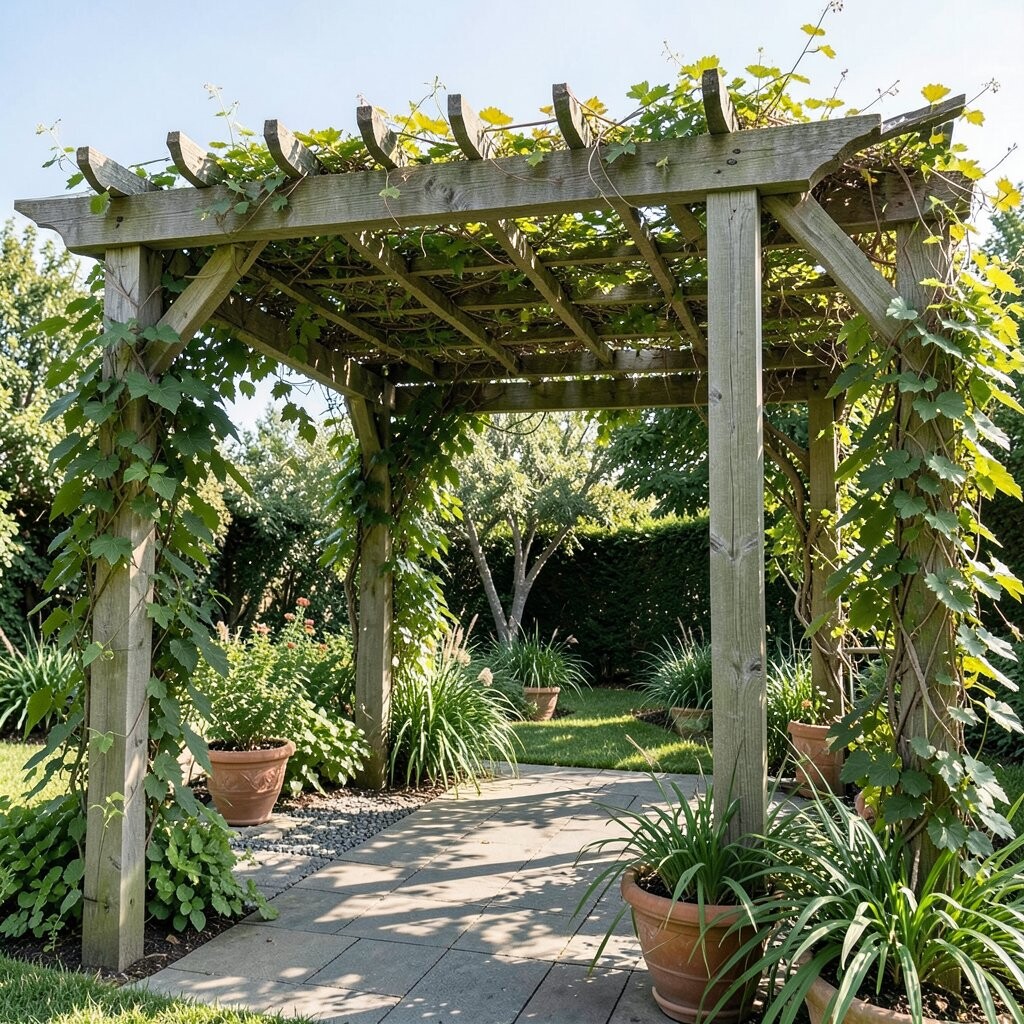
Climbing plants add that classic “shaded pergola” look, but they don’t happen overnight. In the first months, the structure may look more open than you imagined.
To bridge the waiting period, use temporary shade fabrics or rapid-growing vines if your climate supports them. You can also add trellis panels to guide growth upward. Choose plants that match your sun level, because the slats create different pockets of light and shade.
19. Cost Isn’t Only the Frame Price
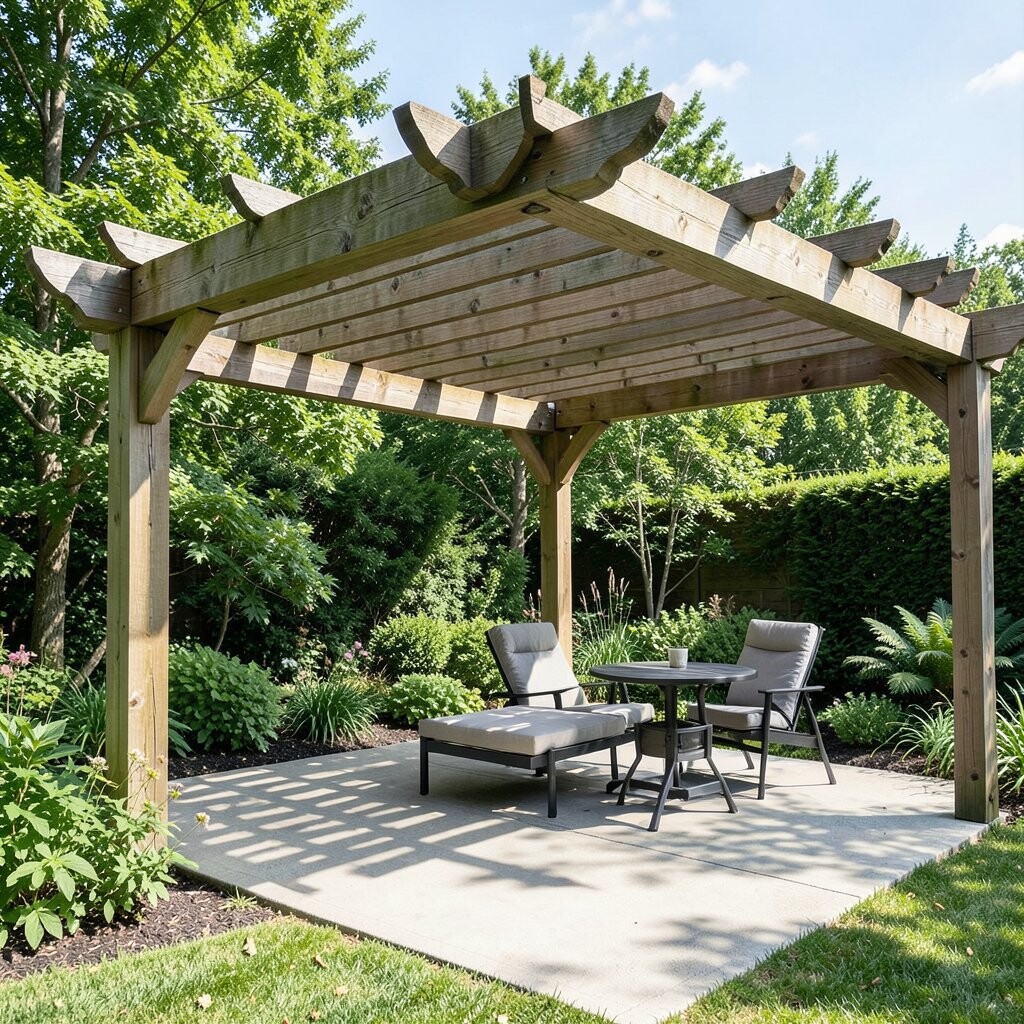
The price of the pergola frame is just one part of the total cost. Footings, labor, hardware, and finishing details can move the budget fast.
If you add lighting, adjustable louvers, screens, or upgraded materials, the cost changes again. A helpful tip is to list what matters most to you first, like airflow, privacy, or low maintenance. Then build your wish list around those priorities instead of treating everything as equal.
Get quotes that include installation and any needed permits. This helps you compare apples to apples and prevents surprise charges later.
20. Trends Are Leaning Toward Smart Shade

Right now, many people are choosing modern pergolas with adjustable louvers and integrated screens. They want shade that responds to real life, not a fixed design decision.
Another trend is layering: mixing beams with fabric panels, plants, and lighting. Current styles also favor clean lines, neutral colors, and durable coatings that hold up to weather. If you like the look, ask about weather-rated finishes and easy-clean surfaces so the pergola stays attractive with less work.
1. Sunlight Still Winks Through

Shaded pergolas rarely create solid darkness. You’ll see gentle stripes of light across the floor and furniture.
This “soft shade” can look more welcoming than a heavy roof. It also keeps the space from feeling closed in on bright days. If you want more coverage, adjust the slat angle or add side screens for different times of day.
2. The Air Moves Differently
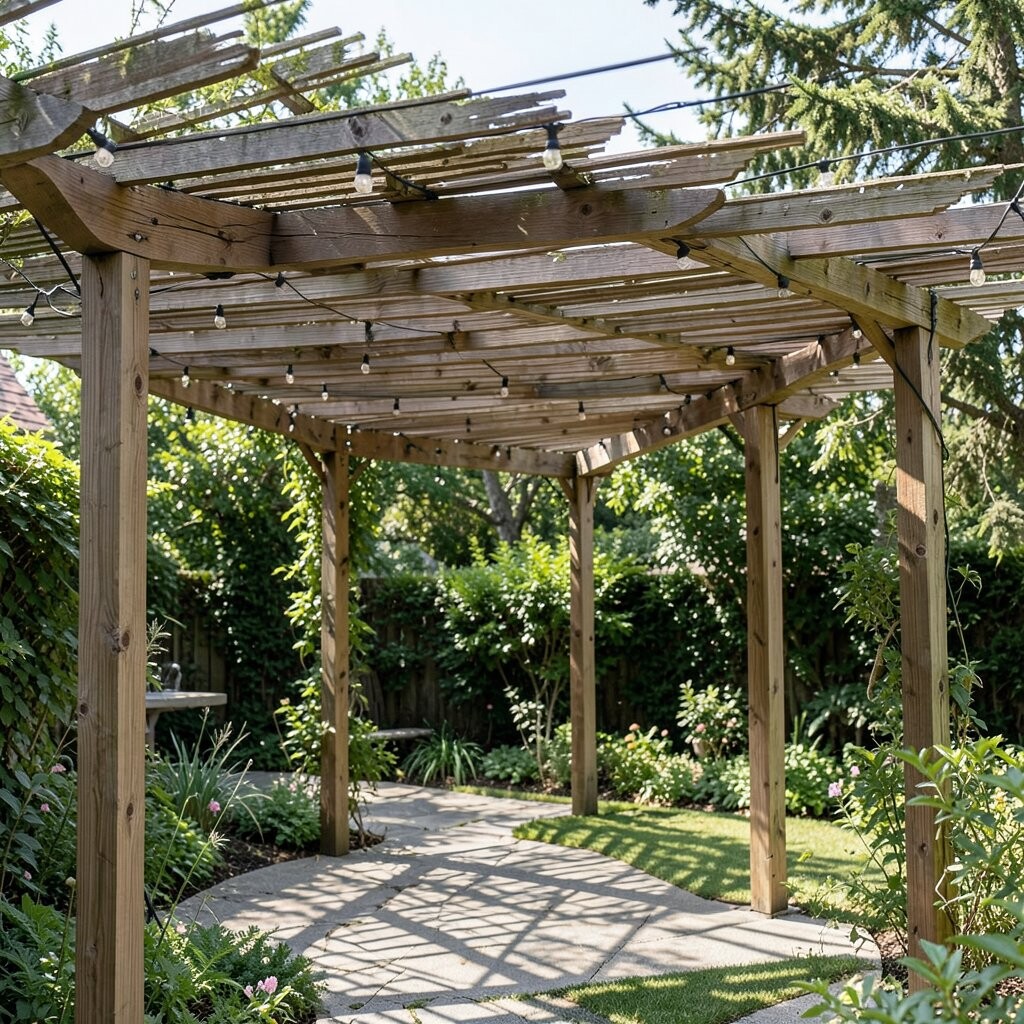
A pergola can make a patio feel cooler even when the temperature is the same. The slatted design lets breezes pass while still cutting harsh glare.
You can feel it during humid afternoons when heat usually clings to surfaces. For best comfort, keep openings near seating so air can flow through, not get trapped behind cushions.
Think about placement, too. A pergola beside a walkway may help circulation, while one tucked into a corner can limit airflow. Plan for cross-breeze from door to yard when possible.
3. Your Privacy Changes by Season

Many shaded pergolas give partial privacy, and that’s on purpose. In winter, leaves fall and the view opens up.
In summer, climbing plants and hanging fabrics can create a softer, more private feel. This is a big “surprise” because the look you see in spring won’t match mid-summer.
To manage privacy throughout the year, mix materials. Use removable shade panels, sliding screens, or planters that can be moved. You’ll get control without rebuilding anything.
Even without plants, you can add privacy by choosing darker frames or layered outdoor curtains. Just make sure wind can pass through so fabric doesn’t balloon.
4. They’re an Outdoor Style Bridge

A pergola can connect your yard to your home in a way a plain fence never does. It frames views like a doorway, so the whole area feels planned.
If your house has strong lines, pick a matching style for beams and posts. For a softer look, consider curved corners and lighter colors. This design link is one reason pergolas look “built in” even when they’re added later.
5. Shading Helps Your Furniture Last Longer

Sun can fade fabrics and dry out outdoor cushions faster than people expect. Shade slows the damage and keeps colors looking more true.
Materials like teak, metal, and synthetic wicker also benefit because direct heat exposure drops. If your set includes light-colored cushions, you’ll notice the difference within a season.
For even better protection, choose UV-resistant covers and keep them within reach. A pergola also helps reduce glare, which means you’re less likely to drag chairs around all day. That small convenience adds up.
6. Rain Isn’t Always the Problem

A shaded pergola isn’t a full roof, so light rain can still reach the seating area. But you might not need to treat it like a shelter either.
Instead of thinking “waterproof” or “not,” think “comfortable strategy.” You can use it for morning coffee and shade-heavy afternoons, while still planning for occasional drizzles with storage covers.