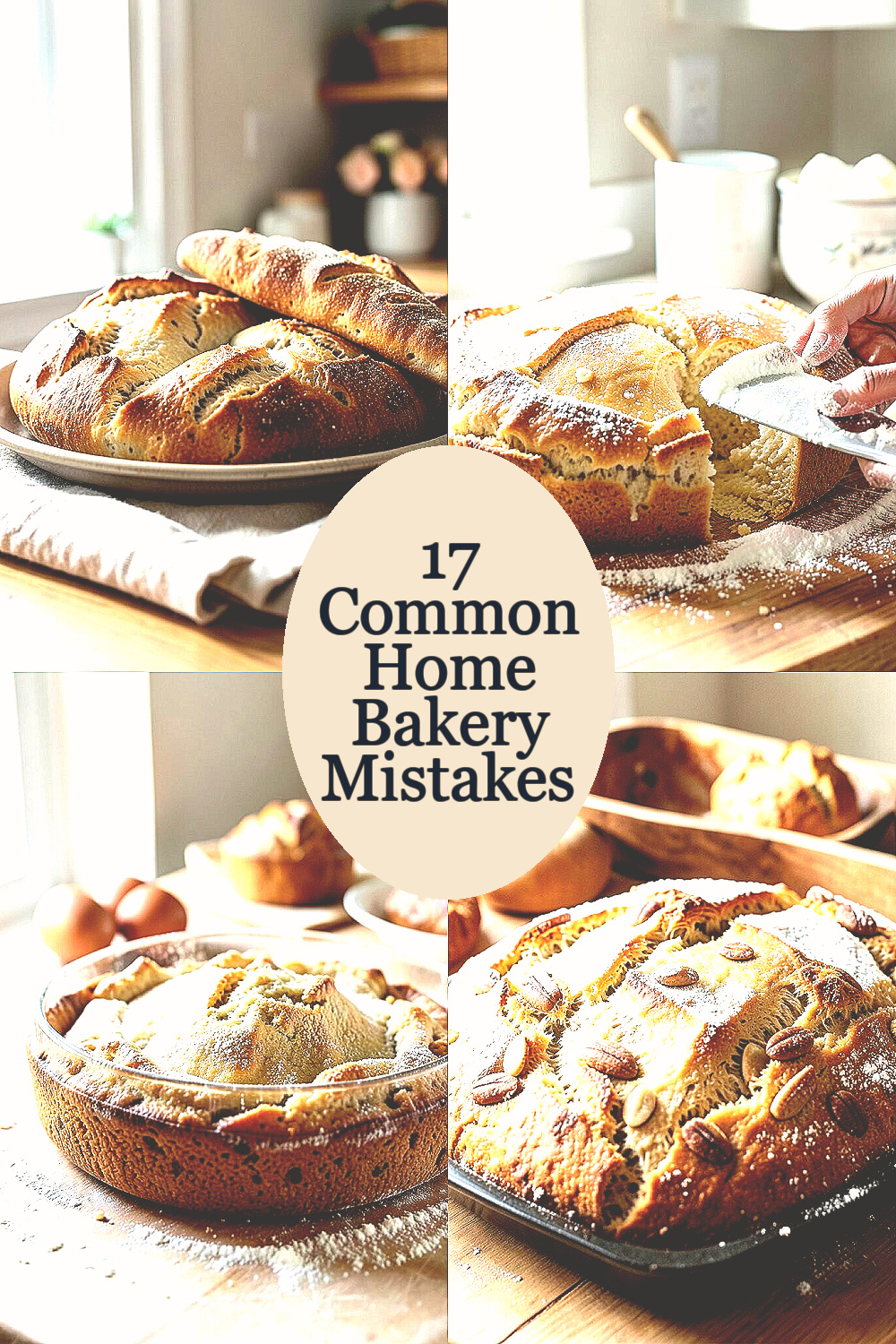
Home baking can feel magical. A few small changes can make your treats look and taste so much better.
1. Not Reading The Recipe All The Way Through
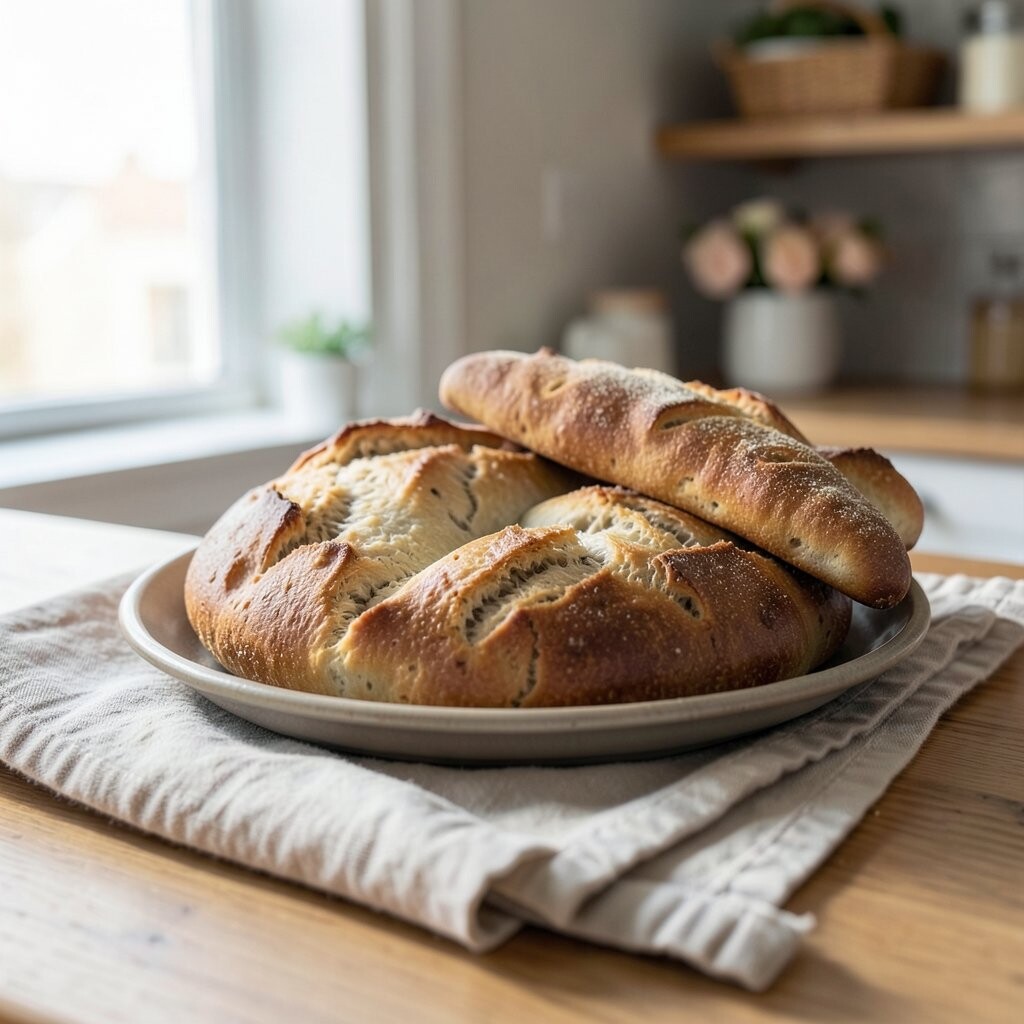
Many bakers rush in and start mixing before they know what comes next. That can lead to a flat cake, a dry cookie, or a pan that was too small.
Read the full recipe first so the steps feel calm and clear. It helps you spot special tools, see where chilling time matters, and plan for budget-friendly swaps if you need them. This also makes your bakes more unique because you can notice small changes that give the final treat a special finish.
2. Using Cold Ingredients When Room Temperature Matters
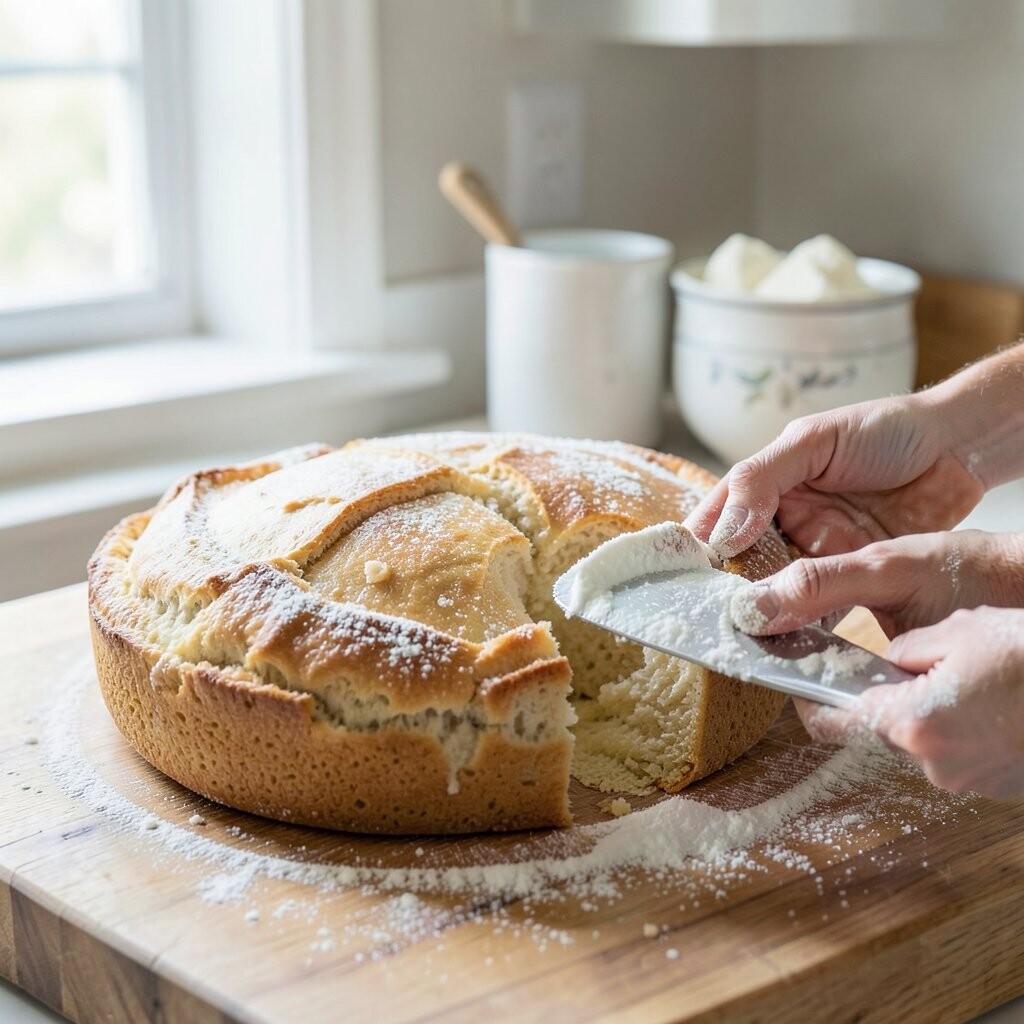
Butter, eggs, and dairy often work better when they are not icy cold. If they are too cold, batter can look curdled and the bake may rise unevenly.
Set ingredients out early so they warm up a bit before mixing. That simple habit can give you a smoother batter, a lighter crumb, and a nicer look in the oven, which is a big win for both taste and style. It also saves money because fewer batches end up in the trash, and you can personalize the result with small add-ins like citrus zest or cinnamon.
On busy days, place eggs in warm water for a few minutes and cut butter into small pieces so it softens faster. Many modern home bakers also use a kitchen thermometer to check ingredient temperature, which brings more steady results without extra fuss.
3. Guessing Instead Of Measuring Well
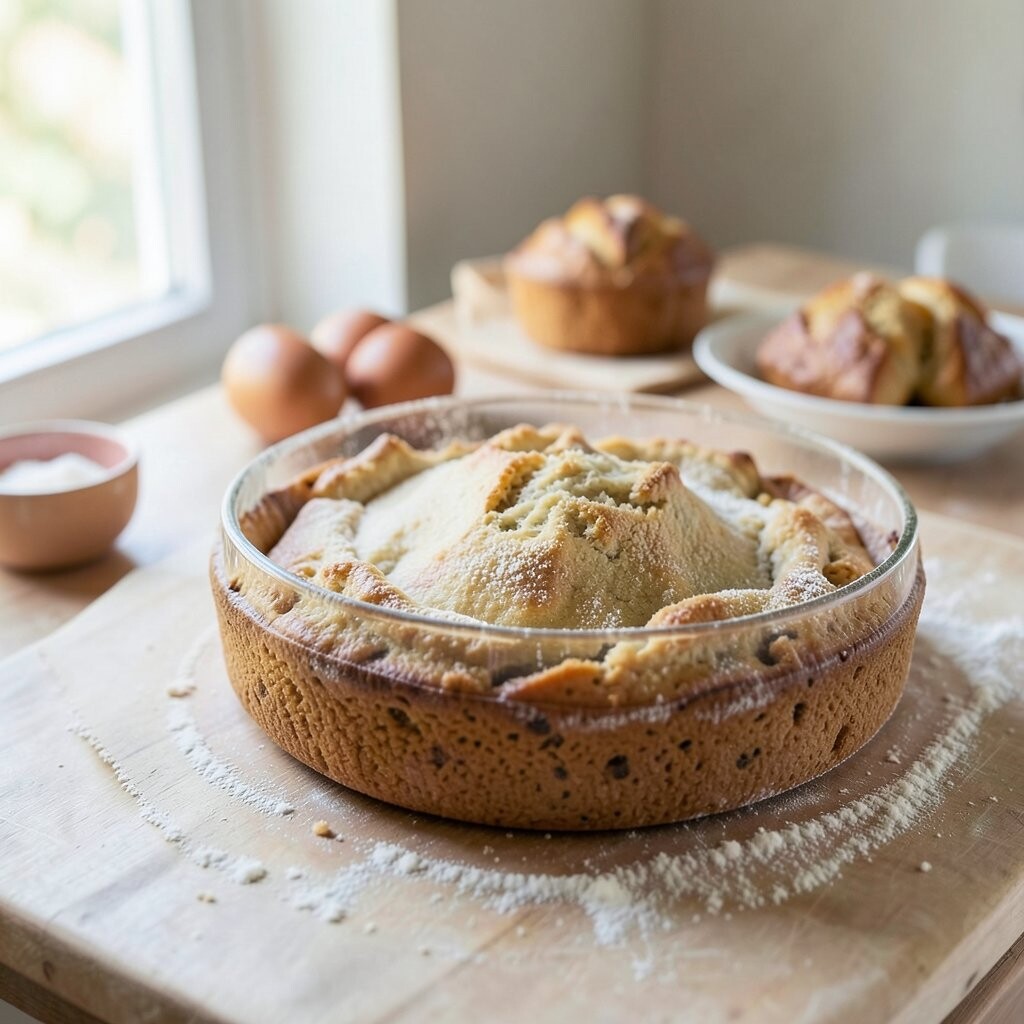
Scooping flour with a cup can pack in too much, and that can make cakes heavy and cookies dry. A kitchen scale or careful spoon-and-level method gives you a more even bake.
Good measuring helps the batter look smooth and bake evenly across the pan. It also makes each batch taste more the same, which is helpful if you are baking for gifts, sales, or family favorites. The best part is that accurate measuring often saves money because your ingredients work the way they should, and you can still make each treat feel special with sprinkles, icing, or shaped pans.
Some bakers like scales because they are neat, quick, and often less wasteful. If you enjoy current baking trends, you may also like using recipe weights from social media bakers who share more exact numbers.
4. Ignoring Pan Size And Shape

A batter that looks perfect in one pan can overflow or bake too thin in another. The wrong pan size can leave you with burnt edges and a center that is still soft.
Choose the pan the recipe expects, or adjust with care if you must use something else. This helps the bake look tidy and rise the right way, and it can make a simple loaf or cake feel more polished and special. Pan choices also affect cost because using the correct one can mean fewer mistakes, and you can personalize the look with loaf pans, mini pans, or fun molds.
Deep pans are useful for rich batters, while lighter bakes often do well in shallow pans. Many home bakers now enjoy square pans and small loaf pans because they are handy for gift boxes and smaller households.
5. Overmixing The Batter
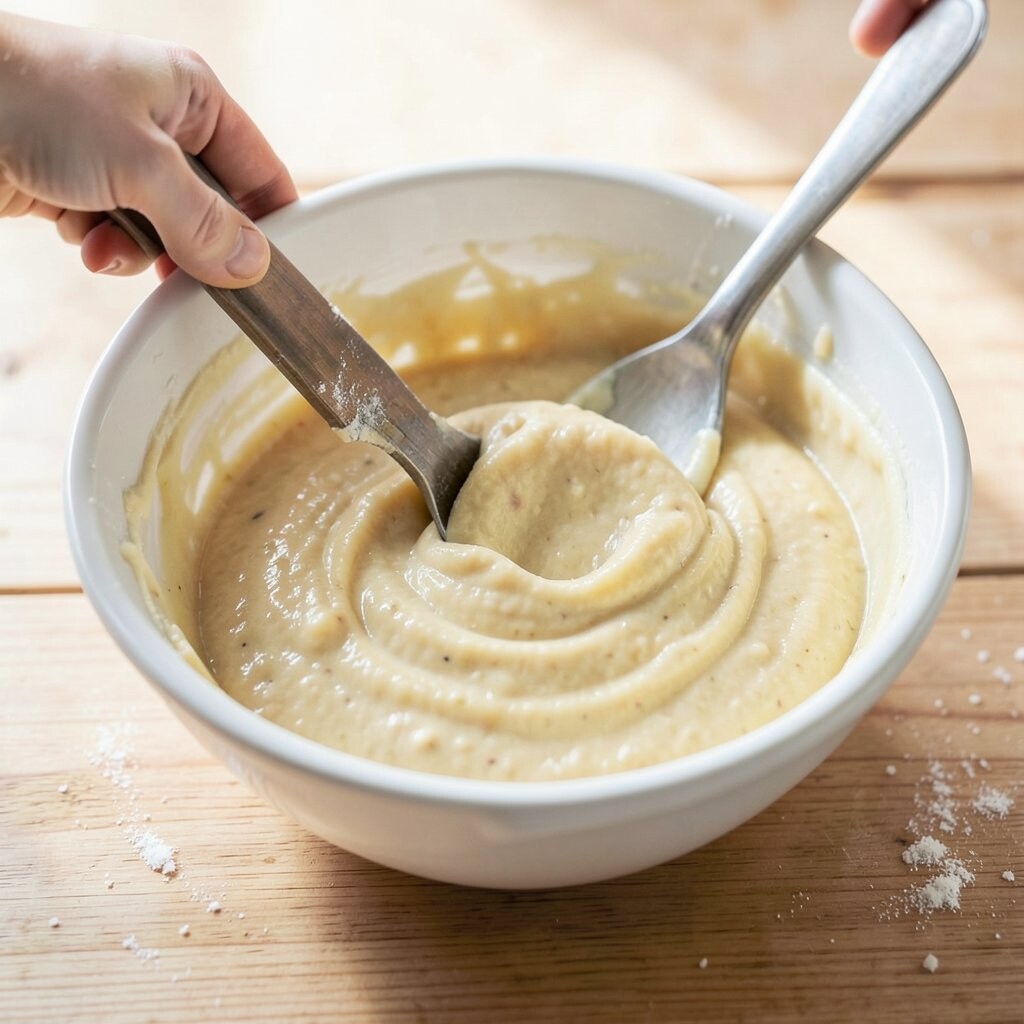
It is easy to keep stirring because smooth batter looks neat and safe. But too much mixing can make muffins tough and cakes less tender.
Stop mixing when the ingredients are just combined, even if a few small streaks remain. That simple move keeps the crumb soft, helps the bake rise better, and makes the final look more airy and light. It also cuts down on wasted ingredients, and you can still make the bake feel unique with flavor swirls, chopped nuts, or a dusting of sugar.
Use a spatula near the end instead of a mixer if the recipe allows it. Many bakers now prefer this gentle method because it gives a more homemade feel and better texture.
6. Forgetting To Preheat The Oven
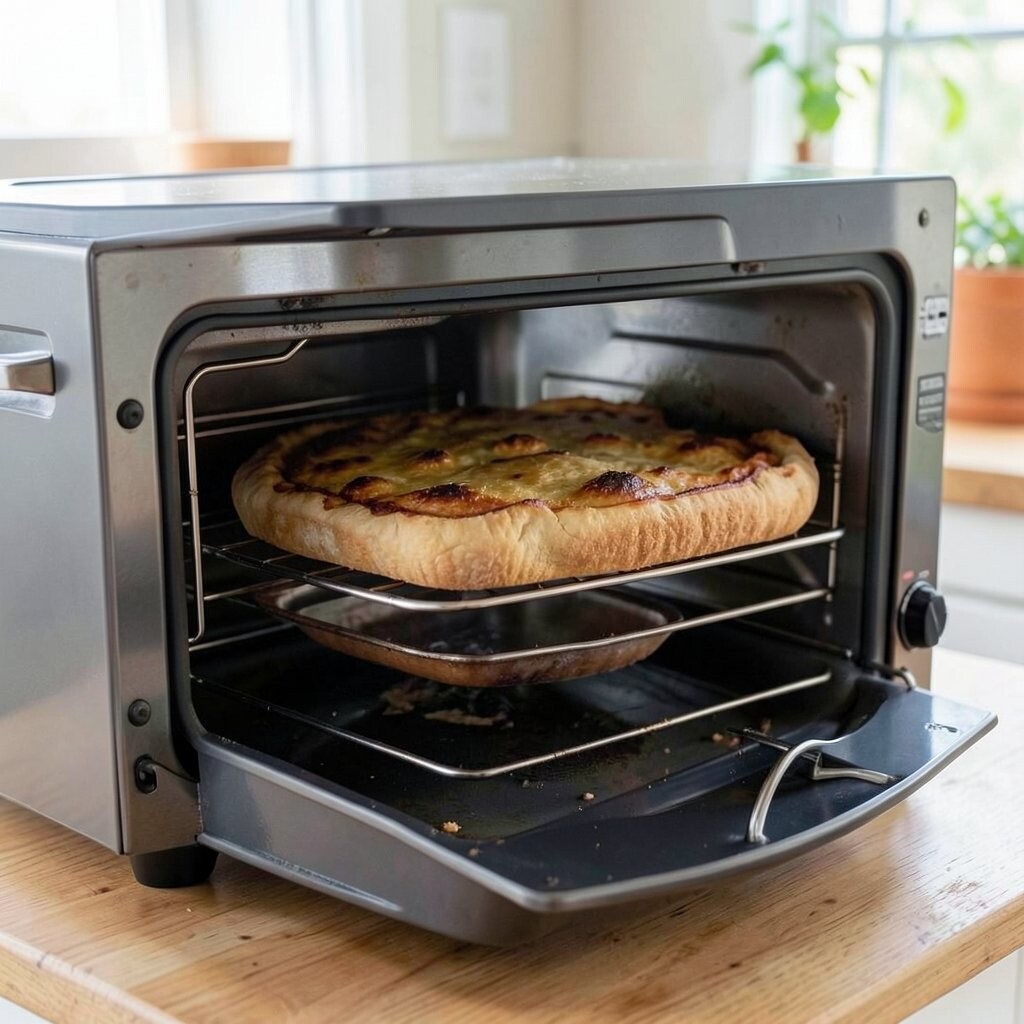
An oven that is still heating can leave cookies spread too much or bread underdone. The outside may look brown while the middle stays pale and soft.
Preheating gives your bake a fair start and helps timing stay true. That makes the finish look cleaner, gives better rise, and helps you get the kind of bakery style people notice right away. It can also save money by avoiding extra bake time, and you can personalize the result with oven-safe toppings like seeds, sugar, or cheese.
Many ovens need a few extra minutes after the beep before they are truly ready. A small oven thermometer can be a smart current trend item because it shows if the heat matches the dial.
7. Skipping Weighing Or Sifting Dry Ingredients
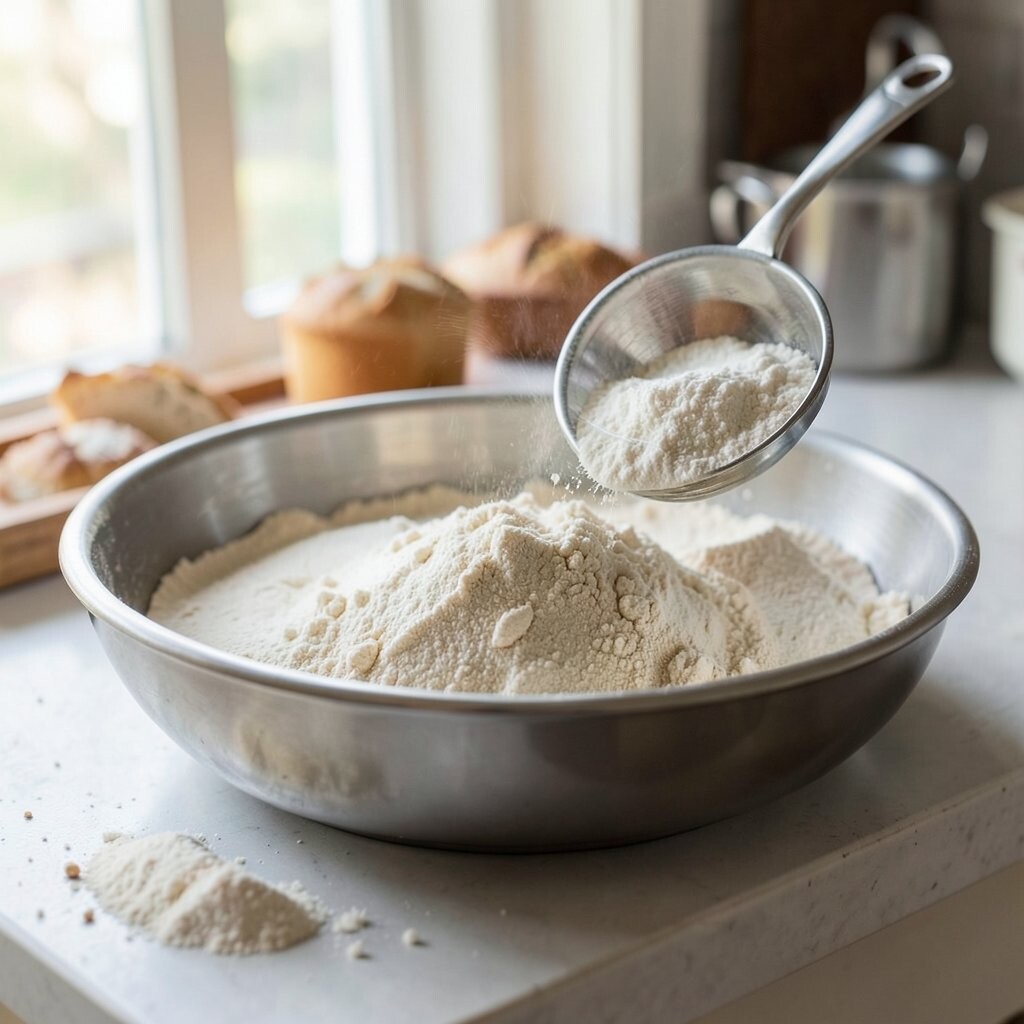
Flour, cocoa, and sugar can clump, and those clumps do not always break apart on their own. If dry ingredients stay uneven, the bake may show little pockets of bitterness or bland spots.
Sifting can make the batter lighter and easier to blend, especially for delicate cakes. It also gives a nicer visual finish because the crumb can turn out finer and more even, which feels very bakery-like. Dry ingredient care can be low cost and high reward, and you can make it personal by adding spice blends, matcha, or cocoa for your own signature flavor.
Some bakers skip sifting for rustic treats, and that can work too if the recipe is forgiving. Still, for trendy soft cakes and fluffy cupcakes, this small step often makes a big difference.
8. Overlooking Baking Soda And Baking Powder Freshness

Old leavening agents can lead to flat muffins and dense cakes. The batter may look fine at first, but the oven will not give it much lift.
Check expiration dates and test freshness if you are not sure. Fresh leavening helps the bake rise well, look airy, and taste clean instead of dull. It also protects your budget because good rise means fewer failed batches, and you can personalize the flavor with vanilla, lemon, or spices without worrying that the lift will be weak.
Many home bakers now label opened tins with the date to keep track. A tiny jar of baking soda or powder can be cheap, but stale ingredients can cost much more when a whole tray goes wrong.
9. Not Greasing Or Lining Pans Well Enough
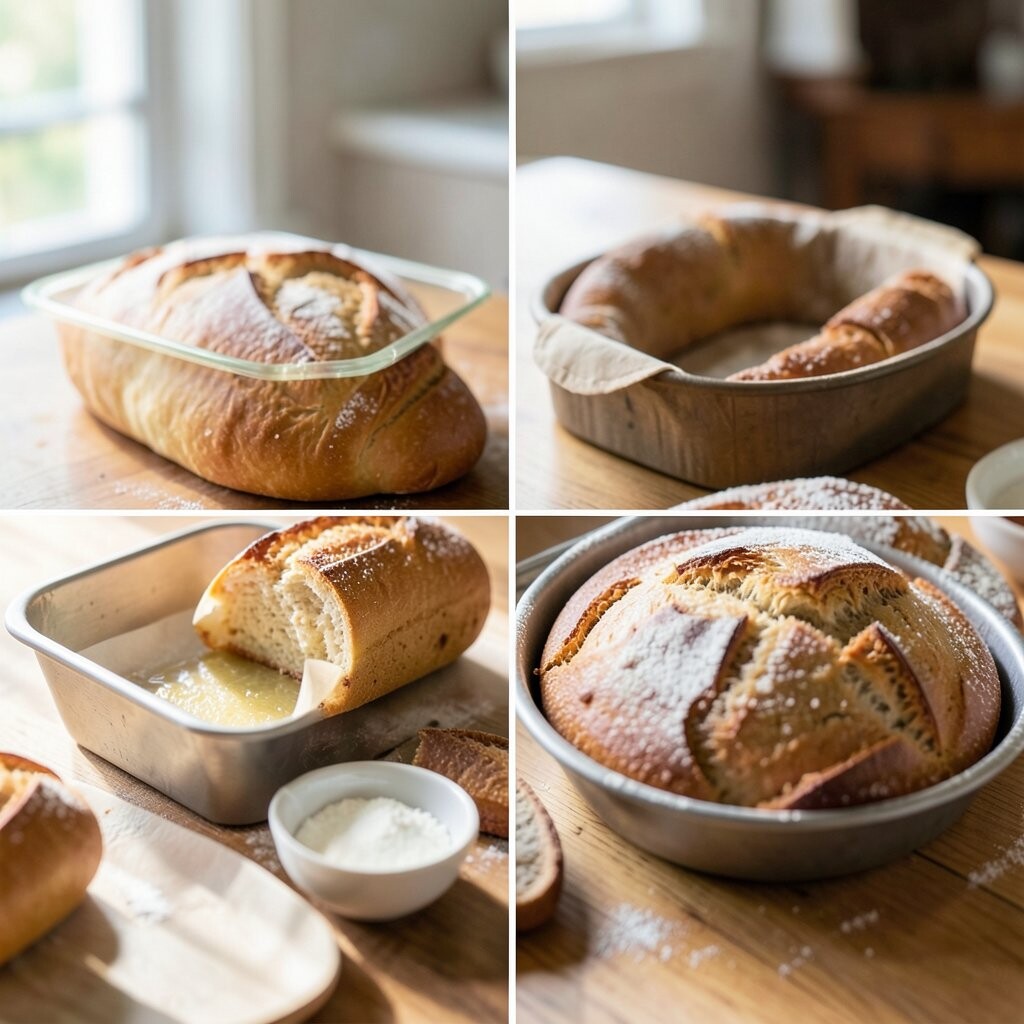
Nothing hurts a pretty cake like watching half of it stick to the pan. Broken edges and torn bottoms can make even tasty bakes look sad.
Use parchment, butter, spray, or a light dusting of flour so the bake releases easily. This gives you smooth sides, cleaner slices, and a finish that feels neat and special enough for guests. It also saves money by keeping your hard work intact, and you can personalize the look with parchment corners, printed liners, or a light cocoa dusting for dark cakes.
Reusable liners are becoming more popular because they cut waste and can lower long-term costs. For sticky bars and fruity cakes, a careful lining job often matters more than fancy decoration.
10. Adding Too Much Flour By Eye
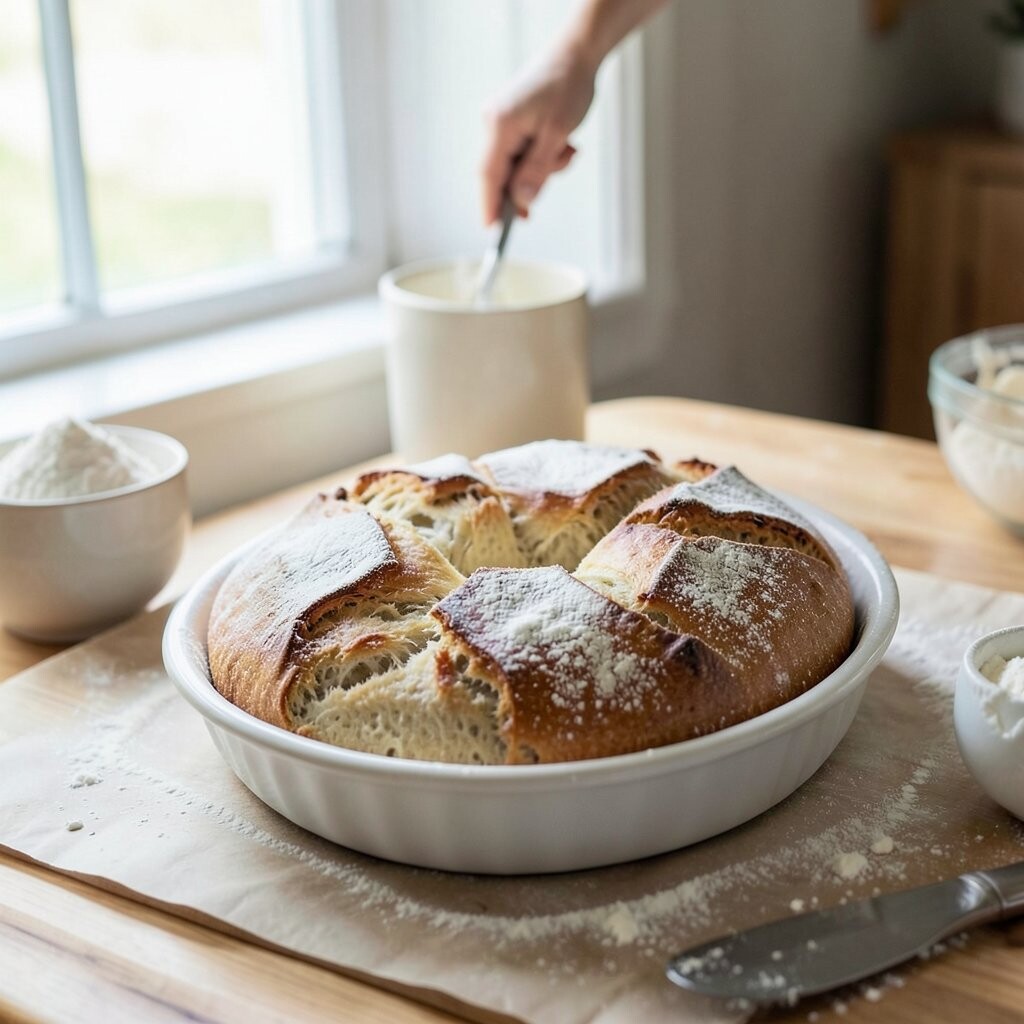
Flour can hide in a cup and make a recipe too dry without warning. A little extra can turn soft cookies into crumbly little rocks.
Spoon flour lightly into the cup, or better yet, use a scale for the cleanest result. This keeps the texture tender, helps the bake spread or rise the right way, and gives a more polished look when sliced. Better flour control also saves money by reducing failed batches, and you can make the final treat feel special with a glaze, jam center, or flavored sugar on top.
Some bakers now use the same scale for every dry ingredient because it is fast and tidy. That habit fits the current move toward more exact home baking without making the kitchen feel less cozy.
11. Opening The Oven Door Too Often

It is tempting to peek because you want to see the rise and color. Each time the door opens, heat escapes and the bake may sink or bake unevenly.
Watch through the oven light or window first, then open the door only when needed. That keeps the texture steadier, helps the top brown more evenly, and makes the finish look smoother and more professional. It also lowers the chance of wasted ingredients, and you can still add your own style with shaped pans or a dusting of sugar after baking.
Use the bake time as a guide, but trust visual clues like color and edges. Many bakers now rely on a simple timer and an oven light instead of repeated checks, which keeps things calm and efficient.
12. Using Too Much Or Too Little Filling In Pastries

Filling can be the star of a pastry, but too much of it can leak and burn. Too little can leave the treat dry and plain.
Spread filling in a thin, even layer so every bite looks neat and tastes balanced. That creates a pretty cross-section, adds clear flavor, and gives your bake a more special homemade identity. Careful filling also helps with cost because you use ingredients wisely, and you can personalize each batch with fruit jam, chocolate, custard, or nut paste.
Seasonal fruit fillings are very popular now because they feel fresh and bright. A small spoon or piping bag can help you keep the size steady and make the work easier.
13. Not Cooling Bakes The Right Way

A cake that is cut too soon can fall apart and look messy. Cookies may stay too soft on the tray and overbake from the hot pan.
Let baked goods rest as the recipe asks, so the texture can set properly. This gives you cleaner slices, better shape, and a more appealing finish that looks like it came from a skilled bakery. Cooling also helps with cost because you avoid ruined cuts and broken tops, and you can personalize the final treat with icing, fruit, or powdered sugar once it is ready.
Wire racks are still a favorite because they let air move all around the bake. Many bakers also like using small racks for cupcakes and bars since they are neat and easy to store.
14. Using One Flavor For Everything

Vanilla is lovely, but every batch does not have to taste the same. When you repeat one flavor too much, the menu can feel plain and forgettable.
Try small changes like citrus zest, almond extract, espresso, chai spice, or toasted coconut. That gives your home bakery a unique voice and makes your treats look and taste more exciting on a plate. Flavor variety can still be budget friendly when you use small amounts wisely, and it lets you personalize orders for kids, holidays, or special events.
Flavor pairings are a big current trend, especially ones that mix sweet with tangy or warm spice. A little creativity can make simple bakes feel fresh without making the process hard.
15. Forgetting About Appearance

Great taste matters, but people eat with their eyes first. A messy top, uneven drizzle, or dull color can make a good bake seem less exciting.
Take a moment to smooth frosting, wipe plate edges, or add a neat topping before serving. These small touches make the bake look brighter, more special, and more worth the effort. Good presentation can also help if you sell treats, because polished looks can raise the value without much extra cost, and you can personalize with colors, sprinkles, or a simple piped border.
Mini cakes, clear containers, and simple rustic styling are popular right now because they feel charming and homemade. Even a light brush of syrup or a few berries can change the whole look.
16. Not Tasting The Batter Or Adjusting Smartly
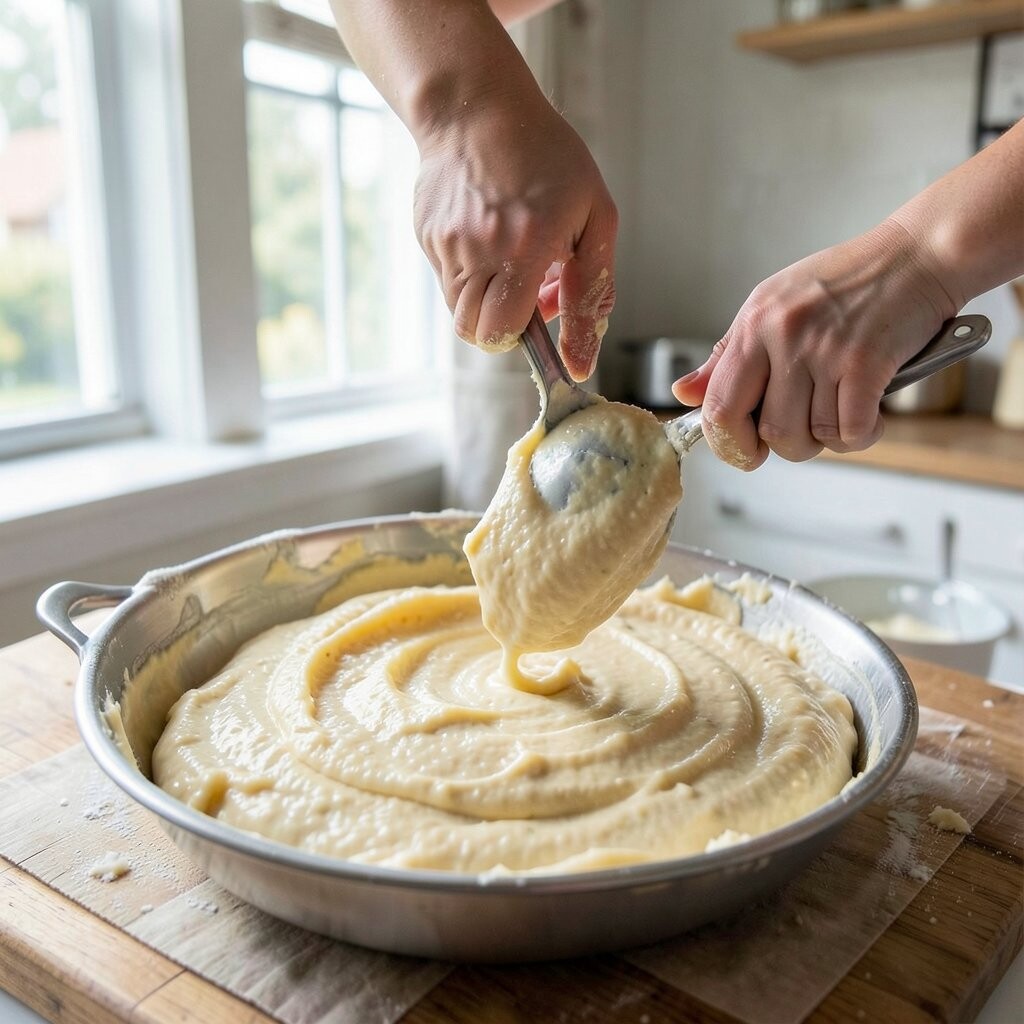
Some bakers trust the recipe so much that they never think about balance. A batter can still need a little more salt, spice, or sweetness before it hits the oven.
When safe to do so, taste small amounts and check if the flavor feels flat. This helps you shape a bake that feels lively, rich, and memorable, and it can make your homemade treats stand out from store-bought ones. Smart tasting can also protect your budget by helping you fix a batch before it becomes a disappointment, and you can personalize the result with small flavor boosts like citrus, herbs, or chocolate chips.
Many modern bakers keep a simple notebook for flavor changes so they can repeat good results later. That habit makes each new batch feel more confident and more like your own style.
17. Ignoring Small Batch Testing Before Big Orders
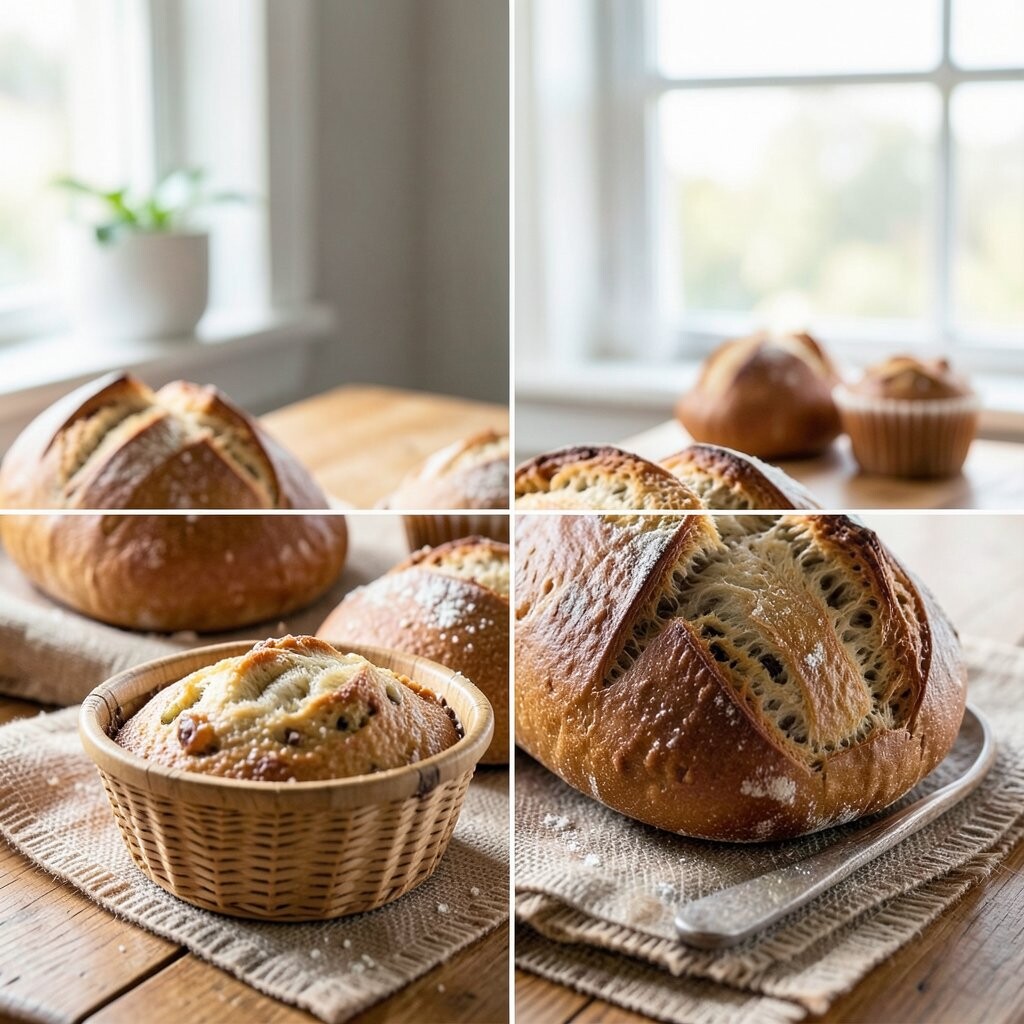
A recipe that seems fine on paper can still act differently in your kitchen. Oven heat, pan choice, and ingredient brands can all change the final look and taste.
Test a small batch before making a large order or baking for a big event. This gives you a chance to see the color, texture, and rise, and it can save a lot of stress, time, and money. It also helps you build a signature style with confidence, and you can use the test batch to try new trends like stuffed cookies, mini loaf cakes, or bold frosting colors.
Even simple home bakers benefit from this habit because it keeps surprises low. A small practice run can turn a good idea into a polished favorite that feels ready to share.