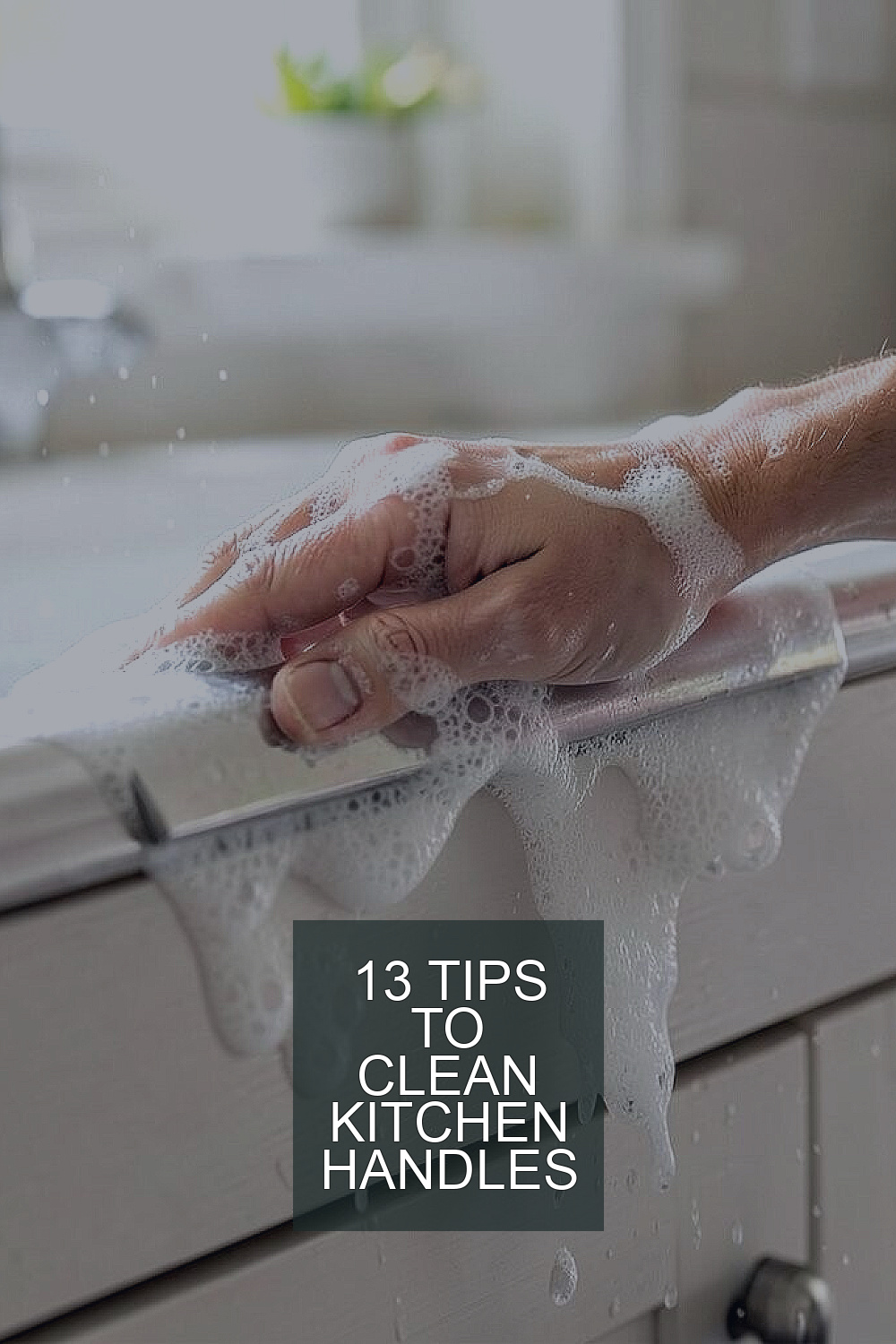
Kitchen handles pick up more grime than most people expect. A few simple habits can make them look bright again.
1. Warm Soapy Water Wipe-Down

Warm soapy water is one of the easiest ways to clean kitchen handles, and it gives a soft shine that looks fresh right away. The handles stop looking sticky and dull, which can make the whole kitchen feel neater.
A small bowl of dish soap and warm water keeps the cost low, and that is great for busy homes or tight budgets. Use a soft cloth, wring it well, and wipe around the parts people touch most, then dry them so water spots do not stay behind. This simple habit works well for metal, painted, and many plastic handles, and you can make it fit your space by using a cloth color that stands out from your cleaning rags.
2. Vinegar and Water Shine Boost
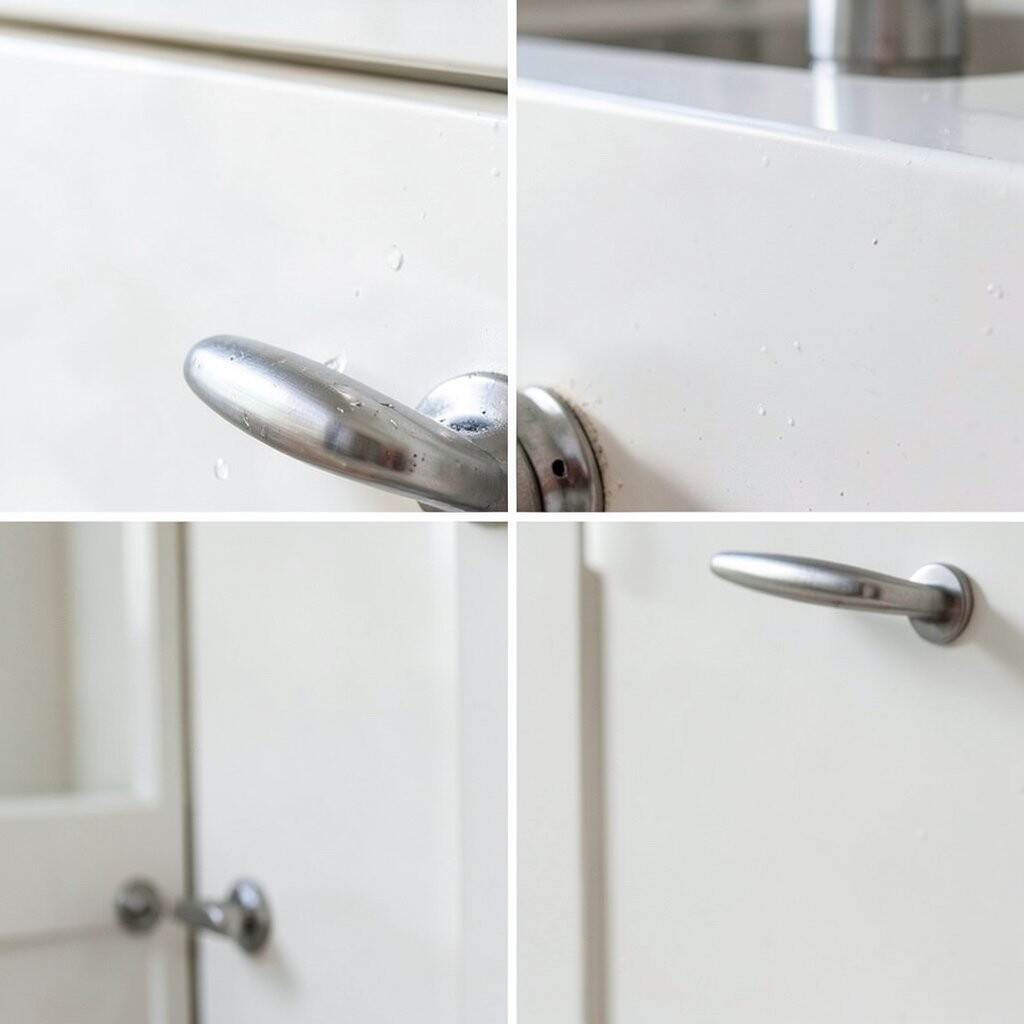
White vinegar mixed with water can leave handles looking crisp and clean, especially when fingerprints are showing under bright light. The finish often looks clearer, and that fresh feel can make older cabinets seem more cared for.
This mix is cheap and easy to keep on hand, which makes it a favorite for quick cleaning before guests arrive. Spray a little on a cloth instead of soaking the handle, then wipe and dry right away so the surface does not stay wet too long. Many people like the simple, no-fuss routine because it feels modern and useful without buying fancy products.
If you want a softer smell, add a few drops of a mild essential oil, but keep it light so the handles do not feel greasy. That small touch can make the task feel more personal and pleasant.
3. Baking Soda Paste for Sticky Spots
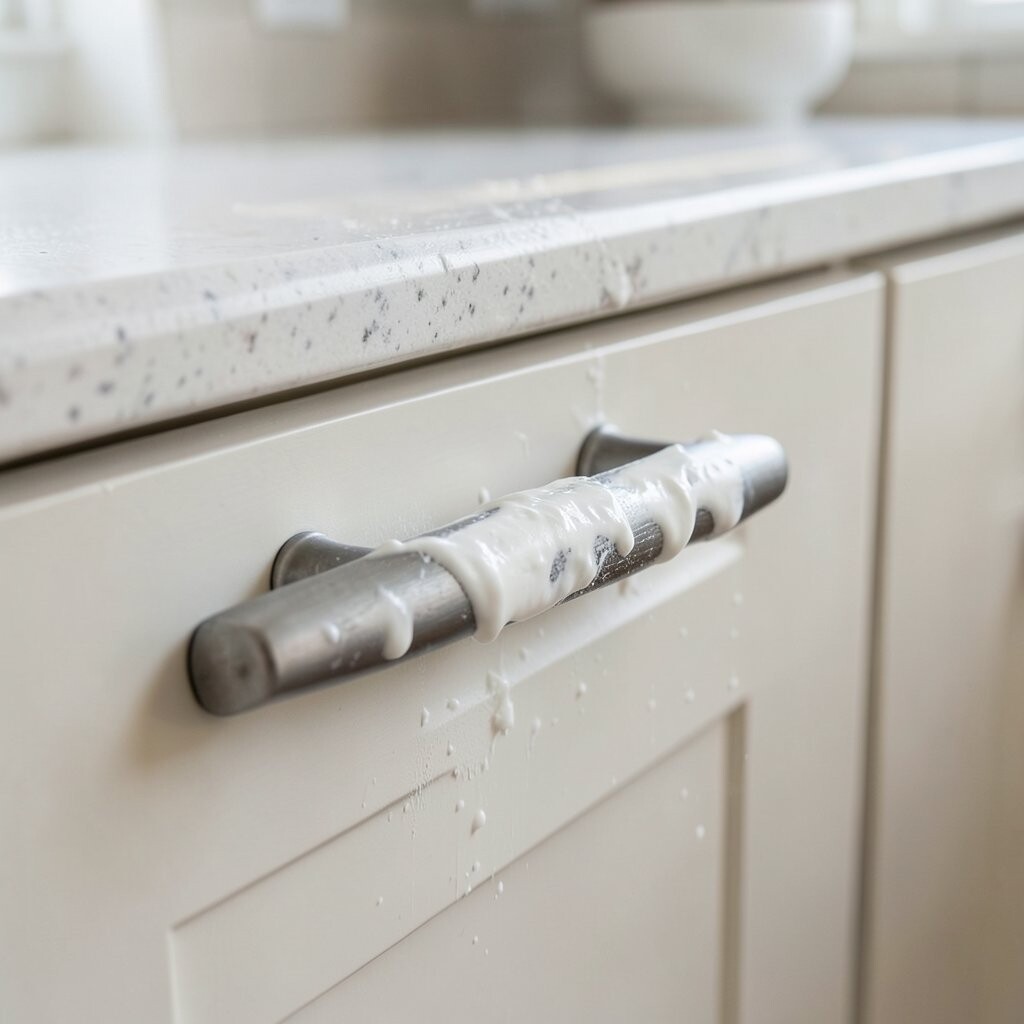
Baking soda paste works well on handles with stuck-on grease, and it can bring back a smooth, clean look. The surface often changes from dull and tacky to brighter and easier to touch.
Mix a little baking soda with water until it forms a thick paste, then use a soft cloth or finger to rub it on the sticky area. This method costs very little, and it is handy when cooking splashes have built up over time. Rinse the handle with a damp cloth and dry it well, and if your kitchen has dark handles, this can help the shine show up more clearly.
People often like this method because it feels gentle but still gets real results. It also gives you room to adjust the thickness of the paste, which makes it easy to match the type of mess you are dealing with.
4. Microfiber Cloth Polish
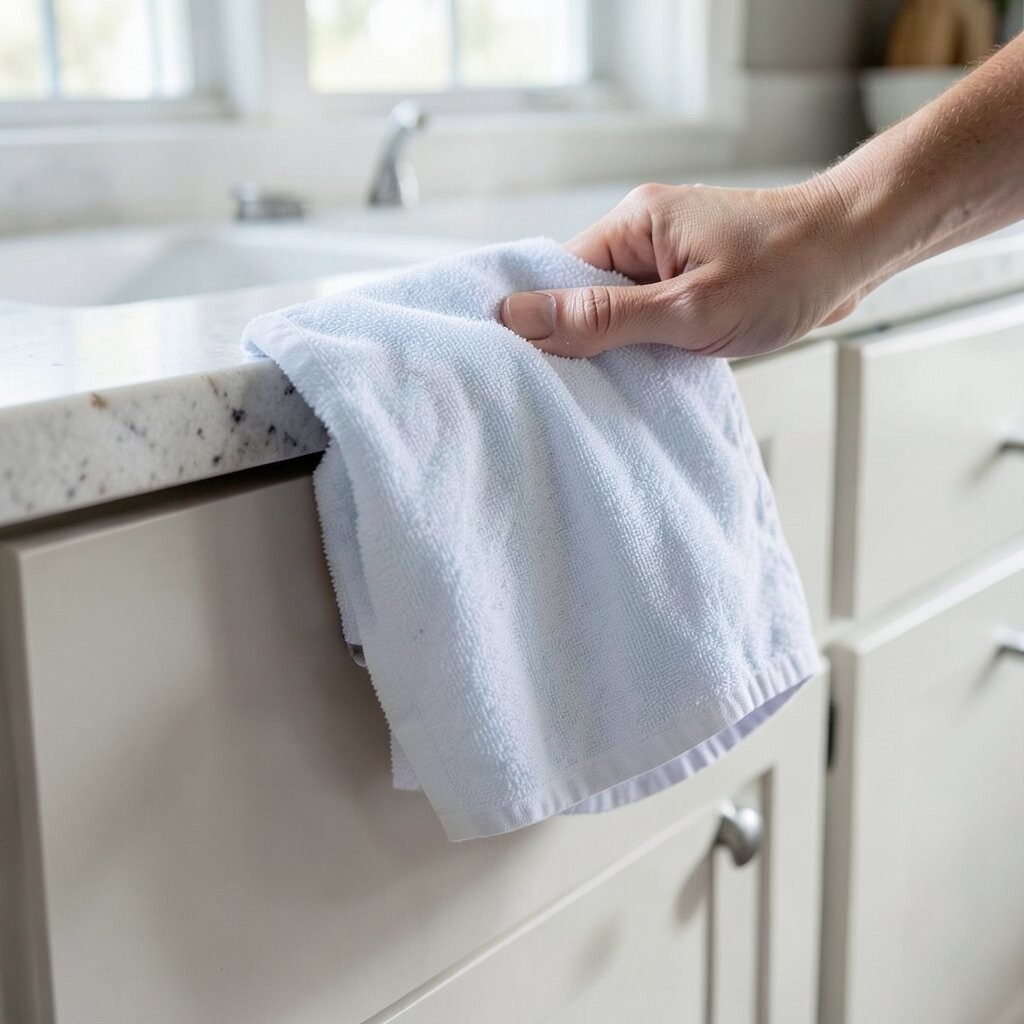
A dry microfiber cloth can make kitchen handles look neater in just a few quick passes. It lifts dust, light grease, and fingerprints, leaving a smoother and more even look.
This is a low-cost way to keep handles in good shape between deeper cleanings, and it is especially useful in homes where people cook a lot. Fold the cloth into a small square and press into corners and grooves so you do not miss the edges where grime hides. Many people like microfiber because it fits the current push for less waste and fewer paper towels, and the soft feel helps protect shiny finishes.
5. Toothbrush Detail Cleaning
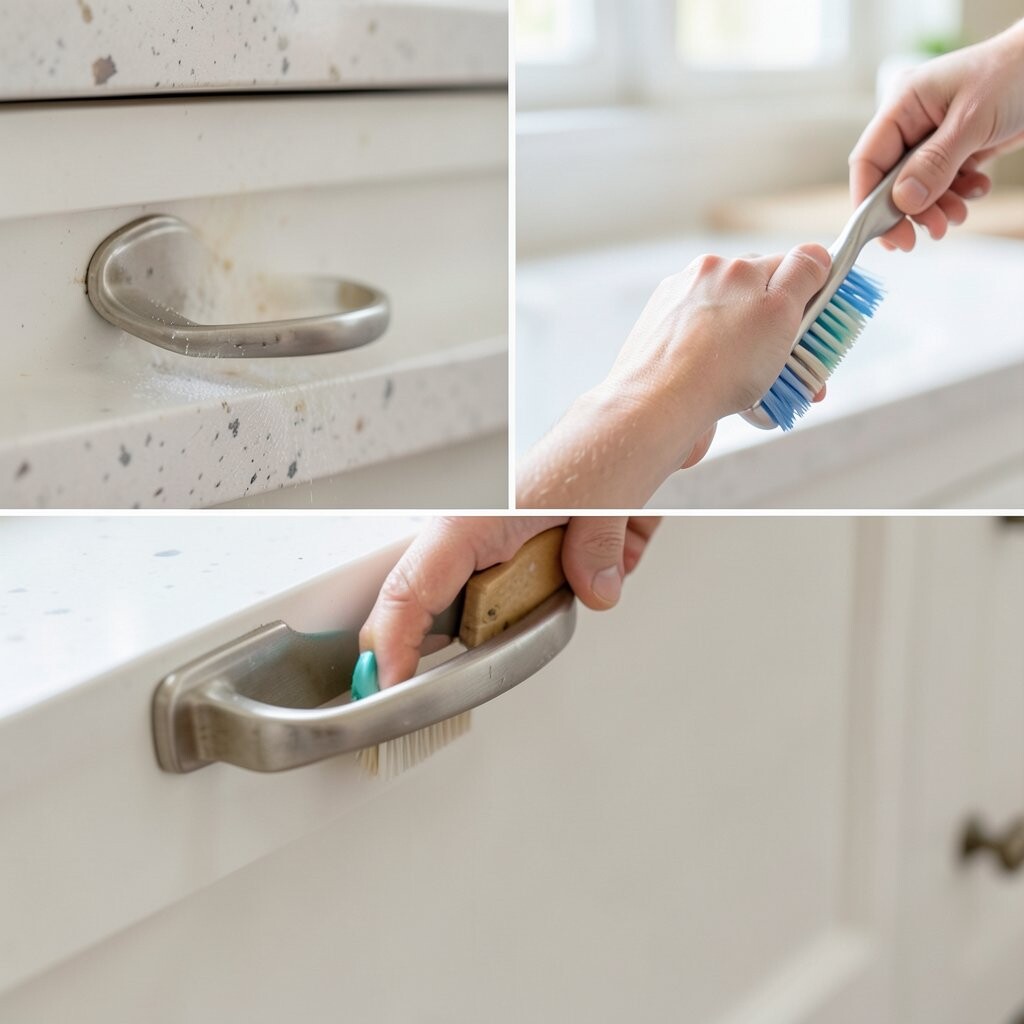
A soft toothbrush can reach the tiny lines and edges that a cloth often skips. Handles with carved shapes or small seams look much cleaner once the trapped dirt is brushed out.
This idea costs almost nothing if you use an old brush, and it gives a very personal touch because you can choose the brush size that feels best in your hand. Dip it in warm soapy water or a mild cleaner, then move in small circles around the base and any ridges. Dry the handle after brushing so the clean area stays bright and does not collect new dust too fast.
The result often looks more detailed and polished than a simple wipe. That extra care can make older cabinets seem more stylish without spending on new hardware.
6. Lemon Clean for a Fresh Scent
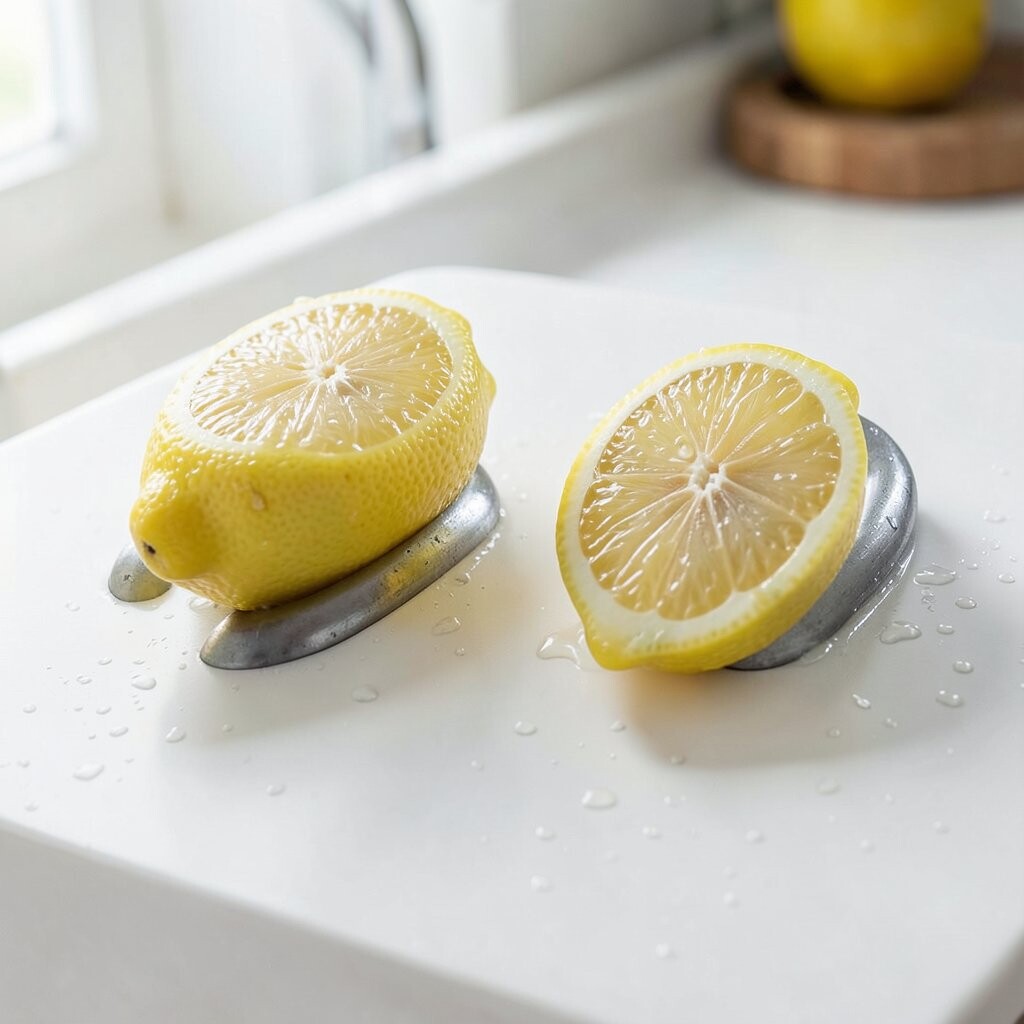
Lemon juice can help cut grease and leave handles looking a little brighter, while the fresh smell makes the kitchen feel lively. The shine that remains can give cabinets a cheerful, well-kept look.
Use a small amount on a cloth or mix it with water for a milder touch, then wipe the handle and dry it right away. This works best on sturdy finishes, and it is a low-cost choice when you want the room to smell clean without heavy fragrance. Some people enjoy pairing it with light wood accents or gold-toned handles, since the bright finish can make those details stand out.
7. Gentle Dish Soap for Daily Grease

Dish soap is made to break down grease, so it is a smart match for kitchen handles that get touched all day. A quick wash can make them look less cloudy and more smooth under the light.
This method is easy on the wallet and simple enough to use during normal kitchen cleaning, which saves time later. Put a drop or two in warm water, wipe with a cloth, and rinse with a clean damp cloth so no slippery film stays behind. If you like a tidy, modern feel, use this routine after cooking, since that habit keeps handles from collecting layers of grime.
You can also tailor the process by using a soft sponge for flat handles and a cloth for rounded ones. Small changes like that help the job feel easier and more comfortable.
8. Glass Cleaner for Shiny Metals
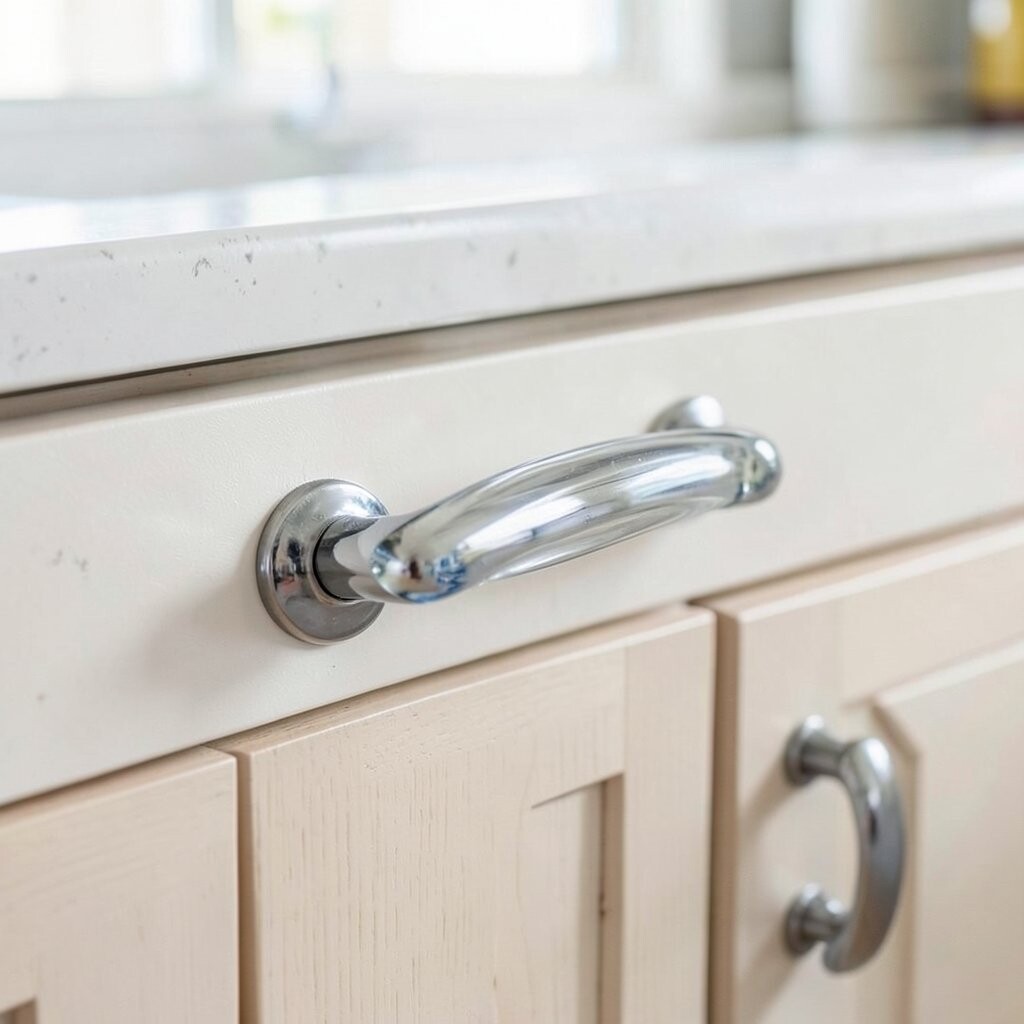
Glass cleaner can give shiny metal handles a clear, bright look that stands out on stainless steel or chrome. The surface often appears smoother and more reflective after a quick wipe.
This is a practical choice when you want a fast clean before company comes over, and the bottle usually lasts a long time, which keeps costs modest. Spray the cleaner onto a cloth first, not directly on the handle, then wipe and buff gently until the shine looks even. Many homes use this method because sleek metallic hardware is still a popular look, and keeping it free of smudges helps that style feel fresh.
If your kitchen has mixed finishes, test one small spot first so the look stays consistent. That little step can protect the finish and save trouble later.
9. Oil and Vinegar Mix for Old Hardware

A tiny bit of oil mixed with vinegar can help older metal handles look less tired and more cared for. The surface may seem richer and smoother once the dirt and dry buildup are gone.
This method costs little and can be helpful for hardware that has lost some of its original glow. Put the mix on a soft cloth, work it in lightly, then wipe away any extra so the handle does not feel slippery. Some people like to use this on antique-style kitchens because it can bring out the charm of the shape and make the details easier to see.
Choose a light touch, since too much oil can attract dust. When used well, the handles can look warm and unique without any big expense.
10. Steam Cleaning for Tough Buildup

Steam can loosen stuck grime on kitchen handles, making them easier to wipe clean and giving them a fresh, almost new look. The change is often easy to see when old grease has been hiding in corners.
A handheld steam cleaner can be a bigger purchase, but it may save time if your kitchen gets messy fast or if you clean often. Move the steam gently across the handle, then wipe with a dry cloth before the loosened dirt settles again. This method is useful for people who like faster cleaning tools, and it fits the modern trend of using fewer harsh chemicals in the home.
It also works well on handles with deep grooves, where cloths alone may not reach. That makes it a strong choice for kitchens with detailed cabinet styles.
11. Alcohol Wipe for Quick Sanitizing

Rubbing alcohol can clean handles quickly and leave a crisp, dry finish that looks neat almost at once. It is especially useful on handles that get touched many times a day.
This option is usually affordable and easy to keep in a small spray bottle or on disposable cloths. Use a little, wipe the handle, and let it air dry so the surface stays clear and streak free. Many people like it because it feels practical and current, especially in homes that want a clean look with very little wait time.
You can also use it on busy zones like the sink cabinet or fridge pull, where hands land again and again. A fast wipe there can keep the whole kitchen feeling fresher.
12. Dish Soap and Cotton Swab Edging
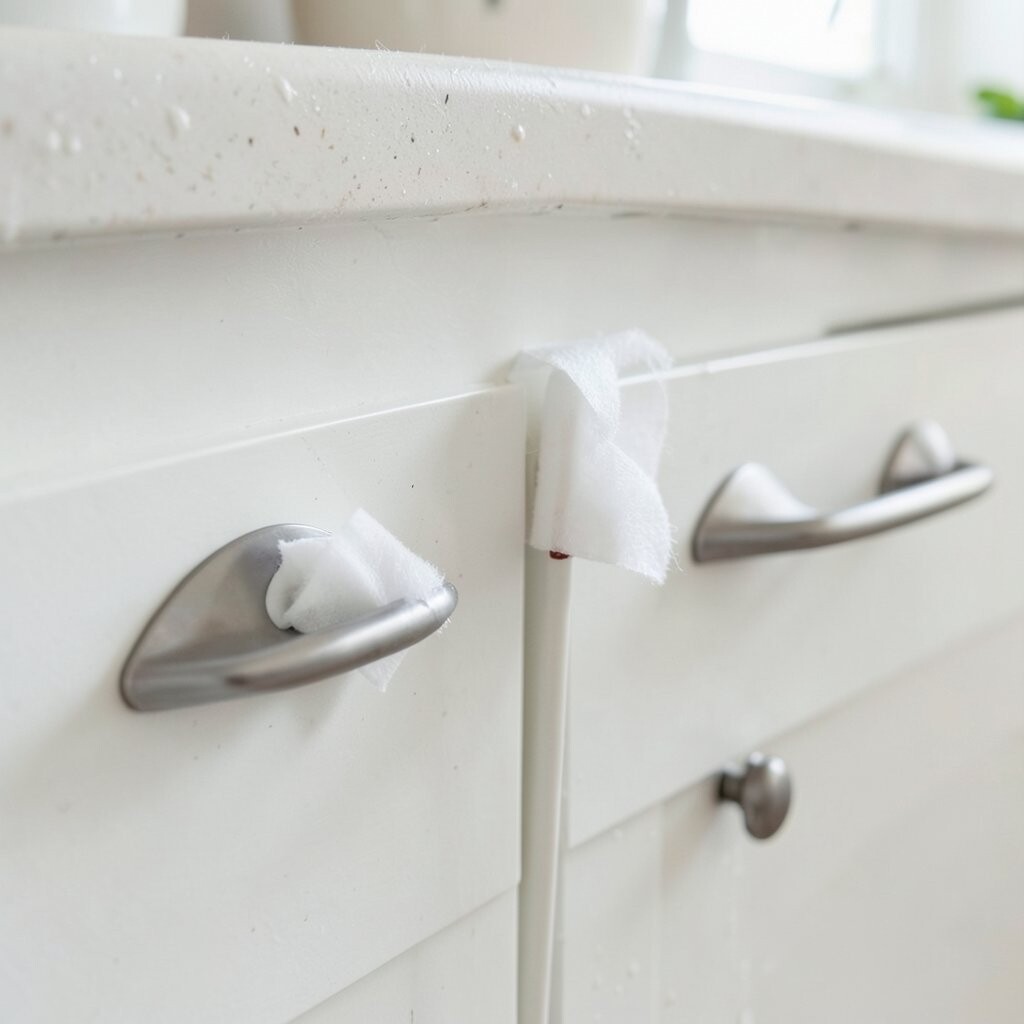
Cotton swabs dipped in soapy water can clean the tiny spaces around handle edges, where grime likes to hide. Once those small spots are clear, the whole handle looks brighter and more complete.
This method costs very little and is great for detail work on decorative or narrow hardware. Gently roll the swab along seams, screw spots, and corners, then follow with a dry cloth to remove extra moisture. It is a nice way to personalize your routine because you can spend more time on the handles that show most and less on the hidden ones.
People with lighter cabinets often like this approach because dark specks show more clearly on pale surfaces. Those tiny fixes can make a big visual difference without much effort.
13. Finish-Safe Routine for Lasting Freshness

A finish-safe routine keeps kitchen handles looking clean for longer and helps them keep their original style. The handles stay smooth, bright, and ready for daily use.
Choose a cleaner that matches the handle material, since matte black, brass, wood, and stainless steel all need slightly different care. This can save money over time by helping hardware last longer and by reducing the need for harsh products or early replacement. Wiping handles during normal kitchen cleanup is a simple habit, and that steady care works with today’s love for easy home upkeep that still feels polished.
You can make the routine feel more like your own by pairing it with a favorite cloth, a small basket of supplies, or a weekly cleaning day that fits your schedule. When the details are easy to repeat, the handles keep their fresh look and the whole kitchen feels more welcoming.