Baking classes can be full of color, smell, and surprise. They can also turn simple dough into something special.
1. Rustic Bread and Shape Play
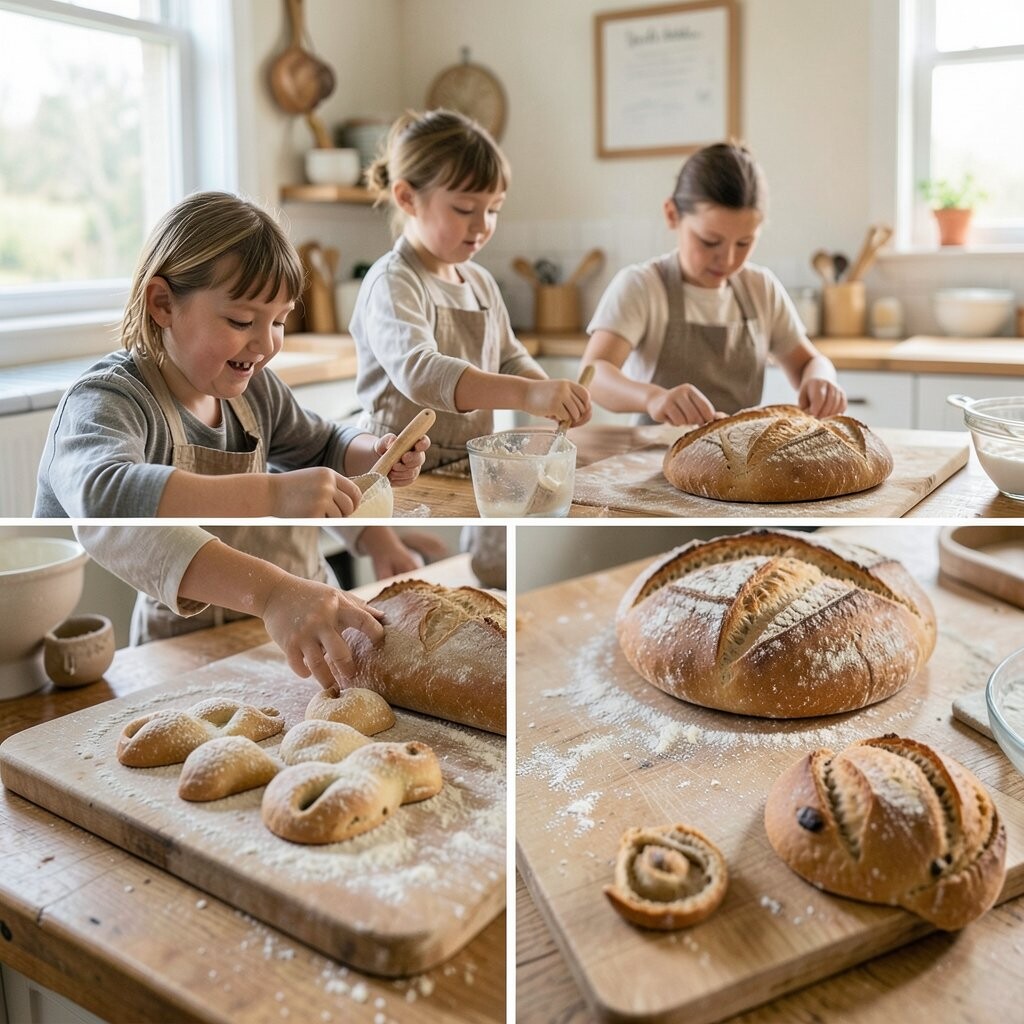
A rustic bread class can fill the room with warm, cozy sights and the smell of yeast and flour. Big round loaves, crackly crusts, and soft centers make it feel simple yet impressive.
This kind of class helps people learn patience and basic dough skills in a calm way. It is often low cost because the ingredients are simple, and each baker can make small changes with seeds, herbs, or swirls of cheese.
2. Cupcake Decorating for Color Lovers
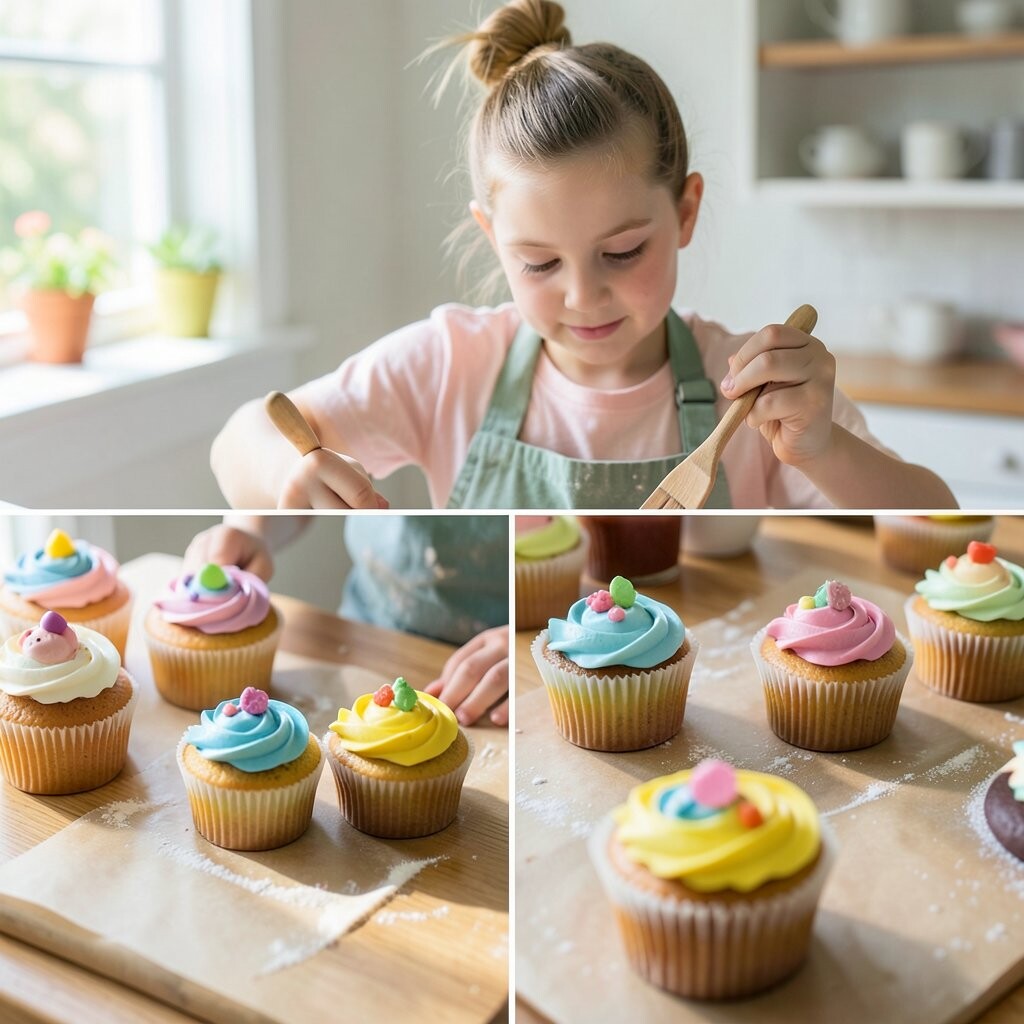
Bright frosting, tiny sprinkles, and cute toppers make cupcake class tables look cheerful right away. The finished treats can match party themes, school colors, or a child’s favorite animal.
Students enjoy fast results, which makes this class fun for both beginners and kids. A simple set of piping bags and food color can keep costs down, while trendy looks like pastel blends and soft vintage swirls add a fresh feel.
People can make each cupcake feel personal with initials, candy flowers, or a favorite flavor inside. Clear practice time with frosting helps everyone feel more confident before they decorate the final batch.
3. Cookie Art with Piped Details
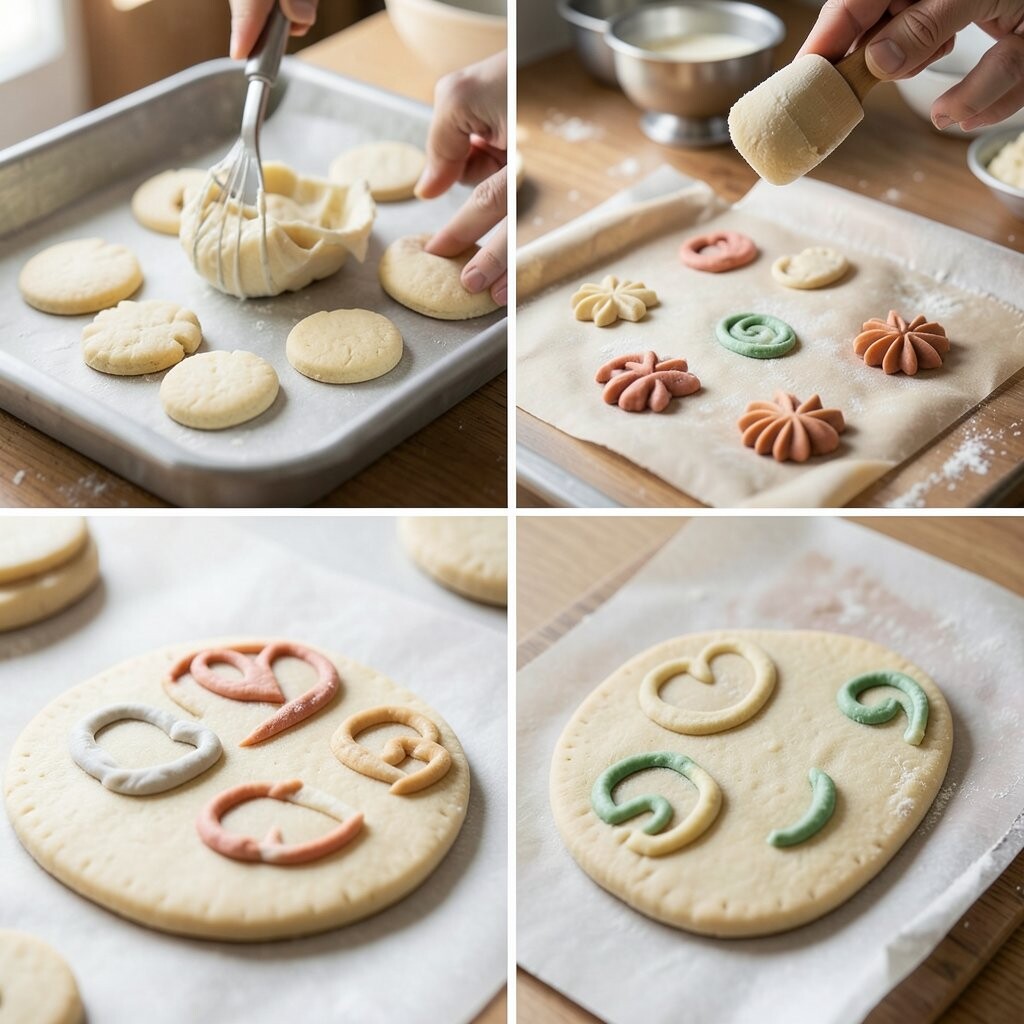
Cookie art classes often look like tiny galleries on trays, with shiny icing and neat edges. Sugar cookies, shortbread, and chocolate shapes all work well for clean designs and fun colors.
The class builds hand control and gives a nice way to practice steady lines without pressure. Cookie cutters, basic icing, and a few gel colors usually cost less than many other baking projects, and current trends like soft bows or simple floral lines make them feel modern.
Personal touches can include favorite sayings, holiday shapes, or a color that matches a room at home. A good drying space matters too, since neat icing takes a little time to set before packing.
Because the work stays small, students can try again without wasting much dough. That makes this class a smart pick for groups that want a creative result and a friendly price.
4. Mini Cake Studio with Layer Practice

Mini cakes look sweet and fancy, even when they use very little batter. Their tiny layers, smooth sides, and little decorations make them feel special on a table.
This class helps bakers learn filling, leveling, and stacking in a way that feels less hard than a big cake. It can cost more than cookies because of frosting and filling, but the small size keeps waste low and gives room for personal flavors like lemon, mocha, or berry.
Many people like the current trend of simple cakes with clean lines and one bold flower or bow. A baker can make each cake fit a birthday, a holiday, or just a quiet at-home treat.
Good tools like a small spatula and a turntable make the work smoother, but they do not need to be fancy. The class feels rewarding because the final cake looks like it came from a shop.
5. Macaron Magic with Soft Pastels

Macarons have a neat, polished look that can make a class feel extra special. Their smooth shells and creamy fillings come in gentle colors that look lovely in photos.
They are known for being a little tricky, which makes them exciting for learners who want a challenge. Egg whites, almond flour, and filling can raise the cost a bit, but the small size means each batch gives plenty of practice and a lot of style.
People can make them their own with fillings like chocolate, raspberry, or matcha. Soft pastel shades and garden-inspired colors stay popular, and careful mixing helps the shells stay smooth.
This class gives a real sense of pride when the feet appear and the shells rise just right. It also teaches timing, attention, and gentle handling, which are useful in many baking jobs.
6. Themed Holiday Treat Workshop

Holiday baking classes can feel bright, joyful, and full of easy cheer. Gingerbread people, heart cookies, snowflake cupcakes, and pumpkin buns all bring strong season flavor to the room.
This kind of class works well because people already feel excited about the holiday mood. Some decorations can be made with simple pantry items, so the class can stay friendly to different budgets while still leaving room for custom colors, names, and tiny messages.
Fresh trends often include softer holiday colors and less crowded designs that still feel festive. Students can choose a family theme, a school event, or a gift box idea to make their treats more personal.
Short practice demos help everyone keep up, especially when a class includes many ages. The best part is that the treats can be eaten, shared, or wrapped as gifts the same day.
7. Fill-and-Fold Pastry Session
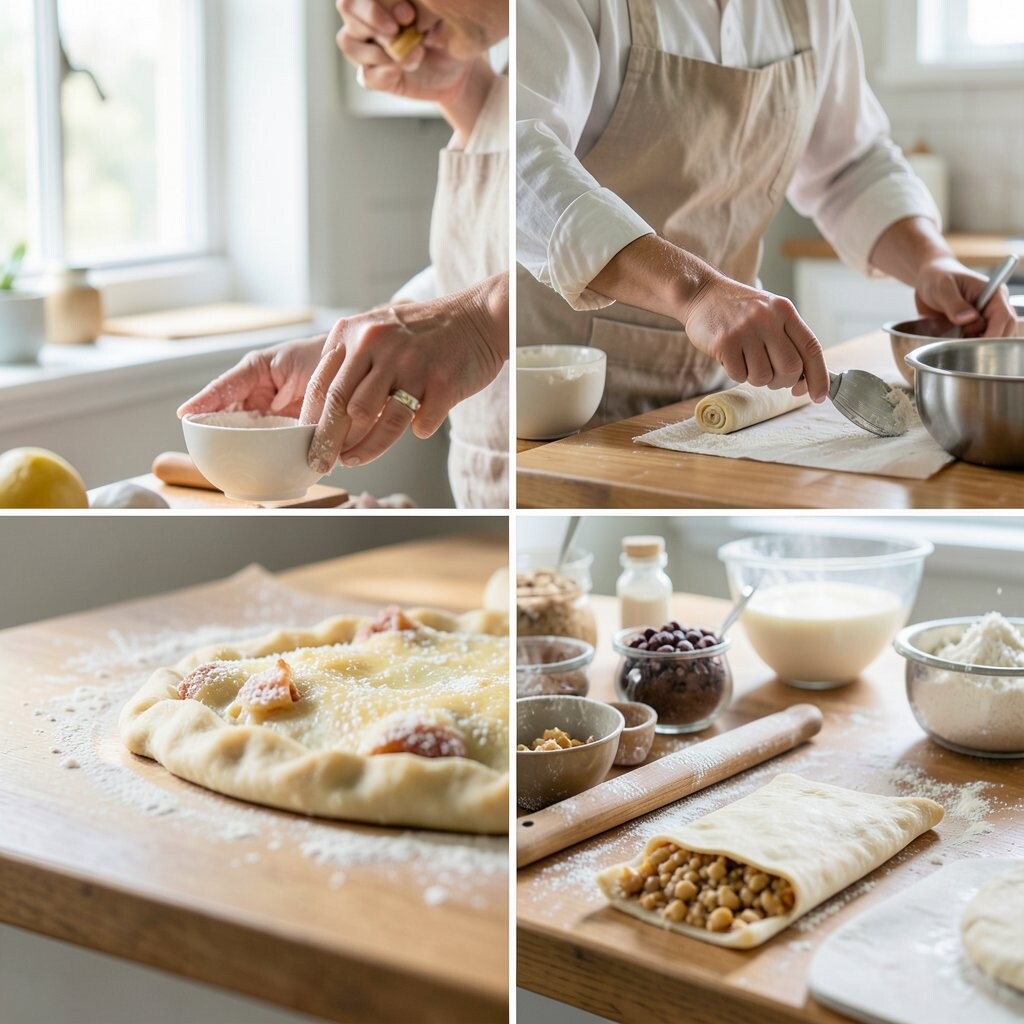
Flaky pastry looks beautiful when layers puff up and turn golden brown. A class built around hand pies, turnovers, or danishes can feel warm, rich, and a little fancy.
It gives students a chance to work with dough in a new way and learn how small folds can make a big difference. Butter and fruit fillings can cost more than plain dough, but the final look feels worth it, especially when people add their own jams, chocolate, or cheese.
Current pastry trends often favor simple shapes with glossy tops and visible fruit. That style is easy to copy at home with a brush of egg wash and a light sprinkle of sugar.
The class is also helpful because it teaches sealing, crimping, and even baking, which can prevent leaks and burnt edges. A neat tray of pastries feels polished, yet the process stays friendly and hands-on.
8. Chocolate Work and Drip Design

Chocolate classes can smell rich and look glossy in a way that catches the eye fast. Shiny drips, dipped fruit, and filled chocolate cups can make every tray feel like a gift.
This is a strong class for building basic melting and dipping skills without too much stress. Good chocolate can cost a little more, but learners can stretch it by using toppings like nuts, crumbs, or crushed cookies to add texture and color.
Many bakers enjoy making their pieces unique with sea salt, caramel, or bright candy bits. The current look often leans toward smooth drips and simple tops rather than heavy decoration, which makes the work feel cleaner and more modern.
A warm, careful setup matters because chocolate can seize if rushed. When the class is done well, students leave with treats that look elegant and taste rich.
9. Savory Baking for Snack Time
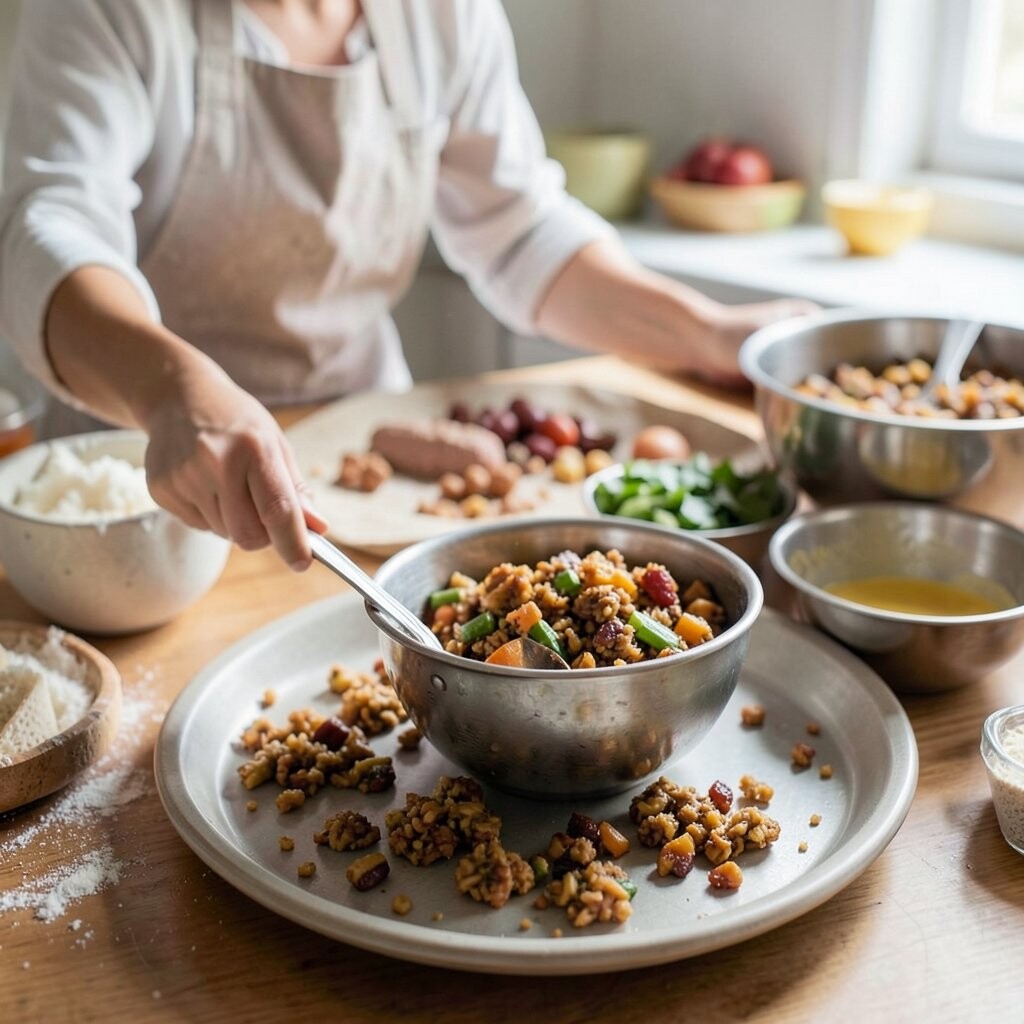
Not every baking class has to be sweet, and savory bakes can be just as exciting. Cheese scones, herb bread, stuffed rolls, and little hand pies bring a warm, useful feel to the table.
This kind of class gives people ideas for lunch, snacks, or easy party food. Costs can stay fairly low when the filling uses everyday items like cheese, spinach, onion, or potato, and each baker can adjust the flavor to fit their own taste.
Some current food trends lean toward less sugar and more comfort, so savory baking fits right in. Personal changes like extra herbs, spicy cheese, or a veggie mix can make each piece feel made just for one person.
Students often like that savory baking feels more filling and practical than dessert work. It also teaches mixing, shaping, and baking in ways that help with many other recipes later.
10. Vegan Baking with Plant-Based Swaps
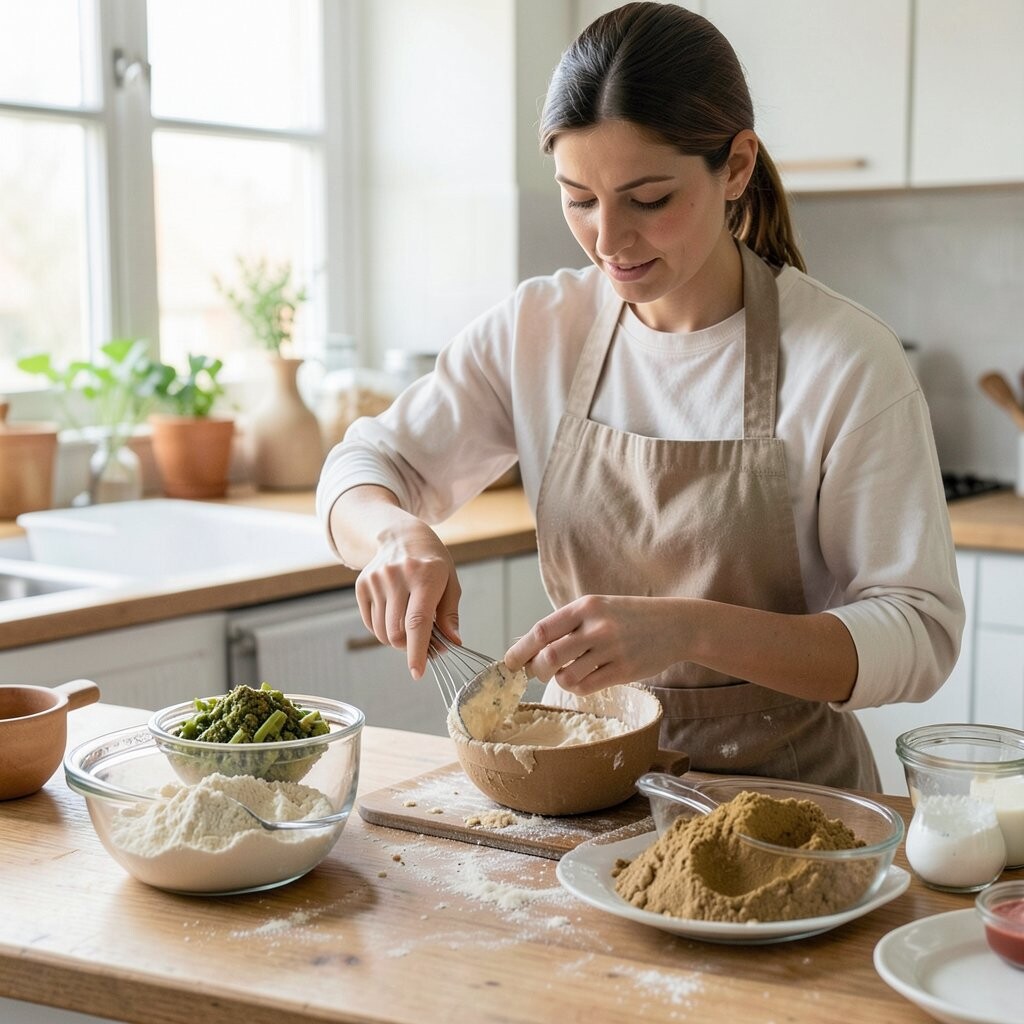
Plant-based baking can look bright, modern, and full of fresh ideas. Cakes, cookies, muffins, and brownies can all be made without dairy or eggs and still taste rich.
This class is helpful for bakers who cook for different diets or want more flexible recipes. Some swaps, like oat milk or flax seed, can be budget friendly, while special items such as plant butter or dairy-free chocolate may cost a bit more.
People can personalize the results with fruit, spice, cocoa, or nut toppings. It also matches a popular trend because more home bakers want recipes that work for many guests and still look good on a plate.
The class gives students confidence that baking can be kind, creative, and easy to share. A gentle lesson on mixing and moisture helps the final treats stay soft instead of dry.
11. Farm-to-Table Fruit Baking

Fresh fruit can turn a simple bake into something colorful and lively. Galettes, fruit tarts, berry muffins, and peach hand pies all give classes a fresh, sunny look.
This idea works well in seasons when fruit tastes best and prices stay lower. Students can use local fruit to keep costs sensible, and each baker can choose flavors that match home favorites, from apple cinnamon to blueberry lemon.
Natural, less busy designs are still popular, so fruit that is arranged in neat lines or soft piles feels very current. The class also teaches how to handle moisture so crusts stay crisp and fillings stay neat.
When fruit is used well, the baking looks polished without needing many extra decorations. That makes the class feel easy to join and simple to repeat at home.
12. Breakfast Baking for Busy Mornings

Breakfast baking classes can bring a comforting, homey feel to the kitchen. Muffins, scones, baked oatmeal cups, and breakfast rolls look inviting and are useful the next day too.
They help people plan ahead, which is a big win for busy families and students. Many breakfast recipes use simple ingredients already in the pantry, so the class can stay affordable while still allowing personal choices like dried fruit, nuts, or cinnamon chips.
Some current trends focus on grab-and-go foods that still feel homemade. That makes this class practical, since the final bakes can be packed for school, work, or a weekend trip.
A quick lesson on portion size and even baking helps keep the results neat. The warm smell that comes from the oven also makes the room feel calm and welcoming.
13. Cake Flavor Pairing Challenge

A flavor pairing class can make baking feel like a fun game. Students mix and match cake, filling, and frosting ideas to build a treat that tastes balanced and new.
This class stands out because every baker can make a different cake from the same base recipe. The cost can stay manageable if the class uses a few core ingredients and then adds small extras like zest, jam, cocoa, or spices for variety.
People can make the cake fit a mood, a season, or a favorite memory. Trendy pairs like strawberry basil, chocolate orange, and vanilla chai can make the class feel fresh and surprising.
It also teaches taste testing, which is a useful skill for any baker. When students learn how sweet, sour, and rich flavors work together, they can make better cakes at home.
14. Beginner Royal Icing Practice

Royal icing can make cookies look neat, glossy, and very tidy. A beginner class can teach outlines, filling, dots, and simple lines in a way that feels calm and clear.
This is a good class for steady hands and careful eyes. The tools are not too costly, and once the icing is mixed, students can practice with one batch on many cookies, adding initials, flowers, or small shapes that fit their own style.
Simple looks are very popular right now, so clean designs can feel modern without much effort. The class also helps with planning because icing needs the right thickness and time to dry.
People often leave with cookies that look much harder than they really were. That sense of success makes the class feel exciting even for first-time decorators.
15. Sourdough Side Projects and Creative Extras
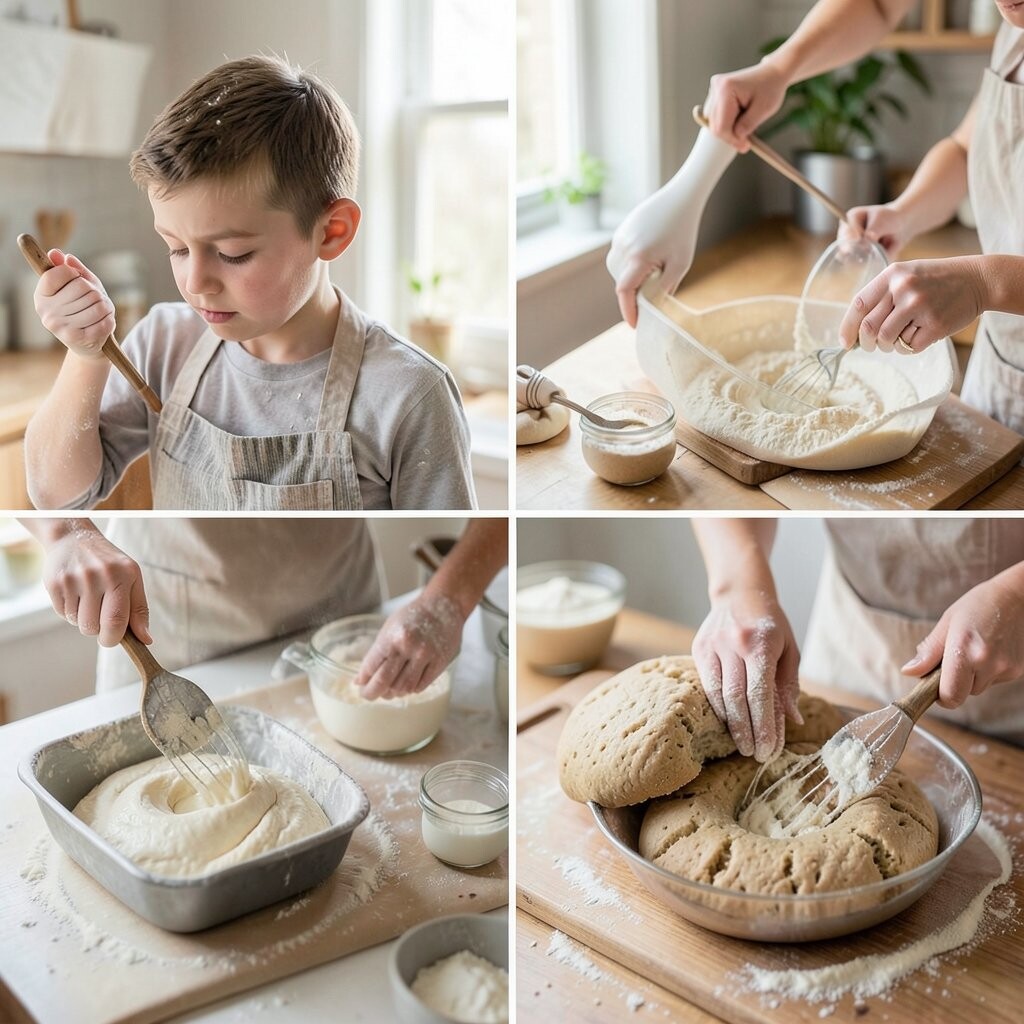
Sourdough classes can have a cool, handmade look that many bakers love. The long rise, the tangy smell, and the open crumb make each loaf feel alive and special.
This class is great for people who enjoy watching dough change over time. It can save money in the long run because a starter can be fed and used again, and bakers can personalize the results with seeds, olives, dried fruit, or herbs.
Sourdough is still a strong trend because home bakers like slow food and simple ingredients. A class that includes crackers, rolls, or stuffed bread keeps the lesson fresh and practical.
Patience is the biggest skill here, so clear steps help a lot. When the crust comes out crackly and brown, the result feels worth every minute.
16. Dessert Plating and Presentation Style

A plating class can make baking feel like art on a plate. Brownies, cake slices, tart wedges, and cookies can be arranged in ways that look clean, modern, and beautiful.
This type of class helps bakers make their treats feel special without changing the recipe too much. It can be low cost because the focus is on smart arrangement, small garnishes, and a tidy look, while personalization can come from sauces, fruit, edible flowers, or a favorite color theme.
Presentation trends often lean toward simple plates, light dusting, and one strong focal point. That style works well for home bakers who want their desserts to look polished for guests, photos, or small events.
The class also builds confidence because it shows how a plain bake can look fancy with little extra work. With practice, students learn that a neat plate can make the whole dessert feel new and memorable.