
Small changes can make a big difference at home. A few smart swaps can make life feel easier and lighter.
1. Use LED Bulbs Everywhere
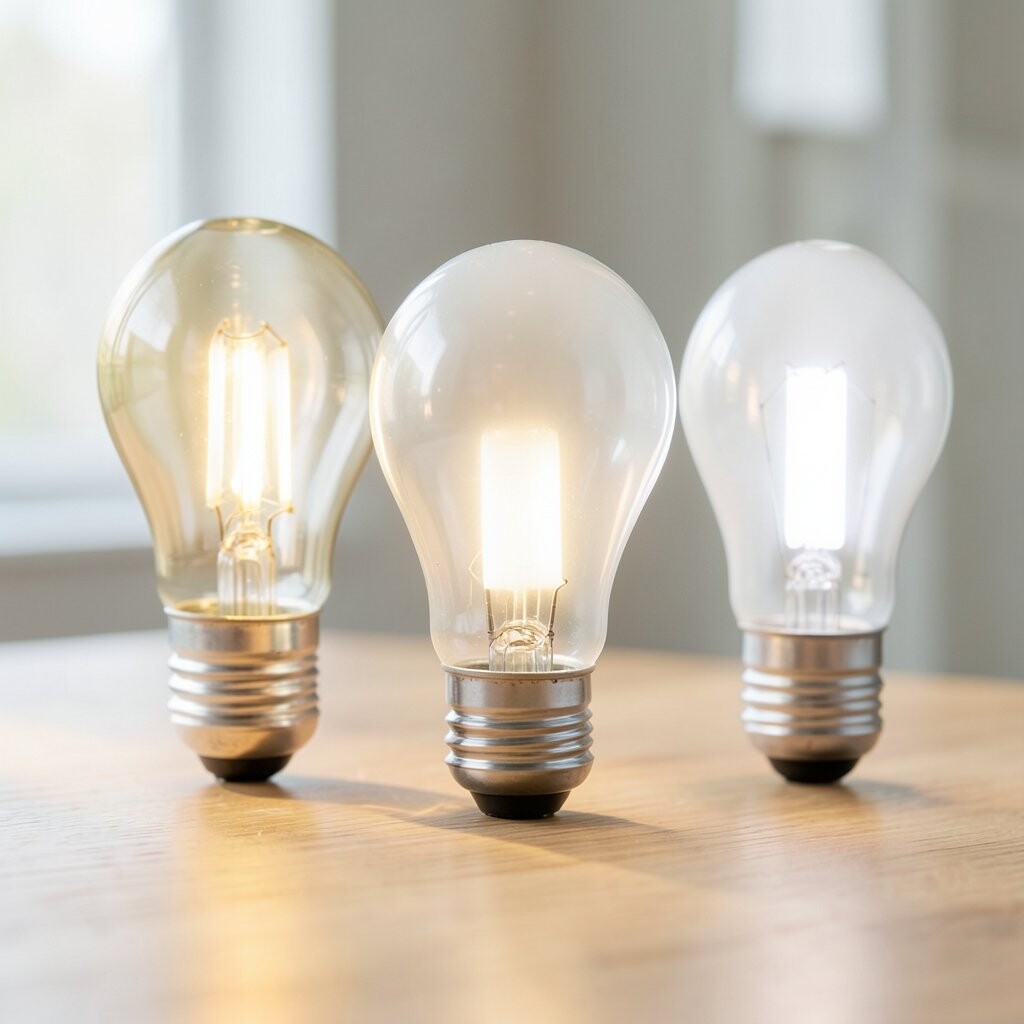
LED bulbs are bright, clean, and simple to notice in a room because they make colors pop without harsh glare. They use far less power than older bulbs, so your electric bill can shrink while your home still feels warm and welcoming.
What makes them special is how long they last, which means fewer trips to the store and less hassle with changing bulbs. You can choose soft white for cozy spaces or daylight style for work areas, and the upfront price is a little higher but usually pays back fast.
2. Cook One Extra Meal And Freeze It

A big pot of soup or pasta sauce can turn into a freezer shelf full of future dinners. This saves money by cutting takeout, and it also saves time on busy nights when the kitchen feels too small and the day feels too long.
Clear containers make the freezer look neat, and labels help you spot what is ready at a glance. Try mixing in what is already in the fridge, since this habit reduces waste and fits today’s budget-friendly cooking trend very well.
You can make it personal by freezing foods your family truly likes, such as chili, rice bowls, or curry. The cost is often low because bulk ingredients stretch far, and one cooking session can feed you for days.
3. Set Up A Simple Morning Light Routine

Opening the curtains soon after waking makes a room feel fresh and awake, almost like a small sunrise indoors. This habit costs nothing, helps your body feel more ready for the day, and can even make it easier to avoid extra coffee runs.
You can place a chair near the window, keep a book there, or sip water while looking outside. Many people are using gentle morning routines now because they feel calm, easy, and much cheaper than fancy wellness products.
If your windows face a busy street, a sheer curtain can soften the view while still letting light in. That little touch makes the space feel more personal and inviting without adding much to your monthly spending.
4. Use Reusable Water Bottles And Cups

A sturdy bottle on the counter or in a bag looks simple, but it can quietly save a lot of money. It also cuts down on trash, which feels good for the home and for the planet.
Choose a bottle size that matches your day, like a small one for quick trips or a larger one for long work hours. Prices vary, yet one good bottle often replaces many single-use drinks and becomes part of a cleaner, more modern routine.
Some people like clear bottles so they can see when to refill, while others prefer bright colors or a name sticker. That small bit of style makes the habit easier to keep and more fun to use every day.
5. Switch To A Weekly Spending Check
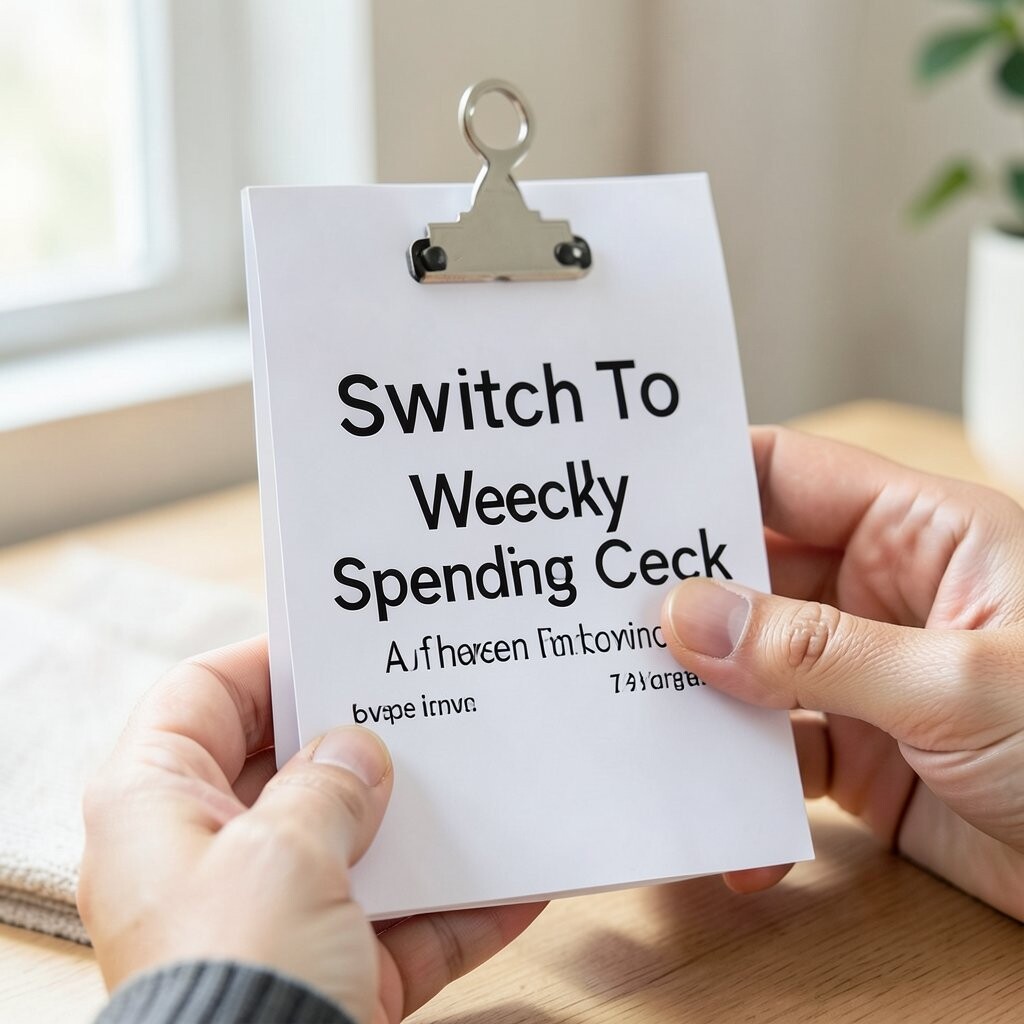
A calm look at your bank app or receipts can feel like tidying a messy desk. It helps you spot leaks in your spending, and that can bring more control without any special tool.
Pick the same day each week, then sit somewhere quiet with a cup of tea and scan where the money went. Many people enjoy this simple money habit now because it feels less stressful than waiting for a surprise bill.
You can make it personal by marking the spending that mattered most, like groceries, fun, or home needs. The process costs nothing, yet it can lead to real savings because small waste becomes easier to notice.
6. Grow Herbs In Small Kitchen Pots
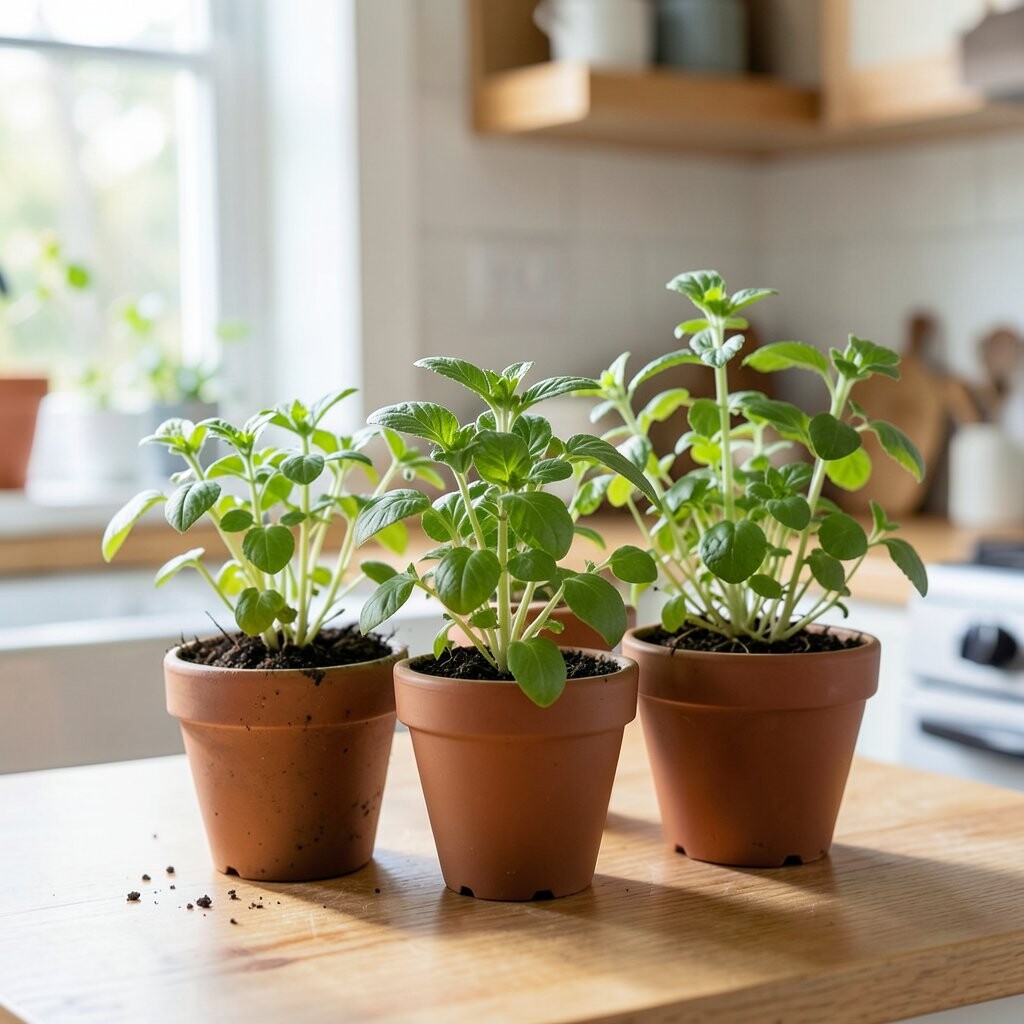
Fresh herbs on a sunny windowsill look pretty, smell wonderful, and make ordinary food feel special. They can also save money because a small plant often replaces many store-bought bundles that wilt too fast.
Basil, mint, parsley, and chives do well in simple pots, and the setup can stay neat on a narrow ledge. The trend of indoor kitchen gardening is popular now because it gives a home a lively, green touch with low cost.
You can choose pots that match your kitchen style, from plain white to bright clay colors. Watering them takes only a little time, and clipping what you need freshens meals without extra store trips.
7. Repair Before Replacing

A loose chair leg, a torn shirt, or a wobbly handle can often be fixed with a small tool and a little patience. Repairing keeps useful things in service longer, which lowers costs and reduces clutter at the same time.
Set aside a tiny repair box with thread, glue, tape, and a screwdriver so the tools are easy to reach. This habit has become popular again because people like the classic, handmade look and the smart savings that come with it.
You can even personalize the repair with a patch, a colored stitch, or a new knob that matches your style. The result often looks charming and unique, not worn out, which makes the item feel loved instead of forgotten.
8. Walk More For Short Trips

Walking to a nearby store or around the block gives your body a gentle boost and saves gas or transit money. It also lets you notice trees, porches, and little details that are easy to miss from a car window.
Comfortable shoes and a light bag make the trip feel easier, and you can choose different paths to keep things interesting. More people are choosing small walks now because they support health, lower stress, and cost almost nothing.
If you want, turn the walk into a personal habit by listening to music or leaving your phone in your pocket. That simple shift can make ordinary errands feel calmer while still keeping your budget in better shape.
9. Use Library Services Often

A library can feel like a quiet treasure room with shelves, soft chairs, and helpful people nearby. Books, magazines, movies, and computer access can all come at no extra cost, which helps a family save a lot over time.
Many libraries now offer e-books, craft events, and even tool lending, so the value goes well beyond reading. The modern library trend is strong because it gives communities a shared place that feels useful, friendly, and low-cost.
You can make visits personal by building a reading list for your child, yourself, or your whole household. This free habit can keep the home full of ideas and entertainment without adding more subscriptions.
10. Buy Generic Pantry Staples

Plain bags and simple labels on shelves may not look fancy, but they often hide the same useful ingredients as bigger brands. Rice, oats, beans, flour, and canned tomatoes can stretch meals far while keeping grocery costs in check.
Start with items your family already uses, then compare packages by size and price per ounce if you can. Many shoppers are leaning toward store brands now because they offer steady quality and help a kitchen stay practical.
You can personalize this approach by keeping a neat pantry basket for breakfast, baking, or quick dinners. It feels satisfying to open the cupboard and see food ready to turn into something good.
11. Make A Home Cleaning Spray From Simple Ingredients

A clear spray bottle on the shelf can look plain, but it can also mean fewer store-bought cleaners in the cart. With a few basic ingredients, you can wipe counters, freshen surfaces, and keep the house tidy at a much lower price.
Use ingredients carefully and match them to the job, since a simple mix can often handle everyday messes well. The low-waste cleaning trend is growing because people like fewer plastic bottles and more control over what goes into the home.
You can make the bottle look personal with a label, a color band, or a favorite scent if it is safe to add. That small detail turns a boring chore into something that feels a little more pleasant and organized.
12. Plan One No-Spend Day Each Week
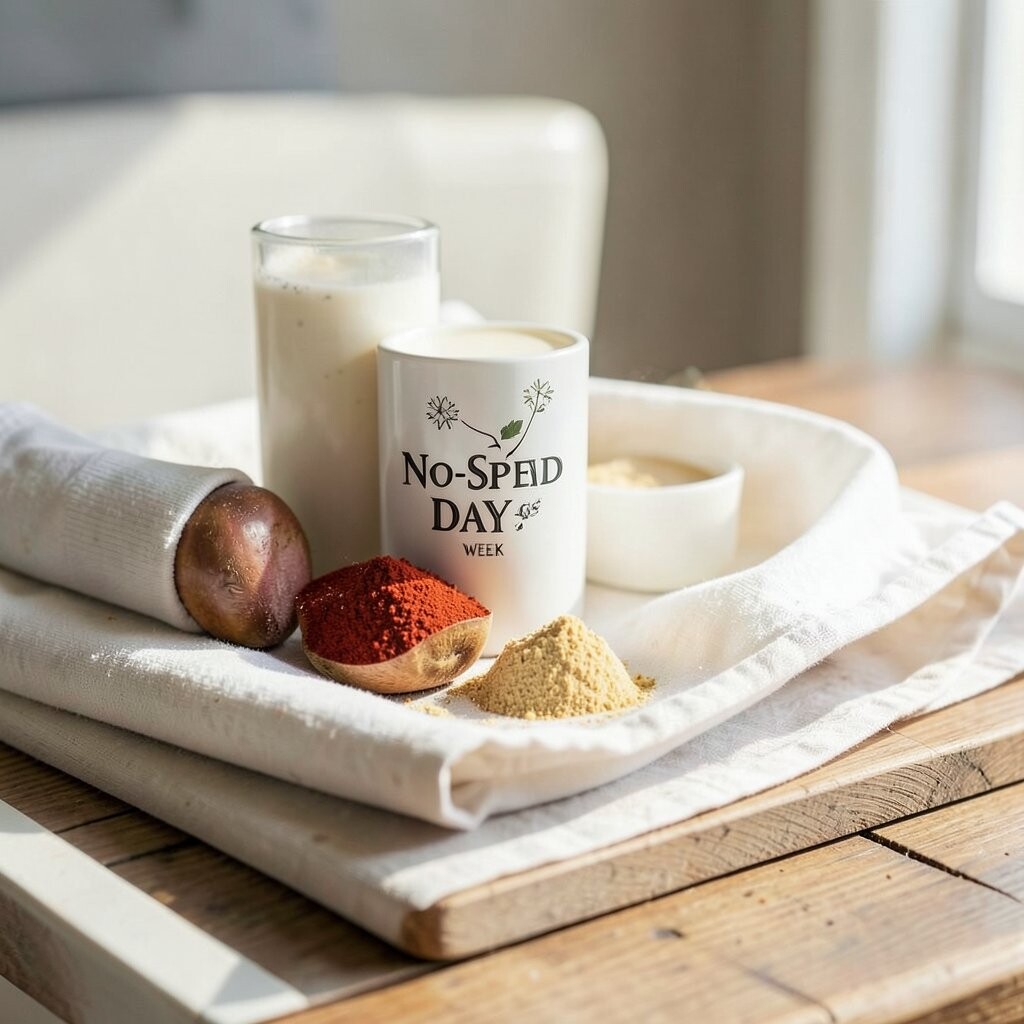
A no-spend day feels a bit like giving your wallet a quiet rest. You still eat, work, and enjoy the day, but you pause extra purchases and notice how much you already have at home.
It helps to choose a day with no usual shopping stops, and you can fill it with free things like reading, cleaning, or a family game. This idea fits current budget habits well because many people want more control without cutting all joy from life.
Make it personal by picking the day that feels easiest for your schedule, such as a calm weekday or a quiet weekend morning. The savings may seem small at first, yet they often add up in a very real way.
13. Use A Fan Before Turning Down The Thermostat
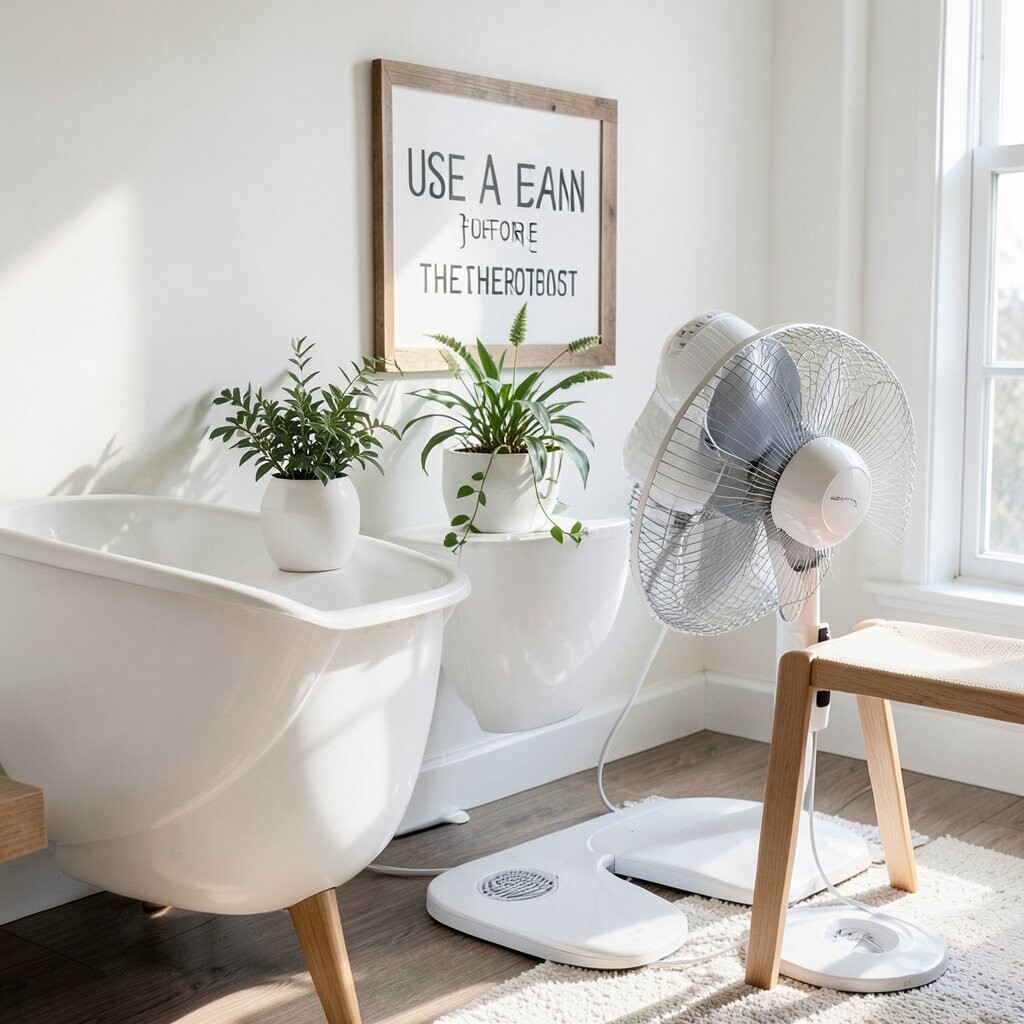
A moving fan can make a room feel cooler and more comfortable, almost like a soft breeze on a hot day. That means you may be able to raise the thermostat a little and still feel fine, which can lower energy costs.
Place the fan where air can move freely, and aim it near where people sit or sleep. Many homes now use this simple trick because it is cheap, easy, and much less tricky than major cooling changes.
You can choose a fan that matches the room style, from a slim white model to a quiet desk version. The best part is that the room still feels comfortable while the power use stays lower.
14. Trade Clothes With Friends Or Family

A clothes swap can fill a table with color, texture, and surprising finds. It helps everyone refresh a closet without buying new pieces, and it can make getting dressed feel more fun and less costly.
Pick items that are clean and in good shape, then sort them by size or season so the exchange stays simple. This idea has a fresh, social feel that fits the growing interest in secondhand fashion and lower waste.
You can make the event personal by adding music, snacks, or a mirror near the window for easy try-ons. The best part is that the clothes may feel new again, even though the spending stays almost nothing.
15. Keep A Basket For “Maybe Later” Purchases

A small basket or box can sit on a shelf and hold items you want but do not need right away. Seeing those things together gives you time to think, and that pause often prevents impulse buying.
Check the basket after a week or two, then ask if the item still feels worth the money. This simple pause works well in a world full of fast shopping because it helps people choose with more care.
You can personalize the basket with a pretty cloth or a spot near your desk so it is easy to remember. The visual reminder is gentle but powerful, and it can keep your budget from leaking on random extras.
16. Add A Small Shoe And Bag Station By The Door
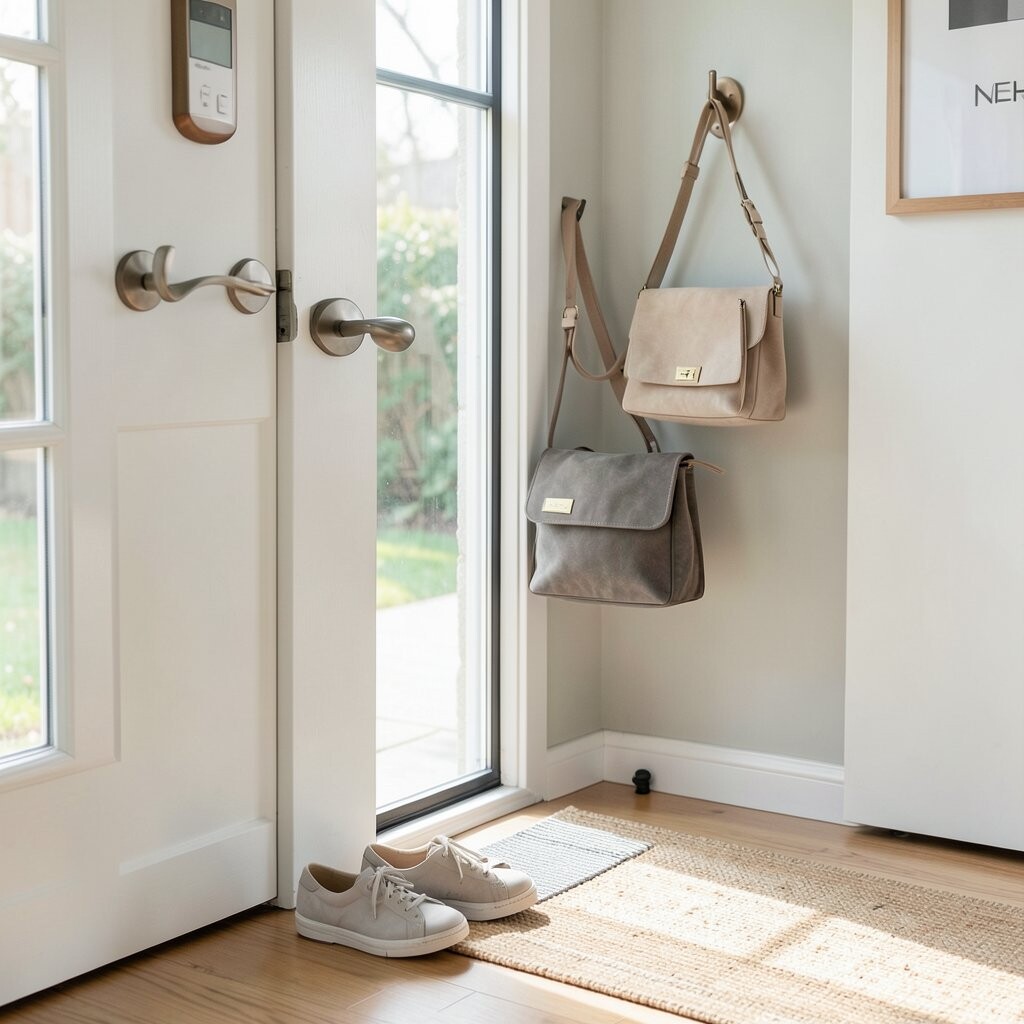
A tidy entry area with hooks, a tray, and a small mat can change how a home feels the moment you walk in. It saves time, reduces lost items, and can help shoes and bags last longer because they are not tossed around.
Start with items you already own, then add a few low-cost hooks or bins if needed. People like this setup now because it makes busy mornings smoother and gives the space a clean, welcoming look.
You can personalize the station with a label, a plant, or a basket in a color that matches the room. That little touch makes the routine feel thoughtful while keeping clutter under control.
17. Make A Simple Meal Theme Night

A theme night can make dinner feel special without making the grocery bill climb. Tacos, pasta, baked potatoes, or rice bowls are easy to build from affordable ingredients, and the table can look colorful with just a few toppings.
Plan around what is already on sale or in the pantry, then repeat your favorite themes each month. This style of cooking stays popular because it is easy to manage, family-friendly, and often much cheaper than random meal planning.
You can personalize each night with different sauces, spices, or toppings so no two dinners feel the same. The uniqueness comes from the small choices, and those small choices can make home meals more exciting.
18. Turn Leftovers Into New Lunches
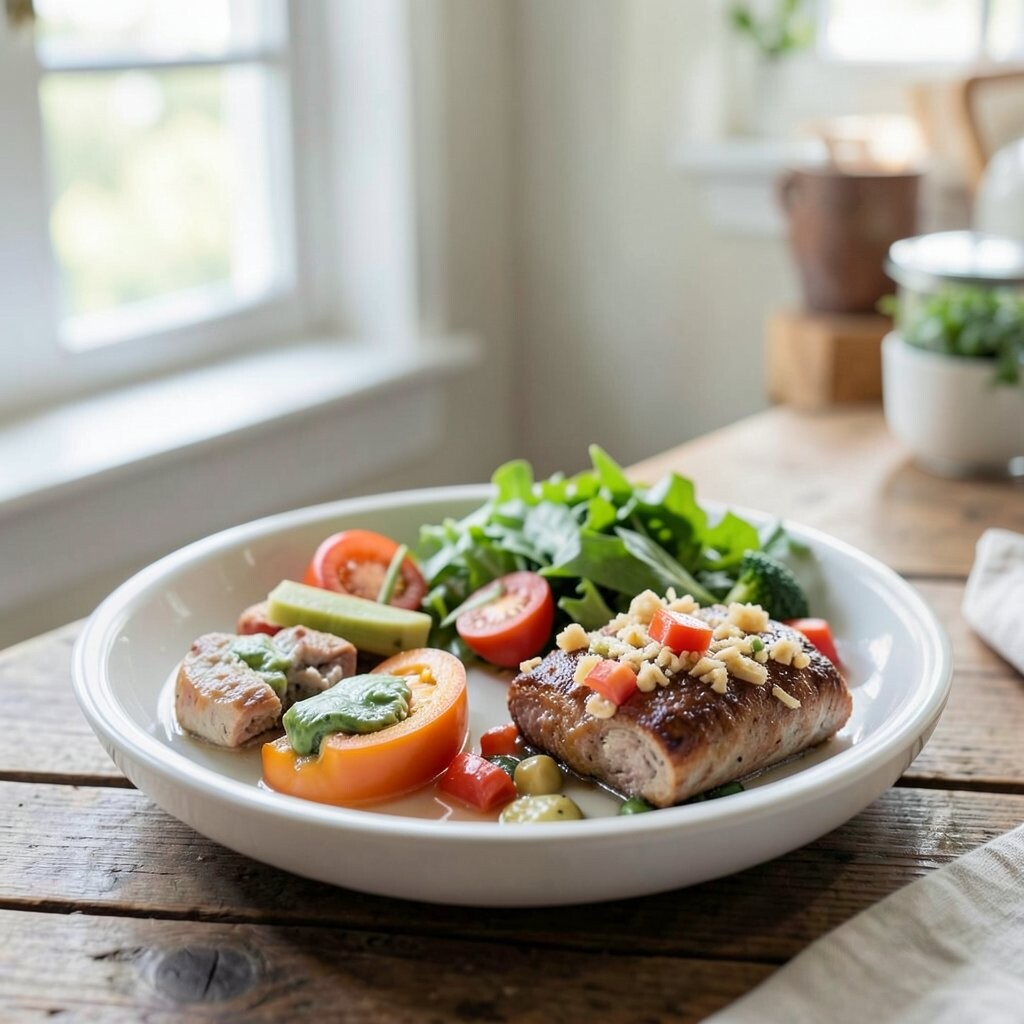
Leftovers do not have to feel boring when they are packed in bright containers and arranged neatly in the fridge. With a little creativity, last night’s dinner can become a fresh lunch that saves money and cuts food waste.
Add rice to soup, wrap roasted vegetables in a tortilla, or turn chicken into a salad bowl. This habit is very current because more people want practical kitchen routines that cost less and work with busy days.
You can make the lunch feel personal by adding a sauce you love or a fruit on the side. A small lunch prep habit can keep you full, help the fridge look less crowded, and stop extra spending on takeout.
19. Create A Quiet Night Routine With Low-Cost Comforts

A calm evening can look as simple as a dim lamp, a soft blanket, and a cup of tea on a side table. This kind of routine helps the mind slow down, and it can cut down on expensive late-night shopping, snacking, or screen habits.
Choose a few low-cost comforts that feel good, such as reading, stretching, journaling, or listening to soft music. Many people are turning to these gentle routines now because they feel personal, restful, and easy to keep.
You can make the space fit your taste with warm colors, a favorite cushion, or a small candle if you already own one. The beauty of this idea is that it costs very little while making home life feel richer and more peaceful.