
Fresh ideas can hide in plain sight. A small change can wake them up fast.
1. Build A Desk Scene With Everyday Objects

Start by placing a mug, a book, a spoon, and a plant on your desk like tiny actors on a stage. The scene looks simple, but it can spark new color ideas, shape ideas, and story ideas in a very low-cost way.
Try changing the angle of each object and notice how the light makes soft shadows on the wall or table. You can make it personal by using items from your own home, and that unique mix often feels more inspiring than a perfect store-bought setup.
2. Swap Rooms And Work In A New Spot
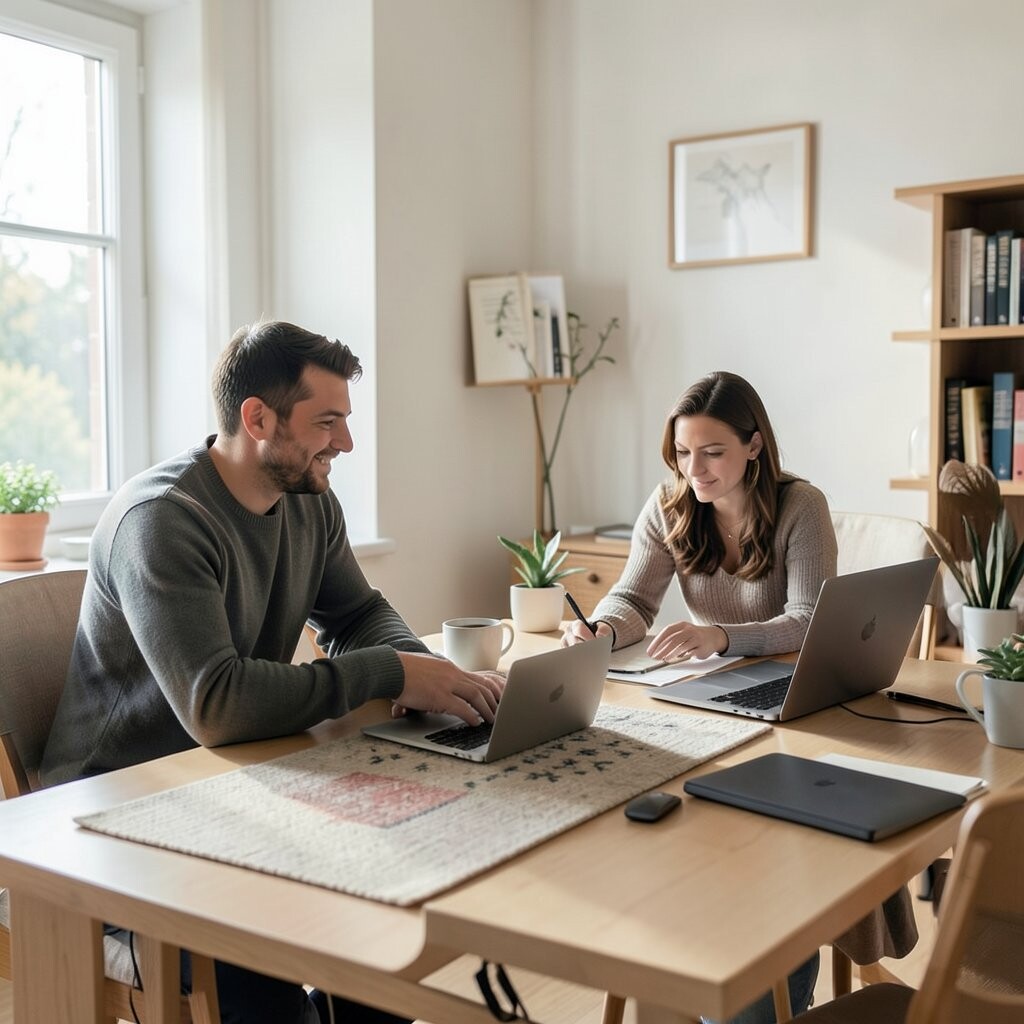
A kitchen chair, a hallway table, or a sunny corner can make your mind feel fresh right away. This change helps because your eyes see new details, and the simple shift can keep your thoughts from getting stuck.
Bring only the tools you need so the space stays calm and easy to use. If you want to keep costs low, use what you already have, and add one small item that matches your style for a more personal touch.
Many people now like flexible work spots at home because they feel less boring and more alive. You may also notice that a new room helps you think in a different way, which can lead to ideas that feel more original and useful.
3. Make A Mood Board From Mixed Materials
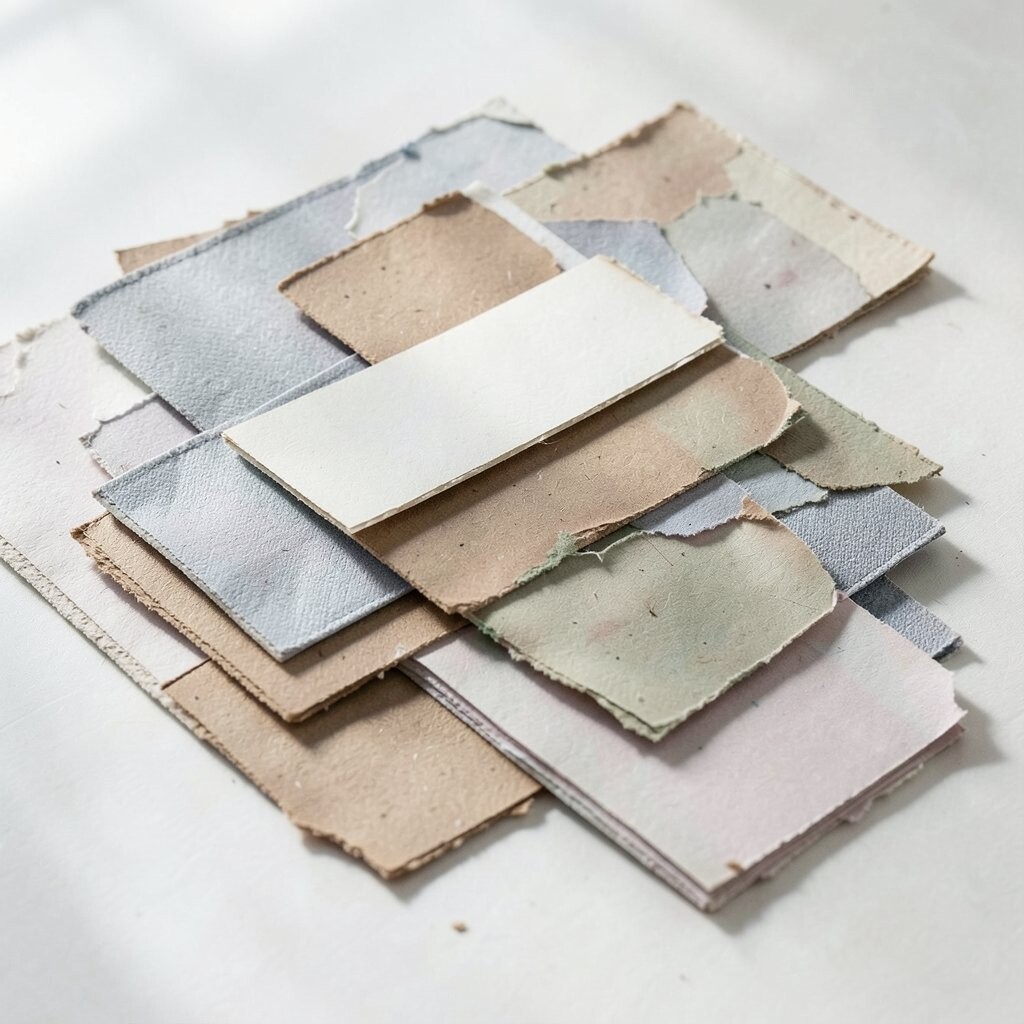
Cut paper, fabric, magazine scraps, and color swatches can look lively when pinned together on a board or taped to a wall. The mix of textures gives your eyes a lot to enjoy, and that can make it easier to find a clear theme.
Pick a color family or a feeling, such as calm, bright, or bold, and build around that idea. This method is easy to personalize because you can add photos, words, tickets, or drawings that matter to you, while keeping the cost very small.
People often use digital boards now, but a real board can feel more hands-on and memorable. It also helps you move pieces around quickly, which is great when you want to test ideas before making a final choice.
4. Turn A Walk Into A Picture Hunt

Walk outside and look for shapes, signs, windows, leaves, and tiny patterns that catch your eye. Your surroundings may seem ordinary at first, but the right detail can become the seed of a new project.
Take photos or quick notes so you can save what you notice before it slips away. This habit costs almost nothing, and it works well because it turns a normal walk into a personal source of inspiration.
5. Try A New Color In A Small Way
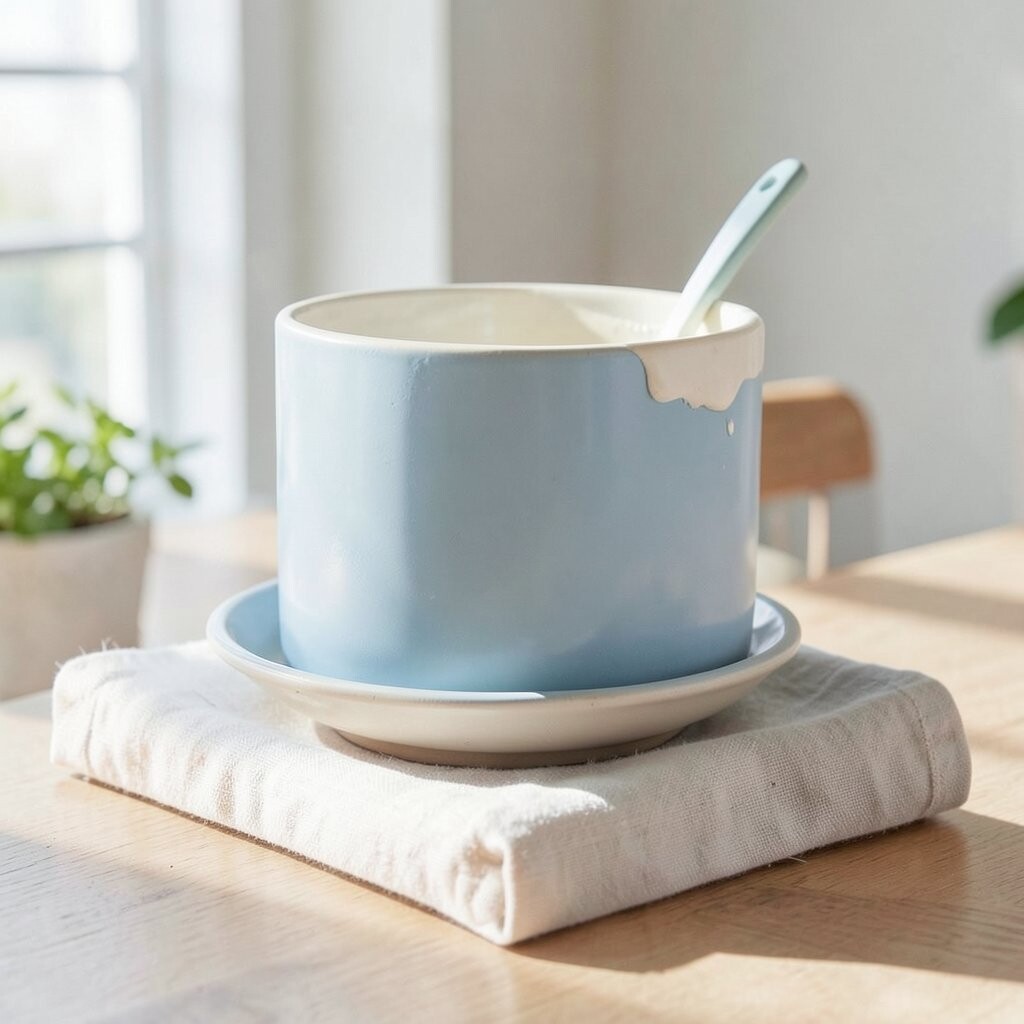
Adding one bright pillow, notebook, or lamp can change the mood of a whole room without a big expense. Color can feel playful, and it often helps people think more freely because the space no longer feels flat.
Choose a shade that matches your mood or goals, such as warm yellow for energy or soft blue for calm. Small color tests are smart because you can see what works before spending more, and that makes the idea both practical and low risk.
Current home style trends often favor one bold accent instead of many busy colors. That simple choice keeps the look fresh, and it also makes it easier to change later when your taste shifts.
6. Put Together A Tiny Inspiration Shelf
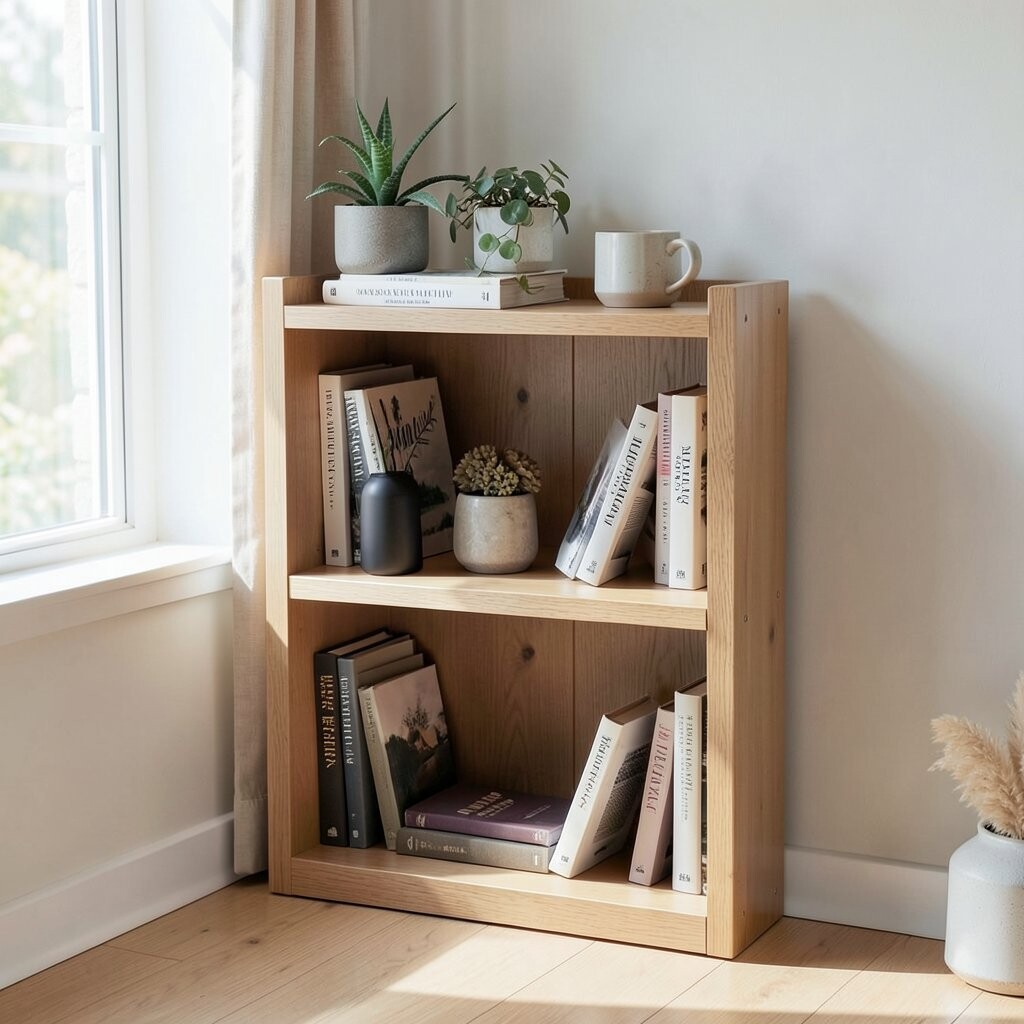
A shelf with a candle, a stone, a photo, and a favorite quote can become a quiet place for new thoughts. The items do not need to match perfectly, and that relaxed mix often feels more creative than a strict arrangement.
Place the shelf where you can see it often, such as near your bed or desk. It is easy to personalize with family keepsakes, travel finds, or handmade pieces, and the cost stays friendly when you use small objects you already own.
This idea works well because it gives your mind a steady place to pause and reset. Many people like little display corners now because they add charm without taking much room.
7. Record Sounds And Turn Them Into Ideas

A buzzing fan, birds outside, footsteps, or rain on a window can feel like background noise until you listen closely. When you record these sounds, they can inspire music, art, writing, or even a room design.
Use a phone and keep clips short so they are easy to sort later. You can make the project more personal by recording sounds from places that matter to you, and the cost is almost zero if you already have a device.
Sound-based creativity is getting more attention now because people want fresh ways to think beyond pictures alone. It helps train your ear, and that can lead to ideas that feel more vivid and unusual.
8. Rewrite An Old Idea In A New Style

Take a project, story, recipe, or craft you already know and give it a fresh look. A familiar idea can become exciting again when you change the style, the colors, the materials, or the purpose.
For example, a simple poster can become a bold collage, or a basic note can turn into a hand-lettered card. This approach saves money because you start with something existing, and it feels unique because your own choices shape the final result.
Many makers use this method when they want results faster without losing their personal touch. It is a smart way to practice creativity since it gives you a safe starting point and plenty of room to play.
9. Gather A Pocket Box Of Random Textures
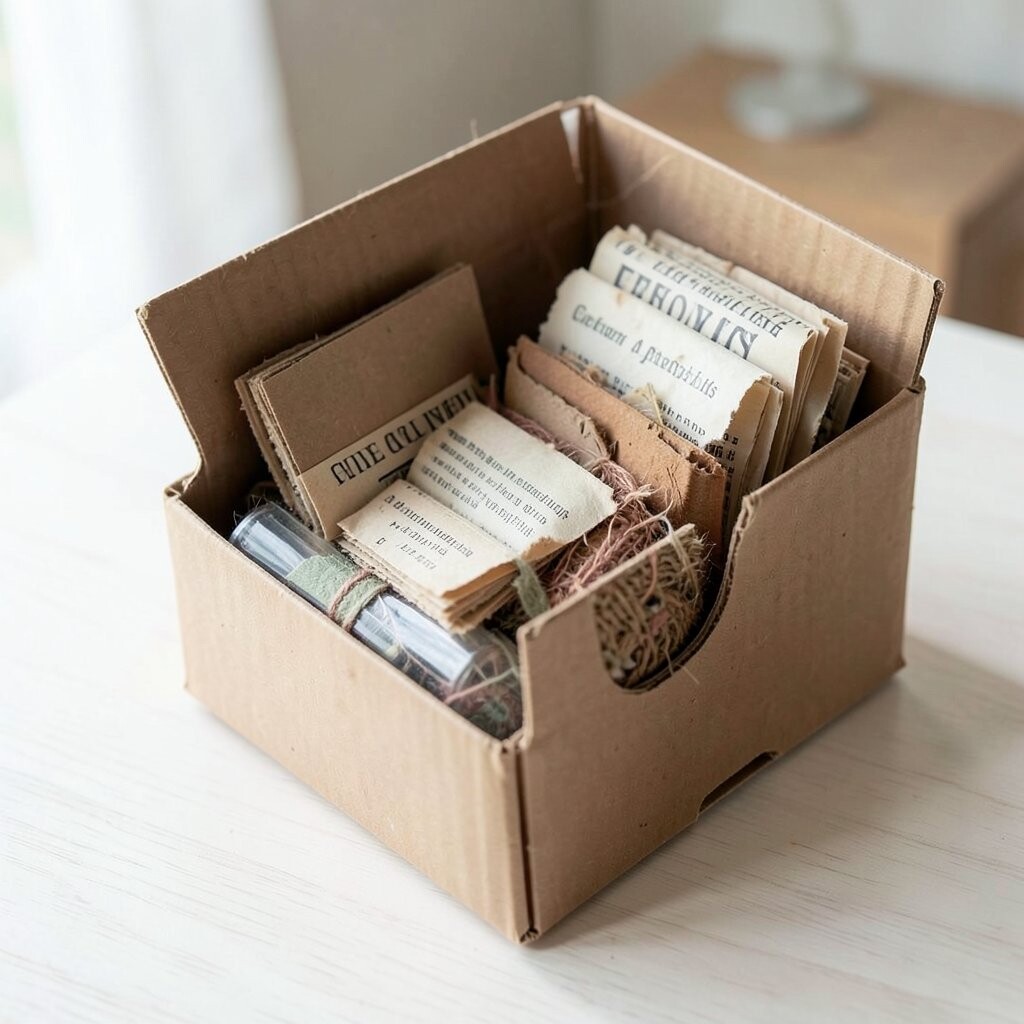
Fill a small box with ribbon, foil, sandpaper, cloth, bark, and paper scraps so you can touch ideas as well as see them. The different textures create a rich little world, and that can help when you need inspiration for art, crafts, or decorating.
Keep the box easy to reach and add new pieces over time from free or low-cost sources. You can personalize it by choosing textures tied to your favorite places or memories, which makes the collection feel special and one of a kind.
This simple collection is especially useful when your mind feels tired and needs a quick spark. It also helps you notice details you might miss on a screen, which is a nice break in a digital-heavy day.
10. Make A Mini Project With One Limit
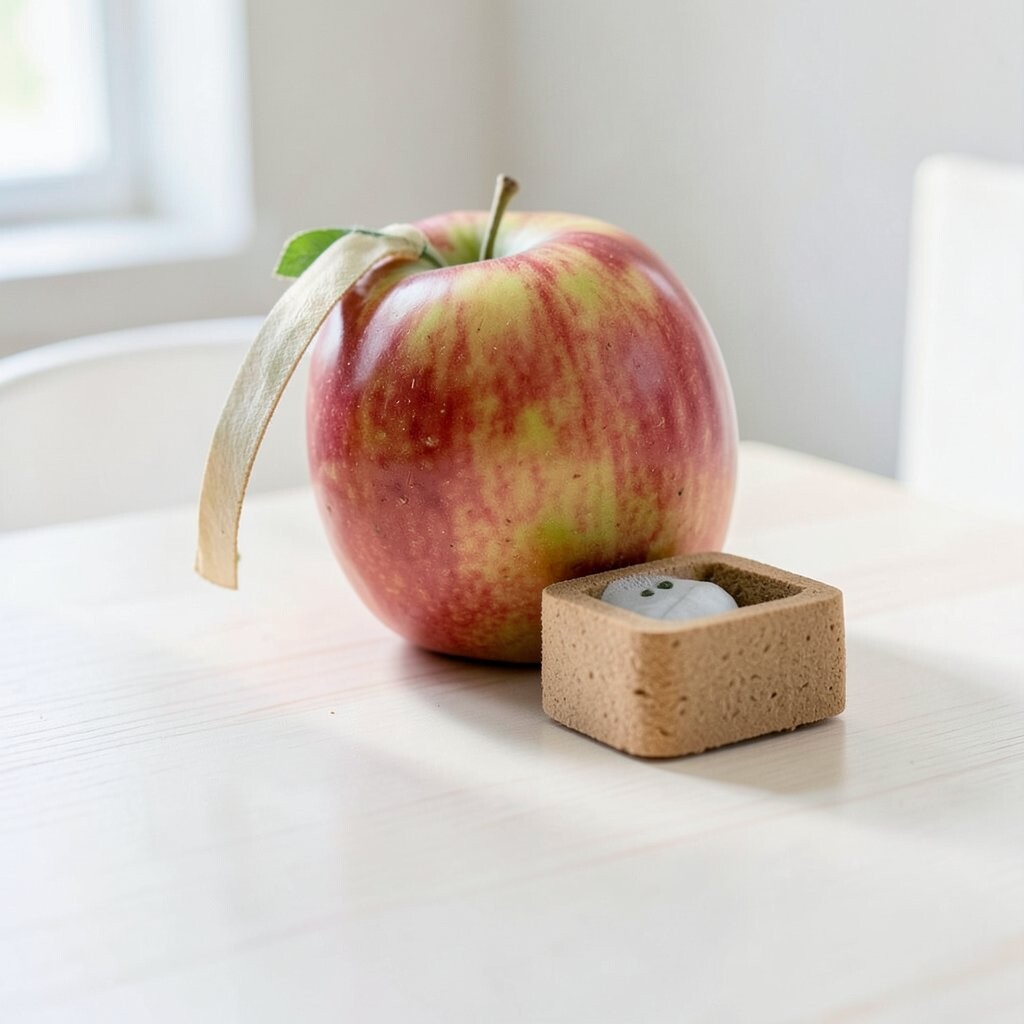
Pick one small rule, such as using only three colors, one material, or one page. A limit can sound restrictive, but it often makes the work cleaner and more playful because your choices become clearer.
Start with something tiny like a note card, sketch, or decoration so the task does not feel heavy. This keeps costs low, and it gives you room to make the project fit your taste without worrying about waste.
Limiting choices is a popular creative habit because it cuts down on stress and helps ideas arrive faster. The result often looks more focused, and that strong look can make even a simple piece feel bold.
11. Set Up A Changeable Wall Of Clues
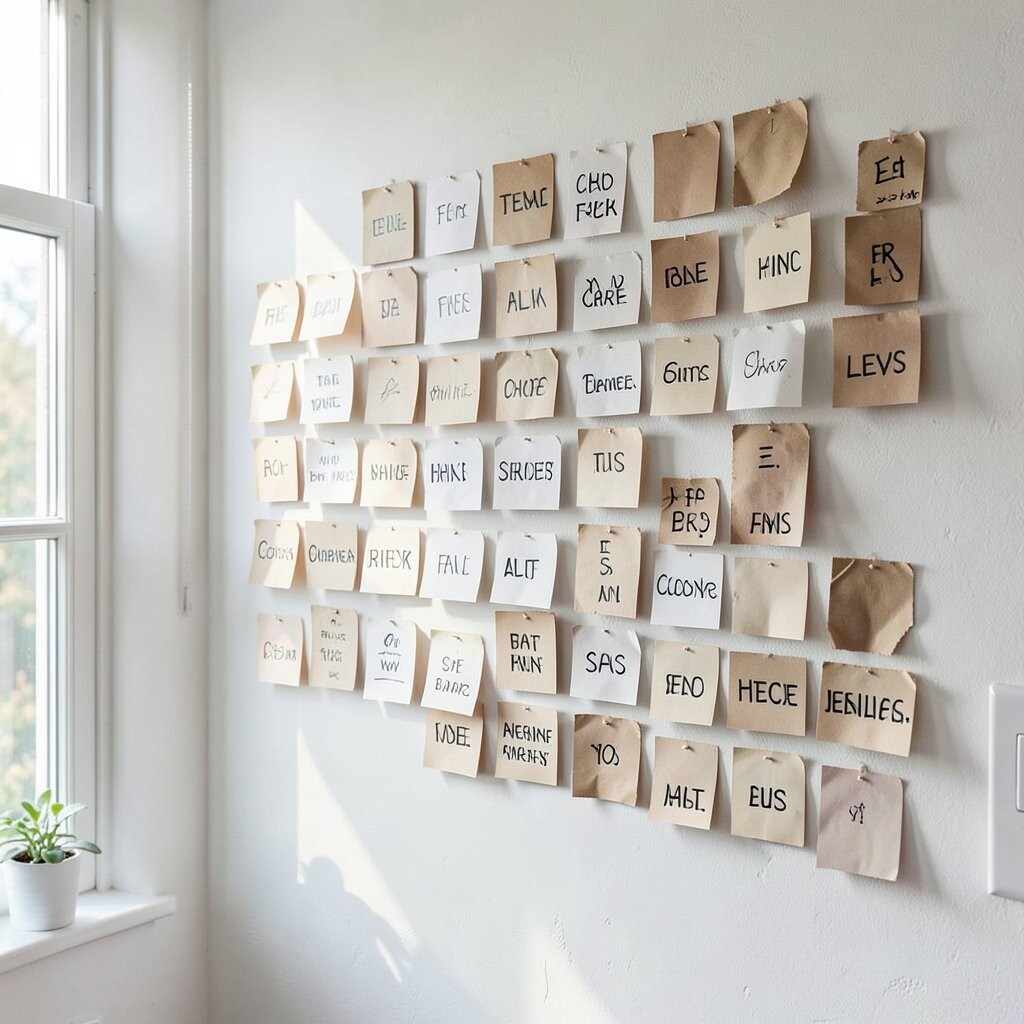
A blank wall can become a living space for notes, photos, maps, and color tests that keep shifting over time. The sight of moving pieces can wake up your imagination because the wall always feels active and open.
Use tape, clips, or removable putty so you can move things without damage. This is a great fit for personal goals, party planning, or room ideas, and it usually stays affordable since the main tools are simple.
People who like flexible décor often use this style because it grows with their mood. It also gives you a place to test trends without making a big commitment, which is very helpful if your taste changes often.
12. Cook Like You Are Designing A Color Story

Look at fruits, vegetables, herbs, and sauces as if they were parts of a picture. A plate with red, green, gold, and white can feel almost like a painting, and that visual thinking can lead to fresh meal ideas too.
Choose ingredients that look good together and taste good together, then arrange them in a neat way. This method can be personal if you use family recipes or favorite flavors, and it can also save money when you build meals from simple foods.
Food styling is more popular now because social sharing has made people care more about how a meal looks. The best part is that you do not need fancy tools, only a little attention and a playful eye.
13. Keep A Book Of Small Wins And Odd Thoughts

A plain notebook can hold quick sketches, strange questions, short lines, and little moments that might matter later. The pages may look messy at first, but that mix often becomes a gold mine for new projects.
Write with no pressure and let the ideas stay rough and imperfect. You can make the book feel like your own by adding stickers, favorite colors, or tiny drawings, and the cost stays low because one notebook can last a long time.
This habit is useful because ideas often return when you give them a safe place to rest. It is also one of the easiest ways to build a personal creative habit that fits into a busy day.
14. Change The Scale Of Something Ordinary

Take a small object and imagine it huge, or take a huge idea and shrink it down to fit in your hand. That shift in scale can make the mind feel curious again because familiar things suddenly seem new.
You could sketch a giant paperclip city, a tiny room made from a shoebox, or a big pattern inspired by a small leaf. This kind of play is free if you use simple paper and pencils, and it gives each project a strong unique twist.
Scale tricks are popular in art, design, and display work because they grab attention fast. They also help you see patterns more clearly, which can lead to better choices in other creative tasks.
15. Mix A Past Memory With A Future Goal

Think about a place, smell, or object from your past, then pair it with something you want to do next. The contrast can create a vivid scene in your mind, and that scene may lead to a fresh story, design, or plan.
For example, the memory of an old porch swing could inspire a cozy reading corner or a calm color palette. This method makes your work more personal because it connects your history to your next step, and it costs nothing to try.
Many creative people use memory-driven thinking because it gives their ideas more heart. It also helps your work feel honest, which is often what makes it stand out in a busy world.
16. Use A Timer For Fast Idea Rounds
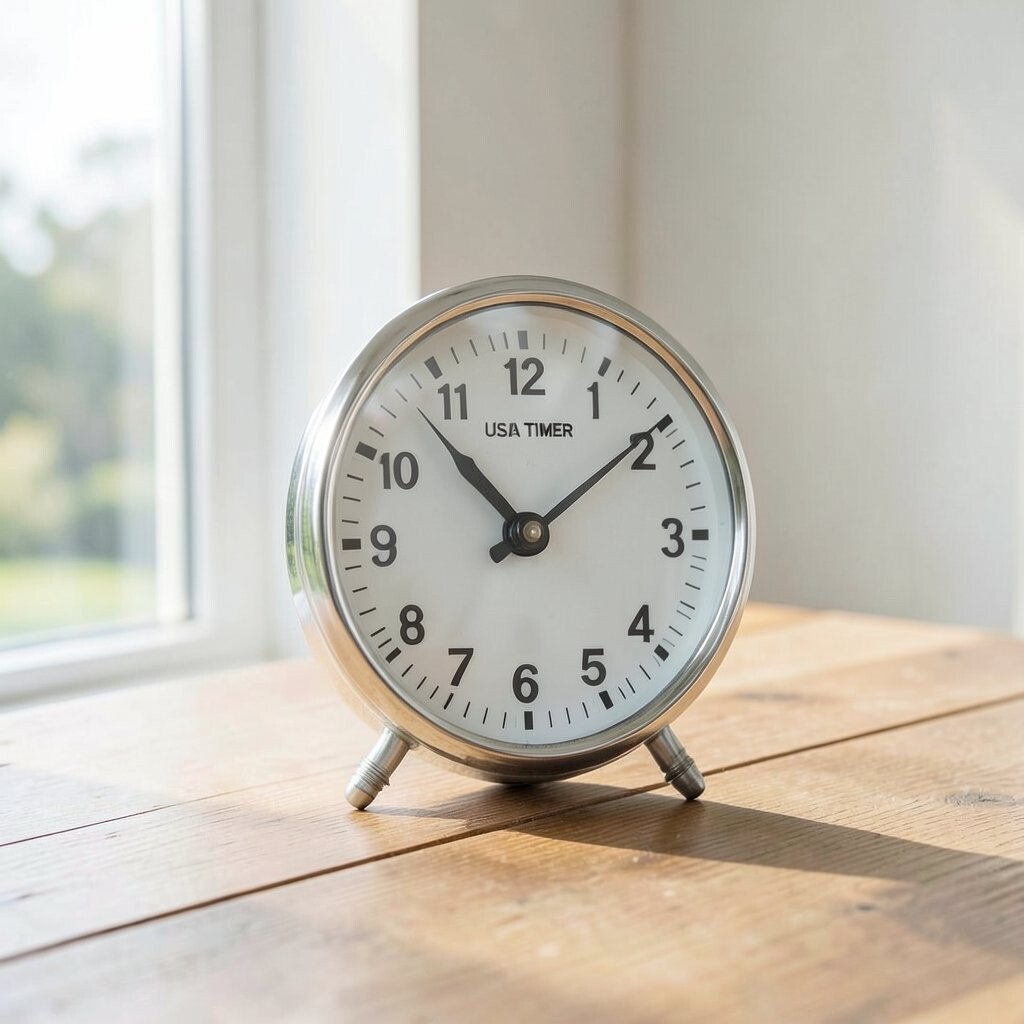
Set a short timer and write, sketch, or plan as quickly as you can without stopping to judge your work. The fast pace can feel exciting, and the page often fills with surprising shapes and thoughts before doubt gets in the way.
Try a few rounds with different themes, such as cozy, wild, clever, or bright. This practice is easy to personalize, free to run, and very handy when you want more ideas in less time.
Fast idea rounds fit the current need for simple, low-stress creativity that works at home or on the go. They can also build confidence, since each round shows that you do not need perfect conditions to make something useful.
17. Build A Little Ritual Before You Start
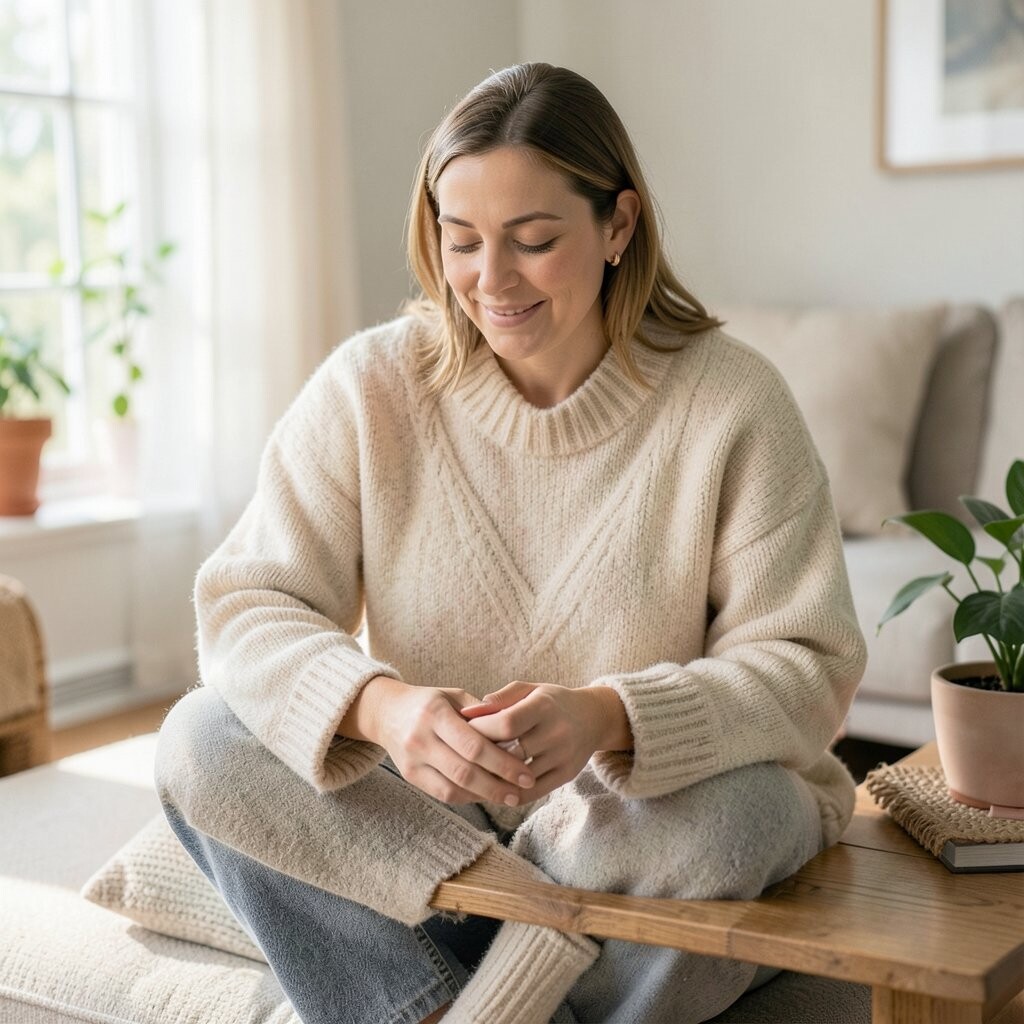
Light a candle, open a window, sip tea, or play one favorite song before you begin your creative work. A small routine can send a clear signal to your brain, and the calm scene helps your thoughts settle into place.
Keep the ritual simple so it feels comforting instead of like a chore. You can personalize it with scents, music, or objects that suit your style, and the cost can stay very low because even one familiar item can make the moment feel special.
People often use these small starts now because they make creative time feel easier to repeat. When the ritual feels good, the work that follows usually feels more open, more natural, and more ready for new ideas.