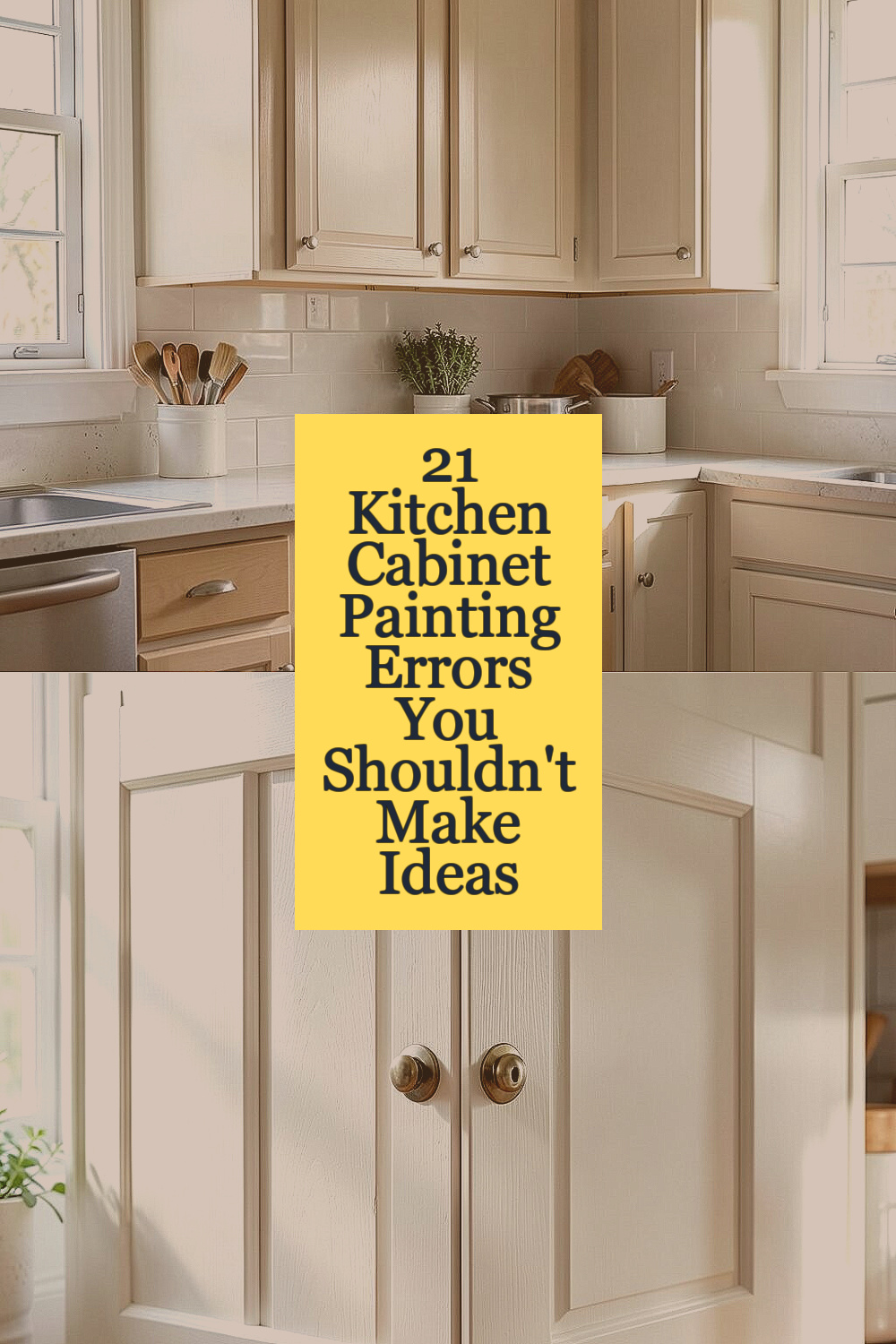
Fresh paint can make old cabinets feel bright and new. One small mistake can leave the whole kitchen looking rough.
1. Skipping a Full Clean
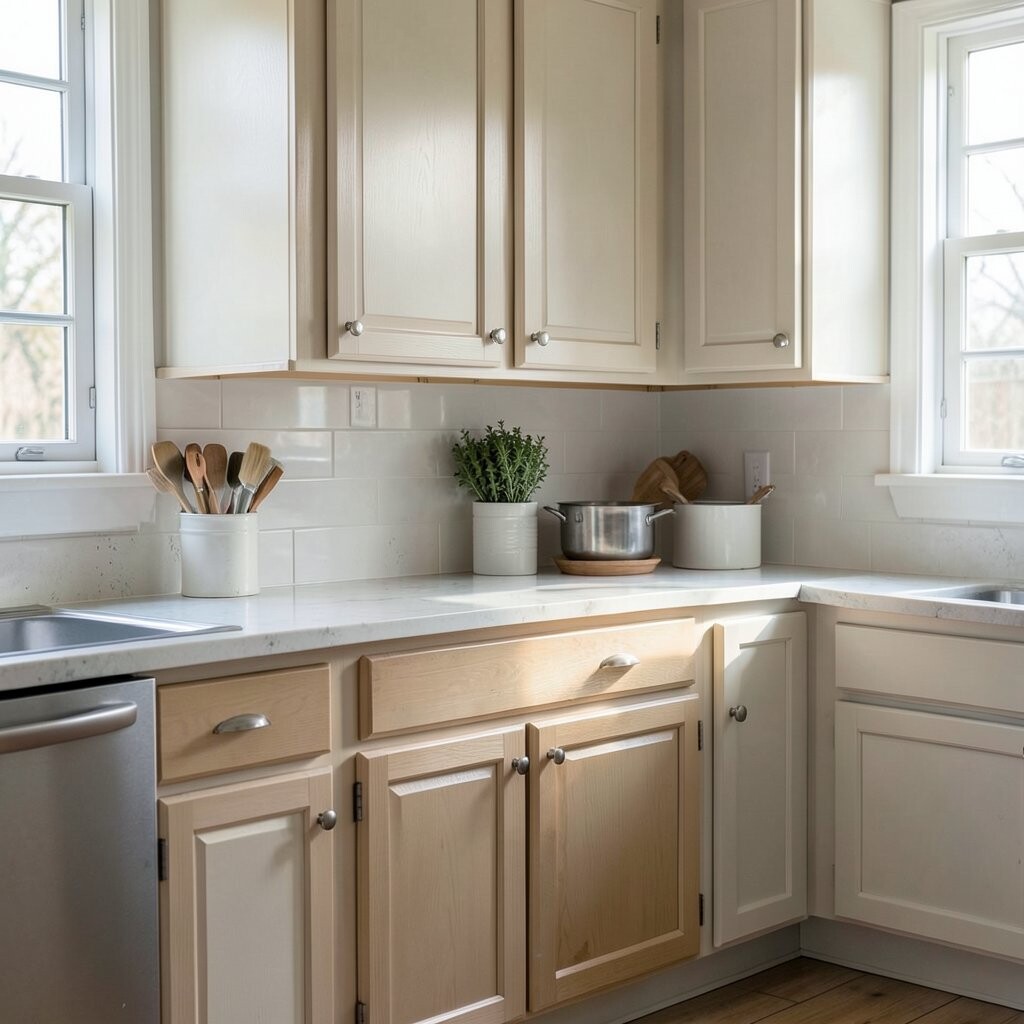
Grease and dust hide in tiny corners and make paint slip off later. A cabinet that looks smooth at first can start showing dull patches and peeling edges fast.
Warm soapy water and a little degreaser can save a lot of trouble. Clean cabinets also help paint look richer and more even, which makes the room feel fresher and more cared for.
2. Leaving Hardware on the Doors
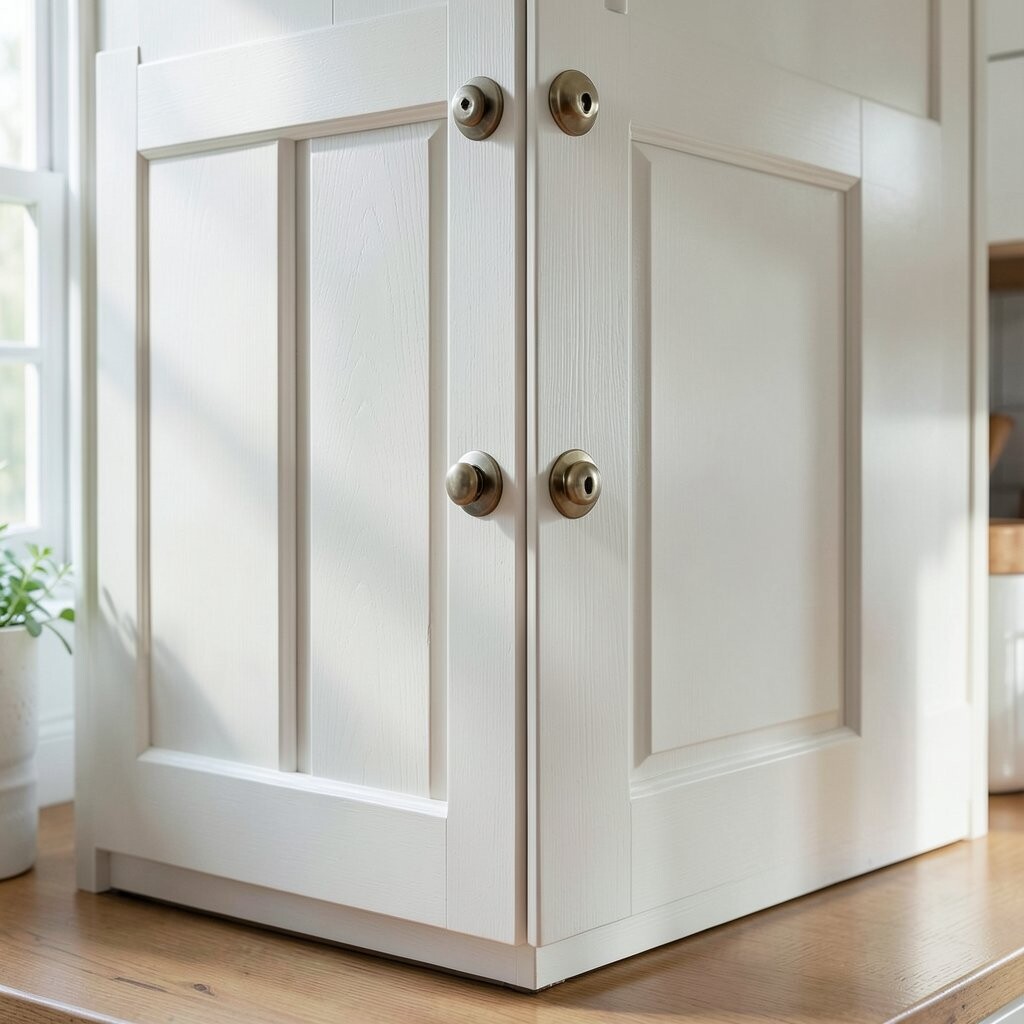
Painting around knobs and hinges often leaves messy edges and shiny spots. The cabinet may end up looking rushed instead of crisp.
Removing hardware gives you cleaner lines and a nicer finish. It also lets you change pulls or knobs for a more personal look without adding much to the total cost.
Many people like matte black, brushed brass, or simple wood pulls right now. Those choices can make painted cabinets feel modern while still matching a cozy kitchen style.
3. Forgetting to Sand
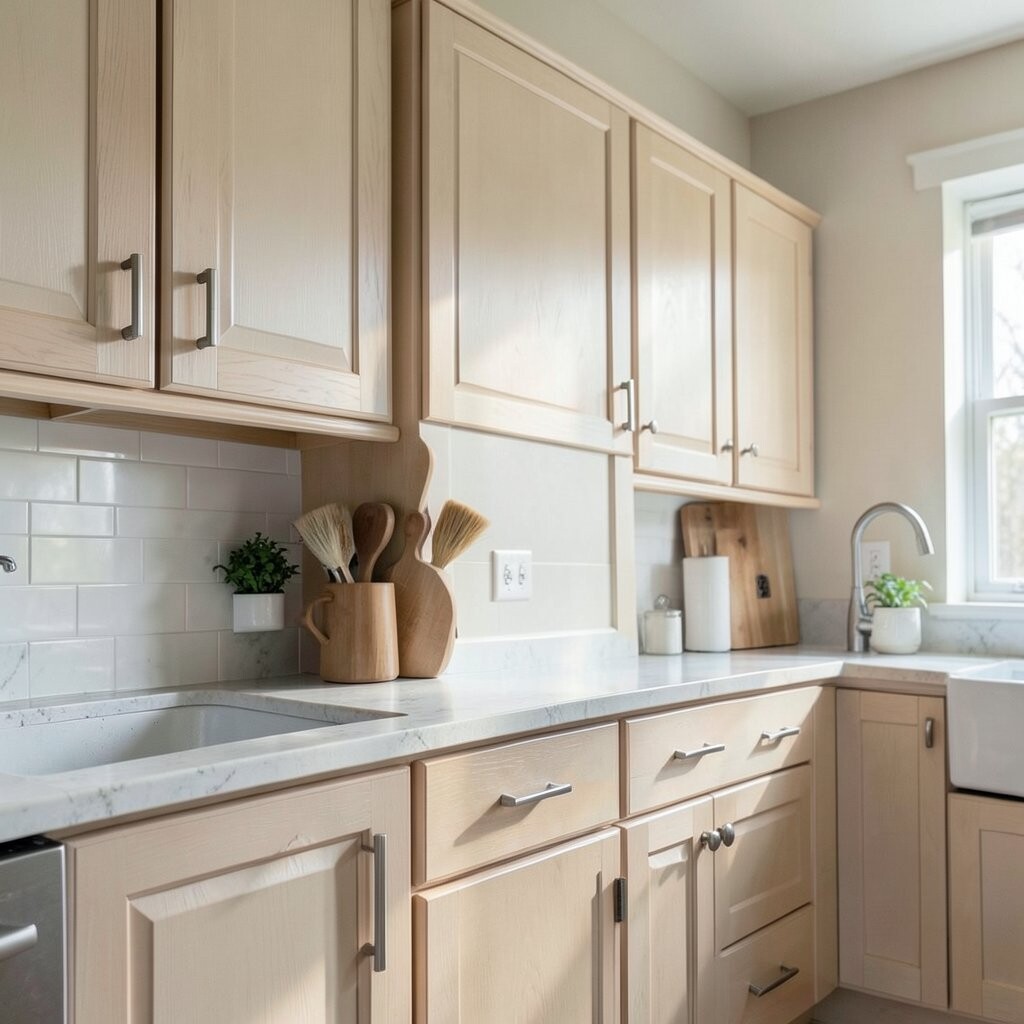
Old cabinet surfaces are often too smooth for new paint to hold well. If you skip sanding, the paint can slide around and show tiny flaws.
A light sanding makes the surface feel slightly rough and ready. That small step helps the paint grip better and can keep your hard work looking good longer.
It does not need to be heavy or dusty if you work slowly. A soft, even sand can keep the wood safe while still helping with a better finish and lower repair costs later.
4. Using the Wrong Paint Finish
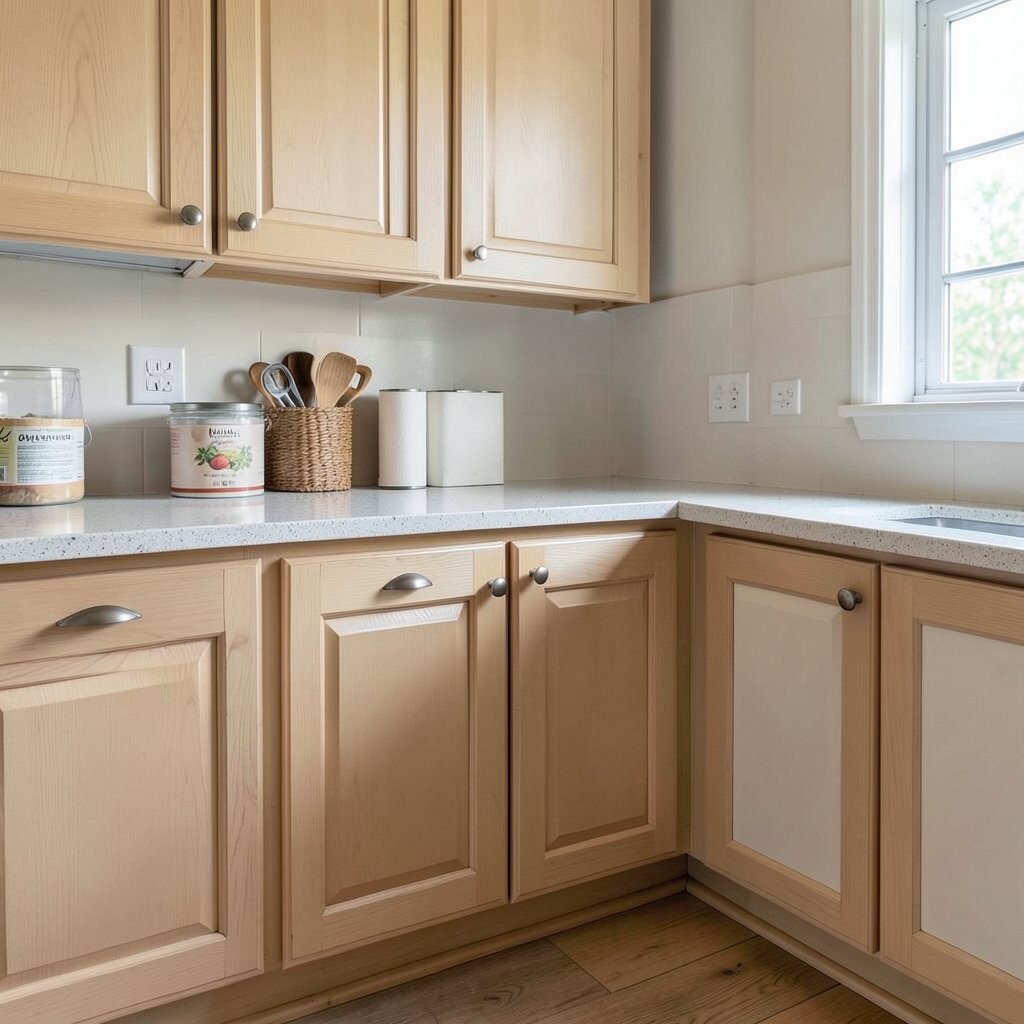
Flat paint can look chalky on cabinets and may be hard to wipe clean. Shiny paint can show every bump and brush mark if the prep work is weak.
Semi-gloss and satin finishes are popular because they balance shine and easy cleaning. They also give cabinets a smooth, bright look that works well in both modern and classic kitchens.
Choosing the right sheen helps the cabinets feel unique without making them fussy. It can also reduce the need for repainting soon, which keeps the project easier on your budget.
5. Painting Without Taking the Doors Off
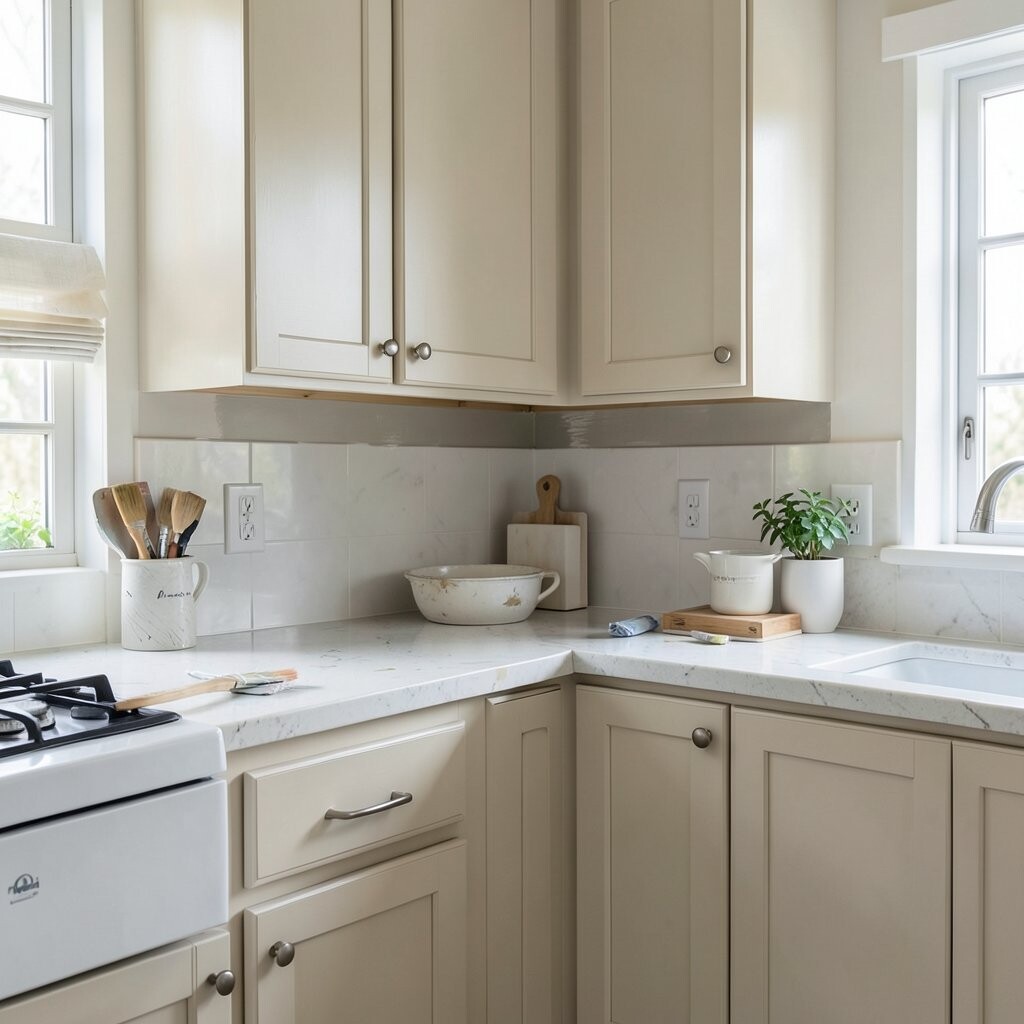
Cabinet doors look simple when they stay in place, but it is hard to reach every edge. Drips and uneven strokes often show up where you least want them.
Taking the doors off makes painting calmer and more careful. You can lay them flat, see the full surface, and get a cleaner result that looks more polished from across the room.
It also makes room for small style touches like painting the inside edge a soft contrast color. That kind of detail feels special and can make a basic kitchen look more custom without a huge expense.
6. Rushing the Prep Work
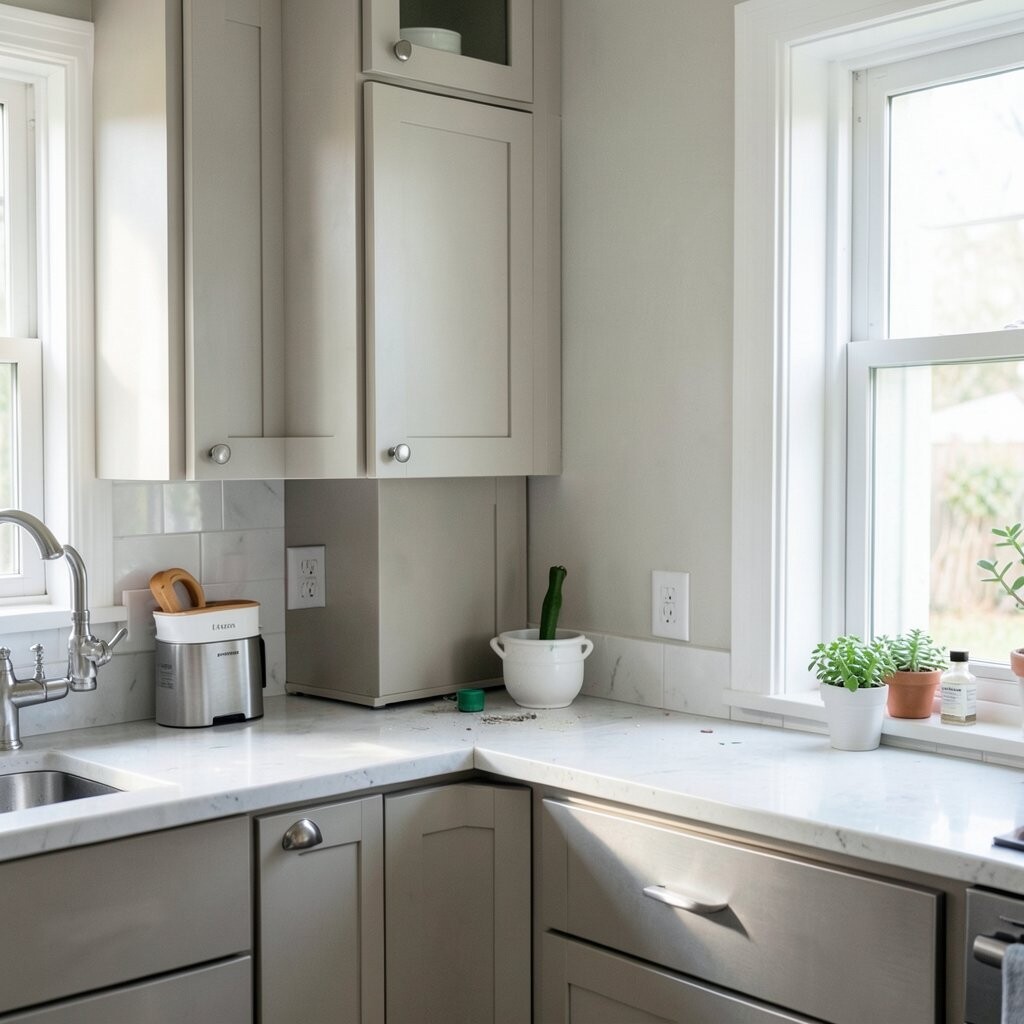
Many people want the pretty color fast, but prep is what makes the finish last. When that step gets rushed, stains, scratches, and old dings can still show through.
Good prep often means filling holes, wiping dust, and checking every surface under bright light. The cabinets may look a little plain at first, yet the final result feels much more solid and neat.
Careful prep can also lower the chance of needing touch-ups later, which saves money and time. A smooth base gives you more freedom to pick bold colors or softer shades with confidence.
7. Choosing a Color That Fights the Room
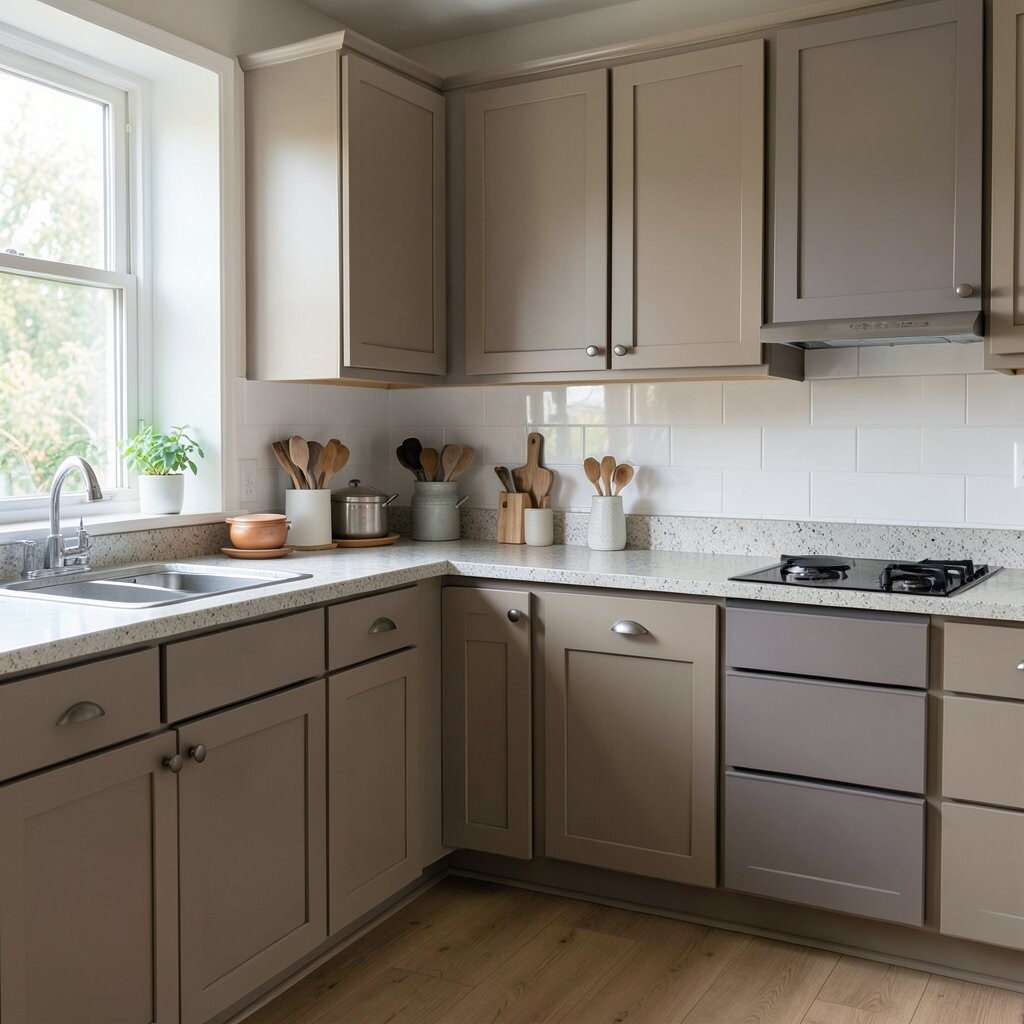
Some colors look great on a sample chip but feel too dark or too loud in the kitchen. Natural light, floor color, and wall color all change how the cabinets will look.
Trying a sample on the actual cabinet helps you see the real effect at different times of day. That simple test can keep the room feeling open, warm, and easy on the eyes.
Soft greens, warm whites, and dusty blues are still popular because they feel calm and homey. A good color choice can make the kitchen feel more personal without needing extra decor or high costs.
8. Forgetting Primer
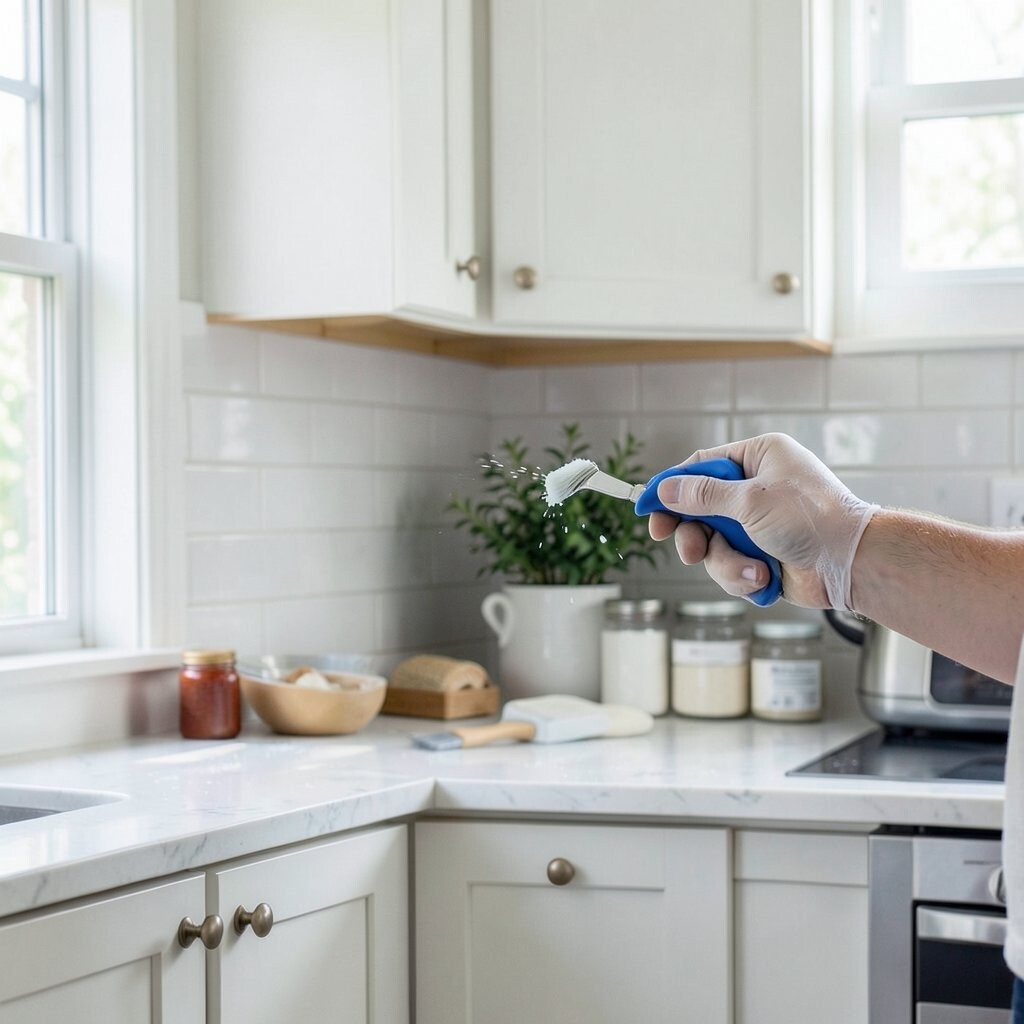
Primer helps paint stick better and can hide stains that would show through the top coat. Without it, the cabinet color may look patchy or thin.
Some cabinets need stain-blocking primer, especially if they are dark or older. Using the right primer often means fewer coats of paint and a cleaner look that feels smoother and brighter.
Primer also helps when you want a fresh trend color over old wood tones. That support can make the whole project more reliable and more worth the money you spend on supplies.
9. Applying Paint Too Thickly
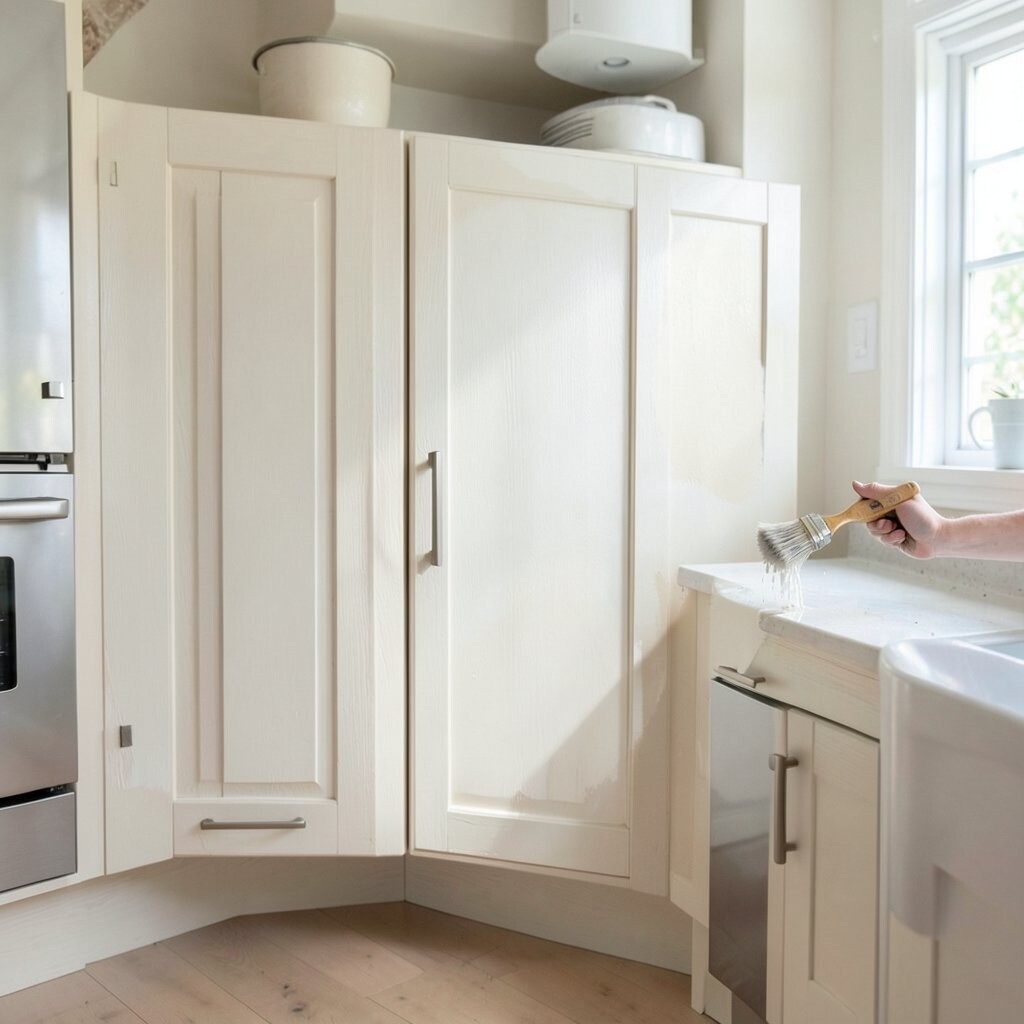
Heavy paint may seem like a fast way to get full coverage, but it often leaves drips and sticky edges. Thick layers can also take longer to dry and stay soft for too long.
Thin coats build a nicer finish and help each layer settle evenly. The cabinets can end up looking sleek and more professional, which makes the whole kitchen feel more put together.
Patience here is a real money-saver because fewer mistakes mean less sanding and less repainting. It also gives you room to personalize with a smooth top coat that shows off the color well.
10. Ignoring the Brush and Roller Choice
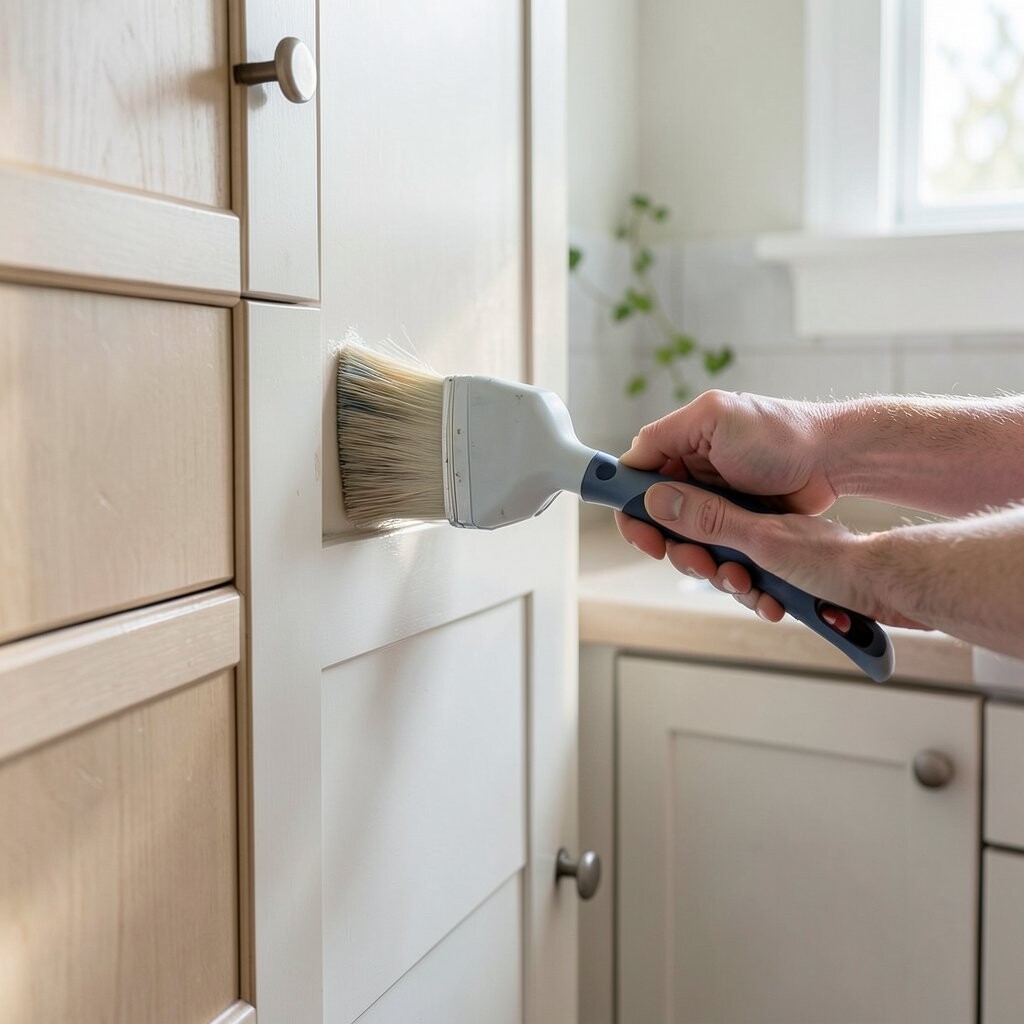
The wrong tools can leave streaks, bubbles, and rough spots that stand out right away. A cheap brush may shed bristles and make the surface look messy.
Using good brushes and a small foam roller can help paint look smoother on flat cabinet parts. That cleaner look feels more unique because the finish appears even instead of patchy or tired.
Better tools often cost a little more at the start, but they can make the job easier and faster. Many people also like to use a small angled brush for corners since it gives more control in tight spaces.
11. Painting in a Dusty Space
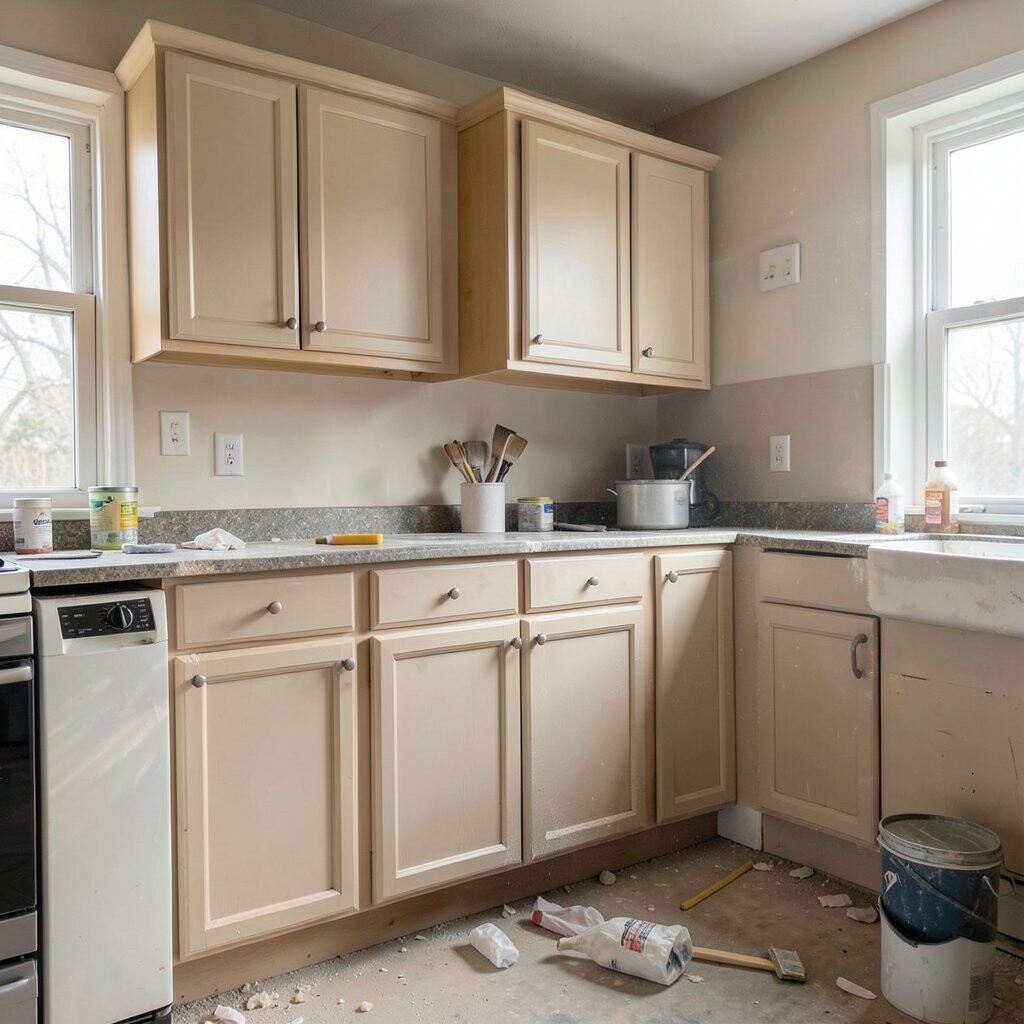
Dust floating in the room can stick to wet paint and leave tiny bumps everywhere. Even a neat coat can look rough if the air and nearby surfaces are dirty.
Wiping shelves, floors, and nearby counters before painting helps a lot. A cleaner space supports a smoother finish and gives the kitchen a fresher, brighter feel.
It also makes the project feel more personal because the space is ready for your style choices. When the room is tidy, you can better judge color, sheen, and other details without extra clutter getting in the way.
12. Painting in Bad Light
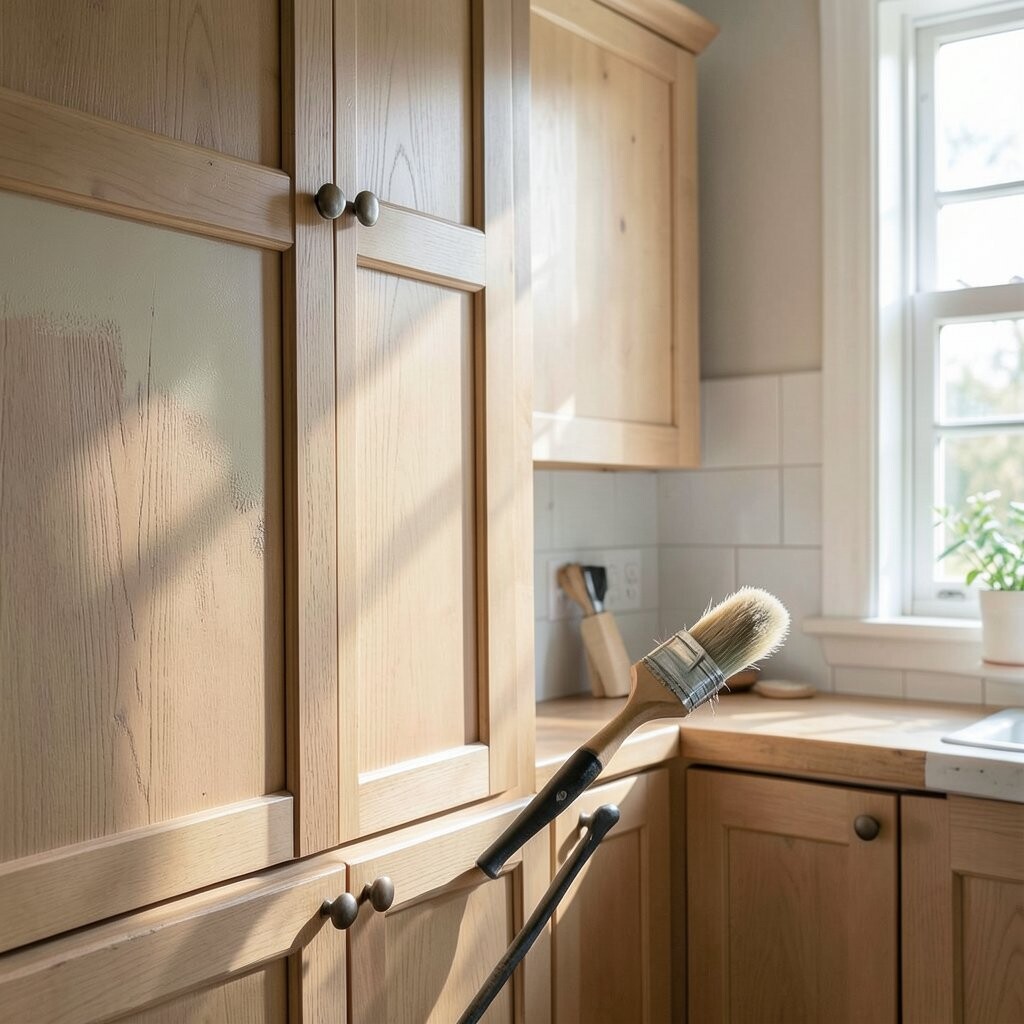
Dim light can hide missed spots, drips, and thin edges until the paint dries. Later, those small misses can make the cabinets look uneven and unfinished.
Bright lamps or daylight help you see what you are doing while you work. Good light makes it easier to spot flaws early, which can improve the final look and protect the value of your effort.
Many homeowners now use warmer bulbs in kitchens to make painted cabinets feel welcoming. That choice can also help you pick colors that match the room instead of fighting with it.
13. Not Letting Each Coat Dry
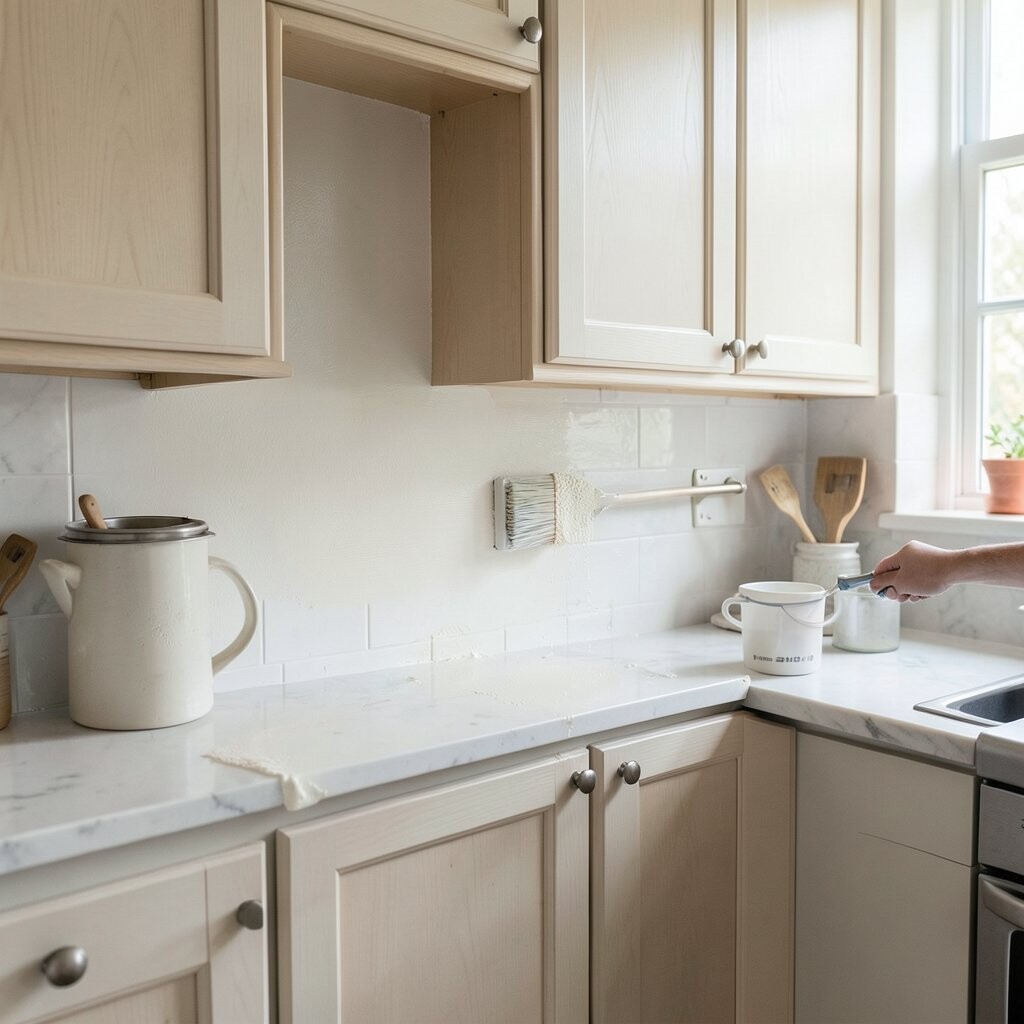
Wet layers that get covered too soon can trap marks and make the finish tacky. The cabinet doors may feel dry on top but still stay soft underneath.
Waiting the full drying time gives each coat a chance to harden properly. That patience helps the paint feel smoother to the touch and stronger against daily use.
It may slow the job a little, but it can save a lot of repair work later. The extra wait also gives you time to think about small style changes before the next coat goes on.
14. Painting Over Damaged Wood
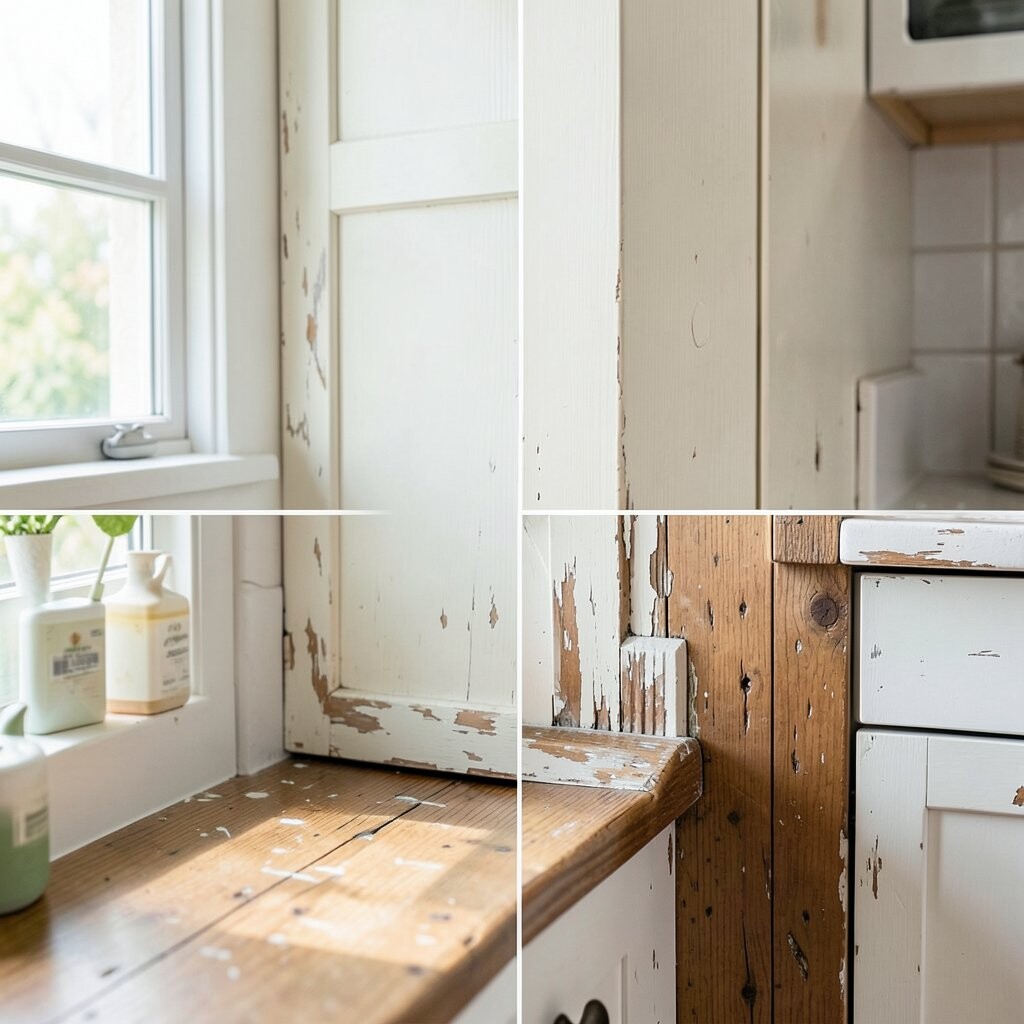
Dents, chips, and peeling spots can still show through fresh paint if they are not fixed first. Those flaws often stand out more once the light hits a smooth painted surface.
Wood filler and a little sanding can help cabinets look tidy again. Repairing damage first makes the finish feel more polished and helps the paint sit on a stronger base.
Taking care of repairs can cost a bit more at the start, but it usually keeps the whole project from looking cheap. It also makes the cabinets more ready for trendy colors that need a clean backdrop.
15. Picking the Same Color for Every Surface Without Thought
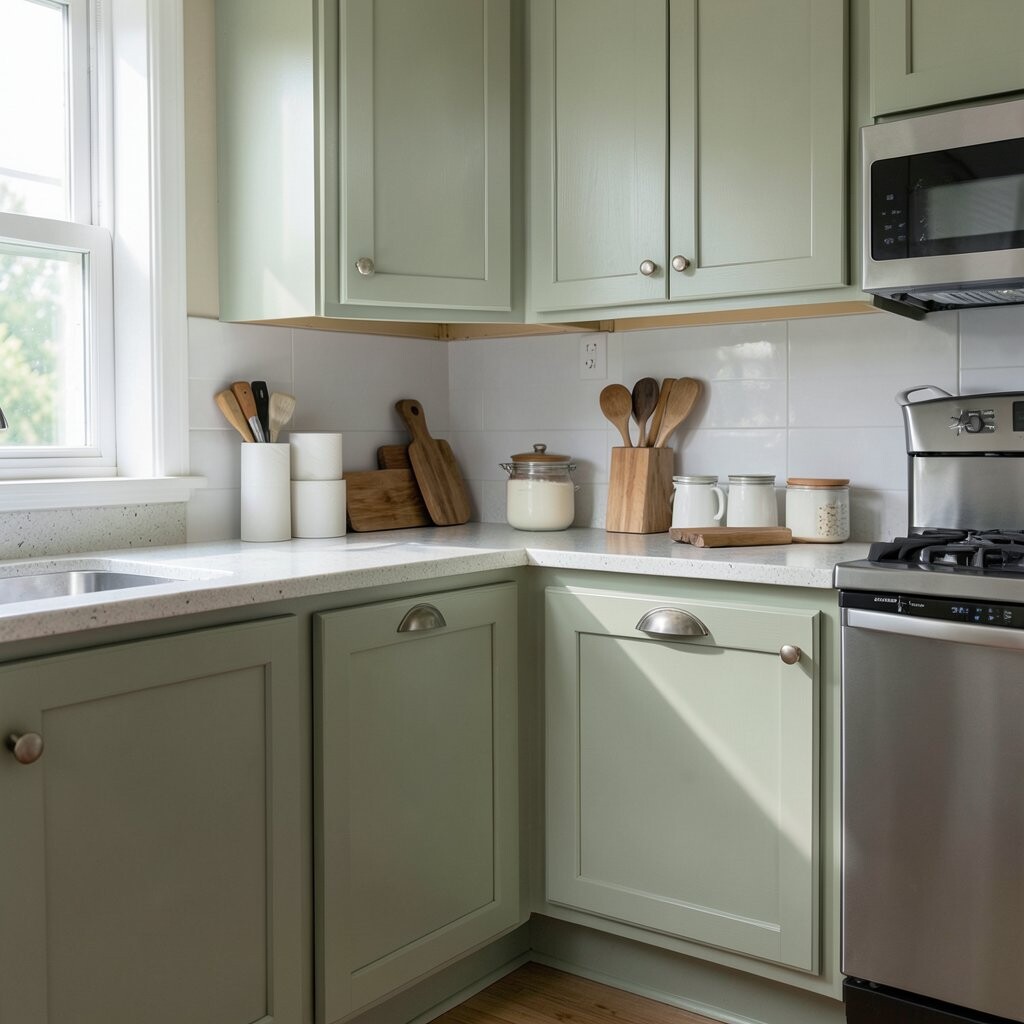
One flat color everywhere can make the kitchen feel dull if it does not fit the room well. Cabinets need to work with counters, walls, floors, and even sunlight.
Sometimes a softer island color or a slightly deeper base cabinet shade adds charm. That little difference can make the space feel custom and more lively without making it feel busy.
This kind of planning does not always cost much, but it can make the room feel richer. A thoughtful color plan also gives you more room to show your own style while staying in step with current home trends.
16. Overlooking the Cabinet Interior
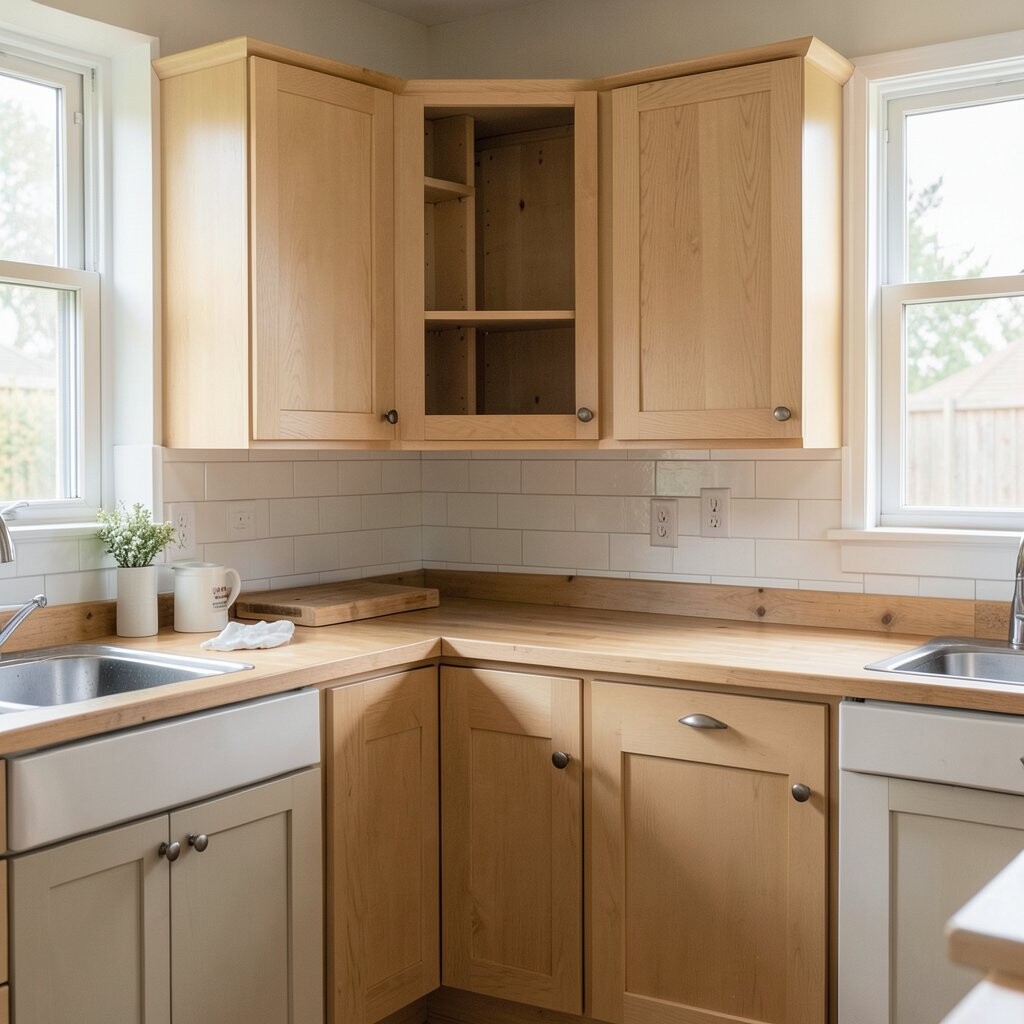
The outside may look great, but open a door and a tired inside can spoil the effect. Dusty shelves and stained interiors make the whole project feel less finished.
A quick clean or fresh paint inside the most visible cabinets can make a big difference. It gives the kitchen a neat, cared-for feel that people notice when doors are open.
Not every cabinet needs the same treatment, so you can choose where to spend your time and money. That flexibility lets you personalize the project in a smart way while still keeping the look clean and inviting.
17. Using Too Much Tape
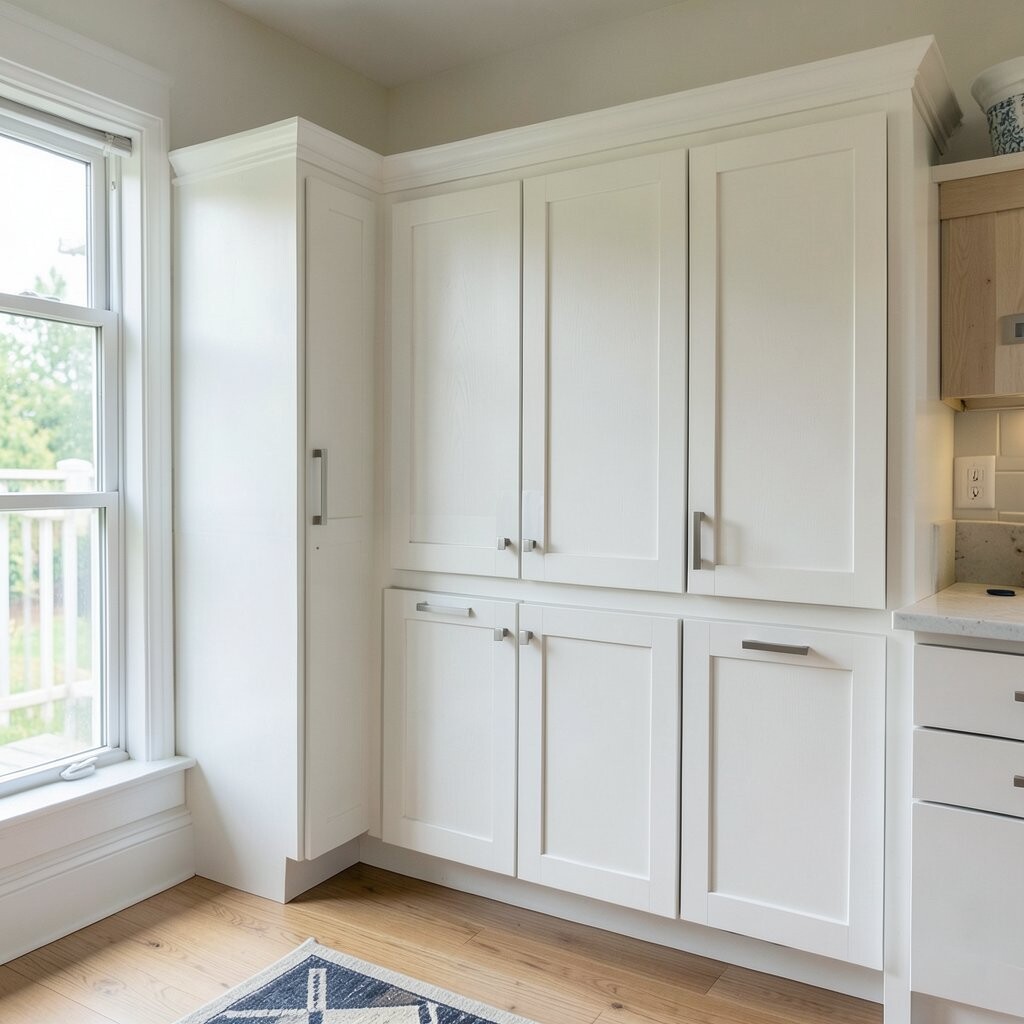
Tape can help protect edges, but too much of it may pull up fresh paint later. It can also hide spots that need attention while you work.
Careful handwork often gives cleaner results than covering every inch with tape. With a steady brush and a little practice, the edges can look crisp and more natural.
Using less tape may also save money and reduce cleanup. Many painters like this approach because it keeps the project simple while still allowing room for a neat, personal finish.
18. Forgetting the Cabinet Boxes
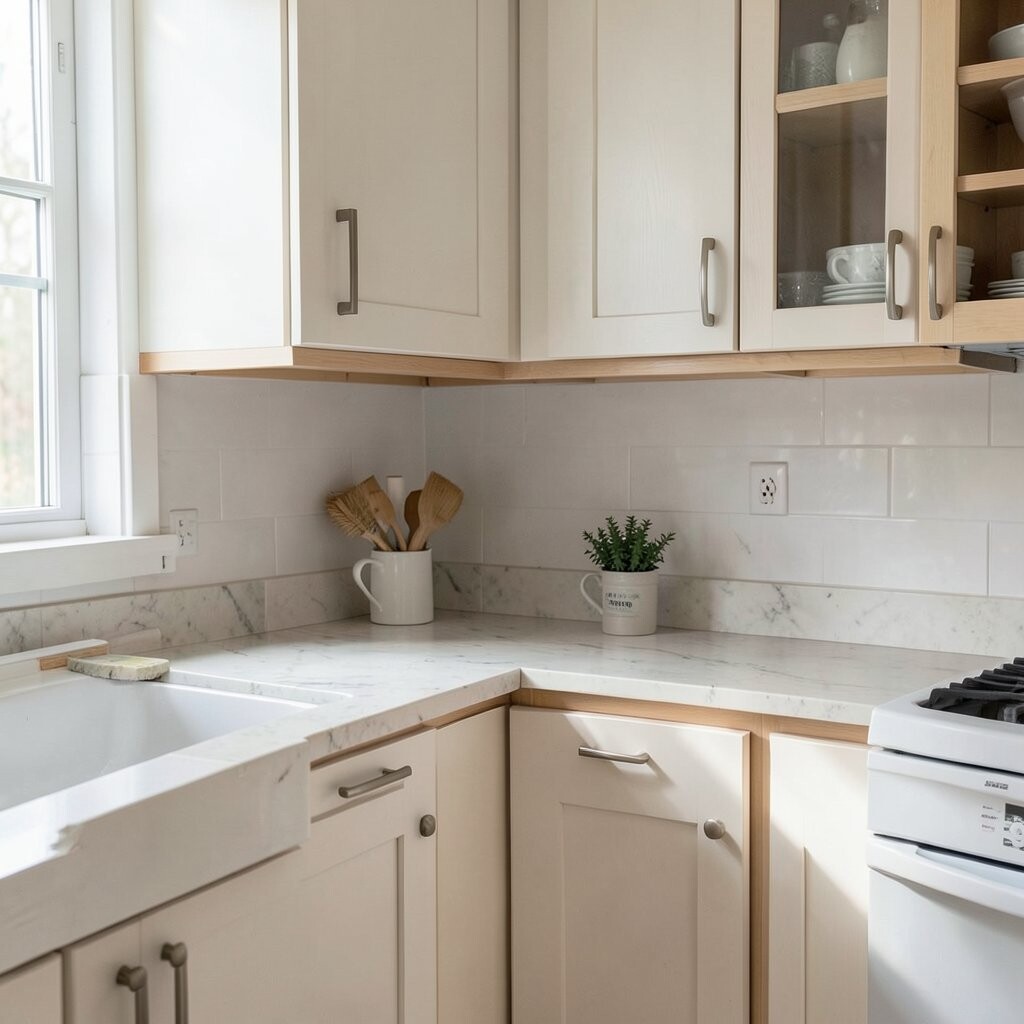
If only the doors get painted, the kitchen can look half-finished once everything goes back together. The cabinet frames may still look old beside the fresh fronts.
Painting the boxes too helps the whole kitchen feel connected and bright. That fuller look can make a modest update seem much more complete and worth the effort.
Some people choose to match the boxes to the doors, while others use a softer shade for depth. Both choices can be unique and stylish, and the right one depends on the feel you want in the room.
19. Not Testing the Finish on a Hidden Spot
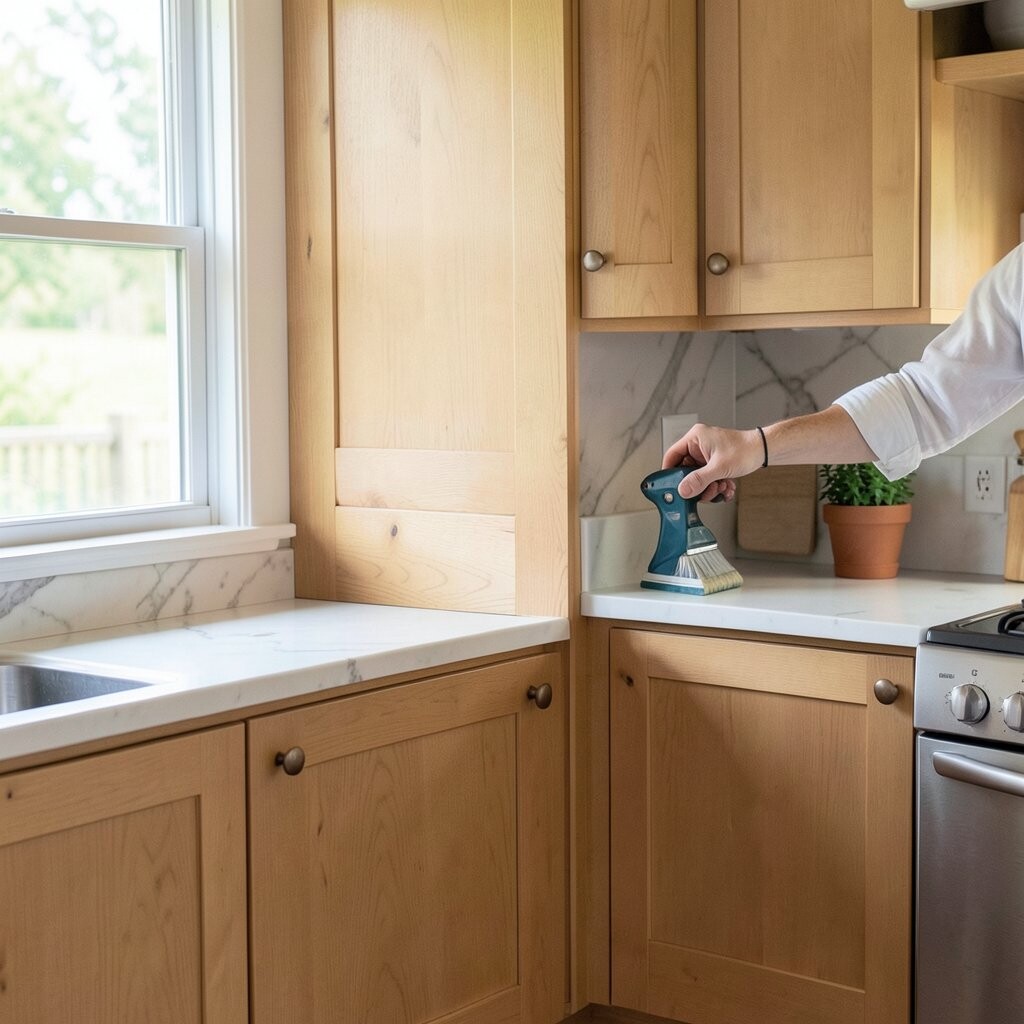
A color or paint type can look very different once it touches real wood. Testing in a small hidden spot helps you see the true tone and shine before you commit.
This small step can stop expensive mistakes and save the trouble of repainting large areas. It also gives you a chance to check how the finish looks next to counters, floors, and wall paint.
People who like current kitchen style trends often test a few finishes to see what feels best in their home. That little trial can lead to a more personal result that feels right every time you walk in.
20. Rehanging Doors Too Soon
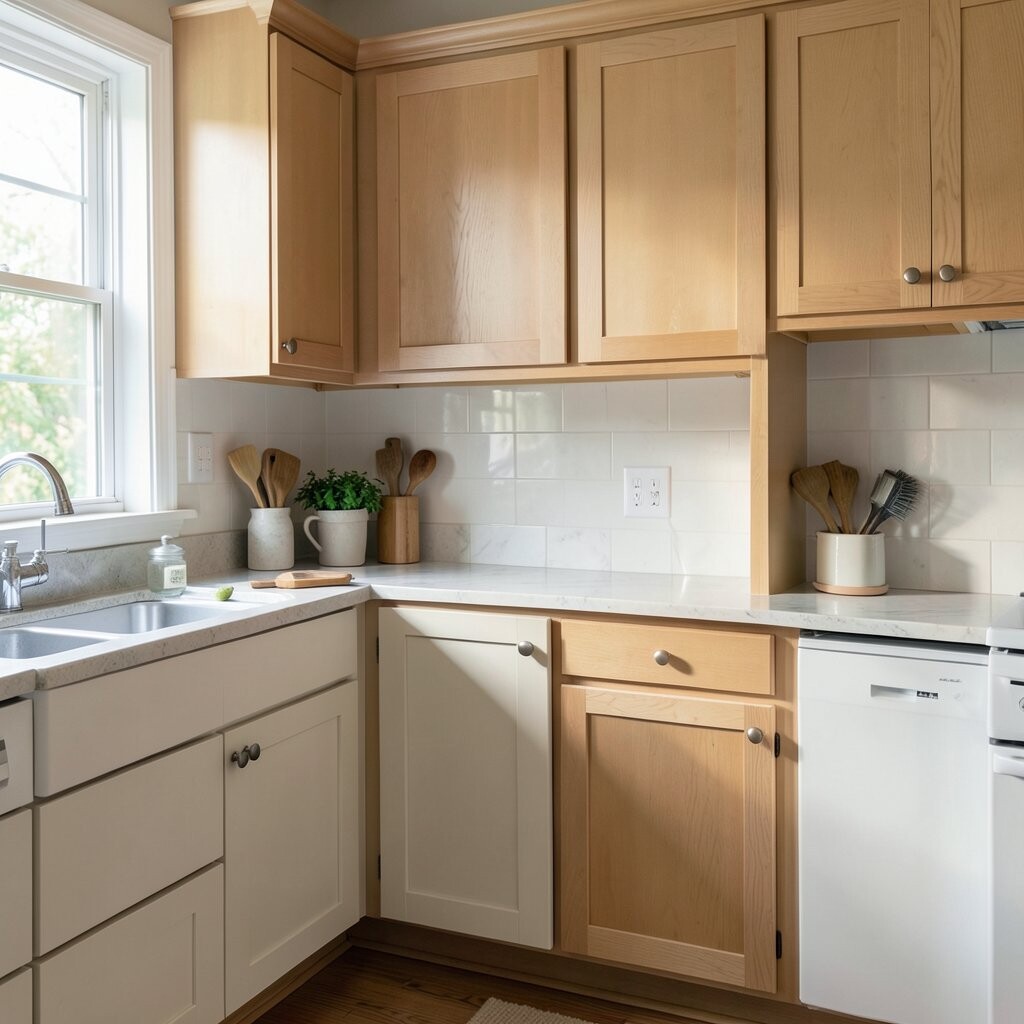
Fresh paint may seem dry, but it can still be soft enough to stick or chip when doors are put back too fast. Tight screws and rubbing edges can leave marks right away.
Waiting until the paint fully hardens protects all your hard work. The doors will swing better, and the finish will stay cleaner when the kitchen starts getting daily use again.
That patience can keep you from paying for touch-up paint or extra supplies later. It also gives the cabinets a longer-lasting, more finished look that feels worth the wait.
21. Choosing Style Without Thinking About Daily Use
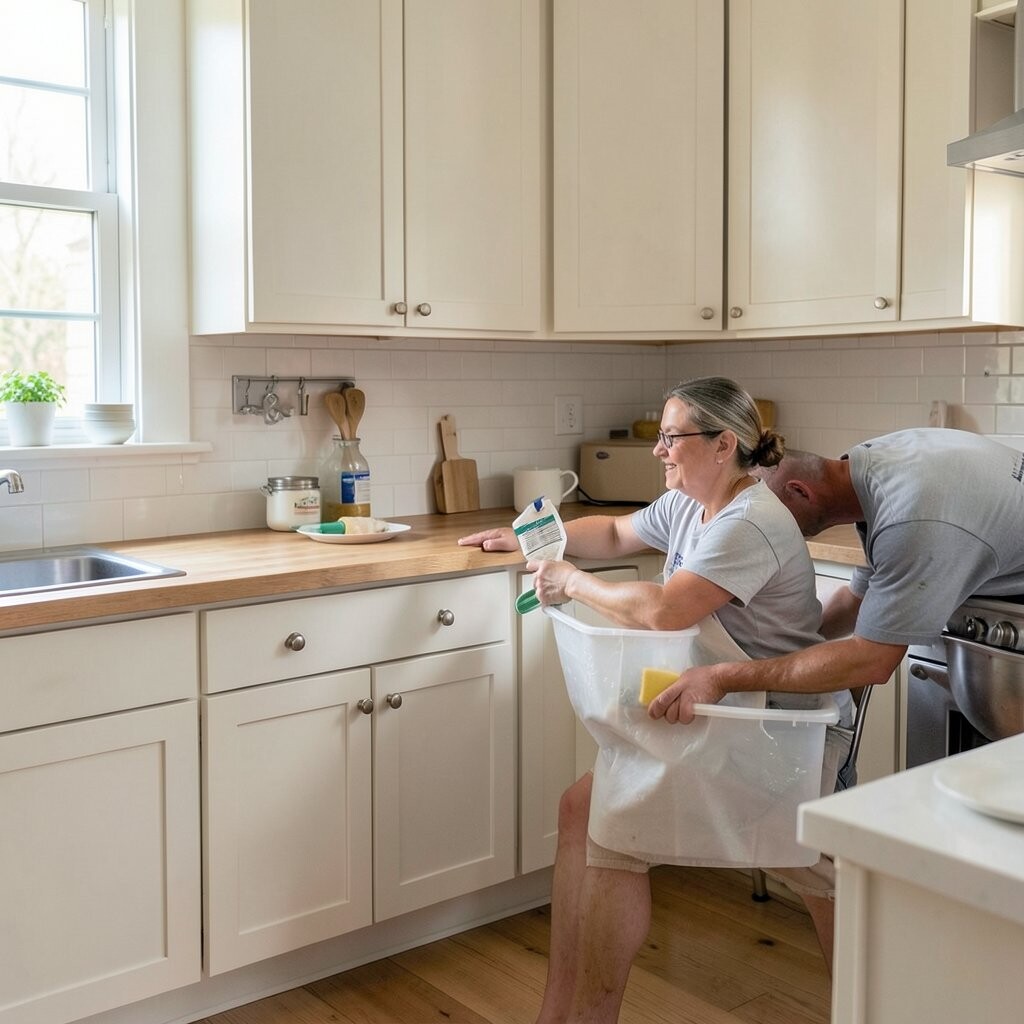
A beautiful cabinet color is only helpful if it works for real life in the kitchen. Glossy finishes, very light paints, and trendy dark shades each show different kinds of wear.
Thinking about fingerprints, cooking mess, and how often the kitchen gets used helps you make a smarter choice. The best cabinets are the ones that look good and still feel easy to live with every day.
When style and use match well, the kitchen feels more personal and more comfortable. That balance is often the smartest way to spend money because it gives you a look you love without making cleaning or care too hard.