
Kitchen plans can look beautiful on paper. The real test begins when you start cooking, cleaning, and living in the space every day.
1. Ignoring the Kitchen Work Flow

A kitchen can look sleek and still feel clumsy if the work flow is off. When the sink, stove, and fridge sit in awkward spots, cooking turns into a lot of extra walking and a lot of small frustrations.
One smart fix is to think about how you move when you make a meal. A good layout keeps the path clear, which makes the room feel calmer and more open, and that often costs less than people think because it is about smart planning, not fancy extras. This kind of setup also feels more personal when you match it to how your family really cooks, and today many people like open paths and easy movement because homes feel more relaxed that way.
2. Choosing Style Over Storage
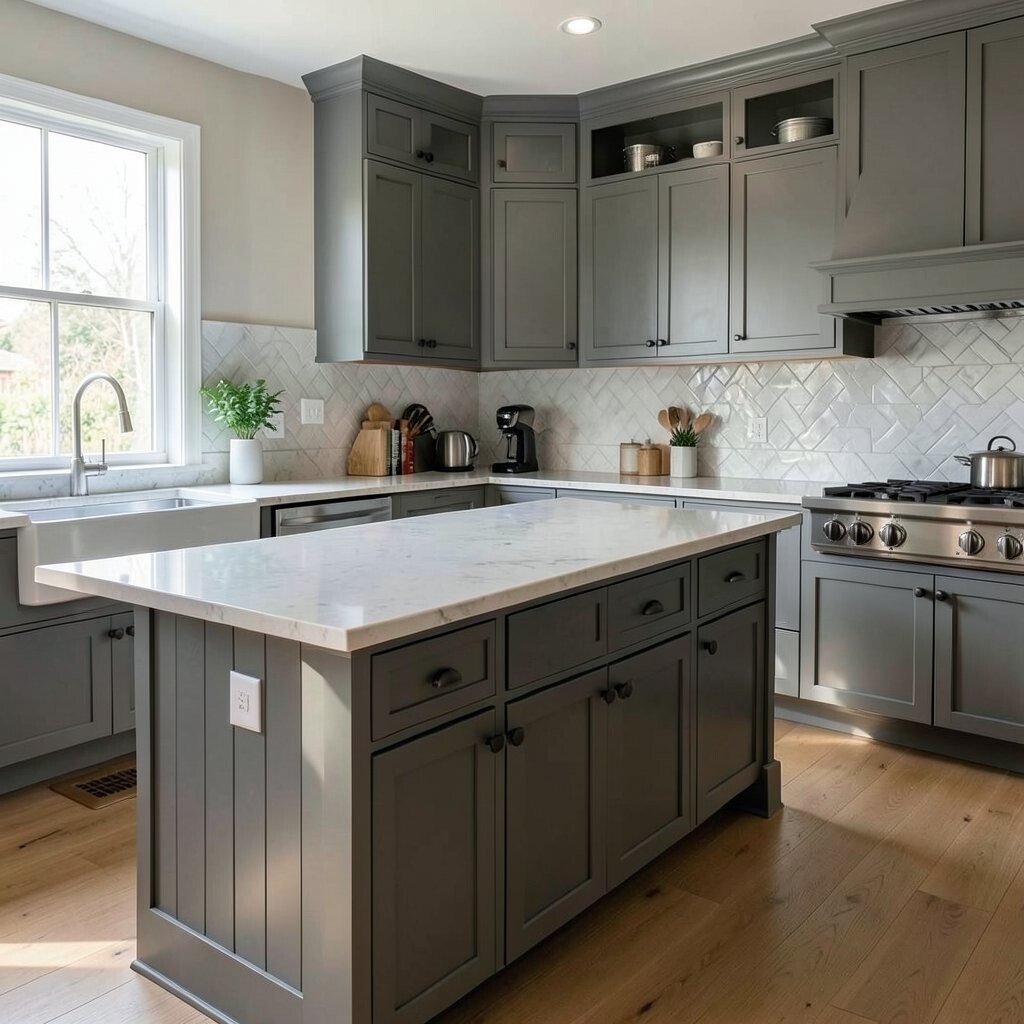
Pretty cabinets mean little if there is nowhere to put pots, snacks, and small tools. A room full of clutter can make even a bright kitchen feel busy and small.
Deep drawers, pull-out shelves, and tall pantry spaces can make a big difference. They help keep counters clear, which gives the kitchen a cleaner look and saves time during busy mornings, and you can choose simple storage pieces that fit almost any budget. Many current kitchens use hidden storage to keep the space calm, and that look can be made your own with glass doors, warm wood, or painted fronts that suit your home.
It also helps to think about what you use most often. If your favorite mugs or daily dishes are easy to reach, the whole room feels friendlier and more useful.
3. Skipping Good Lighting
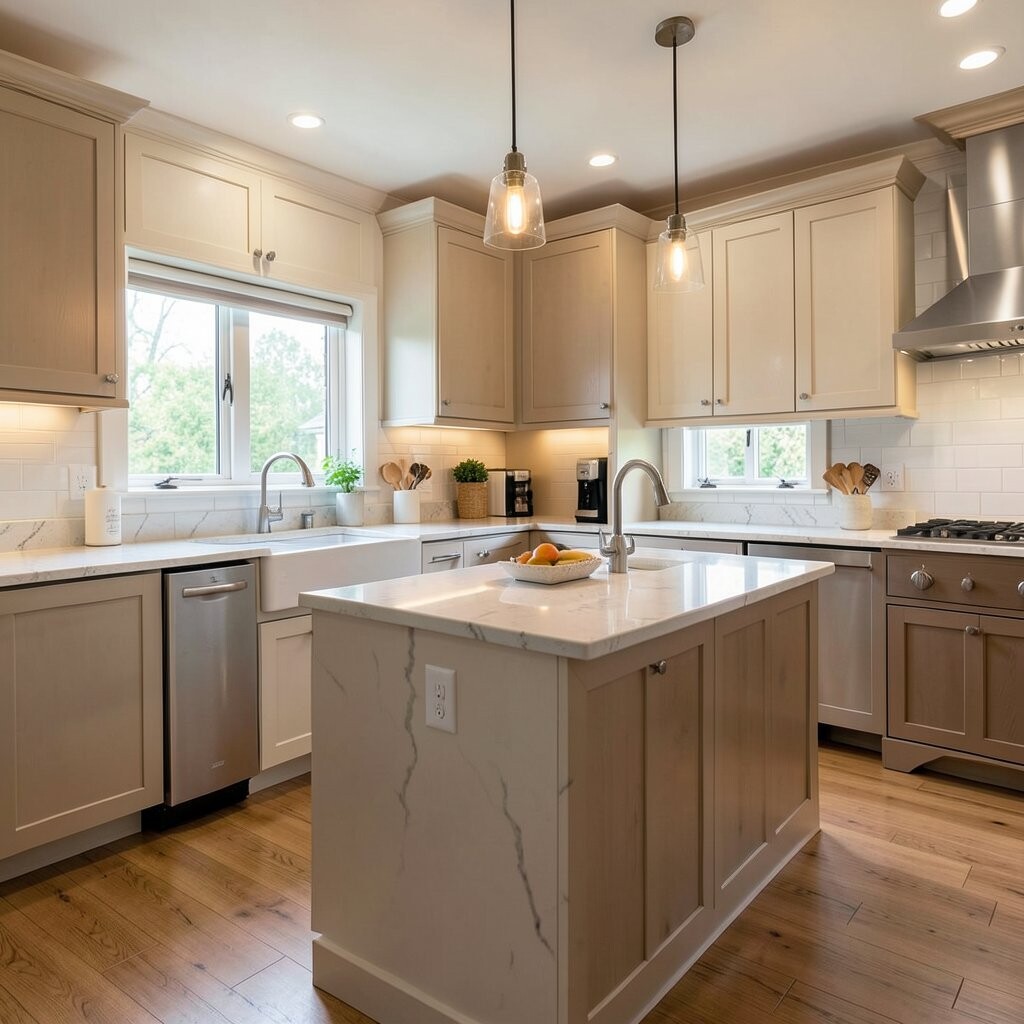
Dark corners can make cooking hard and can also make a kitchen feel smaller than it is. A room with weak light may look nice at dinner, but it can feel tired during prep time.
Layered lighting works best because it helps in different ways. Bright task lights over counters, softer light for the room, and a bit of style from pendants or wall lights can make the kitchen look fresh and easy to use, and simple fixtures can keep the price in check. People often like lighting that feels warm and modern, and you can make it feel special by picking shades, finishes, or bulb tones that match the mood of your space.
Good light also makes colors look better, from cabinet paint to fruit bowls on the counter. That small change can make the whole room feel more cheerful and cared for.
4. Making Counters Too Small
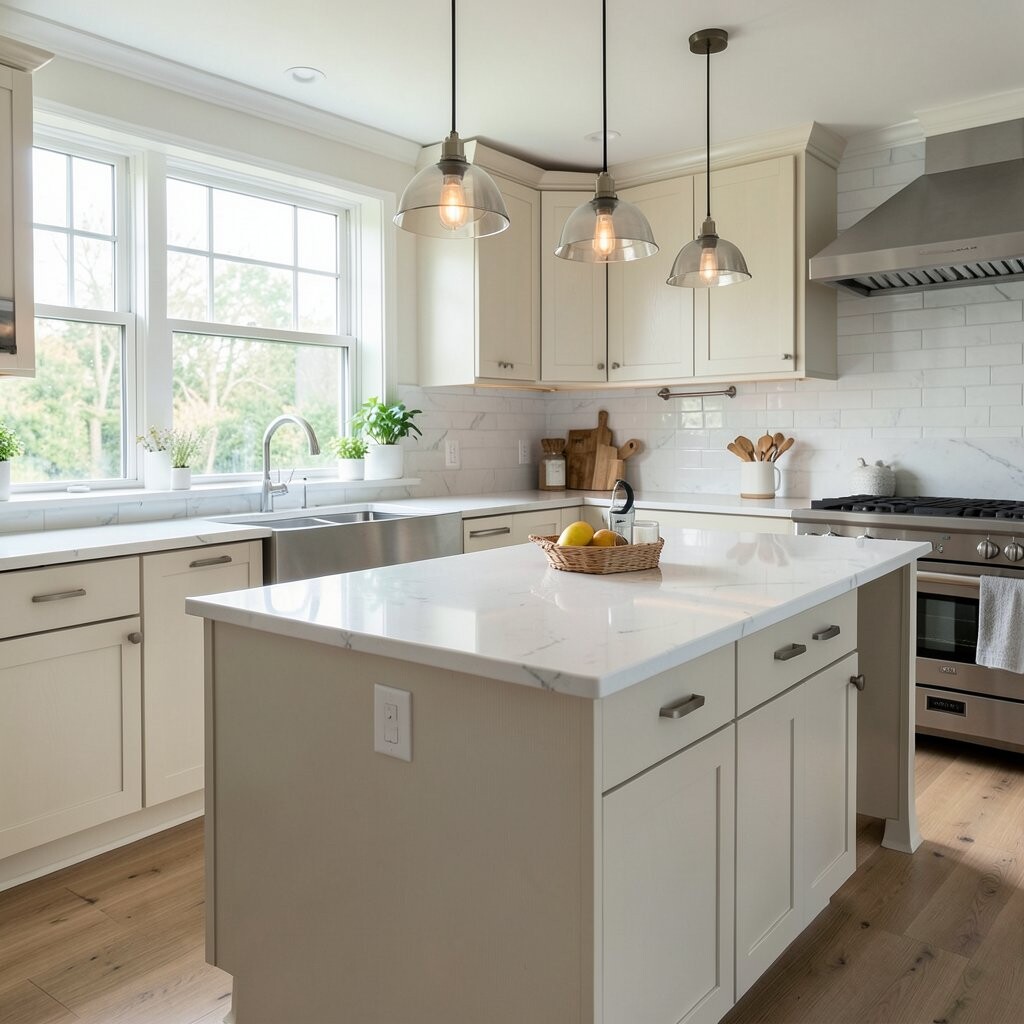
Small counters can turn every meal into a juggling act. Without enough room to chop, mix, and set things down, the kitchen starts to feel crowded fast.
Extra counter space gives you a place to work without stress. It can also raise the value of the room because people love surfaces that feel open and useful, and choosing a simple counter material can help keep costs lower while still looking nice. A wide work area can be shaped to fit your life, whether you bake often, pack school lunches, or need space for a coffee setup that feels a little special.
Try to leave one clean stretch of counter open most of the time. That blank space makes the room feel polished and gives your kitchen a more welcoming look.
5. Picking the Wrong Cabinet Height

Cabinets that sit too high or too low can make the room feel awkward. You may stretch too far for dishes or end up with wasted space above or below the storage.
Good cabinet placement helps the kitchen feel balanced and easier to use every day. It also creates a neat visual line that can make the room look taller, and using standard sizes often keeps the project more affordable than special builds. Some people like cabinets that reach the ceiling for a dramatic look, while others prefer open space and lighter shelves, so the best choice should fit both your habits and your style.
Think about who uses the kitchen most often. A family with kids may want lower storage for snacks and plates, while taller cooks may want a setup that saves their back and shoulders.
6. Overlooking the Sink Area
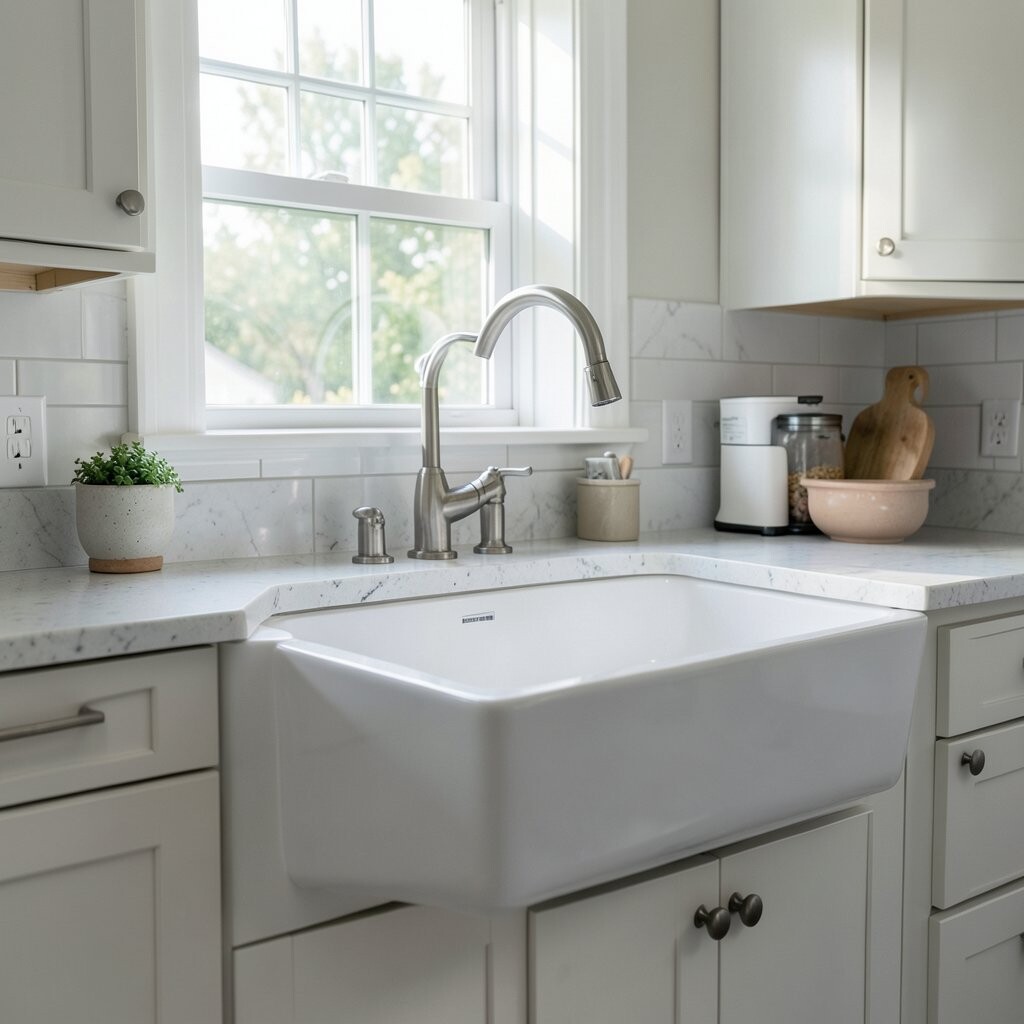
The sink is one of the hardest-working spots in the kitchen, yet it often gets too little attention. If the sink is cramped or poorly placed, washing dishes and rinsing produce can feel messy and slow.
A well-planned sink zone can make the whole room feel smoother. Adding space around it for soap, towels, and prep work keeps things neat, and a sturdy faucet or a deeper basin can give the kitchen a cleaner, more finished look without a huge price jump. Many newer kitchens use simple, easy-to-clean sink styles because they save time, and you can make the area feel more like yours with a unique faucet finish or a pretty backsplash behind it.
Small changes here can make daily jobs easier. That often matters more than a trendy detail that looks good but does not help much.
7. Forgetting About Traffic Paths

A beautiful kitchen can become annoying if people keep bumping into each other. Narrow walkways and busy corners make it hard for more than one person to work at the same time.
Clear paths help the room feel open and safe. They also make the kitchen more welcoming during parties or family meals, and good planning can save money by avoiding later changes that fix a bad layout. Many homes now aim for spaces that feel easy to move through, and you can add your own touch with a breakfast nook, a slim island, or open shelving that keeps the room from feeling heavy.
Think about where doors open and where chairs get pulled out. A few inches in the right spot can make the kitchen feel much better each day.
8. Using the Wrong Materials

Shiny surfaces may look lovely at first, but some of them scratch, stain, or show fingerprints too easily. That can make the kitchen feel worn out long before it should.
Choosing the right materials helps the room stay pretty and practical at the same time. Durable counters, washable paint, and easy-clean floors can save money over time because they last longer and need less repair, and that makes the kitchen feel like a smart investment. Natural textures are very popular right now, and you can make the look more unique with wood grain, matte finishes, or stone that adds warmth and character.
It is wise to match materials to how you live. A busy home may need tough, low-fuss surfaces more than delicate ones that need a lot of care.
9. Leaving No Place for Small Appliances
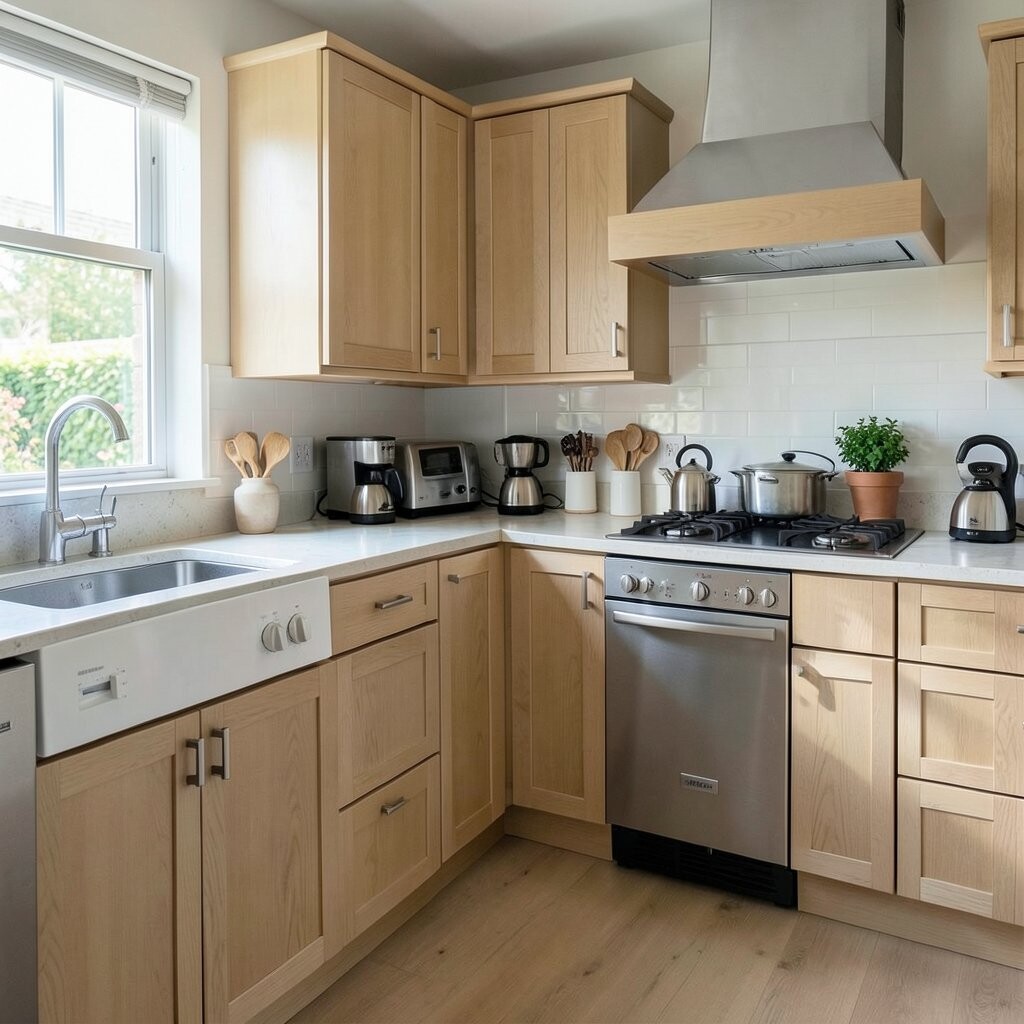
Toasters, blenders, and coffee makers can quickly take over a counter. When there is no planned spot for them, the kitchen starts to feel crowded and less peaceful.
Building in a home for these items keeps the room tidier and easier to use. An appliance garage, a pantry shelf, or a hidden outlet station can cut down on clutter, and these fixes can be more affordable than a full remodel because they use smart storage instead of bigger changes. Many people like a cleaner look now, and it is easy to personalize with a coffee corner, a baking shelf, or a spot for the blender that fits your daily habits.
Think about which gadgets you use every week and which ones stay packed away. The ones you use often deserve the best, easiest spot in the room.
10. Forgetting Ventilation
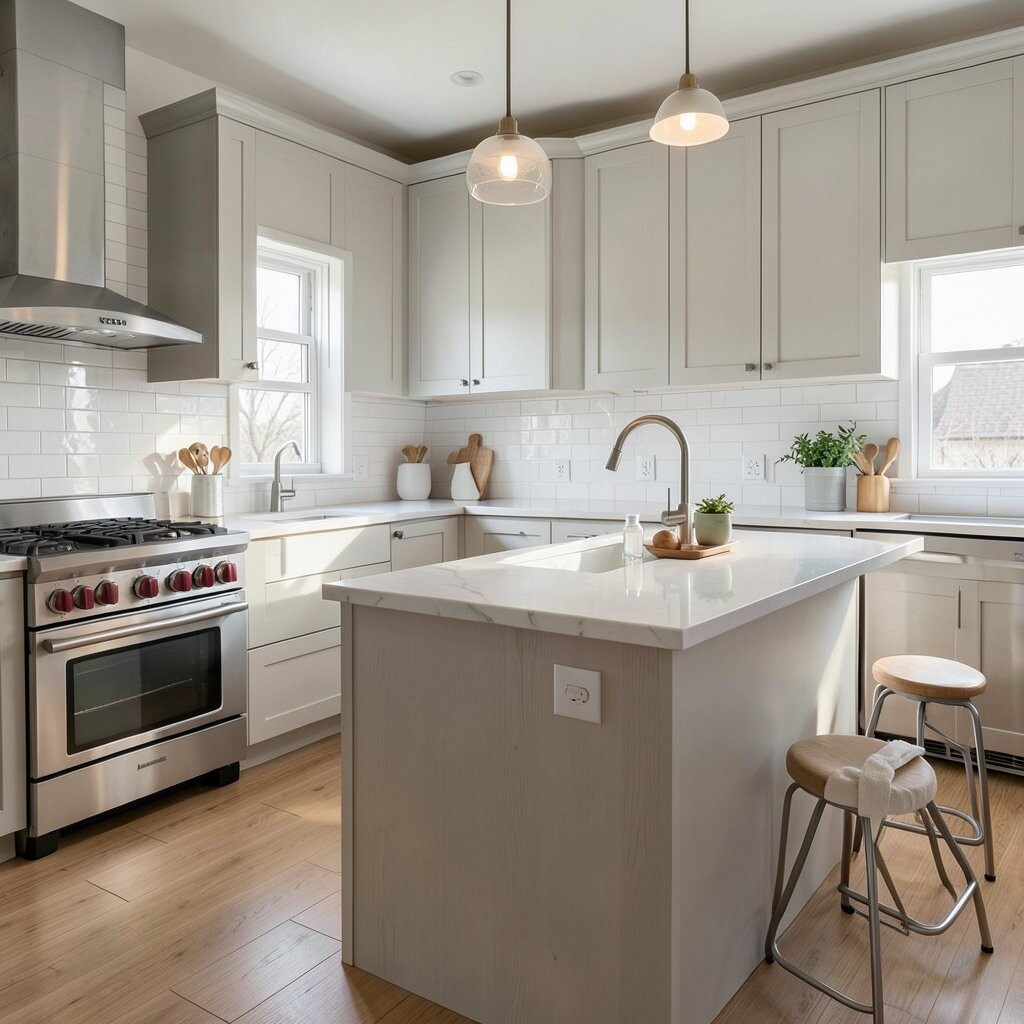
Cooking smells can linger in a kitchen that has poor airflow. Steam, grease, and heat can also make the room feel stuffy and uncomfortable.
Good ventilation keeps the kitchen fresher and helps protect cabinets and walls from damage. A range hood, a good fan, or even a window that opens well can improve comfort, and the right setup can prevent bigger repair costs later by limiting moisture and buildup. Sleek hoods are a strong trend in many homes now, and you can make them feel more personal by choosing a finish that blends in or stands out in a stylish way.
The best ventilation often goes unnoticed because it simply makes life easier. When the air feels clean, the whole room feels nicer to be in.
11. Making the Island Too Big
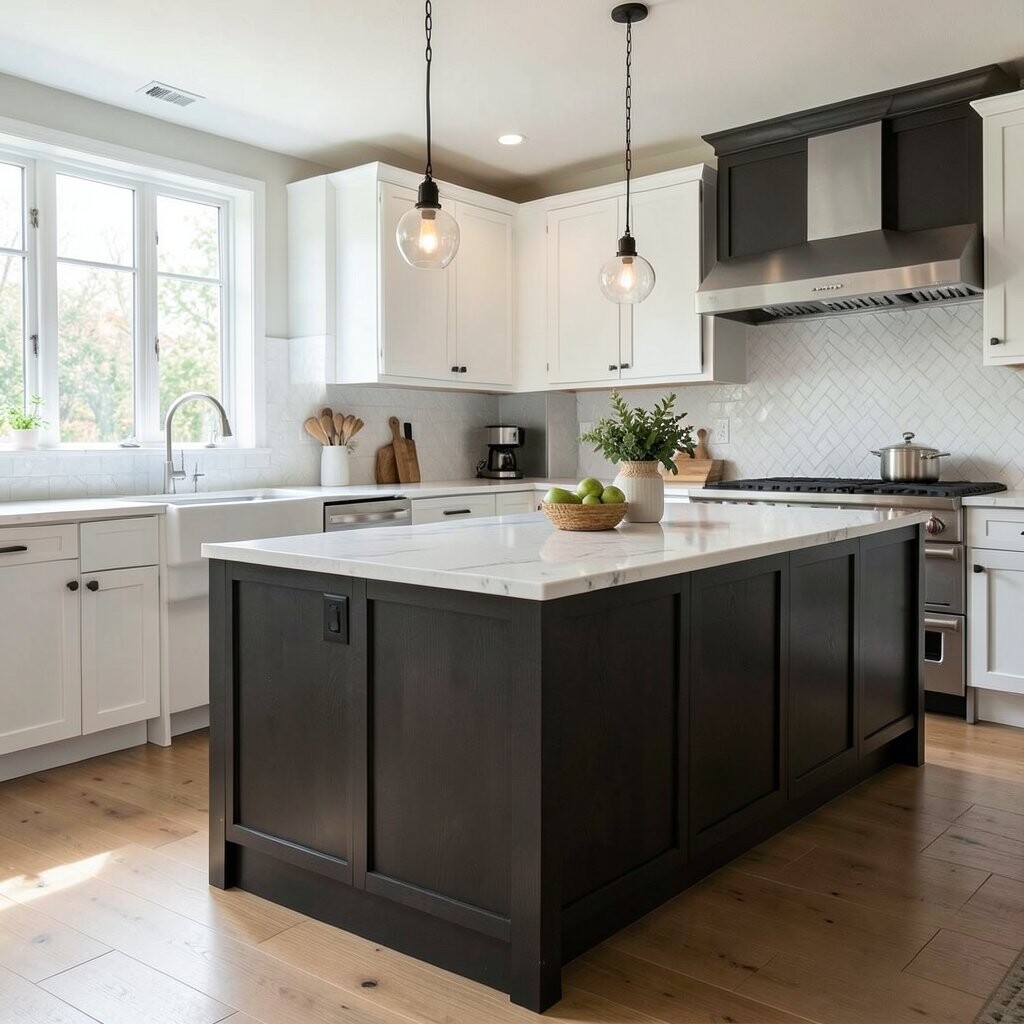
A kitchen island can be a great feature, but a giant one can crowd the room fast. If it blocks movement or swallows up floor space, it stops being helpful and starts feeling bulky.
The right island should fit the room and support how you cook, eat, and gather. A smaller island can still offer seating, storage, and prep space, and that usually saves money while keeping the kitchen open and bright. Right now, many homeowners like islands that do more than one job, such as holding stools, hiding drawers, or showing a bold color, which gives the room a more unique feel.
Measure carefully before you commit to size. A good fit makes the island look intentional instead of squeezed in.
12. Forgetting Your Own Style
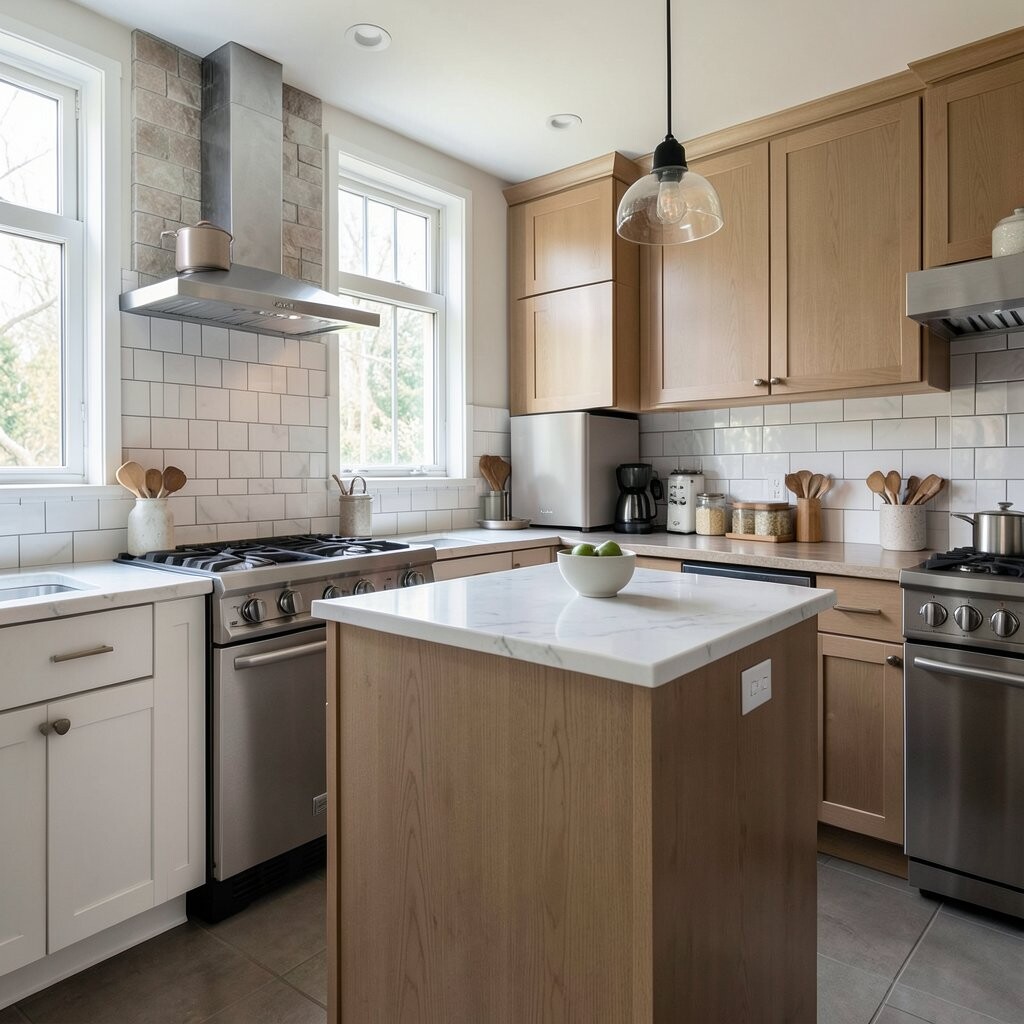
Some kitchens feel copied from a showroom and never quite feel lived in. When the design ignores your taste, the space may look polished but still feel flat.
Your kitchen should fit your life and your eye at the same time. Small touches like warm hardware, a favorite paint shade, family photos, or open shelves with special dishes can make the room feel personal, and these changes do not always cost much. Many current designs lean toward calm colors and natural finishes, but the best space is still the one that feels like home to you, with details that make you smile every time you walk in.
Trust the things you love, even if they are simple. A kitchen feels better when it tells your story in a clear and easy way.