Small choices can make a room feel calm and fresh. A simple space can still feel warm, bright, and full of life.
1. Keep the Color Palette Soft and Light

Pale walls, creamy furniture, and gentle gray accents can make a room feel open right away. These light shades bounce more light around, which helps even a tiny room seem bigger and easier on the eyes.
This look feels unique because it creates peace without looking plain. You can add your own touch with one soft color you love, like dusty blue or warm sand, and save money by painting instead of buying new furniture. Light palettes are also a big part of current minimalist style, so the room feels fresh without much effort.
2. Choose Furniture With Clean Lines

Furniture with straight shapes and simple legs gives a room a neat and calm look. When a sofa, table, or chair has less visual weight, the whole space feels lighter and less crowded.
Pieces like these work well because they are easy to mix with almost anything else you own. You can make them feel more personal with a textured pillow or a cozy throw, and you may spend less because plain shapes are often easier to find in budget-friendly stores. Many modern homes now lean toward this smooth, uncluttered style since it feels both current and easy to live with.
It also helps to leave a little breathing room around each piece so the shape can stand out. That extra space makes cleaning easier, and it gives the room a quiet, thoughtful feel.
3. Add One Large Piece of Art

A single large print or painting can be more powerful than many small items on a wall. It creates a clear focal point, which helps the room feel organized and bright instead of busy.
You can choose a print with soft colors, bold black lines, or a simple nature scene depending on your taste. This keeps the room special to you while avoiding clutter, and it can cost less than buying a full wall of framed pieces. Large art also fits well with modern minimalist trends because it makes a statement in a clean way.
Try hanging it where the eye goes first, such as above a sofa or bed. The right piece can set the mood for the whole room and make everything else feel more intentional.
4. Use Natural Light as a Main Feature

Open curtains and simple window coverings let sunlight do most of the work. A bright room feels cheerful, and natural light can make colors look softer and more welcoming.
Sheer fabric is a smart choice because it keeps the room airy while still giving you privacy. You can make the space your own by choosing warm white, linen, or a light neutral that matches your walls, and the cost is often low compared with heavy drapes. This style is popular right now because many people want homes that feel fresh, open, and easy to relax in.
Place mirrors near windows if you want the light to move around more. That small change can make mornings feel brighter and help the room look larger too.
5. Bring in Natural Textures
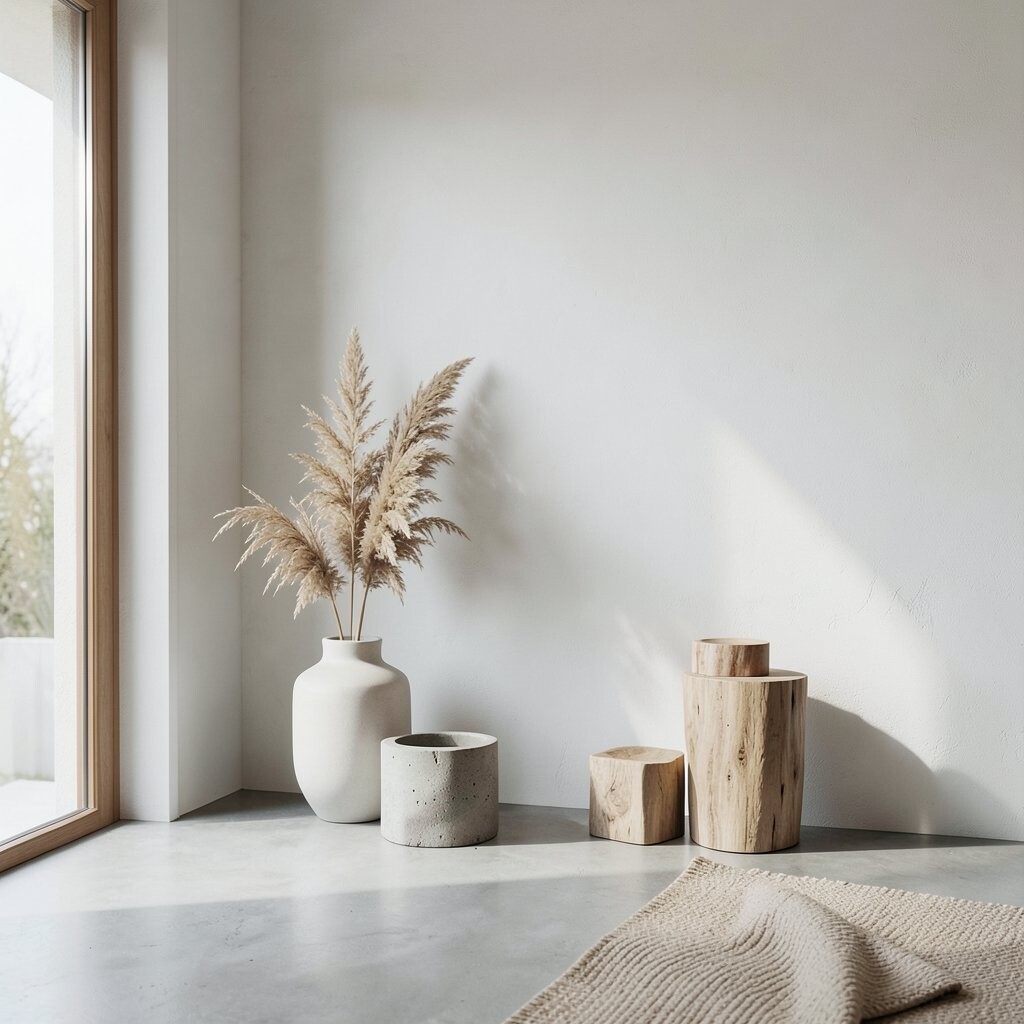
Wood, cotton, linen, jute, and stone add quiet interest without making a room feel crowded. These textures keep a minimalist space from feeling cold, and they create a soft, lived-in look.
A woven basket, a wooden tray, or a linen cover can add personality in a simple way. Natural materials often age well, which means they can save money over time since you may not need to replace them often. Many current home looks lean toward earthy finishes because they feel calm and grounded.
Mixing a few textures gives the eye something pleasant to notice. Even a plain room can feel rich when the surfaces are chosen with care.
6. Keep Surfaces Mostly Clear

Tables, counters, and shelves look brighter when they are not packed with stuff. Clean surfaces help the eye rest, and they make a room feel bigger and easier to enjoy.
You do not have to hide everything, just keep out a few pieces that matter most. A lamp, a book, or a small vase can show your style while still keeping the space simple, and this approach often costs nothing at all. It also fits the minimalist trend of choosing only what is useful or deeply loved.
Clearing surfaces can make daily tasks easier too, since cleaning becomes faster. That little bit of order can bring a surprising sense of calm to your whole home.
7. Use Mirrors to Open Up the Room

A mirror can brighten a space by catching light and sending it back into the room. It also creates a feeling of depth, which is helpful in small apartments, tight halls, or dark corners.
Round mirrors feel soft, while square ones feel more crisp and modern, so the shape can help set the tone. You can find affordable versions in many styles, and placing one where it reflects a window gives you the most value for the price. Mirrors are still a favorite in minimalist homes because they do useful work while also looking sleek.
To keep the look calm, choose one mirror that fits the wall instead of filling every surface. That single piece can make the room feel brighter without adding clutter.
8. Pick Simple Storage That Looks Good
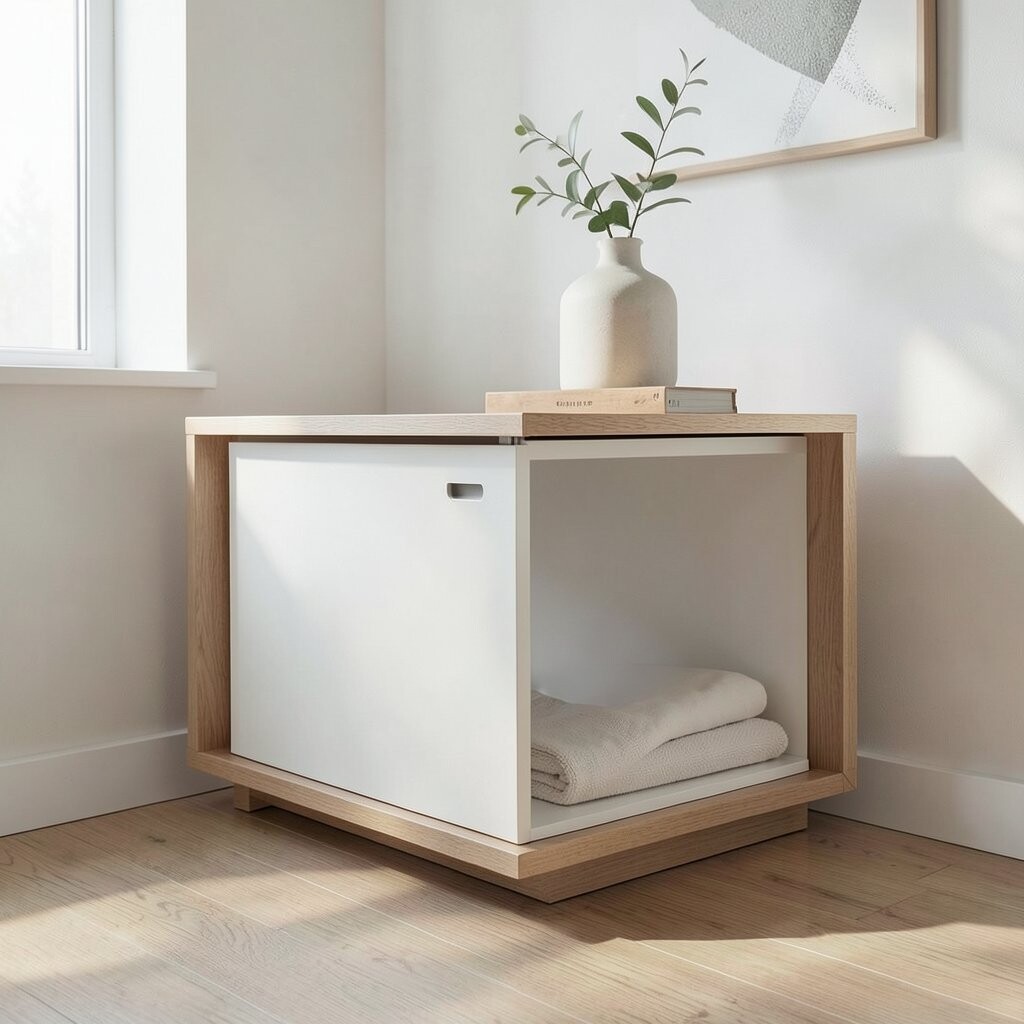
Storage does not have to hide in the background. Boxes, baskets, and cabinets with clean shapes can become part of the room’s style while keeping everyday things tucked away.
Matching containers help a room feel neat fast, and they are easy to label in a quiet, simple way. You can personalize them with a favorite material like woven grass or smooth wood, and many options are low-cost if you shop carefully. This idea works well with current minimalist trends that favor calm, tidy rooms with fewer visible distractions.
When storage looks nice, you are more likely to keep using it. That makes the whole space feel lighter, more open, and easier to maintain day after day.
9. Add a Few Green Plants
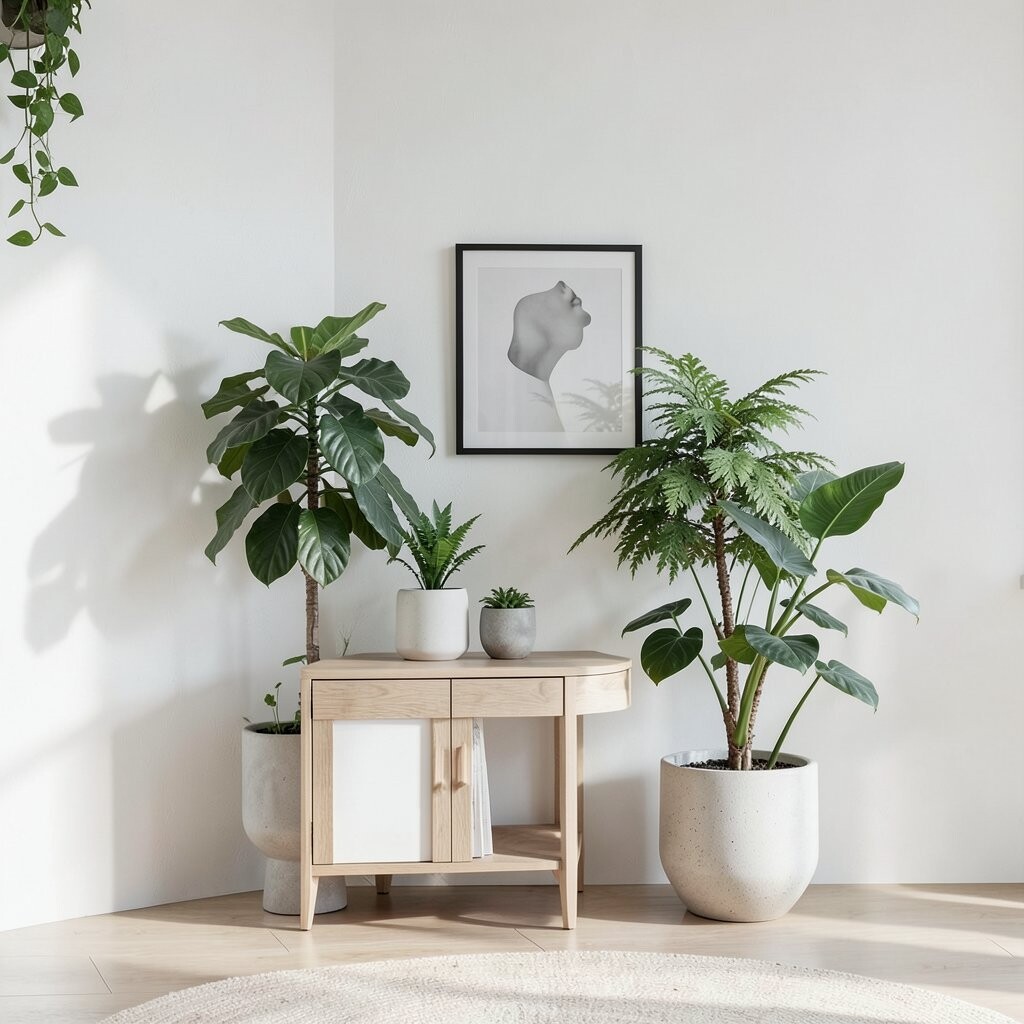
A small plant can bring life to a room without making it feel busy. Green leaves stand out beautifully against soft walls and simple furniture, and they add a fresh, natural touch.
You can choose a tall plant in a plain pot or a tiny succulent on a shelf, depending on your room size and budget. Plants are a nice way to show your style, and many of them cost very little when you start small. Indoor greenery is still very popular because it adds warmth to clean, modern spaces.
Place plants where they can get the right light so they stay healthy and bright. Even one well-placed plant can make a room feel more cheerful and full of care.
10. Focus on One Statement Light Fixture

A simple room can glow in a whole new way with the right lamp or ceiling light. When the fixture has a clean shape, it gives the room character without making it feel crowded.
You might choose a soft paper lamp, a slim floor lamp, or a black metal pendant for a more modern feel. The right choice can make the space feel more personal, and you do not always need a pricey fixture to get a strong look. Many homes now use statement lighting as a quiet way to add style while keeping the rest of the room simple.
Warm bulbs help the room feel cozy and calm, especially in the evening. Good lighting can make even the most basic furniture look more polished and inviting.
11. Mix White Space With Purpose
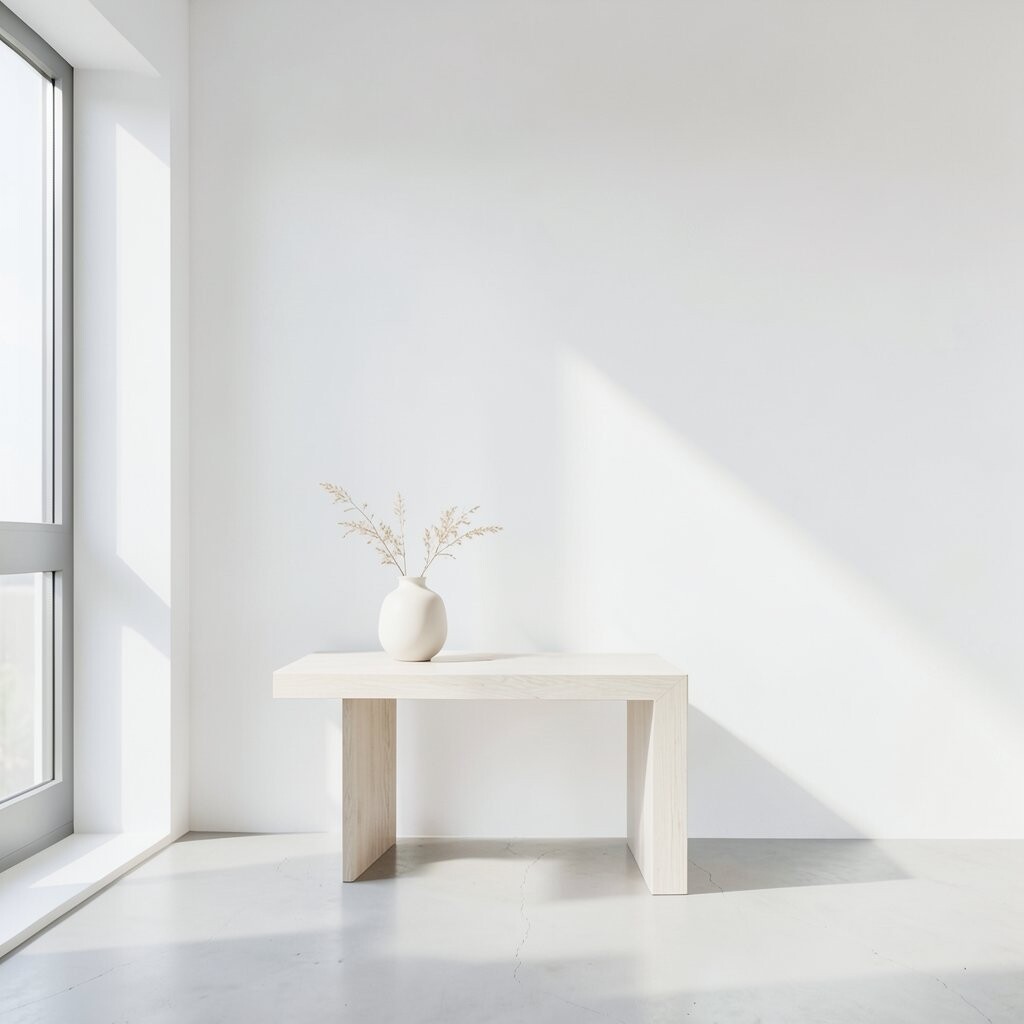
Empty space is not wasted space in a minimalist room. It helps important pieces stand out and gives the whole area a fresh, airy feeling.
Leaving a wall partly open or keeping part of a shelf bare can make the room feel balanced and peaceful. This also gives you room to add something later that feels truly right, which saves money because you do not rush into buying more decor than you need. The look is unique because it shows confidence and calm instead of filling every inch.
You can think of white space as part of the design, not a gap that needs fixing. That mindset can make decorating feel easier and more relaxed.
12. Choose a Few Meaningful Objects
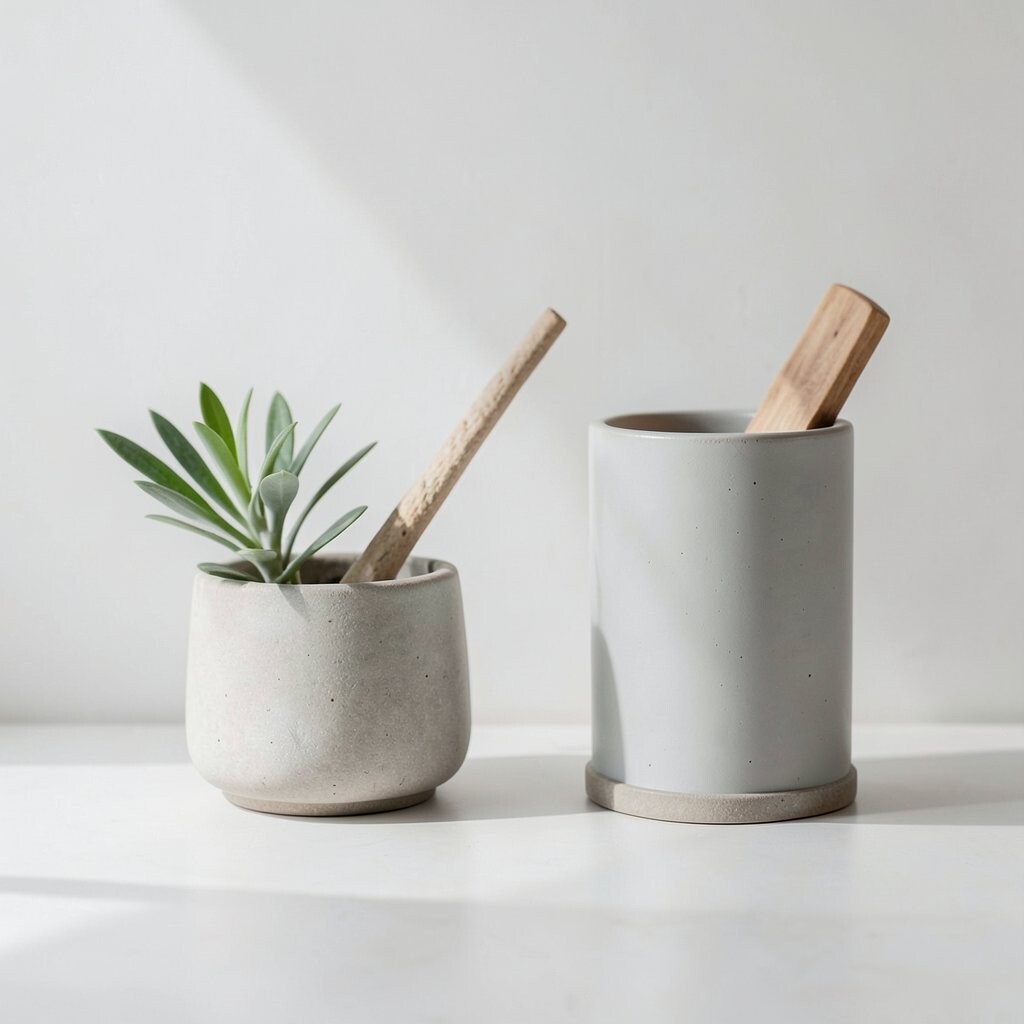
A minimalist room feels special when the items inside it have a story. One favorite bowl, a small framed photo, or a travel keepsake can add warmth without creating clutter.
This kind of decorating is personal because it shows what you care about instead of following a crowded trend. It is also budget-friendly, since you may already own meaningful objects that do not cost anything extra. When these pieces are placed on a shelf or table with space around them, they stand out in a beautiful and calm way.
Try to choose objects with simple shapes or soft colors so they fit the room naturally. That keeps the look bright and peaceful while still feeling full of heart.
13. Stick to a Simple Floor Covering
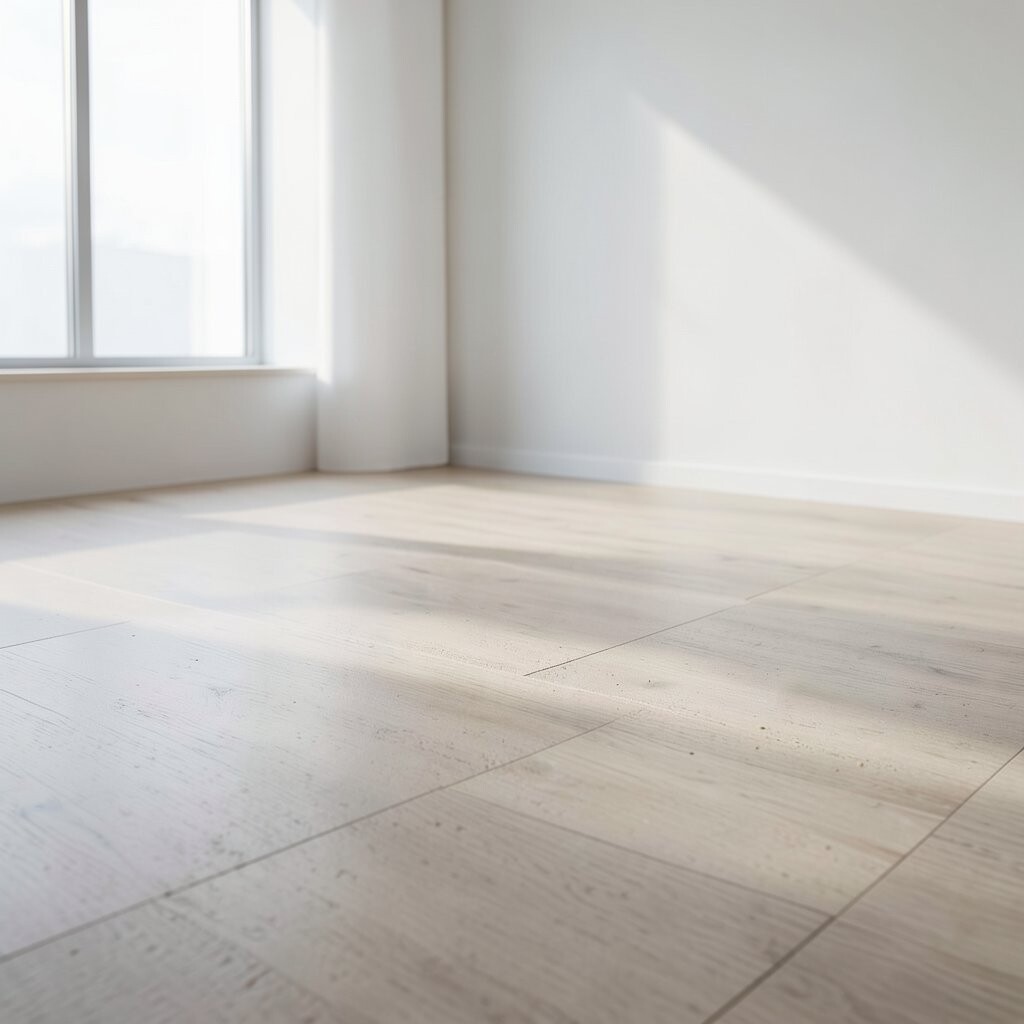
A plain rug or a clean wood floor can help a room feel open and neat. Busy patterns can crowd a minimalist space, while simple flooring gives the eye a place to rest.
Soft neutrals like beige, ivory, or gray work well because they blend with many rooms and styles. You can make the floor feel personal with one textured rug or a handmade mat, and a simple choice can often be more affordable than a bold designer option. This calm floor style matches the current love for quiet, easy-to-live-in spaces.
If your room needs warmth, choose a rug with gentle texture instead of a loud print. That keeps the room bright and grounded at the same time.
14. Keep Decor Intentional and Light
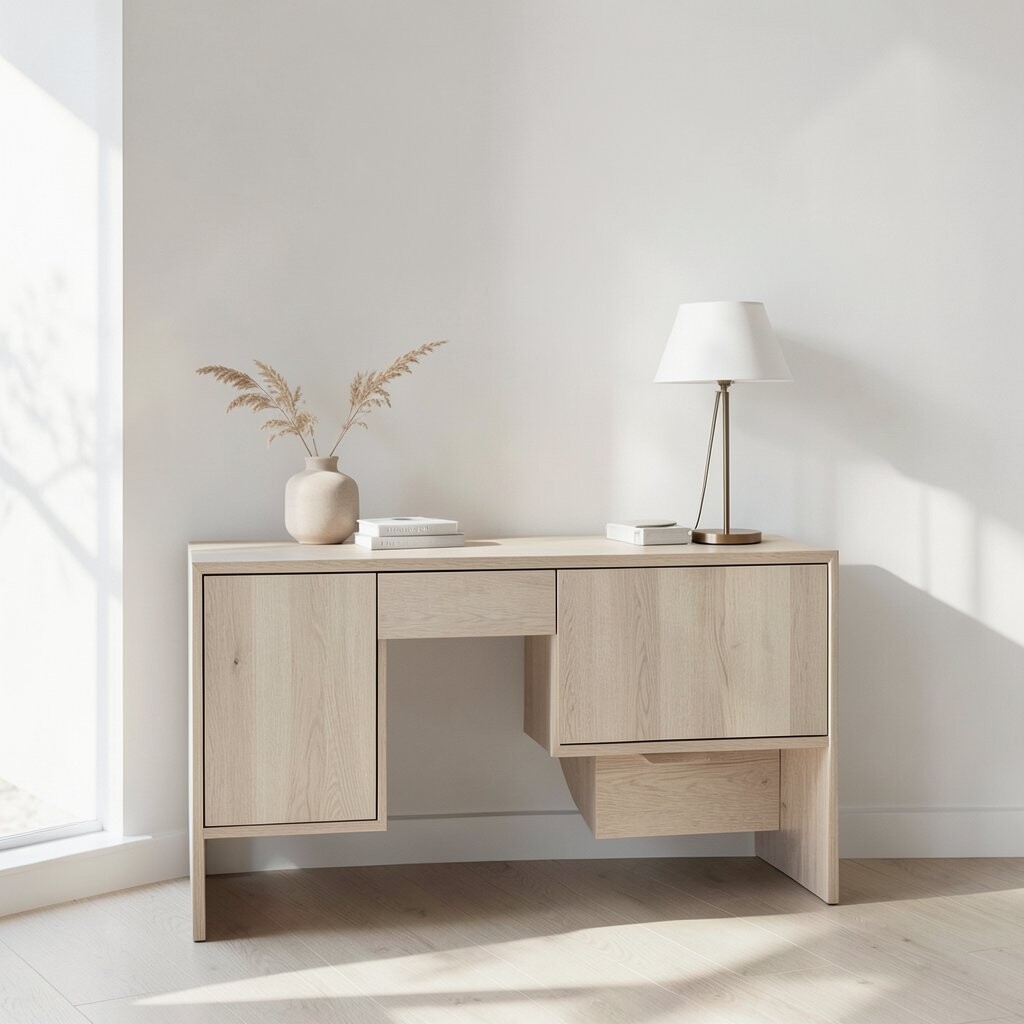
Every item in a minimalist room should have a reason to be there. When you choose decor with care, the room feels brighter, more peaceful, and easier to enjoy each day.
It helps to pick pieces that do more than one job, like a pretty tray that holds keys or a vase that looks lovely on its own. This approach makes the space feel unique because it reflects your habits and taste, and it can also save money since you buy less overall. Many people now prefer this kind of thoughtful decorating because it feels clean, modern, and less stressful.
Before adding anything new, pause and look at the room as a whole. If the piece makes the space feel lighter, calmer, and more like you, it is likely a good fit.