
A simple home can feel calm in a very special way. Small choices can make it look fresh, warm, and full of quiet charm.
1. Soft Neutral Walls
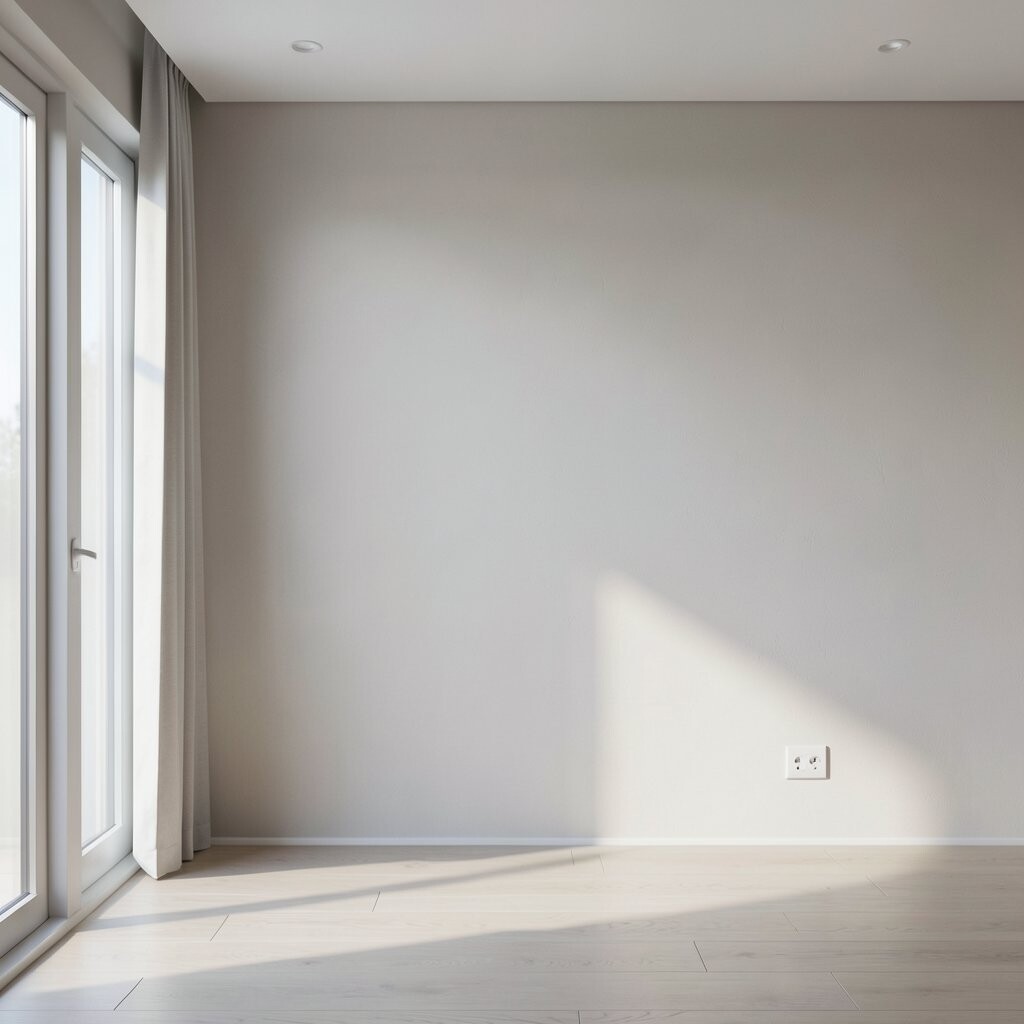
Soft neutral walls create a calm backdrop that makes a room feel open and bright. Colors like warm white, beige, greige, and pale sand work well because they reflect light and keep the space from feeling heavy.
This look is easy to love because it pairs with almost anything you already own, which helps keep costs low. A fresh coat of paint is often one of the cheapest ways to make a home feel more polished, and it can give simple furniture a clean stage to shine on. If you want a more current feel, lean toward warmer neutrals since many modern homes are moving away from cold gray tones and toward cozy, soft shades.
2. Low Furniture Lines
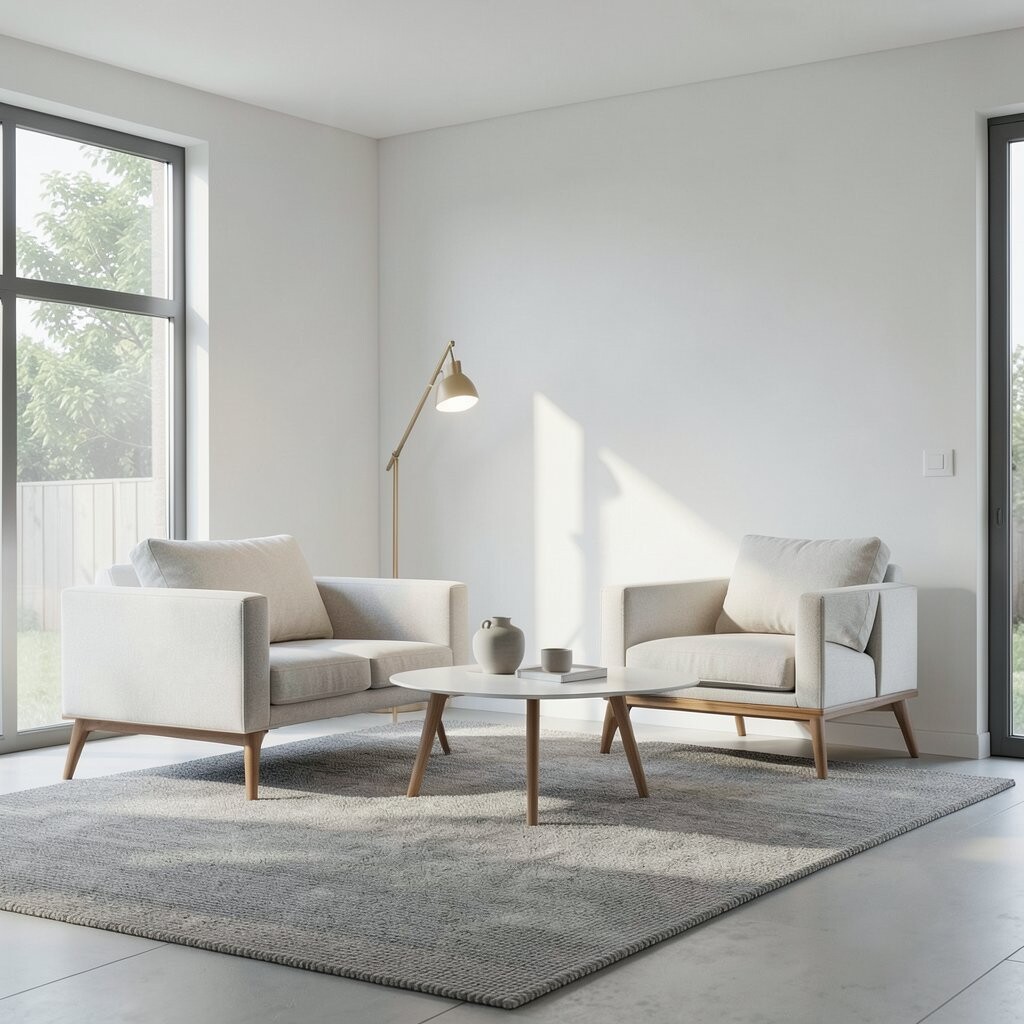
Low furniture lines help a room feel calm and open because they do not block the eye. Sofas with slim legs, short coffee tables, and beds that sit closer to the floor can make a space look longer and lighter.
This style works well in small homes where every inch matters, and it can make ceilings seem higher too. Many people like it because it gives a relaxed, modern feel without much effort. You can save money by choosing fewer large pieces and focusing on ones that have a simple shape, and adding a soft rug or one good lamp can make the whole room feel finished.
Mixing one low piece with a taller plant or shelf can keep the room from looking flat, so the look stays balanced. A handmade wooden table or a smooth fabric chair can add just enough character while still keeping the space neat and easy to use.
3. Hidden Storage Solutions
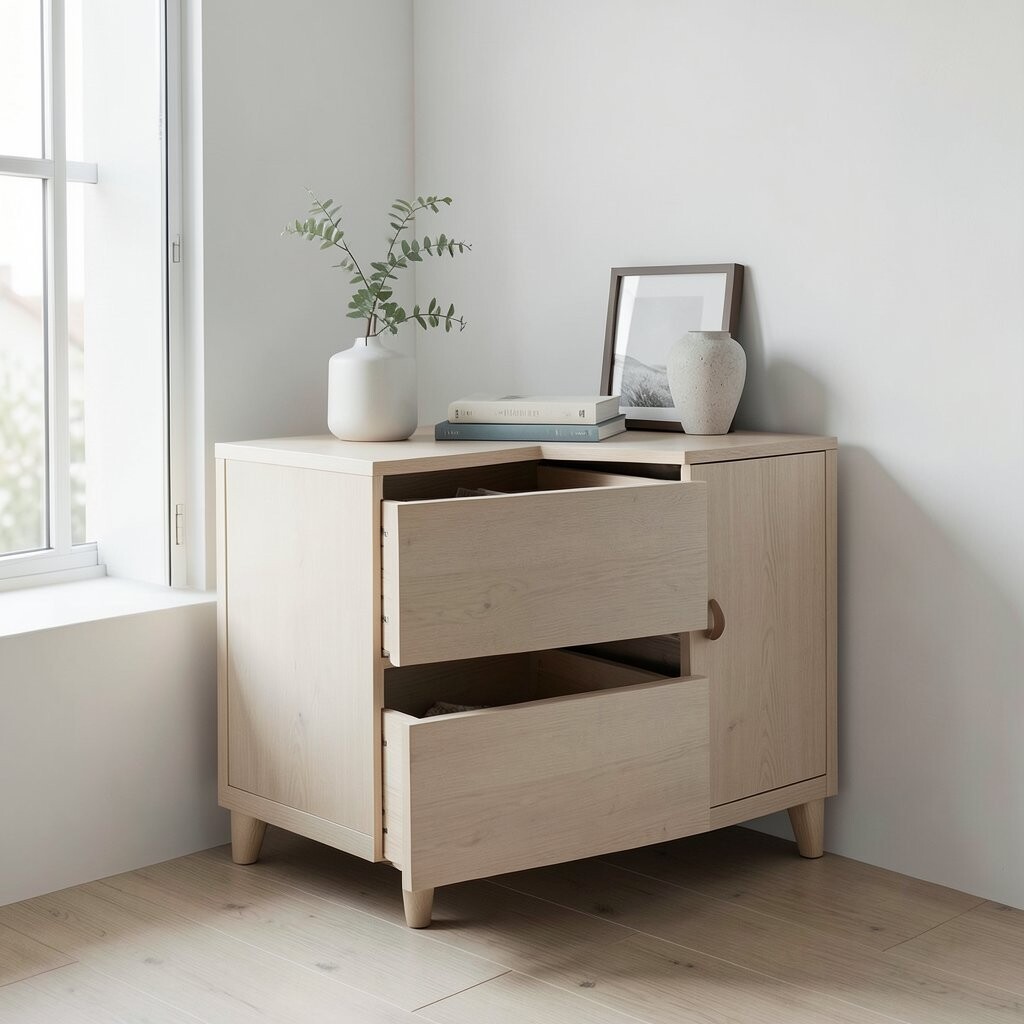
Hidden storage keeps a minimalist home looking clean because clutter stays out of sight. Benches with storage inside, baskets that slide under tables, and cabinets with simple doors all help the room feel tidy and calm.
When surfaces stay clear, the whole home feels more peaceful and easier to clean. This is also a smart choice for families, since toys, chargers, and papers can disappear fast in daily life. Look for storage pieces that match your room so they feel like part of the design, and choose a few strong, useful items rather than many cheap ones that wear out quickly.
Built-in shelves and closed drawers are still very popular because they keep the minimalist style neat without making the home feel bare. You can make storage more personal by using woven bins, plain labels, or a small color theme inside cupboards so the inside feels just as thoughtful as the outside.
4. Natural Light First

Natural light brings a fresh, clean feeling that fits minimalist style very well. Thin curtains, bare windows, and mirrors placed with care can help sunlight move through the room and make soft shadows on walls and floors.
This kind of light makes simple rooms feel bigger and more cheerful during the day. It also saves energy, which is good for both the wallet and the planet. If your windows are small, use light-colored fabrics and keep furniture away from them so nothing blocks the glow, and a few shiny but quiet finishes can help bounce the light around.
5. Simple Textures

Simple textures keep a minimalist home from feeling cold or flat. A linen pillow, a wool throw, a smooth wood tray, or a ceramic vase can add quiet depth without making the room busy.
These details matter because the eye notices touch as much as color. A room with only hard, plain surfaces can feel unfinished, while a mix of soft and natural textures feels gentle and lived in. You do not need expensive decor to get this effect, since many thrifted or handmade items bring the same charm at a lower price.
Texture layering is a strong trend in simple homes because it adds warmth without adding clutter. Try to keep the colors close together so the textures stand out in a soft way, and let one or two favorite pieces carry more of the visual interest.
6. Open Space Between Pieces

Open space between pieces gives a room room to breathe, and that quiet gap is part of the beauty. When chairs, tables, and shelves are not packed together, each item gets noticed more clearly.
This makes the home feel less crowded and easier to move through, which is helpful in daily life. It also lets special items stand out, so even a small home can feel thoughtful and personal. A good way to keep this look is to own fewer pieces and choose items that do more than one job, which can also lower the total cost of furnishing a room.
Current minimalist homes often use this open feeling to create a sense of calm luxury without heavy decoration. If you are not sure where to start, take one object out of each area and see how much smoother the room feels, then keep only what truly adds comfort or use.
7. One Strong Focal Point

One strong focal point can give a simple room real character. It might be a bold chair, a large art print, a sculptural lamp, or a clean fireplace that draws the eye right away.
This choice works because it gives the room a clear center, so the rest of the space can stay quiet. A single standout item is often cheaper than filling the room with many decorative things, and it can make the home feel more stylish with less effort. Choose something that matches your taste, since the best focal point is one that feels like you and not just something seen in a magazine.
Many people now like large art with plain frames because it adds drama while still fitting a minimalist look. Keep the surrounding pieces simple so the focal point stays strong, and let its shape, color, or texture do the talking.
8. Warm Wood Accents

Warm wood accents bring life into a minimalist home without breaking the calm mood. Light oak, maple, ash, and walnut can soften white walls and plain furniture with a natural, friendly feel.
Wood works well because it adds warmth, texture, and a little movement in the grain, which keeps the room from feeling too stiff. It can also be a smart buy since a few wooden pieces can last for years and age nicely over time. If full wood furniture is too pricey, small touches like a tray, frame, stool, or shelf can still give the same effect at a lower cost.
This look stays popular because it feels both modern and timeless. You can make it more personal by choosing wood tones that match your home’s light, from pale and airy to rich and cozy, then repeating the same tone in more than one spot for a balanced feel.
9. Clean Lines Everywhere
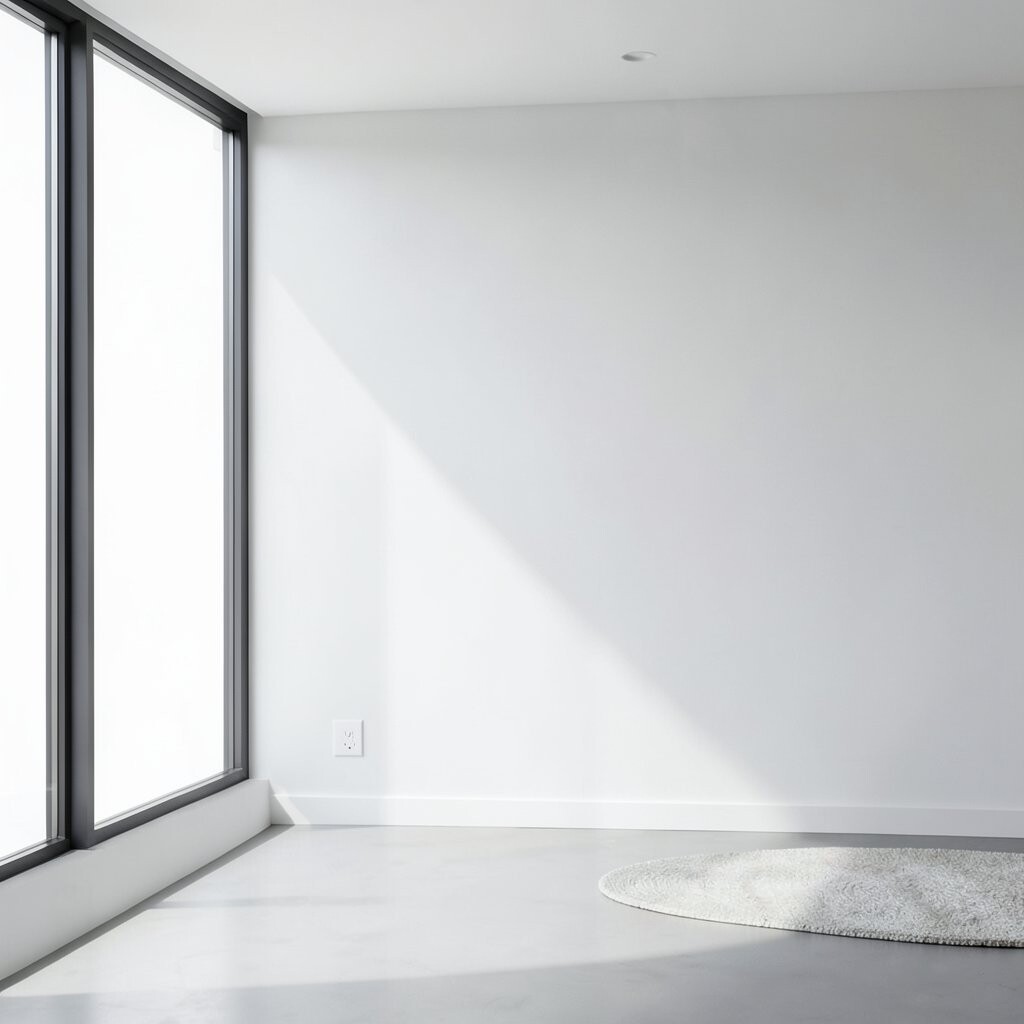
Clean lines make a home look neat and easy to understand at a glance. Simple shapes in furniture, rugs, shelves, and lamps help the room feel orderly and calm.
This style is nice because it makes decorating easier and often keeps shopping choices smaller. When shapes are clear and steady, the room feels more peaceful and less cluttered, even if you have only a few items. You can save money by choosing classic forms that will not feel dated fast, and many current home styles still lean on straight edges and soft curves to keep rooms feeling fresh.
To keep things from feeling too plain, mix a straight sofa with a round mirror or a curved chair. That little shift adds interest while still keeping the overall look simple and elegant.
10. Quiet Color Accents
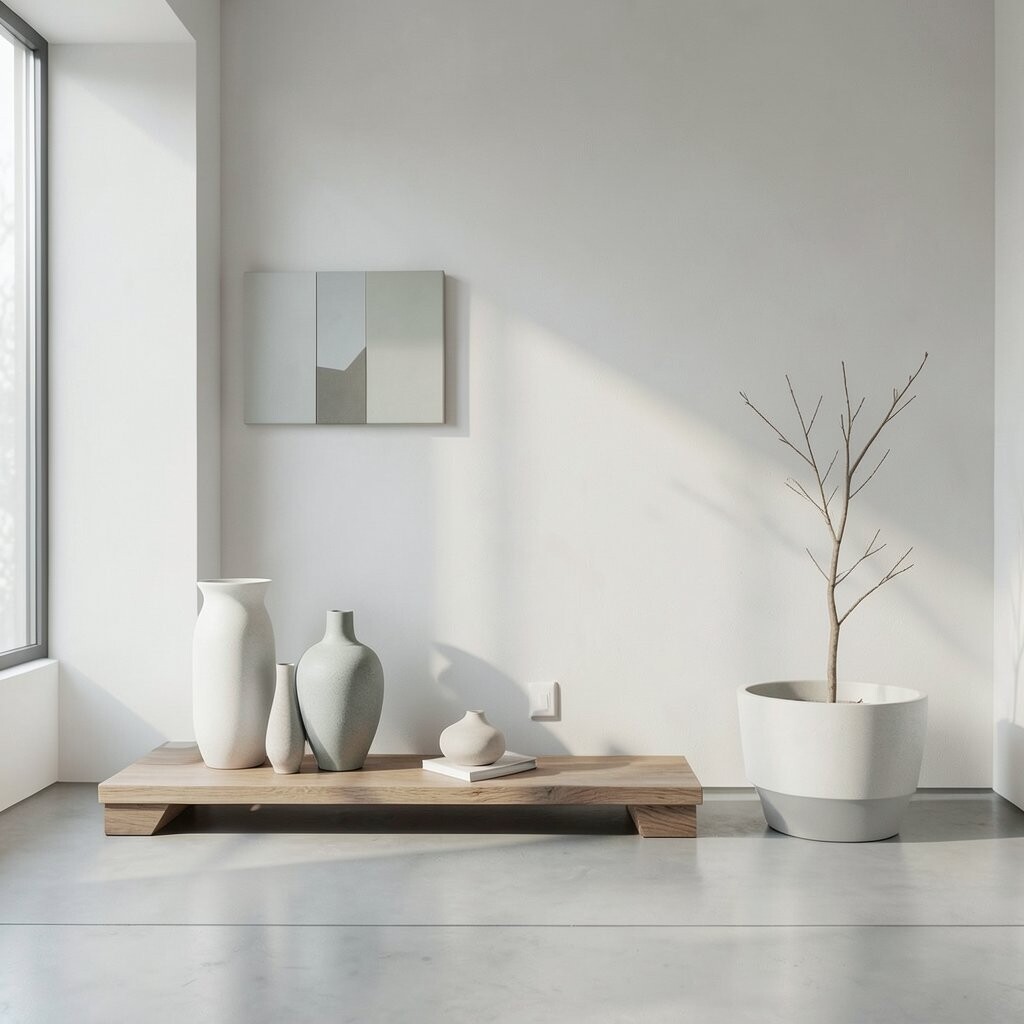
Quiet color accents give a minimalist home a small spark without making it loud. A soft green vase, a dusty blue pillow, or a muted terracotta bowl can bring life to a neutral room in a gentle way.
This works well because color feels special when it is used in small amounts, and that makes the home feel thoughtful. It is also easy on the budget since you do not need to repaint every wall or replace big furniture pieces. Try repeating the same accent color in two or three places so it feels connected, and choose shades that feel calm rather than bright if you want the space to stay restful.
Many simple homes now use earthy tones because they feel natural and easy to live with. Personal touches like a favorite book cover, a framed print, or a handmade dish can bring in color while still fitting the clean style.
11. Thoughtful Lighting Choices

Thoughtful lighting changes how a minimalist home feels in a big way. Soft table lamps, slim floor lamps, and warm overhead lights can make plain rooms feel cozy and welcoming at night.
Good lighting adds shape and depth, so even a simple room feels more complete. It can also help you use each space better, since bright task light is useful for reading or cooking while softer light is nice for relaxing. You do not have to spend a lot to get a good effect, because one well-placed lamp can be enough to improve the whole room if the bulb color is warm and gentle.
Current trends often favor layered lighting instead of one harsh ceiling light, and that suits minimalist homes very well. A lamp with a simple base or a paper shade can look elegant without taking over the room, and it gives you a chance to show style in a quiet way.
12. Fewer, Better Decor Pieces
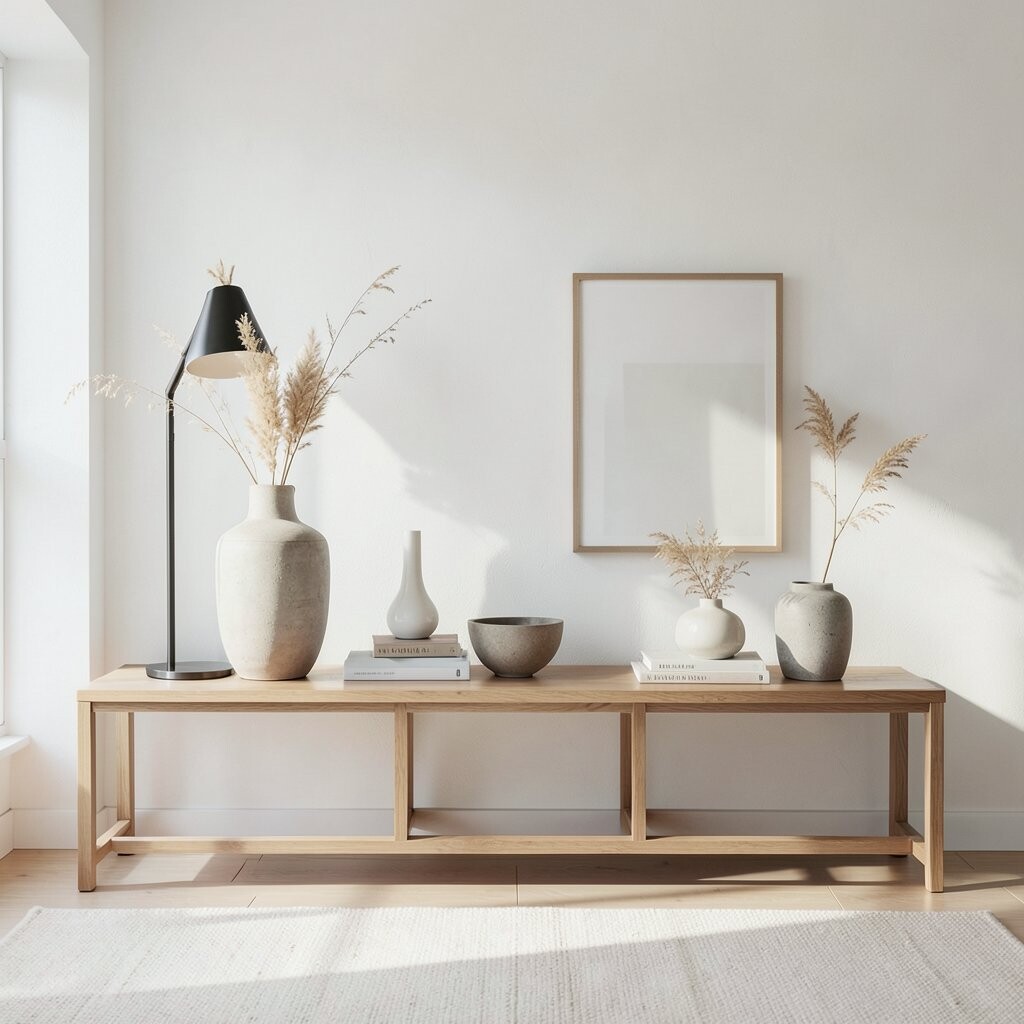
Fewer, better decor pieces keep a minimalist home from feeling crowded. A few meaningful objects, such as a handmade bowl, a favorite photo, or a smooth stone sculpture, can give the room more heart than many random items.
This approach makes cleaning easier and helps every piece matter more. It also helps with spending, since you can wait for items you truly love instead of buying quick extras that lose their charm fast. A good rule is to choose decor with purpose, shape, or memory behind it, and then give each piece enough space so it can be noticed.
Minimalist homes today often feel most stylish when they show a bit of personality through carefully chosen objects. You can keep the look fresh by swapping one or two decor pieces with the seasons, but keeping the same simple base so the home always feels calm and easy to enjoy.