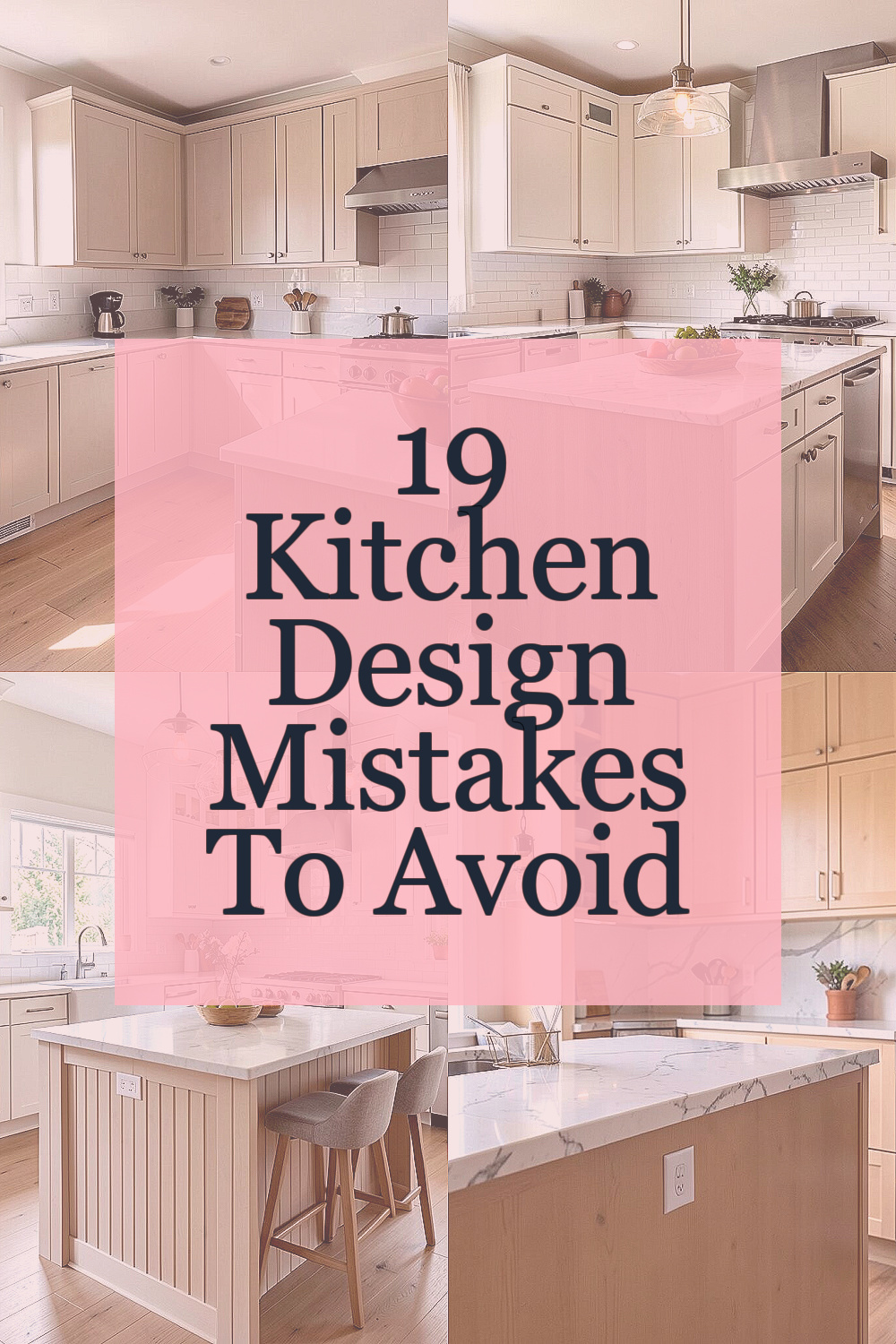
Your kitchen may look fine at first glance. Small design slips can still make every day feel harder.
1. Ignoring the Work Triangle

A kitchen with a bad work triangle often feels cramped in a strange way, even when the room is large. When the sink, stove, and fridge are too far apart, cooking turns into extra walking and wasted time.
A better layout makes the space feel calm, neat, and easy to use. You can keep the path clear, choose shorter cabinet runs, and save money by avoiding changes that fight the room shape. Many modern kitchens also use softer, open layouts, so a smart triangle helps the room feel current while still matching your own cooking habits.
2. Choosing Style Over Storage

Pretty shelves and slim cabinets can look lovely in photos, but they may not hold what a real family needs. If storage is weak, counters fill up fast and the whole kitchen starts to feel messy.
Deep drawers, tall pantry units, and corner pull-outs give the room a cleaner look and make daily tasks easier. They can also be tailored to your life, like adding a baking zone or a snack drawer for kids, and that kind of fit often feels more special than a fancy finish alone. Storage upgrades can raise the price, yet they often save money later because they reduce the need for extra furniture and help you use every inch well.
3. Using Too Little Light

A dim kitchen can look dull and make even a fresh design feel old. Shadows over the counter also make chopping, reading labels, and cleaning harder than they should be.
Layered lighting brings warmth and makes the room feel bright without being harsh. Add ceiling lights, under-cabinet strips, and a soft pendant over the table so the space feels balanced and more personal. Energy-saving bulbs and simple fixtures can keep costs in check, and many current kitchens lean into warm light because it feels cozy and clean at the same time.
4. Forgetting About Outlet Placement

Few things are more annoying than stretching cords across a counter just to use a toaster or mixer. Bad outlet placement can make a kitchen look cluttered and can turn a smooth morning into a small hassle.
Well-placed outlets keep small appliances ready without taking over the room. You can tuck them under cabinets, add hidden charging spots, or place them near prep areas so the layout works for your routine. This kind of planning is usually cheaper to handle during design than after the cabinets are in, and it lets you keep the counters open and neat.
5. Picking the Wrong Countertop Material
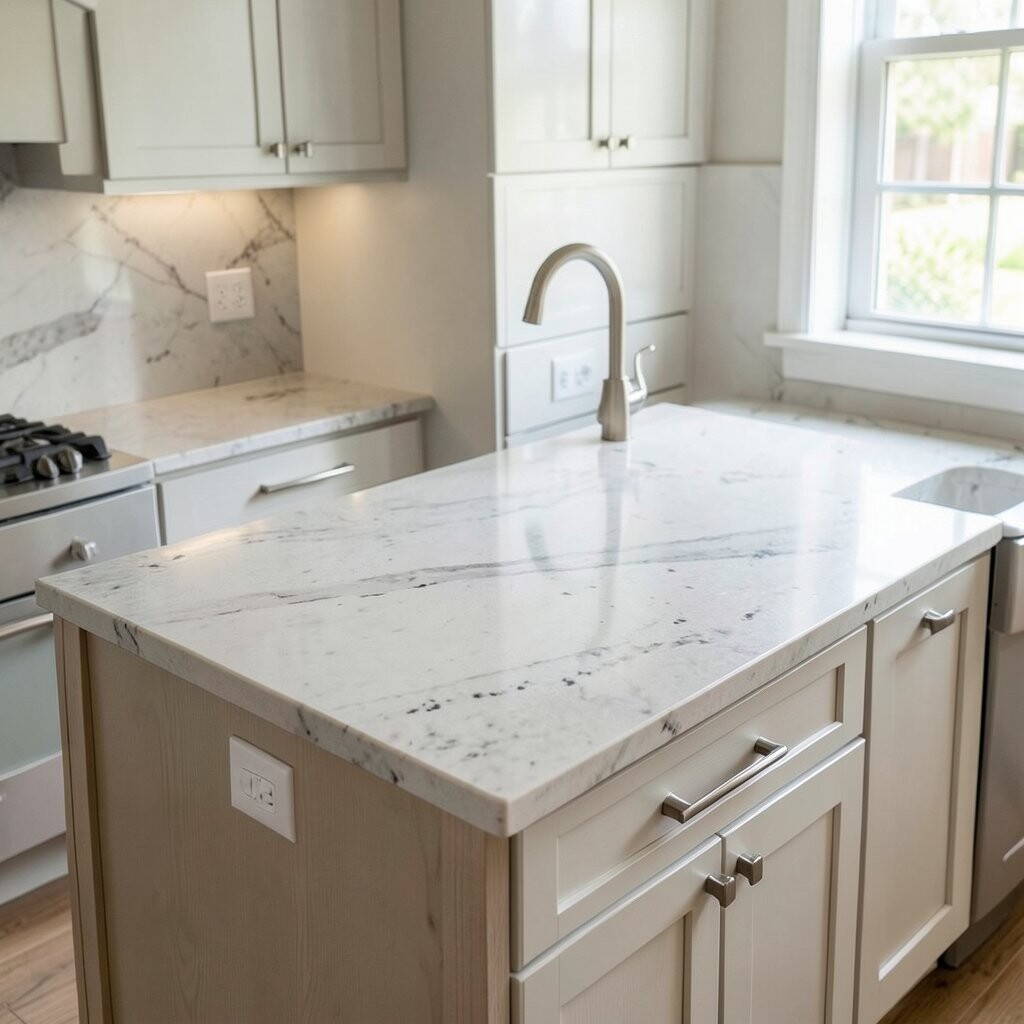
Some countertops look beautiful but scratch, stain, or chip more easily than expected. A shiny surface that looks great on day one may feel like a poor choice after a few busy months.
The best surface should match your cooking style, your budget, and the way you want the room to feel. Quartz stays popular because it looks clean and is easy to care for, while butcher block adds warmth and a friendly, handmade look that many people love. If you want a more unique space, you can mix materials, which often gives the kitchen personality without the cost of using stone everywhere.
6. Making the Island Too Large

An island can be the heart of a kitchen, but an oversized one can block movement and make the space feel crowded. Instead of feeling open and social, the room may look like it is packed with one giant object.
A better-sized island helps people move around it with ease and keeps the kitchen looking airy. You can add stools, a prep sink, or hidden storage to make it useful without making it bulky, and that flexibility is a big reason islands stay so popular in modern homes. A smaller, well-planned island may cost less too, which leaves room in the budget for better finishes or lighting.
7. Skipping a Backsplash Plan

A bare wall behind the sink or stove can make the kitchen feel unfinished. It also invites splashes and stains that are harder to clean later.
A good backsplash protects the wall and adds color, shine, or texture in a way that feels fun and fresh. Tile, stone, or even a simple painted panel can be chosen to match your cabinets and show off your style without spending too much. Many people now like full-height backsplashes because they give a neat, upscale look and make the whole room feel more complete.
8. Overcrowding the Cabinets

When every cabinet is packed tight, it becomes hard to find what you need. Lids fall out, dishes stack badly, and the kitchen starts to feel stressful instead of welcoming.
Give each area a job so things stay clear and easy to reach. You can use dividers, pull-out trays, and labeled bins to make the space more personal and simple to maintain, which also helps the room look tidy from the outside. This kind of order does not always cost much, but it can make a big difference in how polished the kitchen feels.
9. Forgetting Comfortable Seating

Kitchen seating is often an afterthought, even though it plays a big part in how the room feels day to day. Hard stools at the wrong height or a bench that is too deep can make family time less pleasant.
Good seating invites people to stay, talk, and snack without feeling cramped. You can choose cushioned stools, a built-in banquette, or mixed seating that fits your style and gives the room a more lived-in feel. Trendy kitchens often mix materials here, and that can be a smart way to add personality without spending a lot on a full remodel.
10. Using Dark Colors Without Balance

Dark cabinets and walls can look rich and dramatic, but too much darkness may make the kitchen feel smaller than it is. Without lighter elements, the room can lose the fresh and cheerful look many people want.
Balance dark tones with pale counters, bright lights, or warm wood so the space feels deep but not heavy. This mix gives a strong visual style and can make a kitchen feel more custom and unique, especially when paired with simple hardware or open shelving. If you are watching the budget, you can keep the dramatic color on just one feature wall or the lower cabinets and save on paint or materials.
11. Forgetting Trash and Recycling Storage

Trash bins placed out in the open can spoil an otherwise beautiful kitchen. They also take up visual space and can make cleanup feel awkward.
Built-in bins keep waste hidden and make the room look more polished. A pull-out cabinet near the prep area is especially handy, and it can be set up in a way that matches how your family cooks and sorts recycling. This small detail is often worth the extra planning because it improves both the look and the daily flow of the kitchen.
12. Choosing Trendy Finishes Without Thinking Long Term
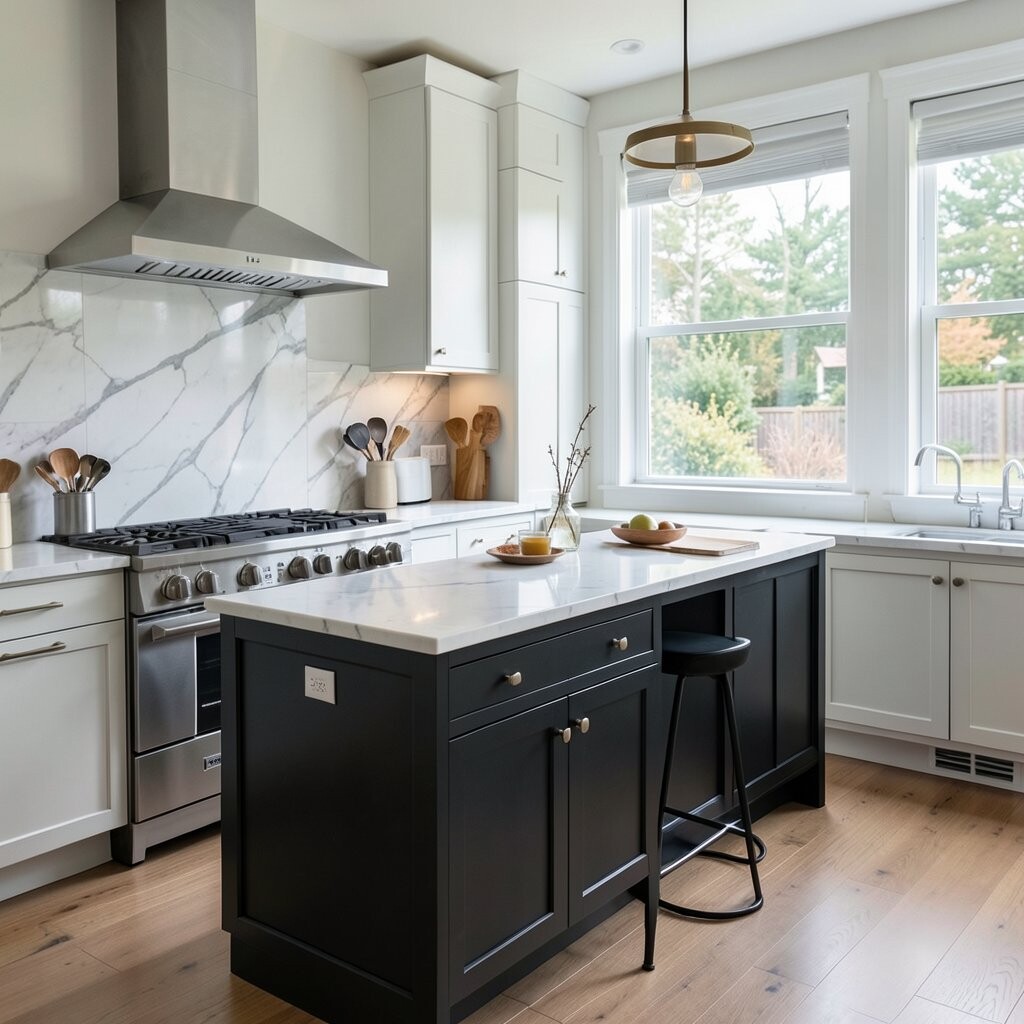
A bold finish can feel exciting now, but it may age fast if it does not fit the rest of the home. Too many strong trends at once can make the kitchen feel busy and hard to live with.
It helps to keep the big pieces simple and let the trendy parts come through in lights, stools, or paint. That way the kitchen can stay fresh while still feeling like it belongs to you, and changes later will cost less because the main pieces remain useful and timeless. A little trend is fun, but a strong base gives the room better value over time.
13. Leaving Appliance Sizes to Chance
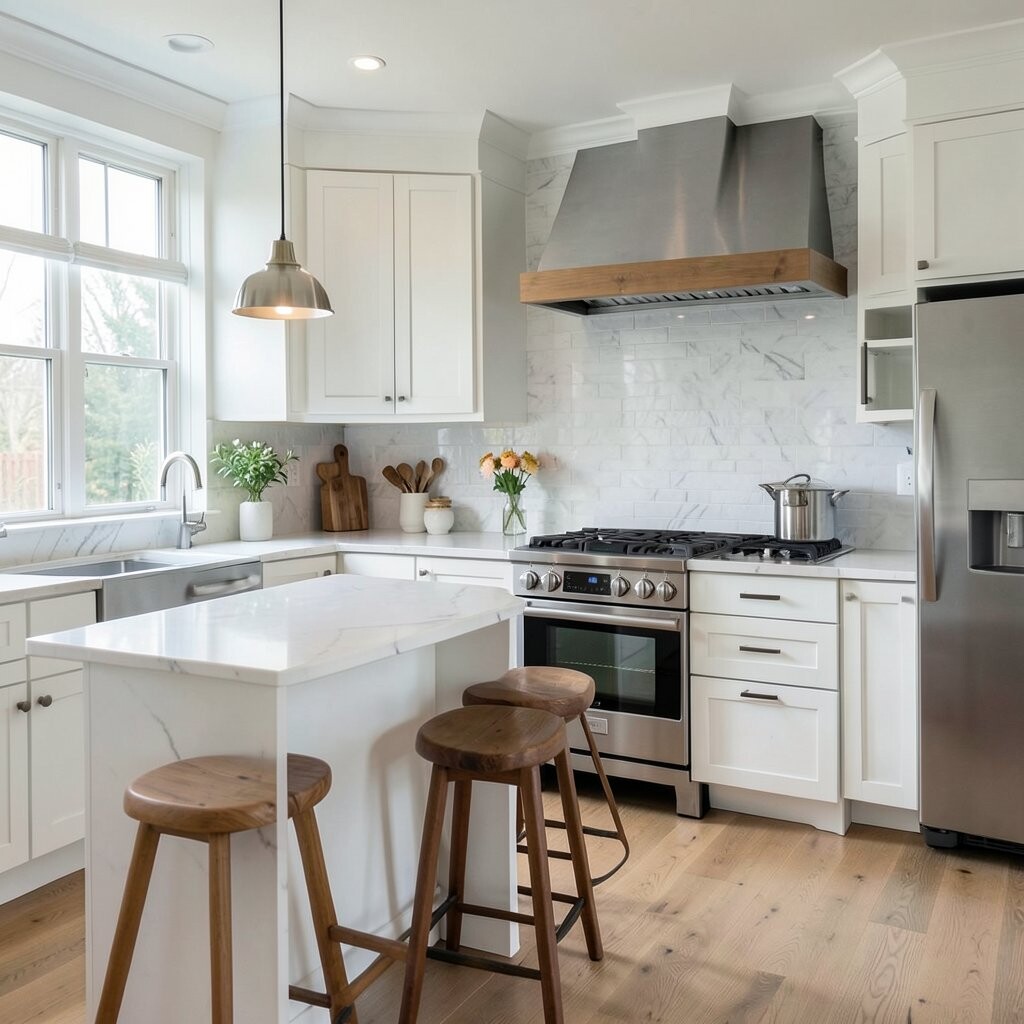
Appliances that are too large or too small can throw off the whole design. A fridge that sticks out too far or a dishwasher that opens into a tight corner can make the room feel awkward right away.
Careful measuring makes everything look cleaner and work better. You can choose built-in styles, panel-ready fronts, or slimmer models to suit the room and your needs, and those choices can give the kitchen a smooth, custom look. Some of these options cost more at first, but they may save space and help the design feel more polished and unique.
14. Forgetting to Plan for Cleanup Space

A kitchen built only for cooking can become messy fast. Without a good spot for drying dishes, wiping counters, and setting things down, cleanup turns into a chore.
Adding a clear cleanup zone keeps the room calmer and easier to live in. A wide sink, nearby dish storage, and a free stretch of counter can make the space work harder without looking crowded, which is a big help in busy homes. This also gives you more freedom to shape the kitchen around your habits, and that kind of fit often feels better than a layout based only on looks.
15. Making the Room Too Matchy

When every finish, color, and shape matches too closely, the kitchen can lose its charm. It may look neat, but it can also feel flat and forgettable.
Mixing textures and tones gives the room more life and makes it feel personal. You might pair smooth cabinets with a rough stone top, or add warm metal hardware to soften a clean white room. This approach is very current because it creates depth without making the kitchen feel loud, and it can be done in stages to help spread out the cost.
16. Neglecting Ventilation

A beautiful kitchen still needs fresh air. Without proper ventilation, smells, steam, and grease can hang around and leave the room feeling stale.
A strong hood or good window placement helps keep the space comfortable and easier to clean. It also protects cabinets and walls, which can save money on repairs and repainting over time. Many modern kitchens now treat ventilation as part of the design, so a sleek hood or hidden system can look good while doing very practical work.
17. Using Too Many Open Shelves
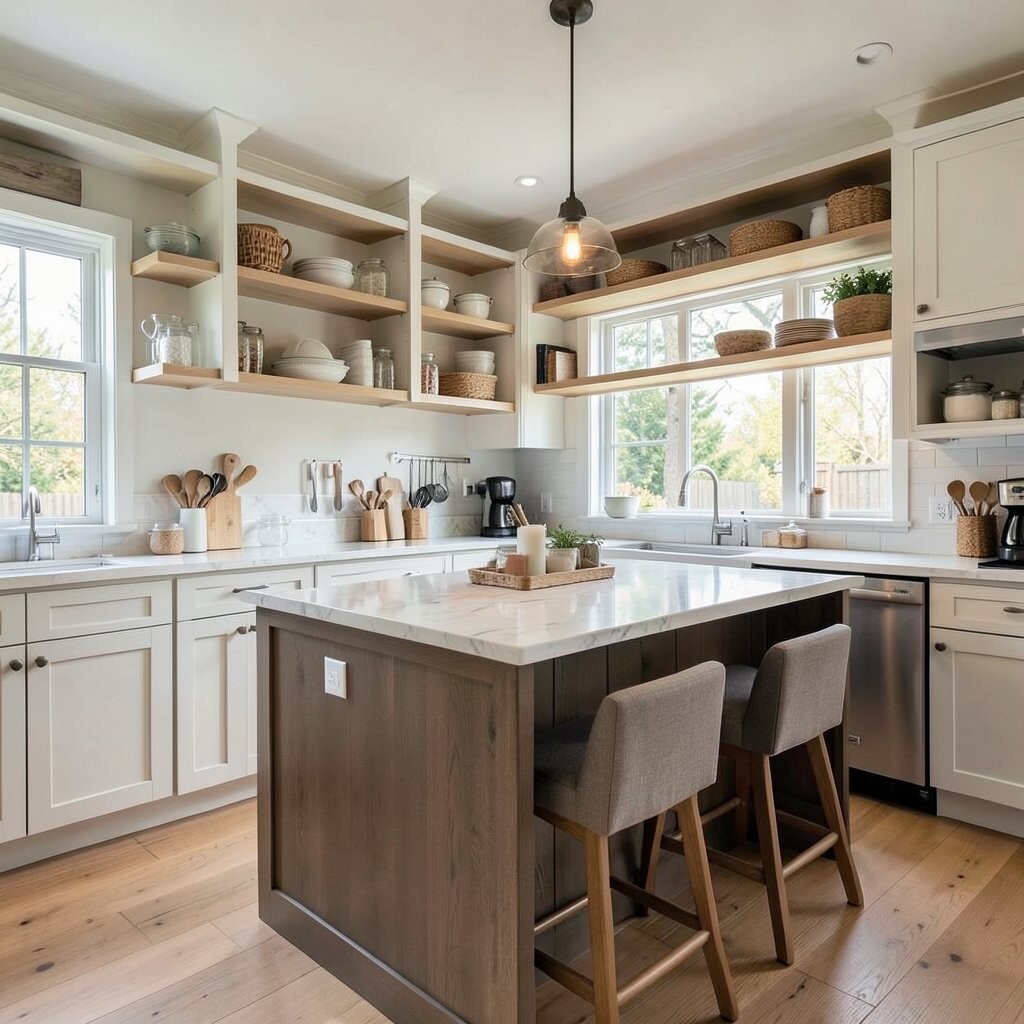
Open shelves can look airy and stylish, but too many of them can make storage feel exposed and messy. Plates, mugs, and pantry goods all need to stay neat, or the whole wall starts to look busy.
A few open shelves can add charm and show off favorite pieces without taking over the room. They work best when mixed with closed cabinets, which gives you a cleaner look and room for items you do not want on display. This blend is popular because it feels relaxed and personal, and it can also be easier on the budget than replacing all the upper cabinets.
18. Forgetting Kid-Friendly and Guest-Friendly Details

A kitchen that only works for one person can feel out of step the moment other people enter it. High shelves, sharp corners, and awkward pull handles can make the room less welcoming for guests and family.
Think about softer edges, easy-to-reach storage, and simple zones that help everyone feel at home. You can add a lower snack drawer, a step stool spot, or a small coffee area to make the kitchen feel thoughtful and personal. These details do not always require a huge budget, yet they can make the room feel more caring and complete.
19. Rushing the Final Finish Choices
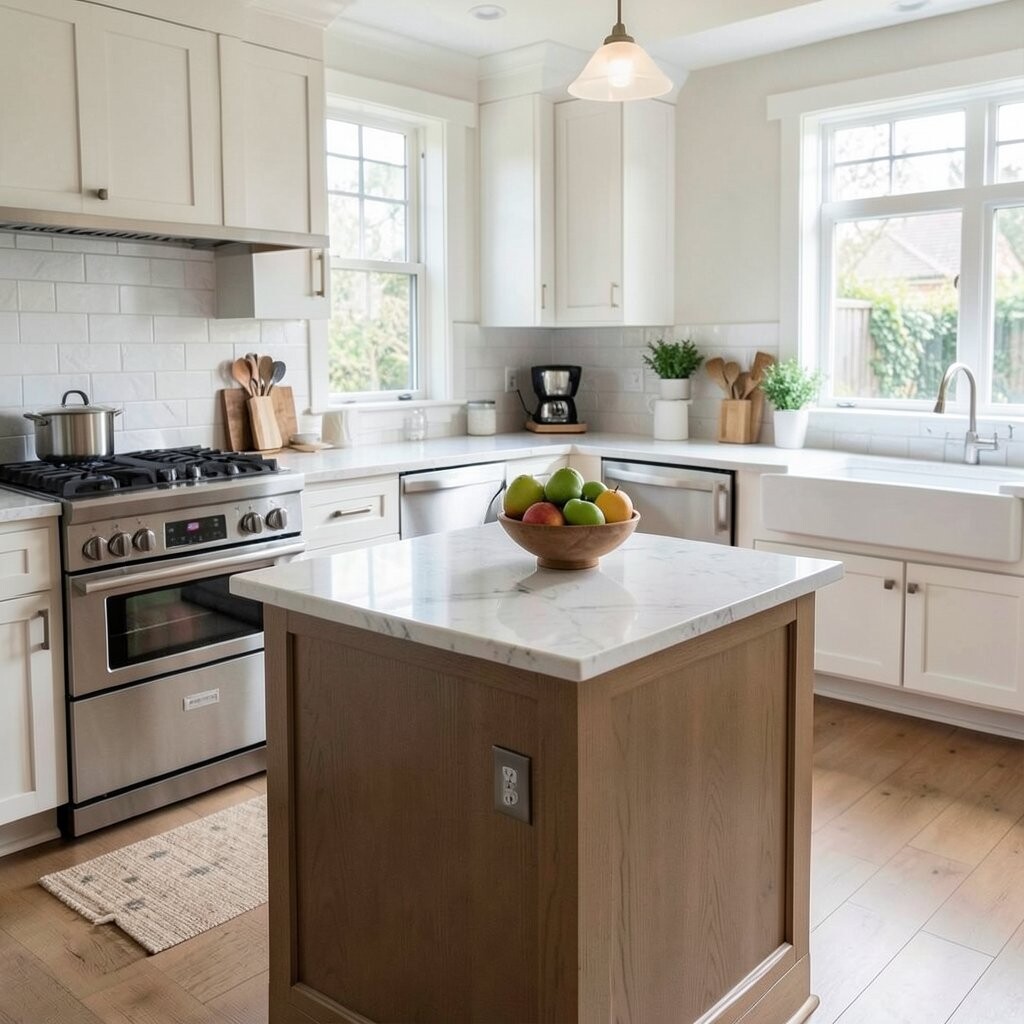
Racing to pick the last details often leads to a kitchen that feels a little off. Cabinet pulls, faucet shape, and paint color may seem small, but together they change the whole mood of the room.
Taking time with these choices helps the kitchen feel finished in a way that is calm and confident. You can compare samples in daylight, hold materials next to each other, and choose pieces that match your lifestyle as well as your taste. This slower approach may prevent costly do-overs, and it usually leads to a more unique space that feels truly yours.