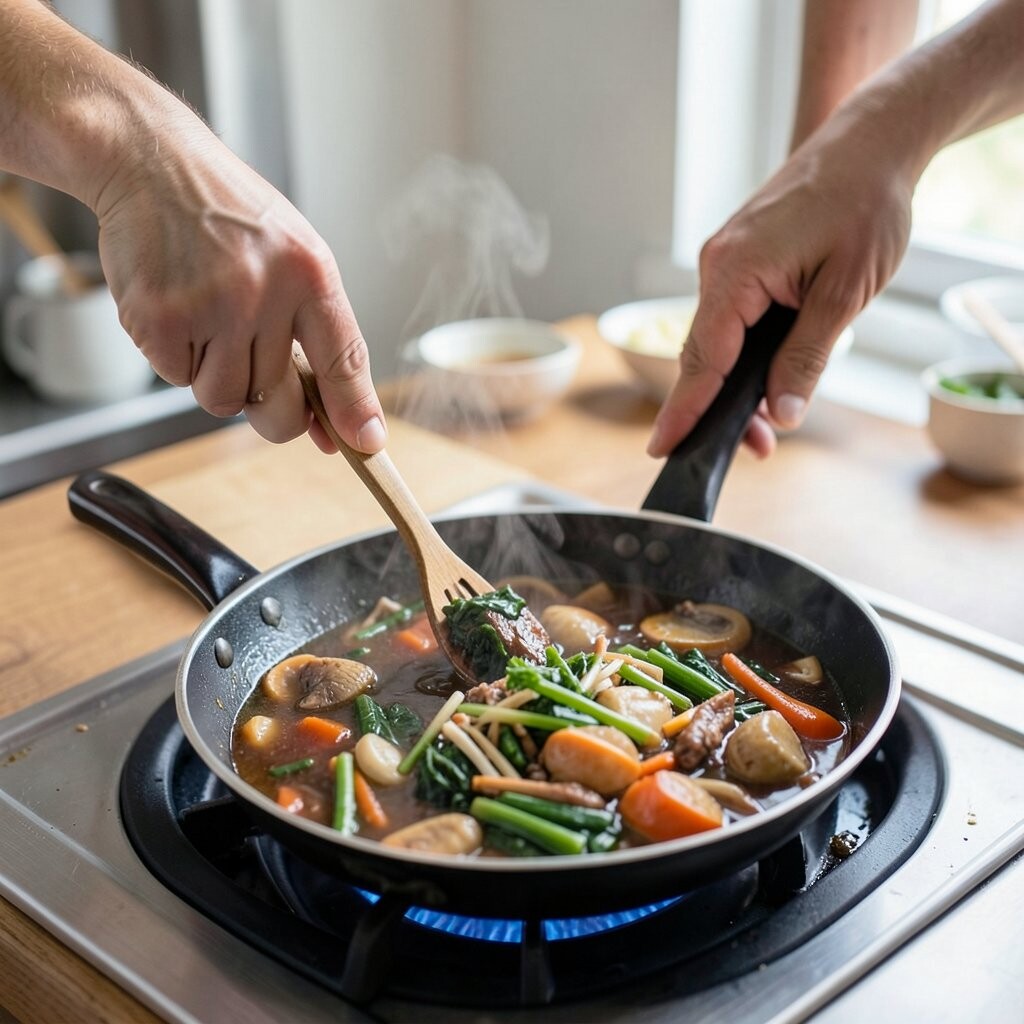
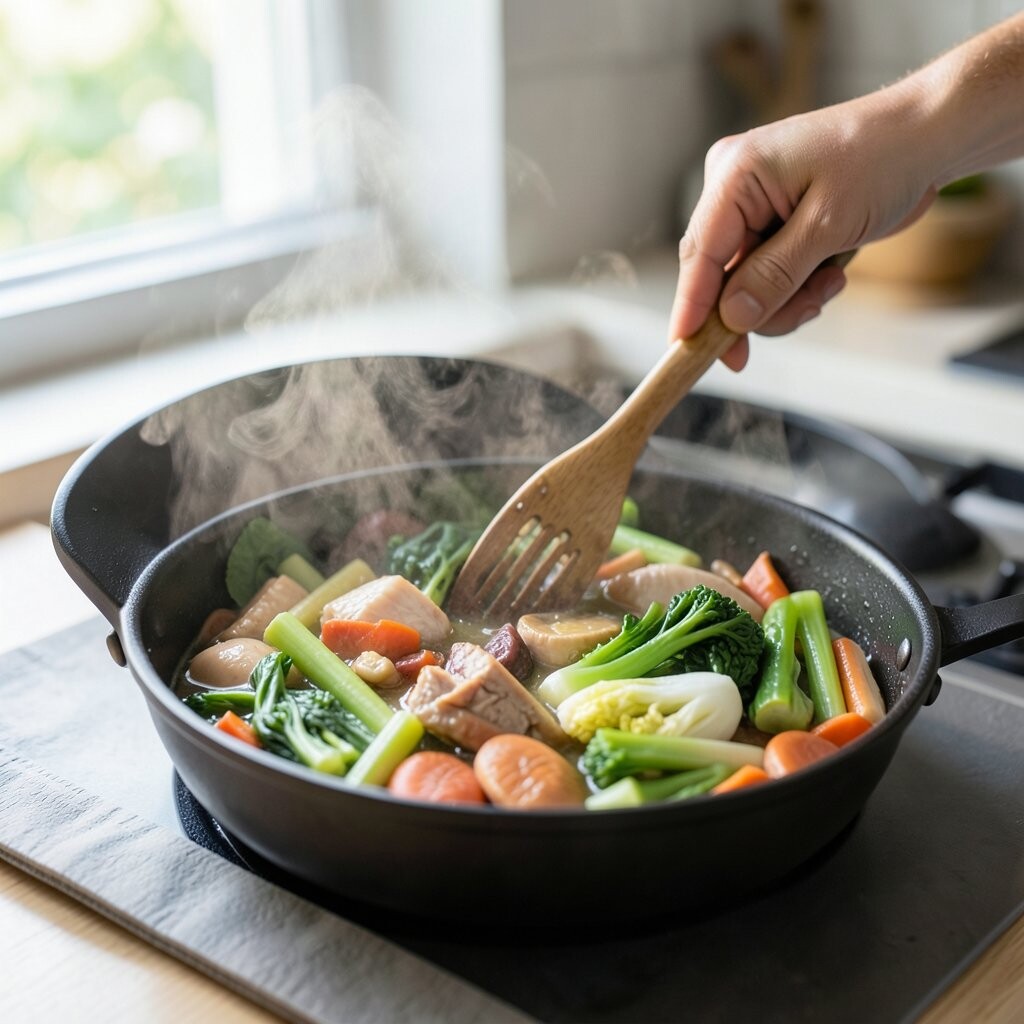
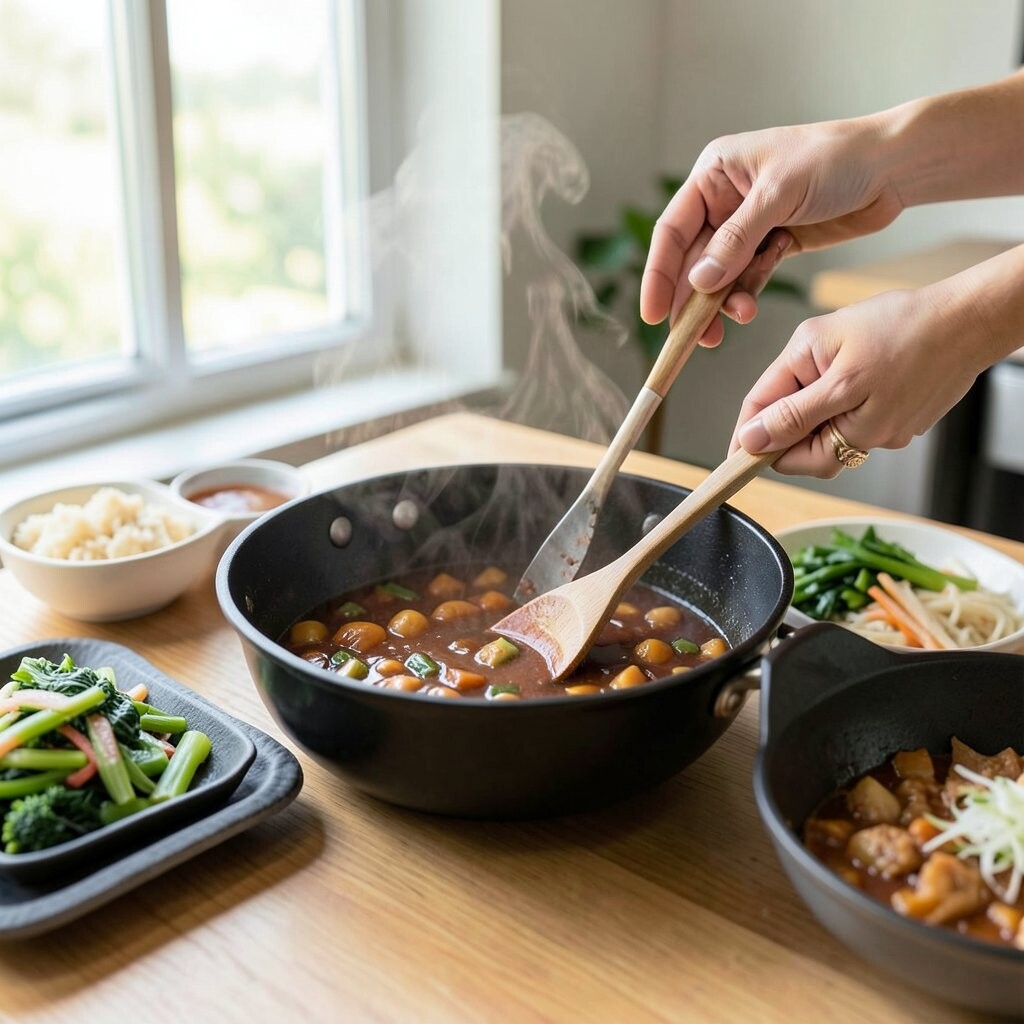
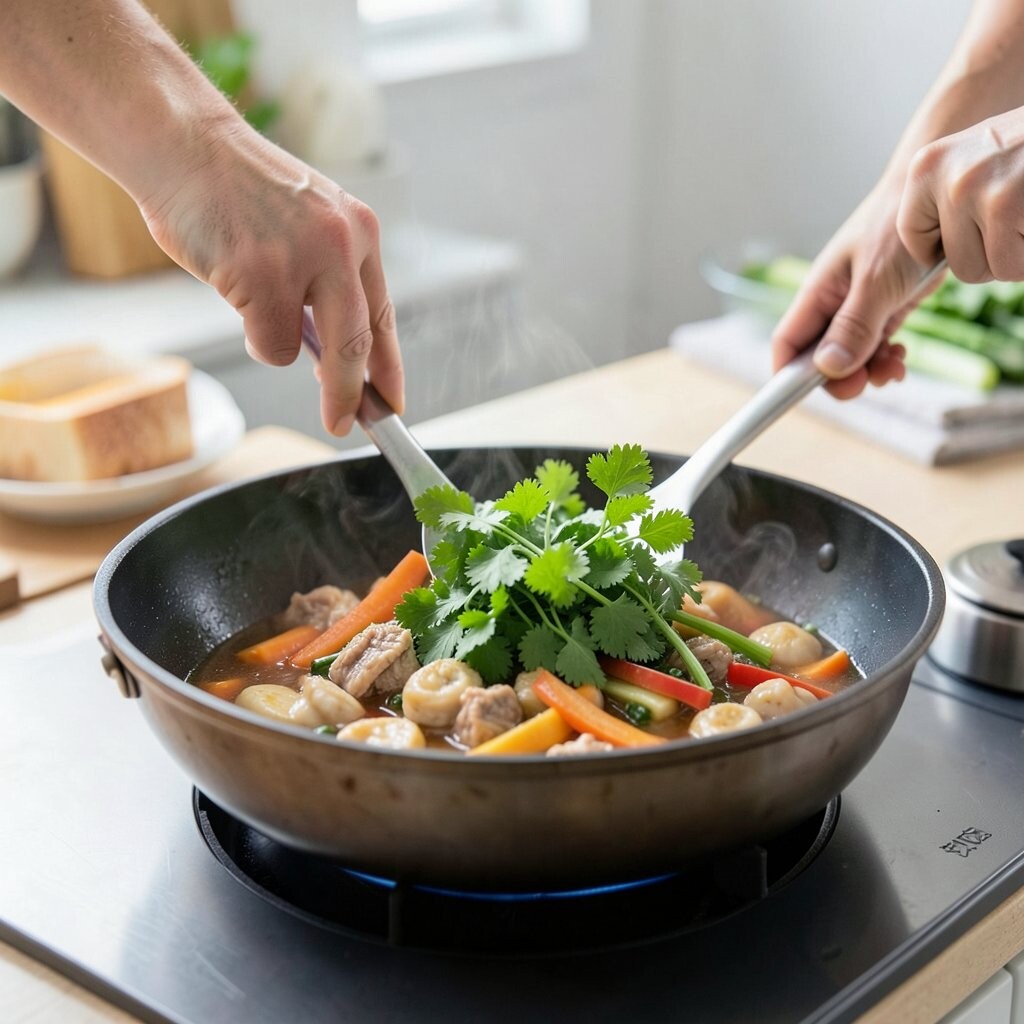
Rice and noodles are not all the same, and picking the wrong kind can make a dish feel heavy, mushy, or flat. A bowl of glossy jasmine rice, chewy udon, or springy rice noodles each brings its own charm and helps the meal taste right.
Match the grain or noodle to the dish, and the whole plate feels more balanced. This simple choice can save money too, because the right base makes cheap vegetables, eggs, or leftovers taste much better. If you cook often, keep a few kinds on hand so you can build quick meals that feel special.
2. Not Reading the Full Recipe First
Not Reading the Full Recipe First
Many cooks start chopping before they know what comes next. That can lead to burnt garlic, overcooked meat, or a sauce that never comes together.
Asian dishes often move fast once the pan gets hot, so prep matters. Read the whole recipe, set out bowls, and line up sauces before you begin. This habit makes cooking calmer, cuts waste, and helps you notice easy swaps when a store is out of one item.
It also helps with personal taste, because you can plan extra chili, less sugar, or more herbs from the start. Newer home cooks often like this style because it feels organized and less stressful. A neat prep area with small bowls can even make the kitchen look bright and inviting.
3. Skipping the Aromatics
Skipping the Aromatics
Garlic, ginger, scallions, lemongrass, and shallots are the heart of many dishes. Without them, food can look fine but taste dull and one-note.
These ingredients bring a fresh smell that fills the kitchen and makes people hungry fast. They also add big flavor without much cost, which is great when you want a meal that feels rich on a small budget. If fresh aromatics are pricey, frozen minced versions or pantry pastes can still work well.
Try changing the mix to fit your taste and the dish you are cooking. A little extra ginger can make a soup feel bright, while more scallion can give fried rice a clean finish. This is one of the easiest ways to make a recipe feel like your own.
4. Using Too Much Sauce at the Start
Using Too Much Sauce at the Start
Pouring in all the sauce right away can make food soggy and too salty. A stir-fry should look shiny and lively, not wet and heavy.
Add sauce in stages so you can taste and adjust as you go. This helps you save money too, because you use less of expensive items like soy sauce, oyster sauce, or sesame oil. It also keeps vegetables crisp and colorful, which makes the dish look more fresh on the plate.
5. Overcrowding the Pan
Overcrowding the Pan
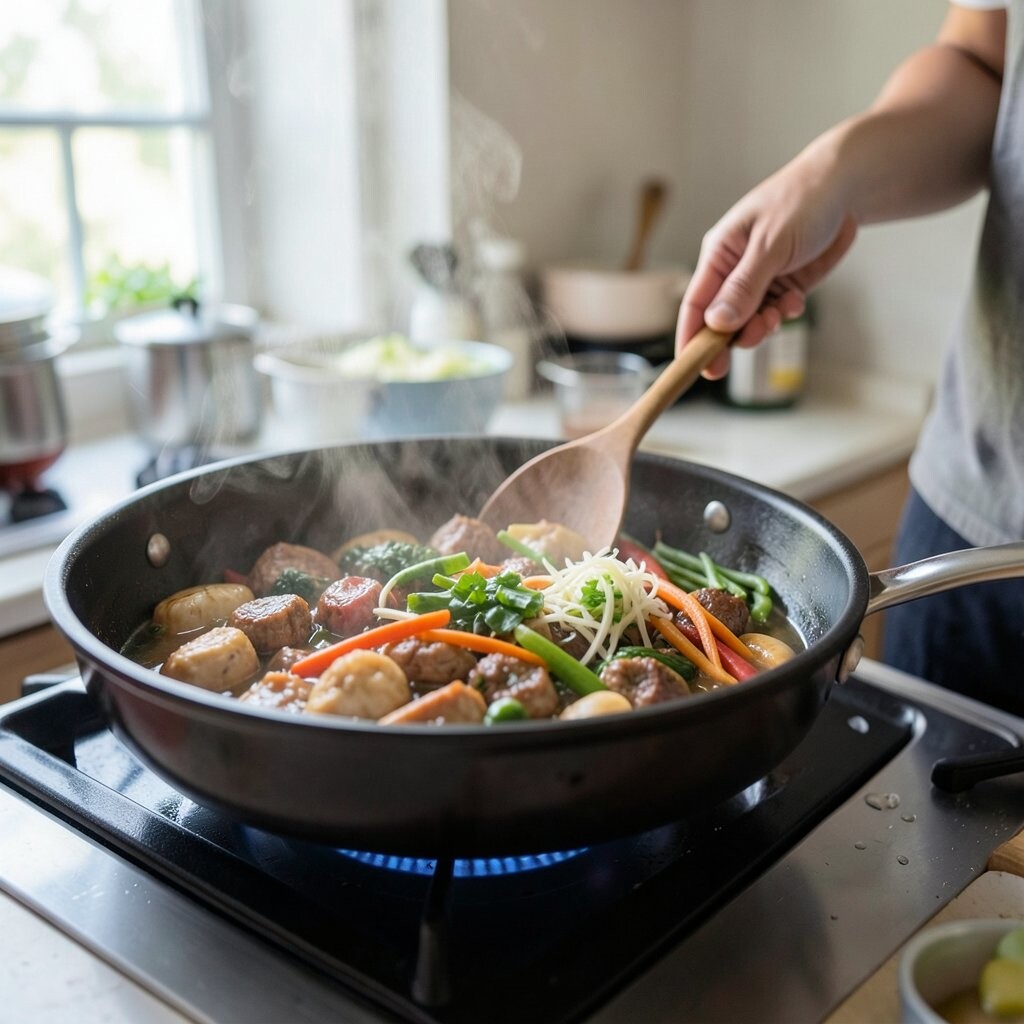
When too much food goes into one pan, the heat drops fast. Instead of a golden sear, you get steaming and soft edges.
Cook in batches if needed, even if it takes a little longer. The reward is better color, better smell, and better texture, which are all big parts of Asian home cooking. A wide pan or wok can help, but a regular skillet works too if you keep the load small.
This tip is also handy for people cooking on a budget, because a good sear can make simple chicken, tofu, or cabbage taste far more satisfying. Many cooks today like this method because it gives that restaurant-style look without fancy tools. If you want more personal flair, finish with herbs, chili oil, or toasted seeds.
6. Ignoring Heat Control
Ignoring Heat Control
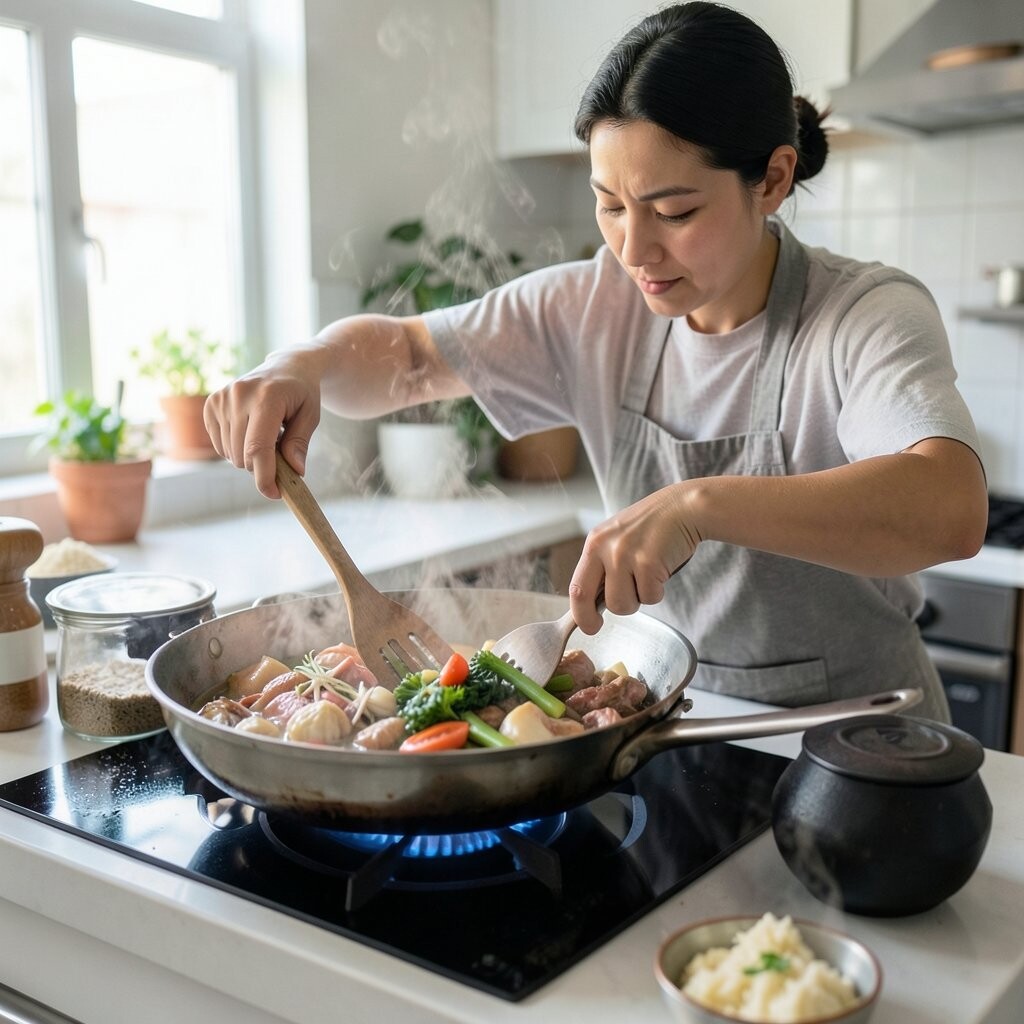
Heat matters a lot, and the wrong level can ruin a dish fast. High heat can burn garlic, while low heat can leave meat pale and vegetables limp.
Learn when to turn the flame up and when to pull it back. A hot pan helps with stir-fries and fried rice, but gentle heat is better for soups, braises, and delicate sauces. This balance gives food a clean, bright taste and helps you avoid wasting ingredients.
Many cooks use this skill to fit their own kitchen setup, since stove power can vary a lot. If your burner runs weak, cook in smaller amounts and preheat the pan well. A little practice goes a long way, and it can make even simple meals feel polished.
7. Using Old or Weak Spices
Using Old or Weak Spices
Spices that have sat in the cabinet too long can taste flat. The dish may still look colorful, but the flavor will feel sleepy.
Fresh spices and toasted whole spices bring warmth, depth, and a nice smell that fills the room. They can also be cost-friendly if you buy small amounts and store them well. When you want to save money, use a few strong spices instead of a long list of faded ones.
Try smelling your spices before cooking, and replace the ones that no longer smell lively. Trends in home cooking often favor fresh grinding, spice pastes, and small-batch blends for better flavor. You can also make dishes more personal by choosing a spice level that fits your family.
8. Not Tasting as You Cook
Not Tasting as You Cook
Some cooks wait until the end to taste the food. By then, a small mistake can be hard to fix.
Tasting along the way helps you catch too much salt, not enough acid, or a sauce that needs more balance. It also makes the meal fit your own style, since some people like sweeter sauces while others want more heat. A spoonful here and there can save both time and ingredients.
This habit is especially useful for soups, curries, and noodle bowls, where flavors build in layers. It can keep costs down too, because you avoid throwing out a batch that could have been saved. If you cook for guests, tasting early helps you make food that feels thoughtful and cared for.
9. Forgetting the Acid
Forgetting the Acid
A dish can be rich and savory but still feel dull without a little brightness. Lime, vinegar, tamarind, or rice vinegar can wake up the whole bowl.
That sharp pop makes food taste cleaner and more lively, especially in stir-fries, salads, and soups. It also helps cut through oil and heavy sauces, which keeps the meal from feeling too rich. A small splash is often enough, so this is a low-cost way to boost flavor.
Try adding acid near the end so the taste stays fresh and clear. This is a popular move in modern home cooking because it gives a restaurant-style finish with very little effort. You can make it your own by choosing a tangy note that matches your family’s favorite flavors.
10. Using the Wrong Oil
Using the Wrong Oil
Some oils smoke too fast, and some have a strong taste that takes over the dish. A pale, glossy stir-fry can turn bitter if the oil cannot handle the heat.
Choose an oil that fits the cooking method, like neutral oil for high heat and sesame oil for finishing. This keeps the food tasting clean and helps protect your pan from burnt bits. It can also help your budget, since one good bottle can work across many recipes.
Many cooks now keep both a cooking oil and a flavor oil in the kitchen. That simple setup makes meals easier to personalize without buying a lot of extras. A tiny drizzle of toasted sesame oil can make noodles or greens smell amazing.
11. Cutting Ingredients Unevenly
Cutting Ingredients Unevenly
Big chunks and tiny bits do not cook at the same speed. The result can be a plate with some pieces raw and others too soft.
Try to keep the cuts close in size so everything finishes together. Neat slices also make the dish look more beautiful, with clean lines and bright colors on the plate. Better cutting can reduce waste too, since even pieces are easier to use in soups, stir-fries, and salads.
If you want a more personal touch, cut ingredients to fit the dish style you like best. Thin strips feel light and fast, while larger chunks feel homey and bold. This is a great place to save money as well, because careful cutting makes humble vegetables look generous.
12. Treating All Soy Sauces the Same
Treating All Soy Sauces the Same
Soy sauce is not just one flavor. Light soy, dark soy, and sweet soy each bring a different color and taste.
Using the wrong one can make a dish too salty, too dark, or too sweet. Learning the difference helps you build better flavor and gives your food a more polished look. It also helps with cost, because you can buy the right bottle for the job instead of guessing and wasting money.
Check labels and start with a small amount until you know how the sauce behaves. Many cooks today like to keep a small set of sauces for flexible meal prep. That makes it easier to make dishes your own without buying a huge pantry of special items.
13. Overcooking Vegetables
Overcooking Vegetables
Soft vegetables can lose their bright color and fresh bite. A plate of limp greens or mushy broccoli looks tired, even if the seasoning is good.
Cook vegetables until they are just tender so they stay crisp, sweet, and colorful. That fresh look makes the whole dish more inviting and often more tasty too. It also helps stretch your grocery money, since well-cooked vegetables feel more satisfying and less wasteful.
Blanching, quick stir-frying, and steaming are useful methods for keeping texture alive. If you like your vegetables softer, you can still cook them a little longer, but start with less time. Many trendy weeknight meals now focus on bright vegetables because they look good and feel light.
14. Not Preparing a Good Sauce Base
Not Preparing a Good Sauce Base
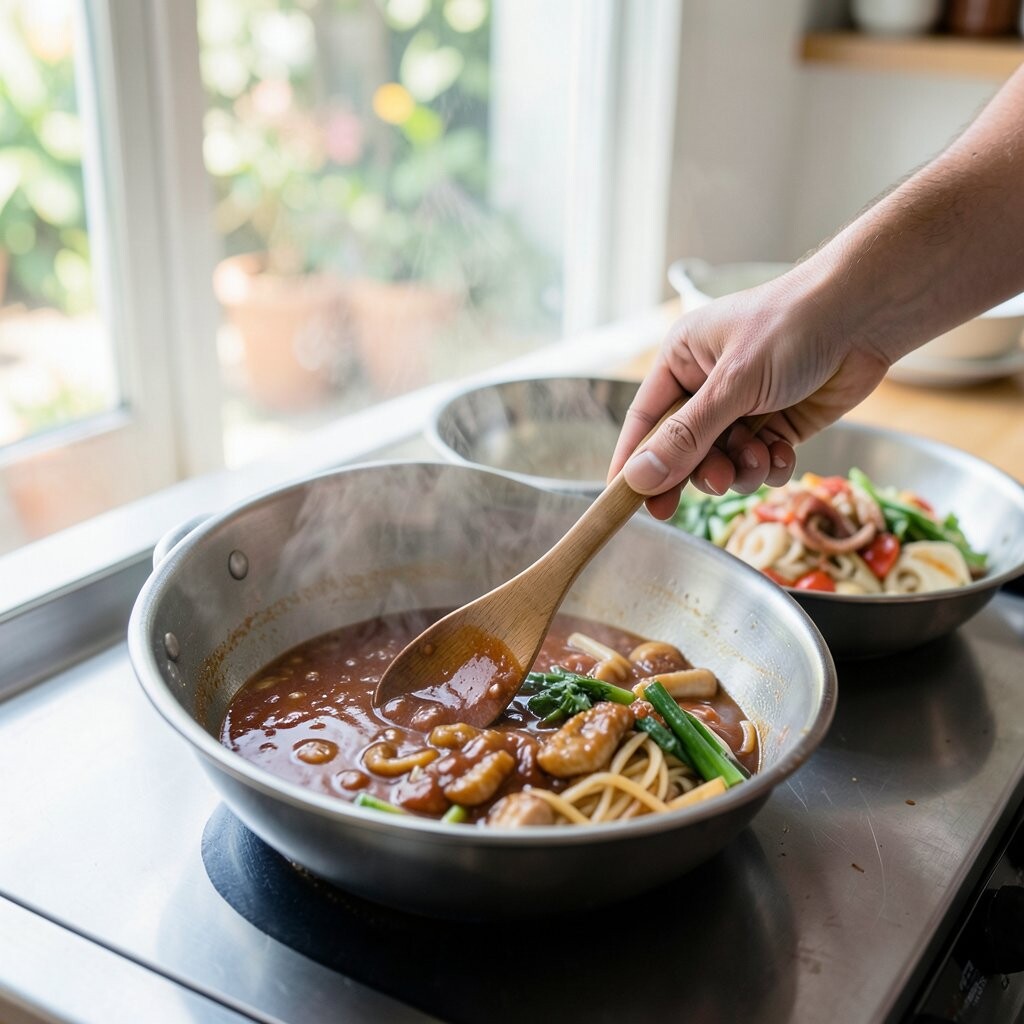
A weak sauce can make even great ingredients feel plain. If the sauce is thin, flat, or unbalanced, the whole dish may seem unfinished.
Build a sauce with salt, sweet, sour, and savory notes so it has depth. This gives the food a richer taste and lets simple ingredients shine. A well-made sauce can also stretch expensive items, which is helpful when you want bold flavor on a small budget.
Try mixing your sauce in a bowl before it hits the pan, and taste it if the recipe allows. That small step helps you adjust for your own likes, such as more garlic, less sugar, or extra chili. It also makes cooking feel smoother because the sauce is ready when you need it.
15. Using Too Much Sugar
Using Too Much Sugar
Sweetness can be lovely, but too much can hide the real flavors. A dish may end up tasting sticky instead of balanced.
Many Asian dishes use sugar in small amounts to round out salt and acid, not to make food taste like dessert. Keep the sweetness light so the savory notes, herbs, and spices can still shine. That approach is healthier too, and it can help you use less of a costly ingredient if a recipe calls for special sweeteners.
If you like a sweeter style, add a little at a time and taste as you go. Modern cooks often adjust sugar to fit their own goals and family needs. A small change can make the meal feel more personal without changing the whole recipe.
16. Forgetting Texture
Forgetting Texture
Great Asian food often has more than one texture in the same bite. Soft rice, crisp vegetables, tender meat, and crunchy toppings make the meal feel alive.
When every part feels the same, the dish can seem boring even if the flavor is good. Add peanuts, sesame seeds, fried shallots, cucumber, or bean sprouts to bring contrast. These extras can be affordable and easy to keep on hand, which is helpful for quick meals.
Texture also makes food look more exciting, with layers and color in the bowl. You can personalize the dish by choosing crunchy, chewy, or silky toppings based on what you like. This is one reason noodle bowls and rice bowls are so popular right now.
17. Using Only One Fresh Herb
Using Only One Fresh Herb
Herbs can make a dish smell bright and taste fresh, but one herb alone may not be enough. A plate with only one green note can feel plain and one-sided.
Try mixing cilantro, Thai basil, mint, scallions, or shiso when the recipe allows. Different herbs bring different looks too, from deep green leaves to feathery tops that make the dish pop. Fresh herbs can be a smart value choice because a small bunch can lift many meals.
If fresh herbs are expensive where you live, use a little less and add them at the end for the biggest effect. You can also tailor the herb mix to your taste, which makes the dish feel more like your own kitchen. This kind of finishing touch is very common in current home cooking because it looks fresh and feels special.
18. Rushing the Final Plating
Rushing the Final Plating
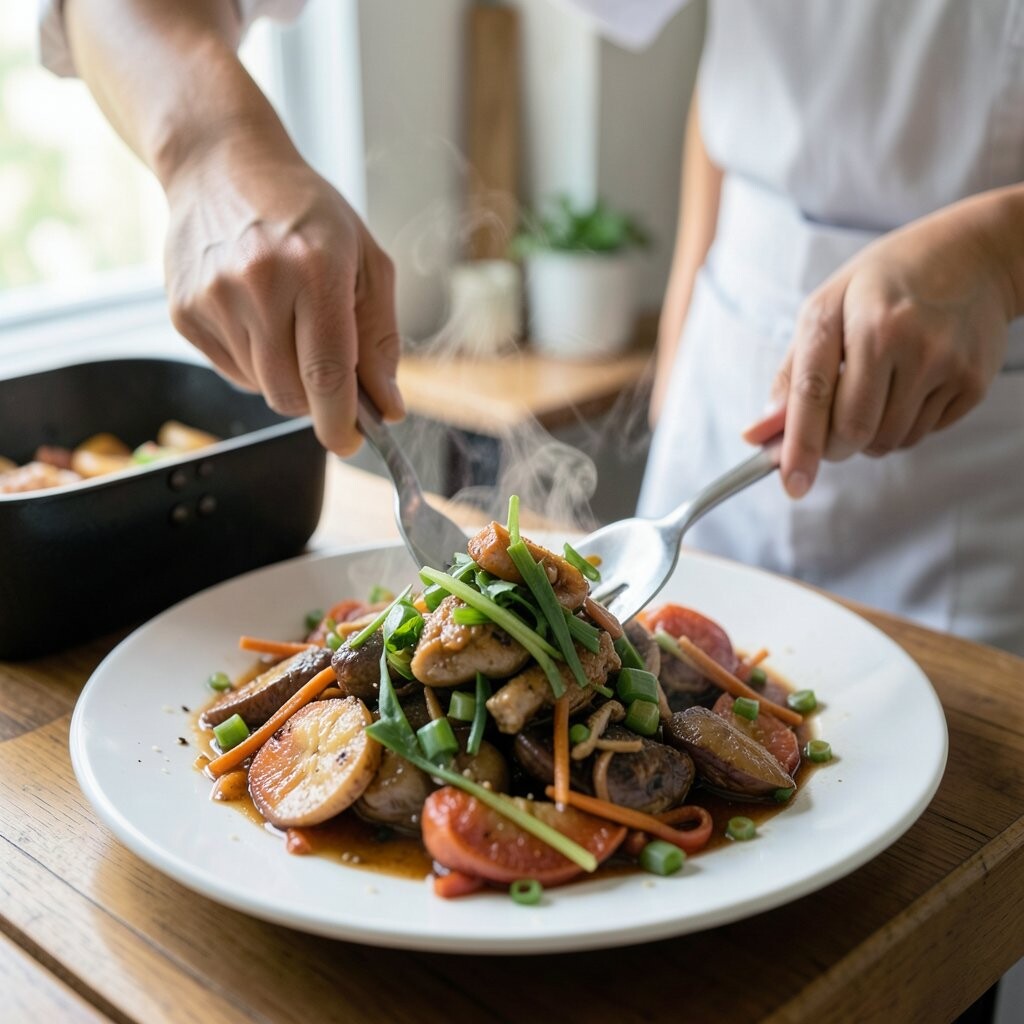
The last step matters more than many cooks think. A dish that tastes good can still feel less exciting if it lands on the plate in a messy heap.
Take a moment to arrange the rice, noodles, protein, and vegetables so the colors stand out. A neat bowl or plate makes the meal look brighter, more thoughtful, and more inviting. It also costs nothing, which is nice when you want a restaurant feel at home.
Use a clean rim, a small garnish, or a spoonful of sauce in the right spot to finish the look. That tiny bit of care can make weeknight food feel special and personal. Many cooks now post their meals online, so a pretty plate is a trend that also makes dinner more fun.