Cabbage is a versatile vegetable that can be transformed into delightful preserved dishes. It’s amazing how a humble head of cabbage can be the star of some of the most flavorful and enduring recipes.
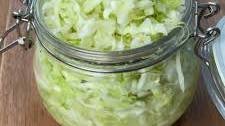
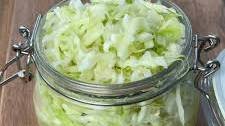
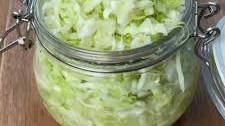
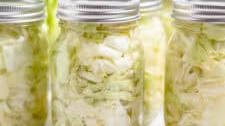
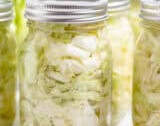
Imagine a tangy, crunchy delight that’s as good on its own as it is on a juicy bratwurst. Sauerkraut is a classic cabbage dish with a zingy flavor that comes from fermentation. The only ingredients you need are cabbage and salt, though some people love adding caraway seeds for an extra aromatic twist.
What makes sauerkraut special is its simplicity and the natural fermentation process that enhances its nutritional value. This method of preservation dates back centuries and is popular in many cultures, from Germany to Korea. The fermentation process not only preserves the cabbage but also creates beneficial probiotics that are great for gut health.
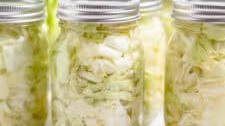
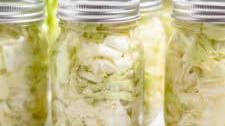
Making sauerkraut is like a science experiment in your kitchen. Watching the cabbage transform over a few weeks, bubbling away, is quite satisfying. Plus, once it’s ready, it can last for months in the fridge, allowing you to enjoy its lively flavor whenever you please.
If you’re in the mood for something spicy and bold, kimchi is your answer. This Korean staple combines napa cabbage with a fiery mix of garlic, ginger, chili pepper, and fish sauce. It’s a flavor explosion that’s both hot and umami-rich.
Kimchi is not just a dish; it’s a cultural icon and a testament to the art of fermentation in Korean cuisine. Each family has its own unique recipe, often passed down through generations. The beauty of kimchi is its versatility – it can be eaten as a side dish, added to soups, or even incorporated into pancakes and fried rice.
Pickled cabbage is a delightful way to preserve the crunchy texture of cabbage while infusing it with a tangy, sweet, and sour flavor. The basic recipe calls for cabbage, vinegar, sugar, and spices like mustard seeds and bay leaves.
This preservation method is popular in many Eastern European cuisines. What makes it special is the balance of flavors—each bite offers a refreshing crunch combined with a zesty punch. Pickled cabbage is perfect for adding a bit of acid to heavy dishes or simply as a refreshing snack.
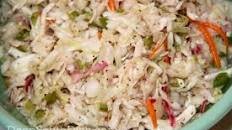
Coleslaw is a beloved staple at picnics and barbecues, offering a creamy, crunchy contrast to grilled meats and rich dishes. Made with shredded cabbage, carrots, mayonnaise, and a hint of vinegar, it’s a dish that’s both simple and satisfying.
The beauty of coleslaw lies in its adaptability; you can tweak it to suit your taste by adding ingredients like apples, nuts, or a sprinkle of celery seed. It’s also a quick way to preserve cabbage for a few days, offering a fresh taste with every bite. The creamy texture combined with the crispness of the cabbage makes it irresistible.
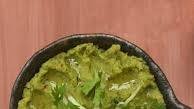
Chutney might not be the first thing you think of when preserving cabbage, but once you try it, you’ll wonder what took you so long. This sweet and spicy condiment combines cabbage with sugar, vinegar, and spices like ginger and chili flakes.
Cabbage chutney is special because it brings out a side of cabbage that most people haven’t experienced. The sweetness balances the spice, creating a complex flavor profile that pairs beautifully with cheeses, roasted meats, or even spread on a sandwich. It’s a creative way to preserve cabbage and add a new dimension to your meals.
By transforming cabbage into a chutney, you’re not just preserving it; you’re creating a culinary delight that adds a burst of flavor to any dish.
Pro Tricks for Amazing Cabbage Preservation Recipes
Different recipes call for different types of cabbage. For sauerkraut, green or white cabbage works best, while napa cabbage is ideal for kimchi. Make sure to select fresh heads with tightly packed leaves for the best results.
Perfecting the Fermentation
Temperature plays a significant role in fermentation. Keep your sauerkraut and kimchi at room temperature, around 65-70°F, for optimal fermentation. Too cold, and it won’t ferment; too hot, and it might spoil.
Experiment with Flavors
Don’t be afraid to get creative with spices and additional ingredients. A sprinkle of caraway seeds in sauerkraut or a twist of lime in your chutney can elevate the flavor and personalize the recipe to your taste.