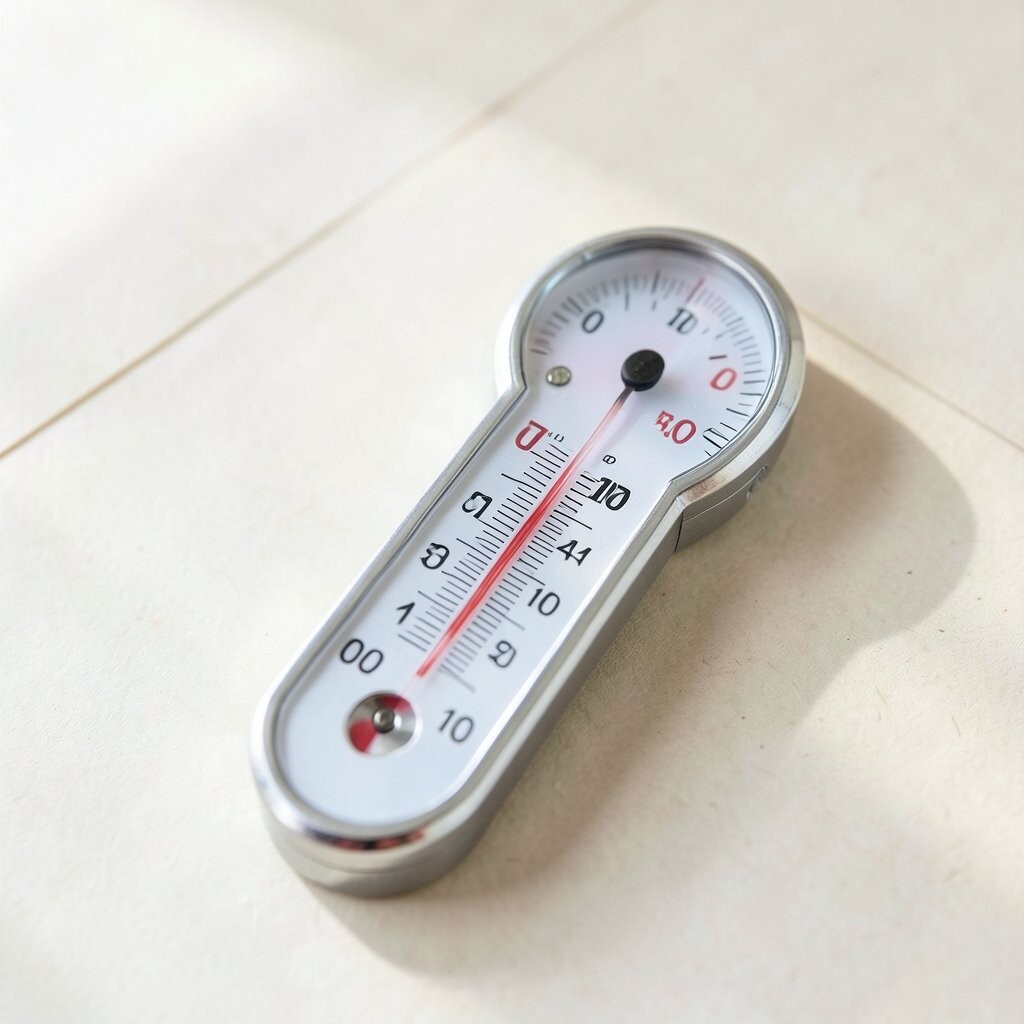
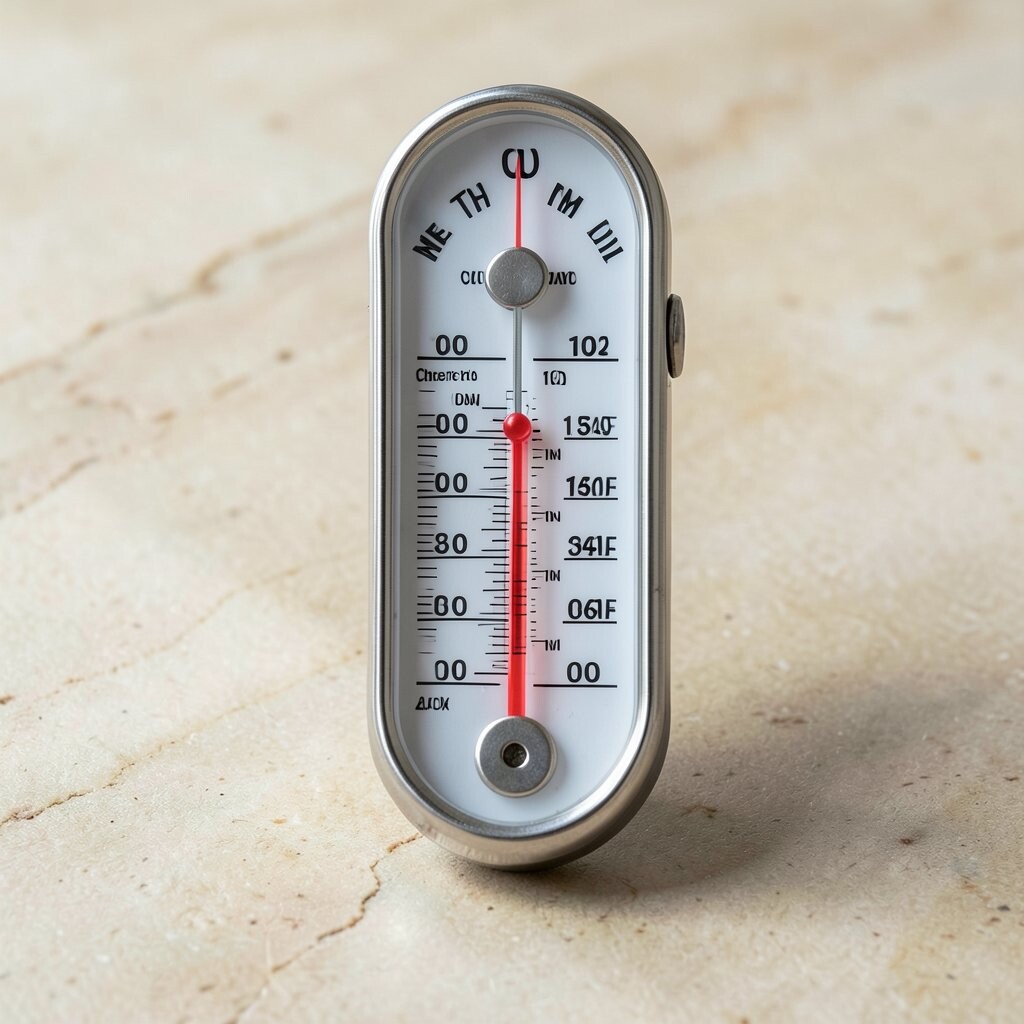
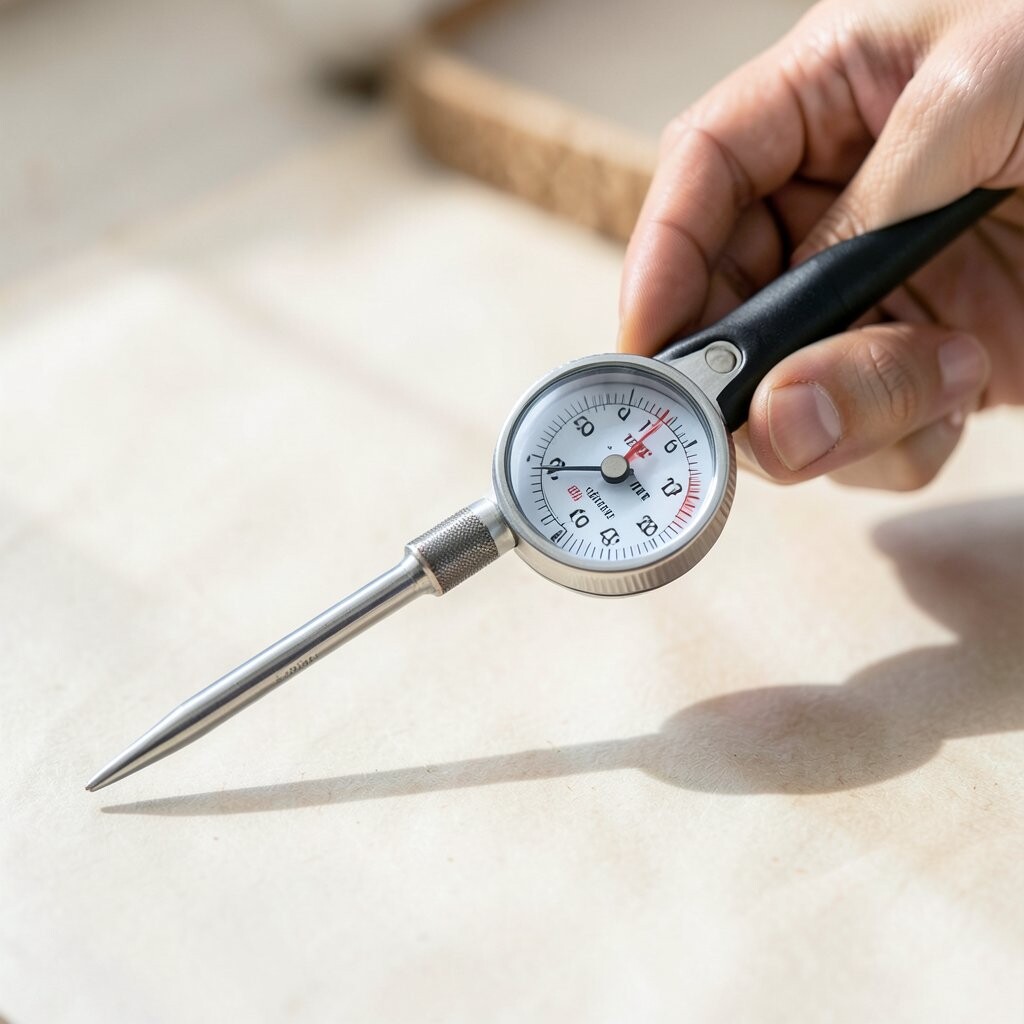
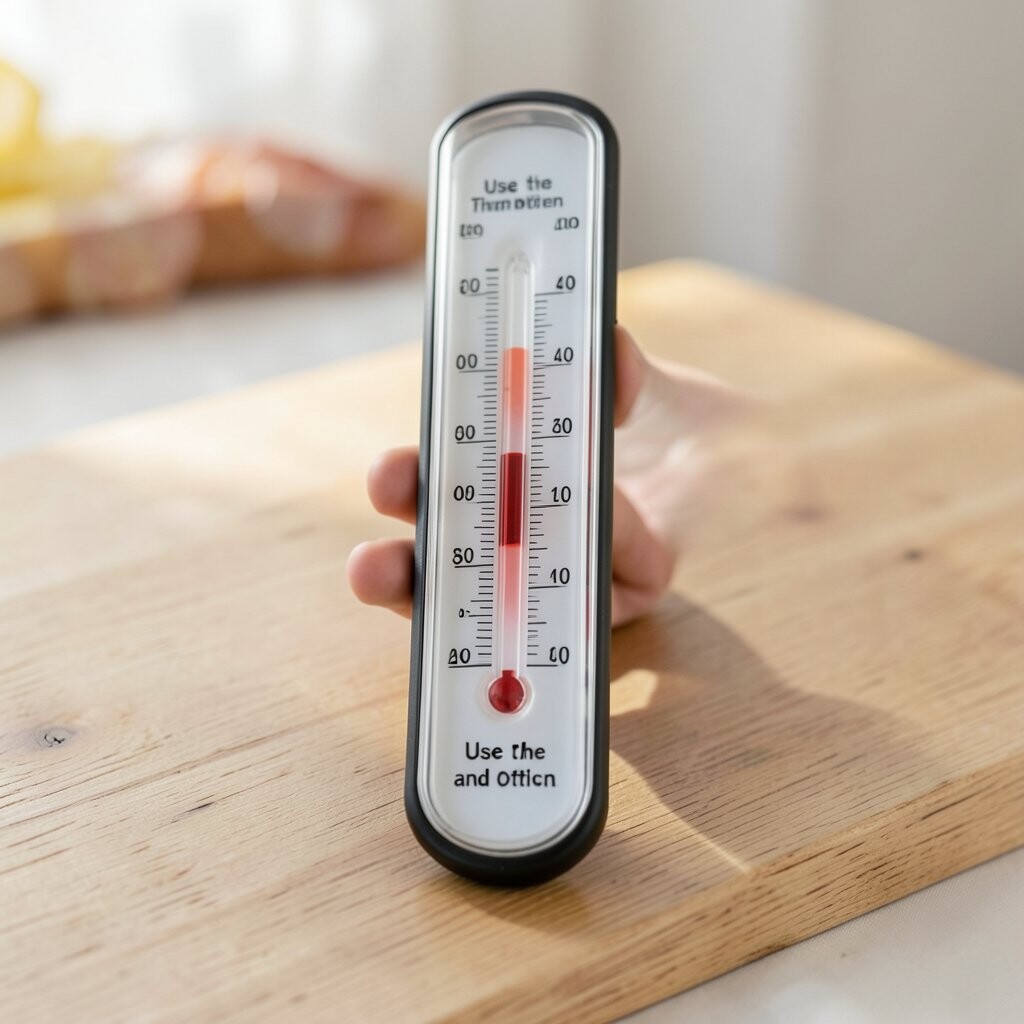
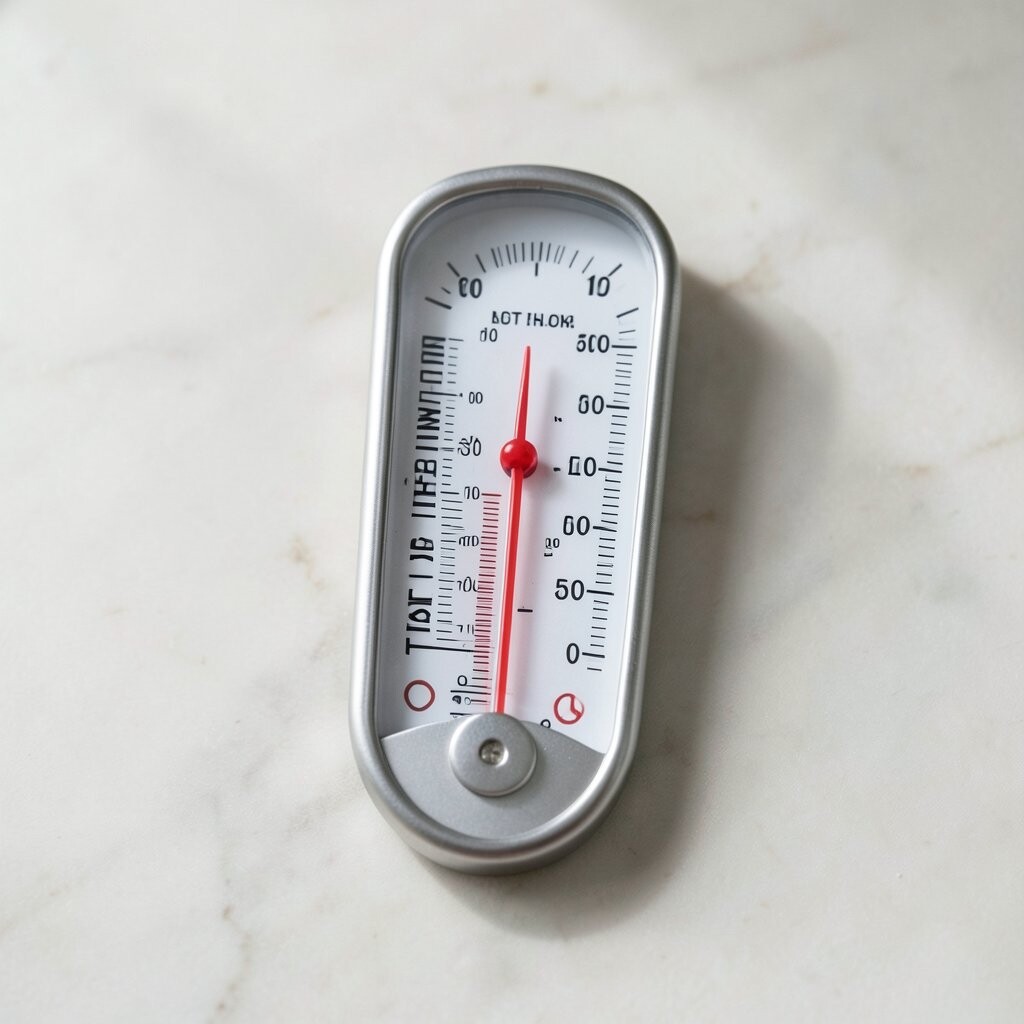
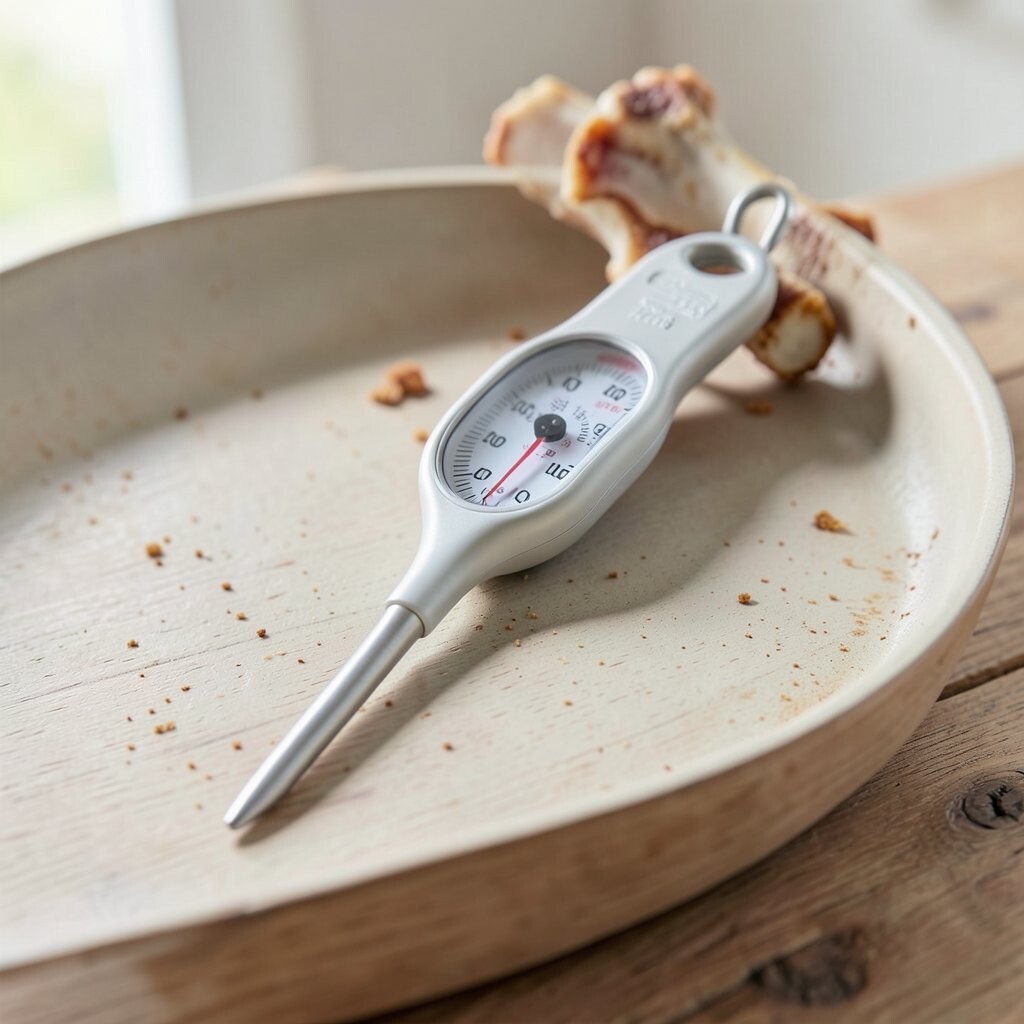
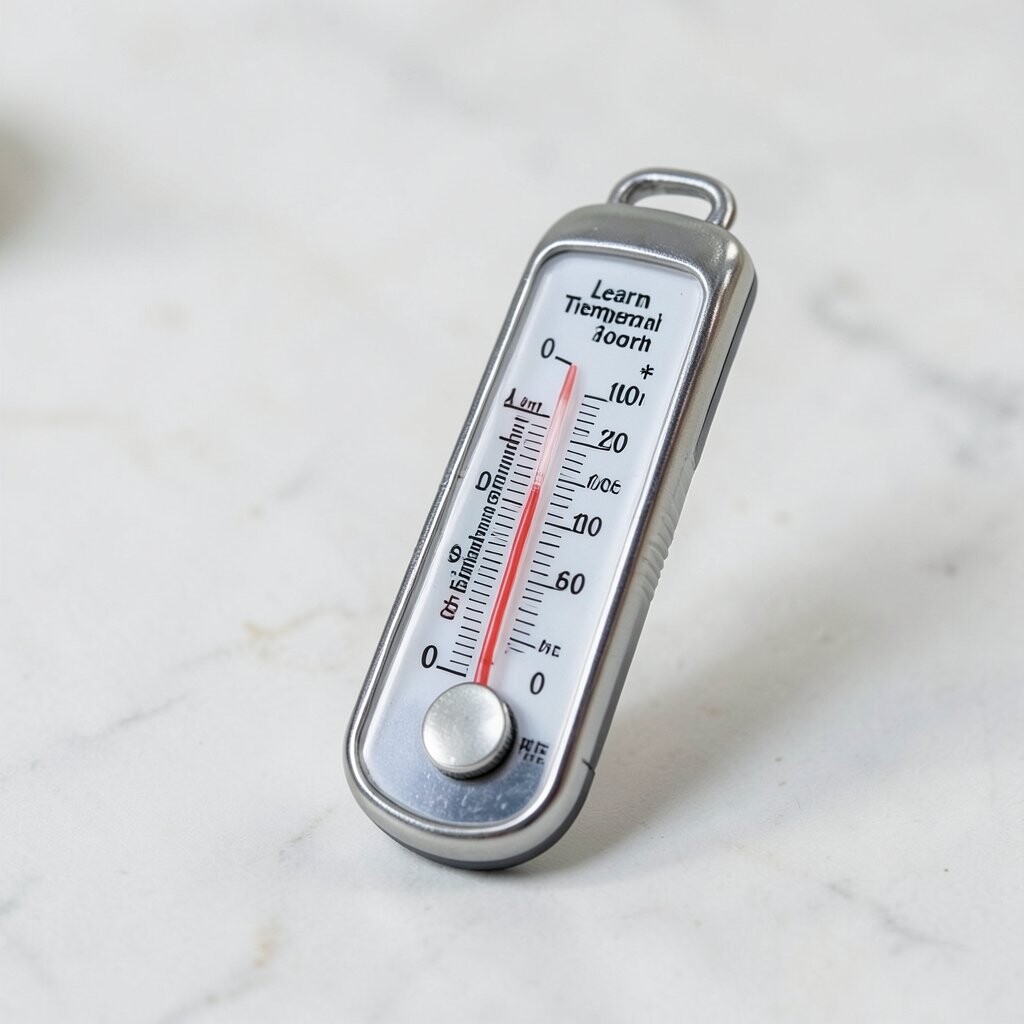
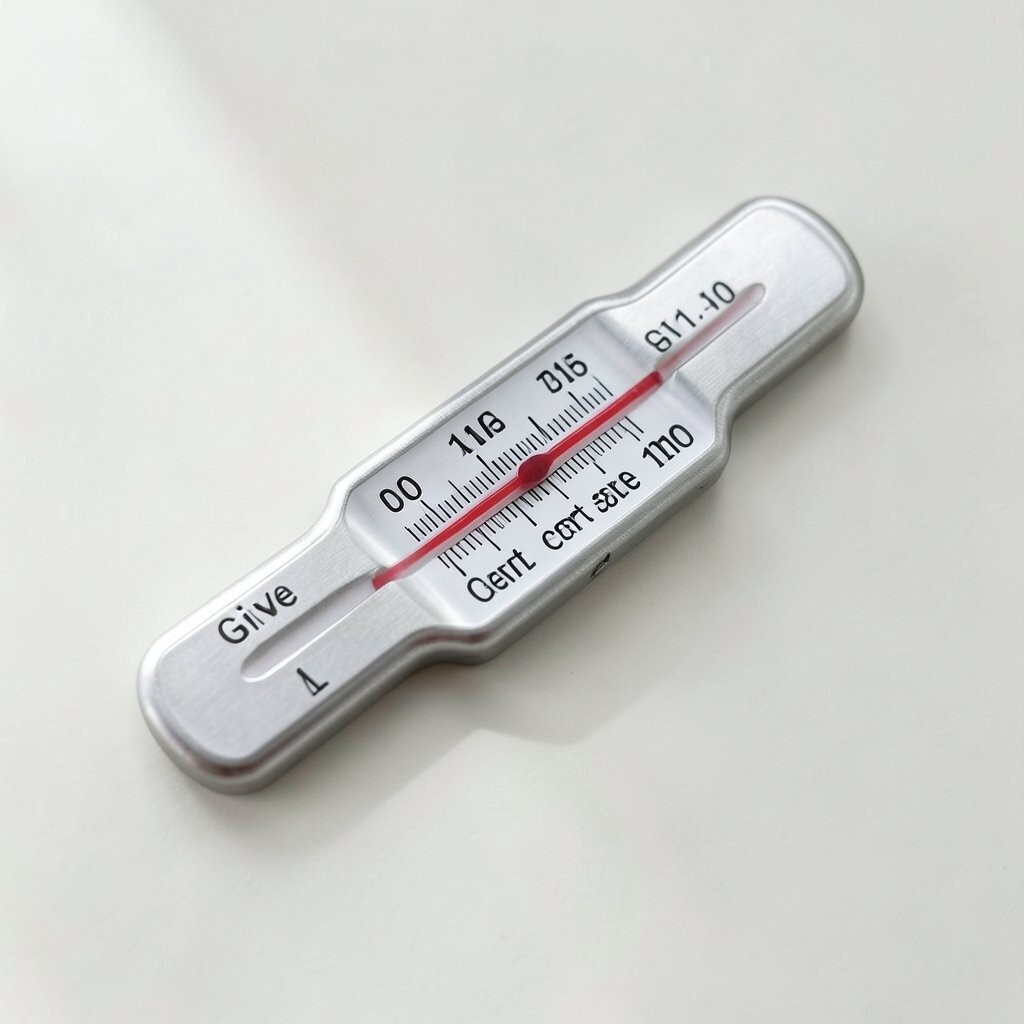
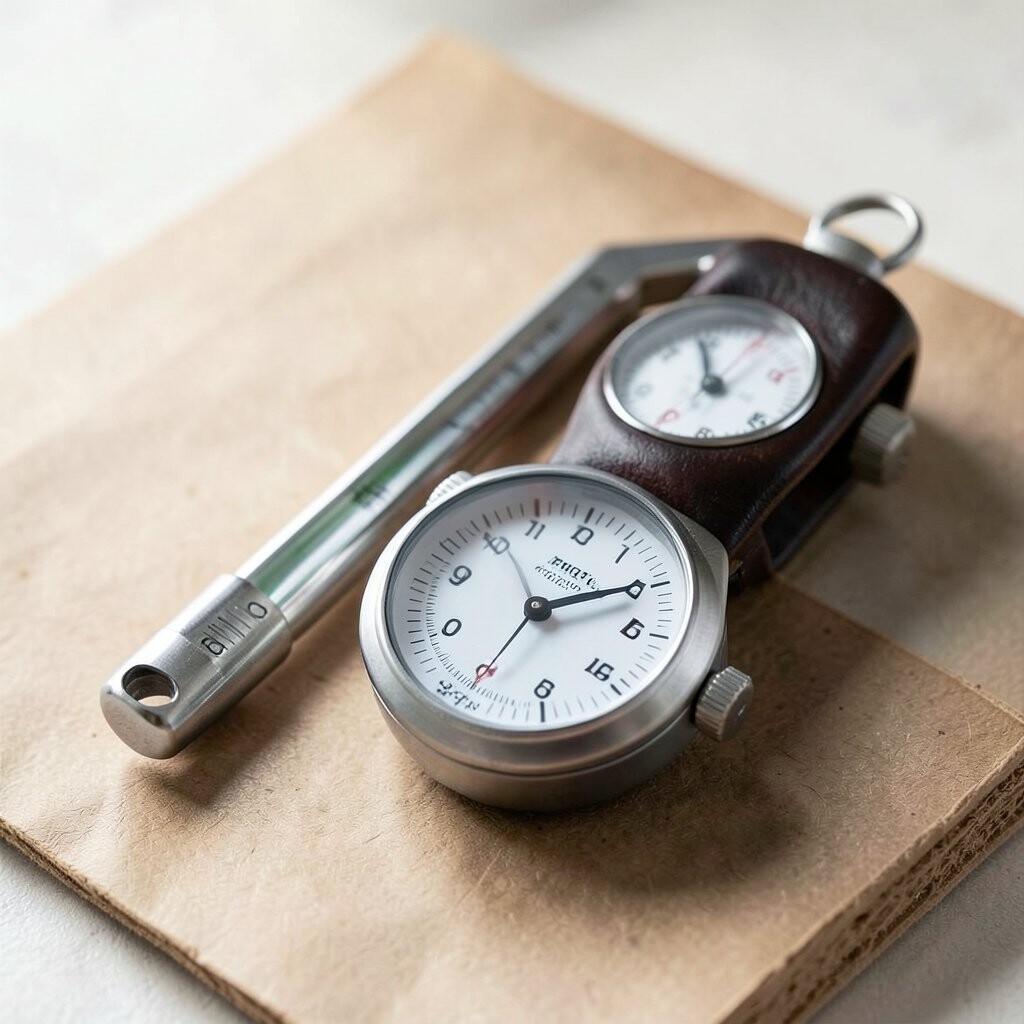
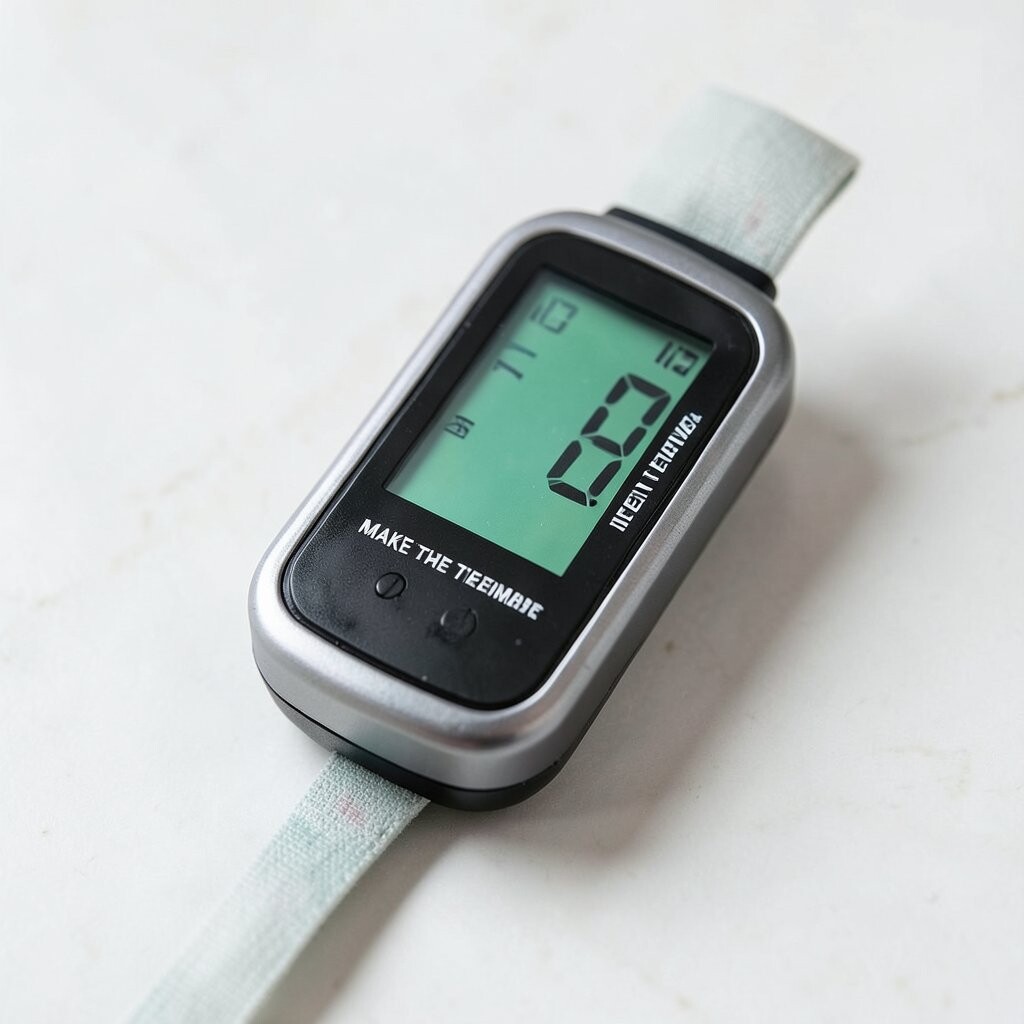
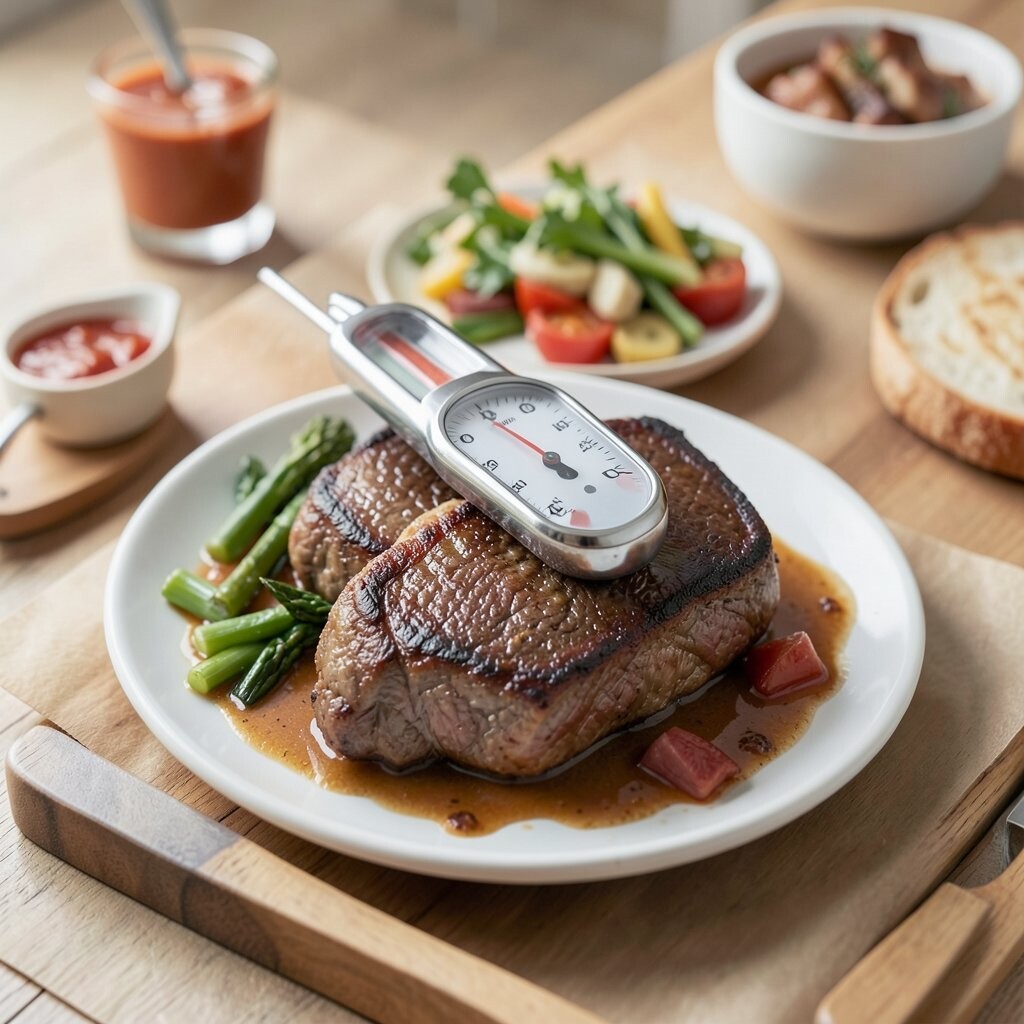
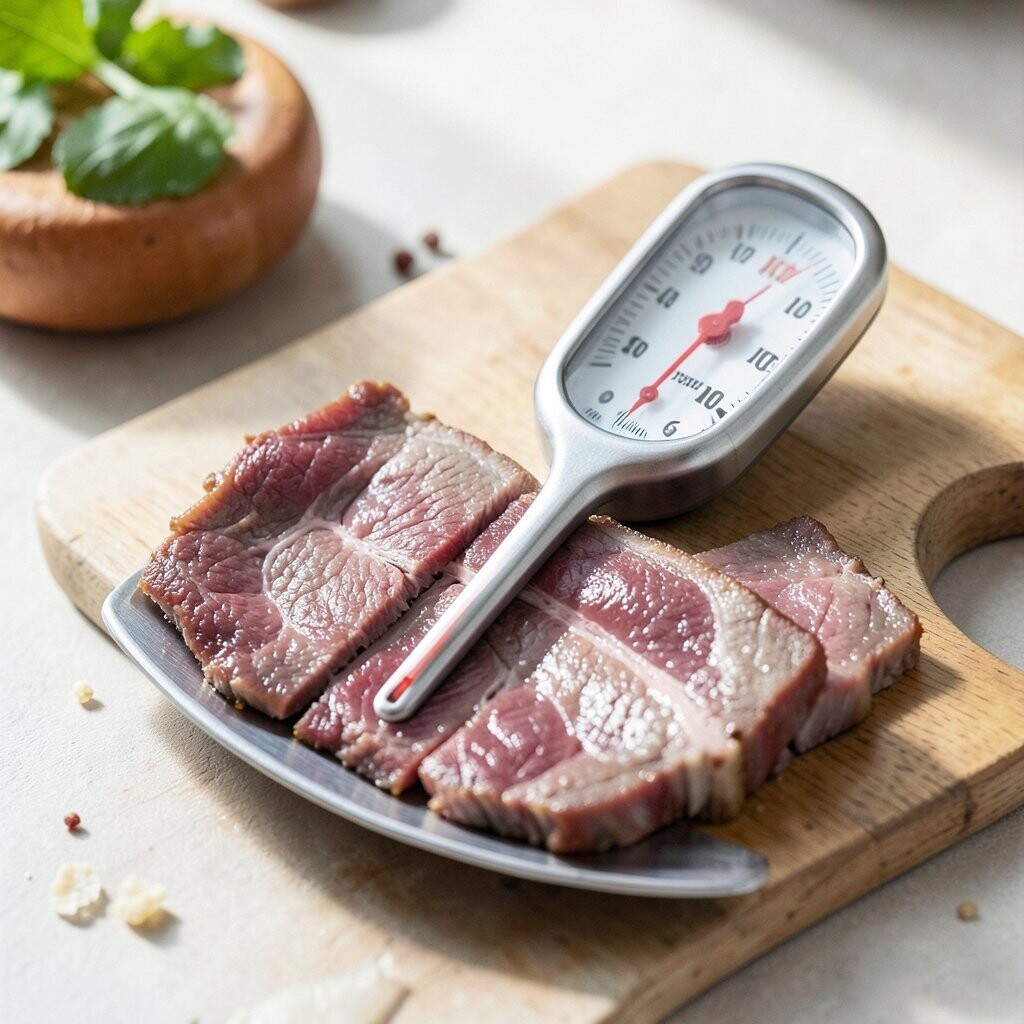
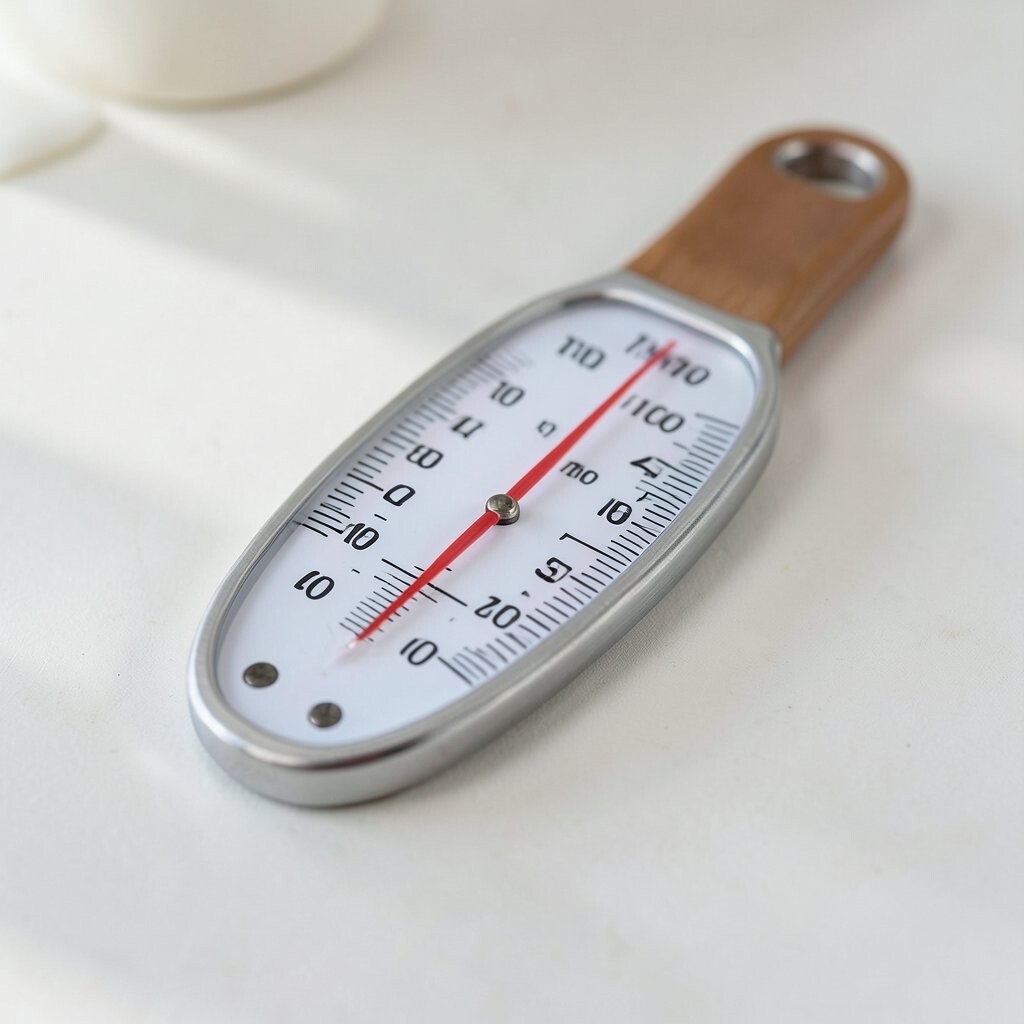
Different thermometers shine in different cooking moments, so it helps to match the tool to the task. A slim instant-read model works fast for steaks and chicken, while a leave-in probe is great for roasts and big cuts.
Look for a clear screen, a fast reading time, and a sturdy probe that feels comfortable in your hand. Some models have a bright display that is easy to read beside a hot grill, and that small detail can make cooking feel much calmer. If you cook often, spending a little more can bring better accuracy and longer life, but simple models can still do a fine job for everyday meals.
2. Check the temperature before you cook
Check the temperature before you cook
A thermometer is only helpful if it is reading correctly. Before a busy meal, test it in ice water or warm water so you know the display is honest.
This quick habit can save a whole roast from being overcooked or undercooked. It also builds trust, which makes cooking more relaxed and fun. If your thermometer has a calibration button, follow the steps in the manual and make it part of your prep routine.
Many home cooks like this check because it fits modern kitchen habits that focus on precision and less waste. You can even keep a small note on your phone with the result so you remember how your tool behaves over time. That simple record can help you spot trouble before it ruins a meal.
3. Know the best place to insert the probe
Know the best place to insert the probe
Where you place the tip matters as much as the temperature itself. The center of the thickest part usually gives the truest reading, and staying away from bone or fat helps avoid false numbers.
A tiny shift in placement can change the result by a lot, so move slowly and aim with care. It helps to imagine the meat as a target with a warm center and cooler edges. For stuffed foods or thick casseroles, push the probe into the middle of the filling so the reading reflects the whole dish.
This tip is especially useful for people who cook different cuts at home. It gives each meal a more personal touch because you can focus on the part that matters most to your style. If you like neat plating, choosing the right spot also keeps the surface looking clean and tidy.
4. Use the thermometer early and often
Use the thermometer early and often
Waiting until the end can make it hard to fix mistakes. Checking the temperature during cooking helps you stay in control and catch changes before they become problems.
This is a smart habit for grills, ovens, and smokers alike. A quick check near the end gives you a better feel for how fast the food is moving toward done. It also helps you build confidence, because the numbers teach you how heat behaves in your own kitchen.
5. Let the thermometer match your cooking style
Let the thermometer match your cooking style
Your cooking habits should guide your thermometer choice. If you grill on weekends, a fast-read style may feel best, while slow cookers and holiday roasts often work better with a probe and cable.
Some cooks love simple tools with big displays, while others want wireless alerts and phone links. That kind of choice makes the thermometer feel more personal, almost like part of the cook rather than just a tool. Newer trends lean toward smart models, but a classic dial or digital unit can still be a budget-friendly winner.
Try thinking about your favorite meals before shopping. A person who makes burgers in a hurry needs something different from someone who loves smoked brisket. When the tool matches the cook, the whole process feels smoother and more enjoyable.
6. Keep the probe tip away from the pan and bone
Keep the probe tip away from the pan and bone
Metal, bone, and hot pan surfaces can fool the reading and make food seem hotter than it is. That is why a careful angle matters so much.
Slide the probe into the thickest part and stop before it touches anything hard. If the tip hits a bone, move it slightly and check again. This small habit gives cleaner results and helps keep your meal juicy instead of dry.
Many cooks like the neat look of a thermometer sliding cleanly into a roast. It feels calm and precise, almost like a tiny craft move. For added ease, choose a model with a narrow probe, since it leaves a smaller hole and can be gentler on delicate meats.
Cost can play a role here too, because higher-end probes often have finer tips and stronger materials. Still, a simple, well-made tool can handle most home meals very well. The best choice is the one that fits your foods and your budget.
7. Learn safe temperature targets for each food
Learn safe temperature targets for each food
Every meat has its own safe zone, and knowing those targets takes away a lot of worry. Chicken, turkey, beef, pork, and fish all need different heat levels to taste great and stay safe.
Keep a small chart near the fridge or save one in your phone for fast checks. This is handy when friends are over and you are moving fast between dishes. It also helps you avoid overcooking, which means better texture and more flavor on the plate.
A neat printed guide can add a nice visual touch to the kitchen wall. It can feel surprisingly personal when you mark your own favorite finish points for steaks or salmon. Over time, that guide becomes part of your cooking rhythm and makes each meal feel more under control.
8. Give the thermometer a clean start every time
Give the thermometer a clean start every time
A clean probe gives better readings and keeps flavors pure. Wipe it before and after use so juices, grease, and sauce do not build up.
Hot soapy water is usually enough for many models, but always check the maker’s directions. Some waterproof designs are easier to care for, and that can be worth the extra cost if you cook a lot. Clean tools also last longer, which makes them a smart buy for busy homes.
9. Watch the carryover cooking effect
Watch the carryover cooking effect
Meat often keeps cooking after it leaves the heat. The inside can rise a little more while it rests on the counter or board.
That means pulling food off at the exact final target can leave it too done. Instead, remove it a bit early and let the resting time do part of the work. This trick is loved by grill fans because it keeps steaks juicy and helps roasts stay tender.
The rested look is easy to spot: the juices settle, the surface looks calmer, and the cut stays neat. If you want a personal touch, jot down how much your favorite cuts rise after resting. Those notes can help you cook each future meal with more confidence.
10. Make the display easy to see
Make the display easy to see
A bright screen can save you from squinting near steam, smoke, or evening light. Large digits and backlighting are more than fancy extras when your hands are full.
Reading the number fast helps you close the oven door sooner and keep heat inside. That can improve texture and reduce cooking time drift. For a simple upgrade, some cooks place a small stand or magnetic holder nearby so the thermometer is always within reach.
Today, many shoppers like models with bold screens and simple icons because they are easy for the whole family to use. A neat display also gives the kitchen a modern look, which can feel nice if your cooking space is part tool shed and part showpiece. If you cook in low light often, this feature is worth every penny.
11. Try wireless or smart options for bigger meals
Try wireless or smart options for bigger meals
Wireless thermometers can be a big help when the grill lid stays shut or the oven runs hot. They let you watch the temperature from a chair, the couch, or even the yard.
This style is popular because it gives more freedom and less stress during long cooks. Many smart models send alerts to a phone, which means you can hear a beep before the food passes its sweet spot. If you host often, that extra freedom can feel worth the higher price.
There is also a fun uniqueness to seeing your cook on an app with clear graphs and live numbers. Some people enjoy naming their probes or saving custom alerts for brisket, turkey, or ribs. That personal touch makes the thermometer feel less like a gadget and more like a trusted kitchen partner.
12. Keep a close eye on thin cuts and quick meals
Keep a close eye on thin cuts and quick meals
Thin foods can change fast, so a thermometer with a quick response is very helpful. Fish fillets, burgers, and thin chops can go from perfect to dry in a short time.
For these meals, use a fast read, move with purpose, and check in good light. A slim probe makes the job easier and leaves less damage to the food. If you like weeknight dinners that stay simple, this kind of thermometer can save time and reduce guesswork.
Quick meals are also where style matters in a small way. A compact thermometer slips into a drawer, takes up less space, and fits well in small kitchens. It is a practical choice for people who want good results without spending too much.
13. Treat your thermometer like a lasting kitchen helper
Treat your thermometer like a lasting kitchen helper
Good care keeps a meat thermometer useful for a long time. Store it in a dry place, protect the probe, and avoid dropping it on hard counters.
If it uses batteries, keep spares nearby so the screen does not go dark in the middle of dinner. Some cooks like to keep the thermometer in a drawer with other heat tools, while others use a hook or magnet for easy access. A well-kept tool feels ready at any moment and makes cooking flow better from start to finish.
It also helps to choose one that fits your habits and your budget from the start. A fancy model is not needed for every kitchen, but a reliable one can make a big difference in taste and peace of mind. When a tool is cared for well, it stays part of your routine and keeps helping meal after meal.