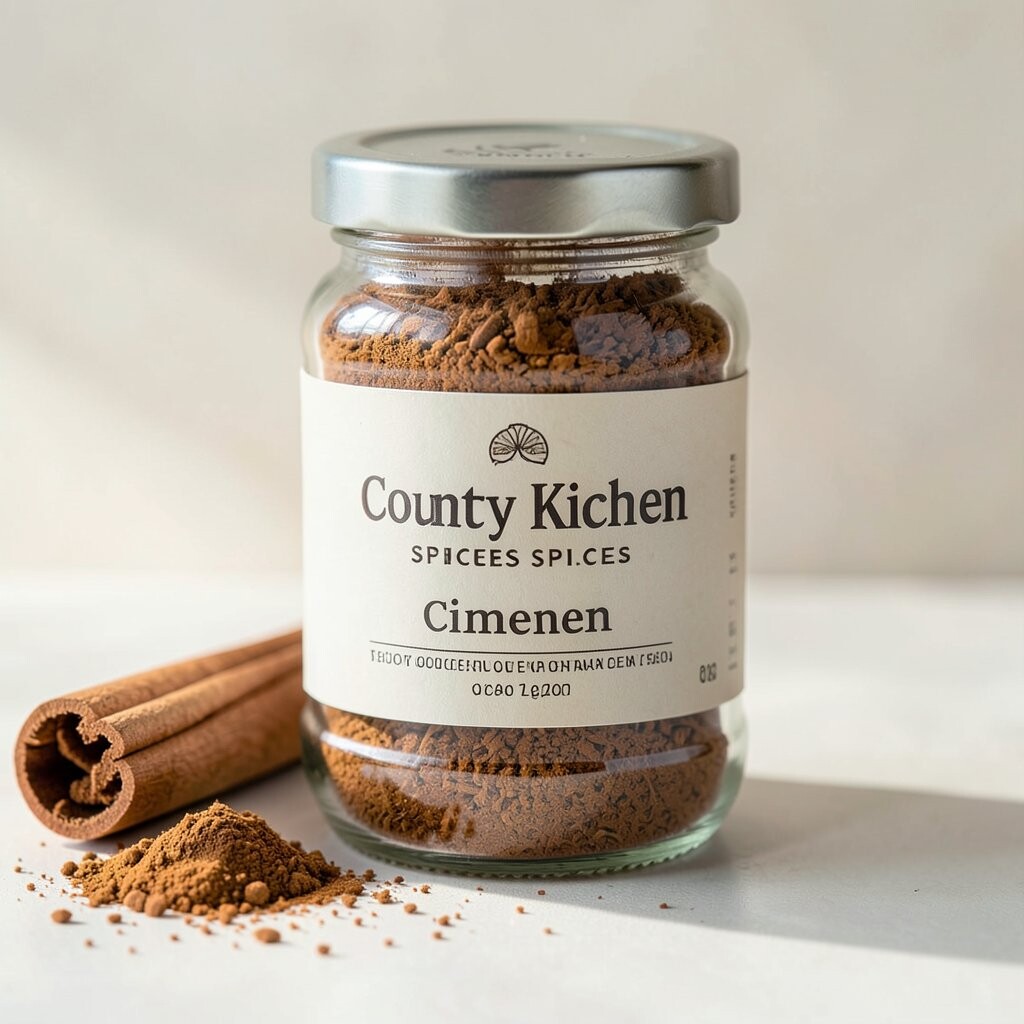
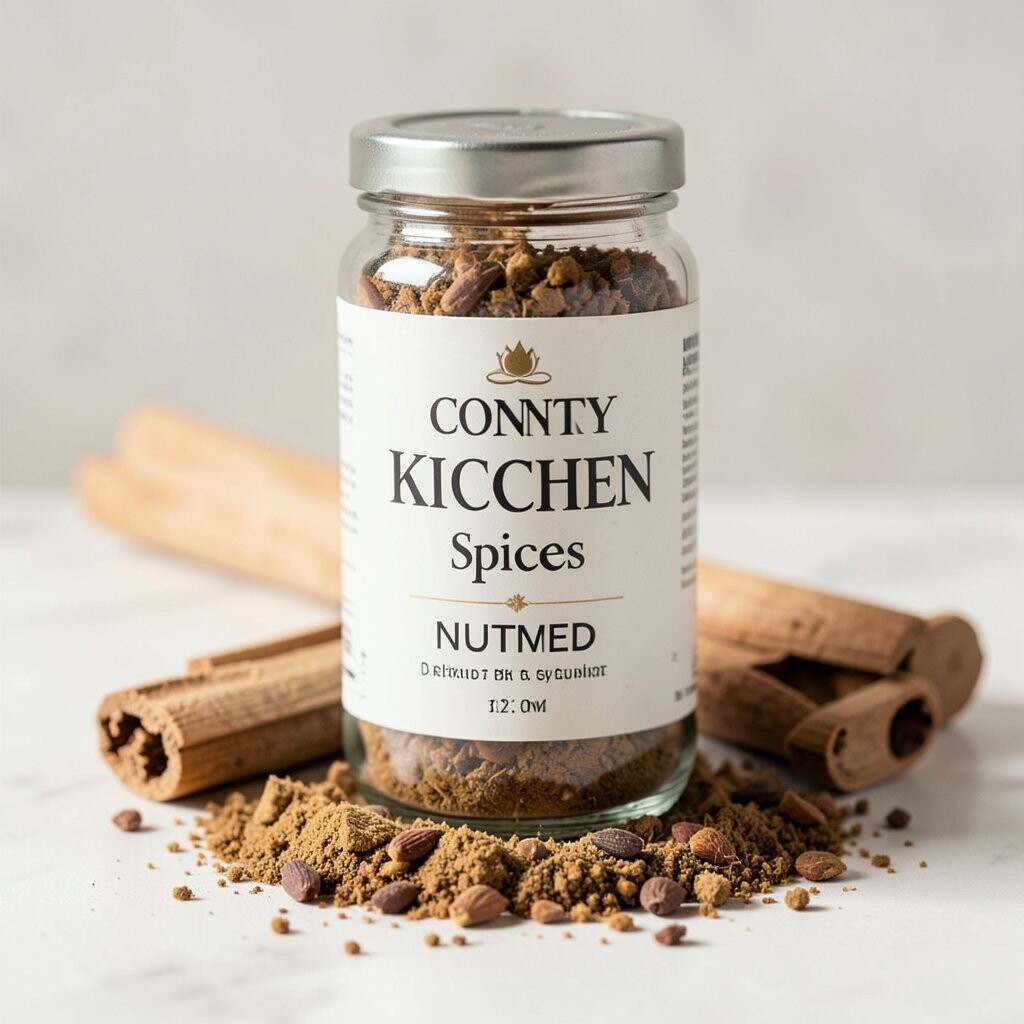
Cinnamon looks like soft brown dust or neat rolled sticks, and it brings a sweet, cozy smell to the room. It works well in oatmeal, toast, baked fruit, and coffee, so it fits many daily meals.
This spice can make plain dishes taste warmer without much effort. Try a small shake in pancake batter, or stir it into yogurt with honey for an easy treat. If you like a stronger old-time flavor, choose Ceylon cinnamon; if you want a bolder and cheaper pantry staple, many cooks keep cassia on hand.
2. Black Pepper
Black Pepper
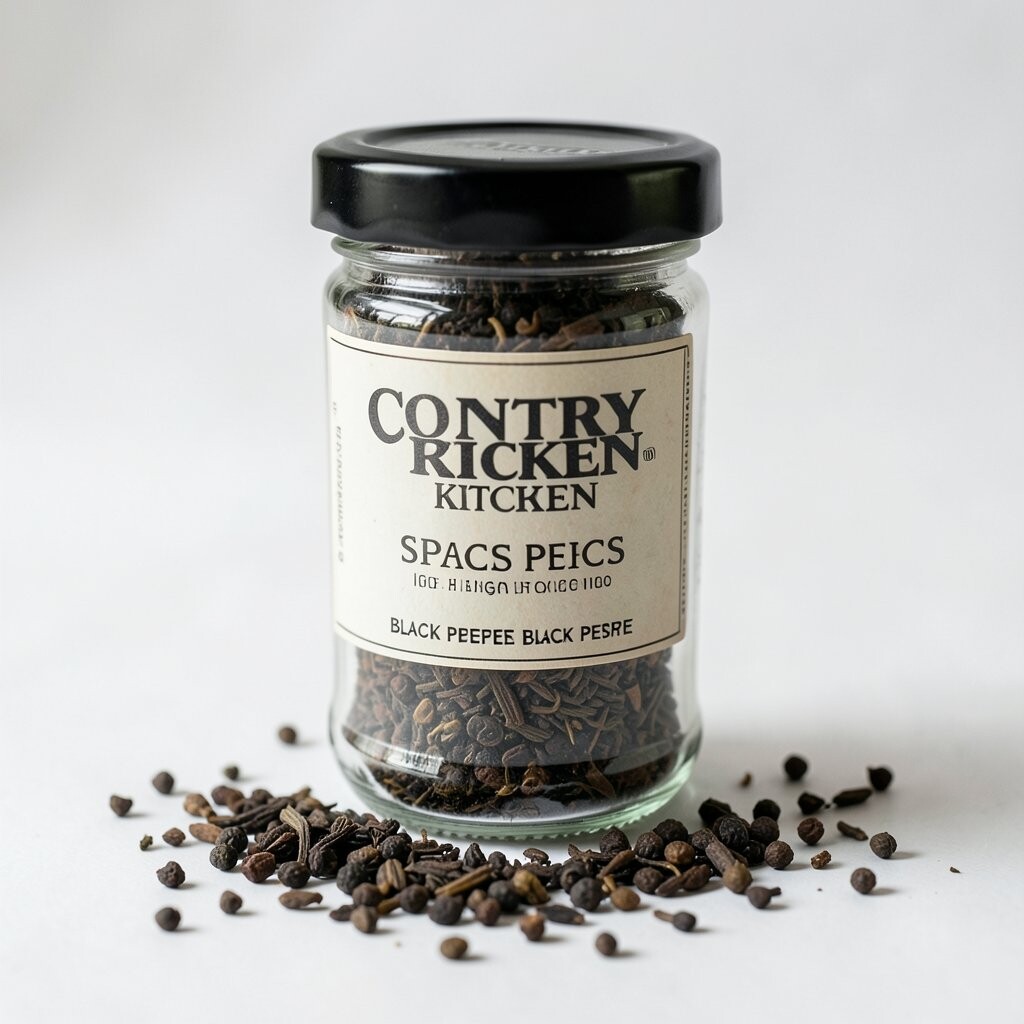
Black pepper has tiny dark specks that look simple, but its sharp smell wakes up almost any dish. It adds a little heat to eggs, soup, potatoes, and roasted vegetables.
Freshly ground pepper often tastes brighter than the preground kind. Keep a pepper mill near the stove for quick use, or mix pepper with salt and dried herbs for an easy seasoning blend.
This spice is loved because it is useful in sweet and savory cooking. A small pinch can make food taste fuller, and it helps bring out the flavor of butter, cheese, and meat.
3. Paprika
Paprika
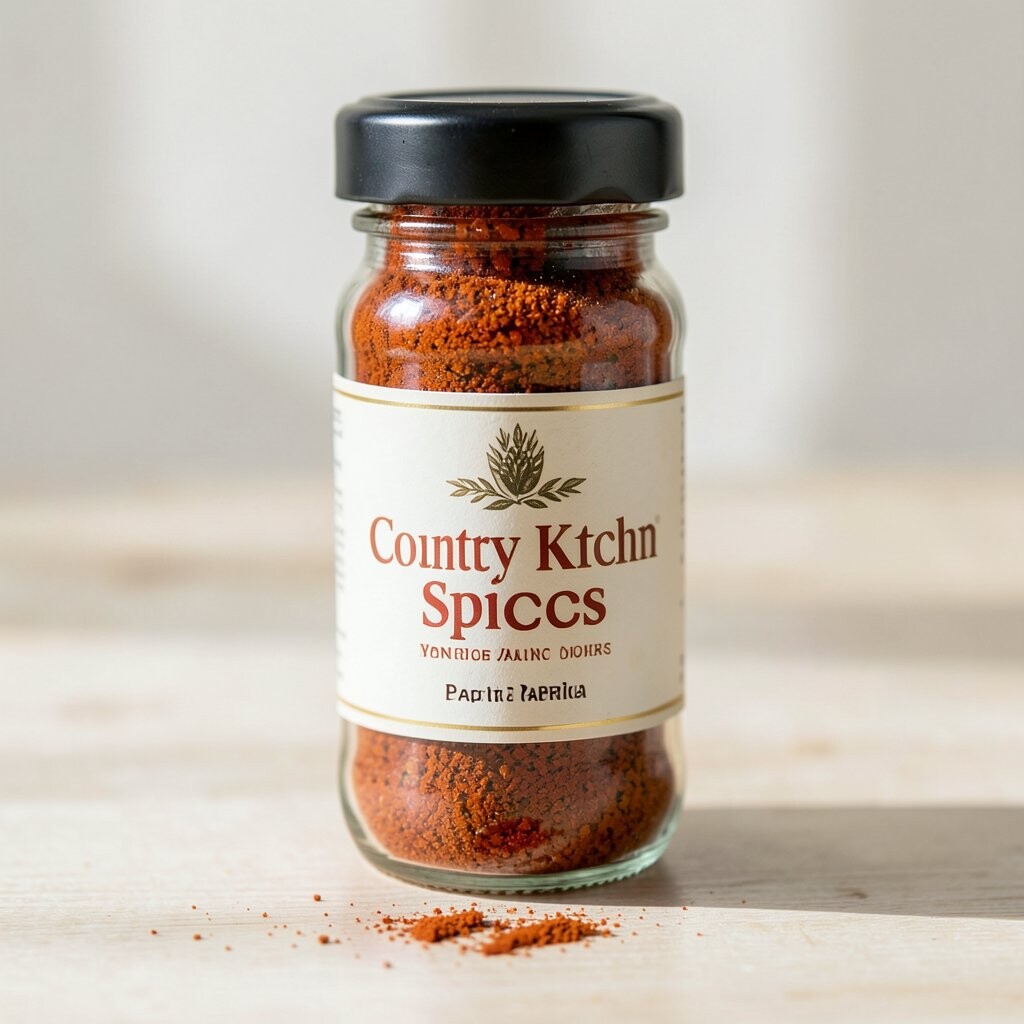
Paprika has a red color that makes food look rich and lively, almost like a sunset in a jar. It can taste sweet, smoky, or a little sharp, depending on the kind you buy.
Sprinkle it over deviled eggs, roasted chicken, or potato salad for a pretty finish. For a personal touch, use sweet paprika in family dishes and smoked paprika when you want a fire-cooked taste without much work.
Many home cooks love paprika because it adds color fast and costs little. It is also part of a modern trend toward pantry spices that make simple meals look restaurant-ready.
Store it away from heat so the color stays bright. If you like mild food, start with a small amount and add more later.
4. Garlic Powder
Garlic Powder
Garlic powder is fine and pale, with a strong smell that makes a kitchen feel alive. It is handy when fresh garlic is out of reach or when you want flavor without chopping.
Use it in meat rubs, popcorn, dip, and mashed potatoes. A little goes far, so it can stretch a budget while still adding a full, homey taste.
Mix it with onion powder and dried parsley for a simple all-purpose shake. If your family likes bold food, you can make your own custom blend with chili powder or black pepper.
5. Onion Powder
Onion Powder
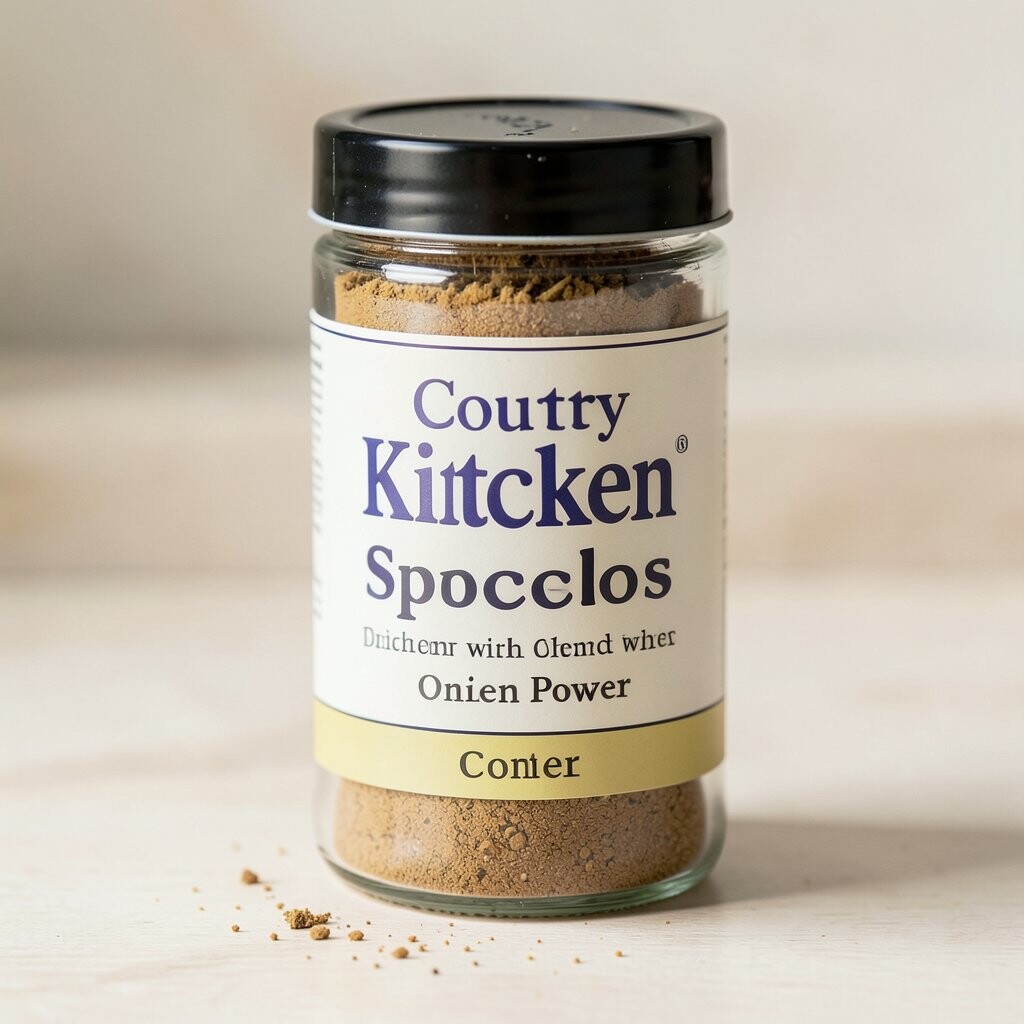
Onion powder is soft and pale, and it smells like a savory kitchen base waiting to happen. It gives soups, casseroles, and burgers a round flavor without tears from slicing onions.
This spice is easy to keep in a small jar by the stove. It blends well with garlic powder, making it a smart choice for busy weeknight cooking.
Try it in meatloaf, salad dressing, or roasted carrots for a gentle onion note. It is also popular in low-effort meal prep because it works in many dishes and lasts a long time.
6. Nutmeg
Nutmeg
Nutmeg has a warm brown look, and when it is freshly grated it smells sweet and a little woody. It is famous in creamy foods like custard, rice pudding, and white sauce.
Only a tiny bit is needed, so one small jar can last a long time. Use it in holiday baking or stir it into mashed sweet potatoes for a soft country style.
Whole nutmeg often tastes fresher than preground nutmeg, and a small grater makes it simple to use. Many cooks like its gentle flavor because it adds comfort without stealing the show.
If you want a personal touch, pair nutmeg with cinnamon for sweet dishes or with pepper for creamy savory ones. Keep it sealed well, since its scent fades if it sits open too long.
7. Sage
Sage
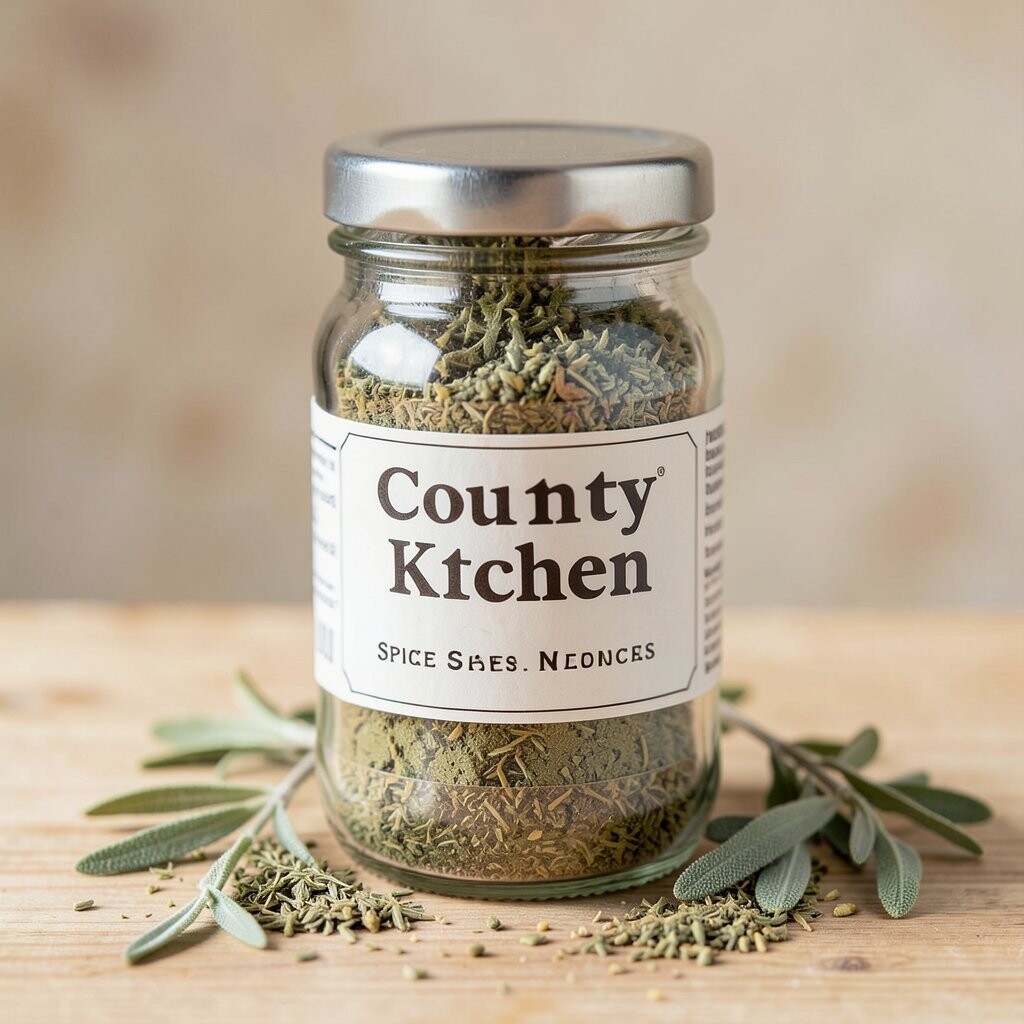
Sage leaves look soft and gray-green, almost like velvet from the garden. Their earthy smell fits gravy, pork, beans, and stuffing very well.
Fresh sage tastes bright, while dried sage gives a deeper kitchen-closet flavor. Fry a few leaves in butter for a quick sauce, or crumble dried sage into biscuit dough for a rustic feel.
This herb feels tied to old farmhouse cooking and still stays popular in modern comfort food. A small pinch can make a dish taste thoughtful and rich.
8. Thyme
Thyme
Thyme is tiny, with little green leaves that look delicate but hold a lot of flavor. It smells clean and earthy, which makes it great for chicken, soup, and roasted vegetables.
It is easy to match with other herbs, especially rosemary and parsley. If you grow herbs at home, thyme is a good choice because it is hardy and keeps giving.
Use a light hand at first, since its taste can grow stronger during cooking. Thyme is also a smart buy because a small bundle can season many meals.
For a custom touch, add lemon with thyme for fish or potatoes. If you want a cozy trend in your kitchen, try using herbs from a small windowsill pot.
9. Rosemary
Rosemary
Rosemary looks like stiff green needles on a woody stem, and it smells sharp and pine-like. It gives roasted potatoes, chicken, bread, and lamb a bold country flavor.
Fresh rosemary can be chopped fine or tucked into a pan whole, then removed later. Dried rosemary is more budget-friendly, though it may need a little crushing to bring out its scent.
This herb is special because it tastes like a campfire meal and a garden at the same time. Use it with olive oil and garlic for a simple but strong seasoning mix.
10. Chili Powder
Chili Powder
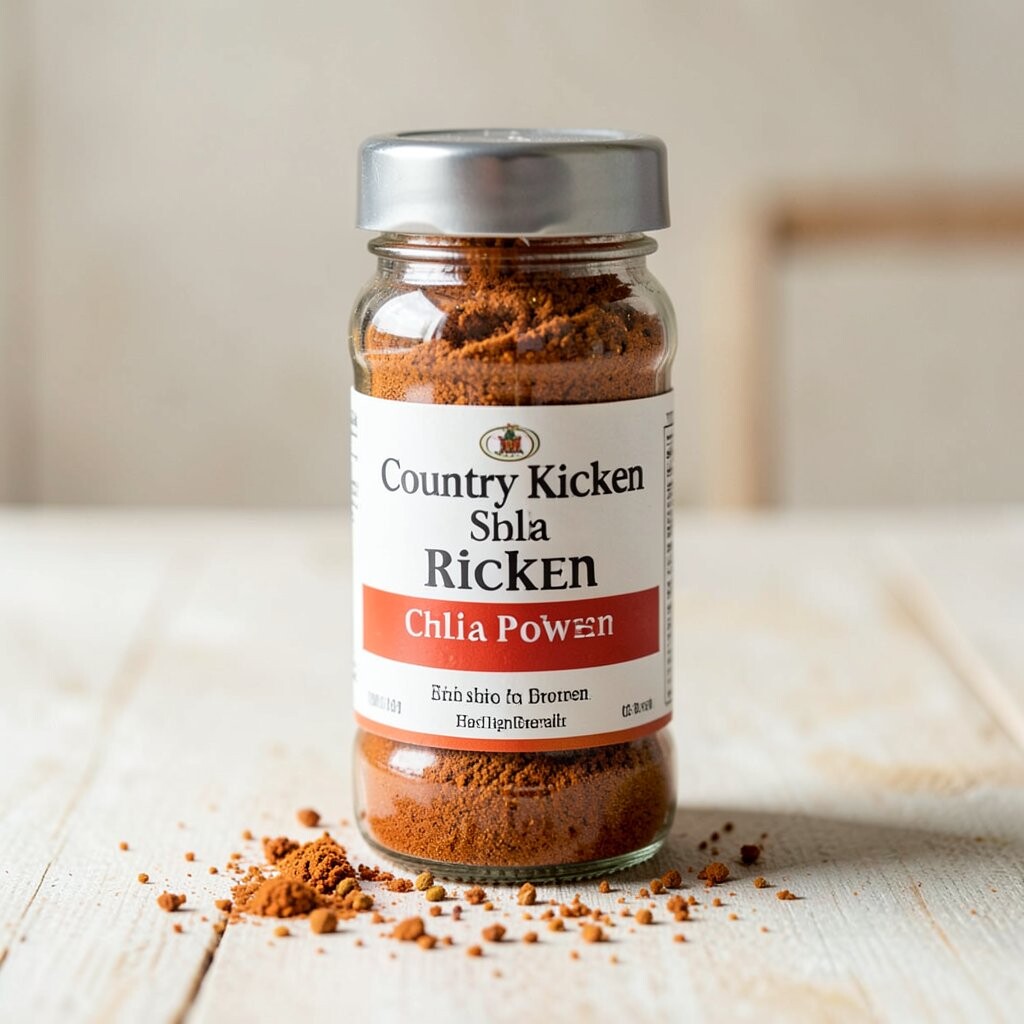
Chili powder is a rusty red mix that looks lively in a spoon. It often tastes warm, smoky, and a little earthy, making it useful for tacos, beans, and stews.
Since blends can differ, check the label to see what is inside. Some jars are mild, while others bring more heat, so the right one depends on your family’s taste.
Try it in meat rubs, baked corn, or scrambled eggs for a quick kick. It is a favorite in simple pantry cooking because it can turn plain food into something bolder fast.
If you like personal flavor, mix chili powder with paprika and cumin for a custom blend. Keep a low-cost jar ready for nights when dinner needs more life with almost no extra work.
11. Cumin
Cumin
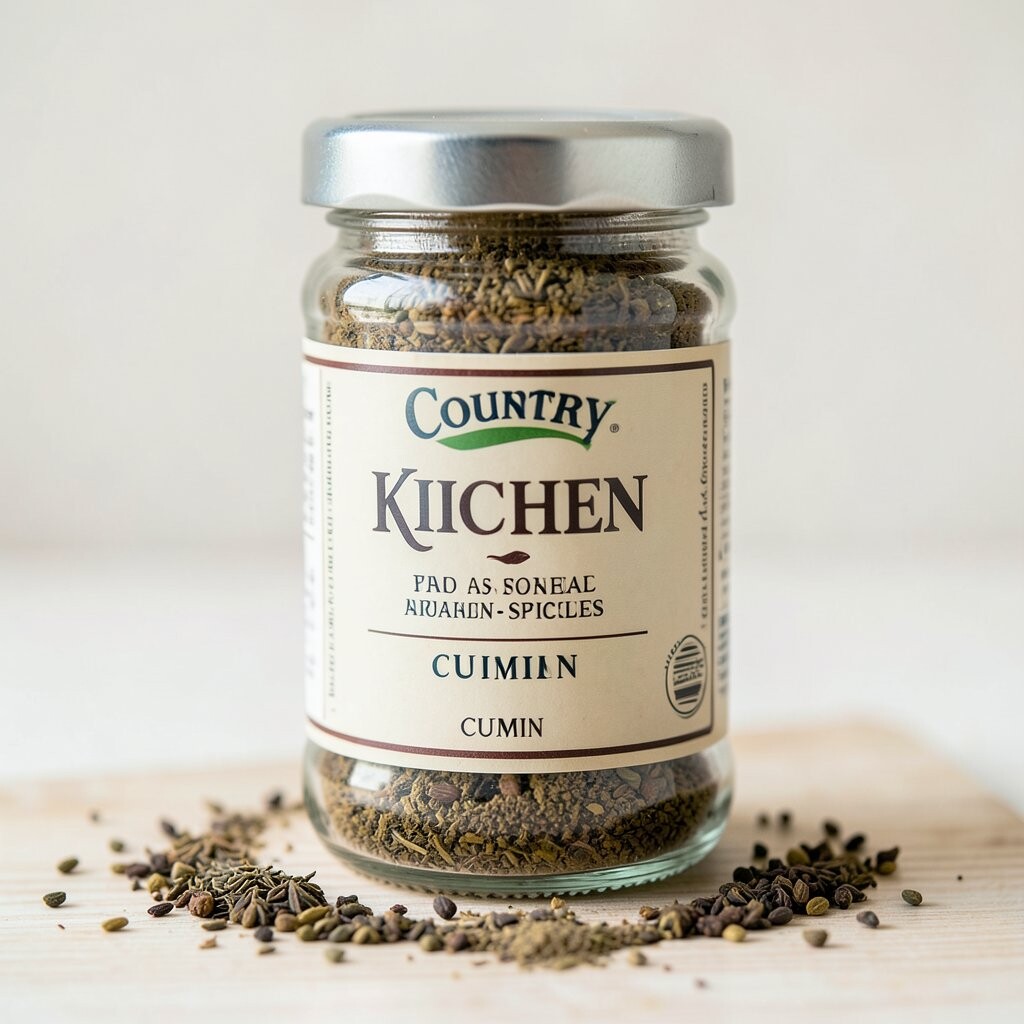
Cumin seeds are small and brown, and the ground spice looks sandy and warm. Its smell is nutty and earthy, which fits beans, rice, chili, and roasted carrots.
Toast the seeds for a few seconds in a dry pan to wake up the flavor. Ground cumin is quick and easy, so it is handy for busy cooks who want big taste.
This spice has a strong personality, so a little can change a whole dish. It is common in many home kitchens now because people want simple meals with deeper flavor.
Use it with yogurt, lime, or garlic for a bright twist. If you want to keep costs down, buy small amounts since a little cumin goes a long way.
12. Bay Leaves
Bay Leaves
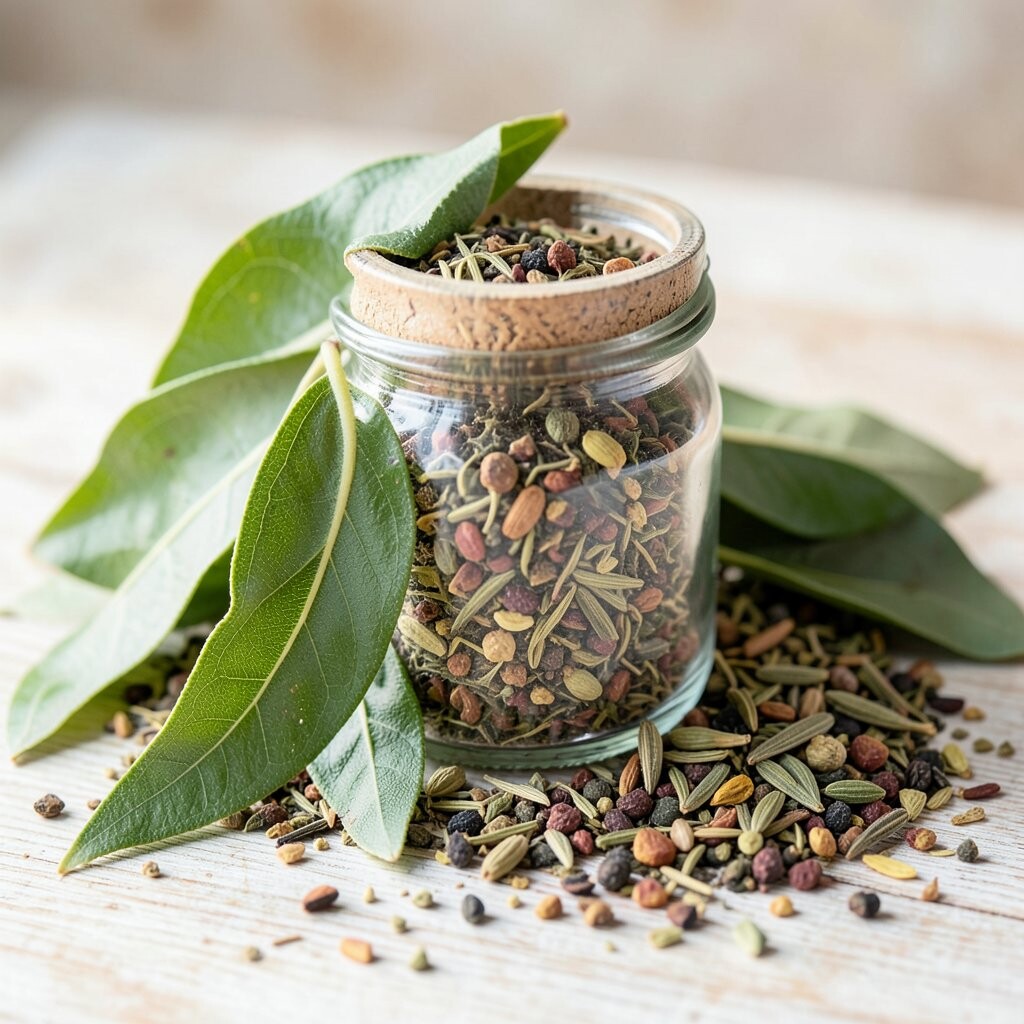
Bay leaves are long, dry, and pale green, almost like small shields in the jar. They give soups, sauces, and braises a slow, gentle flavor that feels hidden but important.
Drop one or two leaves into the pot and remove them before serving. Their taste is subtle, so they work best when food simmers for a while.
These leaves are a quiet favorite in country cooking because they help broth taste fuller. They are also low-cost, which makes them an easy pantry helper for everyday meals.
For a personal touch, pair bay leaves with onions, carrots, and celery in a soup base. Dry them well and store them sealed, since they lose power if they sit too long.
13. Allspice
Allspice
Allspice looks like tiny brown peppercorns, and the ground version has a warm, rich smell. It tastes a bit like cinnamon, clove, and nutmeg all at once.
That mix makes it perfect for baked fruit, pork, stews, and holiday cookies. A small jar can do many jobs, so it is useful for homes that like simple shelves with many uses.
Try it in meat marinades or in applesauce for a cozy touch. It is a nice choice when you want one spice to act like several at the same time.
Many cooks enjoy how it adds depth without needing a long ingredient list. If you like old-fashioned flavors, this one belongs near cinnamon and cloves.
14. Cloves
Cloves
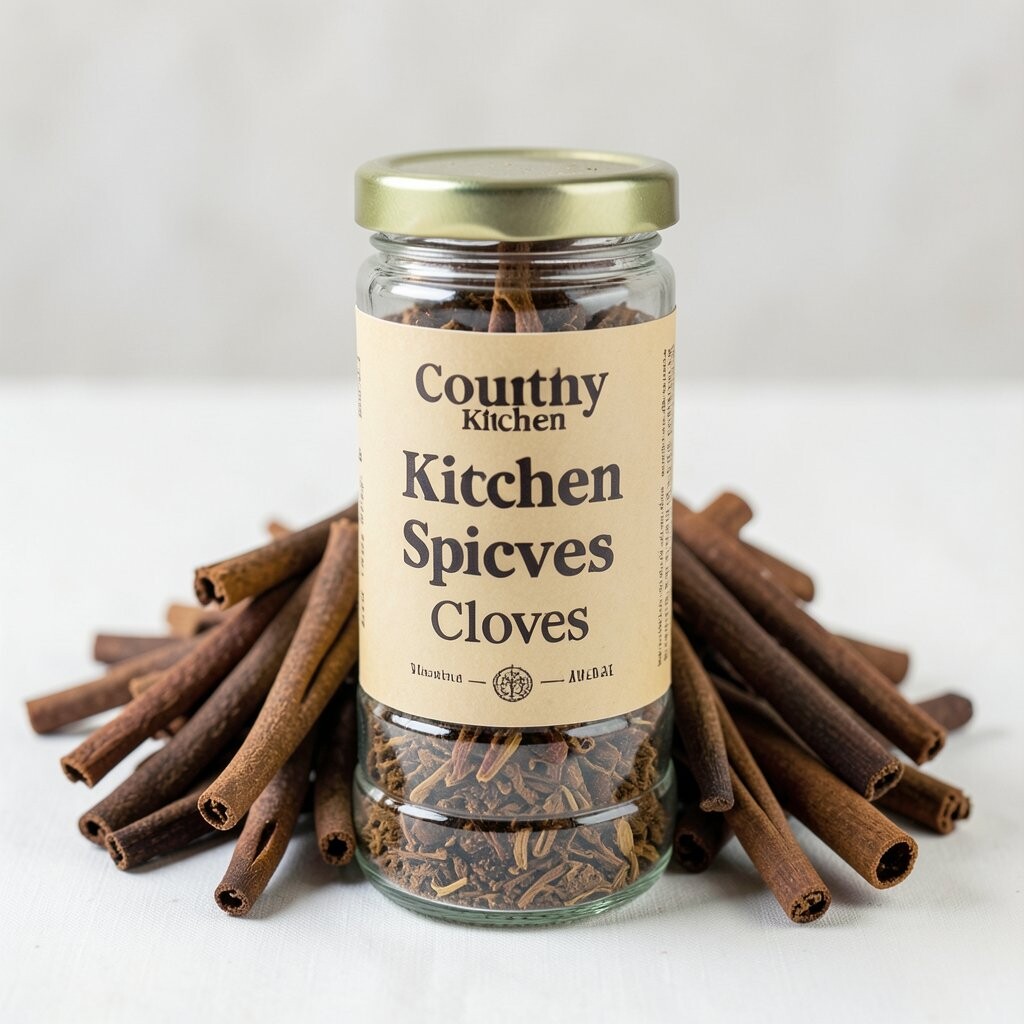
Cloves are tiny dark buds with a strong, sweet smell that fills the room fast. They look simple in the jar, but they bring a bold taste to ham, baked fruit, tea, and spice cake.
Use them with care because their flavor can get loud quickly. Whole cloves work well in simmered dishes, while ground cloves are better in baking and spice blends.
This spice feels timeless and still shows up in modern fall cooking. It is unique because only a few pieces can make a dish smell like a warm kitchen on a cold day.
If you want a softer flavor, combine clove with cinnamon or orange zest. Cloves are worth buying in small amounts since a little box can last a long while.
15. Mustard Powder
Mustard Powder
Mustard powder is bright yellow and looks cheerful in a spoon. It adds a tangy, sharp flavor to sauces, salad dressings, deviled eggs, and meat rubs.
Mix it with water or vinegar to wake up its taste. It also blends well with mayonnaise, honey, and pepper for a quick country-style spread.
This pantry spice is useful because it adds zip without much effort. Many cooks like it for casseroles and baked dishes where a little tang makes everything taste brighter.
16. Dill
Dill
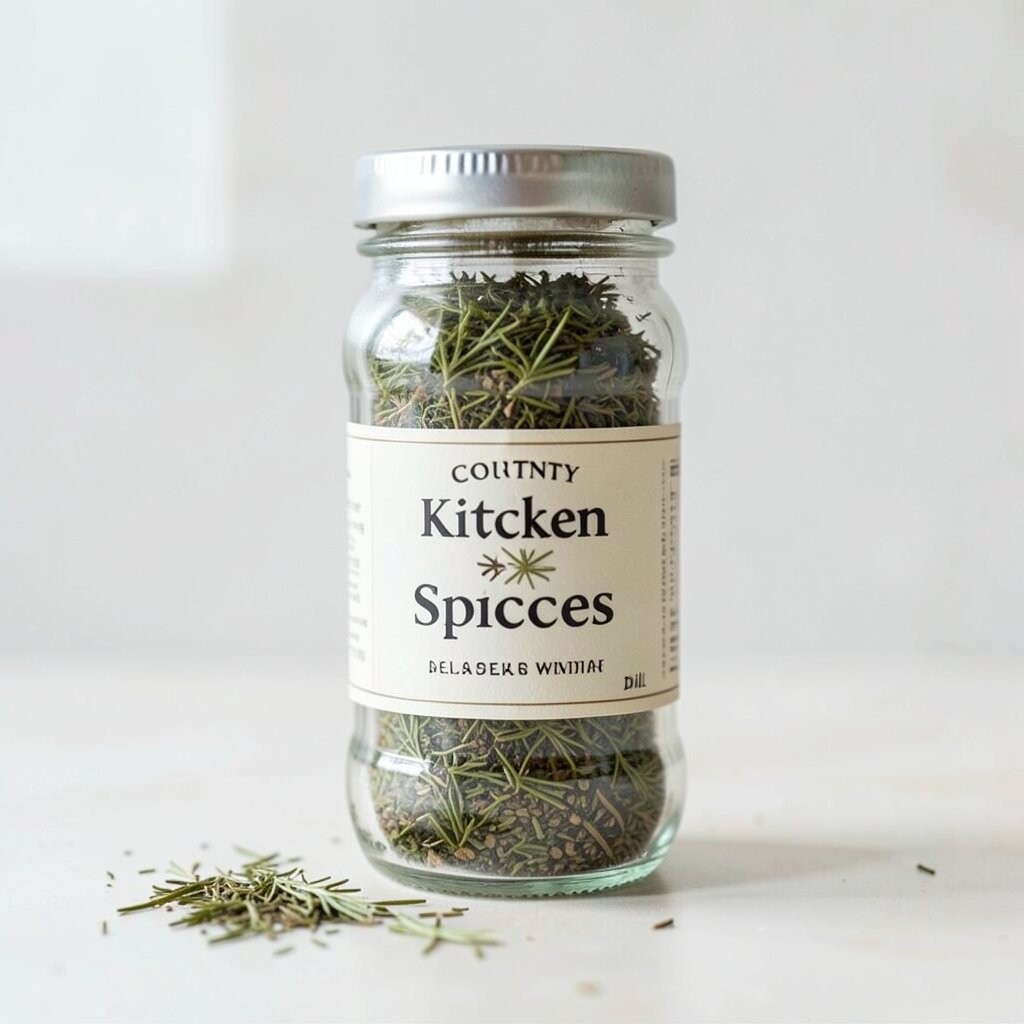
Dill has feathery green leaves that look light and airy, almost like a garden fern. Its flavor is fresh and slightly tangy, which makes it lovely on potatoes, fish, pickles, and yogurt dips.
Fresh dill gives a bright green look, while dried dill is easy to store and use anytime. It is a great pick for cooks who want food to feel clean and sunny.
Try dill with lemon, cucumber, or sour cream for a cool taste. The herb is trendy in simple sauces and snack bowls because it adds flavor without heaviness.
If you garden, dill grows quickly and can save money over time. Keep it near other light herbs so you can build fresh-tasting meals with ease.
17. Parsley
Parsley
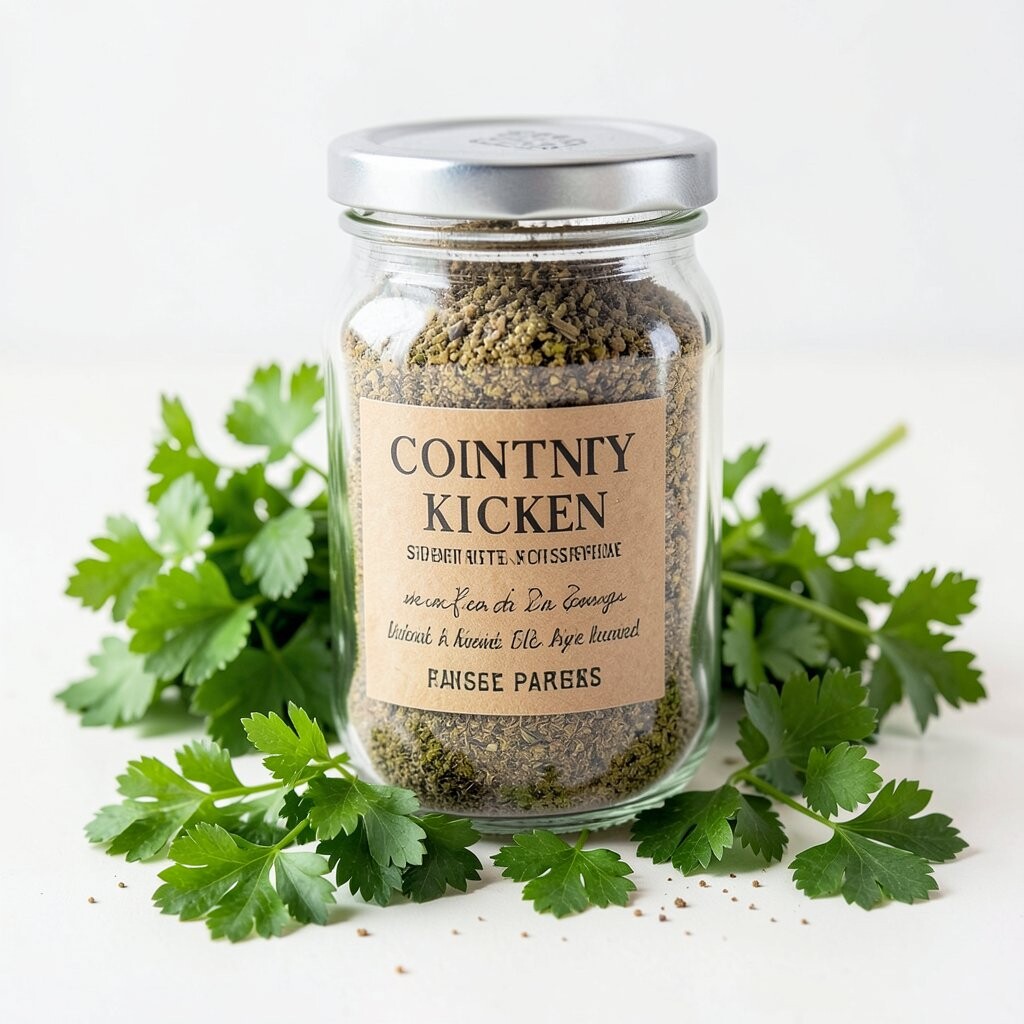
Parsley has crisp green leaves that brighten a plate right away. Its taste is mild and fresh, which makes it a useful helper for soups, eggs, potatoes, and pasta.
Chop it fine and sprinkle it on top of hot food for color and a clean smell. Flat-leaf parsley usually has more flavor, while curly parsley gives a cheerful look.
This herb is nice because it works with almost everything and keeps dishes from looking plain. It is also common in healthy cooking now, since fresh herbs can make simple meals feel lighter.
Use parsley with garlic butter, lemon, or breadcrumbs for easy finishing touches. A small bunch can make dinner feel cared for without adding much cost.
18. Turmeric
Turmeric
Turmeric is bright golden yellow, and it can stain fingers with its sunny color. It has an earthy taste that fits rice, soups, eggs, and roasted cauliflower.
Mix it with black pepper to help bring out its best qualities. A small spoonful can make food look warm and cheerful, which is part of its charm.
This spice is very popular in current home cooking because people like its bold color and simple use. It can be a smart pantry buy, especially when you want a pretty dish without expensive ingredients.
Try it in broth, lentils, or rice with butter for a golden country look. Since the color is strong, keep your spoon and counter clean while cooking.
19. Ginger
Ginger
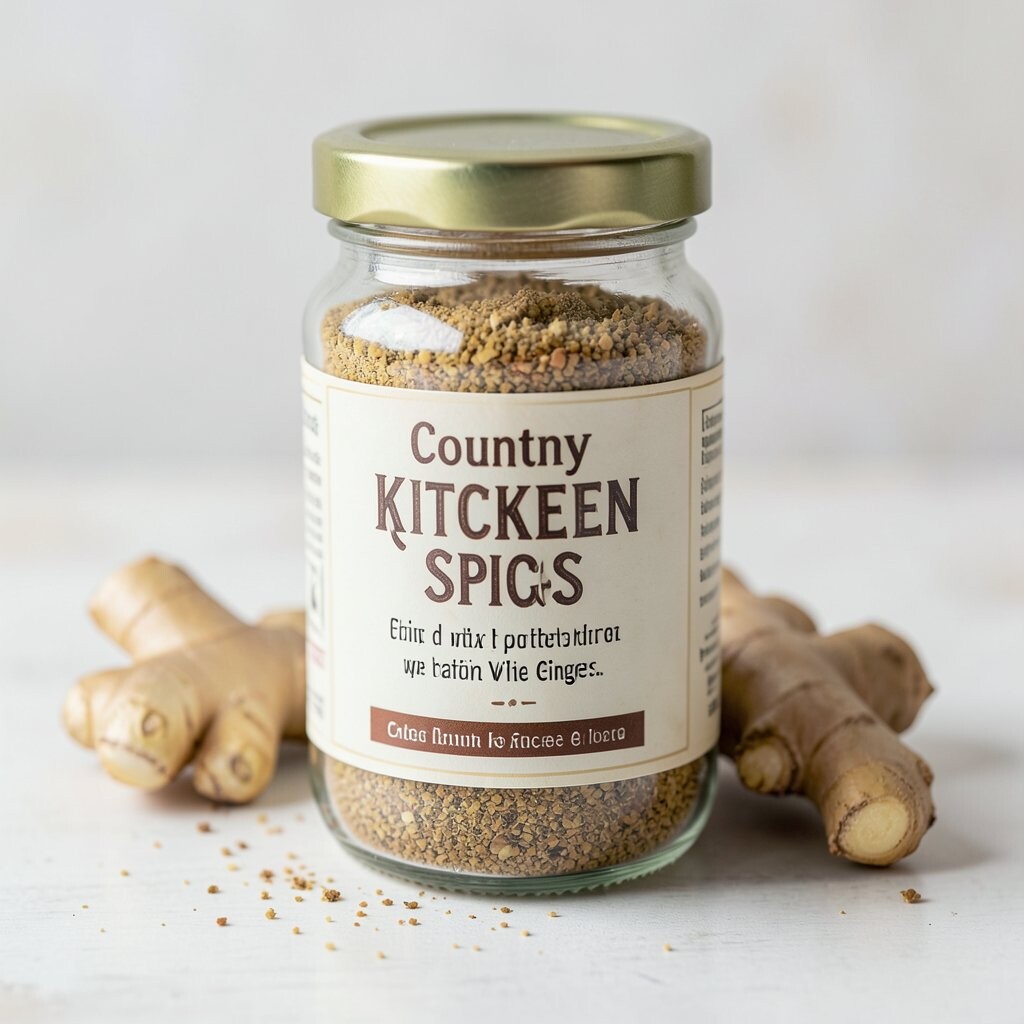
Ginger can be fresh and knobby or dried and tan, and both forms bring a bright, spicy smell. It works in cookies, tea, stir-fries, squash, and marinades.
Fresh ginger gives a juicy bite, while ground ginger is easy to keep for baking. Peel only what you need, and freeze extra fresh ginger for later use.
This spice feels lively and cheerful, especially in cool-weather dishes. It is also a good choice for cooks who like a little zing in sweet or savory food.
Pair ginger with honey, lemon, or cinnamon for a personal blend. If you shop carefully, the dried version can be a low-cost way to add a lot of flavor.
20. Coriander
Coriander
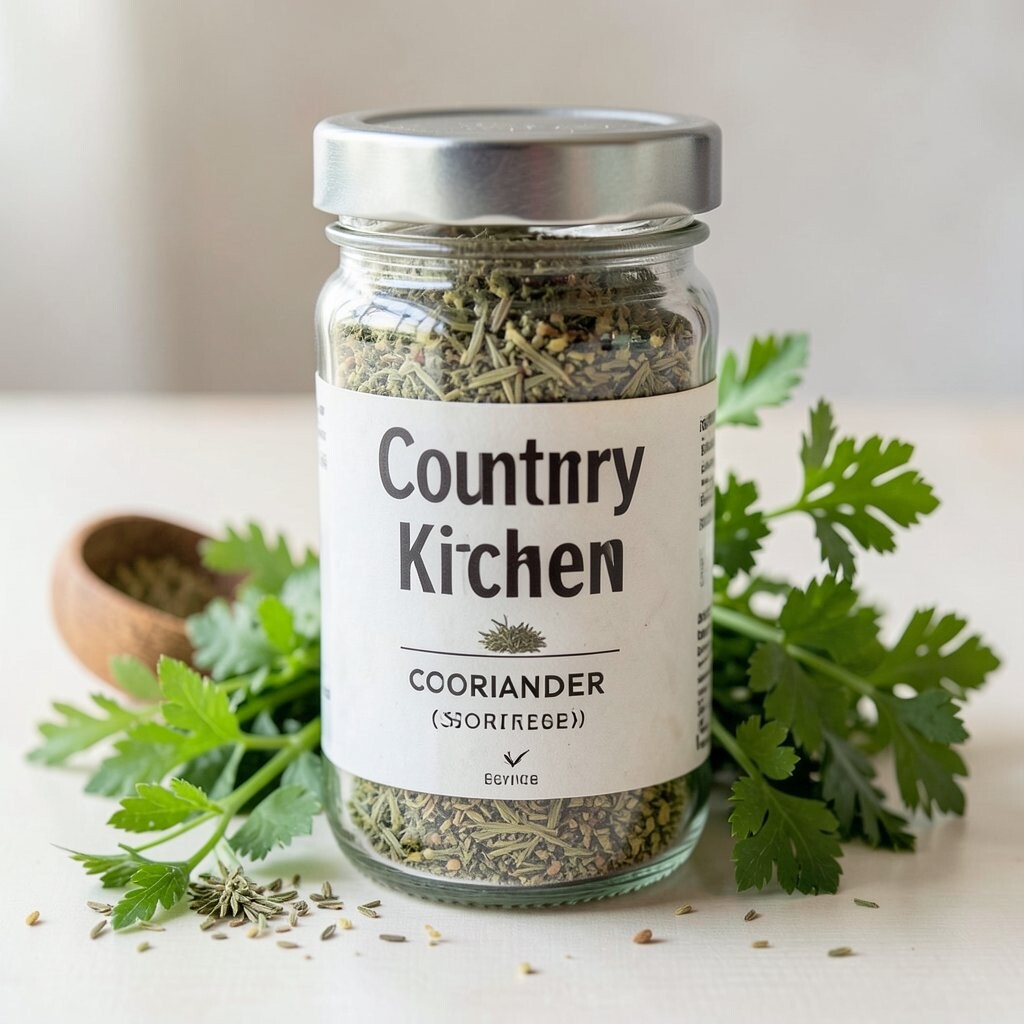
Coriander seeds are small and tan, and the ground spice looks soft and dusty. Its flavor is light, citrusy, and a little sweet, which makes it good for breads, sausages, and soups.
Toasting the seeds in a pan brings out a deeper smell. Ground coriander is easy to use on vegetables and chicken when you want a gentle, pleasant taste.
It is unique because it feels both warm and fresh at the same time. Many cooks like it in spice mixes where it helps other flavors blend together smoothly.
Try it with cumin or garlic for a balanced seasoning. It is usually budget-friendly, so it fits well in a kitchen that likes simple but thoughtful cooking.
21. Red Pepper Flakes
Red Pepper Flakes
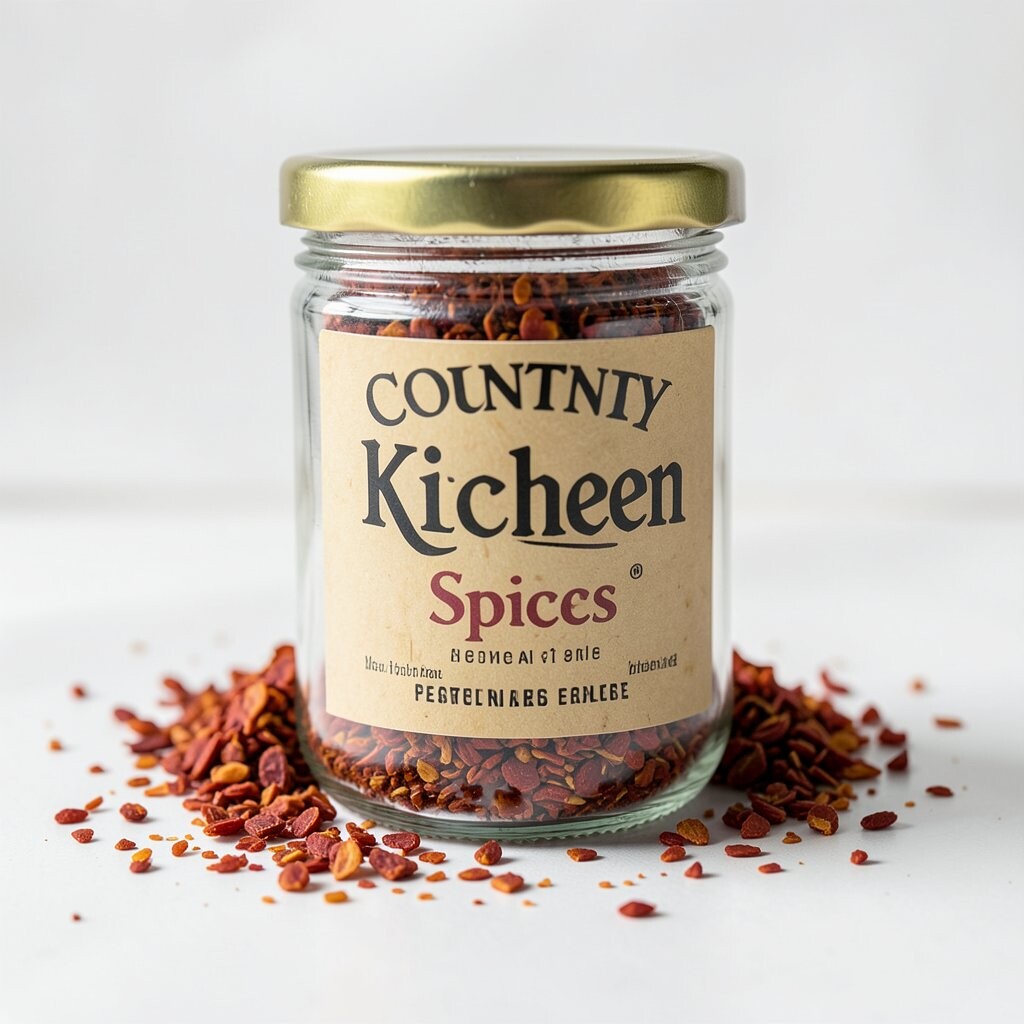
Red pepper flakes are bright and speckled, like tiny bits of fire in a jar. They give pizza, pasta, eggs, beans, and roasted vegetables a quick spark of heat.
Start with a small pinch and add more as needed. If your family likes mild food, keep the shaker on the table so everyone can choose their own heat level.
This spice is popular because it is easy and fast to use. It also fits modern home cooking, where people enjoy making one meal work for different tastes.
Mix the flakes with olive oil for a simple drizzle over bread or vegetables. They are a low-cost way to make plain food feel more alive.
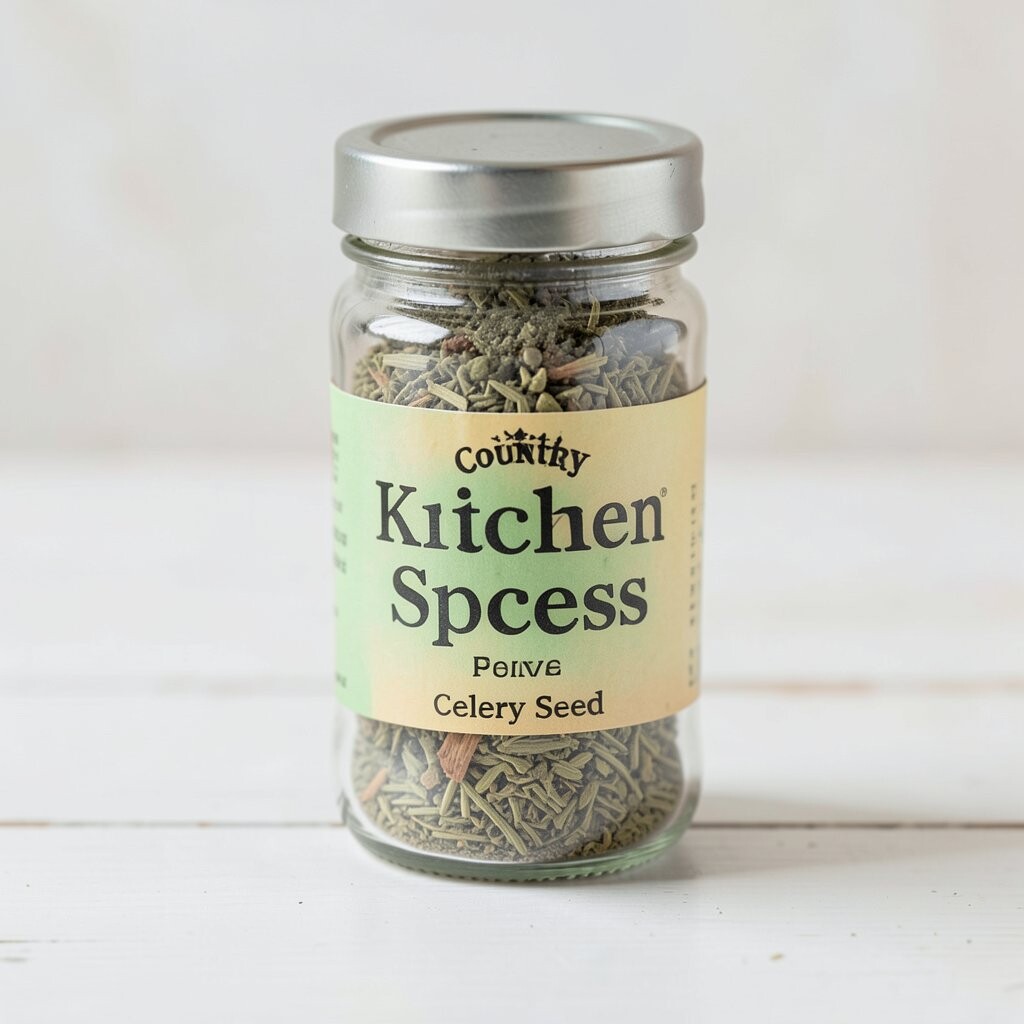
22. Celery Seed
Celery Seed
Celery seed is tiny, dark, and easy to overlook, but it has a strong green, savory smell. It adds a sharp garden note to coleslaw, potato salad, pickles, and soups.
A little goes a long way, so use it with care. It can make creamy dishes taste brighter and gives homemade salads a classic country kitchen touch.
This spice stands out because it tastes like celery in a tiny, dried form. It is helpful for cooks who want a fresh flavor even when fresh celery is not on hand.
Try it with mayo, mustard, or vinegar for a punchy dressing. If you enjoy old-fashioned picnic foods, this is one jar worth keeping close.