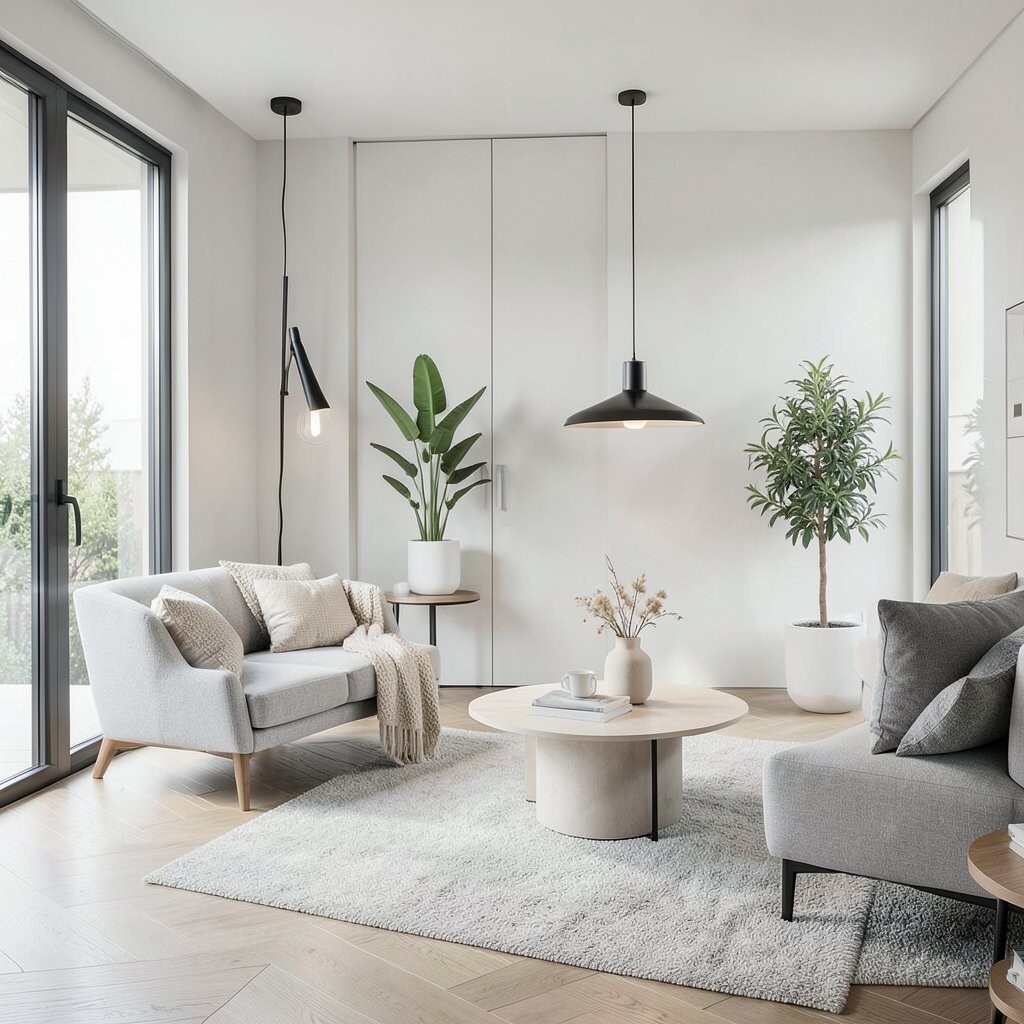
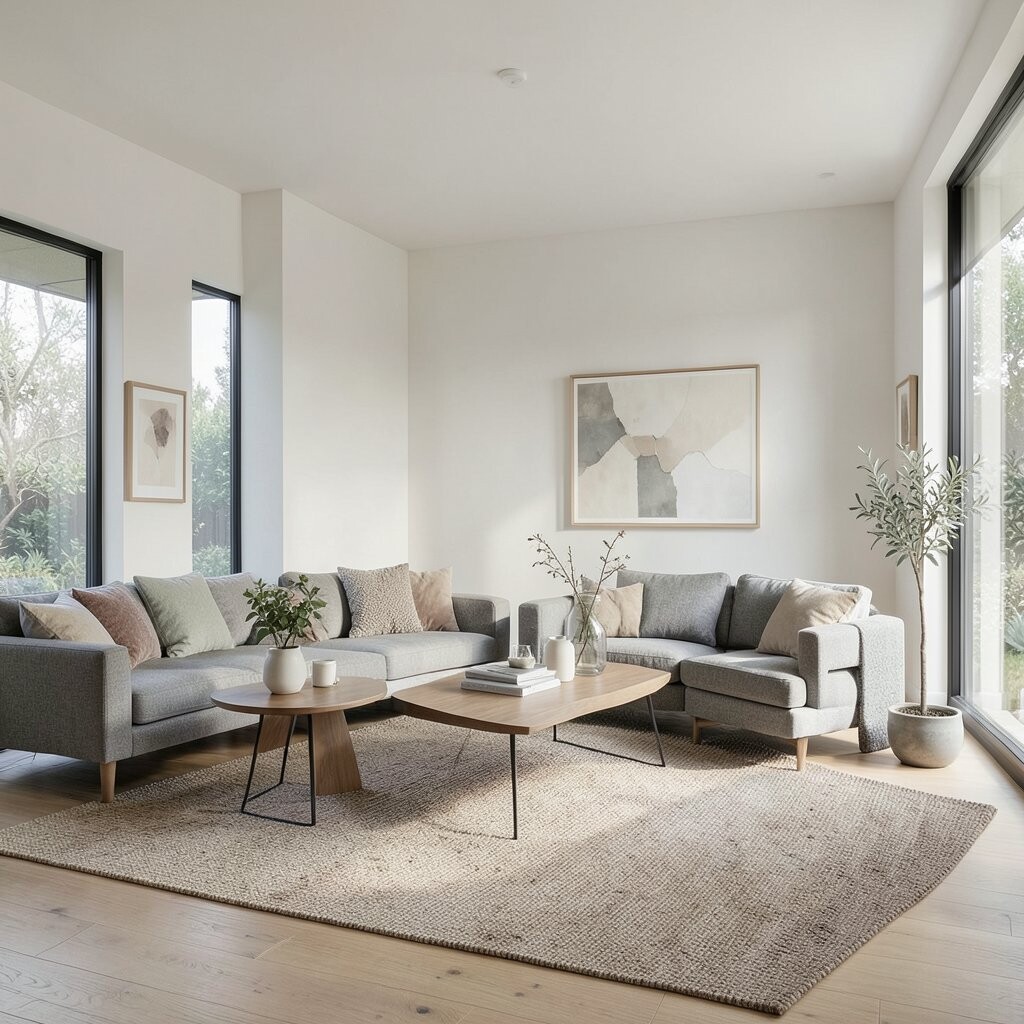
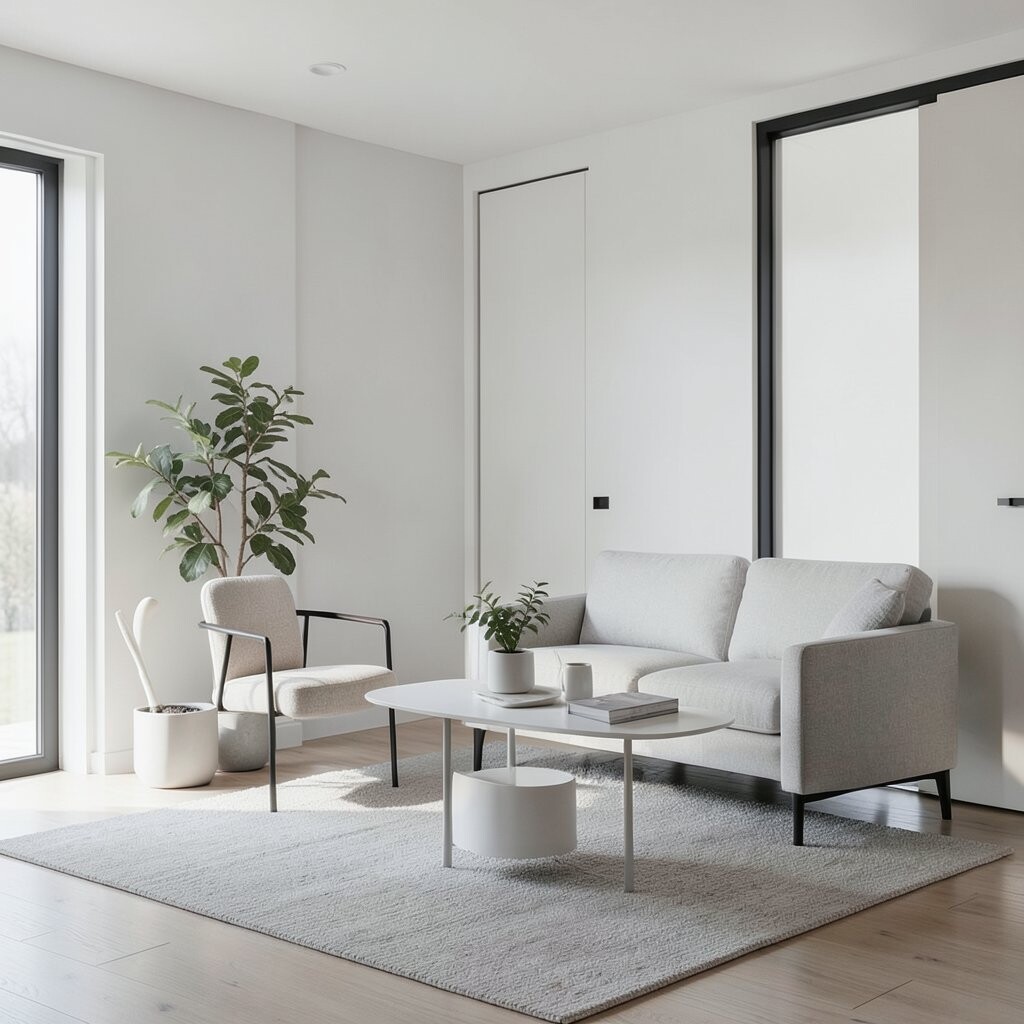
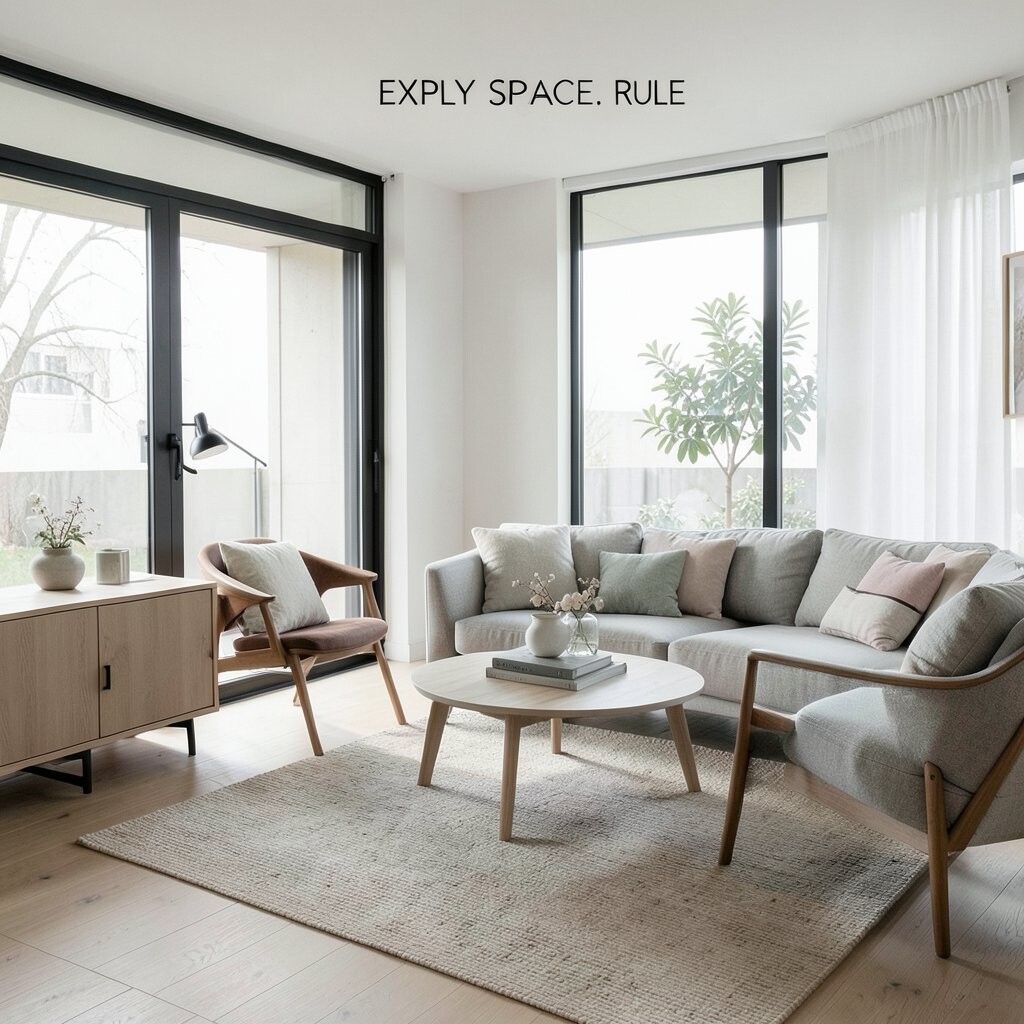
Pick a main neutral you love, like warm white, soft gray, or creamy beige. Then add one gentle accent color, such as muted olive or smoky blue.
When your walls, furniture, and fabrics share a similar vibe, the room looks tidy even when life gets busy. This gives your eyes a break and helps your space feel modern. For a budget-friendly approach, swap small items first—pillows, frames, or a throw—before repainting.
2. Choose One Standout Texture per Room
Choose One Standout Texture per Room
Instead of using many patterns at once, spotlight one texture. Think of a linen curtain, a boucle chair, or a matte plaster wall finish.
Textures add personality without clutter, so your home stays interesting but not busy. Try mixing one texture with smooth materials like glass, metal, or wood grain. If you want to keep costs low, shop for one textured decor piece, like a cushion cover or a small rug.
To personalize it, match the texture to your daily feel: cozy for living rooms, sleek for offices, and soft for bedrooms. This is a simple way to make minimalism feel inviting, not plain.
3. Use Simple Lines for Furniture
Use Simple Lines for Furniture
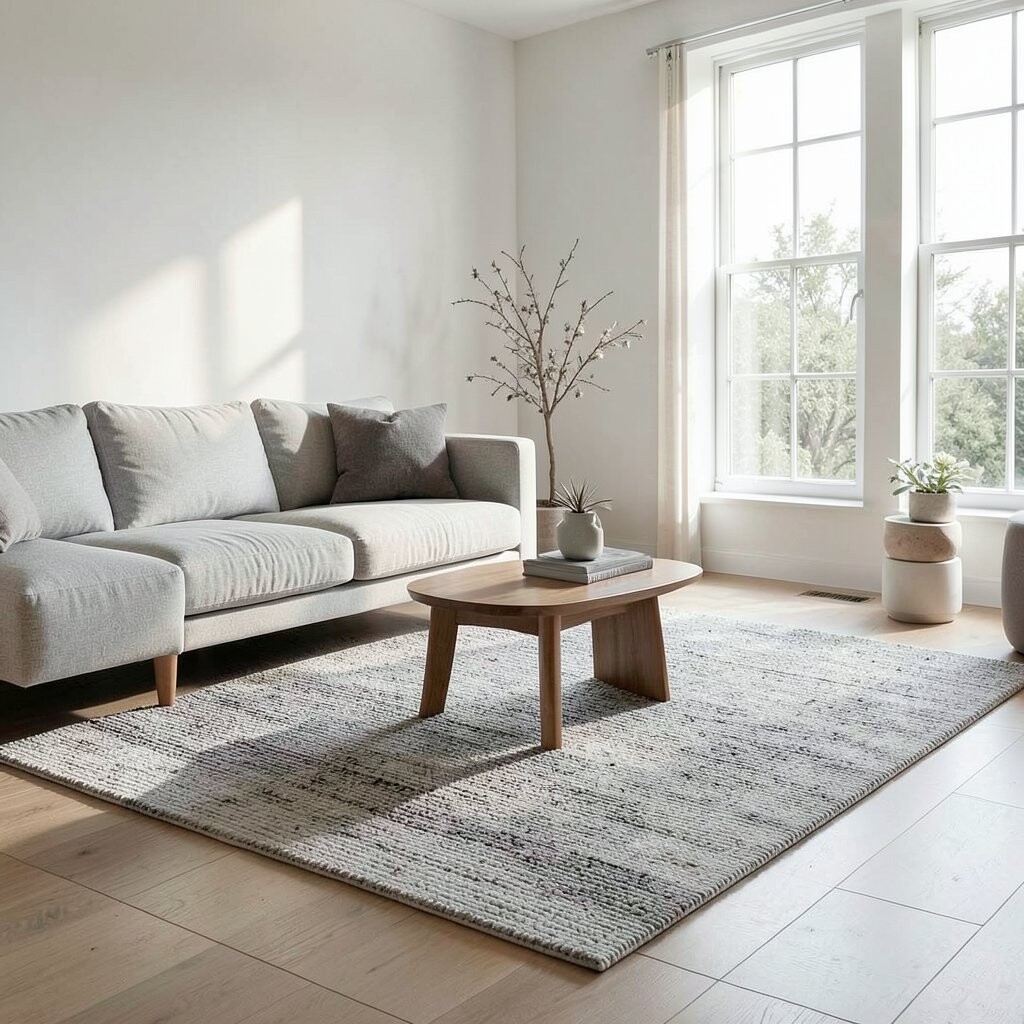
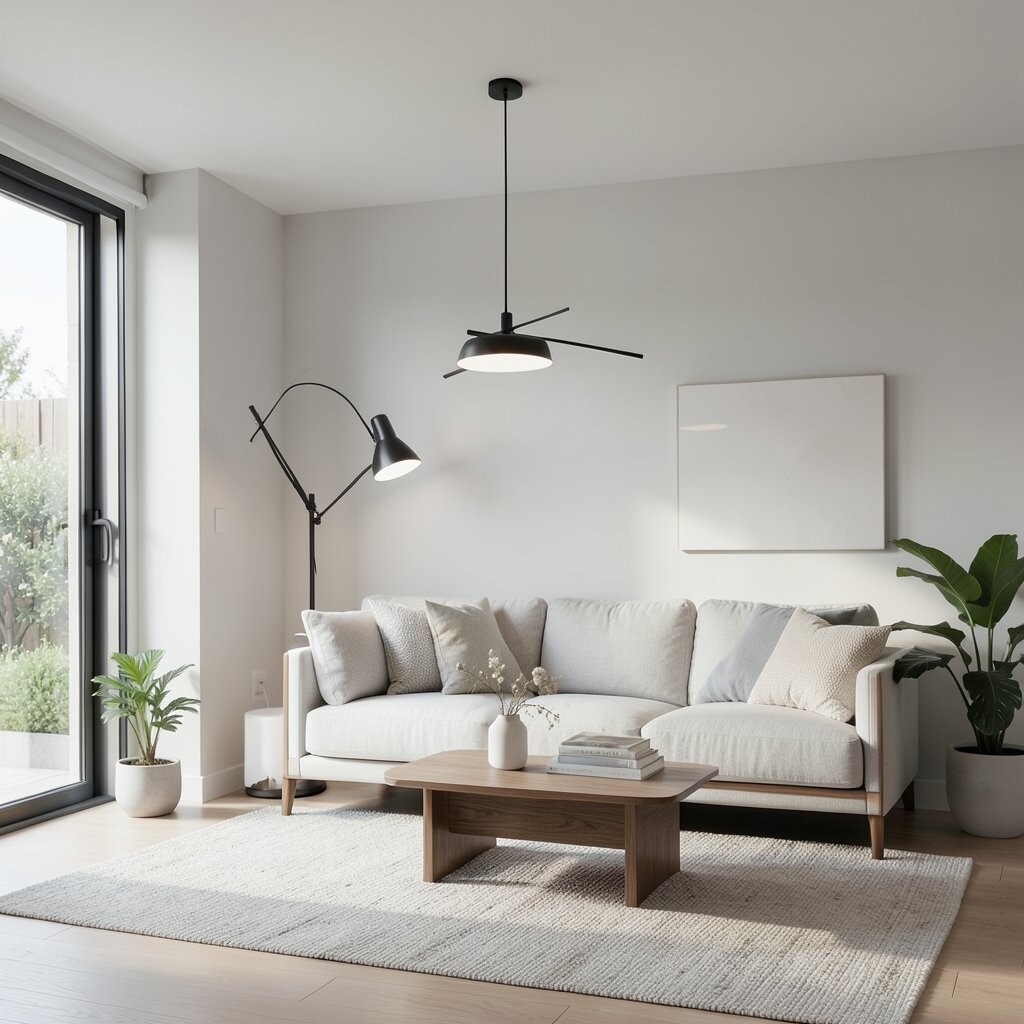
Look for furniture with straight legs, clean edges, and calm shapes. A low sofa, a simple coffee table, or a streamlined console can make the whole room look sharper.
These lines help the space feel organized, and they make small rooms look bigger too. When everything has similar “quiet” shapes, your decor feels planned. If you’re shopping secondhand, check for sturdy frames and repaint or reupholster for a personal upgrade.
To add uniqueness, choose one piece with a subtle twist, like angled wood slats or a gentle curve on the armrest. Keep the rest simple so the standout still feels minimal.
For cost, focus money on the biggest pieces and keep smaller extras under control. A few well-chosen items can do more than many cheap ones.
4. Create an “Empty Space” Rule
Create an “Empty Space” Rule
Leave some areas mostly bare on purpose. A wide section of wall, a clear tabletop corner, or a calm window area can act like breathing room.
This makes the room feel modern and helps your decor stand out more. Start with one surface you usually overfill, then remove items until it looks clean and intentional. If you want a quick fix, group your items on one tray and tuck the rest away.
5. Go for a Low-Profile Rug
Go for a Low-Profile Rug
A flatweave or low-pile rug can keep things looking neat and smooth. It also feels great underfoot because it doesn’t grab and twist.
When the rug stays low, the room looks lighter and easier to move through. Choose neutral colors for a calm look, or pick a subtle pattern that matches your accent color. For personalization, add a small runner in the hallway that repeats the same shade family.
Cost-wise, consider rolling out a smaller rug first and expanding later if you love it. If you’re renting, look for washable materials so you can refresh without stress.
6. Hang Art at Eye Level, Not “Wherever”
Hang Art at Eye Level, Not “Wherever”
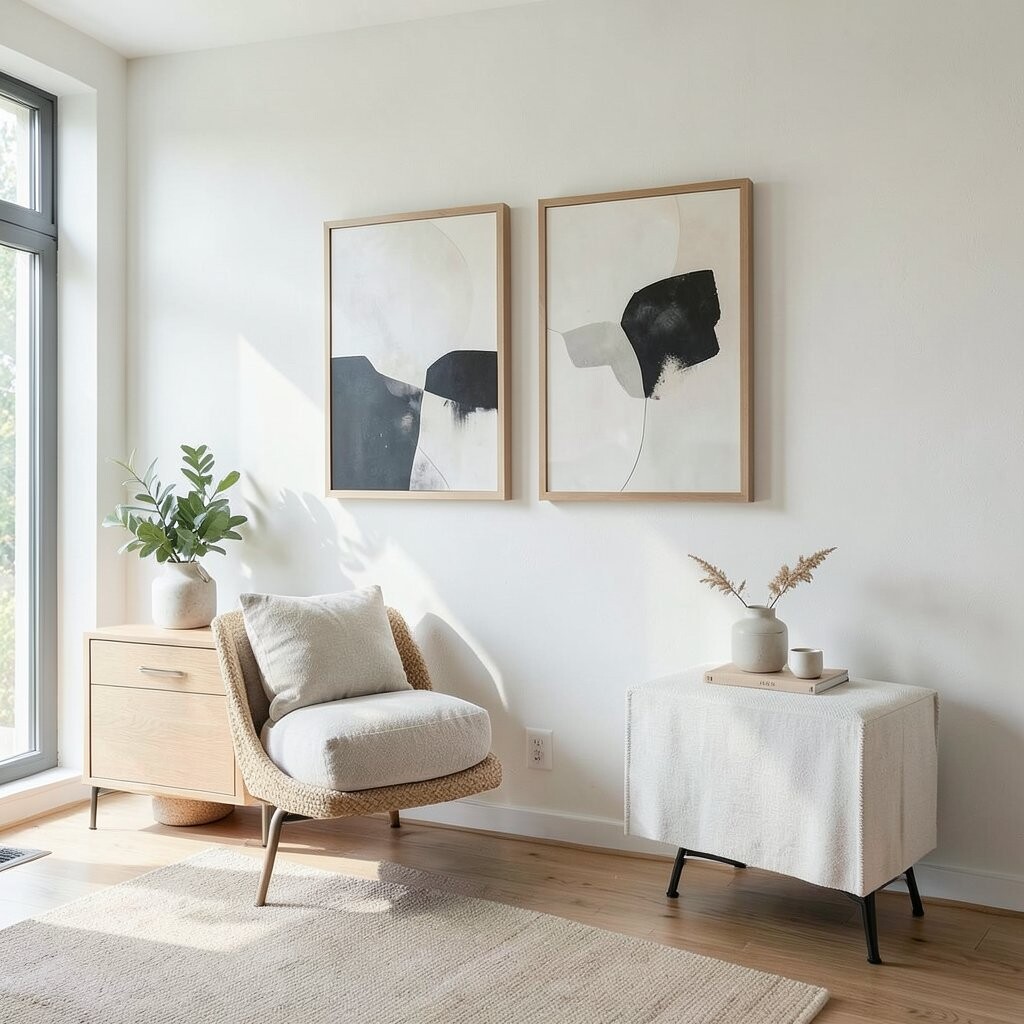
Use art to create focus, and hang it with care. Center a single piece at eye level, or use a simple grid if you love a gallery feel.
Well-placed art makes walls feel finished while keeping the decor minimal. Try frames in black, white, or natural wood for a modern look. For budget, use prints you can swap out seasonally, so your home stays fresh without buying new art every year.
To personalize, choose images that match your daily vibe—city lines, botanical shapes, abstract color blocks, or even a photo series with one consistent filter.
7. Keep Surfaces Calm with Trays
Keep Surfaces Calm with Trays
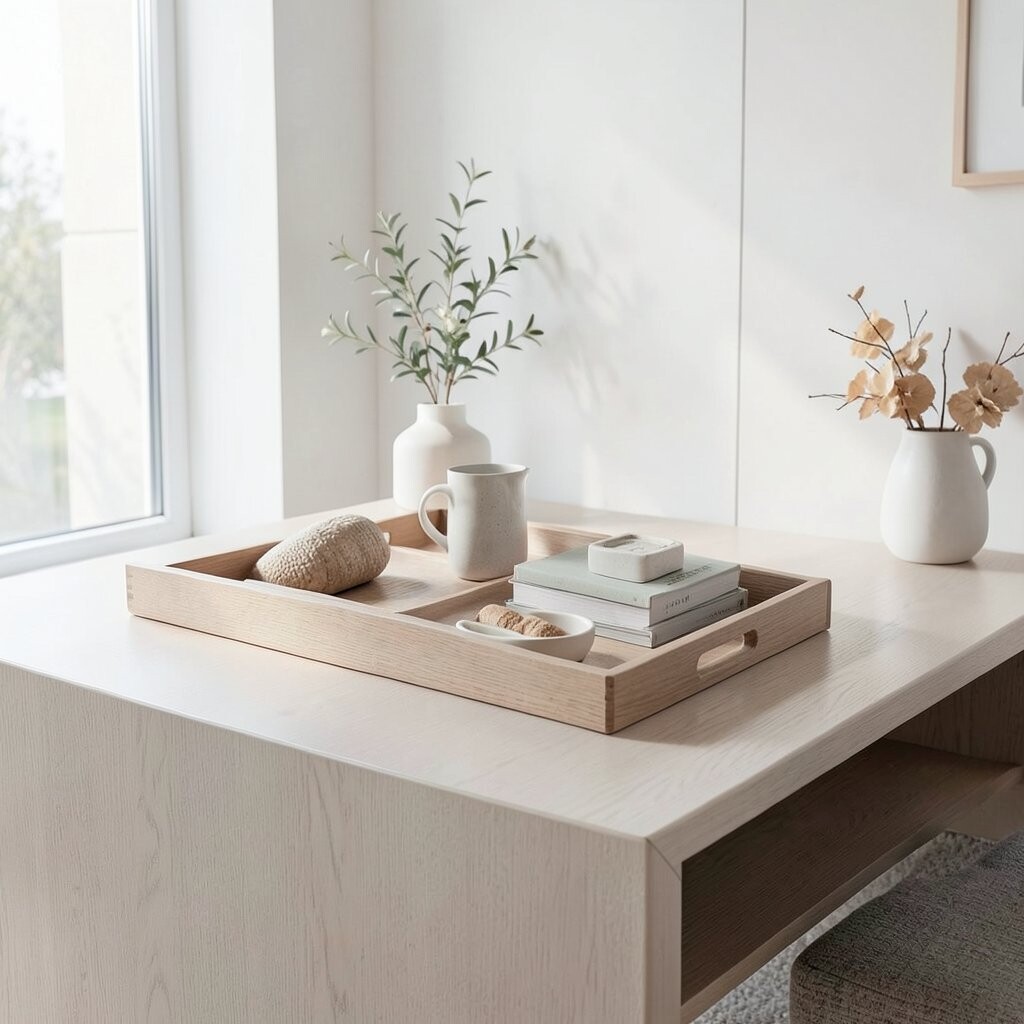
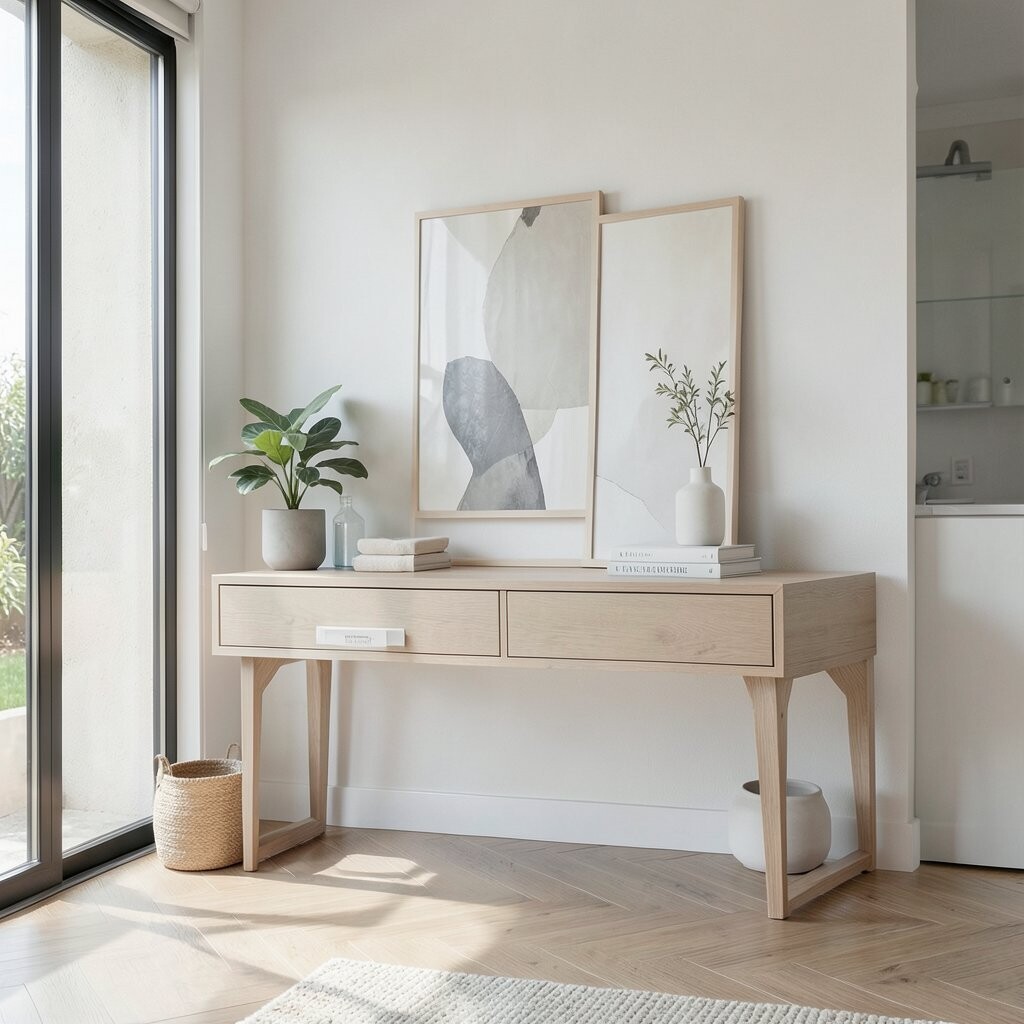
Use a tray on a coffee table, entry console, or bedside table. This turns small items into one neat “system” instead of scattered clutter.
Trays help your home look intentional and reduce visual noise. Pick one material—like matte ceramic, light wood, or brushed metal—and repeat it in more than one room. To save money, start with one tray and add only a few essentials: a small candle, a book, and a simple vase.
If you want a modern trend touch, go for minimal shapes and avoid busy patterns. Personalize by choosing items that mean something to you, like a travel card or a favorite reed diffuser scent.
8. Add Warm Wood in Small Amounts
Add Warm Wood in Small Amounts
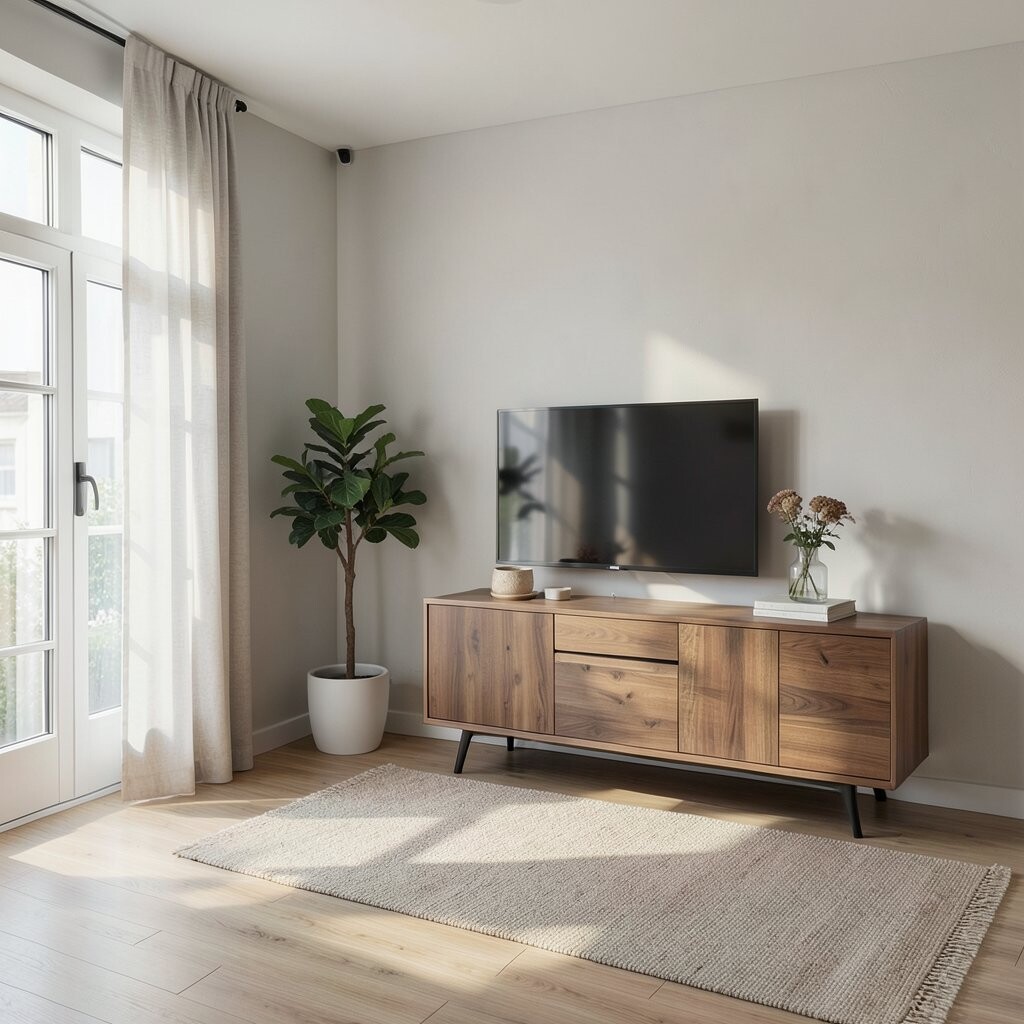
Minimal homes still need warmth, and wood is perfect for that. Try a light oak shelf, a walnut cutting board display, or a slim wooden stool.
Wood tones balance cool neutrals and help the space feel lived in. You can mix wood with matte black hardware or simple brushed steel for a clean, modern style. If you’re on a budget, use wood through accessories first—frames, trays, and small side tables are a smart start.
9. Replace Clutter with Books You Actually Use
Replace Clutter with Books You Actually Use
Books can look great in a minimalist room, especially when they’re arranged intentionally. Stack them by color, height, or theme, and keep the number limited.
This gives your space personality without creating mess. Choose a few covers you love, then hide the rest in a drawer or shelf. For personalization, mix in one meaningful title you keep returning to, like a cookbook or design book.
Cost considerations are easy here: borrow, shop used, or start with a small set. A tiny library that looks good beats a big pile that you never open.
10. Use Lighting Like Decor, Not Just Function
Use Lighting Like Decor, Not Just Function
Lighting sets the mood, so treat it as part of your style plan. Try a floor lamp with a simple shade, a dimmable table lamp, or warm bulbs for a cozy glow.
Good lighting makes minimal spaces feel welcoming and less “cold.” Choose fixtures with clean lines and neutral finishes like black, brass, or soft chrome. If you want a trend-forward look, pick sculptural silhouettes that still feel simple and not too busy.
11. Keep Window Treatments Lightweight
Keep Window Treatments Lightweight
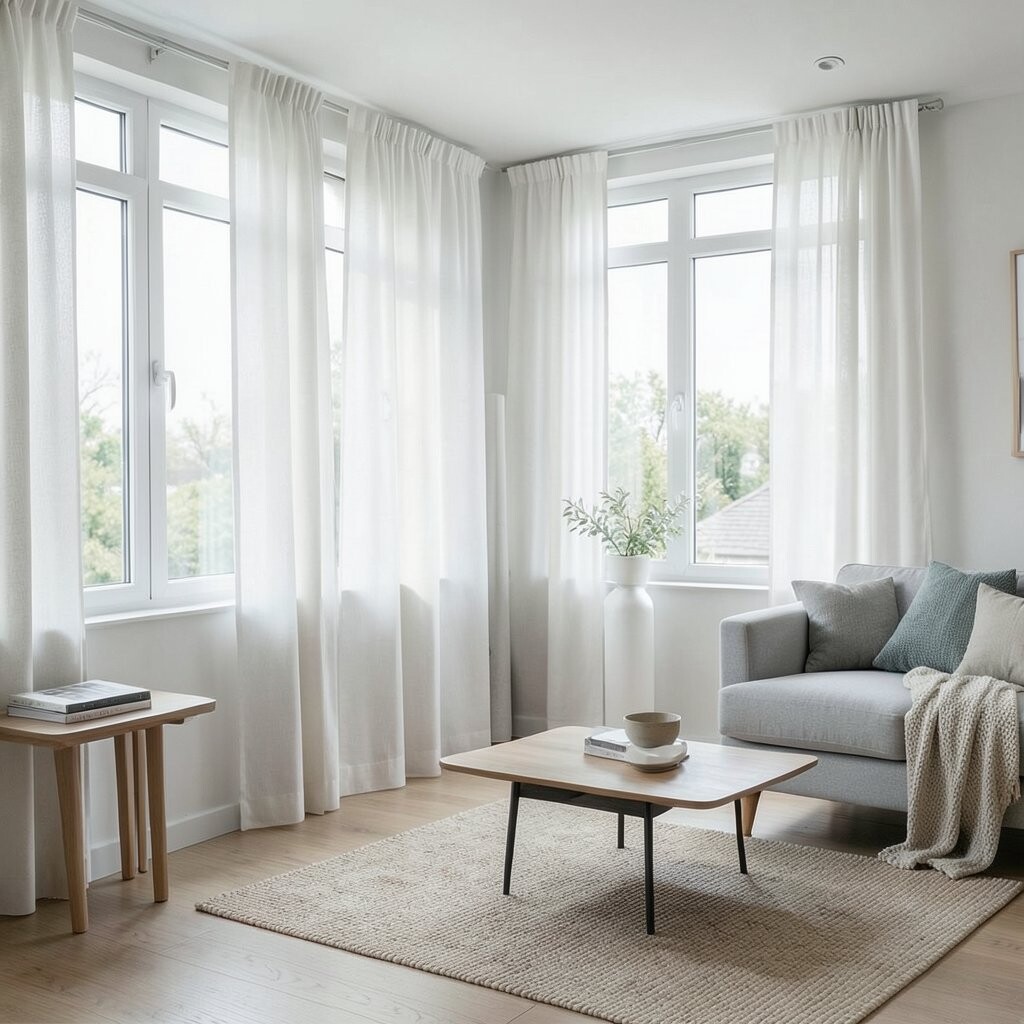
Sheer curtains, roller blinds, or simple linen drapes keep the room airy. You get privacy without making the space feel heavy.
Minimal window treatments also make furniture and art look more balanced. If you want a layered look, add a sheer layer and one curtain panel for nighttime. For cost, start with blinds or a single curtain rod, then adjust later once you see the effect in daylight.
Personalize by choosing fabric colors that match your wall tone, so the window blends smoothly into the overall color story. This is a small change that makes a big visual difference.
12. Try One Statement Vase or Sculptural Bowl
Try One Statement Vase or Sculptural Bowl
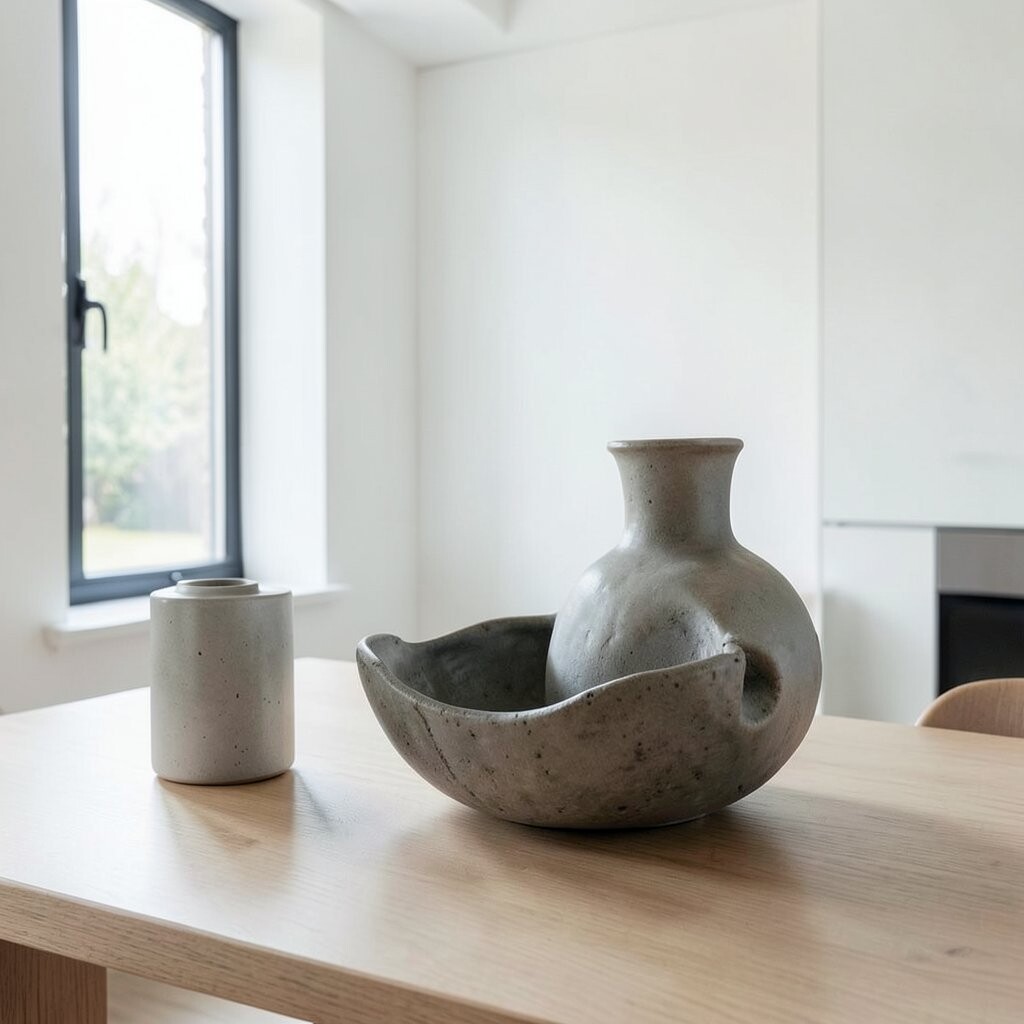
Instead of lots of small decor, choose one shape that stands out. A tall vase, a wide ceramic bowl, or a simple glass vessel can do the job.
This kind of decor feels unique and gives your room a focal point. Keep the rest of the table mostly clear so the item can breathe. For personalization, switch the contents: fresh stems in spring, dried grasses in fall, or just a clean minimal arrangement all year.
Cost can stay reasonable because you’re buying one hero piece, not many extras. Look for handmade options if you want extra character, but also check thrift stores for hidden gems.
Modern trend tip: matte finishes and chunky organic shapes are popular because they feel calm but not boring. Pick one and let it own the space.
13. Style Shelves with a “Fewer, Better” Mix
Style Shelves with a “Fewer, Better” Mix
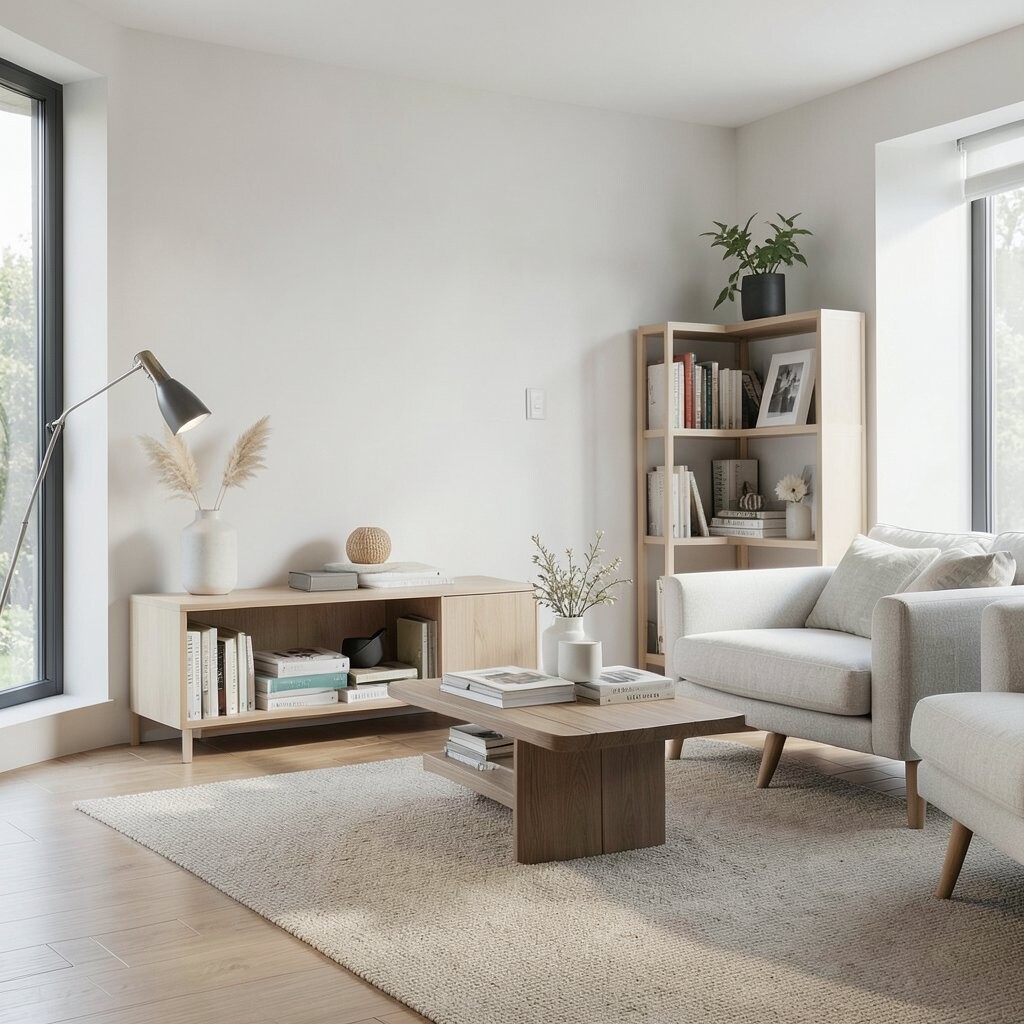
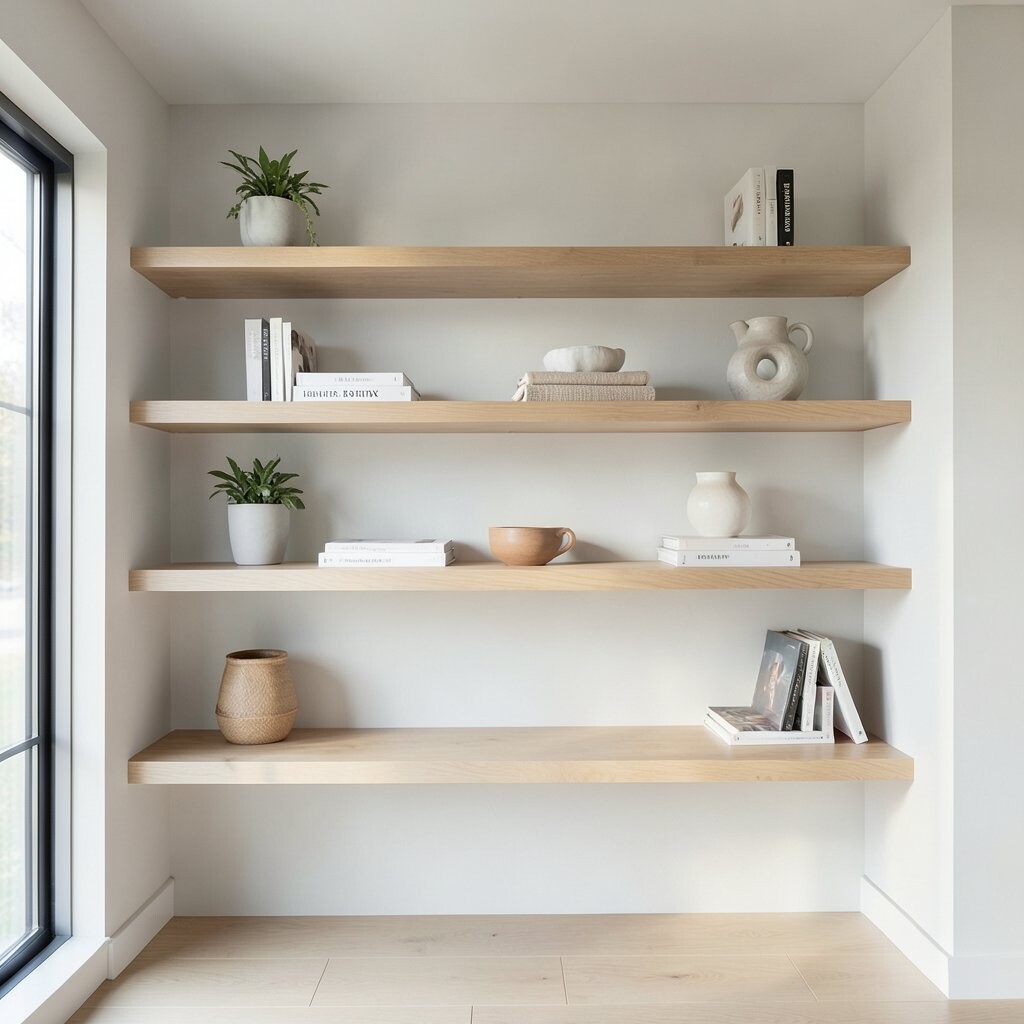
Shelves can look amazing in minimalist homes when you follow a simple rule. Use a mix of books, one plant, and a few decor objects, then stop.
This helps your shelving look curated instead of crowded. Try using the same color family for small objects, like white ceramics and natural wood. For budget, repurpose jars or boxes and label them neatly so they look intentional.
14. Add One Plant for Life and Calm
Add One Plant for Life and Calm
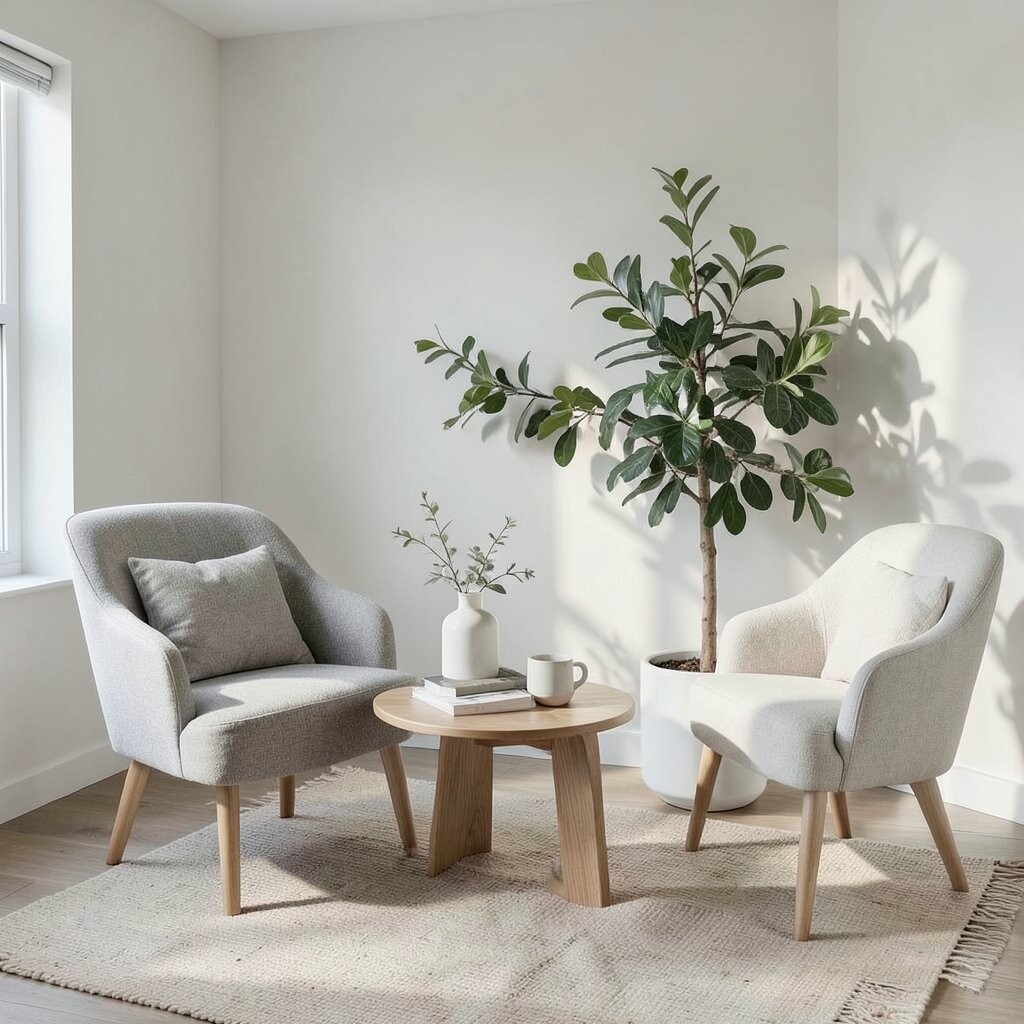
A single plant can make a room feel fresh and relaxed. Choose a style you enjoy caring for, like a snake plant for easy care or a fiddle-leaf fig for drama.
Plants bring color, softness, and a natural pattern that works well with minimal decor. Use a simple pot in a matte neutral so the plant stays the star. Personalize by adding a small tray underneath or using a ceramic cachepot that matches your color story.
Cost considerations: start with one healthy plant and good soil, then grow your collection slowly. Many plants can also be propagated over time, which helps you save money and keep your look consistent.
15. Use Hidden Storage to Keep the Look Smooth
Use Hidden Storage to Keep the Look Smooth
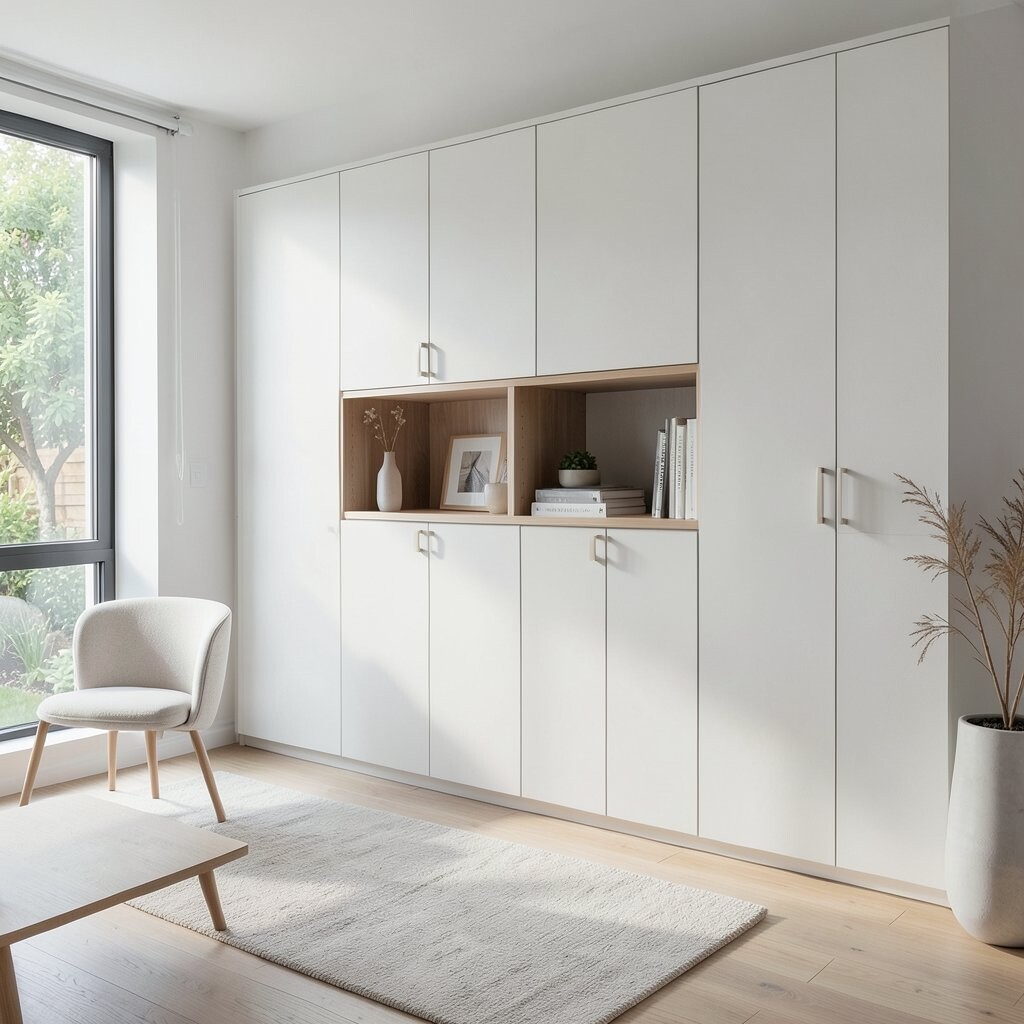
Minimalism looks best when daily items are out of view. Choose closed storage like cabinets, baskets, or drawers with simple handles.
Hidden storage reduces stress because you don’t feel like you need to “fix” the room all day. For a modern touch, pick storage that matches your furniture colors and keeps lines clean. If you’re working with a tight budget, add organizers inside existing drawers and use fabric bins for flexible space.
Personalize your storage too: label baskets, group items by use, and keep only what you need on the surface. This makes your home feel calm even when you’re busy.
16. Personalize with One Meaningful Display
Personalize with One Meaningful Display
Pick one display that tells your story without turning your home into a museum. It could be a framed map of your hometown, a set of travel photos, or a display of small objects from a hobby.
This keeps the space unique because it reflects you, not just a style trend. Choose a simple spot, like a wall niche, a single shelf section, or a corner of your entry area. To keep it minimalist, limit the size and use consistent spacing, so it looks neat from the doorway.
Cost can fit any budget: print your photos, borrow a frame, or use a canvas print you already own. Modern trend note: shadow boxes and floating frames are popular because they feel clean while still personal.