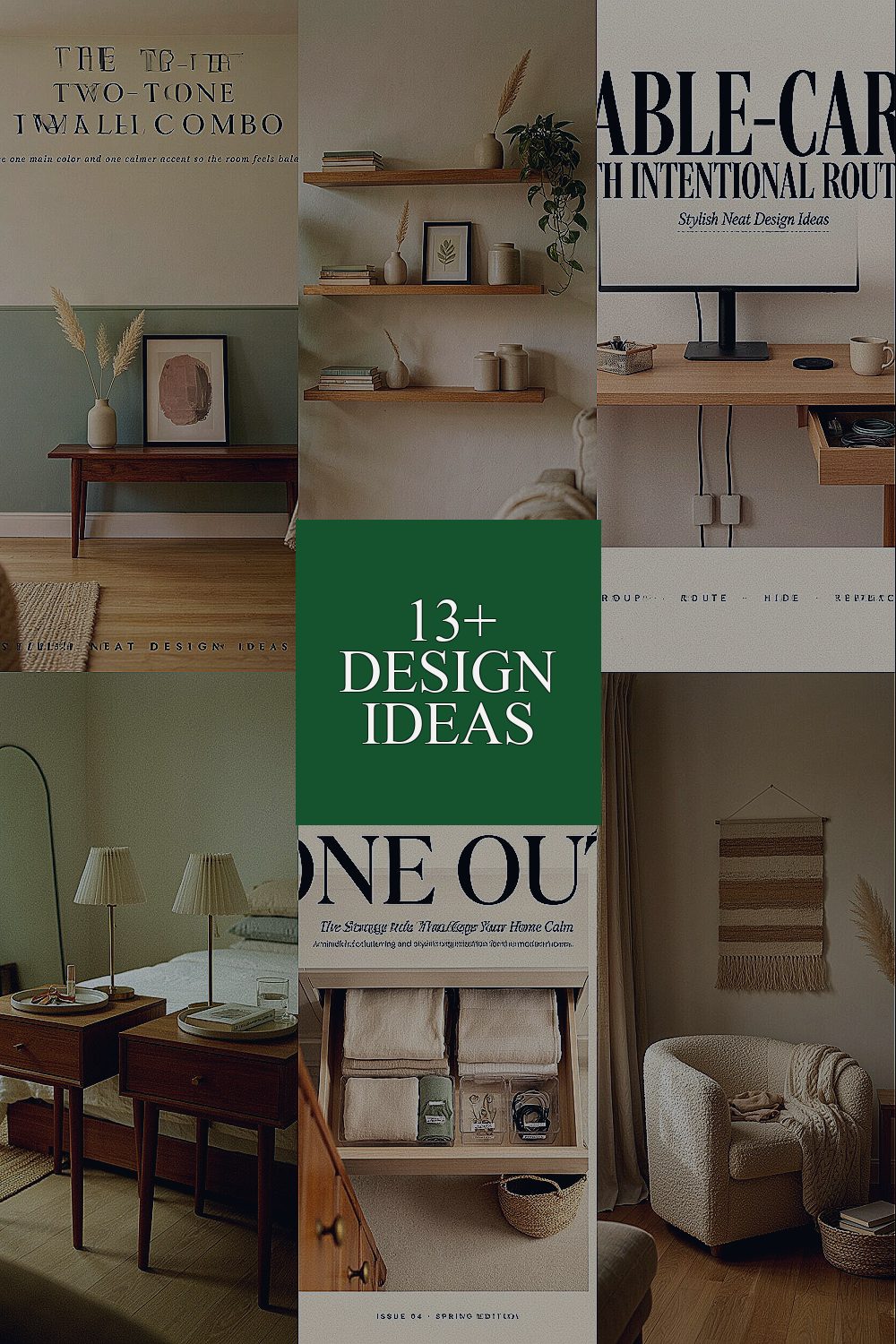
Clean design can feel like a deep breath. Small changes can make your space look sharper right away.
1. The Two-Tone Wall Combo

Choose one main color and one calmer accent so the room feels balanced. Paint the lower half in a deeper shade or a soft contrast line for an instant tidy look.
Use painter’s tape to create a crisp edge, and keep the line at about chair-rail height if you want a classic style. This design helps objects and furniture stand out without feeling messy. For personalization, match the accent color to a pillow, rug pattern, or a framed print so everything feels planned.
2. Floating Shelves With a Quiet Layout

Floating shelves make storage feel lighter and more intentional. When the items are arranged in a simple pattern, the whole wall looks neat even when you use it daily.
Try the “group by function” method: books go together, decor goes together, and everyday items stay off the main line of sight. A row of matching containers also reduces visual clutter. To keep it practical, leave a little blank space on purpose so the shelves don’t look crowded.
Cost can be low if you buy basic brackets and stained wood boards, or higher if you choose sleek metal styles. Current trends favor warm wood tones with minimal hardware, plus gentle, neutral decor. If you love color, pick one accent shade for small objects and keep the rest neutral.
3. Cable-Care With Intentional Routing

Visible cords can make any setup feel chaotic. Route cables behind desks, along edges, or inside cord covers so the area looks clean at a glance.
Start by grouping power and data cords separately, then use adhesive clips to keep lines straight. This makes your space look tidy and it can improve safety by preventing tangles. For uniqueness, hide a small cable box behind the monitor stand or inside a slim console drawer.
Use fabric sleeves for a softer look, or clear covers if you want a modern vibe. Many people are switching to wireless charging and mesh organizers, which cuts down on the number of visible items. Keep replacements in a small drawer so you can swap parts without undoing the whole setup.
If you need a budget option, take advantage of the back side of furniture and simple zip ties. This is one of those small fixes that changes how “finished” the room feels every time you walk in.
4. Bedside Symmetry With Real-Life Ease

Matching nightstands or coordinated lamps create instant order. Symmetry is a neat trick because your eye likes the repetition.
Try two small trays for the same purpose on each side, like keys, lip balm, or a small book. This keeps everyday items from drifting across surfaces. Personalize by choosing slightly different heights within the same style, so it still feels relaxed while staying visually tidy.
5. The “One In, One Out” Storage Rule

Neat design starts with choosing what earns a home. The “one in, one out” rule prevents storage from quietly overflowing over time.
When you add something new, remove something similar before it finds a new spot. This keeps your drawers smooth and your shelves looking calm, which is a big part of that stylish neat feel. For practical success, keep a donation bag near the door so you can act immediately.
Cost considerations are friendly here because the goal is less buying and better use. Many current systems pair this rule with clear bins and label stickers, which reduce guessing and make cleanup faster. Personalize by keeping categories that match your life, like hobby supplies, skincare, or tech gear.
6. Textured Neutrals for a Warm, Clean Look

Soft textures make a room feel curated without needing lots of items. Think of linen curtains, a chunky knit throw, or a smooth matte ceramic vase.
Keep colors mostly neutral, then vary the textures to create depth. This boosts comfort and makes the space look neat because surfaces don’t look flat or unfinished. For uniqueness, choose one standout texture, like a bouclé chair or a woven wall hanging, and repeat smaller hints around the room.
7. A Gallery Wall With Measured Spacing

A gallery wall can look crisp instead of crowded if you plan the spacing. Use a measuring tape and mark placement so each frame has breathing room.
Pick frames that share a finish, even if the art is different. Then arrange sizes in a grid-like flow or a gentle centered pattern. This makes the wall feel organized and stylish rather than like a last-minute mix.
For cost control, print your own art, reuse old frames, or swap prints seasonally. Current trends often lean toward black-and-white photography or muted abstract prints, which look clean and timeless. Personalize by selecting art that has a story for you, but keep the palette consistent so the wall stays neat.
8. Kitchen Counter Styling With a “Landing Zone”

A cluttered counter usually comes from items landing anywhere. Create one landing zone where daily things are allowed to sit, and everything else has a home.
Use a shallow tray for mail, a small container for utensils, and one plant or decorative item. When you return from errands, place items in the landing zone, and the counter stays tidy the rest of the day. This design benefit is huge because it reduces the “where do I put this?” moment.
To make it unique, change the landing zone seasonally with a different tray color or a themed utensil crock. If you want to cut cost, use existing trays and containers, and focus on keeping the surfaces mostly empty. Many current kitchen trends favor warm woods and simple ceramic pieces for that clean, lived-in look.
Keep a small cloth nearby so you can quickly wipe the landing zone and make it feel freshly styled.
9. Small Rugs That Define Each Space
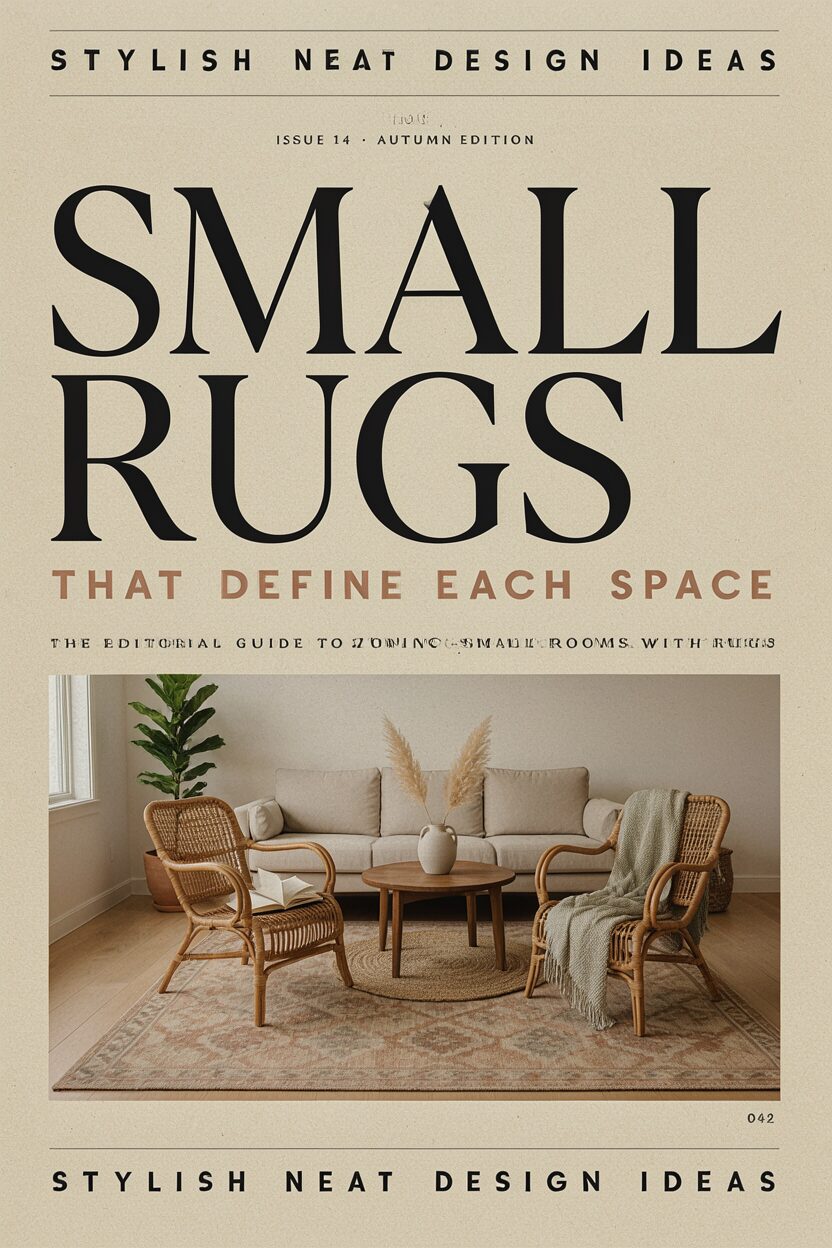
Rugs help rooms look neatly “zoned” instead of one big blur. A well-sized rug adds structure, which makes furniture placement feel intentional.
Choose a rug that fits the size of your seating area, and place front legs of chairs on it if possible. This gives a tidy visual boundary and can reduce the look of scattered items by grounding everything in one spot. For personalization, pick a pattern that echoes your favorite colors without overwhelming the room.
Cost can vary, but you can often find affordable washable rugs or smaller sizes that still do the job. Current trends show promise in simple geometric patterns and subtle neutral tones that hide everyday wear. If you’re on a tight budget, layering a budget rug over a plain base can look stylish and still feel clean.
Remember to use a rug pad for safety and to keep the rug from sliding, because slipping creates daily frustration that ruins the tidy feeling.
10. Closet Dividers With Clear Category Logic

A closet looks neat when your clothes have predictable lanes. Dividers and category logic make it faster to put things away and harder to create piles.
Try one section for everyday items, one for seasonal gear, and one for special pieces like formal wear. Add slim bins for accessories so small items don’t fall behind taller clothes. The benefit is obvious: fewer searches, fewer wrinkles, and a smoother daily routine.
Personalize by grouping by color, by fabric type, or by how often you wear items. Cost can be low if you start with basic shelf dividers and clear storage boxes you can reuse. A current trend is using matching, labeled containers, which makes the closet look like a designed system instead of storage.
11. Lighting Layers for a Cleaner Visual Mood

Lighting shapes how tidy a room feels because it affects shadows and contrast. When you add layers, corners look softer and surfaces appear more organized.
Use three types when you can: overhead light, task light, and a warm accent lamp. Place a lamp where you would normally set things down, like near a reading chair, so the area stays functional and calm. This is a unique benefit because better light helps you notice clutter sooner and keep it under control.
For personalization, match bulb color temperature across the room and choose shades in simple fabrics. Cost considerations are flexible: a new bulb can be cheap, while upgrading a fixture or adding a floor lamp may cost more. Current trends favor warm white lighting and dimmable options for that neat, relaxing vibe at night.
12. Bathroom Trays and the “Visible Only What’s Needed” Rule

Bathroom counters often turn into a lineup of products that never fully get put away. Use trays so only a few essentials are visible and everything else stays stored.
Pick one tray for daily items like cleanser and hand lotion, and keep backups in a cabinet. This reduces visual noise and makes your bathroom look styled without feeling too precious. Personalize with tray color and material that matches your towel or vanity hardware.
If you worry about cost, start small with one tray and a couple of small organizers. Many trends now lean toward cohesive sets, like matching clear bottles or simple ceramic containers. You can also label bins lightly so guests and family members know exactly where things go.
13. Dining Table Styling With a Minimal Centerpiece
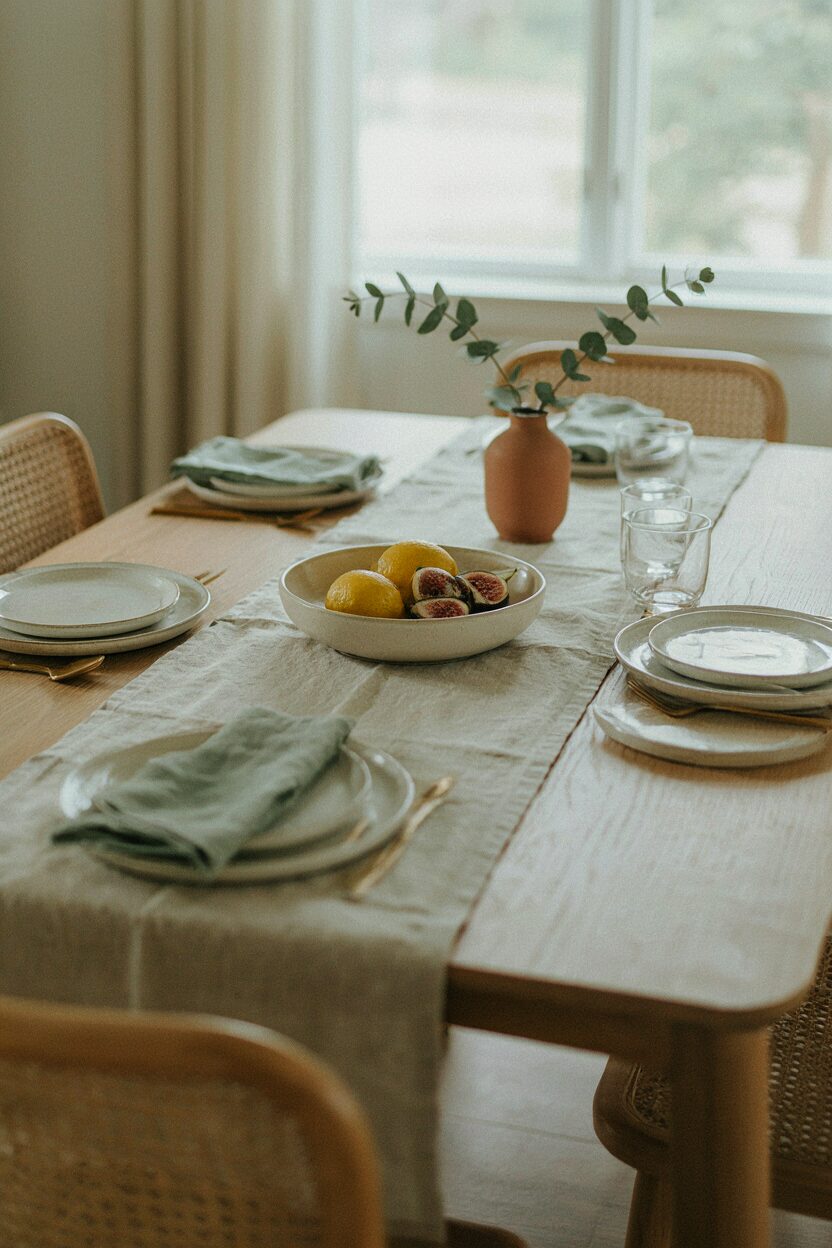
A dining table can look neat even when it’s used every day. The secret is choosing a centerpiece that doesn’t block movement or invite clutter.
Try a shallow bowl with fruit, a simple runner, or one low vase with a few stems. Clear benefit: you can eat comfortably and still keep the table looking designed. For personalization, coordinate the runner color with seasonal accents, like warm tones in fall and fresh pastels in spring.
Cost considerations are friendly because many centerpieces can be built from items you already own. Current trends often favor natural elements like wood, linen, and ceramic, plus a limited color palette. If you host often, keep a small kit of extra coasters and simple cloth napkins so the table looks consistent.
When you set the table, wipe the surface first and place items deliberately, so the finished look lasts longer.
14. Entryway Hooks and a Dedicated Drop Tray

The entryway sets the tone for the whole home, and mess here shows up fast. Hooks for coats plus a dedicated drop tray for keys and small essentials create a clear routine.
Choose hooks by weight and style, then add a tray near the door so daily items land in one place. This prevents piles on benches and stops bags from spreading into the room. Personalize by matching hook finishes to hardware elsewhere, like brushed metal or matte black, and use a tray design that fits your color scheme.