
Apron ties look simple, but tiny choices can make or break comfort. The right tie setup keeps you working smoothly, safely, and looking great.
1. Choosing Ties That Are Too Short

Short ties can feel like they are “almost” enough, until you reach for a pan or twist your body. That moment you need extra length is exactly when the apron starts slipping.
Look at where your apron should sit, then check the tie length from knot to knot with your typical stance. If you tie behind your back, confirm you can comfortably pull the ends to make a secure knot without straining. Longer ties give you options for different outfits, hair styles, and even thicker layers in cooler kitchens.
2. Tying in a Way That Slides Loose

A tie that comes undone can turn into a distraction mid-cook. You might keep adjusting it instead of focusing on your recipe.
Use a knot style that grips well, like a double knot or a secure overhand knot. After tying, do a quick movement test: raise your arms, bend slightly, and reach as if you’re grabbing a baking tray. If the knot loosens when fabric shifts, rethink the method or try tie ends of different lengths so the knot has balance.
Some aprons also benefit from tucking loose ends back under the wrap so they do not catch on handles or clothing. If you notice constant sliding, you may need ties that match your body shape better. A snug but not tight fit is the goal because comfort helps you keep the knot stable.
3. Ignoring Tie Placement on the Neck and Waist

Tie placement can change your whole apron experience, especially around the neck. If the neck tie sits too high, you may feel pressure when you lean forward.
Before you cook, check that the neck tie distributes weight evenly and does not pull your shoulders forward. Also confirm the waist tie sits where the apron stays covered, not where it rides up when you move. A well-placed waist tie helps prevent gaps that can expose clothing to spills.
Look at the apron’s pattern lines and compare them to your body height. If the apron front looks uneven, you may be tying at the wrong level. Try different wrapping angles until the fabric drapes flat instead of bunching at one spot.
For people who get shoulder fatigue, slightly lowering the neck tie can help the apron rest more on the chest. This is a small change, but it can make ties feel less irritating over time. When in doubt, adjust placement before you start heating the oven.
4. Using the Wrong Tie Material for Your Style

Not all tie materials behave the same, and the fabric you choose matters more than you think. Some ties are too slick, while others are too stiff for easy movement.
Cotton and canvas often grip better, which can help knots stay put. Satin-like or smooth ties may look elegant but can slip during busy tasks. If your kitchen has lots of steam or you wash aprons often, pick a material that holds its shape and does not fray quickly.
5. Over-Tightening That Causes Discomfort
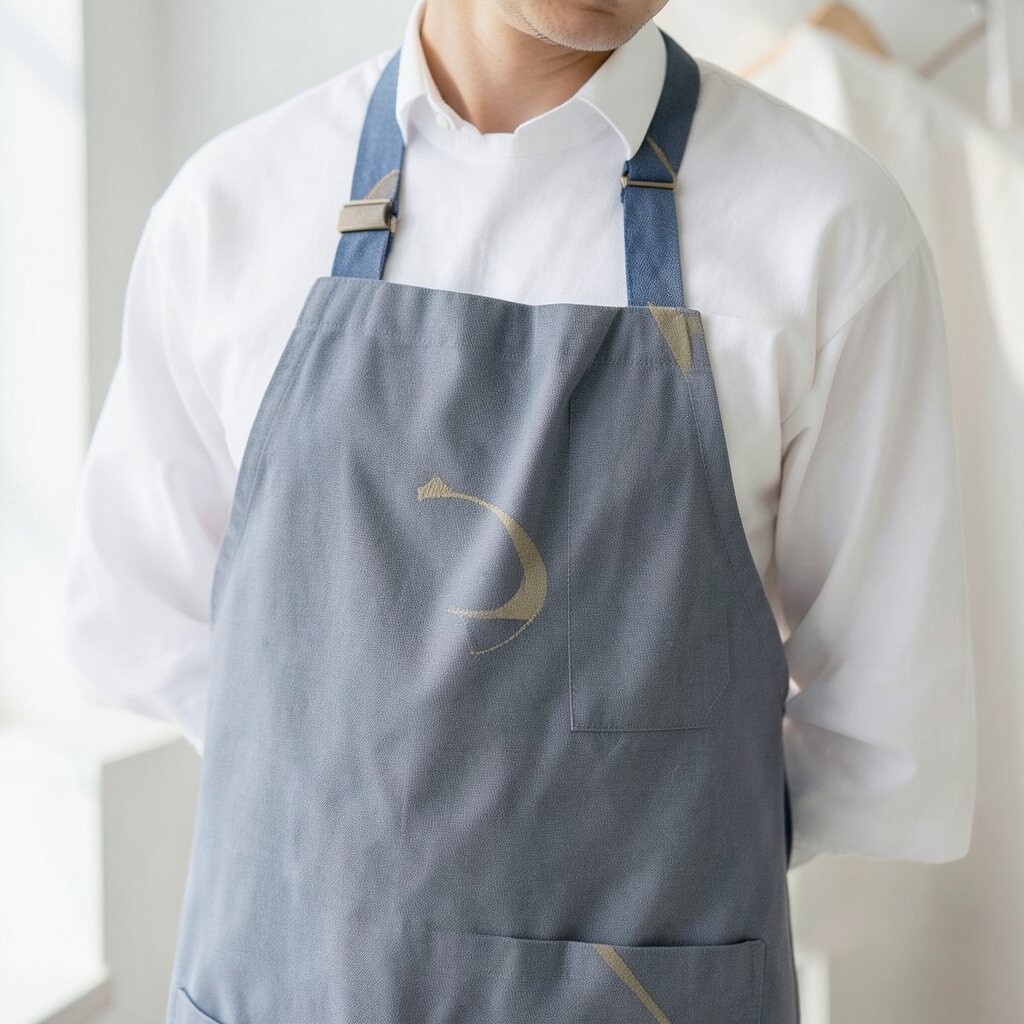
It’s tempting to pull ties as tight as possible, especially when you want full coverage. But over-tightening can limit your breathing and make you feel tense fast.
Keep the apron secure without compressing your torso, and you should still be able to bend and reach comfortably. If the ties leave marks or you feel sore within minutes, loosen the knot and reposition the wrap. Comfort helps you wear the apron for longer, which is where the real protection comes in.
Consider how you move during cooking—stirring, lifting, stepping aside—and aim for a fit that follows you. Some people prefer a slightly looser wrap plus a stronger knot method instead of pulling harder. That combo often gives both comfort and stability.
6. Skipping a Quick Fit Check Before Cooking

A smooth cook starts with a small prep step you might skip. If you tie the apron and jump straight into food prep, you may discover fit problems only after you’re busy.
Do a quick check by moving your arms and turning your upper body a few times before you start. Confirm that the apron front covers your torso and the sides do not gap. Then look in a mirror or at your reflection to see whether the ties sit flat or twist.
If the ties twist, try re-wrapping so both ends fall naturally instead of twisting around the fabric. Also check that the neck tie does not create a “pressure ridge” that you feel right away. Taking ten seconds now can save you from readjusting later when hands are messy.
7. Choosing Ties That Clash With Your Outfit

Your apron is often visible in photos, at family gatherings, or even during casual hosting. When ties clash with your outfit, it can distract instead of complement.
Pick tie colors that coordinate with your apron fabric and your typical kitchen clothing. Neutral ties or matching patterns usually work well if you switch outfits often. If you love bold style, use tie accents as part of your look rather than an afterthought.
Personalize by swapping tie styles across seasons, like darker ties for fall and lighter ties for summer. You can also tie accessories like small bows when the knot is secure, but keep them neat so they do not interfere with movement. A consistent visual style makes the apron feel intentional, not random.
8. Not Considering How Ties Hold Up After Washing

Ties can look great on day one and then behave differently after several washes. Shrinkage, warping, or fraying can make the same knot suddenly feel unreliable.
Check care instructions and follow them, especially for cotton blends that may shrink. If an apron ties up differently after washing, compare the tie length to before and adjust your tying method. Fraying edges can also catch on other fabric, so inspect ties regularly.
To extend tie life, avoid high heat drying if the label suggests gentler settings. Wash ties inside a garment bag when possible to reduce wear from friction. Small maintenance habits keep ties strong, which matters for safety and comfort in a busy kitchen.
Some people even rotate between two aprons to reduce wash frequency and keep ties from becoming weak. That approach can feel like a hassle, but it often saves money because the apron lasts longer. Strong ties also make it easier to keep the apron positioned correctly each time.
9. Using Knots That Are Hard to Undo Quickly

Maybe you tied a perfect knot, but now you cannot get it undone when it’s time to clean up. That delay can be annoying, especially if you’re cooking with multiple steps.
Choose a knot that is secure during work but easy to release at the end. Double knots can be strong, but if you make them too bulky, they can trap fabric and slow you down. For some aprons, a simple overhand knot followed by a quick wrap works better.
Think about your workflow: when you leave the kitchen, you should be able to remove the apron without wrestling with tight loops. If you often change outfits, choose tying methods that stay comfortable during wear but loosen smoothly. Practicing once while the apron is clean helps you master the timing.
When ties tangle, it may also mean the ends are too long or the fabric is twisting. A small adjustment, like keeping tie ends trimmed to a functional length, can prevent knot headaches. The goal is hassle-free removal that does not ruin your day.
10. Ignoring How Ties Affect Coverage and Protection

Apron ties are not just decoration; they hold the protective front in place. If ties are positioned or tied incorrectly, you can end up with uncovered spots that feel risky.
Make sure the tie placement keeps the apron body from shifting when you lean over a cutting board or step around a hot stove. Coverage should stay consistent across your movements, not only when you stand still. If you see the apron front lifting at the corners, retie with a tighter wrap at the waist or adjust the neck position.
11. Not Matching Tie Width to Your Fabric Weight

Thicker apron fabric needs ties that can grip and hold without pulling through. If the tie is too narrow for heavy material, knots can feel weak or uneven.
Consider the apron’s weight: a light apron may use thinner ties comfortably, but a heavyweight apron often performs better with sturdy, wider ties. When ties are too thin, they may dig into skin or create stress points on the seams. Wider ties distribute pressure better, which can feel more comfortable during long cooking sessions.
You can also personalize by choosing tie widths that match your comfort preferences. Some people like firm ties that stay flat, while others prefer softer ties that conform. Either way, balance grip with comfort so the apron stays secure without irritation.
12. Overlooking Seam Strength Where Ties Attach

The most important tie skill is not the knot, it’s the strength of where the ties connect to the apron. If that area is weak, the apron can fail right when you rely on it most.
Inspect the tie attachment points for loose stitching or uneven reinforcement before you use the apron frequently. After washes, check again because repeated stress can loosen seams over time. If the tie seems to pull at the seam when you tighten, stop using it as your main apron.
Look for reinforced stitching or secure tie channels, especially on waist ties that take a lot of movement. A durable attachment helps the apron maintain coverage and stability. That reliability can be worth paying a little more for, particularly for daily cooking.
13. Treating Ties as One-Size-Fits-All

Even within the same apron model, tie length and how you wrap can change the fit a lot. If your body shape does not match the intended tie wrap, the apron may ride up or feel awkward.
Personalize your fit by adjusting how you cross the ties, where you anchor them, and how the fabric drapes on your torso. If the neck tie feels too tight, you might need a different knot style that loosens the loop without losing security. Some people also prefer tying the waist first, then adjusting the neck tie to settle the apron front evenly.
If you share aprons with family members, consider keeping two tie length options or using tie extenders. That way, each person can get a stable fit instead of forcing the same setup for everyone. A small customization can turn an “okay” apron into an everyday favorite.
14. Not Replacing Worn or Frayed Ties

Frayed ties can look harmless, but they often weaken where stress happens most. When you tighten the apron, worn ties may stretch unpredictably or slip.
Check ties regularly for fraying, thinning, or knots that do not hold like they used to. If a tie end is unraveling, trimming it carefully and re-securing may help, but it depends on how the tie is made. For best safety and comfort, replace ties once they show repeated stress damage.
15. Ignoring Current Trends That Improve Tie Function

Modern apron design trends often aim for better comfort, easier tying, and more reliable coverage. Features that look stylish can also make ties more practical in real kitchens.
You may notice adjustable neck straps, cross-back tie patterns, or ties designed with reinforced tips. These options can reduce slipping and help fit more body types without constant retie adjustments. Some aprons even use tie hardware or overlapping closures, which can be great if you want a faster, consistent setup.
Cost-wise, trendy upgrades might be slightly higher, but they can save time and reduce frustration. If you cook often, paying a bit more for durable, well-designed ties can be a smart long-term choice. Watch for fabric that dries well and ties that keep their shape so your apron stays dependable through regular use.
When you shop, check reviews that mention tie length, slipping, and wash performance. Trends are helpful only if they solve the everyday problems you care about. A functional tie system should feel effortless the moment you put the apron on.