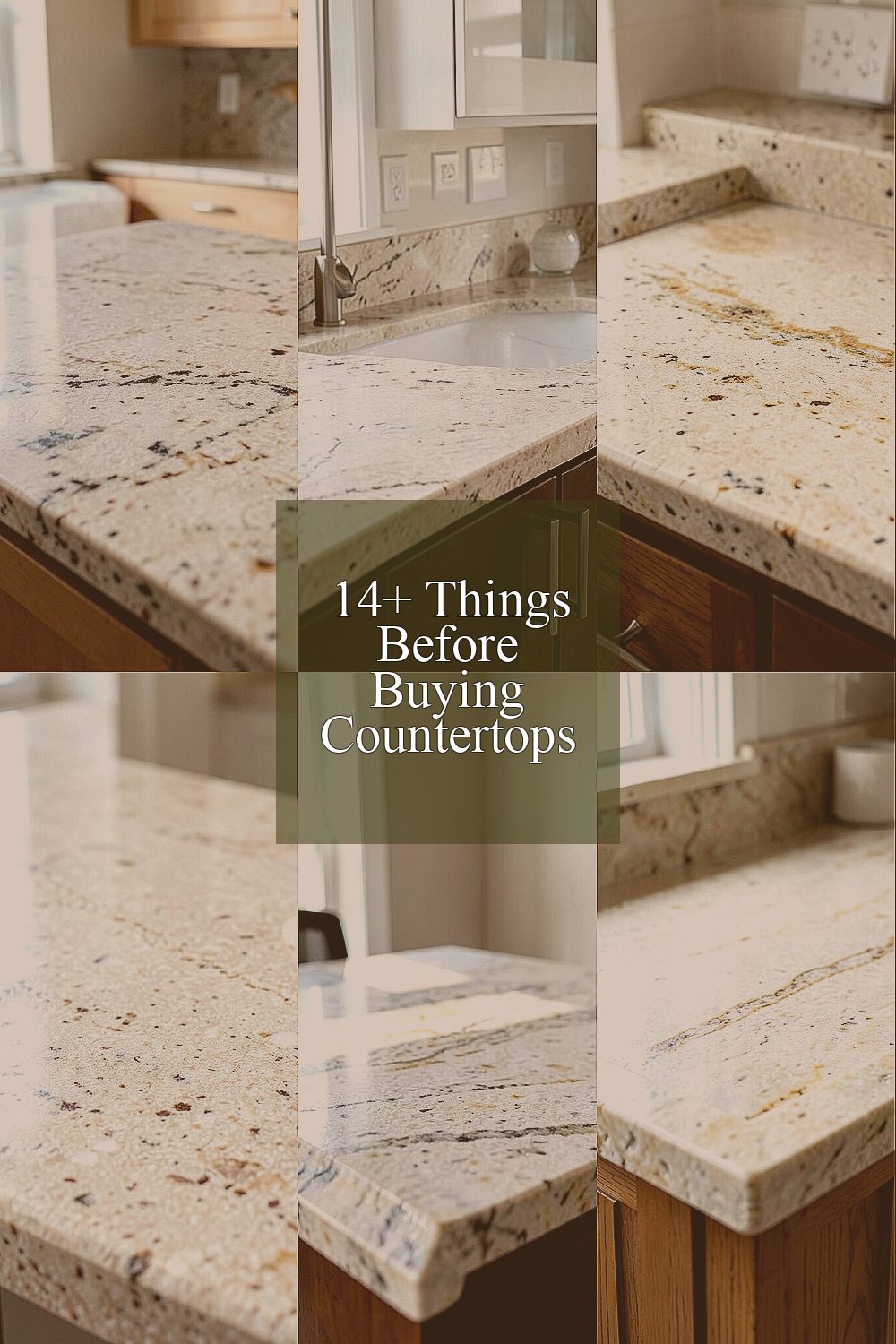
Your kitchen is about to get a serious glow-up. The tricky part is choosing the right stone for your life, not just your Pinterest board.
1. Know Which “Stone” You’re Actually Buying

Stone countertops can mean several different materials, even when they look similar at first glance. Natural options like granite, marble, quartzite, and soapstone each behave differently.
Granite is usually very durable and forgiving, while marble and some limestone varieties can be more sensitive to acids like lemon or vinegar. Quartzite often has marble-like drama but can be tougher, depending on the slab. Engineered stone (often called “quartz”) is made with crushed stone plus resin, which changes how it handles heat, stains, and repairs.
2. Learn the Look in Real Life, Not Just in Photos

When you see stone in a showroom, the pattern can look bold and perfect. In your home, lighting and backsplash colors will change how the stone reads.
Granite may sparkle differently under warm bulbs than it does under cool overhead lighting. Marble can shift from creamy to gray depending on the slab and the time of day. Before you commit, look at several slabs in the same lighting your kitchen will use.
Bring a sample of your cabinet color and flooring to the counter shop if you can. Also, ask how the stone will look with the exact finish you want, like polished versus honed. A quick visual check can prevent the “why does it look dull?” moment later.
3. Understand How Each Stone Handles Stains

Stains are one of the biggest fears for homeowners, and rightly so. Different stones absorb liquids at different rates.
Marble and some natural stones can be more vulnerable because they may be porous, so sealing and good habits matter. Granite is often more resistant, but it still benefits from sealing based on the stone type and finish. Soapstone typically stains in a unique way, often darkening slightly where it’s been exposed.
Engineered quartz is usually nonporous, which can make everyday cleanup easier. Still, tough messes like permanent markers or heavy dyes should be treated quickly. Your goal is a stone that matches how messy you expect your kitchen to get.
Ask the installer or fabricator about stain risks and recommended care. Then choose a stone and sealing schedule that you will realistically keep up with.
4. Decide Between Polished, Honed, and Textured Finishes

The finish is what you touch every day, and it also shapes the final look. Polished stone feels smooth and reflects light, while honed stone looks softer and more matte.
Textured finishes can hide small scratches, which is helpful for busy households. On the flip side, they may be a little harder to clean if dust or residue gets into the texture. If you want a dramatic, reflective surface, polished is usually the star; if you want a more modern, low-glare vibe, honed often fits better.
5. Expect Heat and Impact Rules to Be Stone-Specific

Most countertop damage happens from real life: hot pans, dropped utensils, and heavy pots. Knowing the heat and impact behavior of your chosen stone can save you from regret.
Natural stone like granite tends to handle heat well, but that doesn’t mean you should skip trivets. Marble and quartzite can tolerate heat better than some people assume, yet sudden thermal shock can still be risky. Soapstone is known for its heat resistance, but it can still show marks from abrasion.
Engineered quartz is generally heat resistant only up to a point, and sudden extreme heat can damage the resin. For any stone, use coasters and hot pads as your “set it and forget it” habit. Even the toughest countertop looks better when you treat it kindly.
6. Plan the Edges and Details That Fit Your Style

Edges are like the jewelry of your countertop. A small change in profile can make the whole kitchen feel more custom.
For a classic look, many people choose eased or beveled edges that soften corners. For a modern feel, a simple straight edge or a slim profile can look crisp and clean. If you love a farmhouse vibe, a slightly wider edge with gentle contours can match the rest of the room.
Think about how people will move around the space, too, especially in households with kids. Rounded edges can feel safer and more comfortable. If you want a thick slab look, your fabricator can sometimes create a dramatic overhang or integrated support style that emphasizes thickness.
7. Budget Realistically for Installation and Prep Work

The price you see online is usually only part of the story. The total cost can change with slab thickness, fabrication complexity, and how your existing counters are removed.
Upgrading cabinets or reinforcing the base might be needed, especially for heavier stones or certain layouts. Sink cutouts, special angles, and integrated accessories can also raise the price. If you’re moving from a laminate counter to stone, plan for new measurements, new plumbing adjustments, and the time it takes to do it right.
To avoid surprises, request a clear quote that includes removal, underlayment, sealing (if needed), edge finishing, and installation. This makes comparison between installers much fairer. A “cheaper” quote that skips key steps can cost more later.
8. Know What “Sealed” Really Means and When It Matters

Sealing can be a big deal for porous natural stones, but it isn’t a one-time magic trick. It’s more like maintenance that keeps your stone performing well.
Some stones need periodic resealing depending on the specific product and your household habits. Oils, wine, citrus, and even certain cleaning products can affect how well the seal holds up. If you choose a stone that requires sealing, make sure you know who will do it and what the schedule looks like.
9. Choose Pattern Matching With Intention

Your stone’s pattern is not just decoration, it’s a design decision. Some slabs have movement and veining, while others look more uniform.
If your kitchen has long straight runs, ask your fabricator how they will place slabs for the best visual flow. Bookmatching can create symmetry, which many people love in bathrooms or statement areas. Random placement can feel more organic and can help hide small variations across seams.
For dramatic marble or quartzite, pattern placement can make the difference between “wow” and “what happened here.” Bring photos of the direction of veins you like and ask how they’ll achieve it with your chosen slab. Clear expectations upfront prevent disappointment after the first seaming photo goes out.
Also remember that veining direction can subtly change how the kitchen feels, especially with overhead cabinet lines. Planning it now makes your final look feel intentional.
10. Think About Repairs and What Happens If You Chip It

Countertops are tough, but corners and heavy impacts can still lead to chips. The real question is whether the stone and the fabricator can repair it nicely.
Granite can often be repaired with resin systems, though the mark may never be perfectly invisible. Marble can be tricky because it may require careful color matching and finishing to blend. Soapstone scratches and dents more visibly, but many homeowners like the lived-in character.
11. Confirm Thickness, Overhang Support, and Substrate Needs
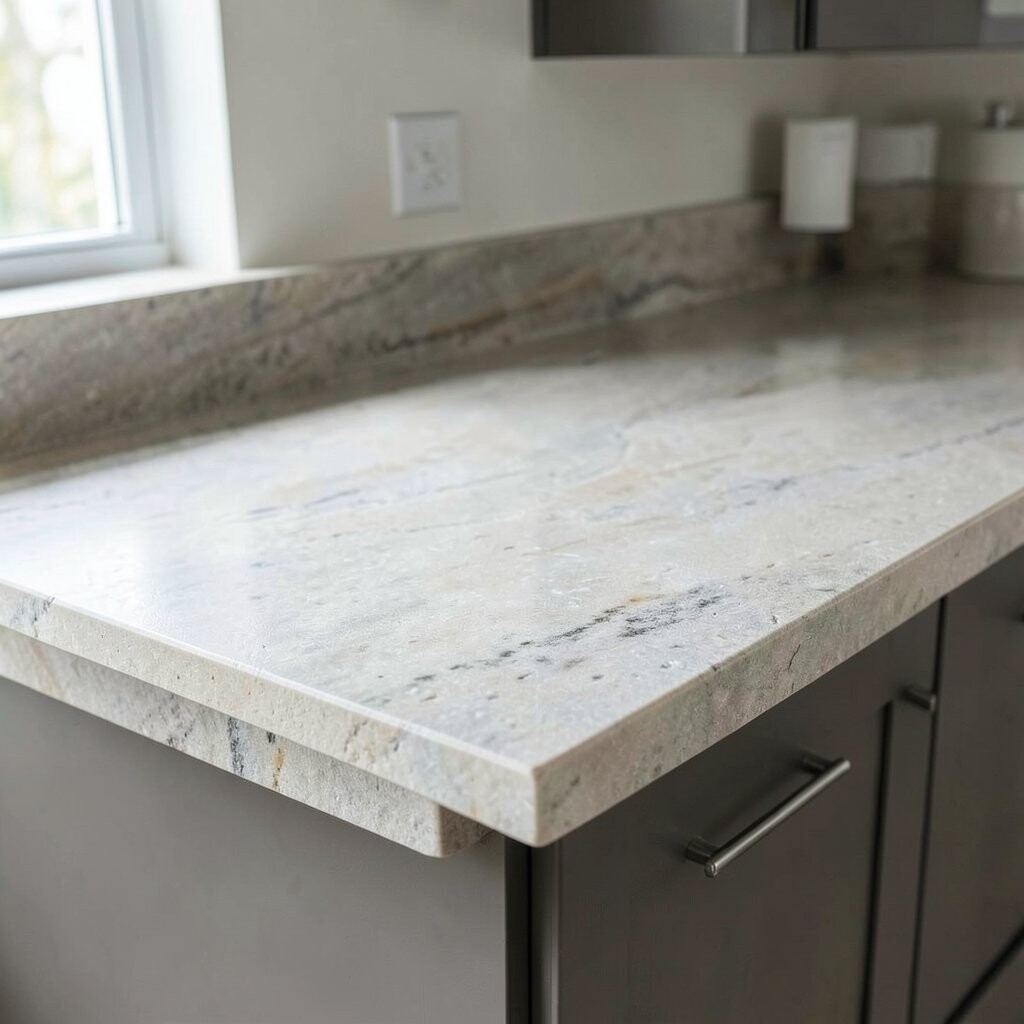
Stone thickness is more than an aesthetic choice; it affects how the countertop is supported. Thicker slabs can look more substantial, but they require proper framing and mounting.
Your layout matters, especially for overhangs where counters extend beyond cabinets. If support is insufficient, you can get uneven stress or sag over time. Ask your installer about reinforcement methods and how they plan to secure the stone to your cabinetry.
Also check the countertop’s weight and whether your cabinets are rated to hold it. This is one of those “slow down and verify” moments that can protect your investment. A strong foundation means the stone can do its job without surprises.
12. Balance Maintenance With Your Real Daily Routine

Different stones demand different levels of care, and your lifestyle should lead the decision. Some homeowners love the ritual of gentle cleaning and periodic sealing.
If you want a low-maintenance option, engineered quartz is often chosen for its convenient care routine. Many natural stones can work well too, as long as you seal them appropriately and use safe cleaners. Avoiding harsh acids and abrasive pads matters across most stone types.
Consider your household habits: do you cook with citrus often, do you use lots of dark oils, and do kids help with snacks at the counter? The best stone is the one you can maintain without resentment. When cleaning is realistic, the countertop stays beautiful longer.
13. Look for Current Trends in Color and Movement
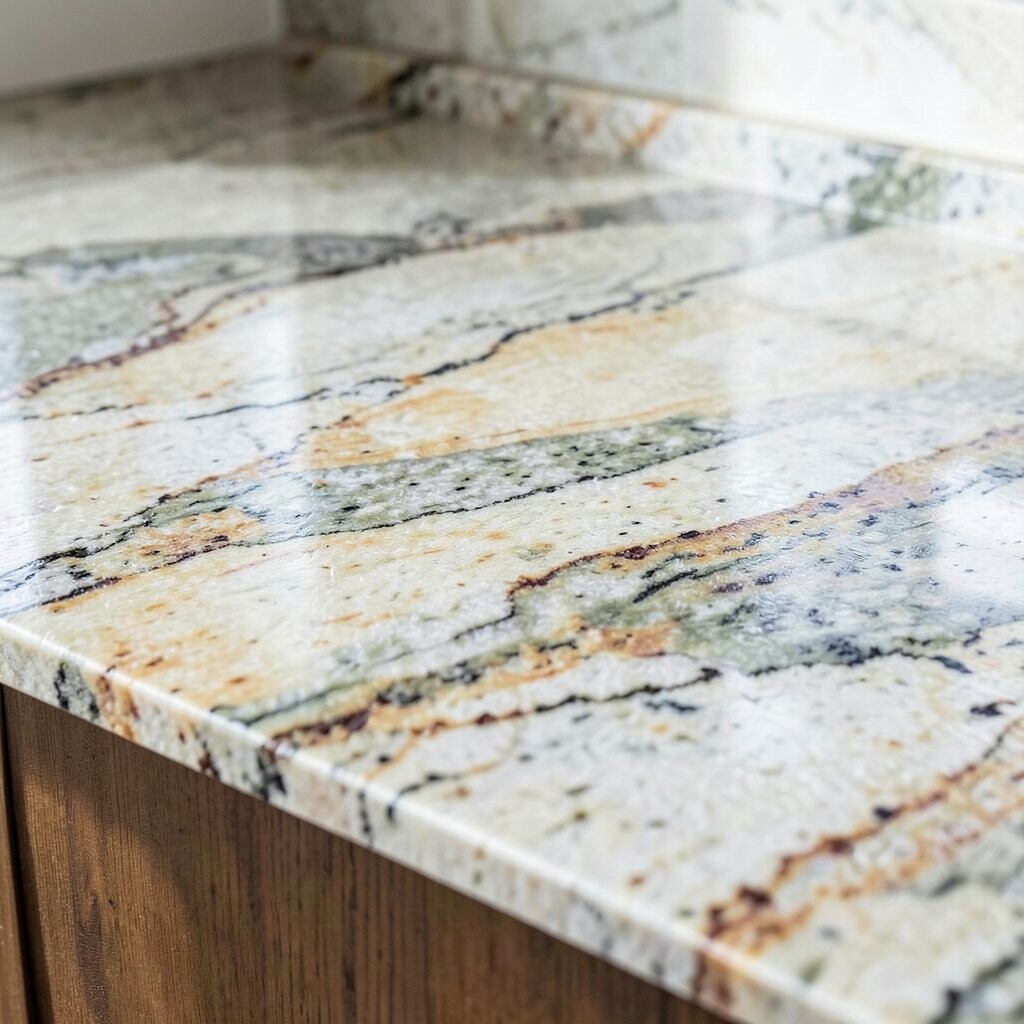
Stone trends shift, and 2026 kitchens often lean toward calmer neutrals and natural-looking movement. Instead of only high-contrast patterns, many people are choosing softer veining and warm tones.
Greige, warm whites, and smoky grays show up frequently because they blend with many styles. Matte finishes and “antiqued” textures are also popular, since they hide everyday wear. Some homeowners are pairing stone with warmer hardware and wood accents to make the space feel inviting.
At the same time, statement pieces aren’t gone. Bold marble-like slabs with dramatic veining still appear, especially as focal points. If you like trend-forward design, ask to see slabs that match the finishes and tones popular right now, then decide what will still feel right in a few years.
14. Plan for Plumbing, Appliances, and Seam Placement

Countertops aren’t just a top surface; they must fit around sinks, faucets, cooktops, and appliances. Every cutout and seam is a practical detail that affects both beauty and function.
If you’re adding an undermount sink, confirm the seam layout and how water will be managed at the edges. For cooktops, consider how the opening size and overhang will look in your kitchen lighting. Seams should be placed where they make sense visually, not where they’ll draw attention.
Ask how many seams your layout will require and where they plan to put them. Good fabricators can align seams with natural breaks in the design, which makes the surface look more cohesive. This planning step is especially important for long kitchen runs and open-concept living spaces where the counter is visible from multiple angles.
15. Personalize It With Color, Accessories, and Lighting Choices

Your stone choice is the foundation, but personalization makes it feel like yours. Small decisions, like faucet finish and backsplash material, can amplify the stone’s best qualities.
Try pairing warm stone tones with brushed brass or bronze for a cozy look, or choose cool grays with chrome for a crisp vibe. Lighting also matters a lot, since under-cabinet LEDs can reveal subtle movement and texture. If you want the stone to look brighter, use lighting temperatures that flatter the surface finish.
You can also tailor function with practical add-ons like integrated drainboards, built-in covers, or special edge treatments that match your cooking style. If you entertain often, consider how the counter will handle serving platters and how easy it is to wipe down. Personalization is where “nice” becomes “perfect for me.”