Sunny weather makes outdoor cooking feel effortless. The trick is shaping shade, airflow, and comfort so your grill area stays inviting even with no rain cover in sight.
1. Patio Umbrella With Side Clearance

A bright market umbrella adds instant shade right where you stand. It keeps the cooking zone cooler without blocking views or traffic in your yard. The key is choosing a model with enough side clearance so you can move freely around the grill and prep table.
Look for a sturdy base that won’t wobble when the breeze picks up. Pair it with a heat-safe mat under the stand if your umbrella pole sits close to the grill area. For personalization, match the umbrella fabric color to your outdoor cushions or the trim of your house. If you’re cost-minded, buy the umbrella first and upgrade to a heavier base later.
2. Pergola-Style Shade Slats Using Lattice Panels
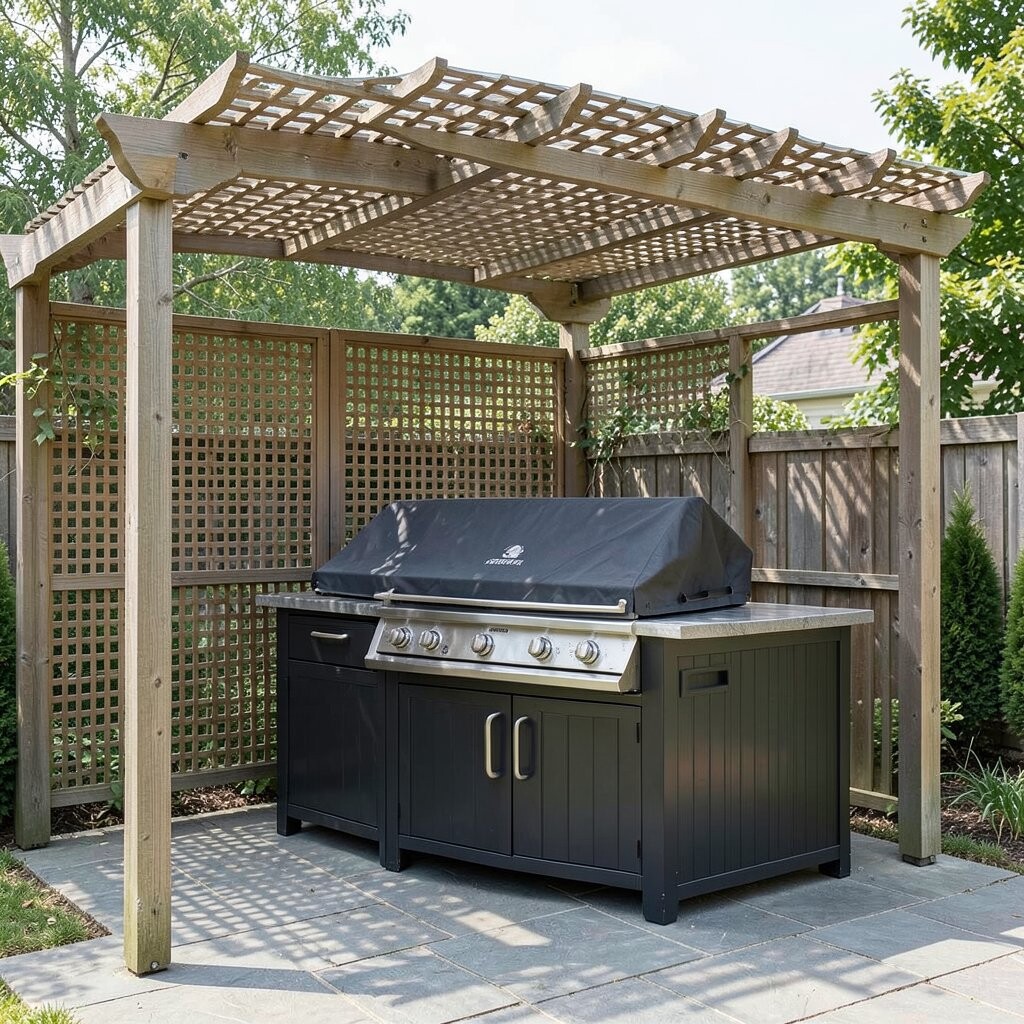
Slatted shade feels like a mini vacation every time you light the grill. Instead of a full rain cover, use lattice panels or slats that filter sunlight while still letting air move through. This style gives a “soft shadow” look on your patio or deck without trapping heat.
Attach removable sections so you can adjust the coverage by season. Choose materials that suit your climate, like pressure-treated wood or UV-resistant composite. For practical tips, keep at least a few feet of clearance between slats and the grill so heat can dissipate. Many homeowners love this look because it feels built-in and architectural, even when it’s actually a DIY-friendly setup.
Budget-wise, lattice can be more affordable than permanent overhead structures. If you want a trendier finish, paint the slats a modern color like matte black or warm white. You can also add climbing plants along the edges for a living canopy that makes the grill area feel calmer and greener.
3. Tall Planters With Sun-Blocking Canopy Leaves

Big planters can act like living windbreaks while giving you shade where it matters. Think of tall pots filled with ornamental grasses, bamboo (where appropriate), or dense tropical-style plants. They create a natural boundary that keeps glare down over the prep area.
The uniqueness here is flexibility: you can rearrange planters for different party layouts. Position them so the plants shade your side table and seating, but still leave the grill area open for airflow. To make it practical, use lightweight plant stands on wheels if you move furniture often.
For personalization, choose planters that match your style—terra-cotta for a warm look, sleek fiberglass for a modern vibe, or woven baskets for a casual feel. Consider watering needs and sun exposure so plants actually thrive in your grilling hours. Costs vary widely based on plant size, but starting with smaller plants and letting them grow can be a budget win.
Current trends often mix greenery with outdoor entertaining, so this option fits right in. Seasonal swaps—like adding colorful annuals in summer—can keep the area fresh without installing new structures.
4. Woven Sunshade Panels Tied to a Fence Line
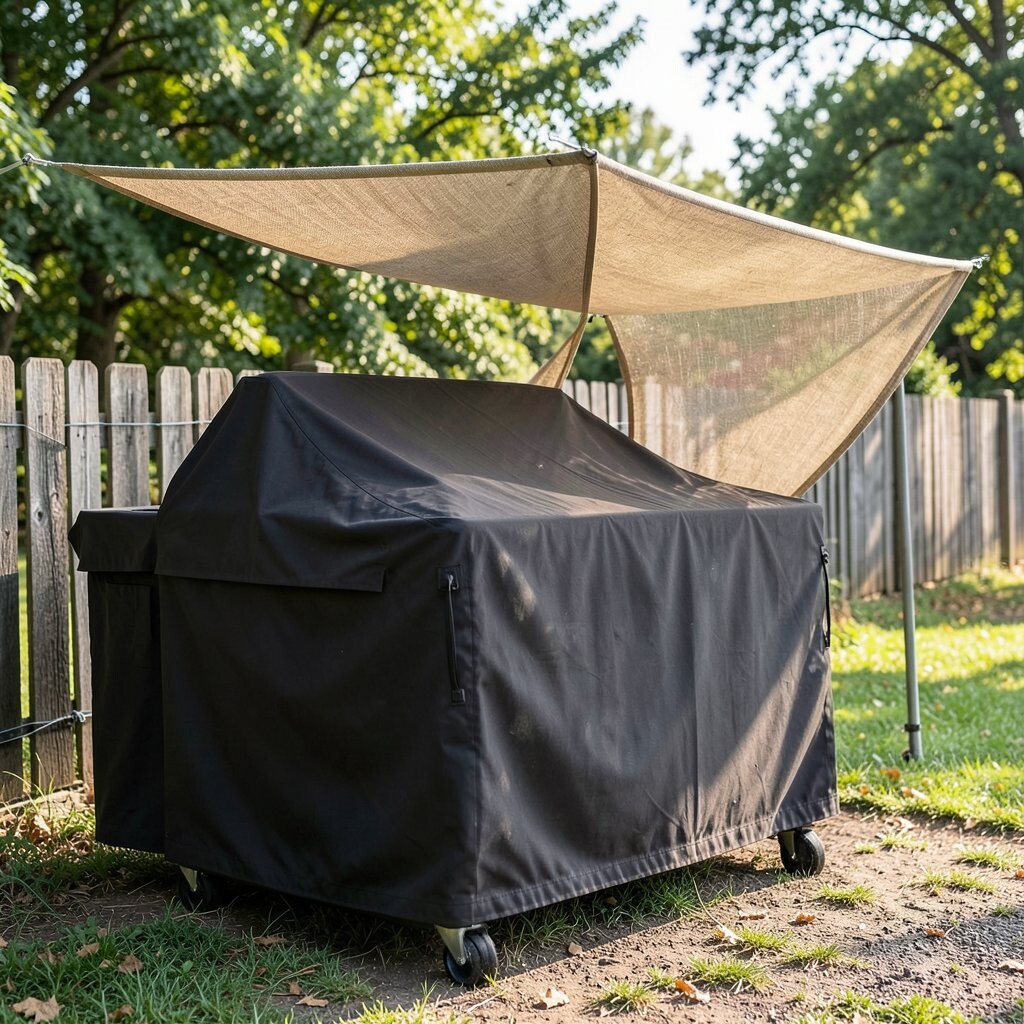
Woven sunshade panels bring a breezy, vacation-style vibe with minimal effort. Hang them along a fence or side wall to reduce harsh sun and create a cozy backdrop for grilling. Because they’re open and breathable, they also help air circulate around the cooking zone.
Use UV-resistant fabric or weatherproof shade cloth so it lasts through strong sun. Install with strong grommets and outdoor-rated cord, then adjust tension so it doesn’t sag. If you’re working with a small space, keep panels narrow and focus them on seating rather than directly over the grill. This option is usually lower cost than building a permanent structure, and it’s easy to remove when you want full light.
5. Ceiling-Suspended Outdoor Lights With a Shade Factor

Lighting can do more than set the mood—it can also reduce harsh glare. Use string lights or a hanging lamp line with fabric or shade elements that soften brightness near the seating. The result feels warm and welcoming, especially in the late afternoon when sun can be intense.
Choose hanging systems rated for outdoor use and keep fixtures high enough so there’s no heat risk near the grill. For practical tips, anchor the line securely and check clearance around smoke and cooking vapors. You can also select warm-toned bulbs to make the whole area feel calmer even in bright weather.
Customization is easy: try different bulb shapes, light colors, or even small lantern-style holders for visual interest. While this isn’t a “rain cover,” the shade and glow can make you feel protected from glare. Cost tends to range from affordable to mid-range depending on materials, but even budget options can look stylish with the right placement.
6. Outdoor Screen Room Dividers for Glare and Wind
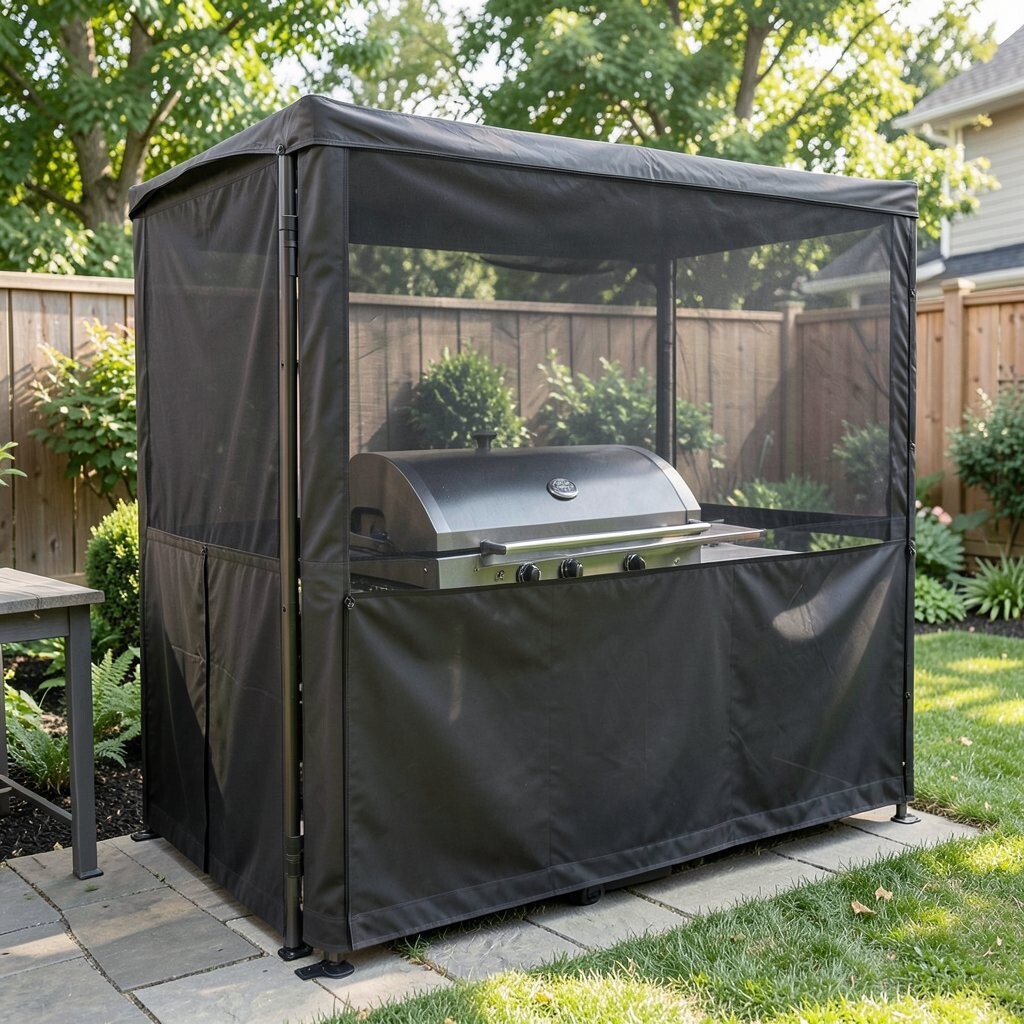
Freestanding screens can create a “zone” around your grill without any overhead structure. Position folding outdoor dividers behind the seating or along one side to reduce wind and block direct sunlight. They also add privacy, which makes backyard cooking feel more intentional.
Pick screens that look good from multiple angles, since guests often walk around the setup. Look for materials like powder-coated metal, weather-resistant wood, or UV-stable fabric panels. For practical tips, use weighted bases or anchor points so screens don’t tip in gusts. This idea stands out because it changes with your needs—set it up for parties, then fold it back when you’re done.
7. Tree-Canopy Planning: Anchor the Grill Under the Right Branches
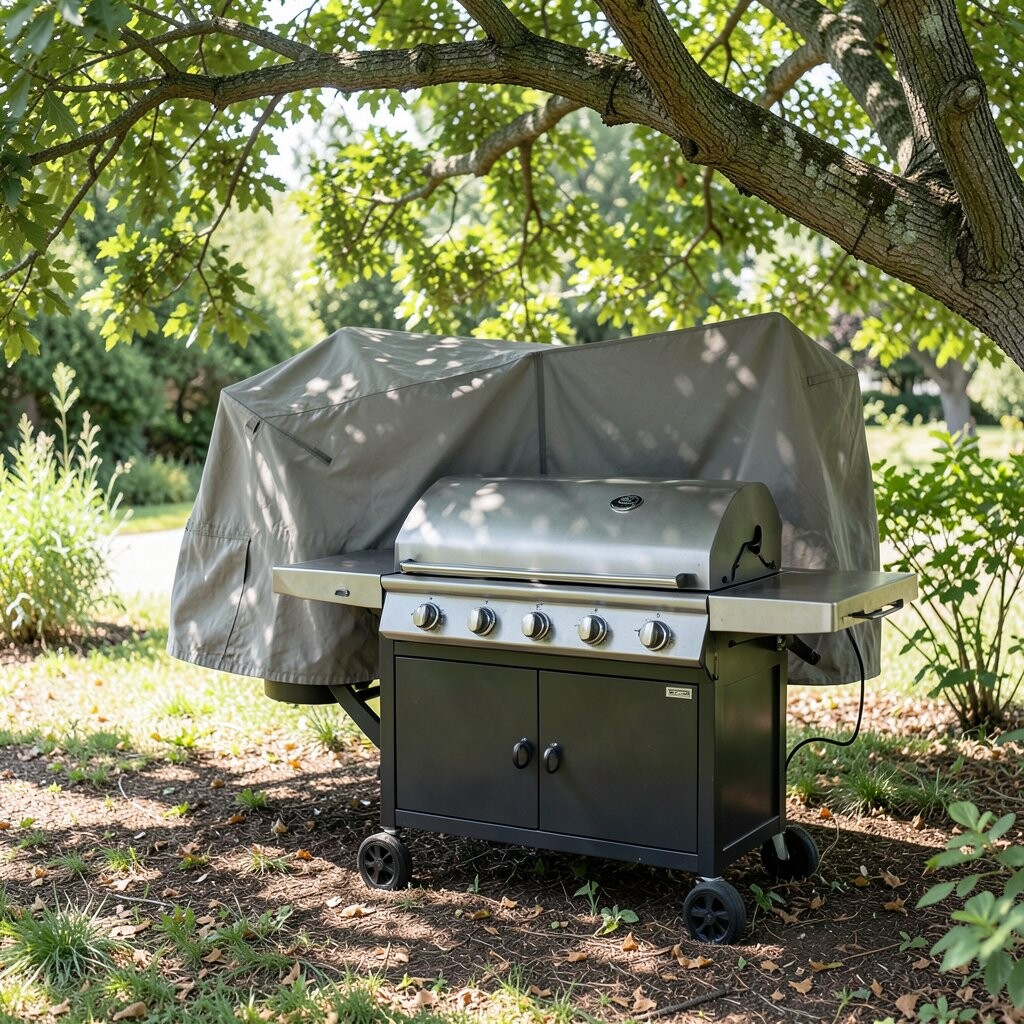
Using a natural tree canopy is one of the smartest “no cover” ideas. If you have mature shade overhead, you can reduce sun glare and heat while keeping the area airy. The best part is the look—your yard already provides texture, color, and a relaxed atmosphere.
To make it safe, keep the grill away from branches and leaves that could catch on heat. Consider using a grill mat and heat-proof distance around the cooking zone. If rain occasionally falls, a tree canopy might still help with light drizzle, but you’re really designing for sunny comfort. This approach feels unique because it turns an existing feature into a functional outdoor room.
For personalization, add matching planters near the trunk or place a small side table that complements the tree’s style. Cost is usually low since you’re using what you already have, though trimming and maintenance might be worth budgeting for. Current outdoor trends also lean toward “nature-first” landscaping, so a tree-shaded grill space fits right in.
8. Tall Market Stand With Retractable Shade Cloth
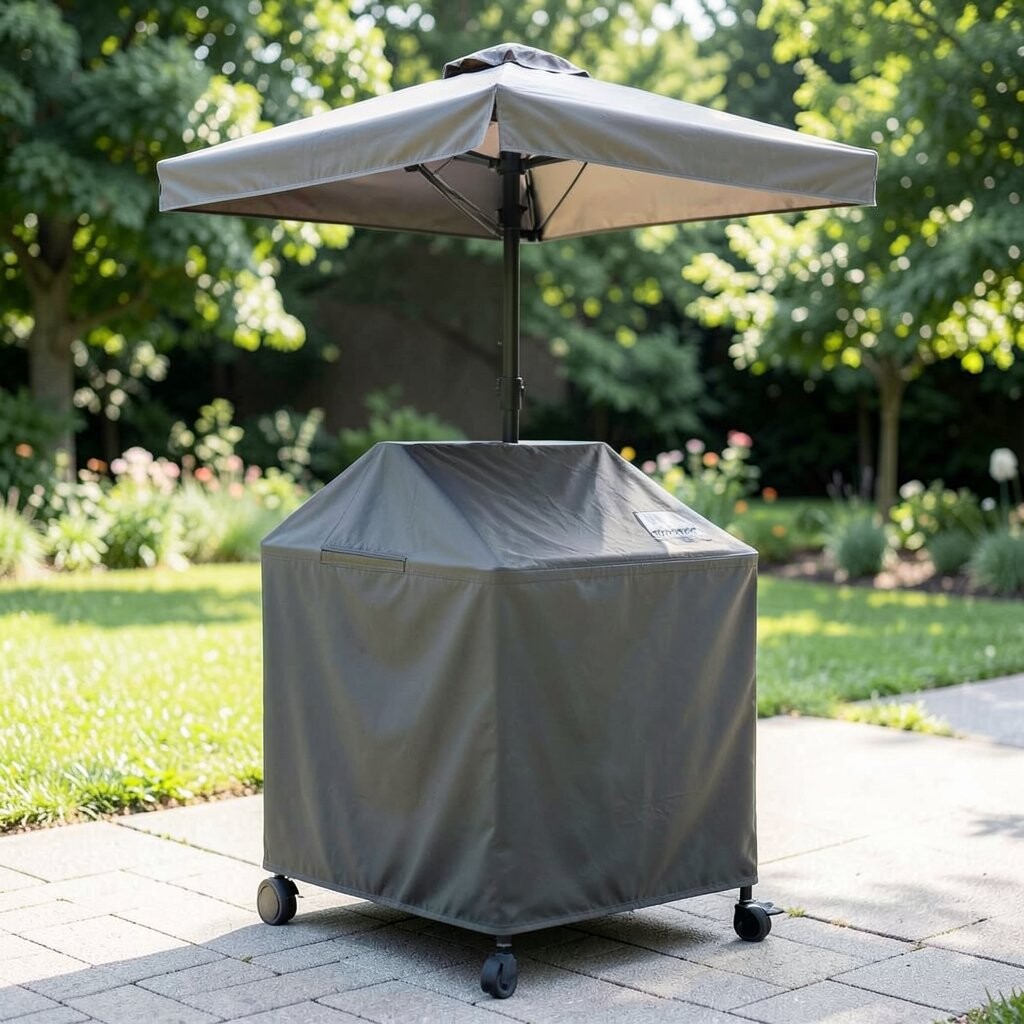
A retractable shade cloth stand works like a targeted sun filter near your prep station. Instead of covering everything, you can pull shade down during peak glare and slide it back afterward. This makes the area feel flexible and modern, like you’re controlling the comfort level on demand.
Choose a stand that’s stable and designed for outdoor wind exposure. Keep the shade cloth away from direct flame and high-heat areas, and always confirm clearances with the manufacturer’s guidance. For practical tips, route cords neatly and avoid tangles by using exterior clips or hooks. You’ll love how easy it is to tailor shade for morning versus late afternoon cooking.
Cost considerations vary: a quality retractable system can be mid-range, but it often lasts for years. Personalize by selecting fabric colors that match your outdoor cushions or grill finish. A trend you’ll see more often is modular outdoor shade that you can reposition as your patio furniture changes.
If you’re DIY-inclined, you can build a simple frame and use outdoor shade cloth, but buying a purpose-made stand is usually safer and more reliable.
9. Cozy Seating Pergola Accent With Hanging Fabrics (Not a Cover)

Hanging outdoor fabric panels can make a grill area feel tucked-in without functioning like a rain roof. Use lightweight outdoor curtains attached to posts or strong hooks, then keep them open enough to maintain airflow. The fabric softens sunlight and creates a relaxing “draped” look for gatherings.
To keep it practical, choose quick-dry, UV-rated fabric that won’t sag or fade too fast. Make sure the drapes stay far from heat and flames, and use tie-backs so you can move them when you cook. For personalization, go with patterns like subtle stripes or simple solid colors that coordinate with your outdoor style.
Budget-wise, you can start with fewer fabric panels and add more later. This idea is unique because it mixes visual comfort with functional shade, but it’s still open and breathable. Current trends favor layered outdoor textures, and draped fabric is an easy way to do that. If you live where wind can be strong, use magnets or weighted hems to keep the fabric from flapping.
10. Freestanding Shade Sail Anchored to Posts (Open in Spots)
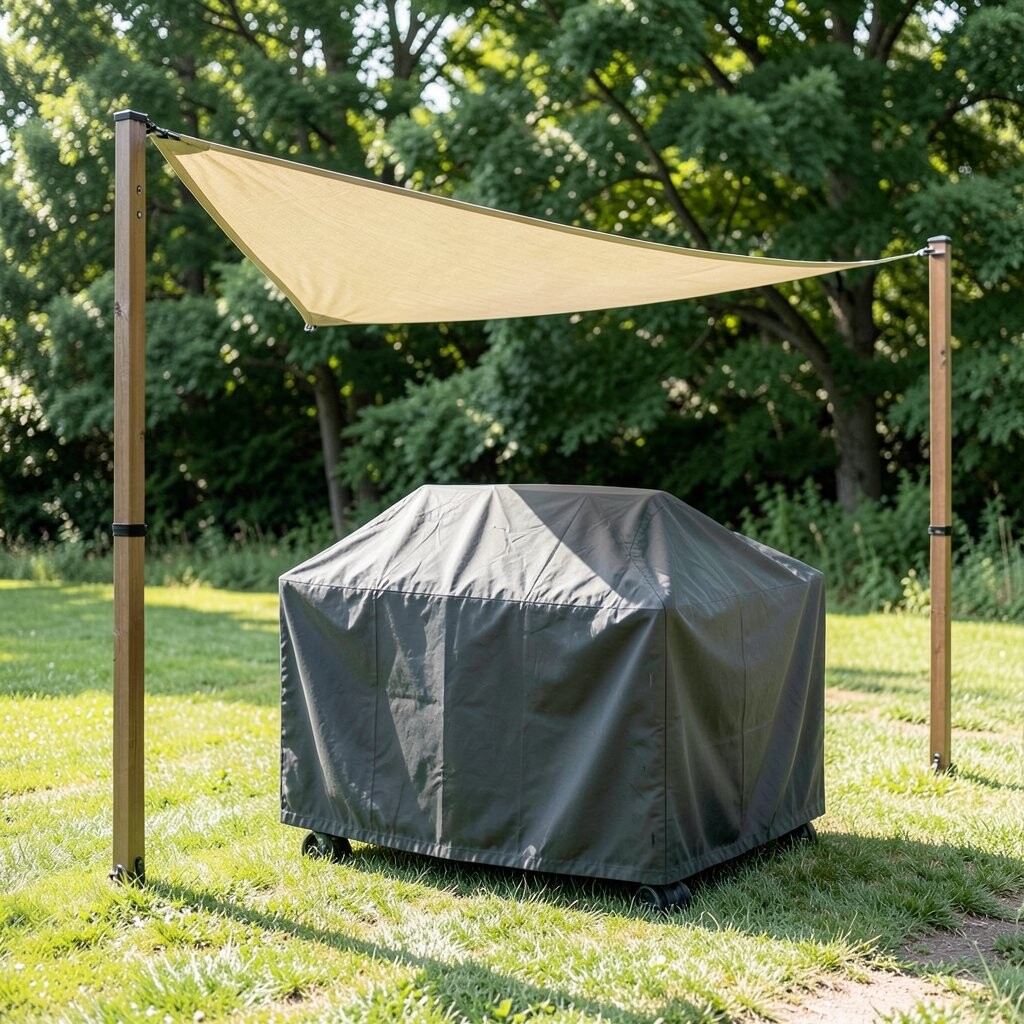
Shade sails are famous for sunny days because they’re stylish and adjustable. Even without a full rain cover, a sail can block direct sunlight and reduce glare across your main seating. The key is to anchor it in a way that keeps the grill area open and allows air to flow.
Use strong anchor points and measure carefully so the sail stays taut. Tilt the sail slightly to improve runoff if you ever get unexpected light rain, even though the goal isn’t rainproofing. For practical tips, check clearance around the grill so heat and smoke don’t get trapped under fabric. Choose UV-resistant sail fabric to keep the color bright through repeated summers.
Cost can be mid-range depending on size and hardware, but the big win is that shade sails can be repositioned for different furniture layouts. Personalize the look by selecting colors that match your patio palette, such as sand, olive, or muted blue. This option is trending because it gives a modern, geometric feel without the bulk of a traditional roof.
11. Outdoor Lounger + Windbreak Wall Combination
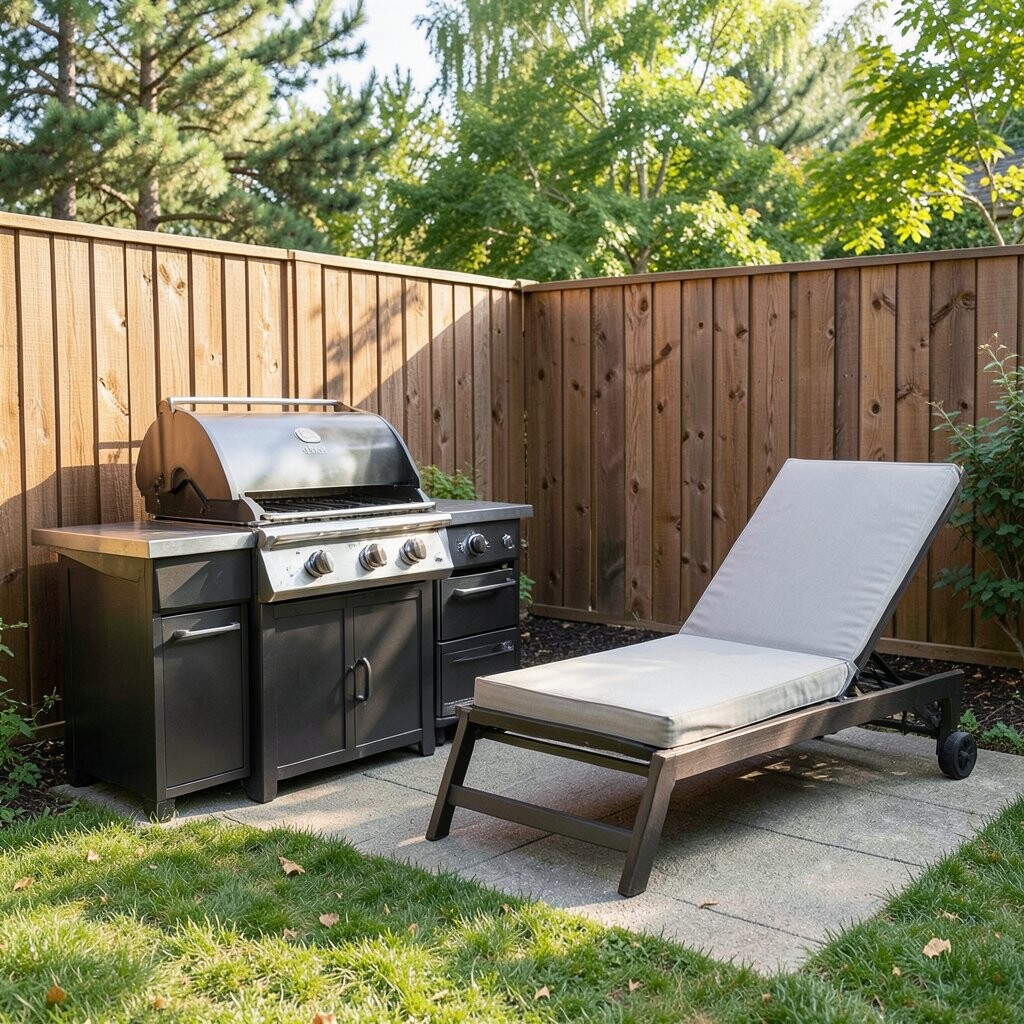
Pair a comfy lounger area with a low windbreak wall for a grill zone that feels sheltered. A wall or half-height planter edge can block gusts and reduce how intense the sun feels on your face. Guests tend to linger when the space feels comfortable from multiple angles.
Build or place the wall behind seating, not directly behind the grill, so smoke has room to disperse. Add outdoor cushions and a side table to create a complete entertaining nook. For practical tips, use materials that look clean and modern, like stone panels, composite boards, or even stacked outdoor pavers.
This idea is unique because it doesn’t rely on overhead shade. It focuses on comfort by controlling wind and creating a visual boundary around the cooking experience. Cost depends on materials, but you can keep it reasonable by using existing hardscape features or a modular garden wall. To personalize, add a grill-safe tray for utensils that matches your tableware style.
12. Oversized Freestanding Parasol With Adjustable Tilt
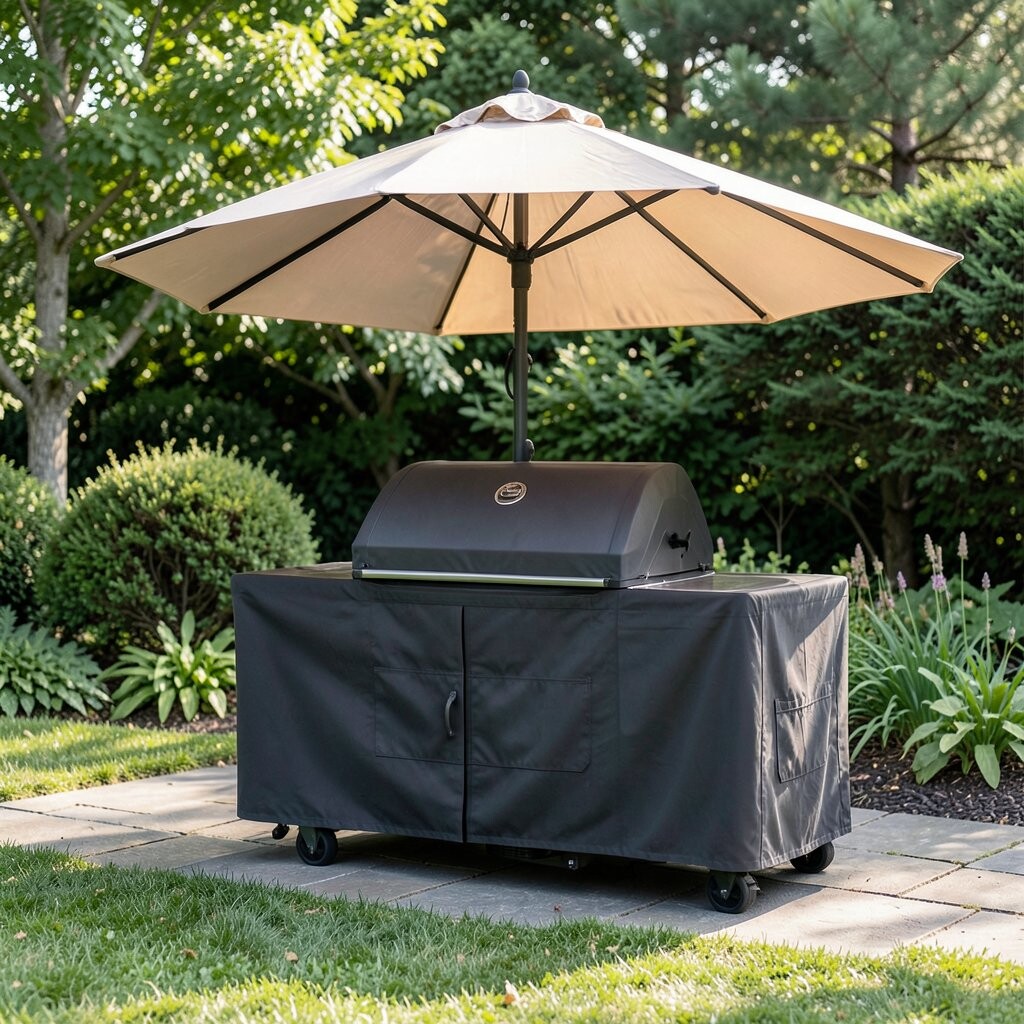
An oversized freestanding parasol gives you sun control in a classic, easy-to-use form. With adjustable tilt, you can move shade as the sun shifts across the yard. It’s especially useful if your grill area is in a bright spot where shadows move quickly.
Choose a parasol with an ergonomic crank or smooth mechanism and check that the base is heavy enough for wind. For practical tips, keep the pole positioned so you can still slide prep items in and out without bumping anything. This option stands out because it works like a shade “dial” rather than a fixed structure.
Cost ranges from budget-friendly to premium, mainly depending on size and fabric quality. Personalize by picking a color that complements your grill finish—matte black, deep green, or warm beige all look great outdoors. Current trends include bold fabric patterns, but solids can stay elegant and easy to match. If you want maximum flexibility, pick a parasol sized to shade both the grill lid area and the side prep surface.
13. Outdoor Kitchen Counter With Built-In Light, Open “Canopy” Niche

An outdoor kitchen counter can be designed with an open niche that shades your prep tools instead of covering the whole grill. Think of it like a small ledge over your utensil zone, plus side openings for airflow. This keeps the most sun-sensitive items cooler while the grill stays exposed enough for safe operation.
The uniqueness comes from how targeted the shade is. You’re not trying to cover everything, just the places where you want comfort and convenience during sunny days. Add hooks for tongs, a small shelf for sauces, and a light for visibility—without creating a heavy roof.
For practical tips, choose materials that resist heat and staining, such as sealed stone, tile, or metal surfaces made for outdoor use. Consider ventilation when designing the niche so smoke doesn’t collect. Costs can be higher if you build a custom counter, but you can also refinish an existing outdoor cart and add simple shaded components.
Personalization is endless: match tile patterns to your home’s style, or add a backsplash mural that fits your backyard theme. This concept reflects a trend toward “outdoor living stations” that feel like mini indoor kitchens. Even without rain cover, this targeted design can make sunny grilling more relaxed.
14. Strategic Placement: Grill Facing East/West for Better Sun Control

Sometimes the best “shade idea” is orientation. By positioning the grill so the sun hits less directly while you’re cooking, you can reduce glare and overheating without adding any cover at all. If your yard has uneven sun patterns, a small move of the grill can make a big difference.
To make this practical, observe your yard at different times of day and track where the sun glare lands on the grill lid and prep surface. Aim for a setup where you can stand comfortably without squinting and where shadows fall over your work area. This approach is unique because it uses planning instead of materials. It also tends to be low cost since you’re mainly adjusting layout.
Personalize the area by placing seating so it naturally receives shade from your home, trees, or fencing. Cost considerations are minimal, but you may want to add a heat-resistant outdoor rug or mat for comfort underfoot. This trend is quietly popular because people want “smart design” that doesn’t require big construction.
If you cook frequently, consider marking spots on the ground with weatherproof tape so you can reset quickly after moving furniture. Orientation plus small accessories can rival more expensive shade structures in day-to-day comfort.
15. Outdoor Bar Cart Setup With Heat-Smart Shading Accessories

A bar cart makes sunny grilling feel festive, and you can add small shading accessories to make it work better. Place the cart near the seating and use items like a compact folding shade panel or a sun-guard umbrella to protect drinkware and condiments from direct heat. This keeps your spread usable and reduces the temptation to constantly run indoors.
Use food-safe trays and covered containers so spills are easier to manage during busy cookouts. Keep any shading accessory positioned away from flames, and choose materials that won’t warp under heat. For practical tips, add a cooler insert or ice bucket so cold items stay cold even in strong sun.
Cost-wise, bar carts can range from affordable to premium, but the shading add-ons are usually optional and easy to upgrade. Personalize the look with colorful napkins, matching reusable cups, and a themed sign or seasonal menu card. The trend here is “mobility plus comfort,” letting you rearrange the entertaining flow without installing permanent structures.