Warm kitchens don’t happen by accident. Small choices can make a big difference in how cozy your space feels.
1. Forgetting Layered Lighting

If your kitchen has only bright overhead lights, it can feel cold instead of welcoming. Cozy spaces usually glow in layers so shadows stay soft and faces look friendly.
Start by mixing a ceiling light with at least one warm task light, like under-cabinet LEDs or a dimmable pendant. Add a small accent lamp near a counter, nook, or reading spot for that “evening comfort” feeling. When you choose bulbs, aim for warm color temperatures around 2700K to 3000K for a gentler look.
2. Choosing One Perfect Color and Sticking With It

A kitchen can look nice on day one and still feel flat if you rely on only one color. Cozy warmth usually comes from soft variation across walls, textiles, and finishes.
Try pairing warm neutrals with a small second tone, like creamy white plus honey oak, or sage green plus warm wood. Use textured surfaces—like matte paint, woven baskets, or stone-like tiles—to keep the room interesting without feeling busy. If you love a bold color, keep it for accessories, such as dish towels, a rug, or cabinet hardware.
For cost-smart updates, swap out hardware first and add paint later if needed, since changes to color temperature and textures can make a room feel “new” without a full remodel. Current trends lean toward earthy tones and layered neutrals, which tend to stay cozy and timeless. The key is letting colors breathe rather than packing every surface with the same shade.
3. Blocking the Cozy Flow With Clutter

When countertops feel constantly crowded, the kitchen stops feeling like a calm retreat. Clutter also makes it harder to cook comfortably because you are always moving things around.
Pick a few everyday “landing zones” for items you use most, like a spot for keys, a tray for oils, and a shallow drawer for utensils. Keep the rest in cabinets or organizers so visual noise stays low. Even a small habit helps: wipe the counter after meals so the next cooking session feels easier.
Try using baskets or matching containers for pantry goods, and label them if you want quick grab-and-go. A tidy kitchen can still be lived-in; it just looks intentional. If you want a unique cozy touch, choose containers with warm materials like rattan, ceramic, or linen-friendly textures.
Cost-wise, organizing tools are usually cheaper than furniture or renovations, and they deliver fast results. Start with one area, like the spice shelf or coffee corner, and let that win motivate you to continue. The goal is breathing room, not a showroom look.
4. Ignoring Comfort for Standing and Cooking

Cozy kitchens feel good to be in, not just pretty to look at. If your feet and back feel strained, your kitchen won’t feel inviting for long visits.
Add an anti-fatigue mat in high-time areas like near the sink or stove, and consider a warm-toned runner that matches your style. Choose chair height or seating that lets you sit comfortably without feeling awkward or cramped. If you cook often, check your lighting angle and cabinet height so you don’t constantly reach or hunch.
5. Underestimating the Power of Textiles

Hard surfaces can make a kitchen feel echoey and a little harsh, even when everything is clean. Textiles soften the room and add that “snug” feeling people associate with cozy homes.
Use a kitchen rug with a soft backing to catch crumbs and reduce slipping, and pick a rug with warm colors or subtle patterns. Add layered curtains if you can, even short ones, because window dressing instantly makes a kitchen feel finished. Swap dish towels and oven mitts seasonally so the space feels alive without expensive changes.
Look for fabrics that wash easily, like cotton blends, and keep a small rotation of towels so you always have a fresh option. This is also where personalization shines, since you can match textiles to your style—farmhouse, modern, coastal, or classic. Trends right now favor textured neutrals, subtle stripes, and warm earth tones that look cozy in daylight and evening light.
6. Treating Storage Like an Afterthought

If everything has to “fit somewhere” with no plan, your kitchen ends up with random piles. Good storage helps you reach for what you need without breaking the warm rhythm of your day.
Build storage around your habits by grouping items you use together, like baking supplies near the oven and tea tools near the kettle. Add pull-out organizers where possible, or use simple drawer dividers to make utensils feel neat and accessible. When you can see what you own, you cook more confidently and waste less.
For budgets, consider clear containers for pantry staples, magnetic spice racks, or pegboards for tools. These options cost less than custom cabinetry but still feel designed. If you want a unique cozy element, store family recipes in a decorative box near your coffee station or tea shelf.
7. Skipping a Dedicated Coffee or Tea Corner

A kitchen feels warmer when it has a small ritual space, like coffee or tea brewing. Without a dedicated corner, drinks can scatter across cabinets and the moment feels rushed.
Choose a tray or cart area for your kettle, mugs, cups, and go-to snacks, and keep it stocked enough for daily use. Add warm mugs or matching glassware so the ritual looks inviting even when you are not actively brewing. Include one cozy item, like a small canister for cinnamon sticks or a jar for sugar and creamer.
Personalize by matching the tray to your kitchen colors, and don’t forget practicality by leaving room for easy cleaning. Many people are trending toward “counter curation,” where a few thoughtful items replace constant clutter. Cost-wise, a tray, a small shelf, or a tiered stand can create a café feel without a major spend.
If you’re tight on space, use a wall shelf or over-cabinet organizer so the corner stays functional and visually calming.
8. Using Cold, Trendy Surfaces That Fight Warmth

Some finishes look sleek but feel distant, especially with the wrong lighting and styling. If your kitchen has too much glossy or icy material, it can read as sterile rather than cozy.
Look for ways to soften reflective surfaces with matte paint, warm wood tones, or textured accessories. Add a cutting board in a warm grain, a ceramic utensil crock, or a woven basket to bring natural warmth into the room. Even if you can’t change the countertop, you can influence the overall feel with what you place on it.
If you are planning renovations, current trends often include warm neutrals, lightly textured tiles, and natural stone looks that feel less stark than polished surfaces. For cost considerations, start with accessory swaps and paint touch-ups before committing to new counters. The goal is balance: modern convenience with cozy comfort.
9. Ignoring Ventilation and Air Quality

A cozy kitchen also smells good, and stale cooking odors can ruin the mood fast. When the air feels heavy, the whole space seems less inviting.
Make sure your range hood vents properly and run it during cooking, especially when frying or simmering. If you don’t have strong ventilation, keep a small bowl of baking soda in a cabinet or use a gentle odor absorber near the trash area. For candles or diffusers, choose light scents that don’t overpower the kitchen.
Try opening windows when the weather allows, and keep a cleaning rhythm so grease doesn’t build up on surfaces. This is a cozy trick people overlook because it doesn’t look decorative, but it changes how comfortable the room feels. Trends are moving toward “clean air” habits and subtle, natural scents like citrus, cedar, or vanilla.
Cost-wise, ventilation maintenance and simple filters are usually far less expensive than replacing cabinets or repainting after odor buildup. When air feels fresh, your kitchen becomes a place you want to linger.
10. Choosing Wrong-Sized Curtains or Window Treatments

Windows can either make a kitchen feel warm or make it feel unfinished. Curtains that are too short, too thin, or too stiff can pull the whole look in the wrong direction.
Measure your window and decide whether you want privacy, light control, or just softness. Use curtains with a warm color palette and a fabric that drapes nicely, like cotton or linen blends. If you prefer something easier, roman shades can still feel cozy when you pick a warm neutral tone.
11. Overusing Busy Patterns

Patterns can be fun, but too many can create visual stress. A cozy kitchen needs calm and comfort, not constant movement in every direction.
Choose one main pattern, such as a rug or backsplash detail, then keep other textiles solid or softly textured. If you love florals or stripes, repeat them in small ways instead of covering every surface. When everything matches too tightly, it can feel like a theme park rather than a cozy home.
Personalize without chaos by using pattern pairs that share a color from your kitchen palette. Cost-wise, starting with one rug or towel set is an affordable way to test your style before changing bigger items. Current trends often favor “quiet patterning,” like subtle geometrics or small-scale motifs in warm neutrals.
12. Buying Decor That Doesn’t Earn Its Place
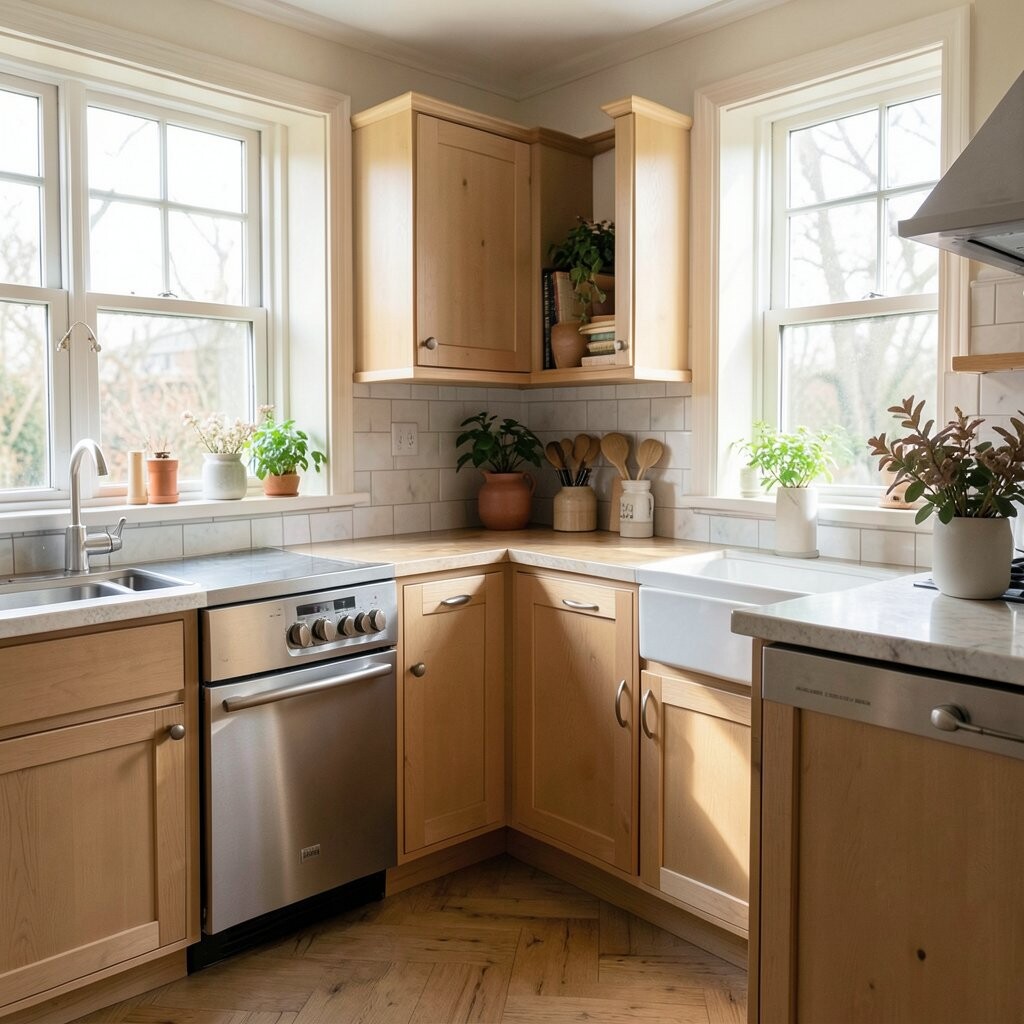
Decor should support daily life, not fight it. If items are fragile, hard to clean, or always in the way, the cozy look won’t last.
Pick decor that you can live with, such as washable framed prints, sturdy vases, or a functional bowl for fruit. Keep frequently used counters mostly clear, and place decor near areas you don’t constantly work around. Choose materials that match how you cook, including heat-safe and easy-wipe options.
This approach saves money too, because you won’t replace things that get ignored or damaged. Cozy uniqueness can come from meaningful pieces, like a vintage spoon holder or a handmade ceramic mug. When decor has a purpose, it feels warmer because it belongs to your routine.
13. Skipping Seasonal Updates

A cozy kitchen often feels cozy because it changes with the year. Without small seasonal touches, the space can feel stuck or stale.
Swap out a few textiles, like towels, a runner, or a throw blanket for a nearby chair. Refresh your table or counter styling with simple seasonal accents, such as autumn colors, winter greenery, or spring pastels. Keep it easy by storing a small bin of favorites and bringing them out when the mood shifts.
Cost considerations matter here: seasonal changes don’t have to mean buying new every time. Repurpose what you already own and add one affordable item to anchor the season. Trends are showing more “micro-seasonal styling,” where small changes create a big cozy feeling without cluttering the space.
Personalization ideas can be simple too—like a handwritten menu board for holidays or a candle in a matching color. Your kitchen should feel like you, not like a photo that never changes.
14. Forgetting Safety and Practical Pathways
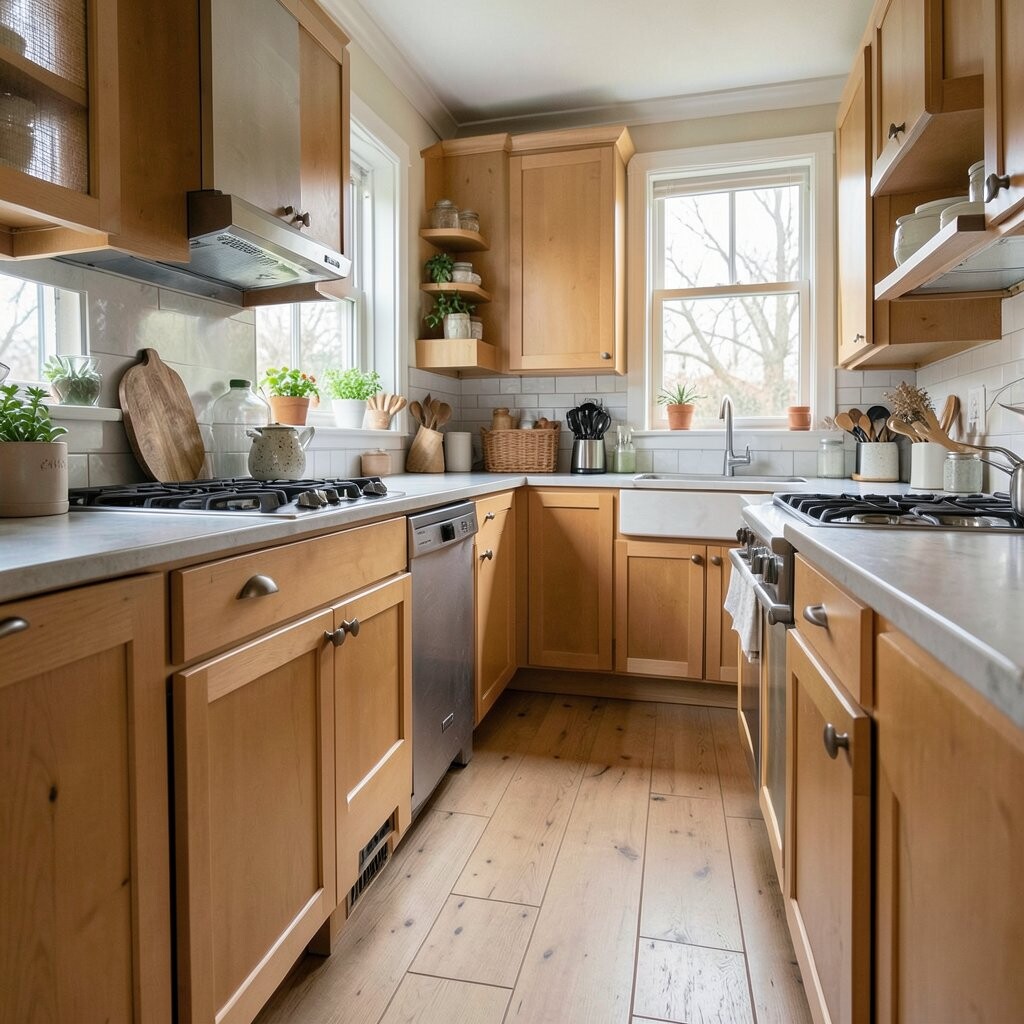
If your kitchen paths feel tight, it can quickly become stressful instead of cozy. Cozy doesn’t mean cramped; it means comfortable and easy to move through.
Keep walkways clear by limiting appliances on counters and arranging chairs so they pull in smoothly. Check that oven handles and drawer pulls aren’t blocked by baskets or rugs. If you use a rug, make sure it has a non-slip backing so it stays secure while you cook.
15. Not Lighting Dark Corners and Shadows

A cozy kitchen needs glow where your eyes land, not just bright spots overhead. Dark corners make the room feel larger but less warm, like something is missing.
Add under-cabinet lights, a small sconce, or even battery-friendly puck lights inside glass-front cabinets for a gentle effect. Place a lamp near a seating area or near a pantry doorway so it feels soft at night. When shadows are minimized, the kitchen feels calmer and more inviting.
For practical personalization, choose lighting that matches your style, such as warm-toned glass shades or simple metal finishes. Cost-wise, LED upgrades are often affordable and energy-friendly. This is also aligned with current trends in “hidden lighting,” where small fixtures create a bigger mood shift.
16. Letting Appliances Look Like They Took Over

Small appliances can be super useful, but too many out at once makes the kitchen look busy. When counters feel dominated by gadgets, the cozy feel can disappear.
Create a “daily use” lineup and store everything else in cabinets. Use a dedicated outlet-friendly spot on a tray so your toaster, kettle, or blender doesn’t sprawl across the counter. If you want a unique cozy look, choose matching appliances in warm finishes when you replace them over time.
Cost considerations are realistic here: you don’t need to buy new equipment to fix the visual clutter. Organizers, appliance covers, and a simple cabinet system can reduce the look of mess while keeping functionality. The trend now is efficient counter curation, where a few items stay visible and the rest stays hidden.
With a little planning, your appliances can support your cozy routine instead of interrupting it.
17. Choosing the Cheapest Options Without Thinking About Longevity

Saving money is smart, but the wrong shortcuts can cost you comfort later. If items wear out quickly, you end up replacing them and the kitchen never feels stable or inviting.
Prioritize the things you touch every day, like drawer liners, cabinet organizers, sink accessories, and dishware that feels good in your hands. Choose fabrics and rugs that can handle spills, because a cozy kitchen is used, not protected behind glass. When you invest wisely, you get the warm look plus the daily convenience that makes it feel loved.