
City sounds can feel like they creep in through every window. Your backyard can become the quiet place you look forward to each day.
1. Layered Privacy Fence With Living Green
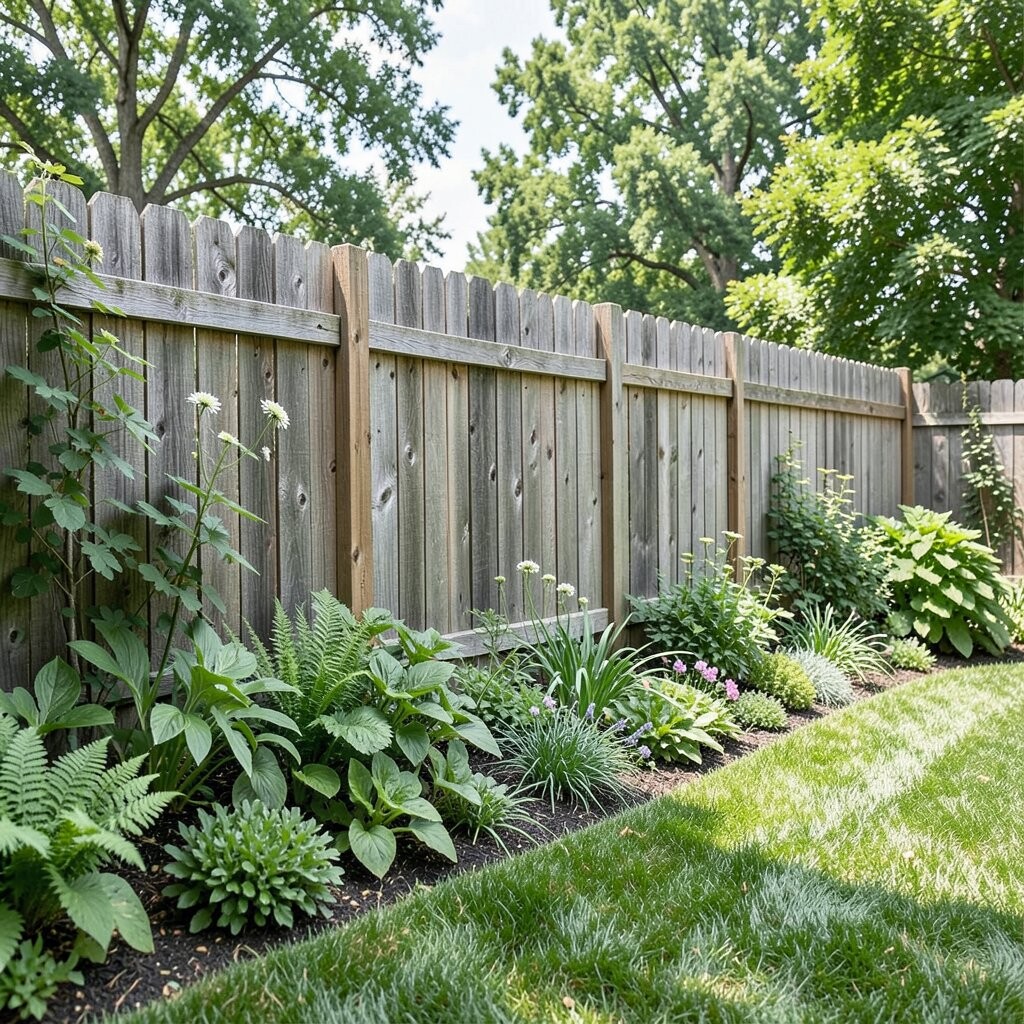
A solid fence helps block sound before it reaches you. Add plants to make the barrier calmer and prettier.
A layered privacy setup usually starts with a sturdy fence or wall, then adds dense greenery along it. Consider fast-growing evergreens or thick shrubs spaced close enough to form a visual wall. For practical results, keep the foliage trimmed so it stays thick, not bare at the bottom.
2. A Wind-Handling Garden Wall and Soothing Path
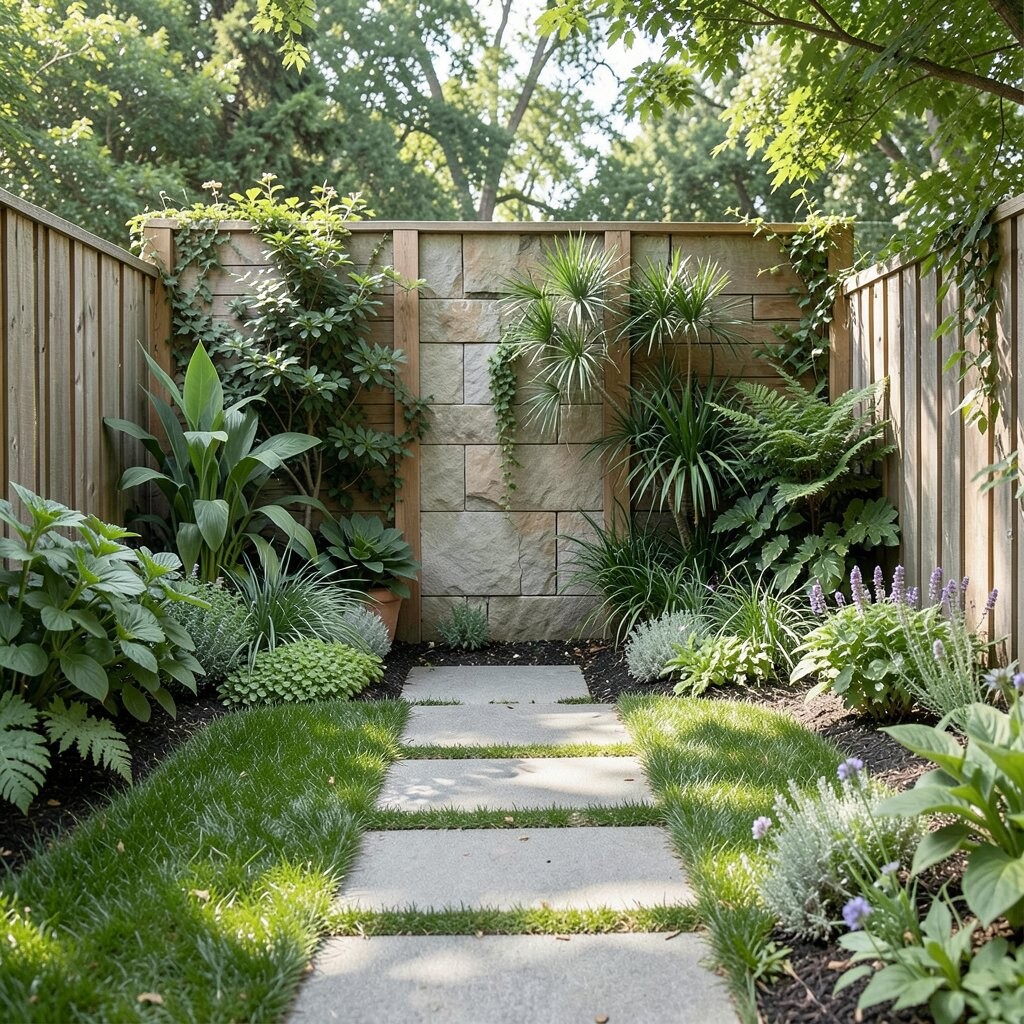
A garden wall can act like a sound shield, especially when it breaks up open sight lines. Pair it with a winding path so your eyes and ears both relax.
Choose materials that look soft, like natural stone edging or textured block, and place it where city noise seems most direct. A curved path also slows movement, which makes the whole space feel less rushed. Add a few quiet stepping-stone moments with groundcovers so footsteps sound less loud.
If you want to keep costs lower, use smaller wall sections and let plants fill the gaps. To personalize it, paint or stain wooden panels in a calm tone like sage or warm gray. For trends, many homeowners now mix hardscape with “messy-beautiful” native grasses to soften the edges.
3. Acoustic-Friendly Pergola With Hanging Fabric Panels
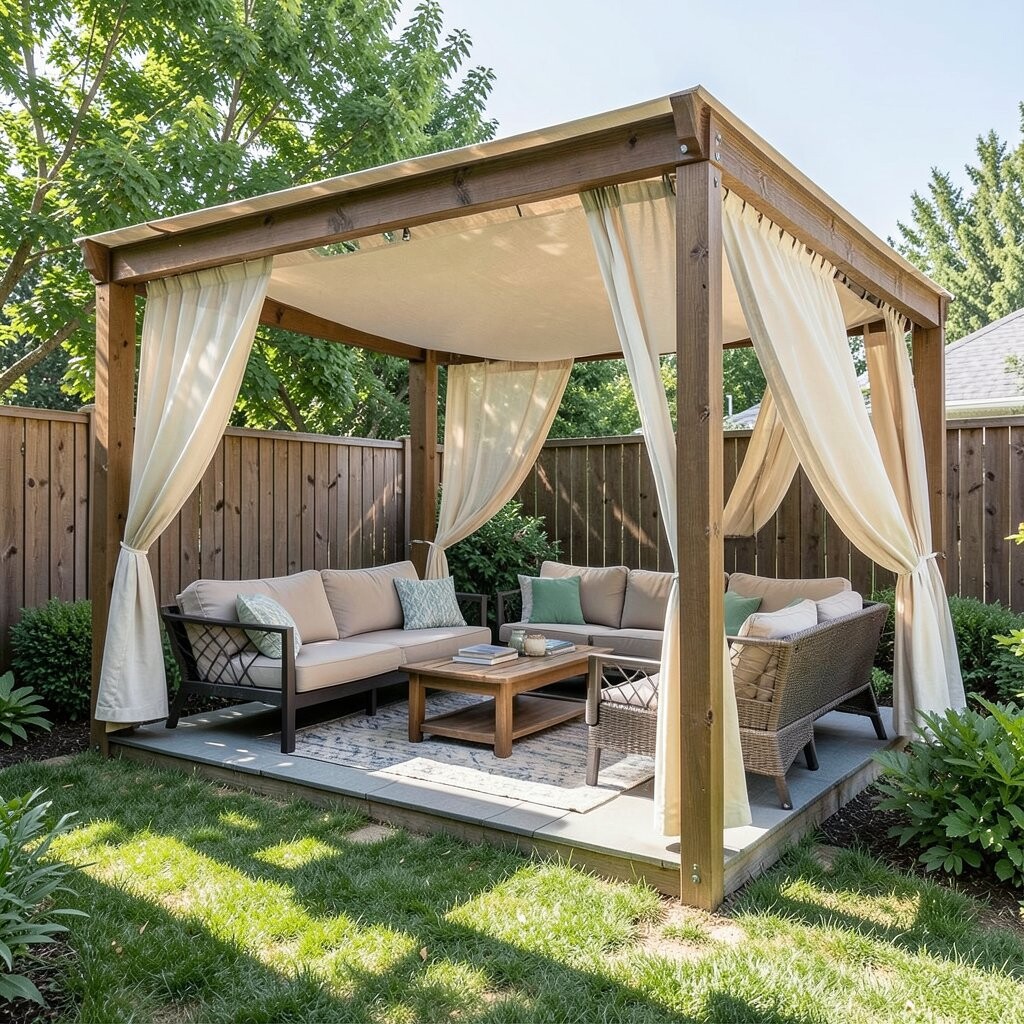
A pergola gives you shade, and hanging panels add gentle privacy from noise and line-of-sight. The feeling is airy, but still tucked-in.
Use outdoor-rated fabric panels attached to the pergola beams, then pull them close during the noisiest hours. Look for weatherproof curtains with thicker weave, because they catch sound better than thin sheers. Add outdoor rugs underneath so the ground doesn’t echo your footsteps.
For a unique look, choose patterned fabric in muted colors, like terracotta with cream, or deep blue with light stripes. If budget is tight, start with two panels on the sides you use most. A good personalization idea is to match the fabric to your patio cushions so everything feels like one calming set.
In many backyards, the best results come from placing the pergola near seating rather than in the far corner. Make sure the panels don’t block walkway space, and secure them well for wind. This setup stays popular because it blends “outdoor room” comfort with a soft visual screen.
4. Cozy Fire Pit Nook With Sound-Soft Surroundings

A fire pit makes nights feel special, and a careful layout can reduce harsh echoes. When you sit close to the flame, you feel naturally calmer.
Build a circular seating area using pavers or stone, then add a low border of gravel or pea stone to cushion sound. If you can, position the fire pit so a fence or wall sits between it and the loudest street. Choose seating cushions and thicker blankets to keep comfort high and noise less noticeable.
5. Layered Seating Zones With Rugs and Different Heights
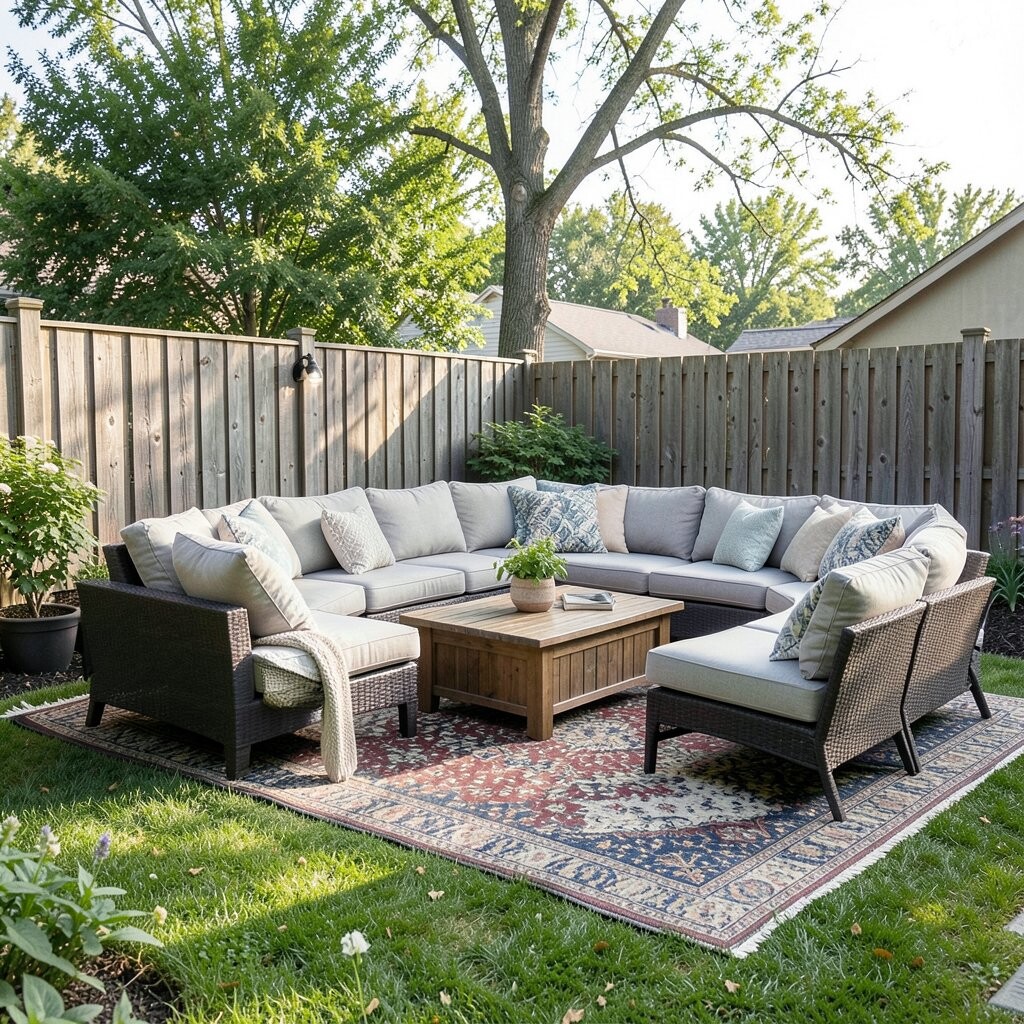
Instead of one flat patio, create small zones where each spot feels different. Variety helps your brain “settle,” which makes the background noise seem less sharp.
Use outdoor rugs in separate sections, like one rug for reading and another for dining. Add a small raised planter or bench so you get different viewing angles and sound reflections. Practical tip: place soft items near where you sit most, because that’s where echo bothers you the most.
To personalize, mix chairs of different heights, such as a low lounge chair paired with a dining bench. Consider a shaded umbrella or tall umbrella stand that can anchor the space visually. Current trends often favor modular outdoor furniture, which makes it easier to rearrange when the season changes.
6. Tall Planters and Trellises for Vertical Green Screens

Vertical greenery is one of the quickest ways to block sight lines and soften sound. It also looks lush even when you don’t want to build anything big.
Use tall planters along the fence line, then add trellises with climbing plants like jasmine, clematis, or climbing roses. Keep the tallest plants closest to the area you use most, so you’re shielding your body where it matters. For practicality, choose self-watering planters if you travel often, because drought-stressed plants don’t stay thick.
For cost considerations, start with a smaller screen and expand one section at a time. Personalize by matching planter colors to your house trim, or by using modern black pots for a clean look. Many homeowners now use “green stacking,” like combining planters with wall-mounted trellises for a layered effect.
7. Water Feature With Gentle Flow for Masking Noise
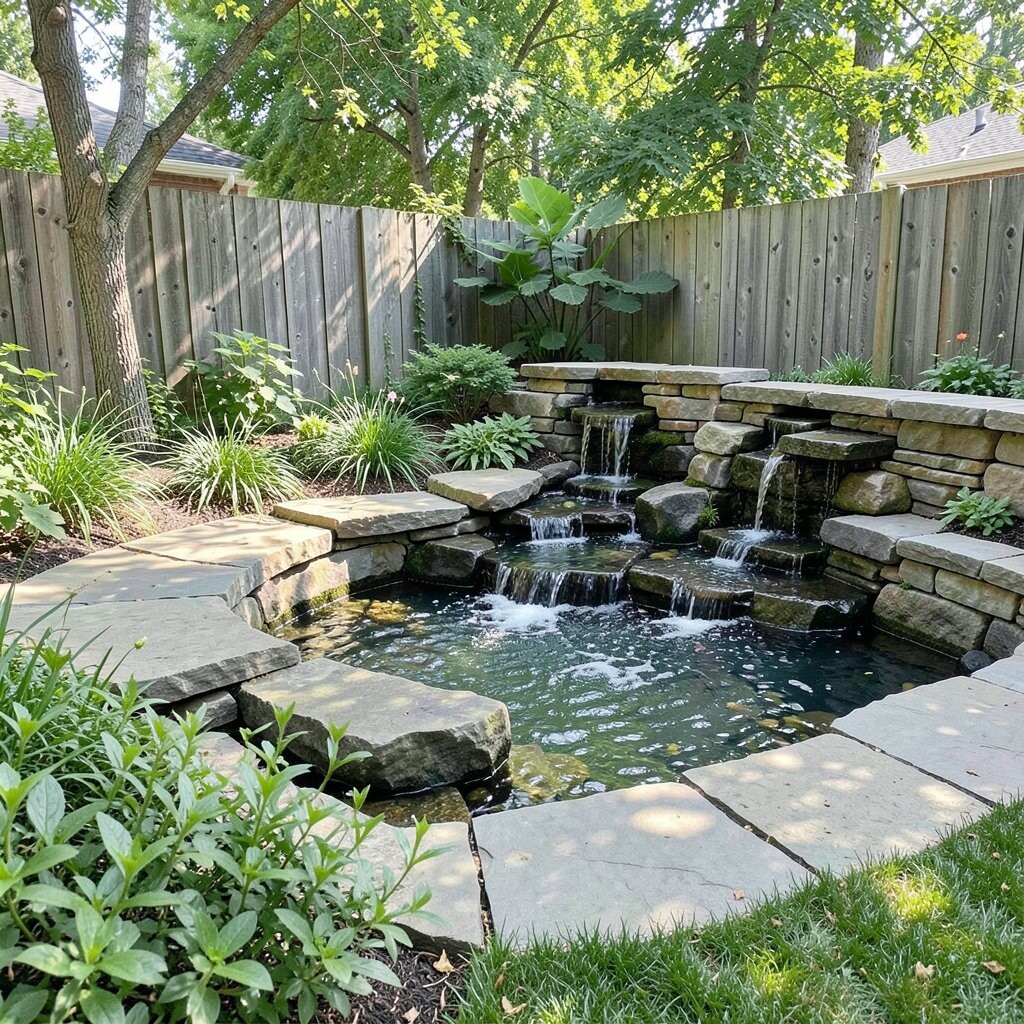
A small fountain or bubbling pond can mask city noise with steady, soothing sound. It’s like adding a soft audio layer to your backyard.
Choose a recirculating fountain if you want low maintenance, or a small pond if you like a natural look. Place it close enough to your seating that you can hear the water, but not so close that it splashes on your furniture. Practical tip: keep the water running daily, and clean the filter or pump regularly for clear flow.
To make it unique, use a design style that fits your home, like a minimalist bowl fountain or a stacked stone trickle. Budget-friendly options include tabletop fountains, while higher-cost options include concealed systems and larger basins. Current trend: many people prefer water features with natural stones and native plant edges for a “quiet habitat” vibe.
Personalization can be as simple as adding floating plants or a few river stones for texture. If you have wildlife nearby, consider placing the feature slightly off the brightest path so animals feel safe. This setup works best when the sound is steady, not intermittent.
8. Outdoor Library Niche With Curtains and Warm Lighting
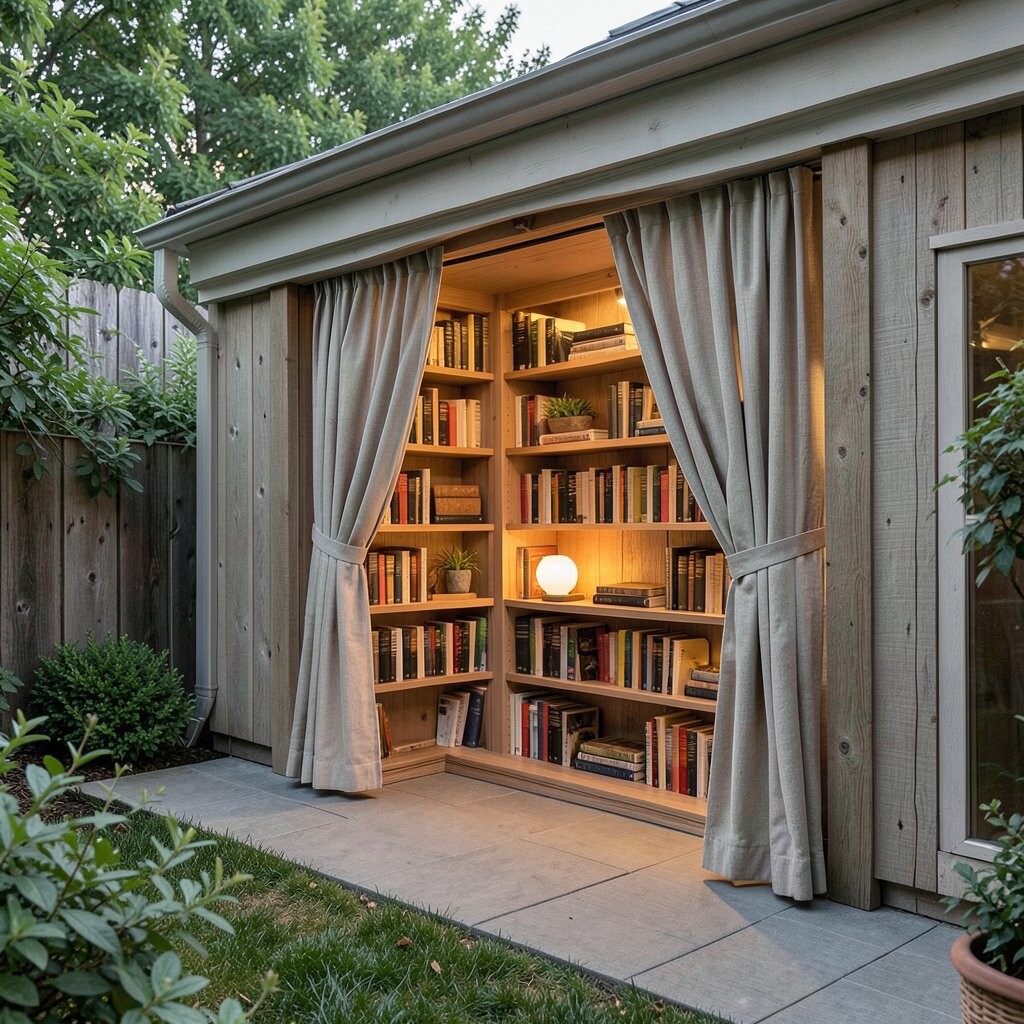
A book nook inside your yard feels like a mini getaway. Warm lighting and curtains also help you feel sheltered from outside noise.
Create a small reading corner with a comfy chair, side table, and soft throw blankets. Hang outdoor curtains on two sides to form a gentle barrier, and choose string lights with a warm color temperature. Practical tip: place the light source slightly behind you or to the side so you get a cozy glow without glare.
If you want it to feel unique, use a reclaimed wood shelf wall or a small outdoor bookcase painted to match your patio. Keep costs reasonable by starting with one curtain panel and adding the second when you’re ready. A current trend is “twilight lighting,” where warm bulbs replace bright overheads for a calmer atmosphere.
9. Sound-Soft Landscaping With Layered Groundcovers
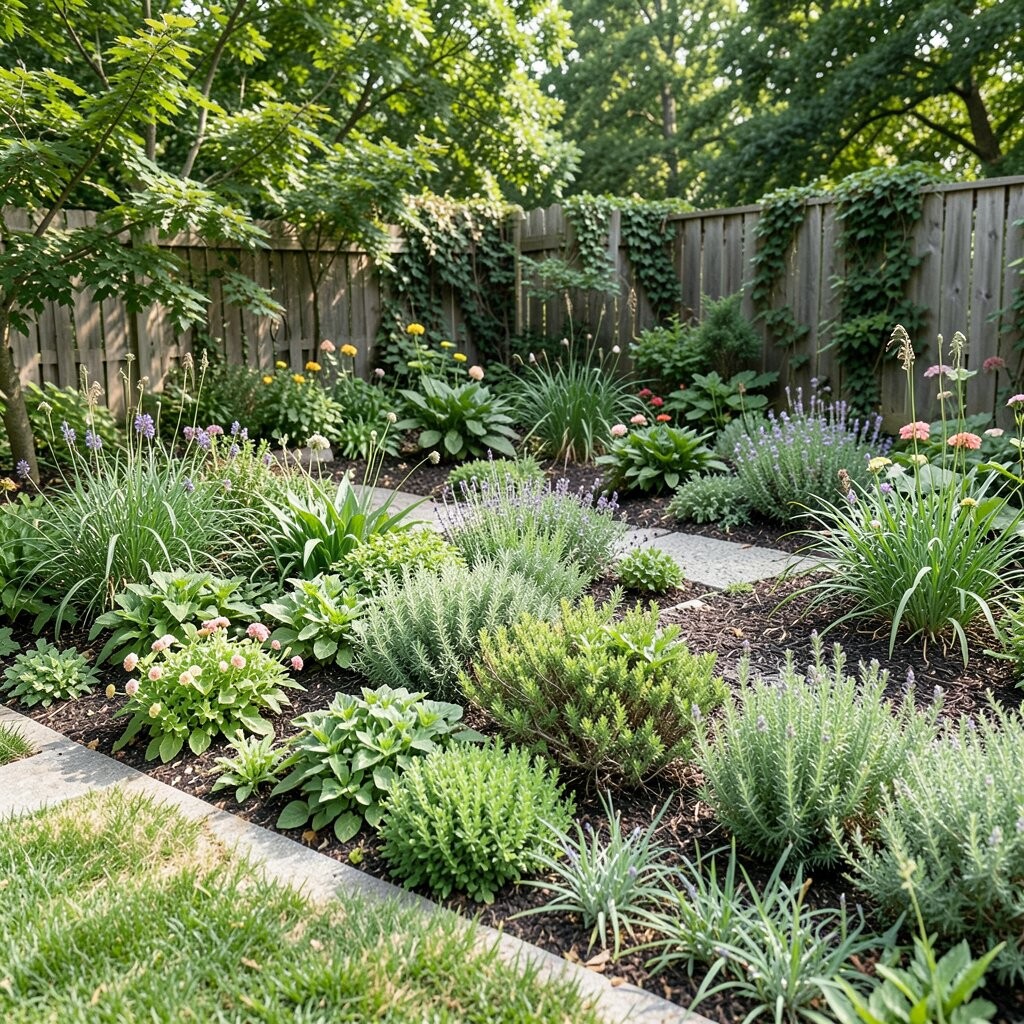
Groundcovers can help reduce echo and make your yard feel softer underfoot. This is a quieter kind of improvement that adds comfort without big builds.
Pick dense plants like creeping thyme, clover, or low sedges for areas where you walk lightly. These help absorb sound compared to bare soil or thin mulch that shifts. For practical tips, prepare the soil well, water consistently until established, and then keep trimming so the plants stay thick.
For personalization, mix textures by pairing one “carpet” groundcover with a second area of taller edging plants. If you’re worried about cost, start with patches near your seating zones instead of covering the entire yard. Many people are now leaning toward native and low-water groundcovers because they’re easier to maintain and look natural.
This approach also benefits the overall vibe by making pathways and borders look intentional. Use a curved border shape to guide the eye and create a natural retreat feeling. Over time, the plants become like living insulation for both sound and warmth.
10. Quiet Swing Seat Under a Noise-Blocking Canopy
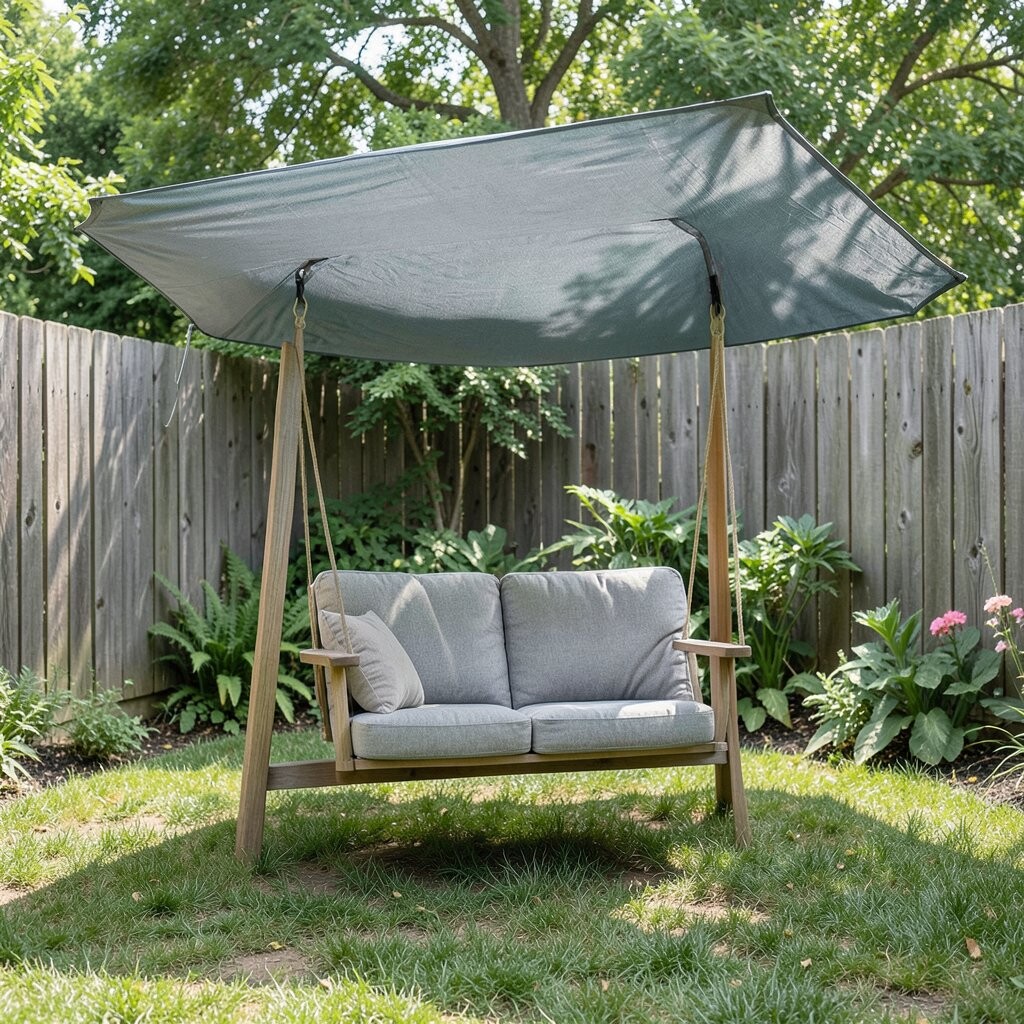
A swing seat can slow your mind down fast, especially when it’s under a canopy that feels secure. A sheltered setup also reduces the “open backyard” feeling that amplifies sound.
Build a canopy with side panels, or add shade cloth panels that hang down slightly on the loudest side. Anchor the swing with sturdy hardware so it stays safe even in wind. Practical tip: place the swing away from the strongest echo area, such as near an uninterrupted wall that reflects sound back to you.
11. Outdoor Kitchen Backdrop With Built-In Barriers
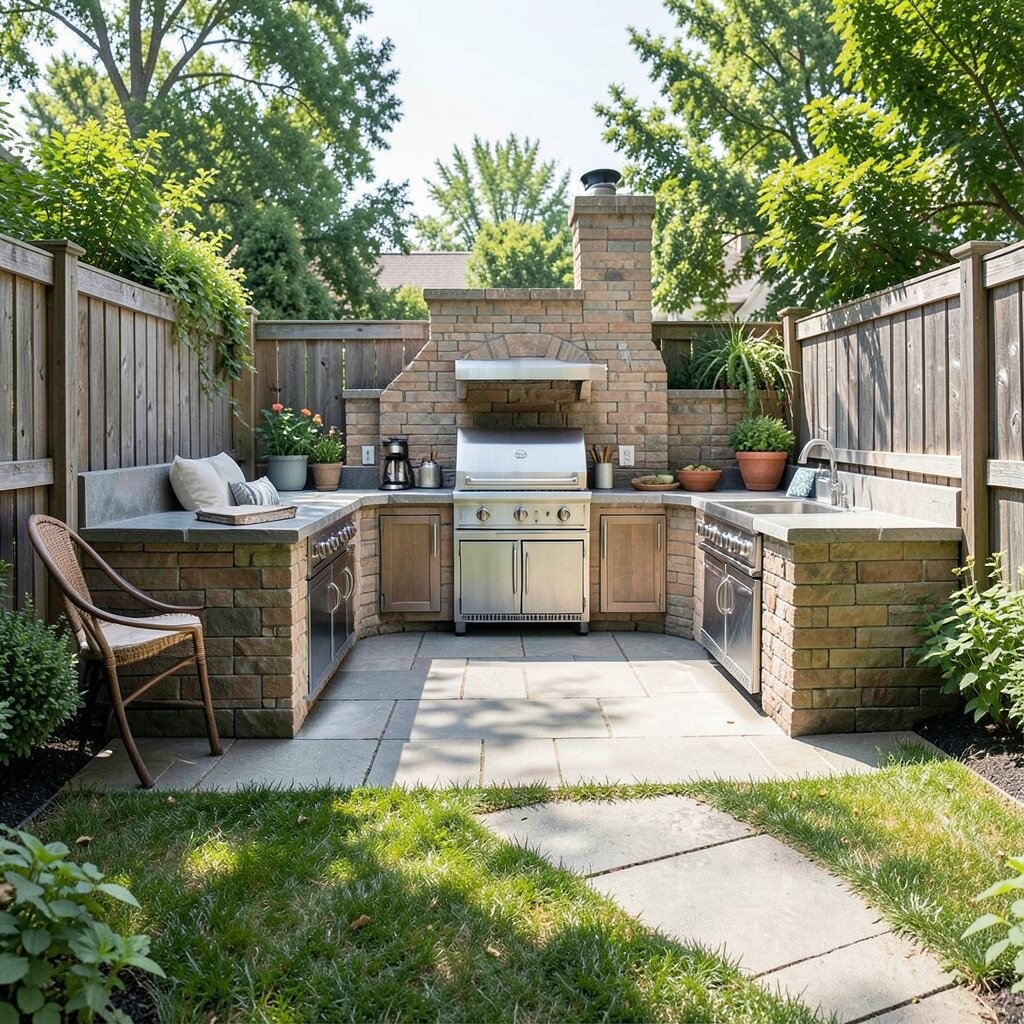
If you love cooking outside, you can make your kitchen feel private while still functional. A smart backdrop blocks noise without ruining the social vibe.
Design a backdrop around your grill or prep counter using lattice panels, stone cladding, or slatted wood screens. Add a top section for shade and side sections for privacy, then leave openings only where you need airflow. For practical tips, keep the screen low enough to avoid a cramped feeling, but high enough that it covers your line of sight to the street.
Personalize with a color palette that matches your outdoor decor, like warm white with natural wood and black accents. Cost considerations vary a lot, so set a baseline using a simple slatted screen and upgrade materials later. Current trend: homeowners increasingly choose durable, easy-clean surfaces and mix them with decorative panels to make the kitchen look like part of the home, not just an add-on.
12. Night-Ready Lighting Plan With Motion Control
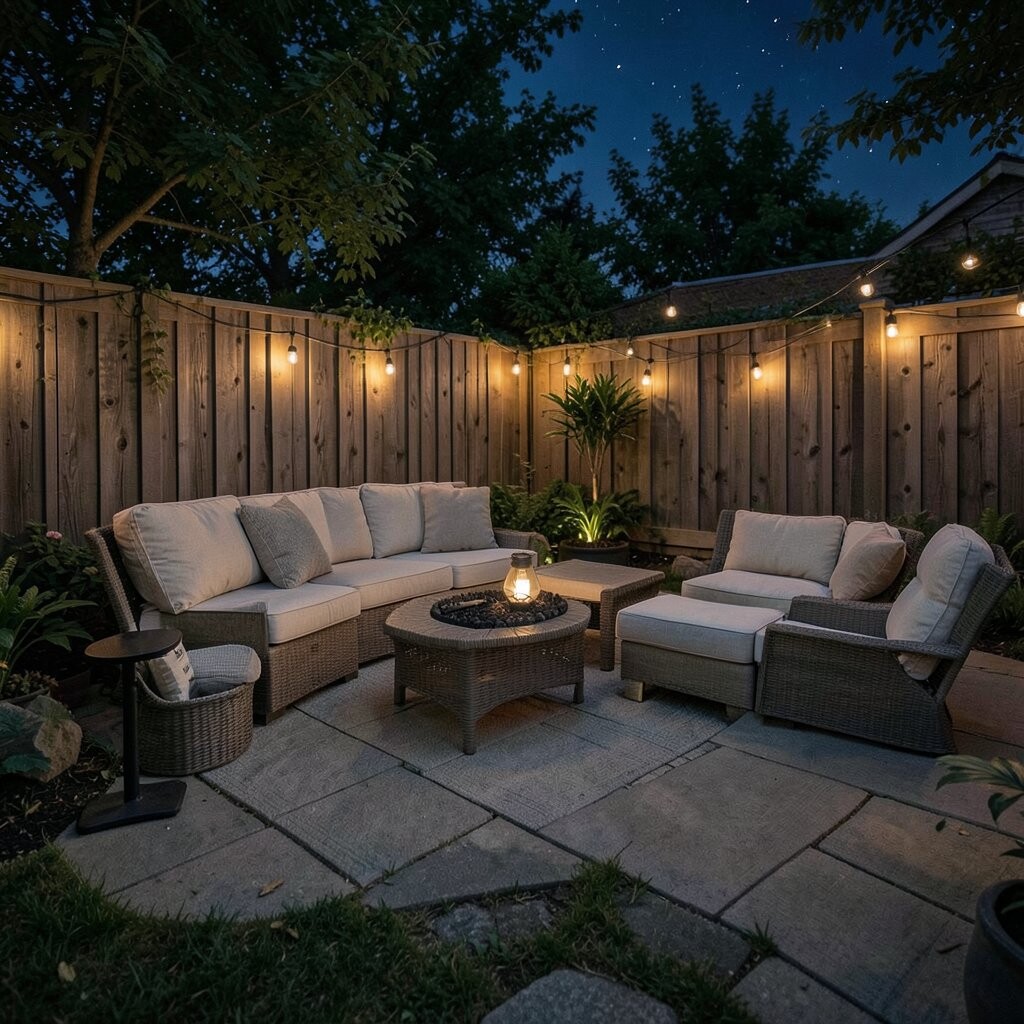
Good lighting helps you enjoy your backyard at night without turning it into a stage. It can also make the space feel safer and more peaceful, which reduces how much noise you notice.
Use warm, dimmable lights, then aim them downward so they don’t glare outward. Add motion sensors near paths so you only light what you need, when you need it. Practical tip: keep the loudest side less bright and use subtle lighting on your seating side, because brightness can draw your attention to background sounds.
13. Layered Privacy Fence With Living Green
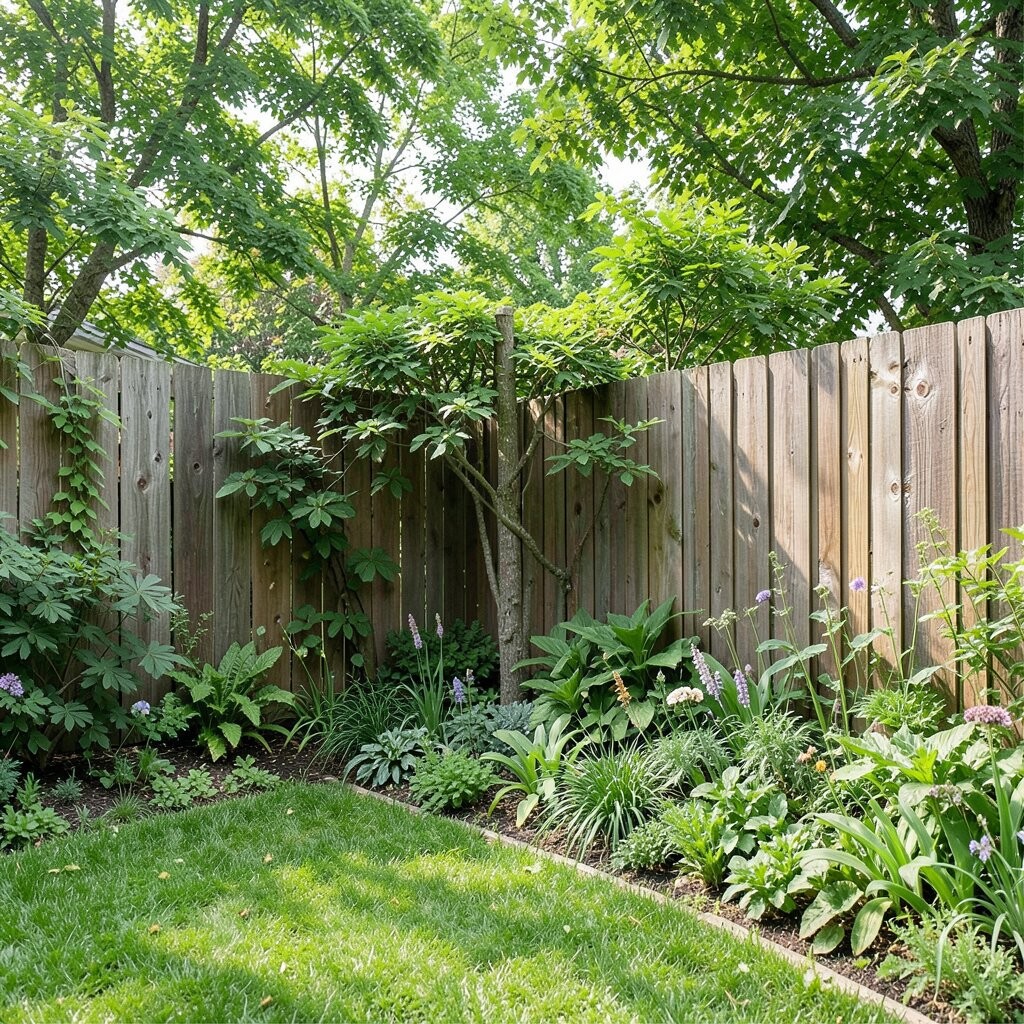
A solid fence helps block sound before it reaches you. Add plants to make the barrier calmer and prettier.
A layered privacy setup usually starts with a sturdy fence or wall, then adds dense greenery along it. Consider fast-growing evergreen-like shrubs or thick plants spaced close enough to form a visual wall. For practical results, keep the foliage trimmed so it stays thick, not bare at the bottom.
14. A Wind-Handling Garden Wall and Soothing Path
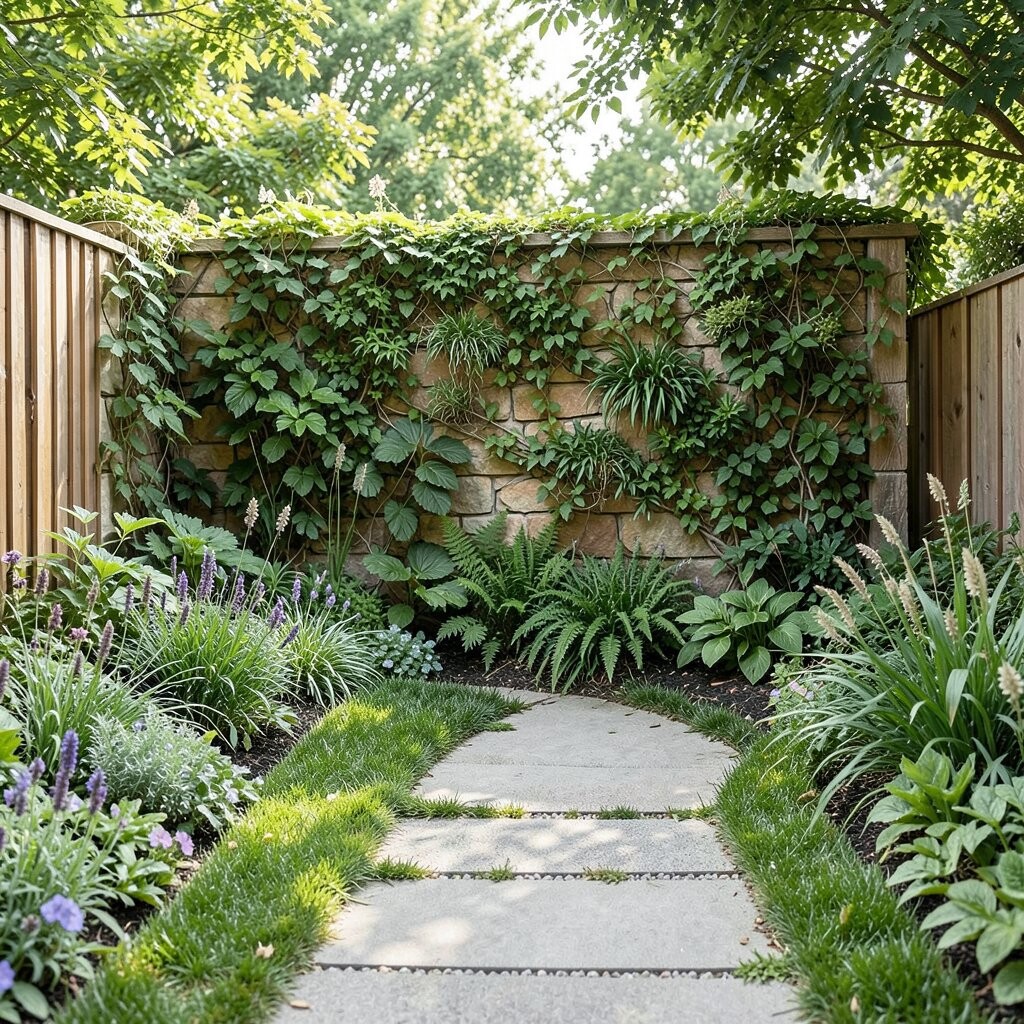
A garden wall can act like a sound shield, especially when it breaks up open sight lines. Pair it with a winding path so your eyes and ears both relax.
Choose materials that look soft, like natural stone edging or textured block, and place it where city noise seems most direct. A curved path also slows movement, which makes the whole space feel less rushed. Add a few quiet stepping-stone moments with groundcovers so footsteps sound less loud.
If you want to keep costs lower, use smaller wall sections and let plants fill the gaps. To personalize it, paint or stain wooden panels in a calm tone like sage or warm gray. For trends, many homeowners now mix hardscape with native grasses to soften the edges.
15. Acoustic-Friendly Pergola With Hanging Fabric Panels
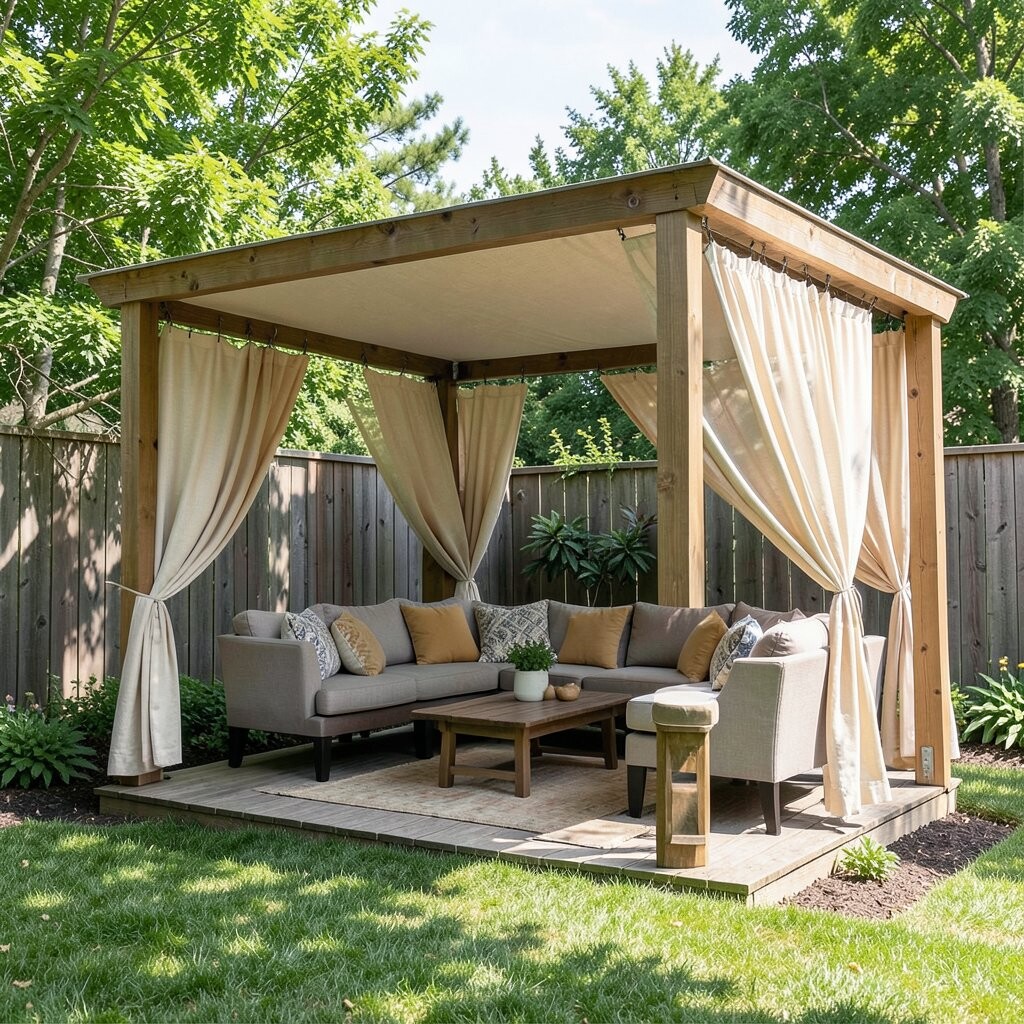
A pergola gives you shade, and hanging panels add gentle privacy from noise and line-of-sight. The feeling is airy, but still tucked-in.
Use outdoor-rated fabric panels attached to the pergola beams, then pull them close during the noisiest hours. Look for weatherproof curtains with thicker weave, because they catch sound better than thin sheers. Add outdoor rugs underneath so the ground doesn’t echo your footsteps.
For a unique look, choose patterned fabric in muted colors, like terracotta with cream, or deep blue with light stripes. If budget is tight, start with two panels on the sides you use most. A good personalization idea is to match the fabric to your patio cushions so everything feels like one calming set.
In many backyards, the best results come from placing the pergola near seating rather than in the far corner. Make sure the panels don’t block walkway space, and secure them well for wind. This setup stays popular because it blends “outdoor room” comfort with a soft visual screen.
16. Cozy Fire Pit Nook With Sound-Soft Surroundings

A fire pit makes nights feel special, and a careful layout can reduce harsh echoes. When you sit close to the flame, you feel naturally calmer.
Build a circular seating area using pavers or stone, then add a low border of gravel or pea stone to cushion sound. If you can, position the fire pit so a fence or wall sits between it and the loudest street. Choose seating cushions and thicker blankets to keep comfort high and noise less noticeable.
17. Layered Seating Zones With Rugs and Different Heights
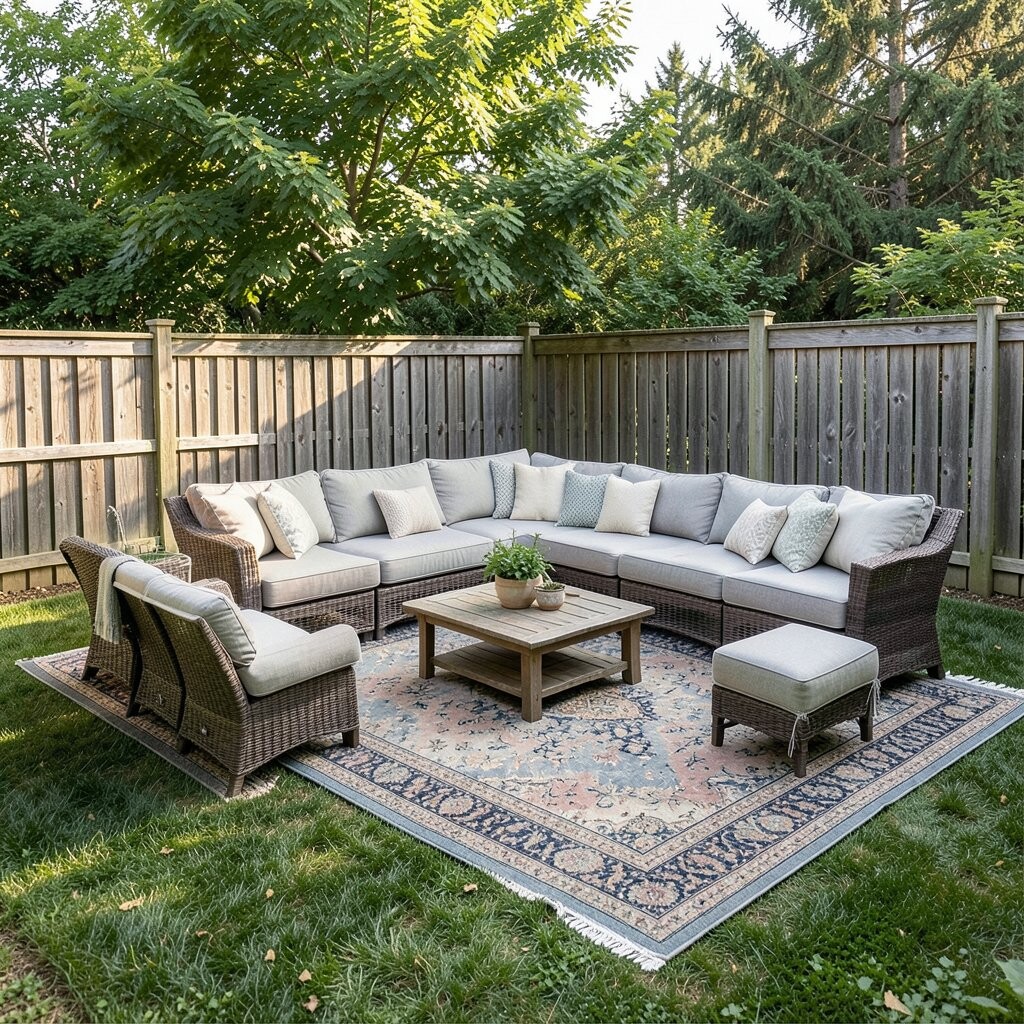
Instead of one flat patio, create small zones where each spot feels different. Variety helps your brain settle, which makes the background noise seem less sharp.
Use outdoor rugs in separate sections, like one rug for reading and another for dining. Add a small raised planter or bench so you get different viewing angles and sound reflections. Practical tip: place soft items near where you sit most, because that’s where echo bothers you the most.
To personalize, mix chairs of different heights, such as a low lounge chair paired with a dining bench. Consider a shaded umbrella or tall umbrella stand that can anchor the space visually. Current trends often favor modular outdoor furniture, which makes it easier to rearrange when the season changes.