A bistro can make everyday meals feel special. A dining room can turn hosting into a whole event.
1. Space-Saving Layout

A bistro setup often fits where a dining table would feel too big. It uses smaller pieces that keep walkways open.
In a dining room, the footprint is usually larger, so the room needs breathing space. Choosing a bistro can help you use a kitchen corner, bay window, or even a narrow hallway. If you want a dining room feel without the bulk, pick a smaller table and slim chairs, then keep the path from door to kitchen clear.
2. First Impression With Visual Styling

Bistro setups tend to look charming because they feel intimate and close. Dining rooms can look grand when they have matching furniture and a strong focal point.
With a bistro, try a compact table with a pretty top, like wood grain or a warm stone look. For dining rooms, use a bigger light fixture and coordinated colors to create a polished scene. Either way, choose one hero element, such as a patterned rug, a standout chandelier, or a set of matching glassware.
When you style a dining room, keep the chair backs and table shape consistent for a tidy look. When you style a bistro, mix texture more freely, like pairing a linen seat with a metal frame. This is a great chance to match your home’s mood, from cozy farmhouse to modern minimal.
3. Lighting That Changes the Mood

Bistro lighting can feel cozy because you can place it close to the table. A dining room often uses overhead lights that spread across more space.
For a bistro, consider a small pendant, plug-in sconce, or even a warm LED chandelier-style bulb. If your bistro is near a window, you can layer in sheer curtains and add candles for nighttime. Keep brightness warm so meals feel inviting and photos look soft.
For a dining room, a larger chandelier or layered track lighting can make the whole space feel ready for guests. Use dimmers if you want dinner to feel special, not harsh. If you can, aim the light so it highlights the table surface, not just the ceiling.
People often underestimate how lighting affects comfort. A well-lit bistro can make small spaces feel bigger, and a well-lit dining room can make hosting effortless.
4. Seating Comfort and Everyday Use
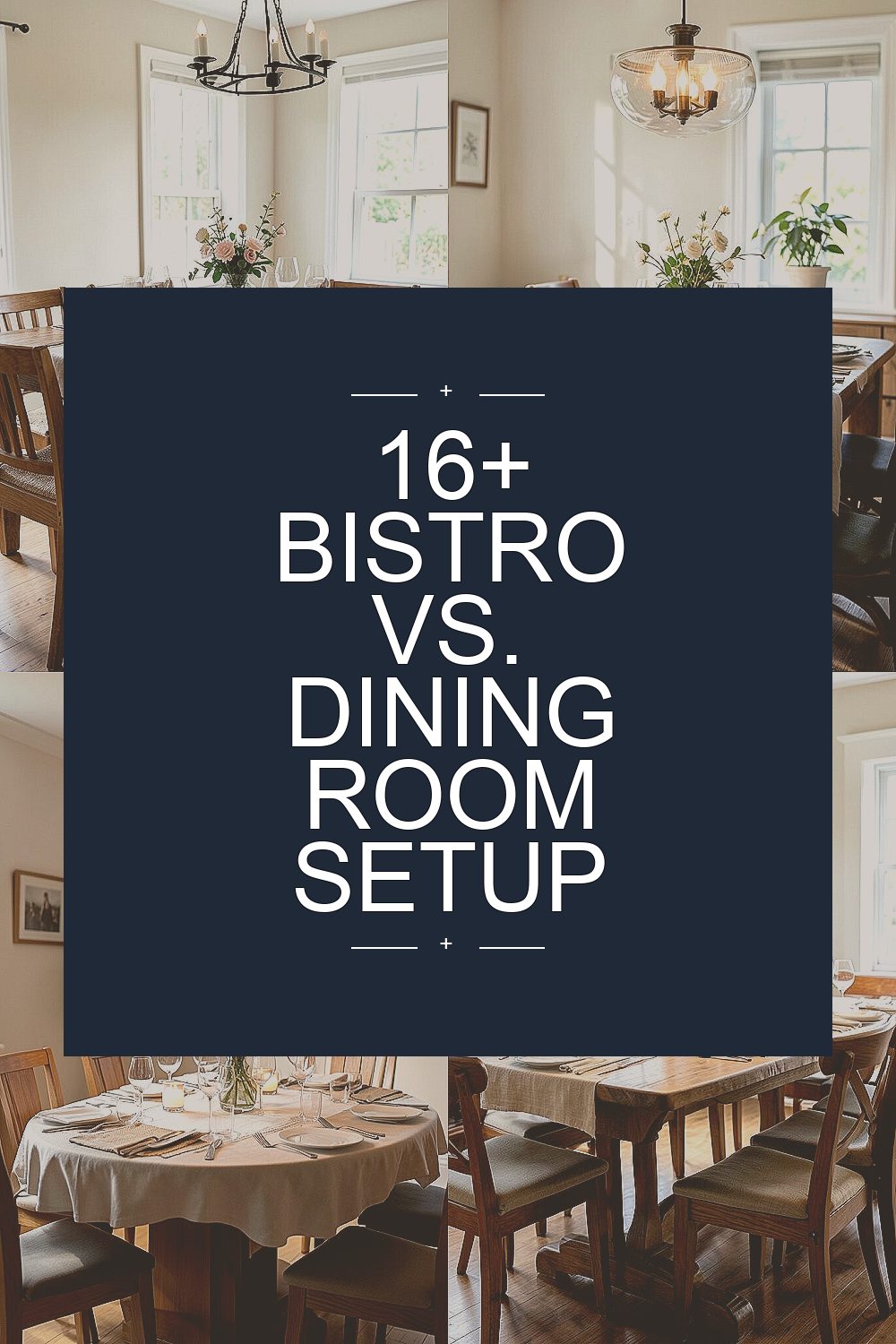
A bistro setup usually means fewer seats, so each seat can be more comfortable and intentional. Dining rooms sometimes invite long sittings because there is room for extra chairs.
Choose seating based on your real routine, like quick breakfasts or slow weekend dinners. If you pick a bistro, look for chairs with supportive backs or add cushions that match your decor. For a dining room, prioritize chairs you can sit in for an hour without squirming.
5. Meal Flow and Cleaning Ease

Bistro setups can help meal flow because everything is closer, which makes clearing the table faster. Dining rooms can feel slower if the table is far from the kitchen work area.
Use a table you can wipe in seconds, like sealed wood, metal, or a stain-resistant top. Keep a small tray or basket nearby so you can gather utensils, napkins, and serving tools without searching. If you prefer dining room style, set up a sideboard or console so plates and serving items stay within reach.
Think about storage too, since bistro furniture often lives in smaller zones. Add hooks for bags, a shelf for everyday dishes, or a bar cart that doubles as serving support. The easier your setup is to reset, the more often you’ll actually use it.
6. Hosting Feel: Cozy vs. Formal
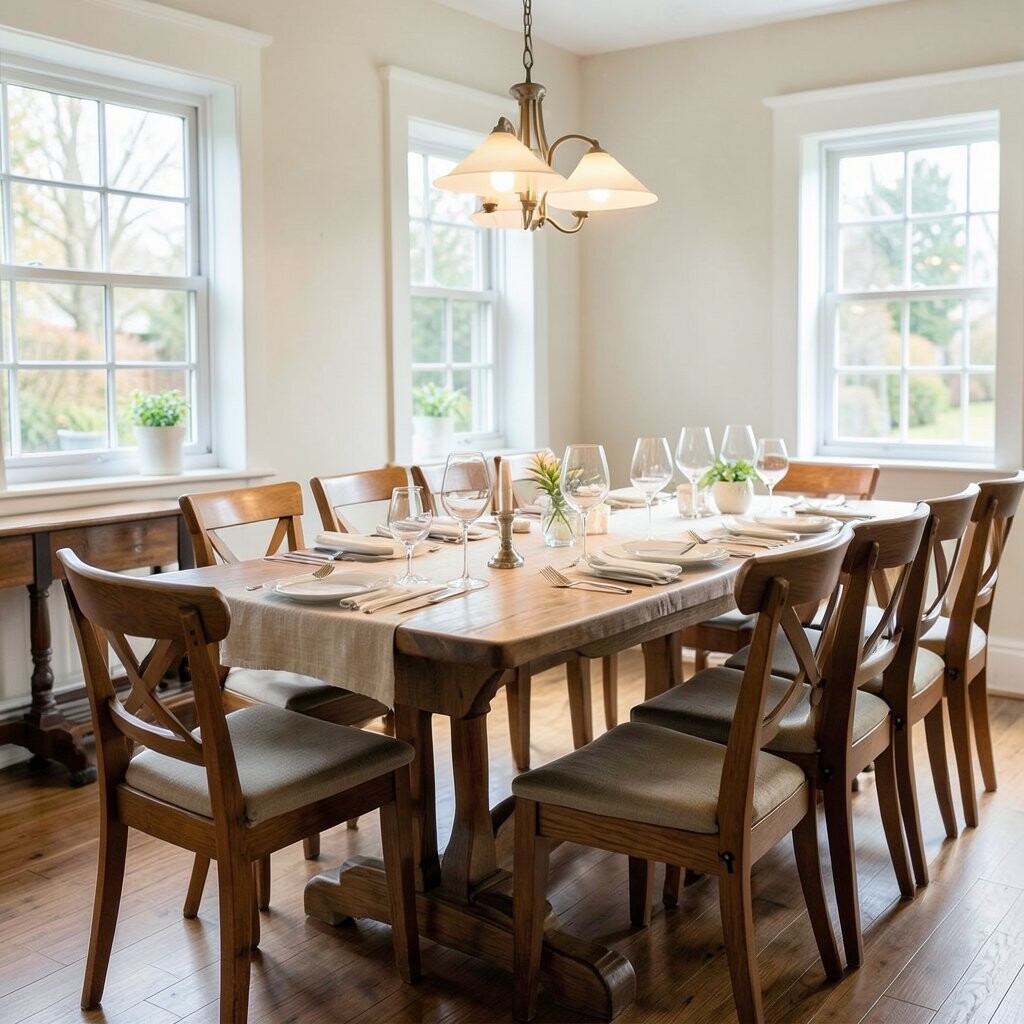
A bistro makes hosting feel cozy because guests sit close enough to chat naturally. A dining room can feel formal because it supports bigger groups and longer conversations.
If you love intimate gatherings, bistro seating works well for game nights, brunch, or wine and appetizers. Consider folding chairs stored nearby so you can add extra seats when needed. For dining rooms, plan a layout that lets guests move without squeezing past the table.
When you host often, bistro setups reduce pressure since you can focus on a few plates and a clear table plan. Dining rooms shine when you want a place setting for many people and a clear hosting “stage.” Either choice can feel welcoming when you use the right serving approach.
7. Table Shape and Visual Variety
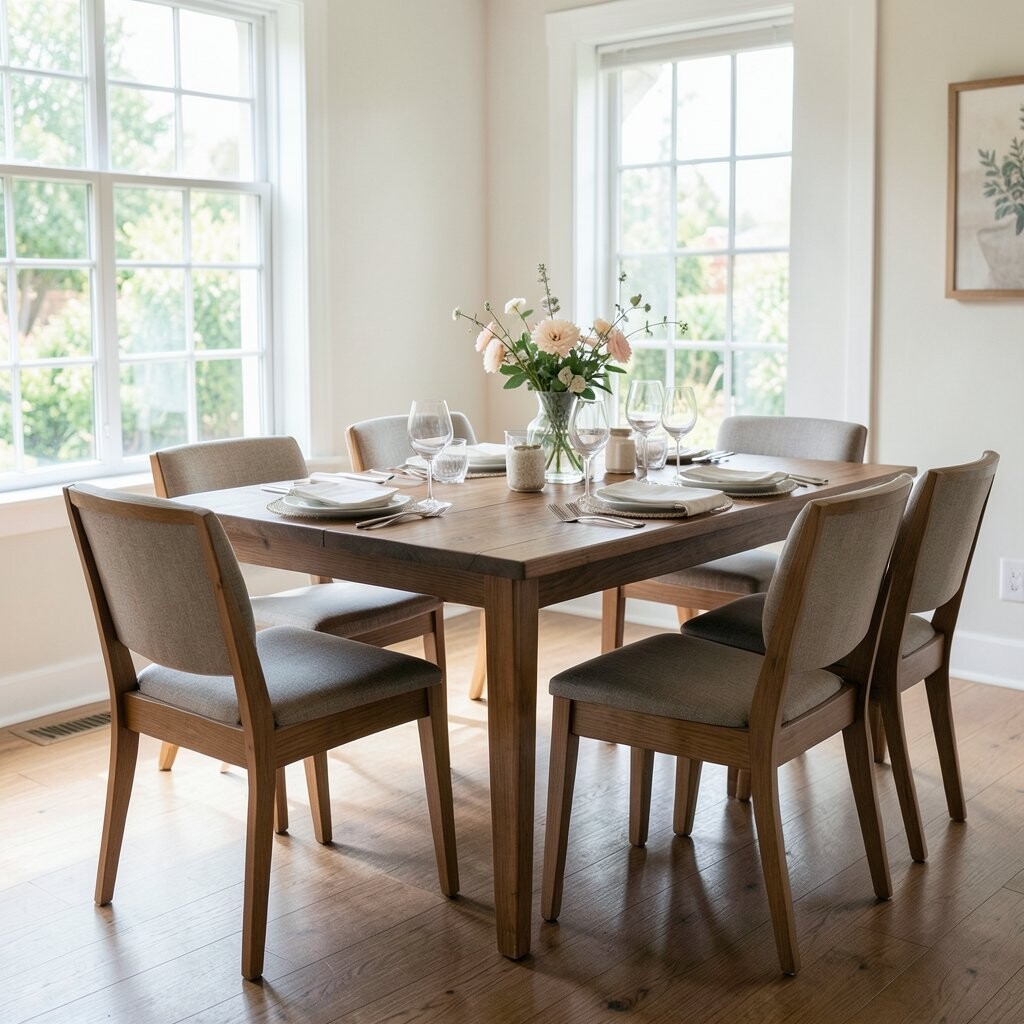
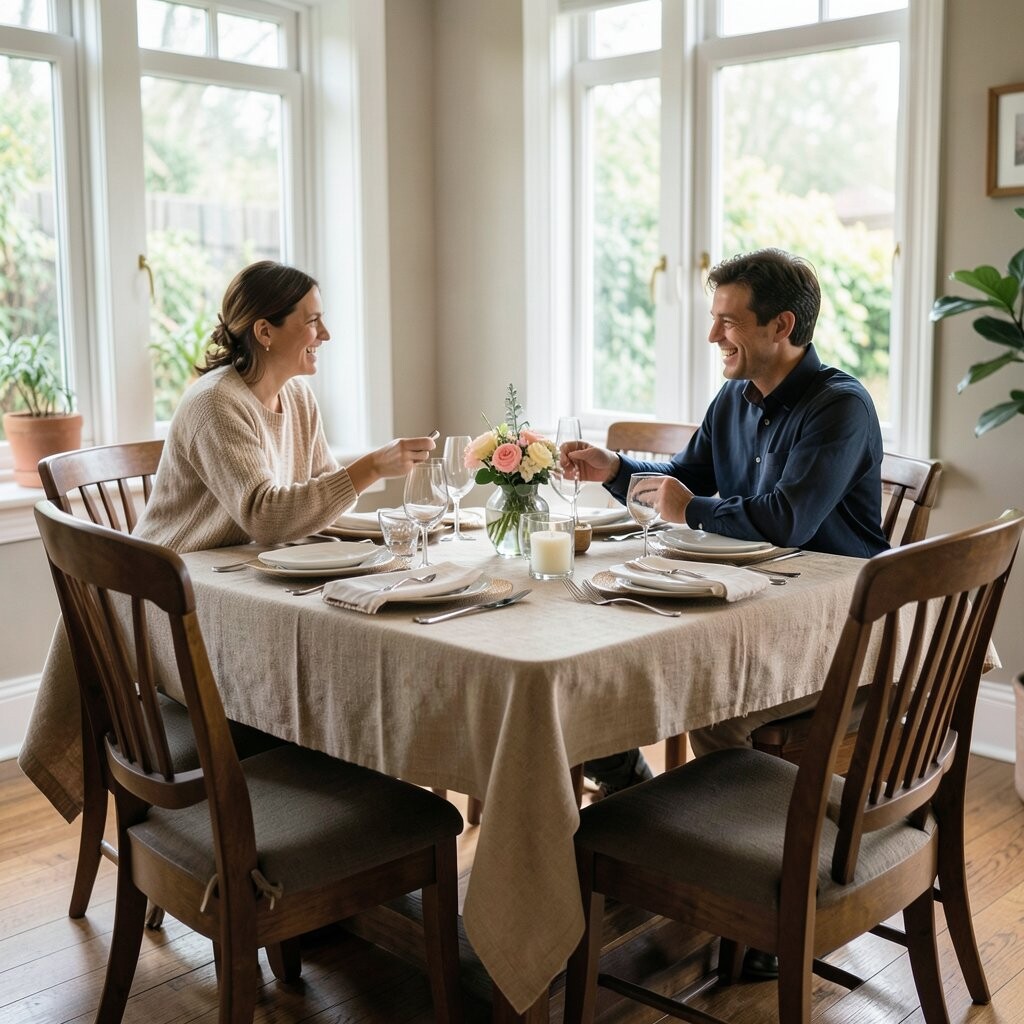
Bistro tables often come in round or square shapes that feel friendly and balanced. Dining tables can be rectangular, and that shape supports traditional layouts.
A round bistro table can create smoother conversation because no one sits at a hard “head” angle. A small rectangular bistro table can work well in a narrow space if you align it with the room. In a dining room, choose a shape that matches your room’s shape, like a round table for a square room or a rectangle for a long wall.
Try a mix of shapes with accessories, such as round placemats on a rectangular dining table. That small choice adds visual interest without changing the main furniture. If you like a modern look, keep the table simple and use colorful linens for variety.
Shape isn’t just style, it also affects how people pass serving dishes. Round can make serving easier for small groups, while rectangular supports a traditional serving line.
8. Storage: Hidden Convenience
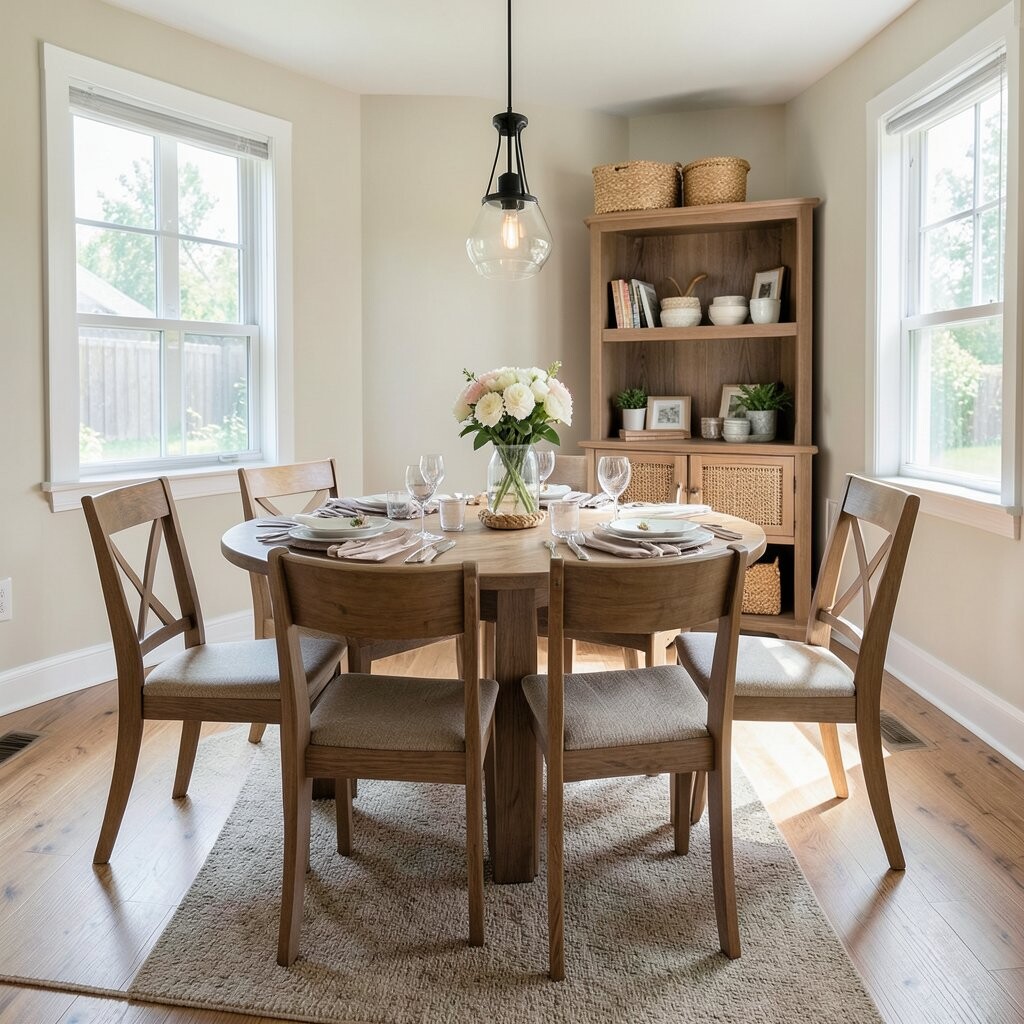
A bistro setup can be easier to store because the pieces are smaller and lighter. Dining room sets can take over a room, leaving less space for storage.
Look for bistro tables with a lower shelf or chairs that stack if you might rearrange. Add a slim cabinet or open shelf nearby for everyday items like napkins, coasters, and basic serving plates. In dining rooms, a sideboard or hutch is your best friend for keeping linens, extra plates, and serving tools organized.
If you want a clean look, store bulky items behind cabinet doors. If you like decor, display a few everyday pieces like glass jars or a tray for bottles. The key is that storage matches how often you use each item.
9. Budget: What Costs More and Why
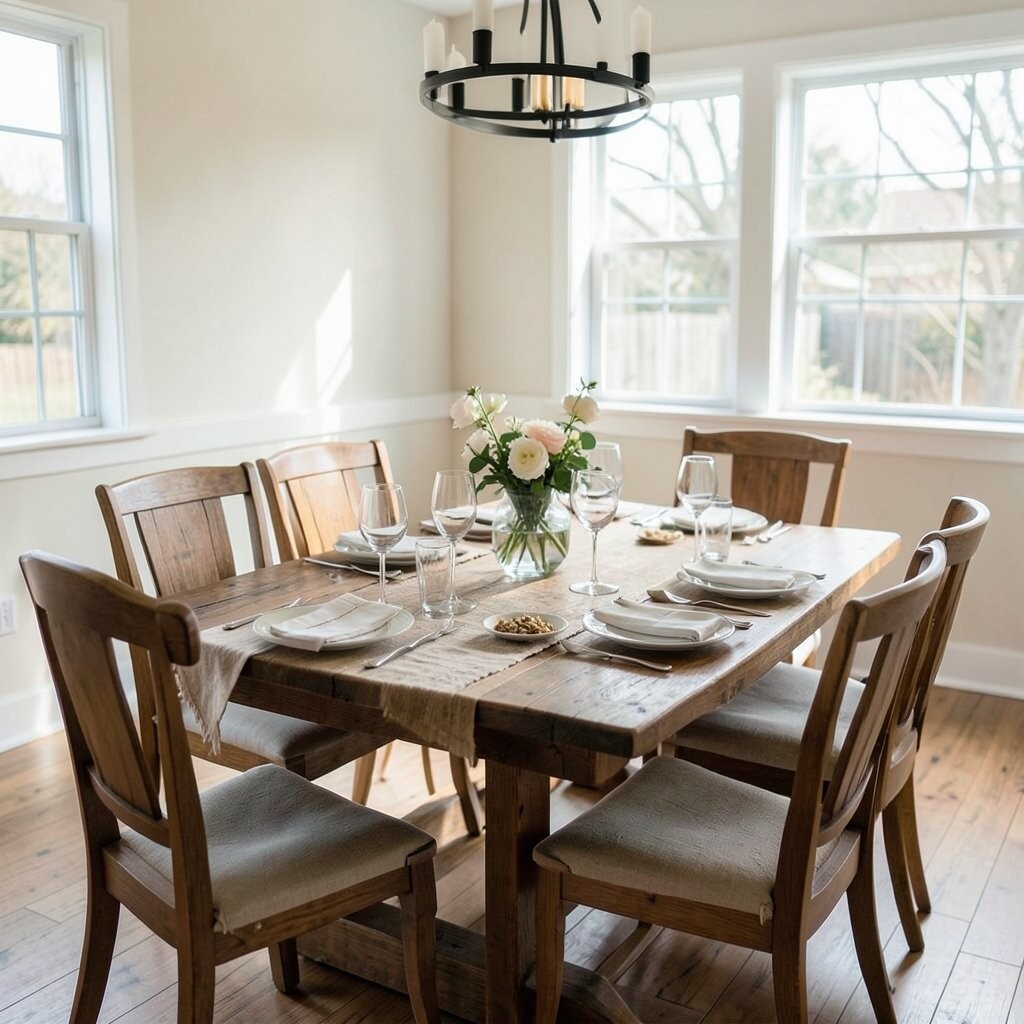
A bistro setup can be a lower-cost start because it uses fewer pieces and smaller surfaces. Dining rooms often cost more because they include larger tables, more chairs, and extra matching decor.
For bistro setups, spending a little more on one strong item, like a solid-wood table, can make a big difference. You can also choose budget-friendly chairs and upgrade later with cushions. For dining rooms, think about the cost of comfort because you may spend more time sitting there.
When comparing costs, include extras like rugs, lighting, and storage. A dining room may need a bigger rug and a more powerful light fixture. A bistro may need fewer large pieces but can still benefit from a great chair cushion and good place settings.
It helps to set a “minimum usable” budget and buy in stages. You’ll feel less regret and more joy because the room becomes useful right away, not after everything arrives.
10. Personalization Through Linens and Details

A bistro setup is perfect for personal touches because it stays visible day after day. A dining room gives you space for bigger seasonal changes and more coordinated themes.
Switch up a bistro look using placemats, a runner, and a small centerpiece. Try color themes for each season, like warm oranges in fall or crisp greens in spring. In a dining room, update the look by changing table linens, centerpieces, and even chair covers.
Don’t forget small items like napkin rings and glassware, since they can make your style feel intentional. You can also add personal art on the wall behind the table to tie the setup into your home. Personalization is easier when you choose a simple base and update the accessories.
These details can also help the space shift from everyday use to hosting in minutes. With a little practice, you’ll know exactly what goes where and what creates the “wow” feeling.
11. Trend Angle: Statement Surfaces
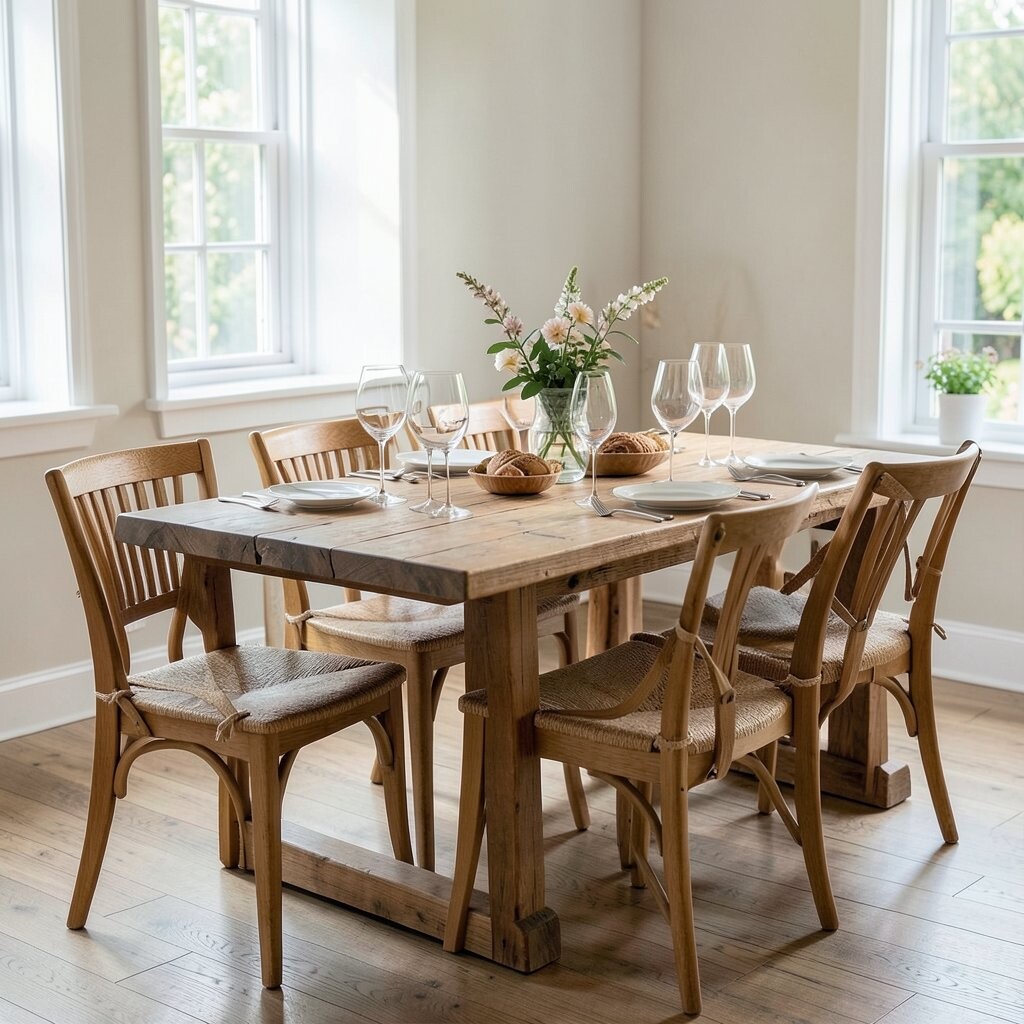
Bistro setups are showing up with bold surfaces like marble-look laminates and rich stained woods. Dining rooms are trending toward warmer neutrals and mix-and-match textures.
If you want trend-forward style without buying new everything, add a statement centerpiece or a high-contrast rug under your bistro. For dining rooms, consider chairs with varied fabrics or different finishes that still coordinate. Look for patterns that repeat only once, so the room stays calm and not cluttered.
Another trend is using durable finishes, like easy-clean tabletops and stain-resistant fabrics. That matters because your home sees real life, not just special occasions. Pair trendy surfaces with timeless items like solid wood legs or classic chair silhouettes.
12. Flexibility for Remote Work and Meals

A bistro setup can double as a small work nook for laptop time and quick lunches. A dining room can become a full office zone, but it may feel less casual.
If your bistro lives in a kitchen-adjacent area, you can keep it useful throughout the day. Add a small desk lamp, a cable-friendly charging setup, and a drawer tray for station supplies. For dining rooms, create a “reset” routine where you can clear work items quickly before guests arrive.
Flexibility is easier when the table height fits both tasks and meals. Choose a chair that supports your back for longer sitting. The more comfortable your setup is for everyday work, the more you’ll want to use it for meals too.
13. Sound and Privacy: How Spaces Feel
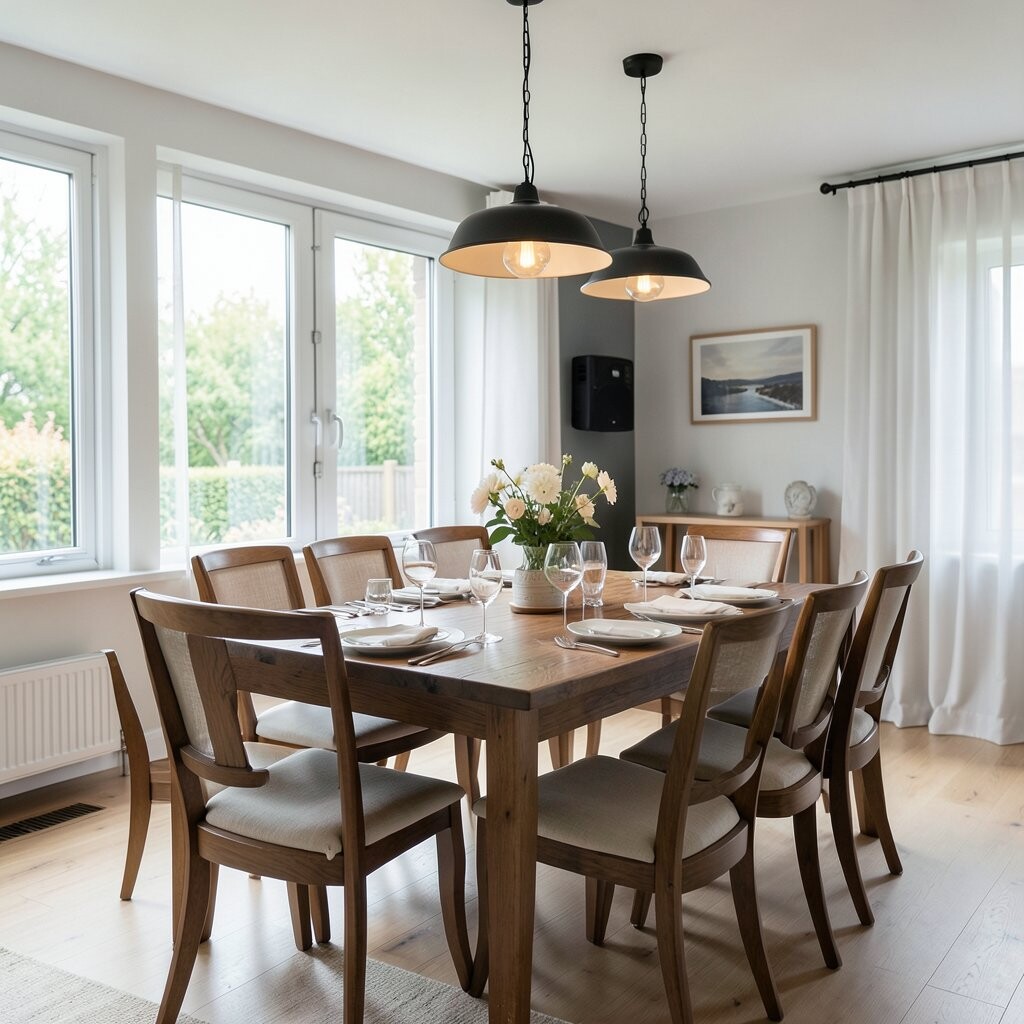
Bistro areas often feel quieter and more private because they’re small and tucked into a corner. Dining rooms can feel lively since sound travels across a larger, open space.
For bistros, add soft materials like curtains, a thick rug, or upholstered chair seats to cut echo. Place the table away from doors so foot traffic doesn’t disturb conversations. For dining rooms, use a rug, wall art, or even lightweight curtains to soften the acoustics.
If you entertain often, consider how music and chatter will sound in your room. A dining room might need more sound-dampening elements to stay comfortable. Your goal is the same either way: a cozy conversation zone.
When sound feels right, both daily dinners and parties feel better. You’ll notice it especially during busy evenings when everyone is talking at once.
14. Choosing Between a Sideboard and Nearby Shelving

A bistro setup usually benefits from nearby shelves or a small cabinet within arm’s reach. A dining room often looks best with a larger sideboard that anchors the space.
In a bistro area, a compact shelf or cart can hold napkins, extra plates, and serving utensils. Choose a design that doesn’t block the view from your main living area. In a dining room, a sideboard can store bulky linens and keep serving tools ready for hosting.
Match the hardware and finish across the storage piece and dining furniture for a cohesive look. If you want a more casual bistro vibe, use open shelving with baskets for hidden storage. If you want formal dining, keep most items inside closed cabinets and show only a few decor pieces.
15. Rug, Wall, and Window Placement
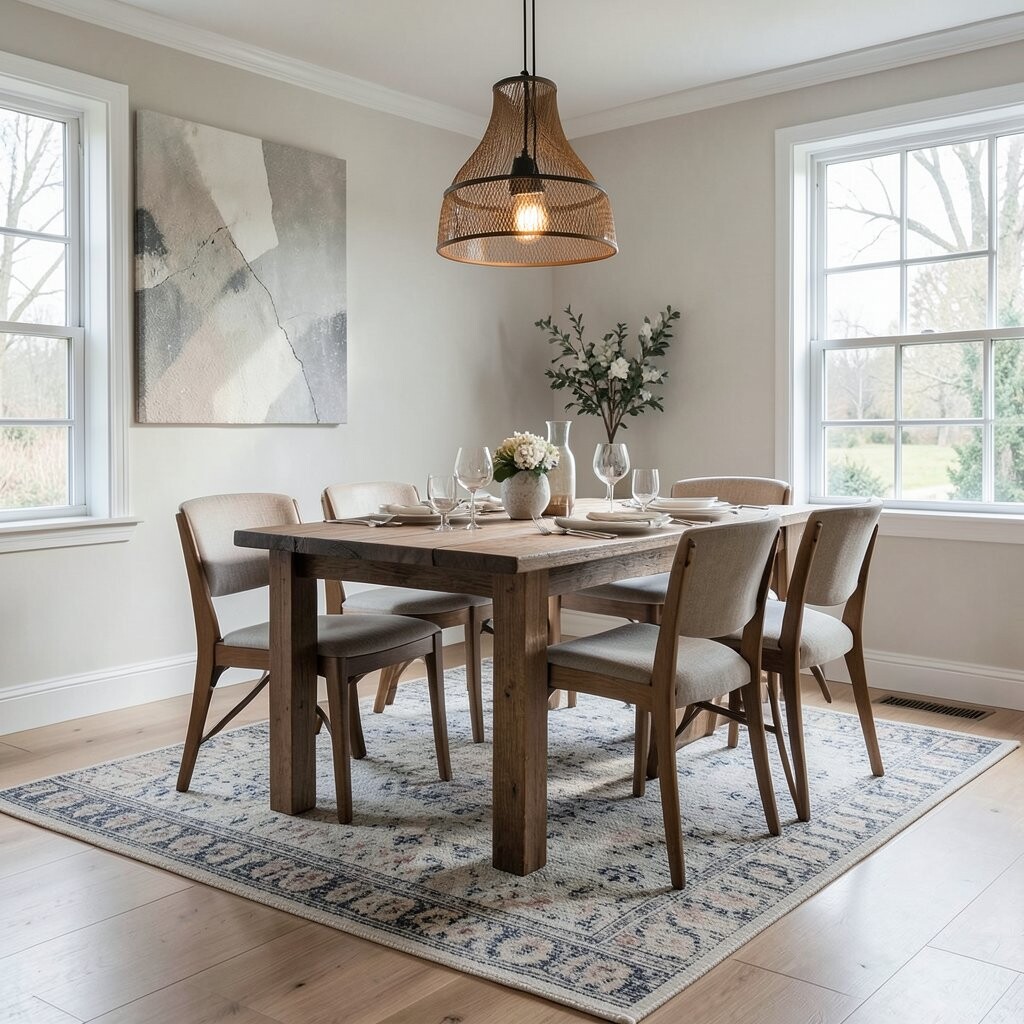
A bistro setup looks great with a small rug that defines the dining zone. A dining room usually needs a bigger rug to connect all the seating and furniture.
For bistros, pick a rug that fits under the table and extends slightly beyond the chairs for stability. Place it so you can still open drawers or doors without bumping furniture. For dining rooms, measure carefully so chairs can pull in without the rug edge interfering.
Wall placement matters too, especially if you hang art above the table. In a bistro area, a framed mirror can bounce light and make the space feel wider. In a dining room, a larger piece of wall decor can set the tone and make the room feel designed.
Windows are another styling opportunity, since natural light makes linens and wood tones look richer. If your table sits near a window, consider sheers or blinds that keep glare under control. When the placement works, the setup feels effortless rather than temporary.
16. Durability and Maintenance for Real Life

Bistro furniture can be easier to maintain because it’s smaller and often used in a compact area. Dining room furniture may see more wear during parties and longer sit-down meals.
Choose materials that match your lifestyle, like scratch-resistant tabletops and wipeable chair fabrics. For a bistro, consider stain-resistant seats and a tabletop finish that handles crumbs. For dining rooms, prioritize sturdy chairs and a table surface that won’t show every mark.
17. The Best Fit for Your Daily Routine
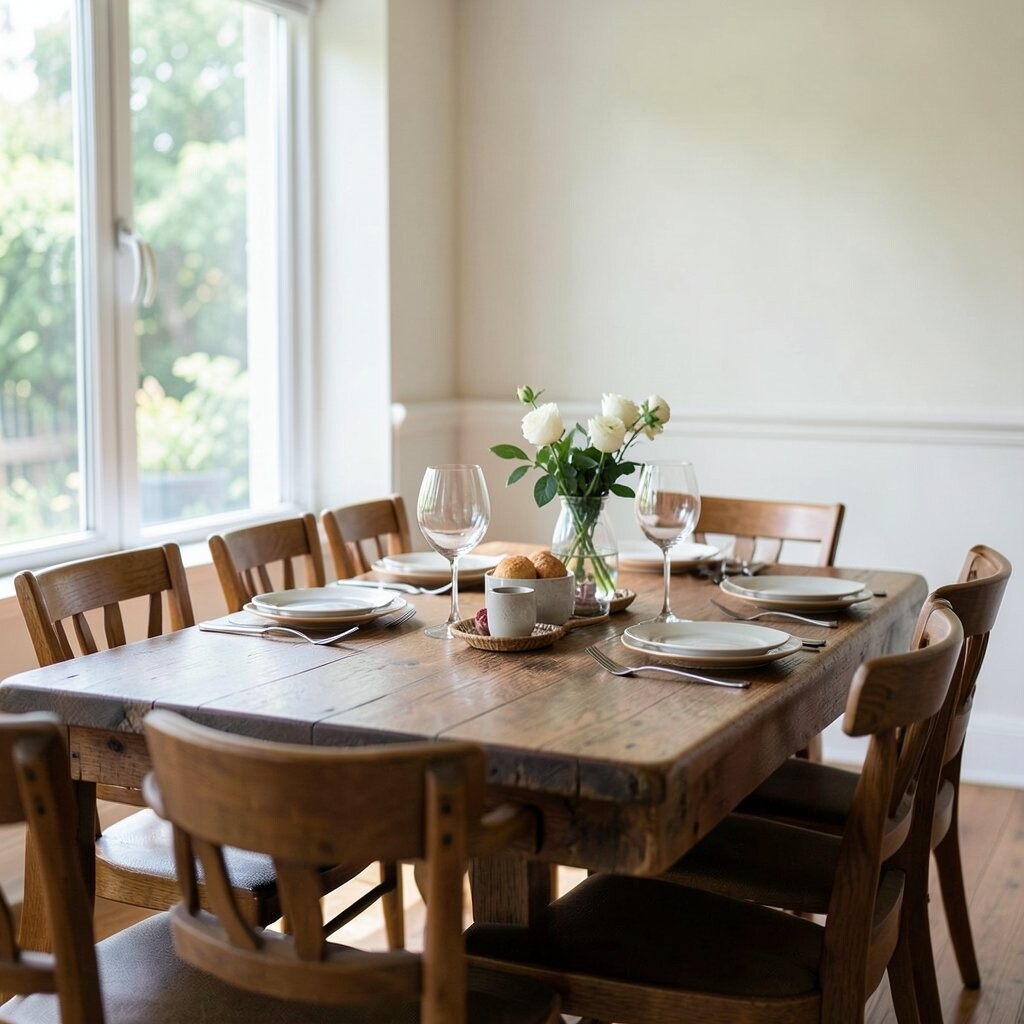
A bistro setup fits well when your home routine is busy and meals are frequent. A dining room fits well when you want a dedicated place for hosting, celebrations, and slower dinners.
Start by thinking about who uses the space most, like partners, roommates, or kids. If you eat together often but not always in large groups, bistro seating can feel just right. If you host big gatherings sometimes and want the room to feel ready, a dining room setup can make those events smoother.