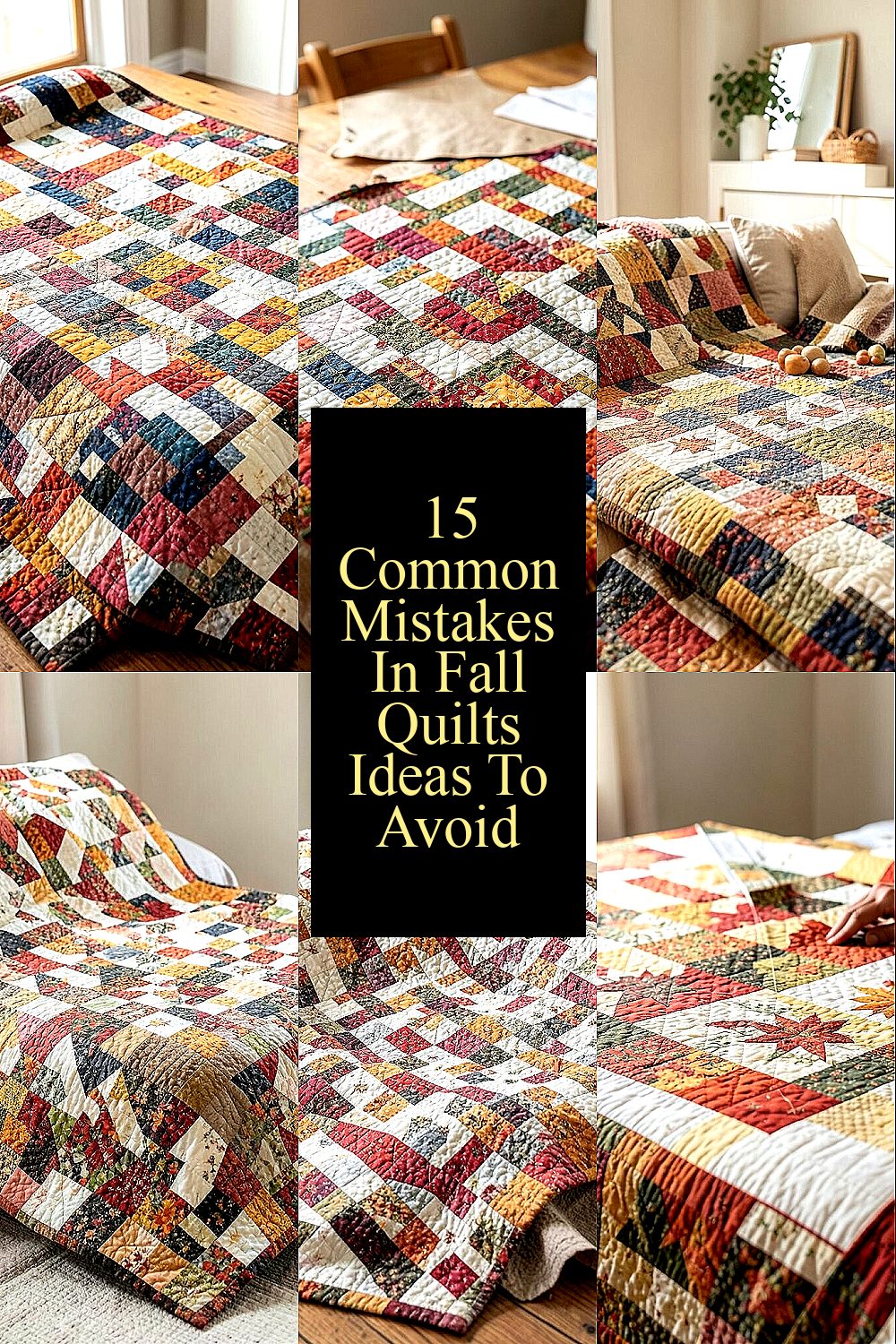
Fall quilts can feel like a warm hug stitched in fabric. The tricky part is knowing which mistakes quietly steal the cozy magic.
-
1. Choosing a Color Palette That Feels Like It’s Fighting Itself
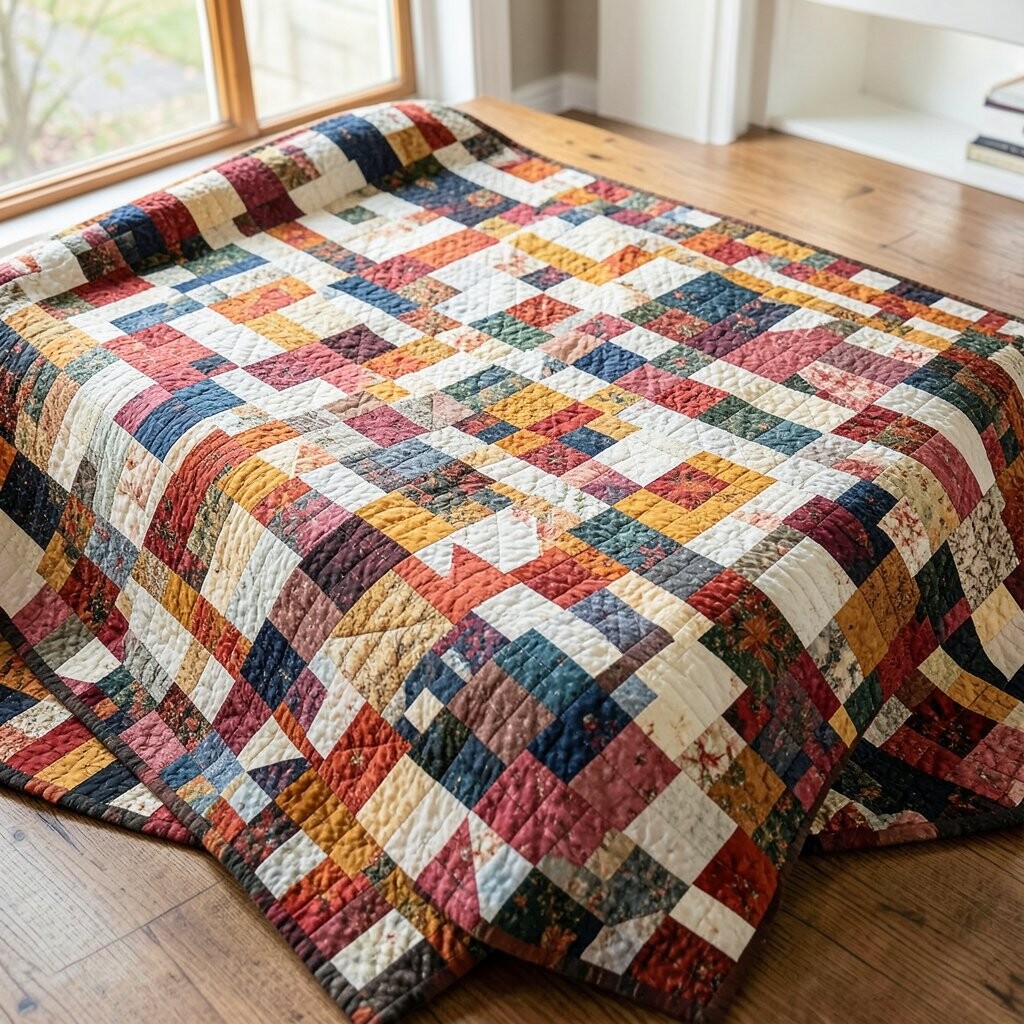
Choosing a Color Palette That Feels Like It’s Fighting Itself When fall fabrics are mixed without a plan, the quilt can look busy instead of calm. You might picture a pumpkin-orange border beside icy teal triangles, and suddenly nothing “sits” together.
To avoid this, pick one main color (like warm rust or golden wheat) and then add two supporting colors that match its mood. You’ll get a smoother visual flow that helps the eye rest, which is a big benefit when you’re cuddling on the couch. A practical tip is to lay fabric swatches on a table and take a quick phone photo in daylight, because screens show you mismatches faster than your eyes do.
-
2. Skipping a Fabric Quality Check Before You Cut
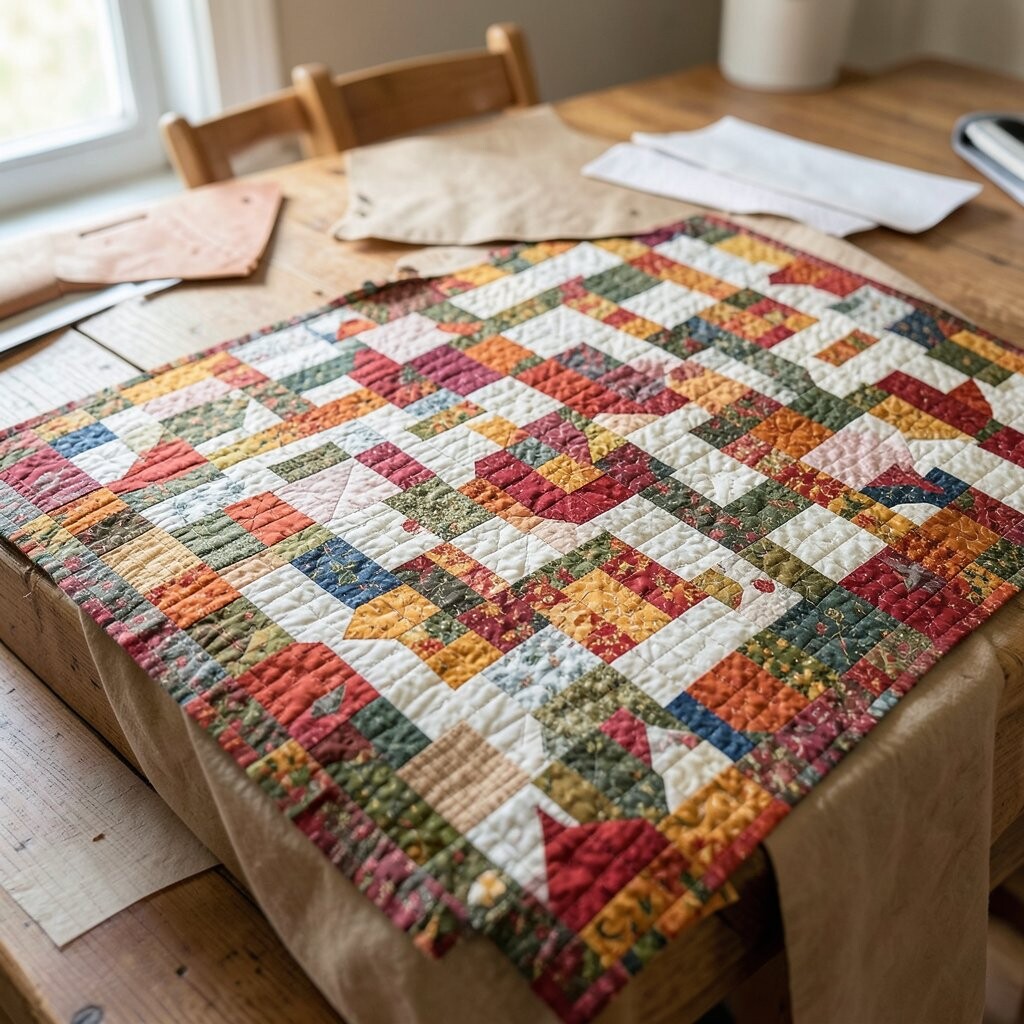
Skipping a Fabric Quality Check Before You Cut If your fabric feels scratchy, thin, or badly printed, the finished quilt can look flat even with perfect stitching. You may notice it while pressing when some pieces ripple or stretch out of shape.
Check the grain, test the stretch gently, and compare prints for clarity so your design stays crisp. This keeps your quilt durable for years, and it saves frustration at the sewing machine. If you’re shopping for a new fall quilt project today, look for trusted quilting cotton lines and read fabric descriptions, because online stores often list fiber type and width.
You can personalize the look without losing quality by using one “special” fabric for focal blocks, like a painterly leaf print, and using simpler coordinates around it. Cost-wise, try balancing a splurge print with budget-friendly solids or tonal blenders so the quilt still feels rich.
-
3. Underestimating How Much Time Piecing Really Takes

Underestimating How Much Time Piecing Really Takes One day you’re enjoying leaf-shaped blocks, and the next you’re tired of aligning seams that won’t behave. The mistake is thinking fall quilts assemble quickly without a realistic schedule.
Plan your pace by breaking the quilt into stages: cutting, piecing, pressing, then quilting. Your benefit is steadier accuracy because you can step away and return with fresh eyes. If you want to follow current trends, many quilters now post “block-of-the-week” progress, which makes the work feel fun and shared instead of heavy.
For personalization, set goals like “finish one cozy pumpkin block per week” and mark each one on your calendar with a sticky note. To manage cost, avoid last-minute fabric runs by calculating yardage early and buying a little extra for backup seams.
-
4. Ignoring Scale: When Small Prints Get Lost or Large Prints Dominate
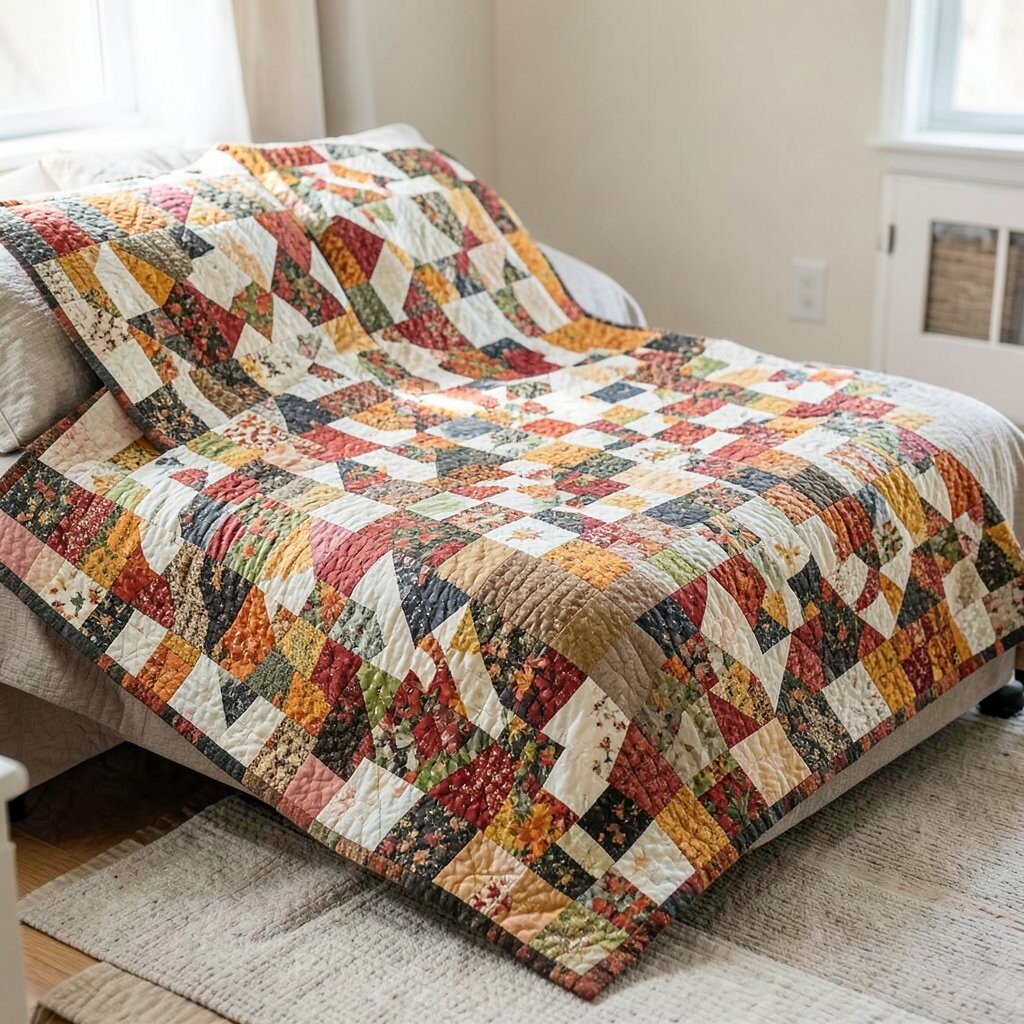
Ignoring Scale: When Small Prints Get Lost or Large Prints Dominate A quilt can look like a fall festival or like a blurry watercolor, depending on print scale. If you use only tiny dots in one set of blocks and only huge acorns in another set, the balance may feel off.
Match scales so focal areas stay clear and background pieces stay supportive. This helps your design read well from a distance, which is a real benefit when you’re arranging quilts on a bed or couch. Try mixing one medium-scale print with a couple of small coordinates and then keep the largest prints for borders or accent blocks.
-
5. Picking a Pattern Layout Without Considering How You’ll Actually Use the Quilt

Picking a Pattern Layout Without Considering How You’ll Actually Use the Quilt Maybe you picture a perfect wall hanging, but then you end up wanting something for everyday naps. A common mistake is choosing a layout that looks great in photos but feels awkward in real life.
Think about your purpose: snuggling, layering, gift-giving, or decorating a chair. When the size and layout fit the job, your quilt becomes more than “pretty fabric”—it becomes useful, and that’s a big benefit. If you’re chasing today’s vibe, many fall quilts feature cozy movement, like diagonal settings or big central motifs that feel dramatic yet still homey.
Personalize by adding a comforting touch, like a soft flannel backing for movie nights. For cost, remember that bigger quilts need more batting and backing, so decide your use first, then buy materials that match your plan.
-
6. Pressing With No Plan (And Then Wondering Why Seams Don’t Sit Flat)

Pressing With No Plan (And Then Wondering Why Seams Don’t Sit Flat) Pressing is where many fall quilts get their “professional” look, yet it’s easy to rush. If you iron without thinking, you might flatten seams the wrong way, and the quilt top may wobble.
Use a consistent pressing method, such as pressing seams open or pressing to one side, and stick to it across the quilt. This gives you cleaner block edges and smoother quilting later, which saves time and boosts your confidence. A simple tip: press seam allowances before you trim, and re-press after trimming so everything stays crisp.
To personalize, match pressing style to your fabrics—slower for delicate prints, faster for stable solids. Cost considerations are real too: careful pressing reduces rework, and rework is the fastest way to burn time and extra thread.
-
7. Trimming Too Soon or Too Aggressively

Trimming Too Soon or Too Aggressively When you cut blocks before seams are fully set, you can end up with uneven edges that show in the final quilt. The mistake often looks small at first, like a half-inch trimming choice that adds up.
Wait until you confirm your block measurements and check consistent seam allowance before final trimming. This keeps points sharp and corners tidy, which is a benefit you’ll notice every time you look at the finished rows. If you like current trends, many quilters are leaning into “precise point” designs, so accurate trimming makes those shapes pop.
Personalize by choosing how strict you want to be: a rustic fall look can handle slight variation, while a crisp modern leaf pattern needs steadier trimming. For cost, protect your fabric by measuring twice and cutting once, because mistakes can mean wasted yardage.
-
8. Using Borders That Don’t Match the Quilt’s Visual Weight

Using Borders That Don’t Match the Quilt’s Visual Weight Borders can be the frame that makes your fall quilt look finished, or they can overpower the center blocks. If your border print is too loud, the middle leaf motif might disappear.
Balance visual weight by choosing borders that either calm the design or echo one color from the top. This helps your quilt feel “whole” and keeps the eye moving in a friendly way. A practical suggestion is to test the border by laying it on the quilt top before sewing, like holding a photo frame up to the picture.
-
9. Forgetting Batting and Backing Choices for Seasonal Comfort

Forgetting Batting and Backing Choices for Seasonal Comfort Fall quilts aren’t only about looks; they’re about feel. If you use the wrong batting, your quilt may be too thin for cool evenings or too bulky for layering.
Consider loft and fiber content based on your climate and how you’ll use the quilt. A warmer batting helps during crisp nights, and a lighter option gives a cozy layer without overheating. This is also where trends show up, since many quilters now talk about “snuggle factor,” using warm materials and soft backings like flannel for that extra comfort.
Personalize by selecting backing fabric with a pattern you love, like falling leaves or warm stripes, so the quilt feels special from both sides. Cost matters here too: backing can be pricey, so plan your yardage carefully and consider sales, bolts, or coordinated remnant pieces.
-
10. Choosing Threads That Don’t Match the Fabric or the Look You Want
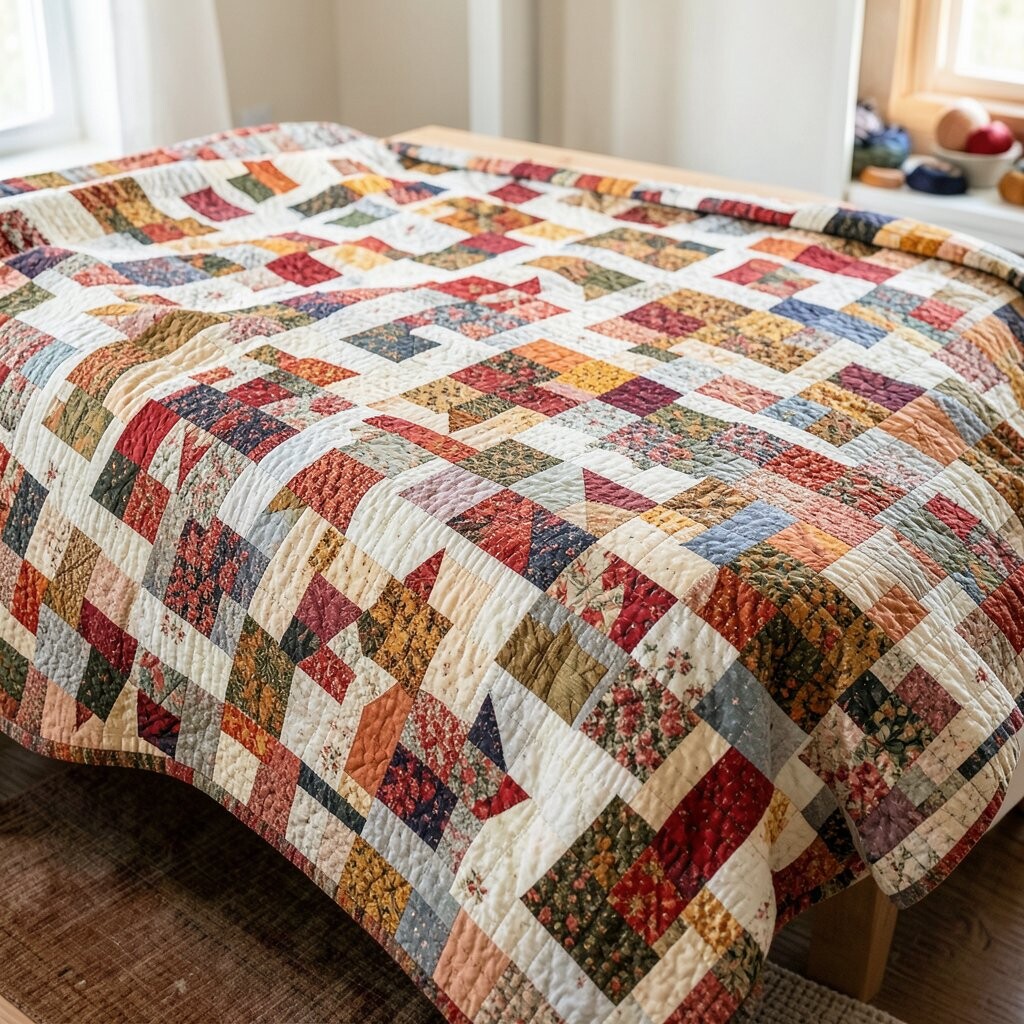
Choosing Threads That Don’t Match the Fabric or the Look You Want Thread color can quietly make a quilt look messy or perfectly blended. If your thread stands out too much, the quilting lines may distract from the leaf shapes you worked hard to design.
Pick thread that either matches the fabric tones or intentionally contrasts for a bold modern style. This gives you cleaner quilting highlights and helps your stitching lines show as planned. A tip: do a test sample by stitching on scraps and using the same thread weight you’ll use in the quilt.
To personalize, you can choose a slightly warmer thread shade for autumn hues so everything looks sun-kissed. If you’re watching cost, buy thread in reasonable amounts and avoid tiny emergency purchases by checking spool sizes and quantities for your quilt dimensions.
-
11. Overcomplicating the Design When Simpler Blocks Could Shine
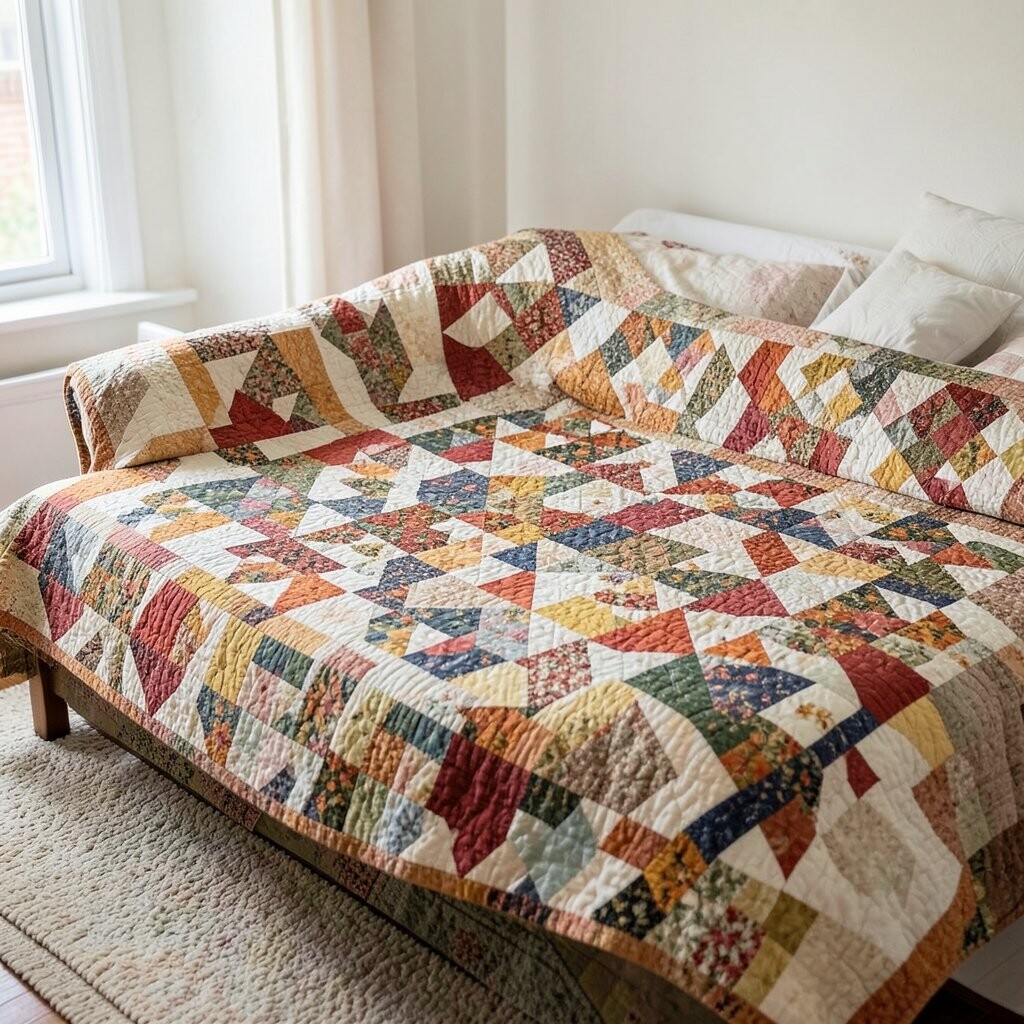
Overcomplicating the Design When Simpler Blocks Could Shine Some fall quilt ideas look like they require a puzzle brain, with tiny pieces everywhere and lots of steps. That can be fun, but it can also steal your energy before you finish.
Choose a design that lets your fabric and theme do the talking, like a repeating strip of pumpkins or a row of simple acorn blocks. You’ll still get uniqueness because the color choices and quilting pattern make it yours. The benefit is that you finish on time and can actually enjoy using the quilt during the season.
Personalize by mixing a few fancier blocks into an otherwise easy layout, so you get wow moments without overwhelm. Cost-wise, fewer pieces often means less fabric waste and less time buying more supplies.
-
12. Not Accounting for Seam Allowance Consistency Across All Pieces
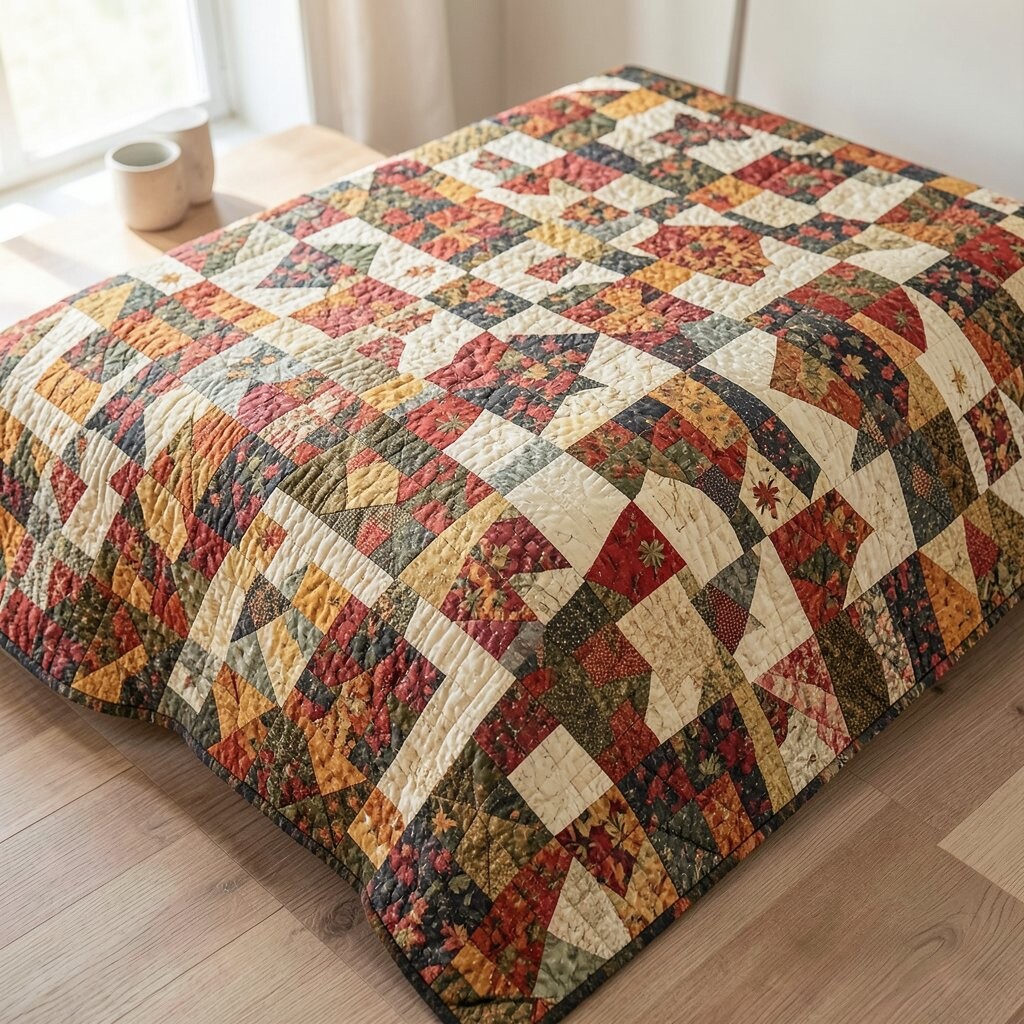
Not Accounting for Seam Allowance Consistency Across All Pieces Seams that vary by tiny amounts can cause block edges to drift, and then your quilt top may not line up. You may see this as slight ripples near corners or stretched rows that won’t join.
Use a reliable seam allowance and check your machine settings, especially if you switch needles or change fabric types. Consistent seams keep rows straight and blocks aligned, which is a big benefit for neat fall borders and tidy lattice designs. A suggestion is to measure a finished block after piecing and compare it to your pattern size, then adjust before you continue too far.
-
13. Skipping a Test Layout Photo Before You Sew Rows Together
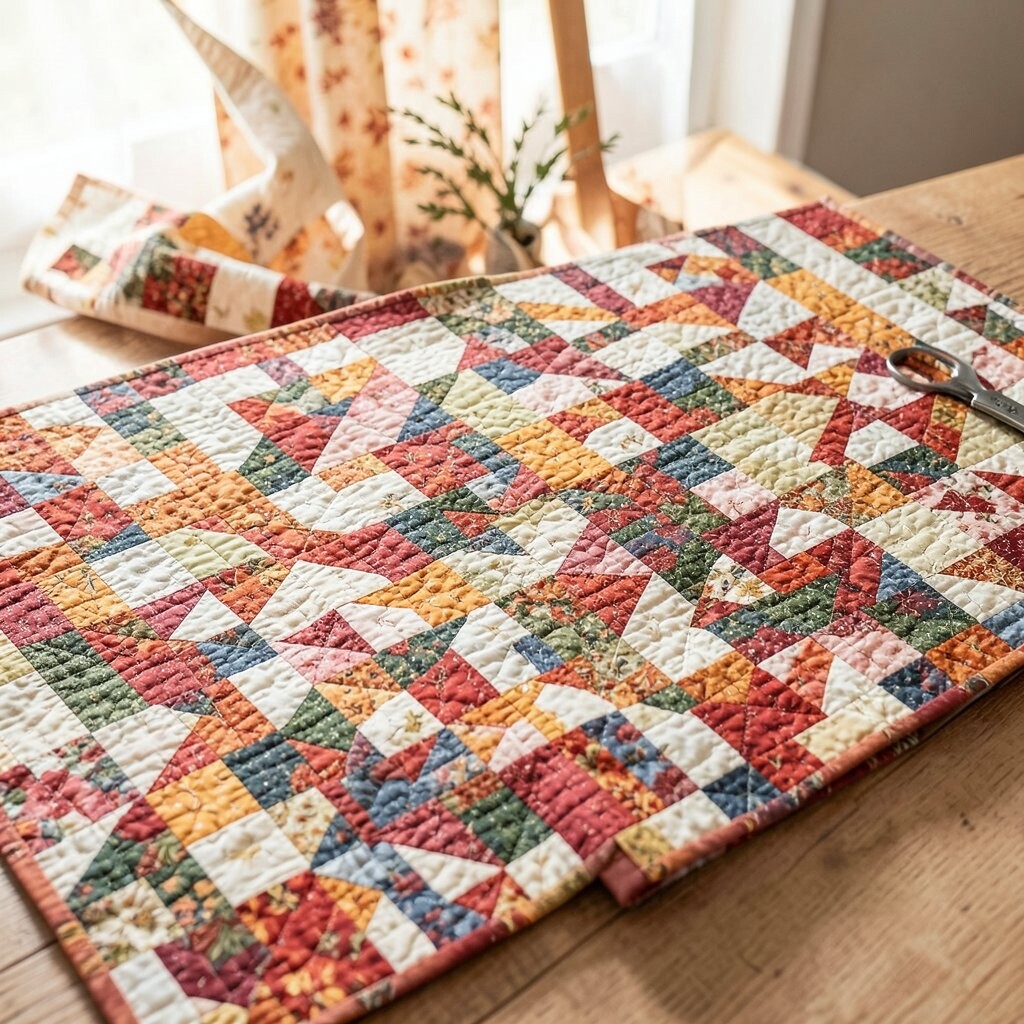
Skipping a Test Layout Photo Before You Sew Rows Together A quilt top can look amazing in scraps but confusing once everything is sewn into rows. The mistake is rushing from “these pieces look cute” to “stitch it all,” without checking how the pattern reads.
Set your blocks in rows on the floor or design board, then step back and look at the whole picture. If the distribution of warm and cool fabrics feels uneven, rearrange now while it’s still easy. This helps your design stay balanced and gives you a benefit that’s both visual and emotional: you’ll feel proud instead of stuck.
Personalize by creating a “story” across the quilt, like a trail of leaves that seems to move toward the center. For cost, a quick test layout can prevent ripping out seams, and ripping out is the sneaky way budgets grow legs and run away.
-
14. Forgetting Quilting Plan Details Like Spacing and Thread Tension

Forgetting Quilting Plan Details Like Spacing and Thread Tension Quilting is where your fall quilt gets its texture, and it’s easy to treat it like an afterthought. If you quilt too far apart or too close, the top can pucker or flatten in strange ways.
Plan your quilting style early, whether you use simple straight lines, gentle curves, or a leaf-like motif. The benefit is better drape and a quilt that feels evenly cozy across the whole surface. If you want to match current trends, look at modern fall quilting that pairs big block layouts with minimal “echo” stitching for a crisp look.
Personalize by marking a few favorite areas, like the center of your pumpkin block, and then quilting those with extra care. Cost considerations also matter because thread use and machine setup time can add up, so do a small sample first to prevent waste.
-
15. Neglecting Final Finishing Steps That Make Fabric Look “Done”
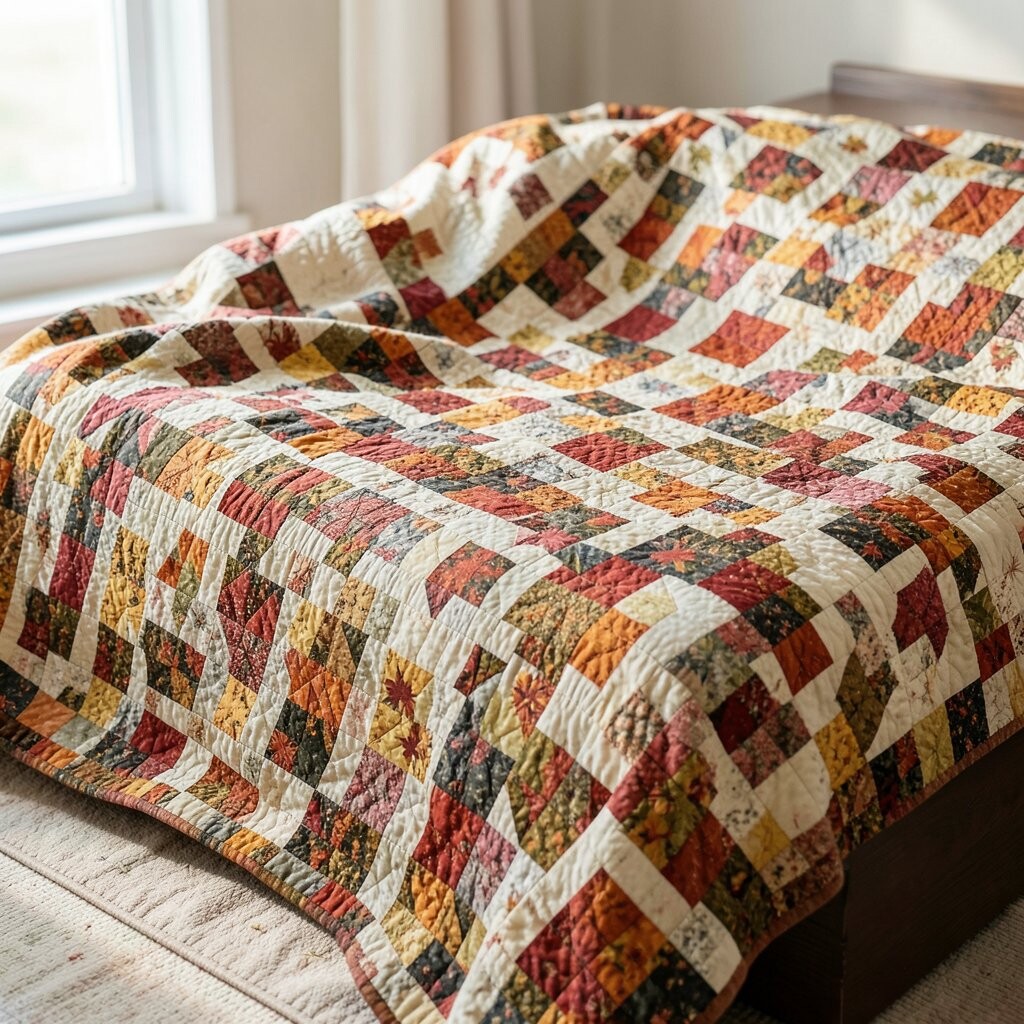
Neglecting Final Finishing Steps That Make Fabric Look “Done” The last stage is not boring—it’s the part that turns a quilt into a keepsake. A common mistake is rushing binding, trimming edges late, or skipping a final press, which can make the quilt look less polished.
Take time to square up gently, attach binding carefully, and press the finished quilt so seams lay flat. This gives a neat frame around every fall motif and makes the quilt look ready for gifting or displaying. A friendly tip is to hand-stitch the final part of the binding if you want extra durability and a clean finish.
Personalize by adding a small label with the date and a note like “Made for cozy autumn nights,” or by using a binding fabric that matches your favorite leaf color. For cost, finishing well reduces future fixes, and fewer fixes means fewer replacement materials and less stress later.