
Buffet weddings can feel both relaxed and fancy at the same time. The best buffets are planned with care, so guests enjoy every plate without stress.
1. Overlooking the flow of the buffet line
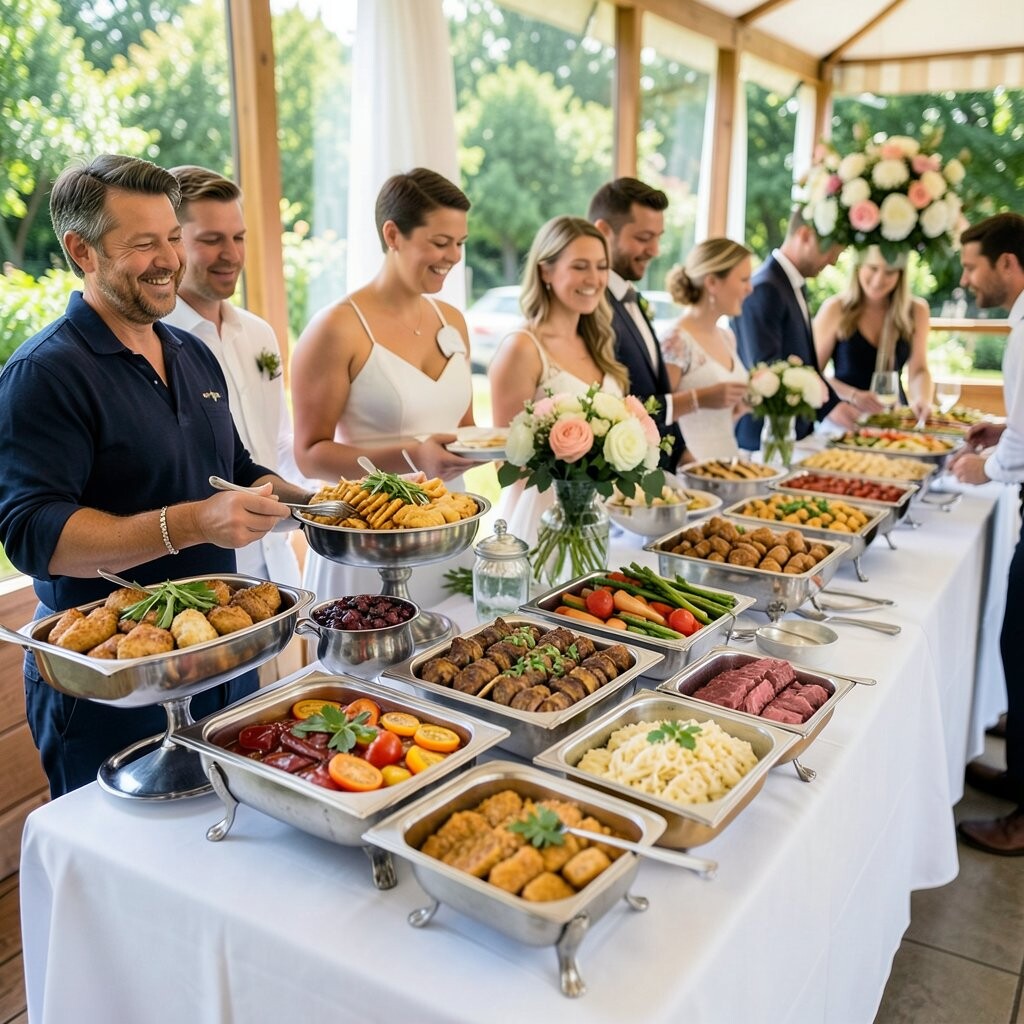
If your buffet line is too cramped, guests will feel rushed before they even eat. Plan the route so people can move comfortably from one station to the next.
Use enough spacing between serving tables and chairs so elbows don’t clash. Put the hot food stations away from where guests stop to chat. If you expect a crowd, include a second line or stagger the serving times to reduce bottlenecks.
2. Choosing food that looks good but doesn’t travel well
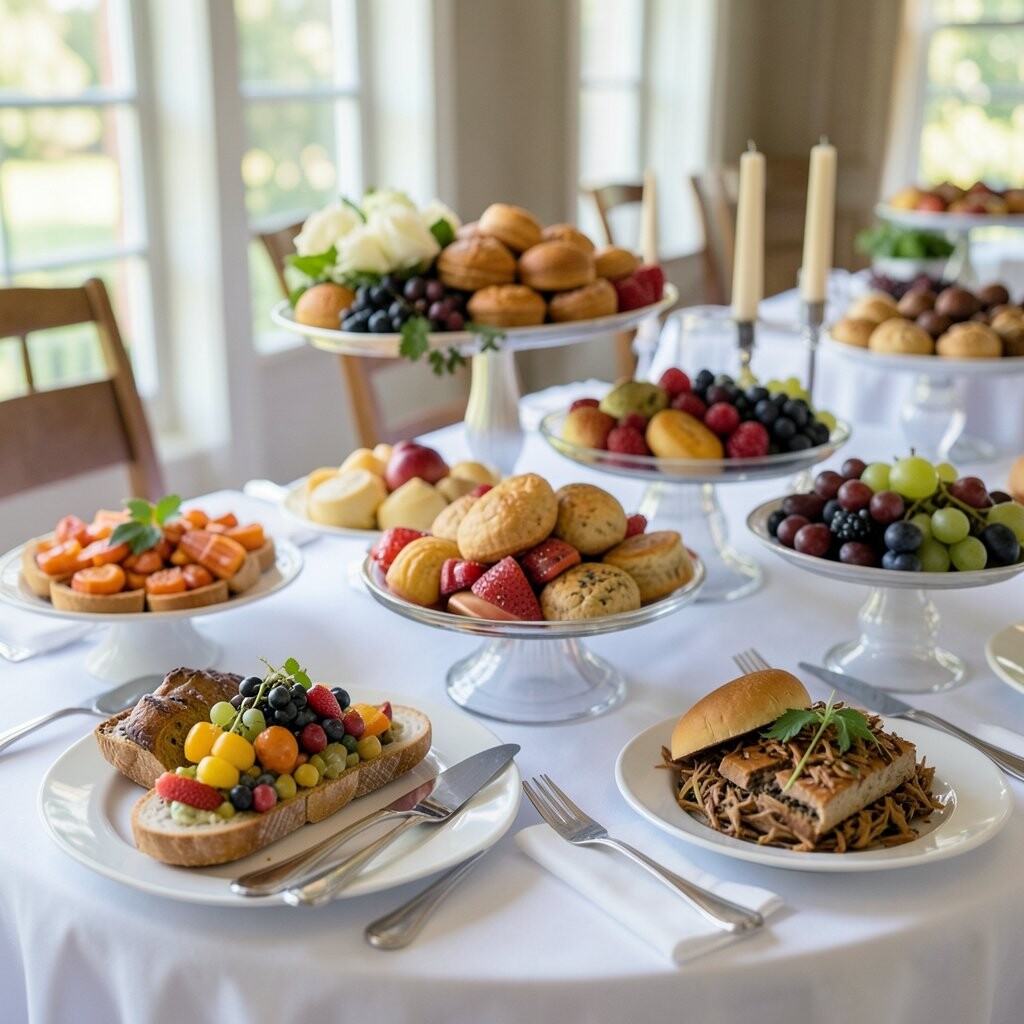
A beautiful dish can disappoint if it goes dry or gets soggy at the buffet. Pick items that hold their texture for the length of your service.
Hearty proteins like carved chicken, sliced brisket, or tender meatballs usually stay appetizing longer. Sauces should be served in ladles or in warming pans so they don’t cool too fast. For sides, think about roasted vegetables, pasta salads with firm ingredients, or warm bread service.
Ask your caterer how the dish behaves on a steam table or chafer. If you’re doing DIY, test portions ahead of time and pack them the way you’ll actually transport them. This small step can save your buffet from looking “sad” halfway through.
3. Ignoring buffet size and portion planning
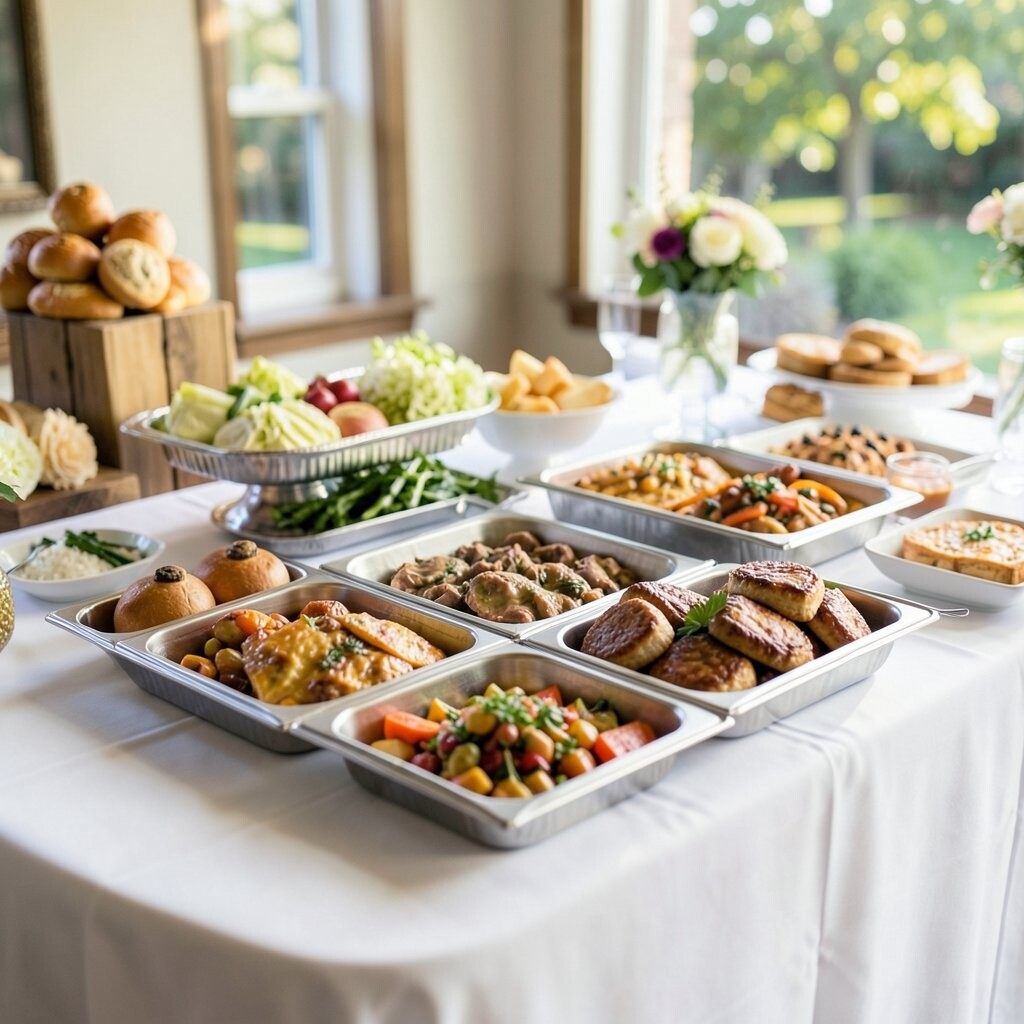
Underestimating amounts can leave guests waiting while staff scrambles for more food. Overestimating can waste money and food you could have served beautifully.
Use a clear guest count and a portion guide that matches your menu style. If you’re offering mostly appetizers and lighter plates, guests will eat less per round. If your buffet is the main meal, build in enough protein and filling sides so people feel satisfied.
Consider how long your buffet runs too. A buffet that lasts only an hour needs different planning than one that stretches two and a half hours. Keep a “refill schedule” in mind so tables stay full without constant topping-off.
When in doubt, choose fewer menu items with better quality rather than many dishes that won’t get fully used. Guests remember what tasted great, not how many labels you printed on little cards.
4. Forgetting height and visual variety

Even tasty food can look flat on a low, plain table. Your buffet should create a feast-like look from across the room.
Mix serving heights using risers, tiered trays, or baskets lined for breads. Add pops of color with garnishes like fresh herbs, citrus slices, or roasted pepper strips. Choose servingware that matches your theme, so the display looks intentional, not improvised.
5. Serving everything at once without a temperature strategy

When hot food sits too long, it turns dull and dries out. When cold food warms up, it can taste off.
Plan which stations are kept hot with chafers or steam tables and which are kept chilled on ice wells. Keep an eye on the timing between “opening” the buffet and when the last guests arrive. For salads and desserts, set up closer to the time you expect most guests to reach those tables.
Train staff to watch temperatures, not just portions. Swap fresh trays when needed so the front of the line and the end of the line look equally good. This also helps with guest flow because people won’t crowd when a station looks empty.
6. Overloading the menu with too many similar items
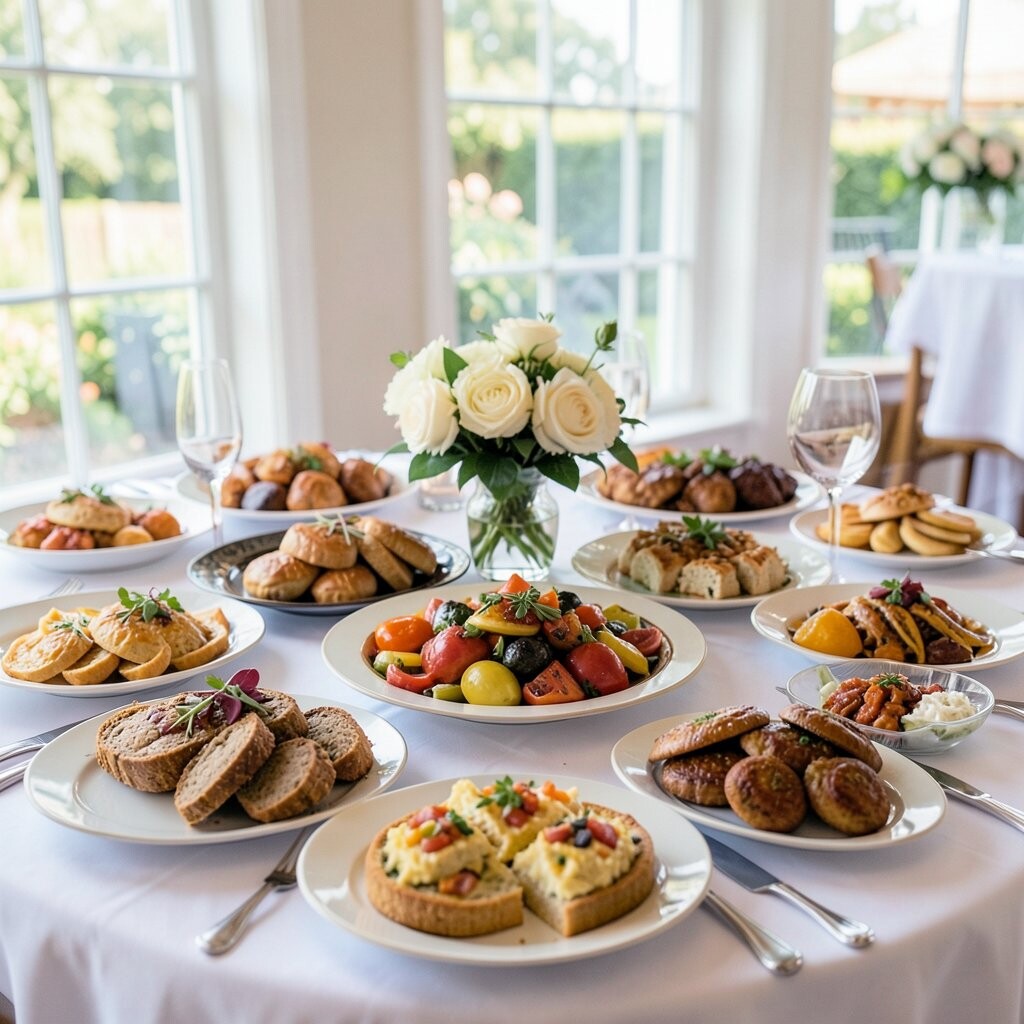
Too many items can confuse guests and make it hard to balance flavors. If everything tastes similar, the buffet loses its “wow” feeling.
Pick a mix of proteins, sides, and sauces with clear differences. Pair a rich main with a bright side like a citrus salad or pickled vegetables. Add one comforting starch, like mashed potatoes or mac and cheese, and then balance it with something lighter.
For uniqueness, include a regional or family-style recipe that has a distinct character. Guests love when they can name what they ate and feel like it matched your story.
7. Skipping clear labels and allergen info
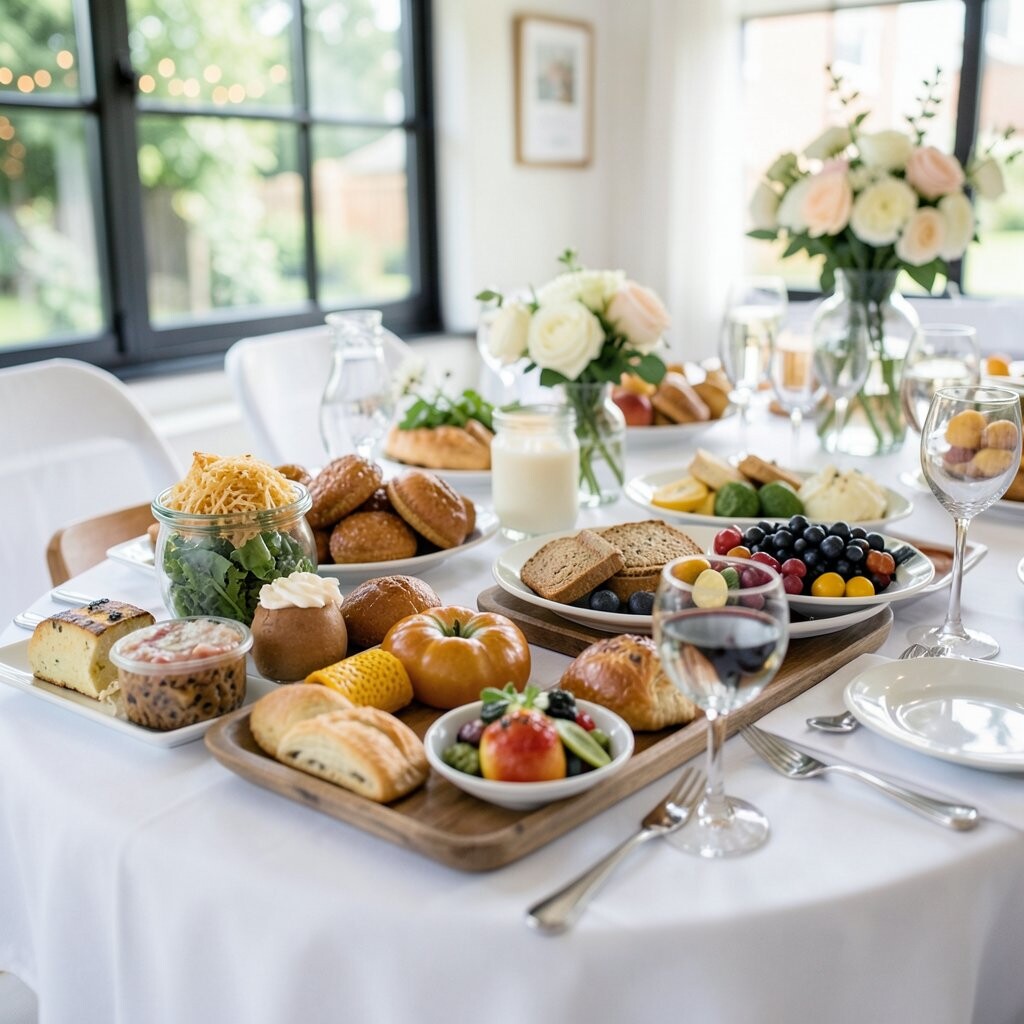
Guests with allergies or dietary needs deserve easy, respectful guidance. Without labels, people may skip food even when it’s safe.
Use simple signage that includes ingredients for major allergens and key dietary tags like vegetarian, vegan, gluten-friendly, or dairy-free. If a dish contains nuts or shellfish, label it clearly. Put labels at the start of each station and keep them readable from a few steps away.
If you’re working with multiple vendors, confirm ingredient lists in writing. Train serving staff to answer basic questions about substitutions. This builds trust and helps everyone enjoy the buffet without worry.
8. Underestimating drink and dessert station design
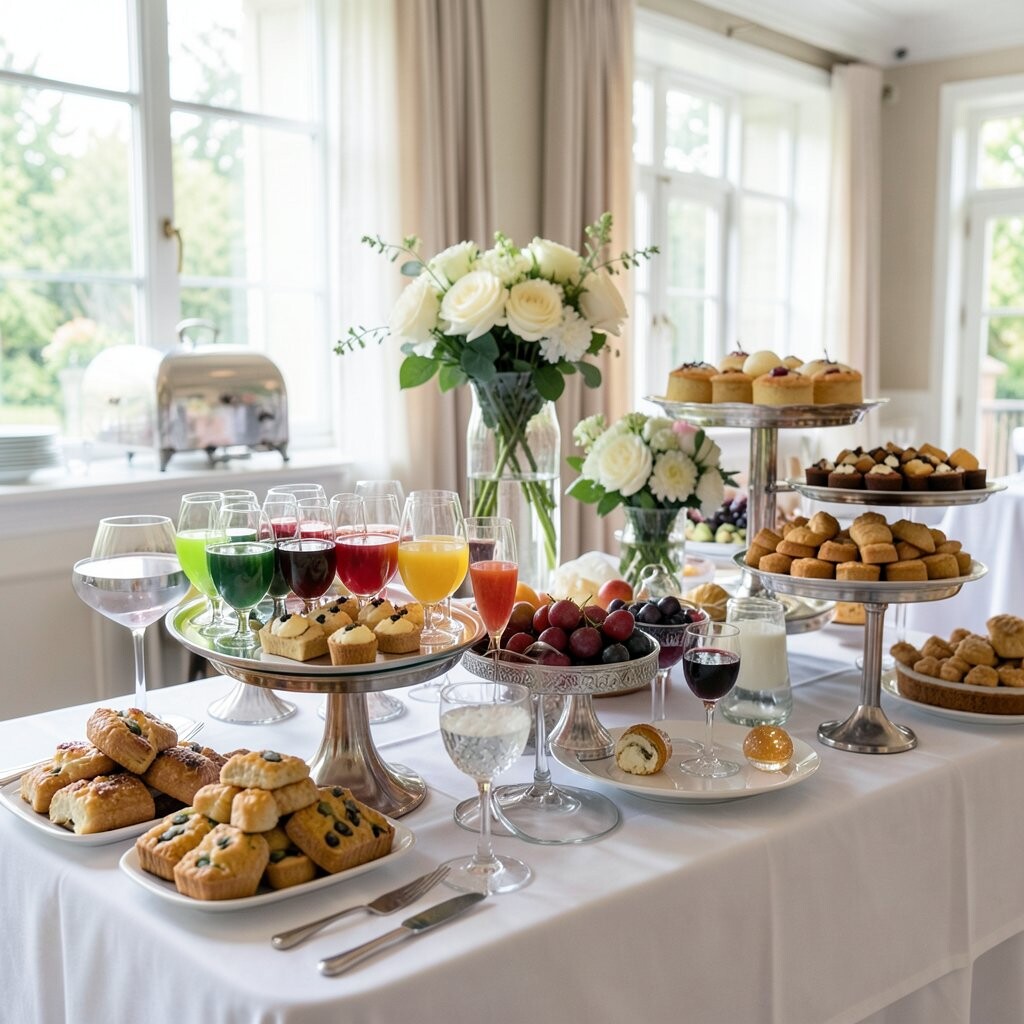
A buffet isn’t just dinner; it’s also the “after” moment. Drinks and desserts need their own layout and style to feel special.
Choose a drink station that doesn’t block traffic, such as near a lounge area or along a side wall. Offer at least one signature option like a seasonal iced tea, lemonade spritzer, or mocktail in a branded dispenser. Keep cups and napkins stocked where guests naturally stop.
For dessert, use a dedicated table with enough space to wait. Tiered dessert stands, small plates, and spoons help guests serve themselves neatly. Include a mix of crowd favorites and one unique centerpiece, like a mini cake display or a specialty pie bar.
Plan for sweetness variety too, like fruity options alongside chocolate. This keeps the dessert table from feeling one-note after dinner.
9. Using cheap containers that ruin the presentation
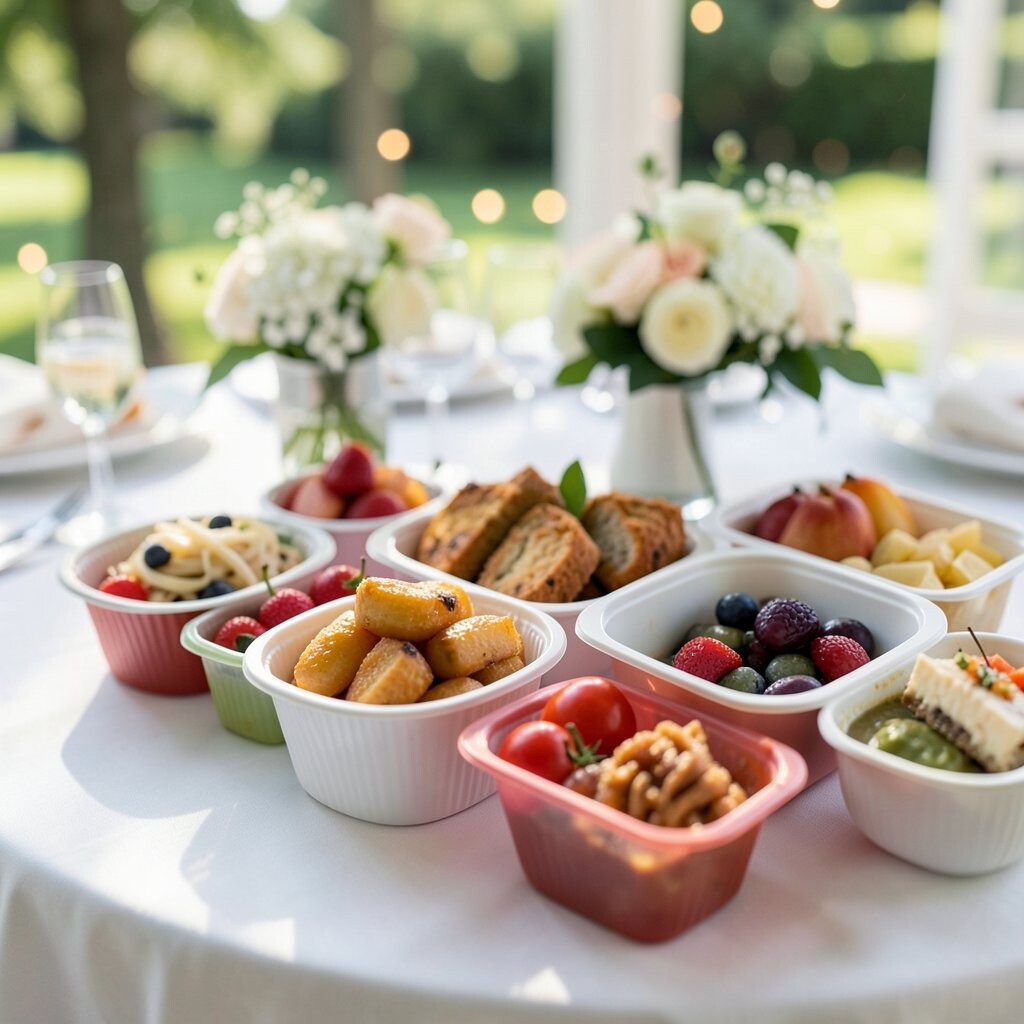
It’s hard for guests to feel excited if the buffet looks temporary. The container can make even simple food feel thoughtfully served.
Invest in sturdy serving dishes like chafers, ceramic platters, or quality metal pans. If renting, confirm the rental includes lids, labels holders, and warming equipment. When you add linens, choose colors that match your wedding palette and look clean in photos.
10. Not planning for vegetarian, vegan, and gluten-friendly options
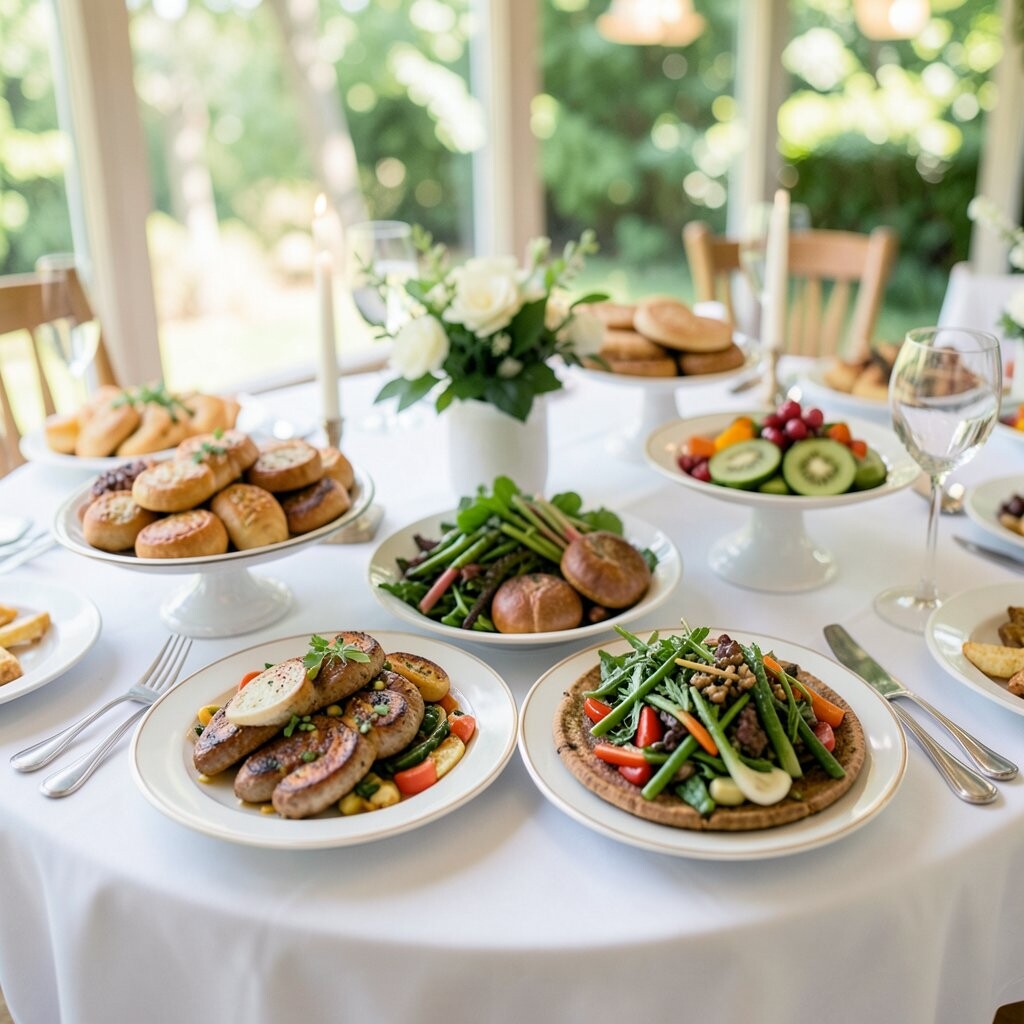
A buffet should feel welcoming to every guest at the table. If alternatives are missing, some people will feel like second-class diners.
Include at least one vegetarian main and one vegan-friendly option. Add sides that naturally work for multiple diets, such as roasted vegetables, rice bowls, or a hearty bean dish. For gluten-friendly needs, offer a dish that’s truly prepared separately rather than guessing.
To personalize, use a signature sauce or spice blend that appears across multiple dishes. This way, everyone can enjoy the same “theme flavor” even with different ingredients. It also makes menu design simpler and more cohesive.
11. Putting the buffet too far from the seating area
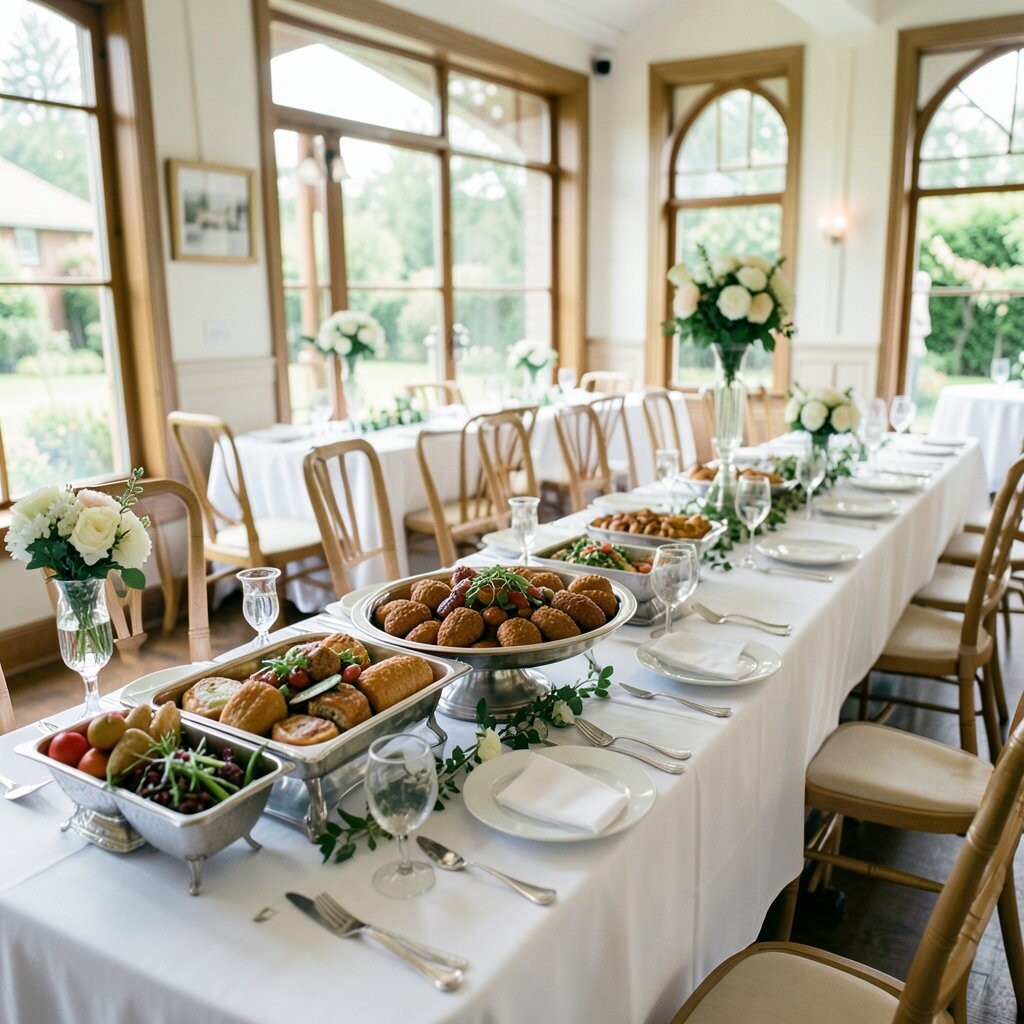
Long distances can turn a fun self-serve moment into an exhausting hike. Guests may hold their plates awkwardly or delay going back for seconds.
Place the buffet close enough that it feels convenient, but not so close that it blocks conversations. If you have a large venue, consider using clear signage and a well-lit path. Add a nearby area for people to set plates down and refill drinks without weaving through crowds.
For outdoor weddings, watch ground conditions too. A buffet on uneven grass can make serving lines slow, especially for older guests. Use temporary flooring if needed so the entire experience feels smooth.
12. Serving bread and condiments like an afterthought
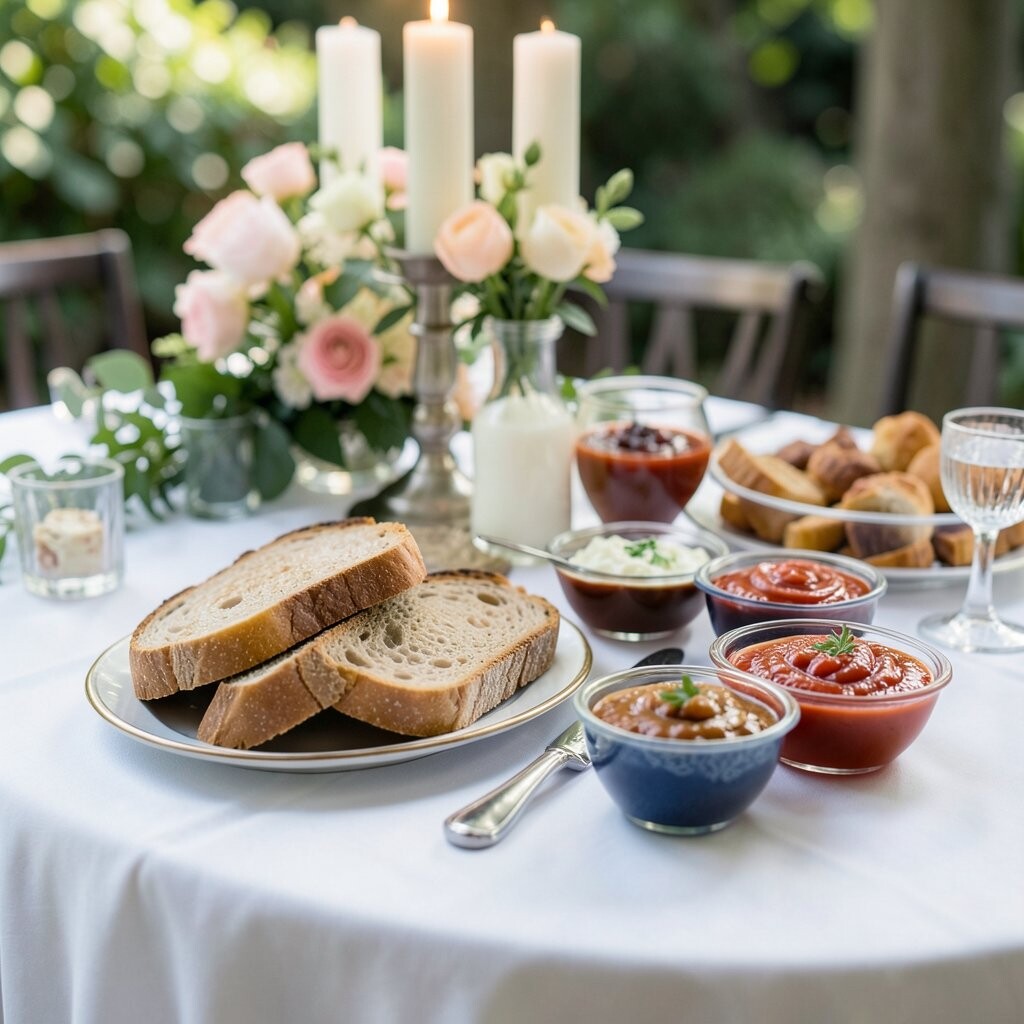
Bread, butter, and condiments can be a small detail that changes the whole meal. When these items are messy or missing, guests feel like something is incomplete.
Offer warm rolls, baguettes, or seeded bread baskets with clearly placed butter and spreads. Add at least two condiment options, such as herb butter and a tangy sauce. Keep napkins and small plates near condiments so guests can build a proper bite.
Make it unique by adding a “local touch,” like a honey drizzle from a nearby farm or a house-made jam. Guests love when simple items have personality.
13. Not matching buffet style to your wedding vibe
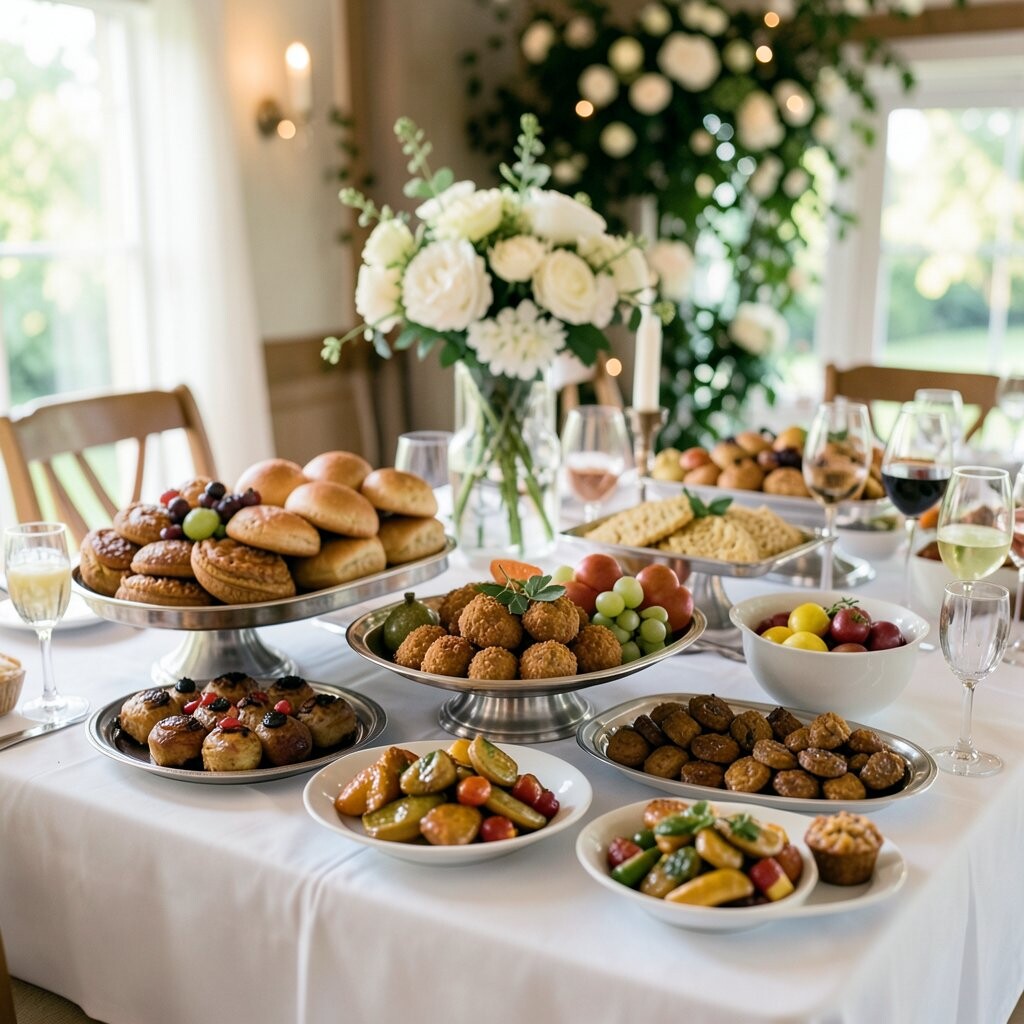
A buffet should match the energy of your day, from casual beach to formal ballroom. If the style doesn’t fit, even delicious food can feel odd.
For a rustic celebration, consider family-style platters, wood-inspired serving pieces, and comfort foods. For a modern wedding, use sleek trays, clean lines, and plated-looking buffet portions. For formal events, choose elegant seafood displays or carved stations that feel like event catering, not picnic food.
If your wedding has a themed color palette, echo it through garnishes, signage, and linens. Visual consistency helps everything feel curated, not random.
Think about photo moments, too. Guests will take pictures, so place the most “themed” station where the camera can capture it easily.
14. Overcomplicating the buffet with too many DIY stations

DIY can be fun, but too many moving parts can create stress on wedding day. The buffet should be a calm experience, not a last-minute project.
If you’re making items yourself, limit the number of cold stations and choose simple assembly. Prepare things ahead and label storage containers clearly. Assign a helper to handle refills and replacements so you’re not tracking everything during setup.
15. Forgetting tableware, utensils, and guest comfort
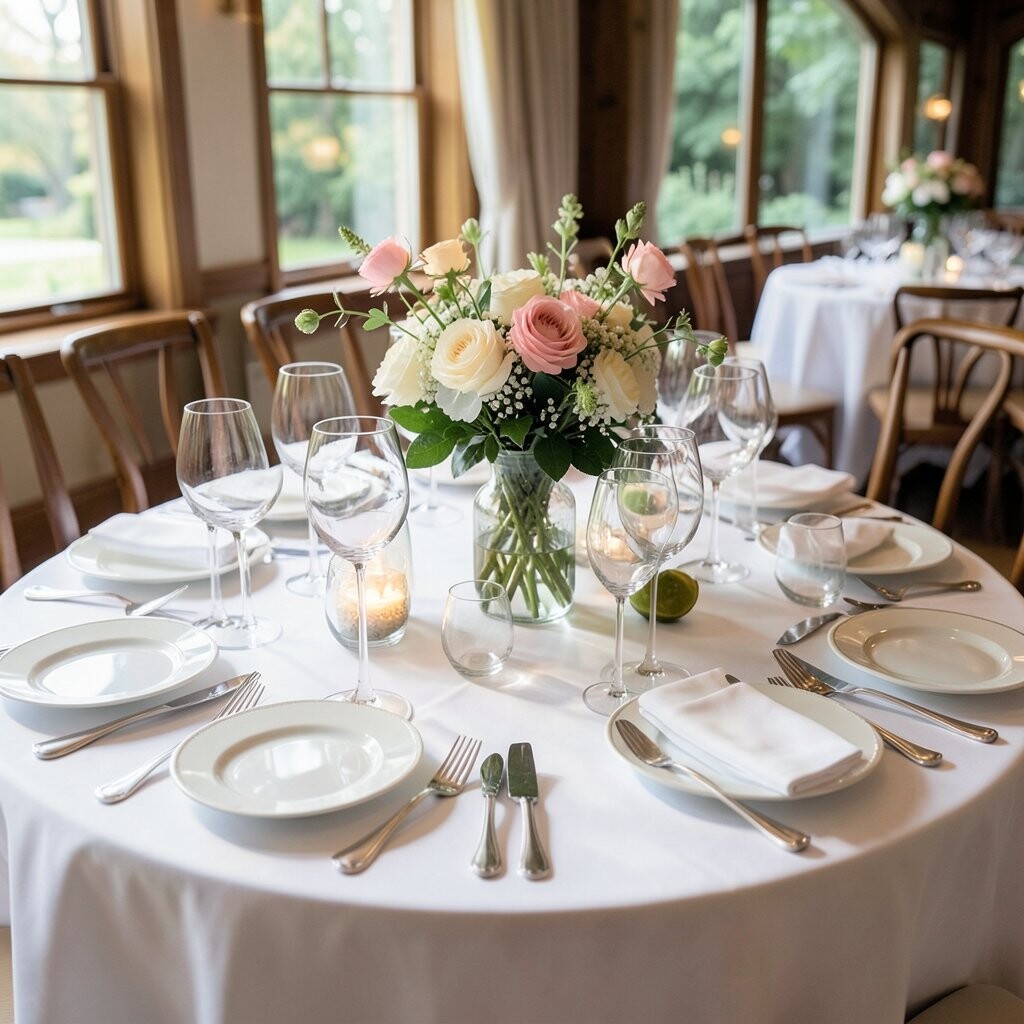
Guests need more than food; they need the right tools to serve it easily. If utensils are missing or awkward, it slows down the line fast.
Place forks, spoons, and tongs where guests can grab them without reaching over hot trays. Provide enough small plates and napkins so people can eat comfortably. Offer water and wipes or extra napkins near especially messy stations like saucy mains and dessert.
For comfort, consider seating placement too. If you have a lot of guests, add side seating so some people can eat while others line up. This reduces crowding and makes the buffet feel more welcoming.
16. Using buffet signage that’s unclear or hard to read
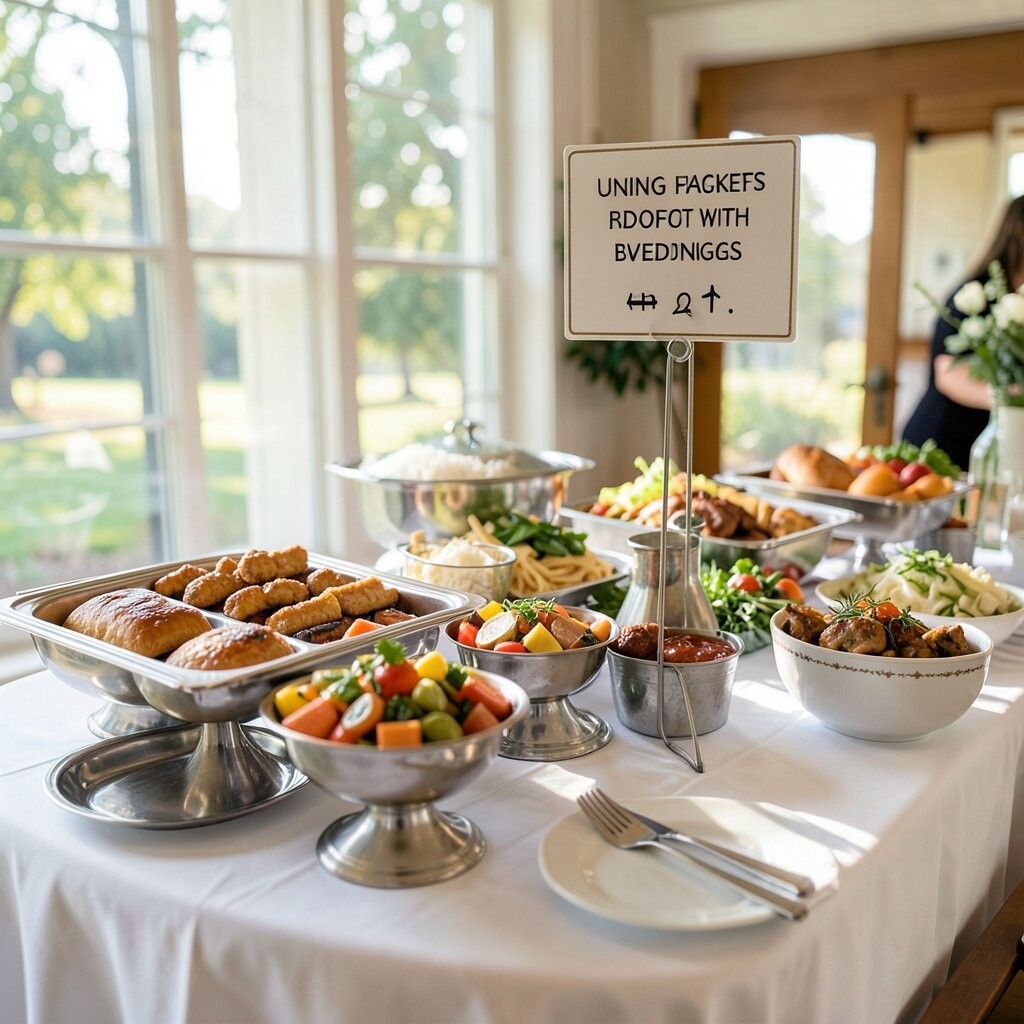
When guests can’t understand what a dish is, they may hesitate or skip it. Signage should be readable, honest, and simple.
Use large, high-contrast text and keep sign placement consistent across stations. Include dish names and key notes, like “contains nuts” or “gluten-free option available.” If you want a personal touch, add a short phrase about where the recipe comes from, but don’t clutter the sign.
17. Not planning for timing with speeches, photos, and music

Your buffet timing affects everything from guest happiness to how smoothly your schedule runs. If guests are hungry before speeches, attention can drop.
Coordinate buffet opening with your program so people have time to eat before key moments. Many couples do a “soft start,” where the buffet opens right after cocktails or during a lull. Build a buffer for any delays so food stays fresh and staff stays calm.
Also consider when guests are likely to stop by the buffet again. If dessert arrives too soon, dinner lines can get crowded. If dessert arrives late, some people may already feel too full. A gentle plan keeps the experience fun throughout the event.
18. Choosing menus without considering season and local ingredients

Seasonal food tastes better and often costs less, which is a win for your budget. A summer wedding buffet can feel heavy with winter flavors.
Use fruits and vegetables that match the time of year, like berries and peaches in warm months, or squash and apples during cooler seasons. Add seasonal herbs to boost freshness without extra cost. Local ingredients also help your menu feel connected to the place you’re celebrating.
For unique flavor, add one seasonal “signature dish” that fits the weather. In fall, think spiced mac and cheese or hearty roasted root vegetables. In spring, try lemony salads and lighter grilled proteins that won’t feel too rich.
19. Treating late-night food as random leftovers

Late-night bites can be a highlight if they feel intentional. Random leftovers can seem like an afterthought, even if they’re tasty.
Plan late-night options that fit your main menu while offering a change in texture or flavor. Mini sliders, tacos, savory pastries, or warm dumplings are popular because guests can grab them quickly. Keep portions manageable so it feels like a treat, not a second full meal.
Make it unique with a playful signature, like a “wedding afterparty” hot sauce bar or a donut topping station. Just keep it simple enough that it doesn’t create another long line.
20. Forgetting rentals, power needs, and setup details
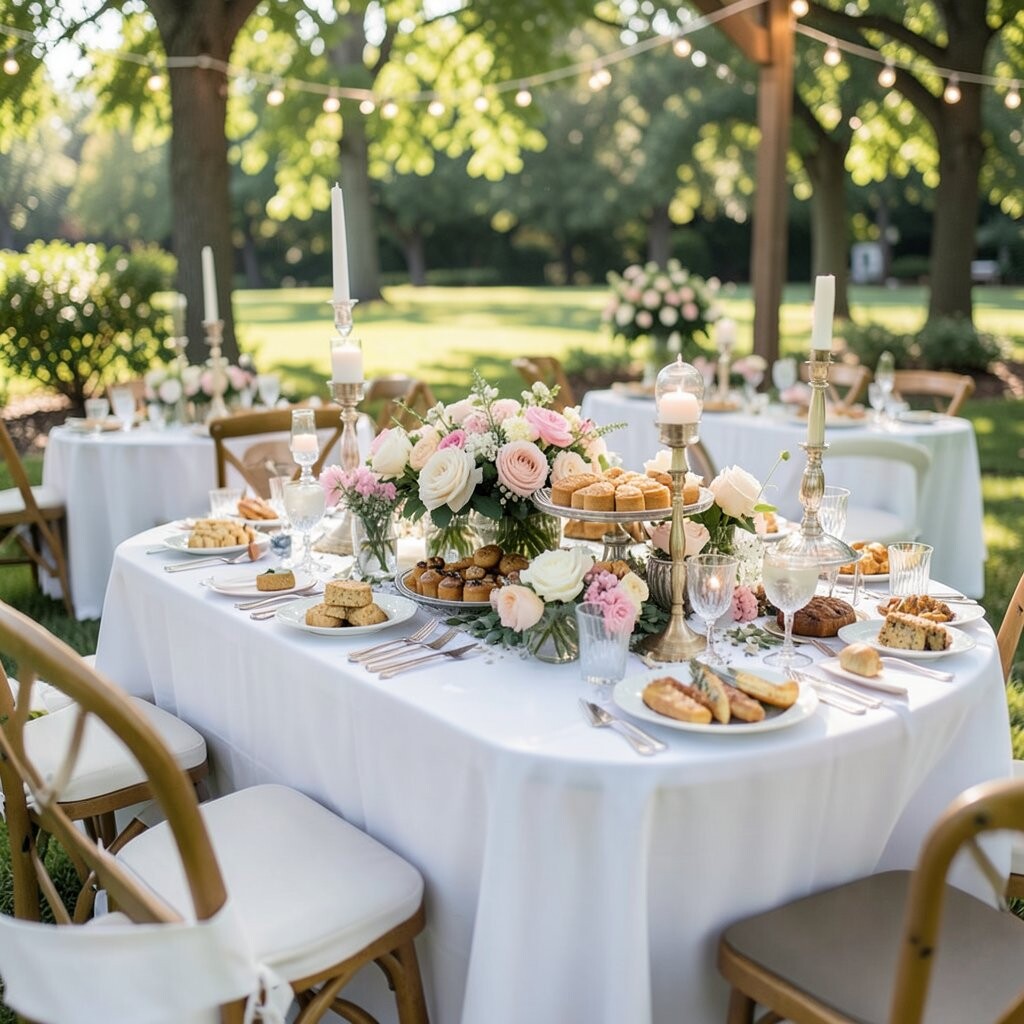
A buffet needs equipment, and equipment needs power, space, and time. If you miss these details, setup can become chaotic.
Confirm what your caterer or rental company provides, including chafers, warming units, tables, linens, and utensils. Check whether your venue has enough outlets for warming equipment, lights, and coffee stations. Plan arrival times so staff has time to set up and test everything before guests walk in.
21. Not personalizing the buffet with your story

Your buffet can be more than a menu; it can be a memory you share. If everything feels generic, guests might enjoy it, but they won’t feel connected.
Add a family recipe, a cultural dish that reflects your backgrounds, or a favorite childhood treat reimagined for wedding service. You can also personalize through naming stations, like “Chef’s Family Marinara” or “Grandma’s Rice Bowl.” Even small touches, like a couple’s signature sauce, can make the buffet feel like it belongs to you.
For cost considerations, pick one or two personalization upgrades that give the biggest impact, such as a signature dessert or a themed drink. Then keep the rest balanced with straightforward, high-confidence favorites. When your buffet feels personal, guests naturally talk about it long after the plates are cleared.