
Small spaces can still feel like big adventures for your pet. These DIY ideas are made to fit, reuse, and brighten everyday routines.
1. Stackable Sock Planter Bowls For Cozy Feeding
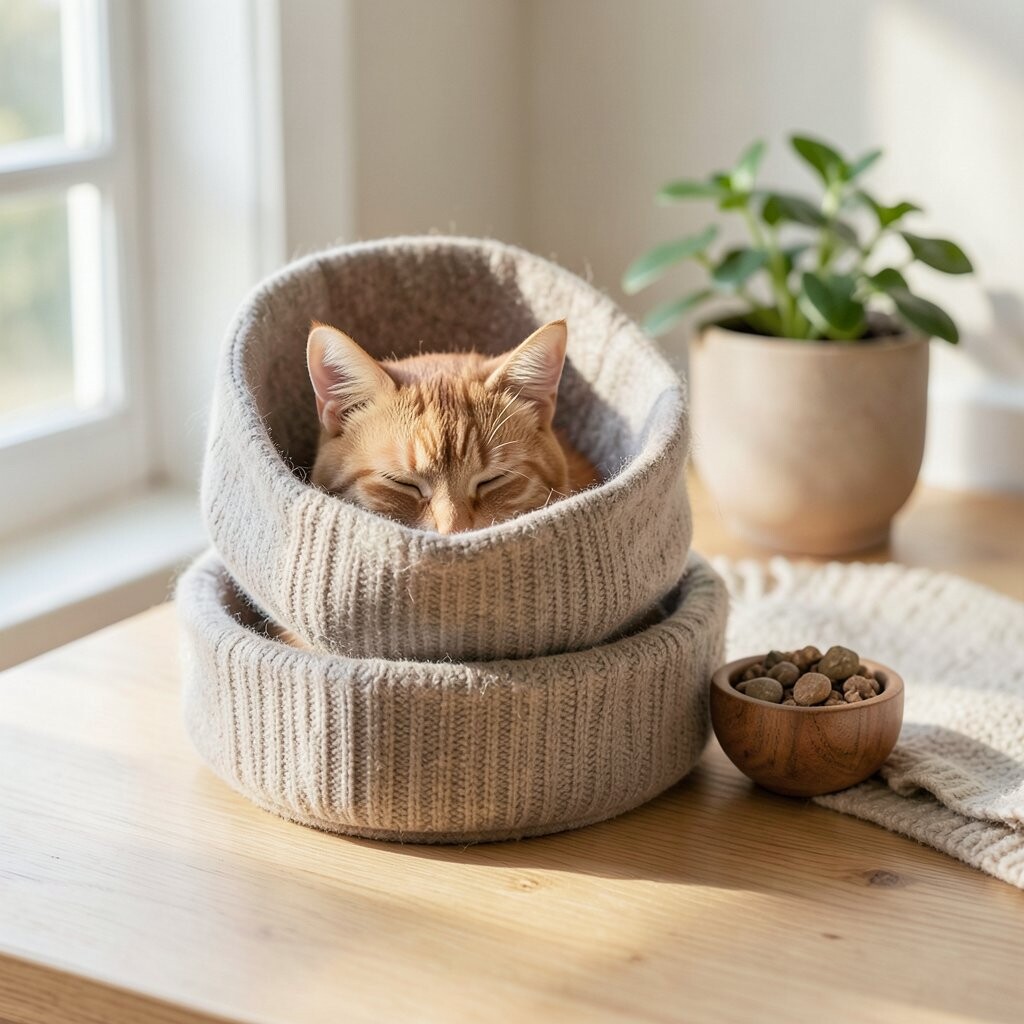
Turn old socks and containers into neat, stackable feeding stations that save floor space. You’ll get a tidy look, plus easy cleanup for busy days. Pick a sturdy base like a small plastic tub, then braid or wrap clean socks around a shallow bowl so it feels soft under paws. Add a lid or spacer ring so the pieces don’t slide when stacked.
For benefits, you’ll keep food zones contained and reduce mess on rugs. This accessory is unique because it mixes softness with structure, so your pet stays comfortable. Use a removable inner bowl that you can wash in minutes, not hours. For personalization, choose sock colors that match your decor or your pet’s personality. If cost matters, use items you already have, and only buy a few spare bowls. A current trend is “soft home accents,” so the sock wrap gives a modern, cozy vibe without extra clutter.
2. Hanging Treat Pouch From a Belt Bag
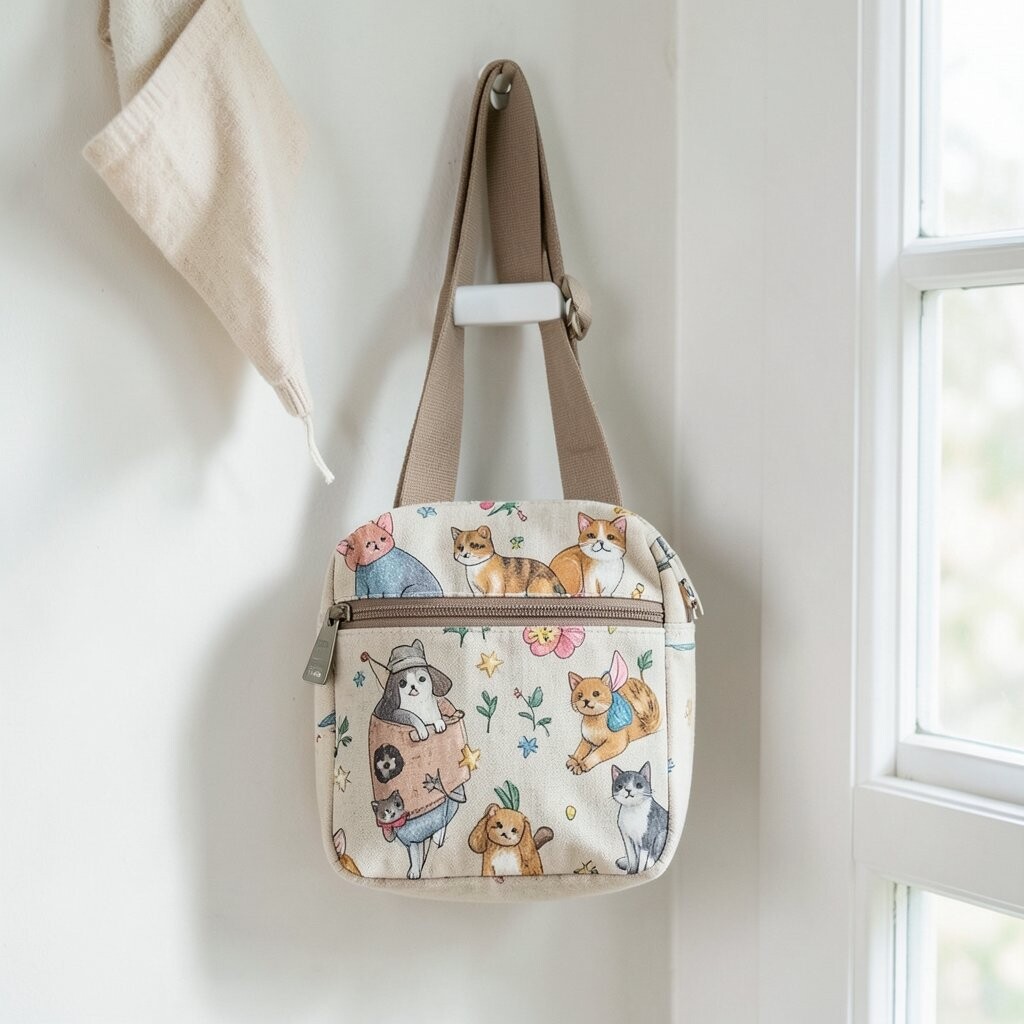
Repurpose a belt bag into a hanging treat pouch that stays off countertops. It’s a simple upgrade that keeps snacks within reach. Clip it to a chair back, cabinet handle, or wall hook so your pet gets treats without clutter. Keep the opening facing down to reduce crumbs.
This idea is great for benefits like fewer dropped treats and faster training sessions. It’s unique because it uses a compact “wearable storage” style in your home. Use small dividers or a folded cloth insert to separate crunchy and chewy treats. Add a quick-release clip so you can pull the pouch down for refills.
For tips, label the pouch with a tiny tag for “training” versus “daily.” Choose lightweight hardware so it doesn’t pull on doors or shelves. If you’re on a budget, look for thrifted belt bags or watch for sales. A current trend is minimal training setups, and this accessory keeps everything tidy in small apartments.
3. DIY Window Sill Bird Perch With a Safety Ledge

Create a gentle perch platform for small birds that fits right on the window sill. Your pet gets a safe view without taking over your room. Use a shallow wooden board, then sand it smooth and seal it with pet-safe finish. Add two side rails made from dowels so the perch doesn’t wobble.
For benefits, your bird enjoys natural light and mental stimulation. This project is unique because you can customize the perch height to match your bird’s comfort. Wrap the center with bird-safe rope or use replaceable perch covers made from textured materials. Ensure spacing is snug so feet grip without pinching.
Practical tips include checking the perch stability every few days and keeping it away from direct drafts. Personalization ideas include painting the rails with bird-themed colors or matching the room palette. Consider cost by using scrap wood and buying only the sealing supplies and rope. A current trend is “biophilic corners,” where plants and natural textures help small spaces feel calmer.
Keep window safety in mind by installing a tiny stop so the perch can’t slide when you clean. If your bird tends to toss debris, place a removable tray under the perch and line it with washable paper.
4. Reversible Leash Holder That Folds Flat
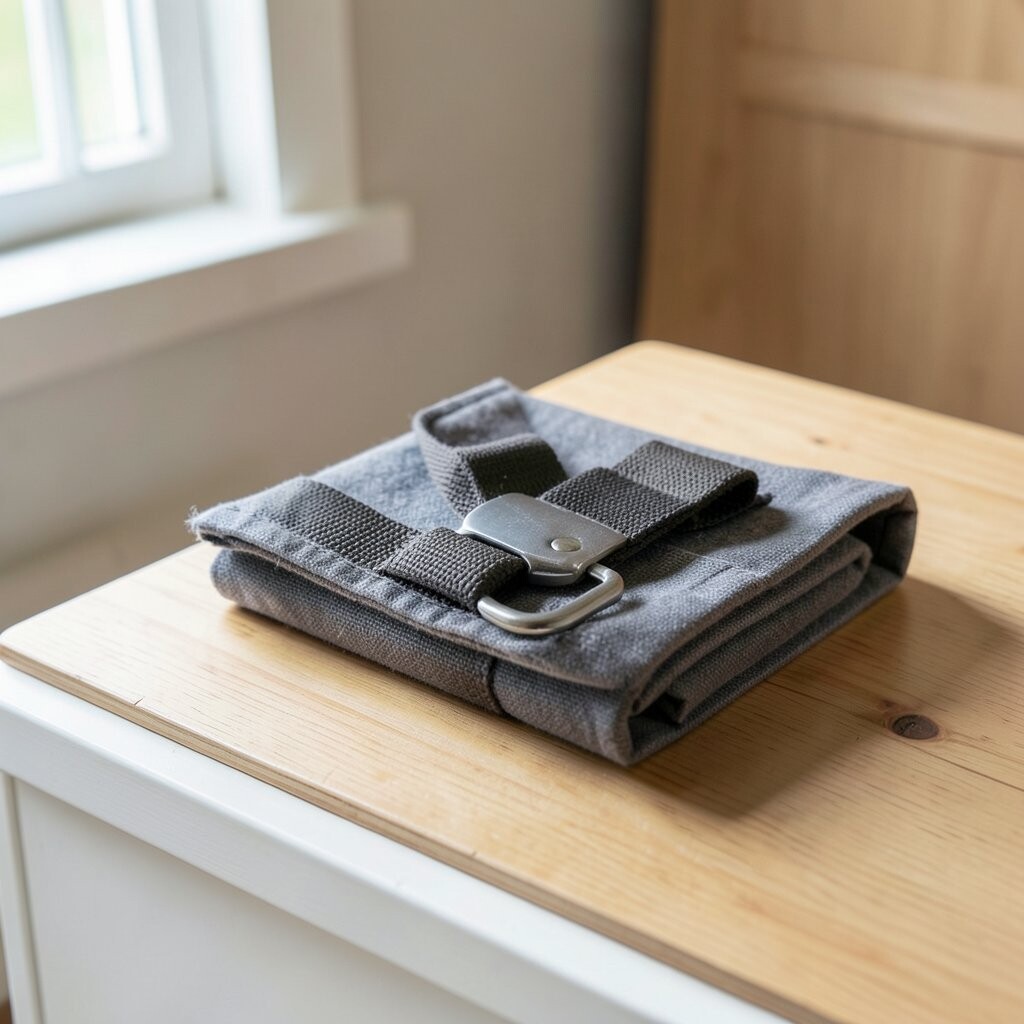
Make a fold-flat leash holder so it’s out of sight until you need it. You’ll keep entryway space cleaner and prevent tangled straps. Use a stiff fabric panel with two hook sides, like Velcro-backed straps or heavy-duty magnets. Mount it near the door, and fold it down after walks.
This accessory is unique because it works in two directions, so leashes don’t twist when you hang them. It also helps you spot gear quickly, which is great for rushed mornings. For practical tips, use strong seams and a washable cover if you have pets that track dirt. Personalize with fabric prints that match your hallway, and choose hooks that fit your leash width. Keep costs low by reusing a cutting board holder, picture frame backing, or old canvas.
5. Felt Pet Collar Garment Bag For Small Storage

Turn felt scraps into a collar garment bag that keeps accessories organized. It’s small, soft, and perfect for closets that already feel packed. Cut a simple rectangle, sew the sides, and add a zipper or drawstring top. Then create a pocket for a leash clip or ID tag tool.
This DIY is beneficial because it protects collars from dust and helps you avoid last-minute searching. It’s unique because it treats pet gear like seasonal outfits, with dedicated storage space. Add a transparent label window so you can read names or sizes quickly. For personalization, stitch your pet’s initials or a tiny paw emblem on the front.
To keep it practical, store it beside your grooming supplies and keep a spare collar in the back pocket. Cost considerations are easy because felt is cheap and you can often find it in craft bundles. A current trend is “capsule organization,” and this accessory supports that by giving each item a calm home.
6. Mini No-Slip Paw Cleaner Mat Using Rubber and Fabric
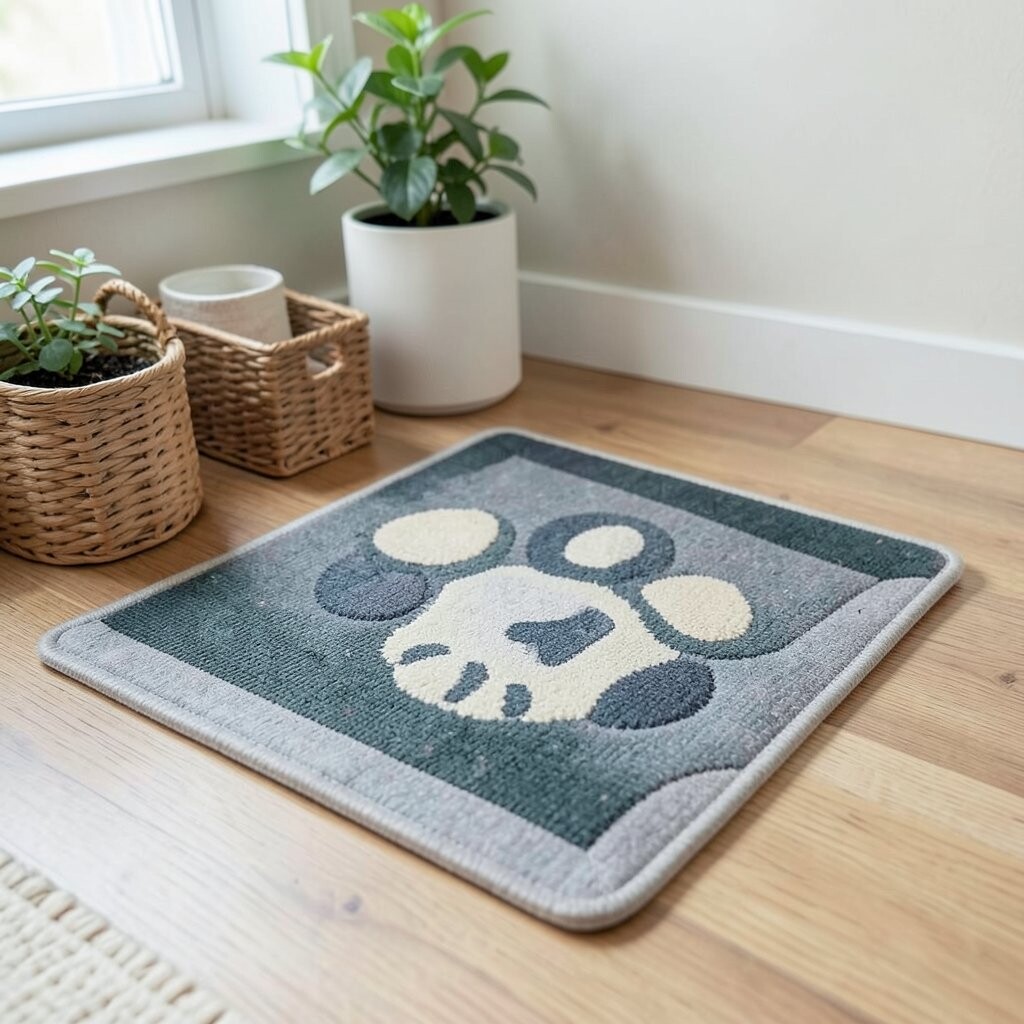
Build a compact paw cleaner mat that catches dirt before it spreads. It’s an easy way to keep floors cleaner in small homes. Use a rubber base, then attach removable fabric strips that you can wash. Choose a pattern like chevrons so it also looks stylish.
This accessory benefits you by reducing mud tracking after walks. It’s unique because the fabric strips can be swapped out like refills, instead of replacing the whole mat. For practical tips, place it right by the door or near the litter box for quick transitions. Use pet-safe adhesive and test for odor before letting your pet touch it.
Personalize by using different colors for different seasons, like green strips for spring and darker ones for rainy months. Keep costs reasonable by sourcing rubber from an old bath mat and cutting fabric from blankets. The current trend of “small hygiene upgrades” makes this feel like a modern, low-effort improvement.
7. DIY Cardboard Apartment Cat Climber With Safe Steps
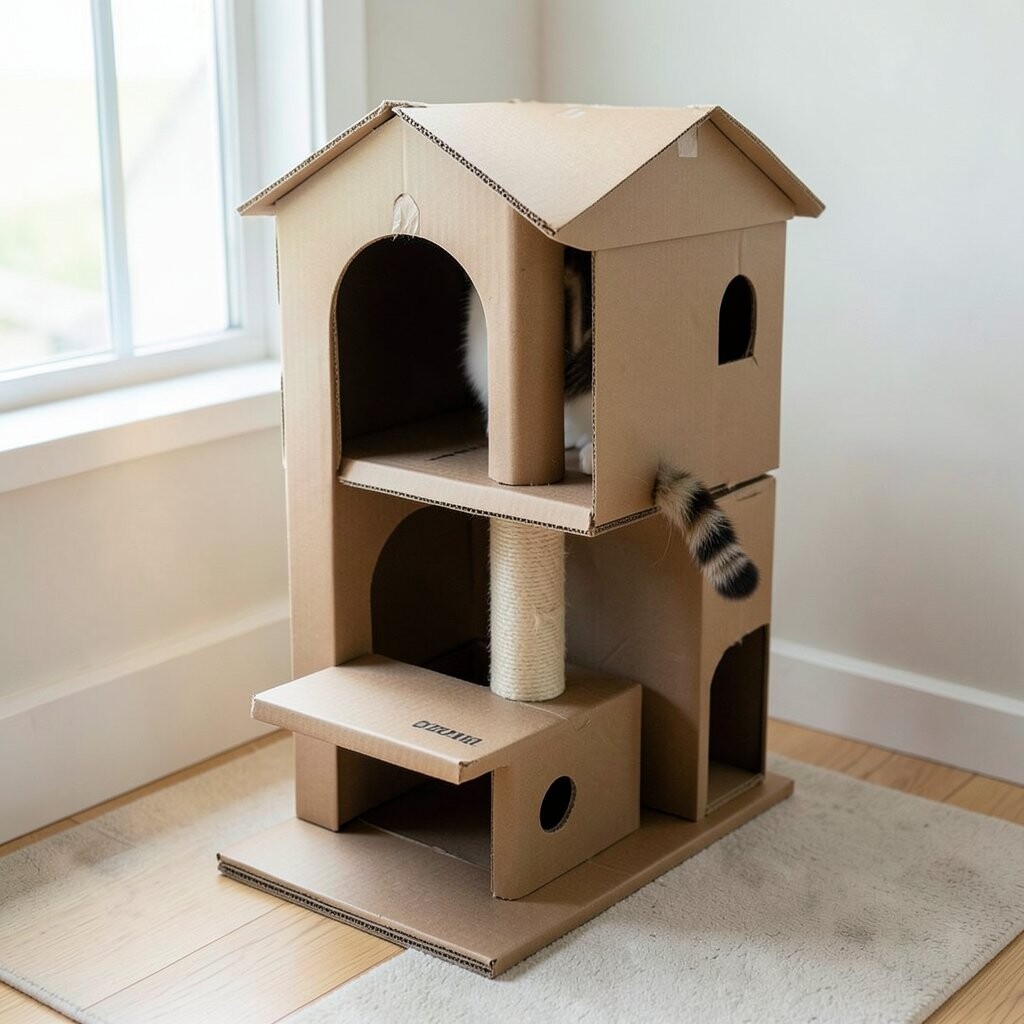
Make a cardboard cat climber that fits in corners and still feels exciting. Your cat gets a new route to perch without taking over the room. Layer thick cardboard sheets to form steps, then reinforce edges with packing tape for stability. Cut a few arch holes so it looks like a mini city structure.
This is beneficial because it supports play, climbing, and independence. It’s unique because the design can be tuned to your cat’s height and your space width. Add a scratch top using sisal rope or corrugated pads so the “climber” also acts as a scratcher. If your cat loves naps, place a small cushion on the top step for a lounge spot.
Practical tips include measuring your corner first and building the climber slightly shorter than your ceiling height. Personalization ideas include painting the outside in neutral tones or adding tiny star cutouts. Cost is usually low if you use shipping boxes, but you may spend a little on rope or sisal. A current trend is “vertical enrichment,” and this turns wasted wall space into fun.
8. Compact DIY Litter Box Privacy Curtain Using Lightweight Fabric

Create a privacy curtain for a litter box that feels tidy, not messy. It’s great for small bathrooms where sightlines matter. Use a tension rod or foldable wire frame, then sew a simple curtain panel with a small cutout for access. Pick fabric that can be wiped or machine washed.
The benefit is twofold: your pet stays comfortable and your home looks cleaner. This accessory is unique because it softens the “hard” look of litter setups and reduces visual clutter. Add a removable lower flap that can be lifted during cleaning. For practical tips, keep fabric off the floor so it doesn’t trap litter.
Personalize the curtain with patterns that match your bathroom, like subtle stripes or small dots. Cost considerations are friendly since lightweight fabric and rod hardware are affordable. A current trend is spa-like spaces, and this gives your pet area a calm, designed feel.
If you have a timid cat, use semi-sheer fabric so it offers privacy while still letting light pass.
9. DIY Wall-Mounted Pet Bowl Shelf With Drip Guard

Build a wall shelf for food and water that keeps counters clear. You’ll give your pet stable access while freeing up surfaces. Use a small wood board or plywood, then mount it securely to studs if possible. Add two shallow bowl holders and include a drip guard lip at the front.
This accessory benefits you by lowering floor mess and reducing spills. It’s unique because it turns pet feeding into a neat “station” instead of scattered items. For practical tips, sand the edges smooth and choose bowls that are easy to remove for washing. Add non-slip pads under the bowls so they don’t slide during drinking.
Personalization ideas include painting the shelf to match your kitchen cabinet color. Keep cost considerations low by using leftover lumber and only buying bowls and brackets. A current trend in small spaces is vertical utility, and this delivers that without looking industrial.
Remember to check mounting strength often, especially for pets that bump bowls during excitement.
10. Small-Space Grooming Caddy From a Shoe Organizer
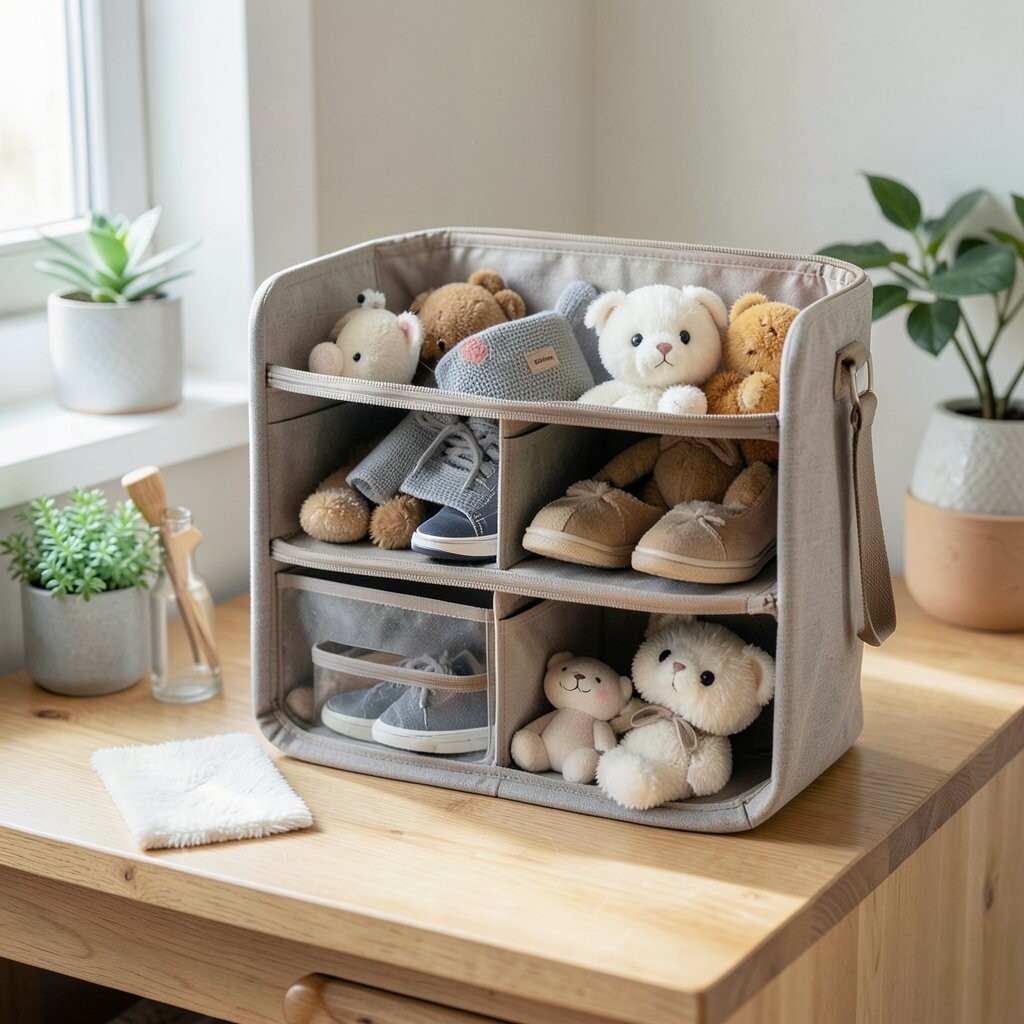
Convert a hanging shoe organizer into a grooming caddy for tidy storage. It keeps brushes, wipes, and small tools off the counter. Hang it on the back of a door or on a wall hook near your cleaning spot. Sort pockets by task so you can grab things quickly.
This accessory is beneficial because it creates a “ready in seconds” routine. It’s unique because the pocket system makes grooming feel like a miniature station. Practical tips include choosing an organizer with pockets that can be wiped clean and placing heavier items lower. Add a small zip pouch pocket for nail clippers and a separate one for spare hair ties.
For personalization, use fabric markers to label each pocket with your pet’s needs. Cost is usually low since you can find organizers cheaply, especially at discount stores. A current trend is vertical organization, and this fits perfectly in apartments with limited cabinet space.
11. DIY Water Bowl Stand With a Washable Base Skirt
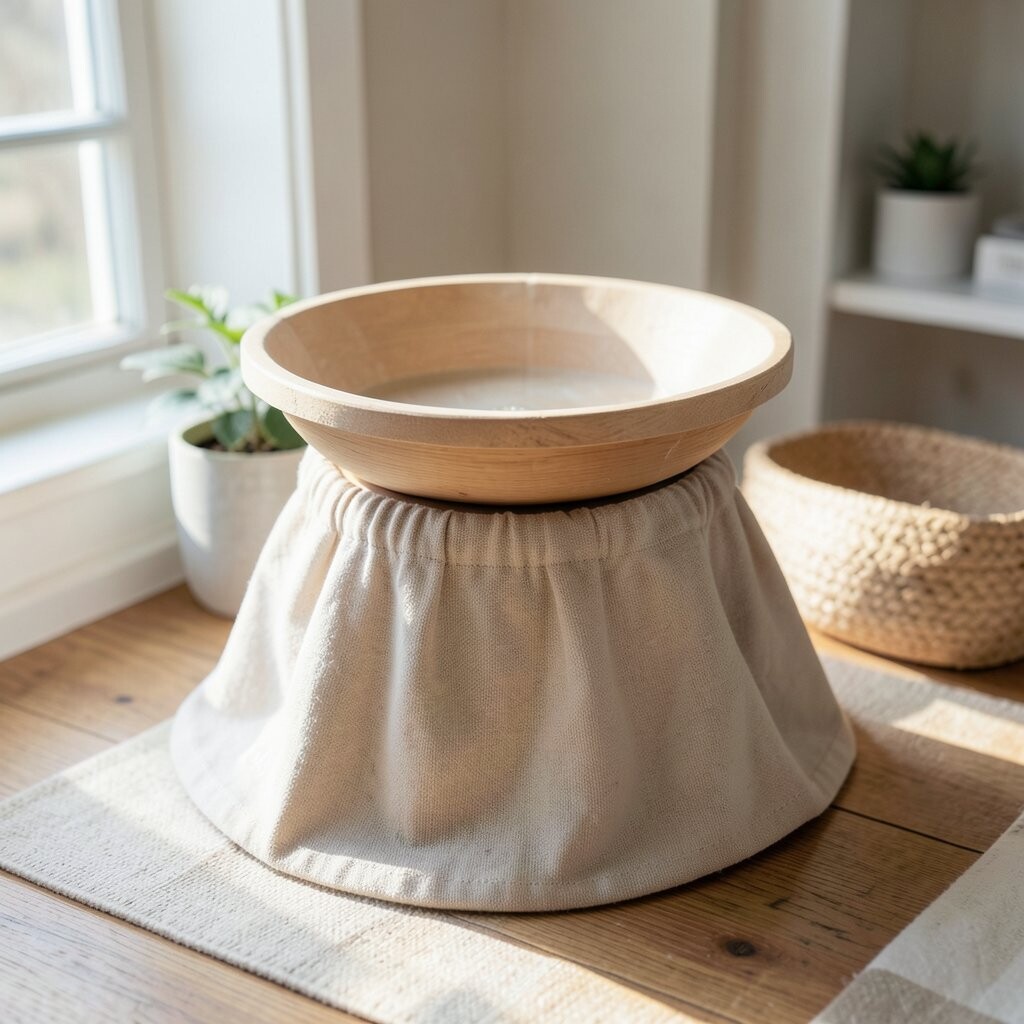
Create a water bowl stand that includes a washable base skirt to catch splashes. It’s a simple fix for the “wet around the bowl” problem. Use a shallow plastic tray as the base, then sew or attach a removable skirt from wipeable fabric. Set the bowls securely so they don’t rock.
This DIY helps keep floors dry and reduces weekly cleanup. It’s unique because the skirt is removable, so you can swap it like a cover. For practical tips, measure your bowl diameter and leave a snug fit around the edges to block water escape. Consider adding a small drain hole to prevent standing water when you wash it.
Personalize by choosing fabric colors that match your floor or laundry area. Cost considerations are friendly because you likely need only fabric, thread, and a tray. A current trend is “hidden mess control,” and this accessory makes spills less noticeable even in open rooms.
Wash the skirt regularly to prevent smells, especially in humid climates.
12. Repurposed Picture Frame Wall Toy With Strings
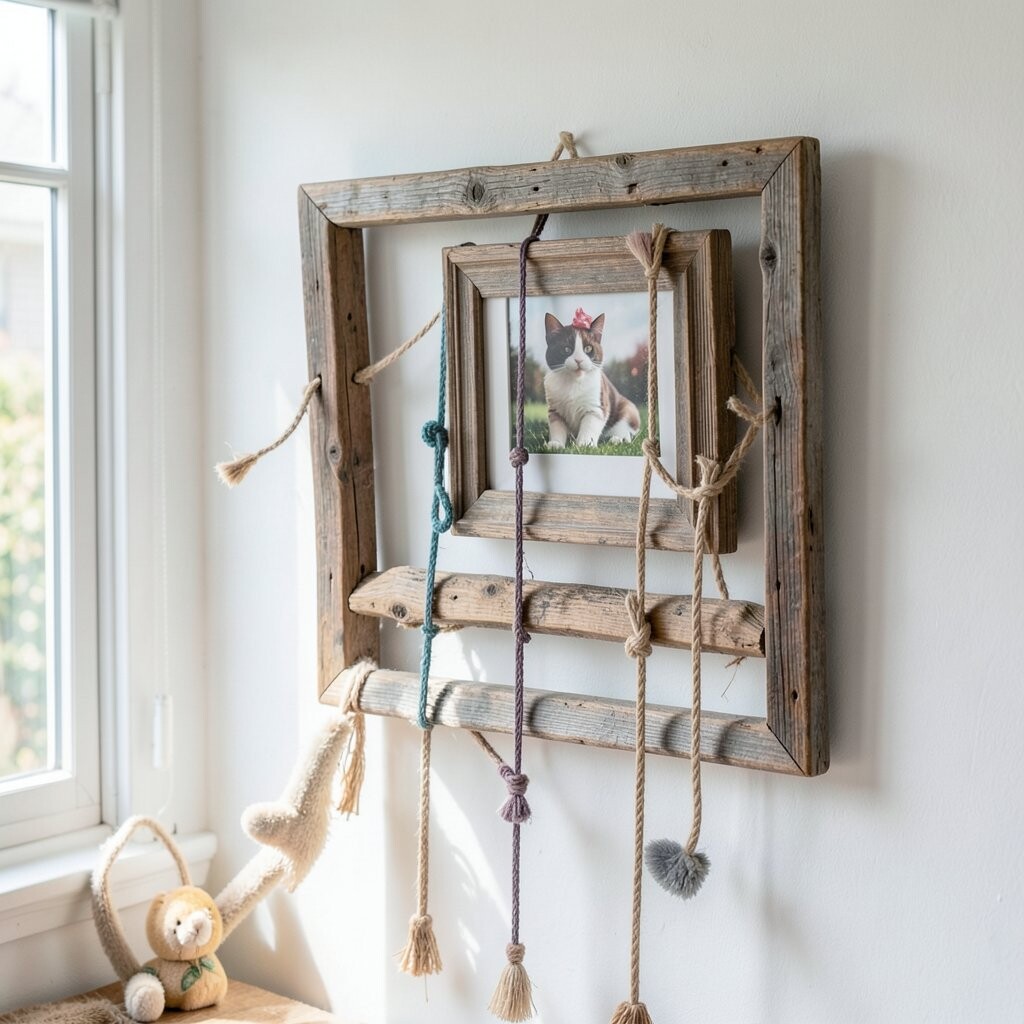
Turn an old picture frame into a wall toy that encourages gentle play. It’s great for small spaces where floor toys can become clutter. Stretch fabric or elastic across the back of the frame, then attach a few lightweight string danglers. Add one small bell or feather for interest.
This accessory benefits you by keeping play off the floor and giving your pet a predictable spot to engage. It’s unique because it looks like decor, not a random toy box. Practical tips include trimming strings to safe lengths and avoiding loose knots that can tangle. Secure the frame to studs and check stability after your pet tests it.
Personalize the design with paint, washi tape, or fabric backing in a matching color scheme. For cost considerations, use frames you already own and buy only small toy pieces like feathers or elastic. A current trend is “decor-toy hybrids,” where functional items still look attractive.
If you have a curious chewer, choose sturdier string materials and supervise at first.
13. DIY Cat Toy Refill Box Using a Lidded Container

Make a cat toy refill box that stores small toys neatly and dispenses one at a time. This helps reduce clutter while keeping interest fresh. Use a lidded container, then add a front opening flap that lets you slide toys in and out. Keep a mix of different textures so your cat has variety.
The benefit is organization plus enrichment, because your cat isn’t overwhelmed by a pile of toys. It’s unique because the “refill” idea simulates new toys without buying as many. Practical tips include labeling toy types, like wand, crinkle, or feather, on the lid. Rotate items every few days so your cat stays curious.
Personalization ideas include decorating the outside with your cat’s theme, like a space pattern or bold stripes. Cost considerations are low since lidded containers are common and you can often reuse packaging. A current trend is toy rotation systems, which are especially helpful in small homes.
Choose a container that is tall enough for toys but narrow enough to fit on a shelf.
14. DIY Dog Waste Bag Holder That Clips to Anything
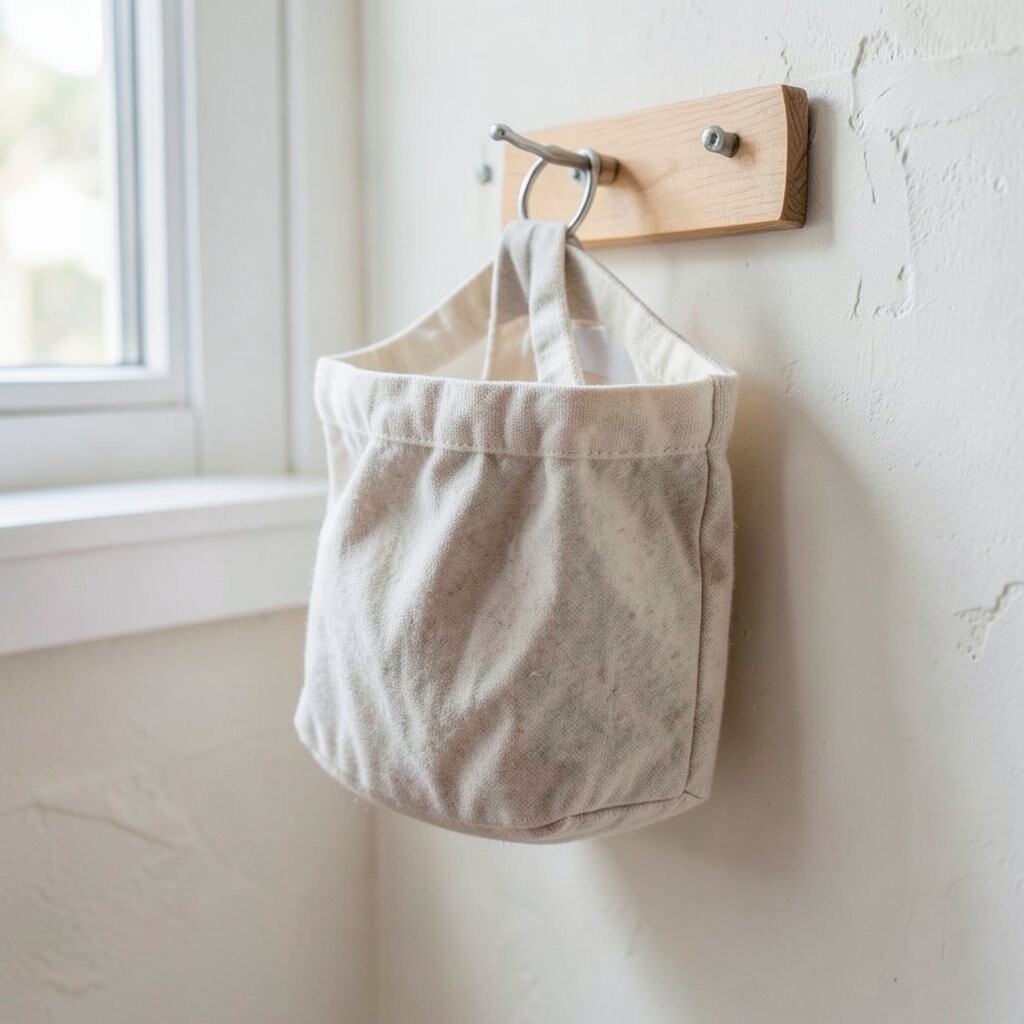
Create a waste bag holder that clips to leashes, belts, or small backpack straps. You’ll always know where it is, even in a tiny living area. Sew a small pouch with an inner ring or clip, then add a button closure for fast access. Use weather-resistant fabric so it lasts longer.
This accessory benefits you by reducing fumbling and keeping streets cleaner. It’s unique because it adapts to your gear instead of forcing you to carry it in one spot. For practical tips, measure your bag roll size first and test the opening width. Add an extra pocket for a small towel or wipes packet.
Personalize with colors that match your leash or your walking outfit. Cost considerations are simple because the pouch uses little fabric and basic hardware. A current trend is “hands-free essentials,” and this supports that in compact spaces.
15. DIY Cooling Pad Cover From a Refillable Gel Pack Sleeve
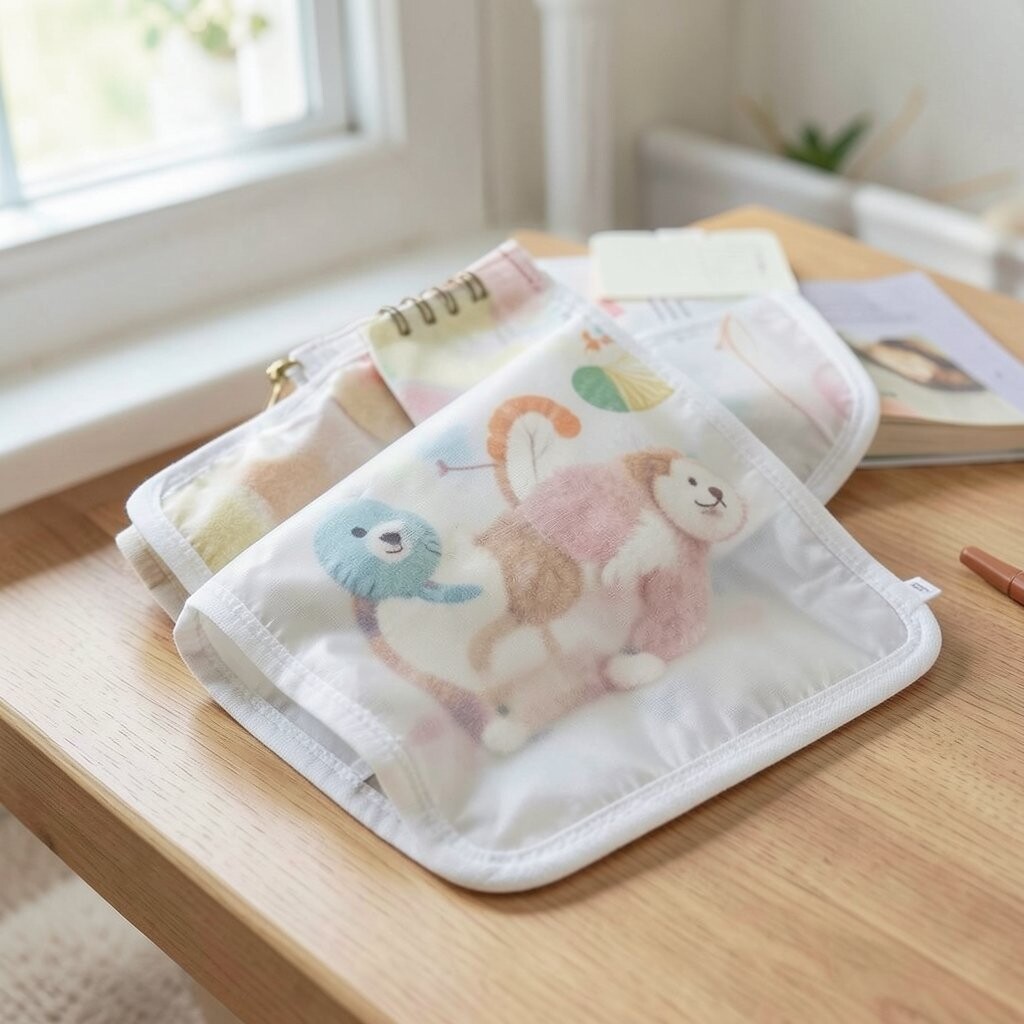
Build a cooling pad cover that can be refilled for hot days. Your pet stays comfortable without needing a huge setup. Use a washable fabric cover with a pocket for a gel pack sleeve. Add a non-slip backing so it lies flat on a bed or floor mat.
This DIY is beneficial because it gives you flexible temperature help that’s easy to store. It’s unique because you aren’t stuck with one-size cooling inserts; you can swap gel packs as needed. Practical tips include using pet-safe, breathable fabric and checking the gel pack seals before first use. Keep it out of direct sunlight to prevent overheating.
Personalize by adding decorative stitching like tiny waves or paw prints. Cost considerations are moderate since you might buy one gel pack, but the cover itself is usually inexpensive. A current trend is cooling accessories for comfort, especially for small pets in warm apartments.
Always follow safety instructions for the gel pack and avoid freezing unless the manufacturer says it’s safe.
16. DIY Bird Bath Accessory Tray With Drainable Base
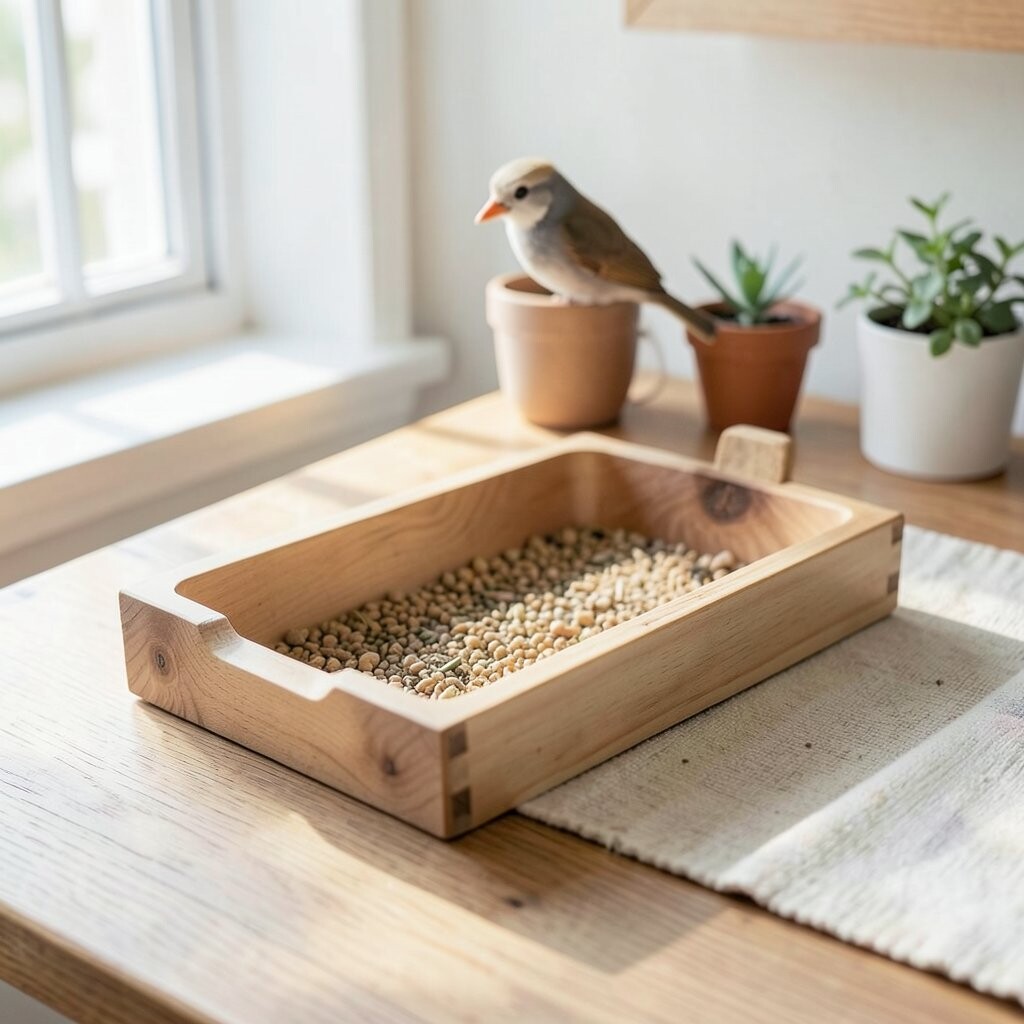
Make a bird bath tray accessory that fits small balconies and tight corners. It helps you keep hygiene simple without taking much space. Use a shallow container with a slightly raised rim, then add a drainable insert using mesh fabric or a removable cup. Keep it easy to lift out for cleaning.
This accessory benefits you by preventing standing water buildup and keeping your area tidy. It’s unique because the removable insert makes scrub-and-rinse routines faster. For practical tips, place it under partial shade and make sure it’s stable on the surface. Add grip pads so it doesn’t slide on smooth floors.
Personalize with safe, natural colors like muted green or sandy tones that match outdoor decor. Cost considerations can be low if you reuse food-safe containers and only buy mesh or grip pads. A current trend is “small balcony wellness,” and this supports that with a compact setup.
17. DIY Pet ID Tag Keychain Display For Easy Updates

Create a pet ID tag display that also functions like a keychain. It keeps your pet info organized and ready for changes. Use a small tag holder with a split ring, then attach your pet’s ID card or tag. Add a tiny label card pocket for emergency details.
This accessory benefits you by making updates simple after vet visits or address changes. It’s unique because it combines carry-ready convenience with a small “information center” feeling. Practical tips include using clear plastic inserts and writing in permanent marker so nothing smears. Keep a backup contact card in the holder for peace of mind.
Personalize it with your pet’s name, a favorite color, or a charm that matches their personality. Cost considerations are low because most supplies are basic craft items or inexpensive keychain parts. A current trend is personalization with small accessories, and this looks cute while serving a real purpose.