
Small changes can make your desk feel brand new. Your everyday work can start to feel fun again.
1. Create a Personal “Welcome Board”

Make a small board that greets you the moment you sit down. Include a mix of notes, tiny reminders, and one friendly message.
Use cork, felt, or a magnetic sheet and place it at eye level. Add a rotating card for your current goal, like “ship one page” or “reply to three emails.” For personalization, match the colors to your favorite outfit shade or your current mood board.
2. Build a Warm Light Setup

Lighting can change your mood faster than you think. Choose a warm desk lamp so your workspace feels cozy, not harsh.
Try a bulb around 2700K to 3000K for a softer glow. If glare bothers you, aim the lamp slightly toward the wall instead of straight at your screen.
Consider current trends like “bias lighting” behind monitors, which can reduce eye strain for some people. To keep it practical, start with one affordable lamp and adjust the angle each week until it feels right.
3. Add a “Gallery Wall” of Micro-Frames

Turn one blank wall into a space that feels alive. Use several small frames so you can rearrange them when your tastes change.
Print photos, hand-lettered quotes, sketches, or ticket stubs that matter to you. Keep the style consistent by using a single frame color, like black or natural wood.
For unique flair, include one frame that holds a tiny rotating carousel or a mini sketchbook page. This is especially trendy now because people love personalized visuals over generic prints.
If cost is a concern, start with just three frames and add more over time. Swap seasonal themes so your workspace stays fresh without buying everything at once.
4. Set Up a “Reset Corner”

Give yourself a small spot where cleanup feels easy. A reset corner can be a basket, a tray, or even one drawer labeled “reset.”
When you finish a task, put items there right away so your desk stays calm. Keep only what you truly use in that corner, and tuck spare supplies away elsewhere.
5. Use Color-Coded Desk Zones

Divide your desk into zones so your brain knows where things belong. Even simple tape lines or a placemat layout can help you stay organized.
Create one area for writing, one for devices, and one for incoming papers. Choose colors you enjoy, like muted greens for focus or soft blues for calm.
To make it unique, match each zone to a habit, such as a “quick ideas” sticky-note area. For personalization, test one color change for a week, then keep the version that feels best.
6. Try a Rotating Desk Tray System

Use trays to keep your tools visible without making your desk messy. A rotating tray system helps you switch between tasks smoothly.
Set up one tray for current work, one for reference materials, and one for “later.” Move the trays every morning so your workspace naturally matches your day’s plan.
For practical tips, label the trays with simple icons, like a pen tip, a book, or a clock. If you want a low-cost start, reuse containers from old organizing sets.
7. Make a “Working Playlist” Mood Jar

Turn music into a visual ritual with a mood jar. Write short playlist prompts on small paper slips and keep them nearby.
Pick one slip before you begin, such as “steady focus” or “quick energy.” When you change tasks, draw another slip to match the moment.
For personalization, include your own phrases and inside jokes. This feels fresh because many people now use mood-based routines to manage attention and energy.
8. Design a Statement Chair Upgrade

Your chair can become part of your creative style, not just your back support. Choose a cushion cover, a throw, or a small ergonomic pillow that looks great.
If you like DIY, wrap the chair with removable fabric panels or use a decorative seat cover. Keep comfort in mind so the upgrade actually supports long sessions.
Unique touches can include a color that echoes your wall art or a pattern you only see when you sit down. Trends right now lean toward “cozy” textures like bouclé and soft knits.
For cost considerations, swap one small item first, like a new cushion cover, rather than buying a whole new chair. Your workspace will feel different as soon as you change how it looks up close.
9. Create a Mini Weather Station

Add a small thermometer, window gauge, or humidity meter to your desk. Seeing the day’s conditions can make you feel more connected to your surroundings.
Place it near natural light so it’s easy to glance at during breaks. If you want a creative twist, pair it with a note like “sun day = deep work” or “rain day = admin tasks.”
10. Use a Desk Mat with Meaning

Pick a desk mat that does more than protect your surface. Choose one with a subtle pattern or a theme that matches your goals.
For example, a topographic print can make planning feel structured. A calm abstract design can make writing feel smoother.
To personalize, add a small sticker or temporary tape marker in the corner for your “start here” point. If you’re budget-minded, look for affordable mats online or repurpose fabric and add a simple backing.
11. Hang a Thoughtful Tension Rod

Use a tension rod to create a floating area for inspiration. You can hang lightweight items like art prints, ribbon, or small organizers.
Position it behind your desk so you keep your screen view clear. This setup is great for rotating visuals without drilling into walls.
Make it unique by using different lengths of string or clips, so items look like a mini “curated exhibit.” For cost, tension rods are usually affordable, and you can start with just one section.
12. Try a “Task Ladder” for Daily Steps

Turn your tasks into a visible ladder that you climb each day. Use sticky notes or a small board with steps labeled by effort level.
Start with a “warm-up” task, then move upward to bigger work. This helps your brain start quickly because each rung feels achievable.
For practical tips, keep the ladder short so you’re not overwhelmed. Personalize it with your real activities, like “clean inbox,” “draft,” and “review,” so it matches how you work.
13. Set Up a “Pen Museum” Display

Collect your favorite pens and show them like they’re art. A pen museum can be as simple as a cup, tray, or jar grouping by style.
Mix colors, tip sizes, and textures so your collection looks interesting even when you’re not writing. This kind of display can make starting feel playful.
For uniqueness, keep one “special occasion” pen for important moments, like presentations or deadlines. Current trends favor hands-on tools and maker vibes, and pens are a perfect fit.
To manage costs, keep one category you upgrade gradually, such as gel pens or fine liners. You’ll still get visual impact without buying everything at once.
14. Make a “No-Tech Break Zone”
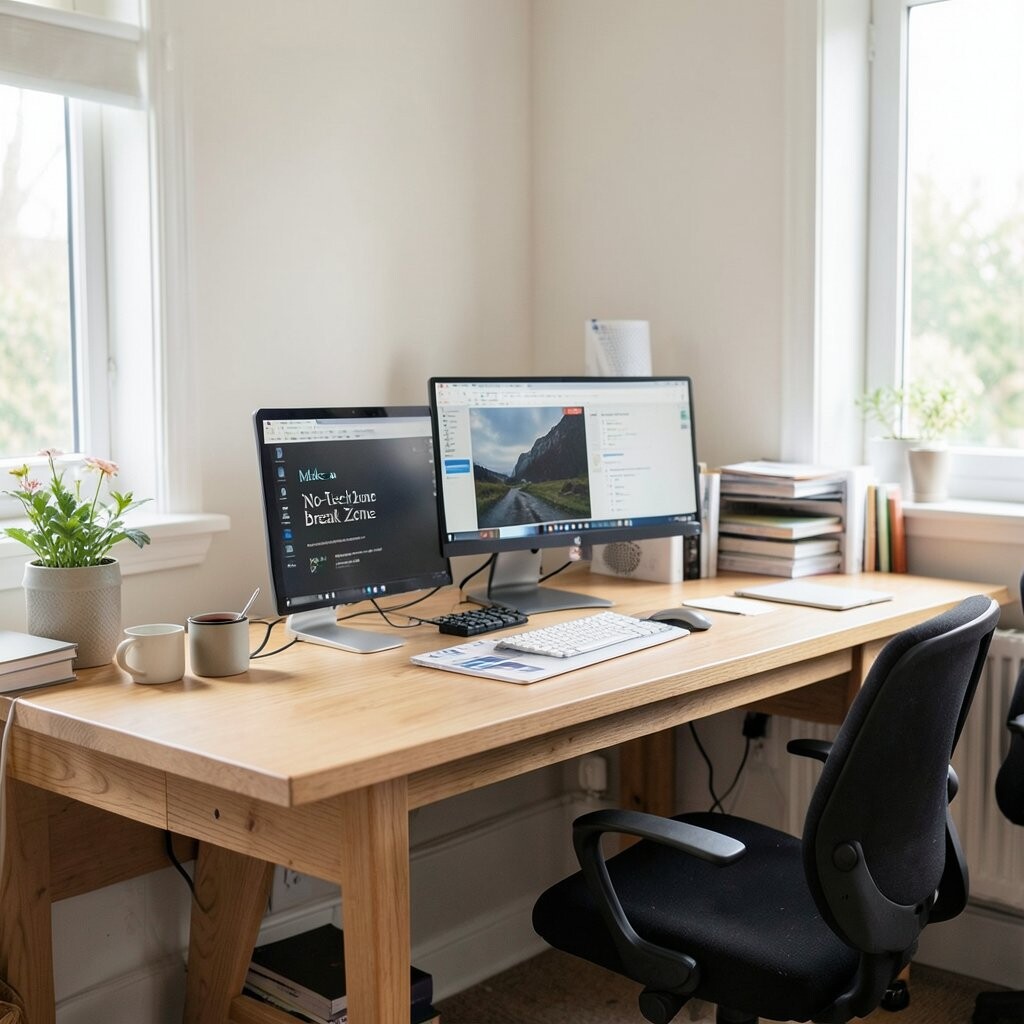
Create a small area where you don’t use your phone or laptop. It can be a coaster, a folder, or a corner of your desk labeled “reset.”
During breaks, move your device to that zone and do one simple action like stretching or sketching a single idea. This practice helps your mind refresh and return to work with less friction.
15. Add Texture with a Fabric Backdrop

Choose a fabric panel behind your workspace to add warmth and softness. It can be as small as a scarf-like drape or a larger cloth piece.
Pick colors that match your art or your preferred mood, like earthy browns for comfort or muted pastels for calm. Fabric also helps with the look of your space in photos or video calls.
For personalization, pin up a fabric swatch that you might someday use in a real project. If you want to keep it affordable, use thrifted scarves or offcuts from craft stores.
16. Build a Micro Shelf for “Future You”

Create a small shelf dedicated to what you want to learn next. Put there books, printouts, or a tiny project kit that sparks curiosity.
Keep the shelf visible so you feel the pull toward your next step. This makes your workspace feel forward-looking, not just busy.
To make it practical, use one shelf for learning and keep your active tools elsewhere. Budget-friendly option: use a secondhand shelf or a simple ledge from a hardware store.
17. Use a Sticky Note “Storyline” Wall

Turn sticky notes into a storyline of your progress. Arrange them in a loose path that shows what you did and what you’re doing next.
Write each note with a beginning and outcome, like “Plan the outline” or “Finalize the intro.” Seeing a sequence can make you feel accomplished even during long projects.
For uniqueness, add occasional “plot twists,” such as a note that says “new idea” or “fix found.” This matches current workspace trends where people share process visuals and progress boards.
18. Lightly Curate Your Desk Decor Rotation
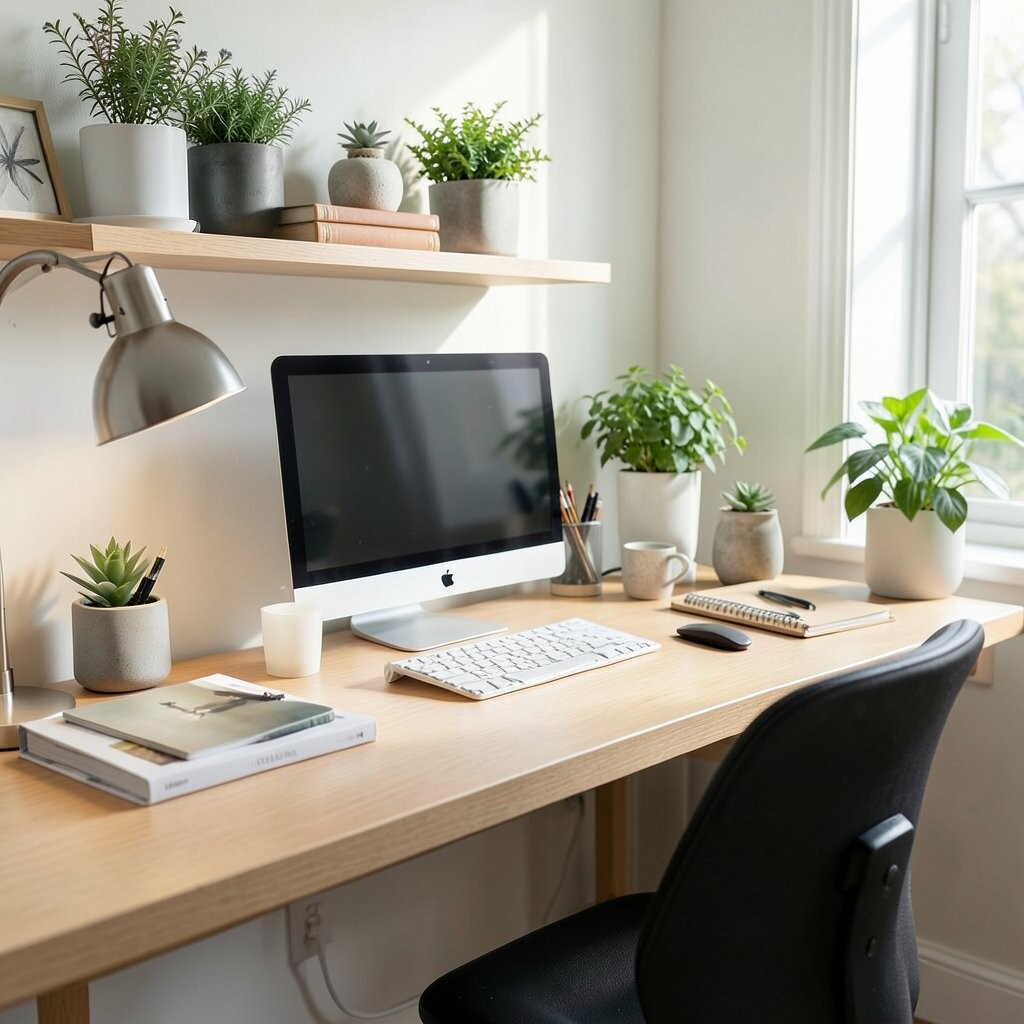
Instead of decorating once, decorate in seasons. Pick a few small pieces and rotate them every week so your brain stays interested.
Examples include a small plant, a photo card, a candle jar (if safe), or a decorative paperweight. Keep a “rotation box” so you always know where to store items between changes.
Personalize the rotation by linking it to your goals, like creativity week, planning week, or rest week. For cost considerations, prioritize items you can reuse, such as frames, books, and natural textures.
19. Make a “Start Signal” You Can Hear

Create a sound or cue that tells you you’re ready to work. It could be a small chime, a timer you love, or a click pen you only use at start.
Pair the signal with a tiny routine, like opening your main document, clearing your inbox, and taking one slow breath. That pattern helps your focus kick in faster because your body recognizes the cue.
To personalize, choose a start signal that matches your style, from calm tones to energetic beats. If you want low cost, try a free phone sound or a basic mechanical timer instead of buying new gear.