
Bright, garden-grown flavor can turn a simple pour into a real treat. These drinks are built for outdoor vibes and easy bar cart wins.
1. Cucumber Basil Spritz
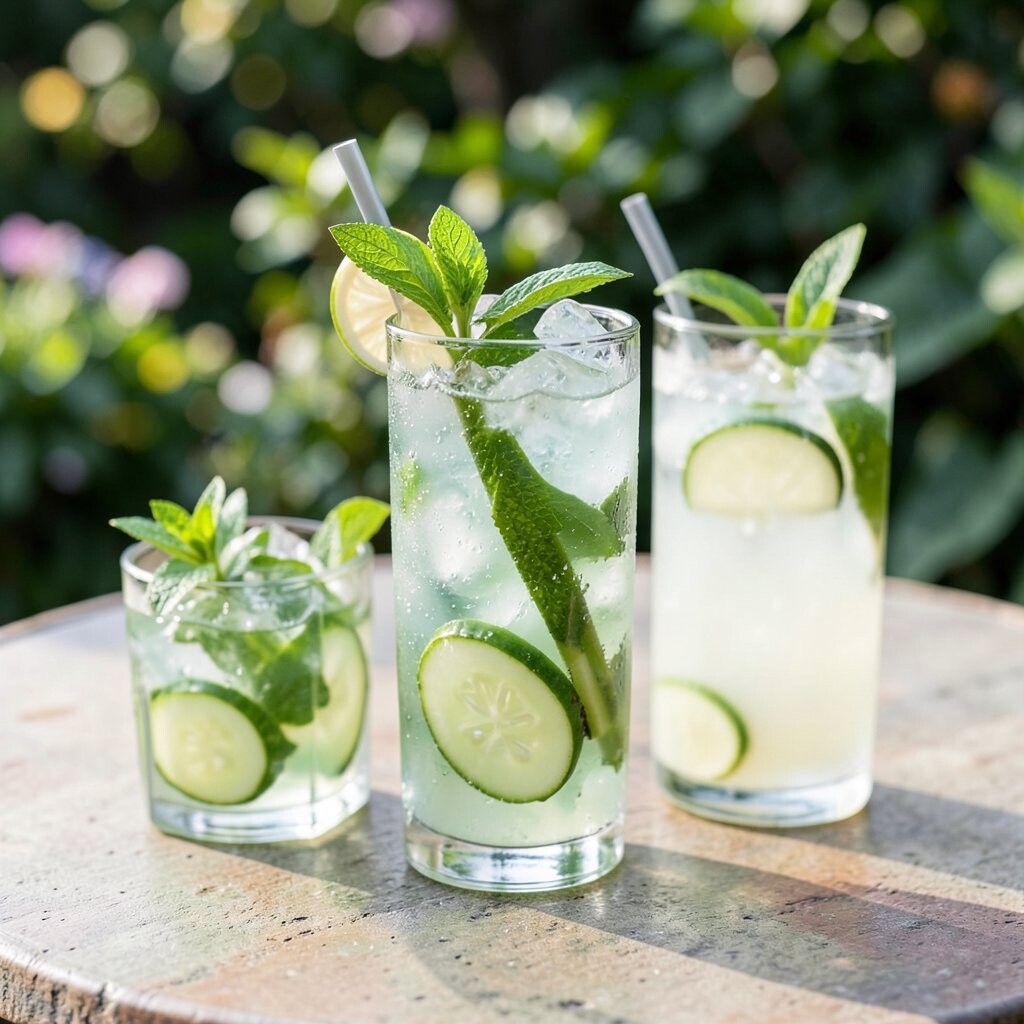
This cool cocktail looks like it belongs in a summer magazine. You get a crisp snap from cucumber and a fragrant lift from fresh basil.
To make it, muddle a few basil leaves gently, then add cucumber slices and a handful of ice. Pour in sparkling water or soda, followed by a light spirit like gin or vodka, and finish with a squeeze of lemon. For a practical tip, chill your glass first so the bubbles stay lively longer, and taste as you go to balance tart and herbal notes.
2. Strawberry Thyme Paloma
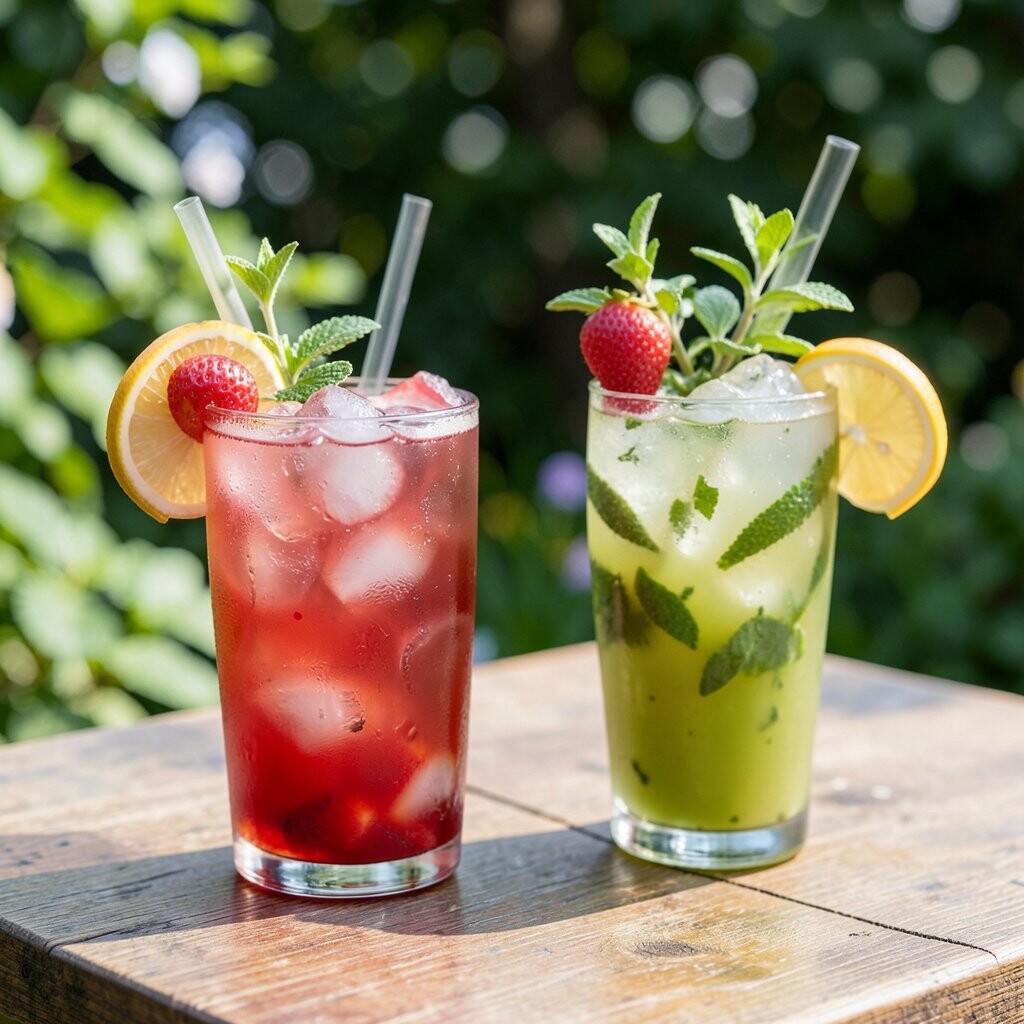
Think pink, tangy, and herb-kissed—like a garden meeting a beach boardwalk. Strawberry brings sweetness, while thyme adds a savory edge that keeps it from tasting too candy-like.
Start by blending or muddling strawberries with a sprig of thyme, then strain if you want a smoother drink. Add tequila, fresh lime juice, and a pinch of salt to sharpen the flavors. Top with grapefruit soda or a splash of grapefruit juice for that classic paloma sparkle, and keep a taste ratio in mind: more lime if you like it bright, more soda if you like it easy.
If you want it extra pretty, garnish with a thyme sprig and a strawberry half on the rim. For cost, bottled grapefruit soda is usually cheaper and consistent, while fresh thyme is inexpensive when grown in a small pot. A trend right now is using fresh herb stems as garnishes, so don’t be shy about going bold with the look.
3. Peach Nectar Mint Highball

A peach highball looks glowing in a tall glass, with mint floating like tiny green sails. It tastes light, juicy, and refreshing without needing heavy syrups.
Pour peach nectar over ice, then add rum or vodka, and squeeze in a little lime to wake up the fruit. Stir briefly so the flavors mingle, then top with ginger ale or club soda for gentle fizz. For practical tips, choose nectar you actually like to drink straight, because the base flavor shows up clearly.
What makes it unique is the mint paired with peach nectar instead of using a sweet peach liqueur. That keeps the drink fresher and often less costly, especially when you buy mint in bulk or harvest it from your garden. Personalize by swapping mint for lemon balm or adding a few diced peaches for texture.
If you’re hosting, pre-fill pitchers with the peach mix (minus the soda) and add bubbles only when serving. This keeps the drink bright and reduces last-minute stress. Current garden-bar trends also favor highballs since they scale well and look great on a sunny table.
4. Lime Leaf Coconut Cooler

This creamy-looking sipper is actually airy and bright, with a tropical aroma from lime leaf. Coconut softens the tang, so it feels smooth even when you keep the lime fairly strong.
Mix coconut water with lime juice and a spoon of simple syrup if your lime is very sharp. Add white rum or tequila, then shake with ice for a thicker texture, or stir for a lighter feel. Garnish with a thin lime wheel and a small pinch of lime zest right on top.
5. Garden Gin & Rosewater Tonic

It’s floral without being perfume-y, thanks to rosewater used in small, careful amounts. The result is elegant, pale, and aromatic—perfect for a late afternoon toast.
Build it in a tall glass: add gin, a tiny splash of rosewater, fresh lemon juice, and lots of ice. Top with tonic water and stir gently so the scent stays delicate. For uniqueness, add a bruised mint leaf or a small pinch of dried edible lavender for a deeper garden feel.
Cost considerations are simple here: gin can be any affordable brand, while rosewater is the main specialty ingredient. Use a light hand because too much rosewater can overpower everything, and start with about a half teaspoon per drink. A trend worth noting is pairing botanicals with clear spirits, because the colors look clean and modern.
6. Watermelon Jalapeño Margarita

Bright watermelon makes this margarita feel like a summer garden hose, but the jalapeño brings a clean, confident heat. The color is bold and juicy, and the finish is cool and spicy.
Muddle watermelon with jalapeño slices, then strain to control the spice level. Add tequila, lime juice, and a little agave or simple syrup if your fruit is less sweet. Salt the rim with lime salt for extra bite, and let the drink sit for one minute so the heat blends in.
To personalize, swap jalapeño for serrano for more punch, or use less pepper if you’re feeding beginners. For cost, seasonal watermelon is usually cheaper, and frozen watermelon works in a pinch. This one is trending because spicy fruit cocktails are all over summer menus, and the garden twist keeps it fresh instead of heavy.
If you’re making a batch, keep jalapeño pieces separate and remove them once the flavor hits your preferred heat. That way, every glass stays consistent from first pour to last.
7. Blackberry Sage Smash
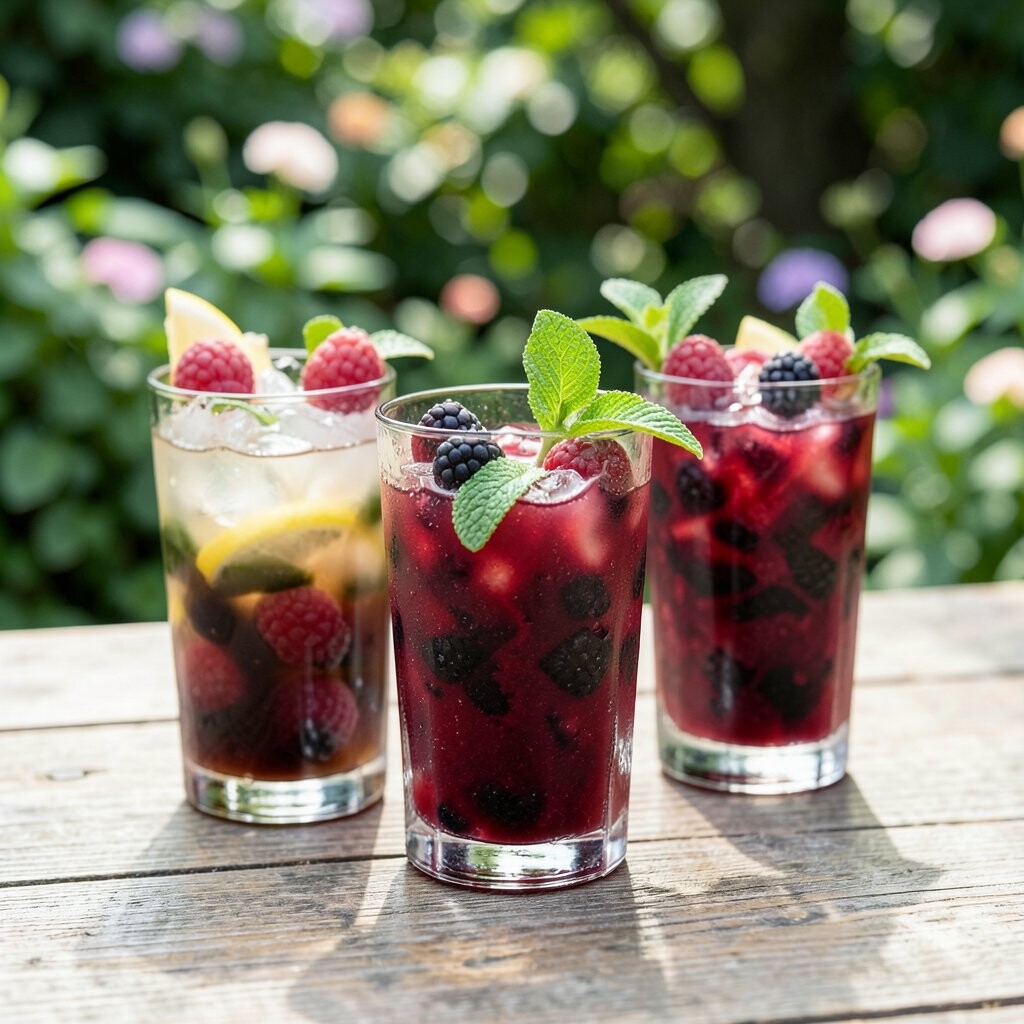
Blackberry and sage create a dramatic color and a savory aroma that feels upscale. It tastes like a cozy hedge-row walk, brightened by citrus.
In a glass, muddle blackberries with a few sage leaves, then add lemon juice and a sweetener like honey syrup. Add your spirit—often bourbon or gin—then fill with crushed ice. Stir until the drink looks slightly purple and frosty, and top with a splash of soda if you want it lighter.
What makes it unique is the sage: it adds a herbal depth that regular berry cocktails often miss. For practical tips, bruise sage lightly so you don’t get a bitter taste, and taste after stirring because blackberry sweetness varies. If you want a cost-friendly version, use frozen blackberries and freeze them in small portions for easy measuring.
You can personalize by garnishing with extra blackberries and a single sage leaf, then adding a thin lemon peel curl for a clean finishing touch. Right now, smashes are popular because they look gorgeous with crushed ice and they’re easy to customize.
8. Lemon Balm Citrus Spritz

This spritz is light, sunny, and softly herbal, with lemon balm doing the heavy lifting. It’s the kind of drink that looks pale and inviting even when it’s simple.
Combine lemon balm leaves with lemon juice and a touch of sugar syrup, then add vodka or gin. Fill with ice and top with sparkling water, stirring gently to keep it airy. If you prefer less sweetness, skip syrup and rely on fresh citrus and the natural flavor of the balm.
To make it practical, grow lemon balm in a pot because it tends to spread, then clip leaves fresh right before mixing. Cost stays low since the garnish comes from your own plant. A trend you’ll notice in garden bars is using “milder herbs” like lemon balm instead of stronger ones, because they feel approachable for most palates.
9. Charred Pineapple Rum Punch

Charred pineapple brings smoky sweetness that instantly makes a cocktail feel special. The drink looks golden with a caramel edge, like sunlight captured in a glass.
Char the pineapple quickly on a grill or in a hot pan, then blend with rum and a little lime juice. Strain and pour over ice, topping with ginger beer for bite. For uniqueness, the quick char step matters more than fancy equipment, so don’t skip it.
Personalize by adding mint, a dash of bitters, or a splash of coconut water for softness. For cost considerations, canned pineapple is cheaper and consistent, but fresh pineapple can taste brighter when it’s in season. Hosting tip: make a pineapple base and keep it chilled so everyone gets the same smoky-sweet flavor.
This punch fits today’s trend of “open fire” flavor, where small char moments make cocktails feel restaurant-level. It also pairs well with casual garden food like grilled chicken or shrimp skewers.
10. Apple Cider Caraway Cooler
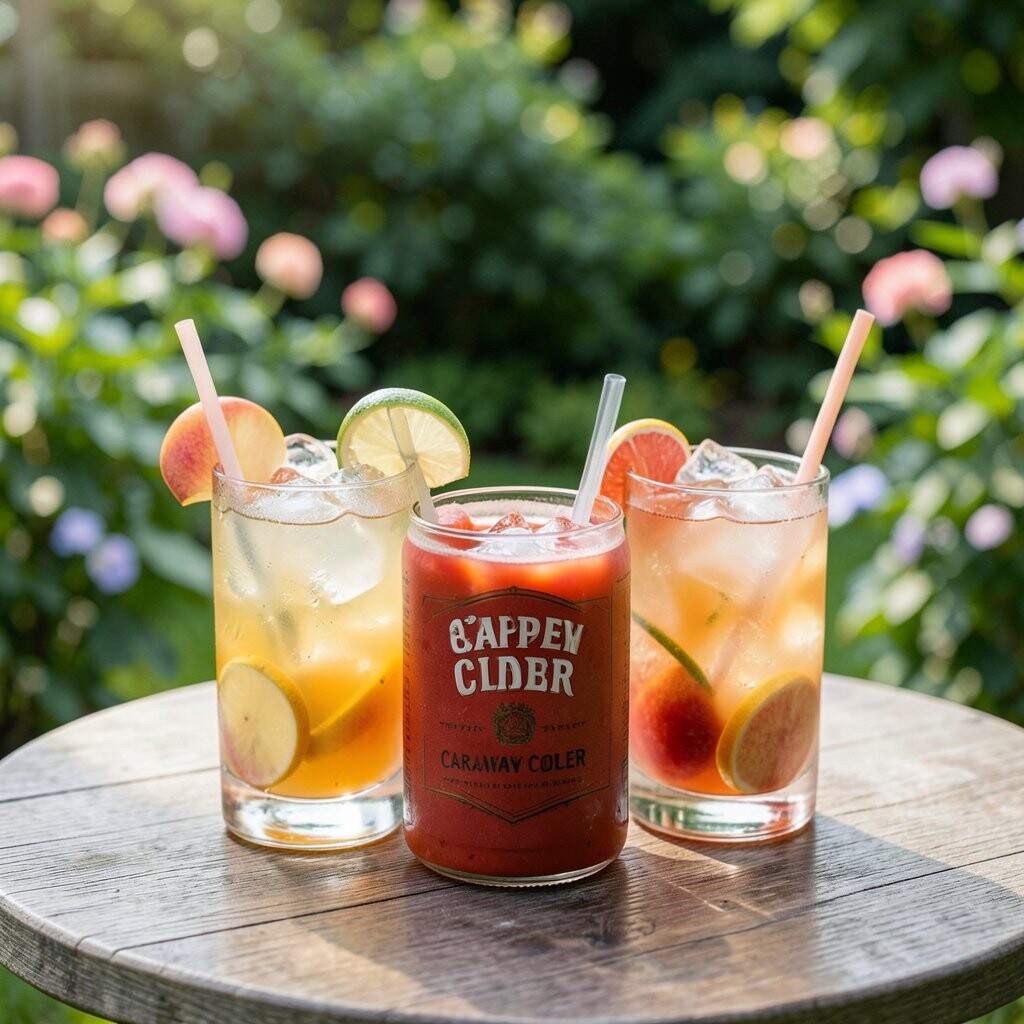
Apple cider cocktails feel cozy even in warm weather, especially when they include a tiny herbal twist. Caraway adds a subtle, toasted flavor that makes it stand out.
Warm or chill apple cider, then mix with vodka or spiced rum and a splash of ginger beer. Add a pinch of caraway seeds and let it steep for a minute before straining if you want less texture. Keep it practical by measuring spices carefully, since caraway is strong and can dominate if you add too much.
11. Elderflower Peach Fizz
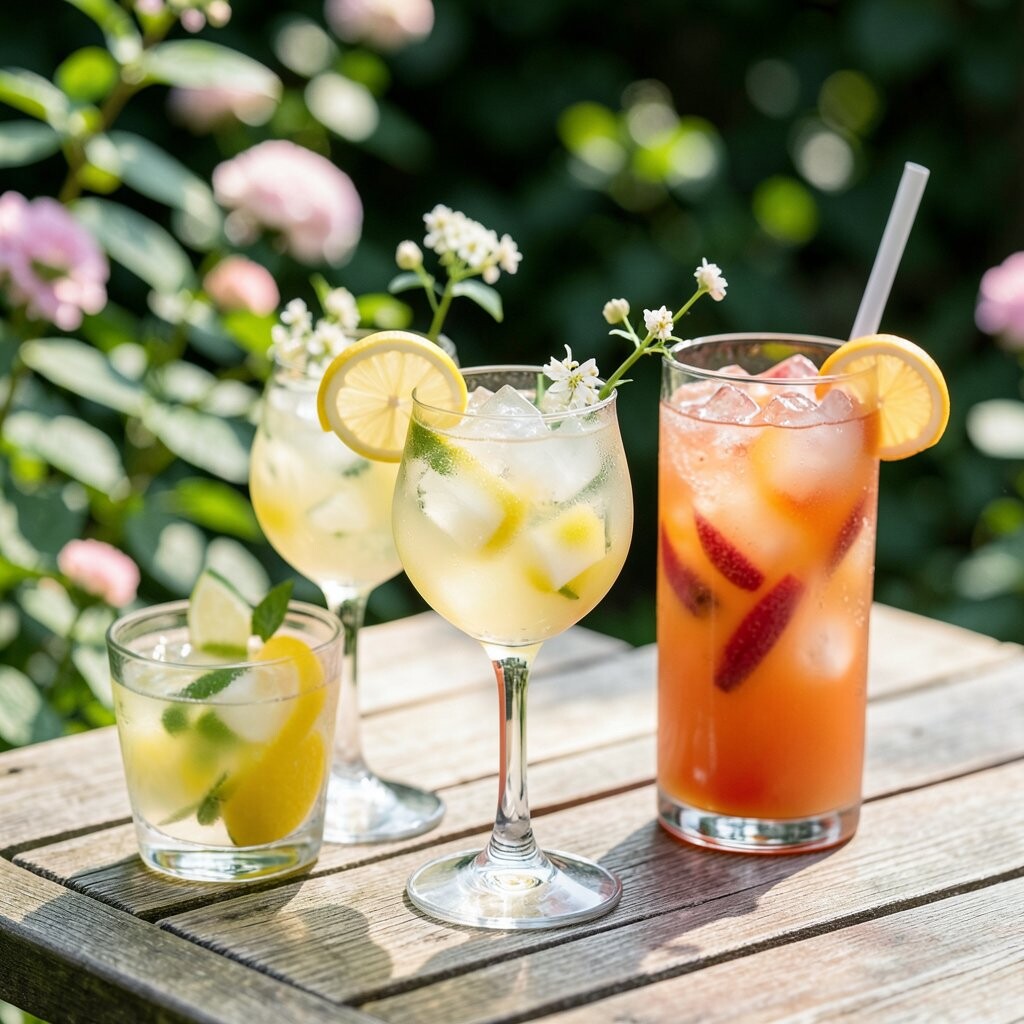
With elderflower and peach, this drink tastes like spring flowers meeting ripe fruit. It looks gorgeous—soft, pale, and lightly sparkling—so it’s a great “show glass” for your garden bar.
Use elderflower cordial or syrup mixed with peach puree, then add chilled sparkling water. Add a spirit like gin or vodka if you want it boozy, and finish with fresh lemon for balance. For practical tips, keep the fizz separate until serving if you’re making multiple drinks to avoid losing bubbles.
Uniqueness comes from the elderflower note, which feels floral but still clean when paired with peach. Cost can be a factor because elderflower cordial is often a specialty purchase, but you can use it sparingly and stretch the bottle for many cocktails. A current trend is using fruit-forward mixers instead of heavy liqueurs, and this fits perfectly.
12. Basil Strawberry Smash with Bubbles

This is a juicy, herb-bright cocktail with a vibrant red color and a fresh, garden smell. Basil makes the strawberry taste more grown-up, like it’s been tucked into sunlight.
Muddle strawberries with basil leaves and a squeeze of lime, then add simple syrup only if needed. Add your spirit—try gin for a crisp vibe or vodka for a smooth one—then shake with ice for a quick refresh. Strain into a glass filled with fresh ice, then top with sparkling water for bubbles.
To personalize, add a few drops of bitters or a pinch of black pepper if you like a bold finish. For cost considerations, basil is usually cheap at the store and grows well in a small container. This style is trending because “smash + top with bubbles” is both photogenic and easy to adjust for different sweetness levels.
13. Cantaloupe Rosemary Cooler

Cantaloupe is sweet and mellow, and rosemary gives it a piney, refreshing twist. The drink tastes like a quiet afternoon in the garden, calm but flavorful.
Blend cantaloupe with ice, then strain or keep it slightly textured depending on your preference. Add white rum, a splash of lime juice, and a pinch of salt to boost the fruit. For practical tips, use rosemary like a whisper—bruise one small sprig and taste after steeping briefly so you don’t get bitterness.
Uniqueness is in the pairing: fruit-forward cantaloupe plus aromatic rosemary feels different from the usual berry cocktails. Cost stays reasonable if you use in-season cantaloupe, and rosemary can come from your yard with almost no ongoing expense. A trend you’ll notice is using savory herbs in fruit drinks to make them feel less like dessert and more like a true cocktail.